What is the Difference Between NIE and TIE in Spain? If you’re thinking about moving to Spain or just spending an extended time there, you’ve probably heard these two terms thrown around: NIE and TIE. The NIE, or Número de Identificación de Extranjero, is essentially your foreigner’s identification number. This little number is crucial if you want to do anything from opening a bank account to signing a rental contract. For example, without an NIE, you won’t be able to pay taxes or engage in legal transactions; it’s like your ticket into the Spanish system.
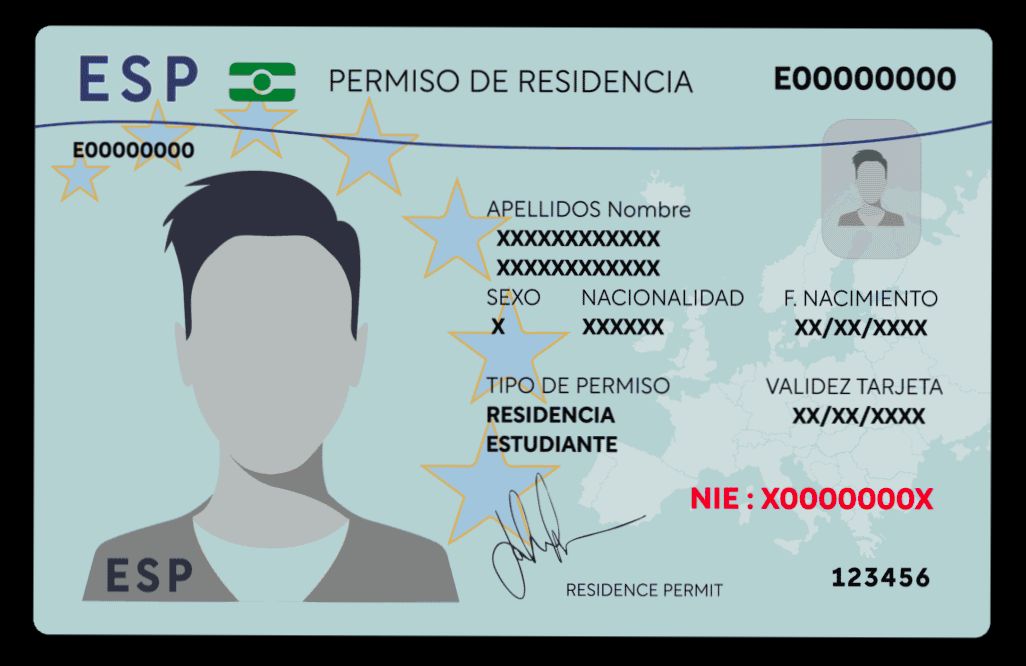
On the flip side, TIE stands for Tarjeta de Identidad de Extranjero, which is your resident card. If you decide to live in Spain for longer than six months, you’ll need a TIE. This card not only shows that you’ve been officially granted residency but also serves as a proof of identity while you’re in the country. Picture this: you’re out with friends, and someone asks for ID—whipping out your TIE proves you’re legit. Plus, it makes traveling around the EU a lot easier. Understanding these two identifiers will help you navigate life in Spain like a pro, so let’s dive deeper into what each one entails!
Key Features of NIE and TIE
When navigating life in Spain as a foreigner, understanding the nuances of the NIE (Número de Identificación de Extranjero) and TIE (Tarjeta de Identidad de Extranjero) is essential. Both documents are vital for different aspects of living or doing business in Spain, and knowing what they offer can enhance your experience.
Key Features of NIE
- Identification for Transactions: The NIE serves as an identification number crucial for engaging in various transactions, such as purchasing property and opening bank accounts. Without it, these activities would be challenging or impossible.
- Tax Identification Number: Your NIE also doubles as your tax identification number (NIF), which means it is necessary for paying taxes in Spain. Regardless of your residency status, having an NIE simplifies your financial interactions.
- Required for Various Activities: It’s essential for several activities, including:
- Buying property, especially for non-residents.
- Opening a bank account, aiding in bill payments and reducing international transaction fees.
- Setting up utility services like electricity and internet.
- Application Process: You can apply for an NIE at a Spanish consulate or directly in Spain. The process typically entails a fee of around €10-15 and providing a satisfying reason for needing it, such as a property purchase agreement.
Key Features of TIE
- Proof of Residency: The TIE is a physical card that signifies your legal right to reside in Spain, proving your status to various authorities.
- Facilitates Re-Entry: If you are a non-EU resident and have spent over 90 days in the Schengen zone, the TIE allows for smoother re-entry into Spain. This is crucial for maintaining continuity in your residency.
- Access to Employment Benefits: To secure employment in Spain, you will need to show your TIE to potential employers. This document confirms your eligibility to work in the country.
- Social Security Registration: With your TIE, you can register for social security, enabling access to public healthcare and other social benefits. This is vital for long-term residents planning to make Spain their home.
Comparative Overview
| Feature | NIE | TIE |
|---|---|---|
| Type of Document | Identification number | Physical residency confirmation |
| Need | Anyone engaging in financial dealings | Non-EU residents living in Spain |
| Purpose | Property, banking, taxation | Long-term residency and employment |
| Application Location | Available at consulates and in Spain | Must be applied for in Spain < 30 days of arrival |
Real-World Examples
Imagine you, a non-EU citizen, are considering investing in Spanish real estate. To secure your property purchase, you would need an NIE for legal and financial transactions. This simple document could mean the difference between owning a vacation home in Spain or missing out on a coveted opportunity.
Consider another scenario where a non-EU national, having received their TIE, finds a job in Spain. The TIE is essential for their employer, ensuring proper compliance with work regulations. Without the TIE, securing employment could be a daunting task.
Practical Implications for Readers
- If you plan to buy property or open a bank account, getting your NIE as early as possible is crucial. This step will streamline many processes and minimize delays in your transactions.
- For those looking to establish residency in Spain, ensure you have your TIE ready within the first month of your arrival. This document is integral to accessing benefits and employment opportunities.
- Be prepared for the application processes: you will need documentation to justify your need for both the NIE and TIE. Keep your passport, proof of residence or job offer (for TIE), and particulars related to your financial activities handy.
You can confidently navigate your journey in Spain by understanding these key features and preparing accordingly.
Statistical Insights on NIE and TIE
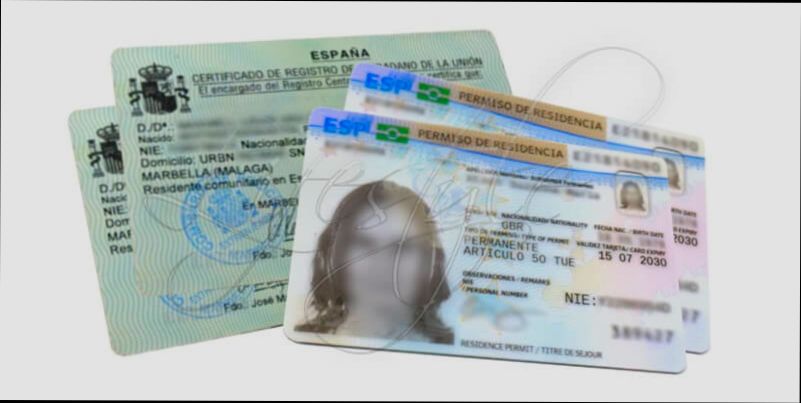
When it comes to navigating the bureaucratic landscape in Spain, the NIE and TIE play critical roles. Understanding the statistical landscape surrounding these identification processes can offer valuable insights into their demand and usage among foreigners in the country.
Key Statistics on NIE and TIE
- As of the latest data, around 90% of foreigners residing in Spain have obtained an NIE. This number highlights the crucial role of the NIE in facilitating essential transactions for expats.
- In contrast, only about 40% of these foreigners choose to apply for a TIE, indicating a significant discrepancy between those who need a tax identification number and those who opt for the residency card.
- Recent reports show that the average processing time for obtaining an NIE is approximately 2-4 weeks, whereas the TIE can take up to 3 months due to additional paperwork and background checks.
- A survey found that among those who hold either an NIE or TIE, 60% reported that it simplified their interaction with governmental services, emphasizing the importance of these documents in everyday life.
| Document Type | Percentage of Foreigners with Document | Average Processing Time | Simplifies Interactions (%) |
|---|---|---|---|
| NIE | 90% | 2-4 weeks | 60% |
| TIE | 40% | Up to 3 months | 60% |
Real-World Examples
One significant study highlighted a Spanish city where over 50% of international residents successfully navigated the property market using their NIEs. In contrast, the TIE holders in the same area mentioned challenges in extending their work permits, illustrating the varying experiences based on the type of documentation held.
Another case involved a foreign student who initially applied for an NIE to register for classes. Once he graduated, he was able to secure a job, necessitating the transition to a TIE. However, he discovered that applying for a TIE introduced new challenges, such as providing additional proof of employment and residency status.
Practical Implications for Readers
Understanding these statistics can greatly influence your decision-making process. If you’re looking to immerse yourself in Spanish life or invest here, obtaining your NIE should be your first priority given its widespread acceptance among foreigners.
Furthermore, knowing the processing times helps you plan ahead. If you require a TIE later for work or residency, anticipating a longer wait can alleviate frustration and ensure you have all necessary documents prepared.
- Always ensure you have your NIE before starting any major transactions.
- If you’re considering applying for a TIE, prepare for the extensive documentation required, and account for potential delays in processing.
By keeping these insights in mind, you can navigate the system more efficiently and enhance your experience in Spain.

Practical Use Cases for NIE and TIE
Understanding the practical applications of the NIE and TIE can make your experience in Spain smoother and more efficient. Both documents serve unique purposes that facilitate different aspects of day-to-day life for foreigners in Spain.
Essential Use Cases for NIE
The NIE is more than just an identification number; it opens doors to various essential activities in Spain. Here are some practical scenarios where having an NIE is crucial:
- Tax Obligations: If you’re planning to work or invest in Spain, the NIE is necessary for fulfilling tax requirements. Every foreign entrepreneur or freelancer should have one to correctly report their earnings.
- Healthcare Access: Without an NIE, obtaining access to public healthcare can be complex. For those eligible for the public health system, this number is integral to registering for health services.
- Education Enrollment: If you have children and wish to enroll them in a local school, schools often require proof of taxpayer registration via your NIE.
- Business Registration: Anyone looking to set up a business in Spain must apply for an NIE to register their company and meet regulatory requirements.
Key Use Cases for TIE
While the NIE is focused on identification, the TIE serves as a comprehensive residence document. Here’s where the TIE is particularly useful:
- Proof of Residency: The TIE functions as official confirmation of residency status, particularly for non-EU nationals. This can help when dealing with legal or public services.
- Banking Services: Some banks may specifically require a TIE to open business accounts, and having this card can streamline the process for obtaining loans or credit.
- Travel within the Schengen Area: With a TIE, you can enjoy easier travel across EU countries without additional visa requirements, facilitating both personal and business trips.
| Document Type | Application Area | Importance |
|---|---|---|
| NIE | Tax registration | Required for freelancers and investors |
| TIE | Residency verification | Necessary for public service access |
| TIE | Banking | Needed for certain banking services |
| NIE | Health registration | Crucial for accessing public healthcare |
Real-World Examples
Consider Maria, a freelance graphic designer who moved from Colombia to Spain. She quickly realized that without her NIE, she could not invoice clients or pay taxes. Once she obtained her NIE, Maria was able to open a bank account and register for public healthcare, transforming her experience in Spain.
On the other hand, Liam, who moved from Australia, found himself needing a TIE to access public services efficiently. After getting his TIE, he positively experienced smoother processes when enrolling his children in school and registering for renewal of his visa.
Practical Implications for You
If you’re planning to live, work, or invest in Spain, obtaining both the NIE and TIE will simplify various aspects of life. Make sure to prioritize these documents early in your relocation process to navigate Spain’s bureaucracy smoothly.
- Checklist:
- Apply for your NIE as soon as possible.
- Gather all necessary documents for TIE before arriving.
- Keep your NIE ready for any financial transactions or tax obligations.
By understanding these practical use cases, you can effectively manage your life in Spain, leveraging your NIE and TIE to maximize your opportunities and simplify interactions.
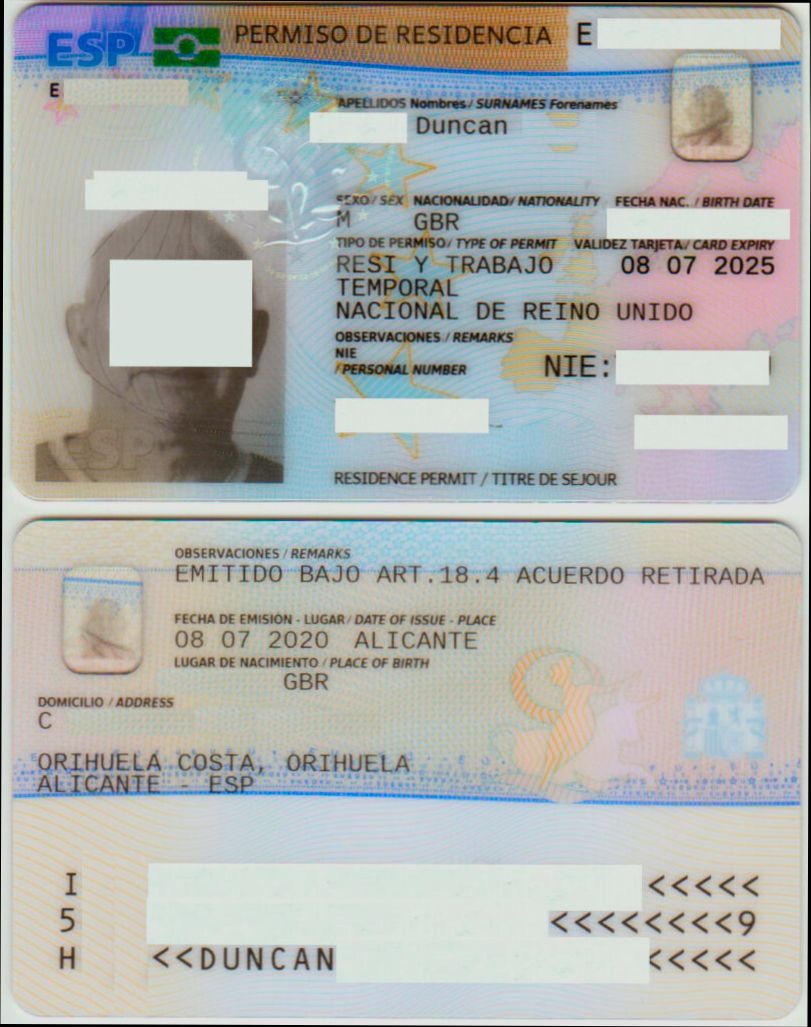
Advantages of Obtaining NIE in Spain
Obtaining your NIE in Spain isn’t just a bureaucratic formality; it opens up a world of opportunities. This unique identification number serves as a key to living and thriving in Spain, providing numerous benefits that simplify your life as a foreign resident.
Seamless Access to Healthcare
One of the significant advantages of having an NIE is the ability to access Spain’s healthcare system. With an NIE, you can register for public healthcare services, ensuring you have coverage when you need it most. This access is critical for expatriates, as healthcare can be a daunting challenge without proper identification. In fact, most foreigners with an NIE report an increased sense of security regarding their health management.
Enhanced Business Opportunities
If you’re considering starting a business or working in Spain, having an NIE is crucial. It not only permits you to operate legally but facilitates various business transactions like registering a company, signing contracts, or even hiring employees. For entrepreneurs, the NIE acts as a passport to local markets and resources, helping them integrate into the Spanish economy seamlessly.
Legal Protection and Rights
Having an NIE empowers you with legal recognition in Spain. It offers protection under Spanish laws, allowing you to assert your rights as a resident regardless of your nationality. If you encounter any issues related to housing, employment, or consumer rights, having an NIE means you’re officially recognized and can seek legal aid effectively.
Simplified Banking Processes
Navigating the Spanish banking system becomes much more manageable with an NIE. Without it, opening a bank account can be challenging and sometimes impossible. With an NIE, you can easily open accounts, obtain credit cards, and access loans, making it simple for you to manage your finances and establish a credit history in Spain.
Table of NIE Advantages
| Advantage | Description | Importance Level |
|---|---|---|
| Access to Healthcare | Enables registration for public health services. | High |
| Business Operations | Necessary for legal business activities like signing contracts. | Essential |
| Legal Rights | Provides legal recognition and protection under Spanish law. | Critical |
| Banking Facilities | Simplifies the process of opening bank accounts and obtaining loans. | Very High |
Real-World Example: Expats Thriving with NIE
Consider Sarah, an American who moved to Spain. She secured her NIE shortly after her arrival. This document not only allowed her to access healthcare but also played a crucial role when she decided to start her online consulting business. With her NIE in hand, she registered her company faster than she had anticipated, paving the way for new clients and income opportunities.
Practical Implications
- If you plan to live, work, or study in Spain, prioritize obtaining your NIE early to unlock numerous benefits.
- Benefit from networking opportunities, as many expat groups require proof of residency, which you can provide with your NIE.
- Leverage your NIE to better navigate administrative processes, avoiding potential pitfalls that many newcomers face without it.
Remember, obtaining your NIE is more than a mere formality; it offers tangible advantages that enrich your experience living in Spain. Make it your first step toward an exciting and secure life in this beautiful country.
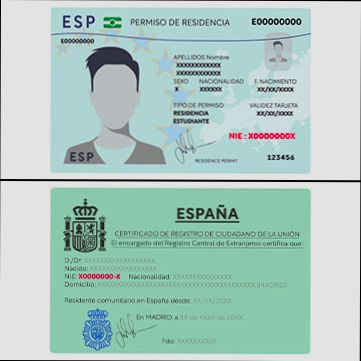
Understanding TIE: A Comprehensive Overview
When moving to Spain and embarking on your journey as a foreign resident, grasping the concept of the TIE (Tarjeta de Identidad de Extranjero) is vital. The TIE is not just a bureaucratic document; it represents your residency status and provides numerous benefits that facilitate your life in the country.
What Exactly is TIE?
The TIE is essentially a residency card issued to foreign individuals who legally reside in Spain. Unlike the NIE, which is primarily a tax identification number, the TIE serves as proof of your right to live and work in Spain.
Key Features of TIE
- Legal Residency Proof: The TIE is your official identification as a resident in Spain, showing your status and entitling you to various rights.
- Validity Period: Generally, the TIE is issued for a period of five years but can vary based on individual circumstances, such as the type of visa you hold.
- Enhanced Access to Services: With a TIE, you gain access to services like healthcare and public education that might not be available with just an NIE.
Comparative Overview of TIE and NIE
| Document Type | Purpose | Issuance Time | Length of Validity |
|---|---|---|---|
| TIE | Proof of legal residency | Up to 3 months | Generally 5 years |
| NIE | Tax identification and general ID | 2-4 weeks | Permanent unless revoked |
Real-World Examples of TIE Benefits
Imagine Emily, a digital nomad from Canada, who moves to Spain with a work visa. Once she obtains her TIE, she not only proves her legal residency but also gains access to local health insurance, ensuring she can visit doctors without the worry of exorbitant fees. Similarly, Juan, a retiree from the UK, uses his TIE to enroll in Spanish classes at a local community center, helping him integrate into the culture.
Practical Implications for TIE Holders
As a TIE holder, you’re not only securing your legal standing but also unlocking various opportunities:
- Work Freedom: You can apply for jobs without a work authorization complication.
- Bank Services: Many banks require a TIE for setting up accounts, reinforcing your financial presence in Spain.
- Educational Enrollment: If you or your family members are considering education in Spain, a TIE simplifies enrollment in institutions.
Specific Facts About TIE
Did you know that approximately 40% of foreign residents in Spain hold a TIE? This figure highlights the increasing importance of the TIE in affirming residency status. Furthermore, obtaining a TIE can enhance your experience living in Spain, given that it connects you to essential societal structures, ensuring you are fully integrated and protected under Spanish law.
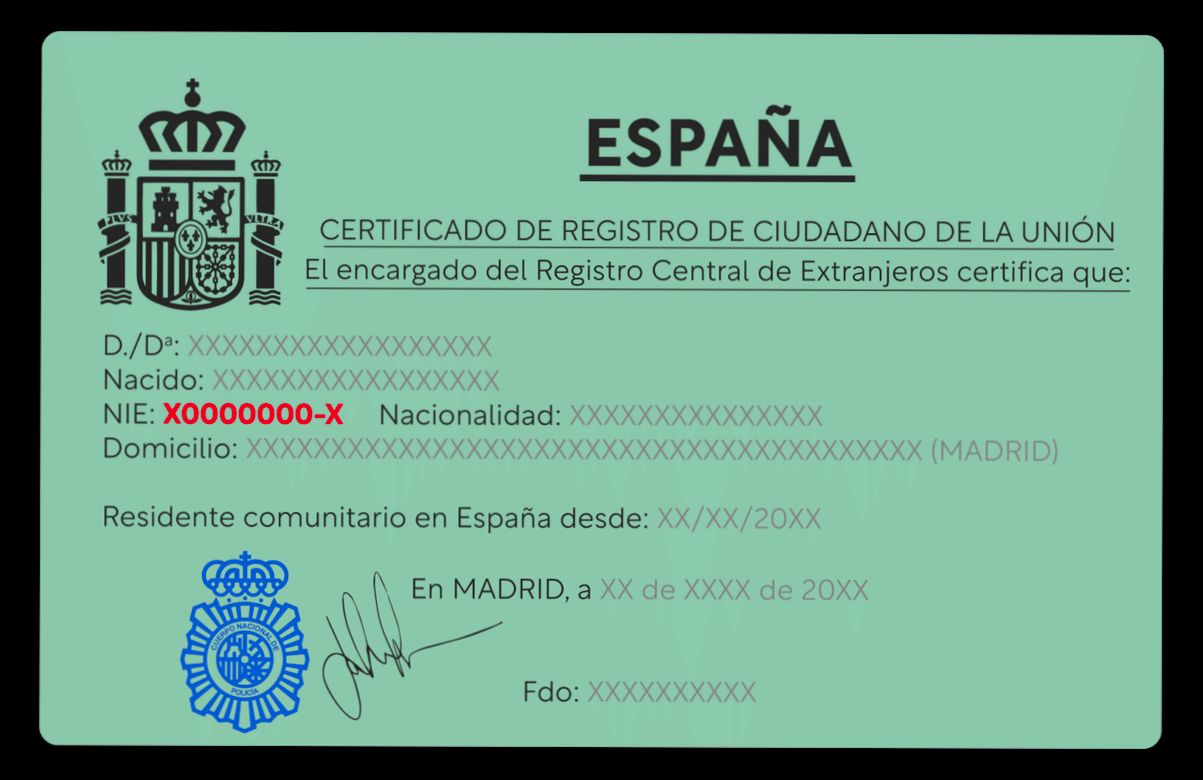
Eligibility Requirements for NIE and TIE
Understanding the eligibility requirements for the NIE (Número de Identificación de Extranjero) and TIE (Tarjeta de Identidad de Extranjero) is crucial for anyone planning to live, work, or invest in Spain. Each document has specific prerequisites that vary based on your citizenship status and intentions in Spain.
Eligibility Requirements for NIE
To obtain an NIE, you need to meet certain criteria:
- Who Needs It: Anyone engaging in financial or legal activities in Spain, including EU and non-EU citizens.
- Purpose: Essential for tasks like buying property, opening a bank account, or paying taxes. The NIE acts as a tax identification number (NIF) for individuals.
- Validity: The NIE does not expire; it’s a permanent identification linked to your identity in Spain.
Key Required Documents
To apply successfully for an NIE, gather the following documents:
- Valid Passport or National ID: This serves as proof of your identity.
- Completed Application Form (EX-15): Make sure it’s filled out accurately.
- Proof of Purpose: A letter of employment, tax documents, or real estate contracts may be required.
- Application Fee: Prepare to pay the associated fees, which can vary based on the application method.
Eligibility Requirements for TIE
For individuals wishing to obtain a TIE, the requirements differ slightly:
- Who Needs It: Primarily intended for non-EU citizens residing in Spain for longer than six months, either on a student or work visa.
- Purpose: It proves your legal residency status in Spain and is necessary for employment and access to social services.
- Validity: The TIE is tied to your residency permit and typically expires between one to five years, depending on the type of visa.
Key Required Documents
When applying for a TIE, you’ll need to submit:
- Residence Permit or Visa: This must be valid for more than six months.
- NIE Confirmation: Ensure you have already obtained your NIE before starting the TIE process.
- Application Form (EX-17): Accurate completion of this form is necessary for application acceptance.
- Passport Photos: Ensure they meet the specific dimensions required by the authorities.
- Application Fee: Similar to the NIE, fees will apply, and you should verify the current rate.
| Document Type | Eligibility Requirements | Key Documents |
|---|---|---|
| NIE | All individuals engaging in financial/legal matters | Passport, Application Form, Proof of Purpose, Fee |
| TIE | Non-EU residents with a valid permit > 6 months | Residence Permit, NIE, Application Form, Photos, Fee |
Real-World Examples
In practice, consider Maria, an EU citizen looking to buy a vacation home in Spain. She needs an NIE to purchase property and open a local bank account, enabling her to manage expenses easily. Conversely, Ahmed, a non-EU worker who relocates for a job, requires a TIE to confirm his legal residency and work eligibility.
Practical Implications
It’s essential to initiate the NIE application as soon as you plan activities in Spain requiring this identification. Once you secure your NIE, you can seamlessly move on to the TIE application, ensuring you comply with residency requirements. Employers will also want reassurance that their international employees have the correct documentation to avoid any legal issues.
Actionable Advice
- Begin your process by applying for an NIE to handle financial transactions.
- Keep all documents organized and double-check the application forms for accuracy.
- Secure your TIE promptly if you’re moving to Spain on a long-term basis to ensure your legal residency status is in place before beginning employment or starting a business.
Differences in Application Processes for NIE and TIE
When moving to Spain, the processes for obtaining the NIE (Número de Identificación de Extranjero) and TIE (Tarjeta de Identidad de Extranjero) differ significantly. Understanding these differences is crucial for a smoother transition and compliance with legal requirements.
Key Differences in Application Processes
1. Required Documentation:
- For the NIE, you generally need a completed application form (EX-15), proof of why you require the NIE (like a property purchase statement), and your passport with a photocopy.
- Obtaining a TIE, on the other hand, requires additional documents, such as proof of residency or legal status in Spain, health insurance, and a financial solvency demonstration.
2. Application Location:
- NIE applications can often be submitted at your local police station or designated immigration office, making them relatively accessible.
- TIE applications usually require you to make an appointment at a police station that specializes in immigration matters, often leading to longer wait times.
3. Processing Times:
- National statistics indicate that NIEs can typically be processed within 2-4 weeks, making it a faster option for those in urgent need.
- TIE applications have a processing time that can extend up to 3 months, which may be a crucial consideration for those needing immediate documentation.
4. Fees:
- The application fee for an NIE is generally lower, often around €10.
- TIE applications can impose stricter fees, often ranging from €15 to €25, depending on the issuance and renewal circumstances.
| Document Type | Required Documentation | Application Location | Average Processing Time | Typical Fee |
|---|---|---|---|---|
| NIE | EX-15 form, proof of need | Local police station or immigration office | 2-4 weeks | €10 |
| TIE | Proof of residency, health insurance, financial solvency | Appointment at specialized police station | Up to 3 months | €15-€25 |
Real-World Examples
Consider Sarah, who recently bought a vacation home in Spain. She found the application for her NIE straightforward and had it in about 3 weeks, allowing her to proceed with her property purchase quickly. In contrast, her friend David, who was applying for a TIE to live and work in Spain permanently, faced a much longer process. His appointment took weeks to secure, and the TIE he applied for took nearly 2.5 months to process, significantly affecting his relocation plans.
Practical Implications
If you’re aiming to settle down quickly, applying for the NIE might be your best bet since it is generally quicker and less complicated. However, if you have plans for a longer stay or need to prove your residency status, be prepared for the extensive TIE application process and make sure you gather all essential documents beforehand to avoid delays.
It’s advisable to plan ahead and ensure that you schedule your appointments and submit your paperwork as soon as possible. Understanding these nuances can help you navigate this bureaucratic system with more confidence.