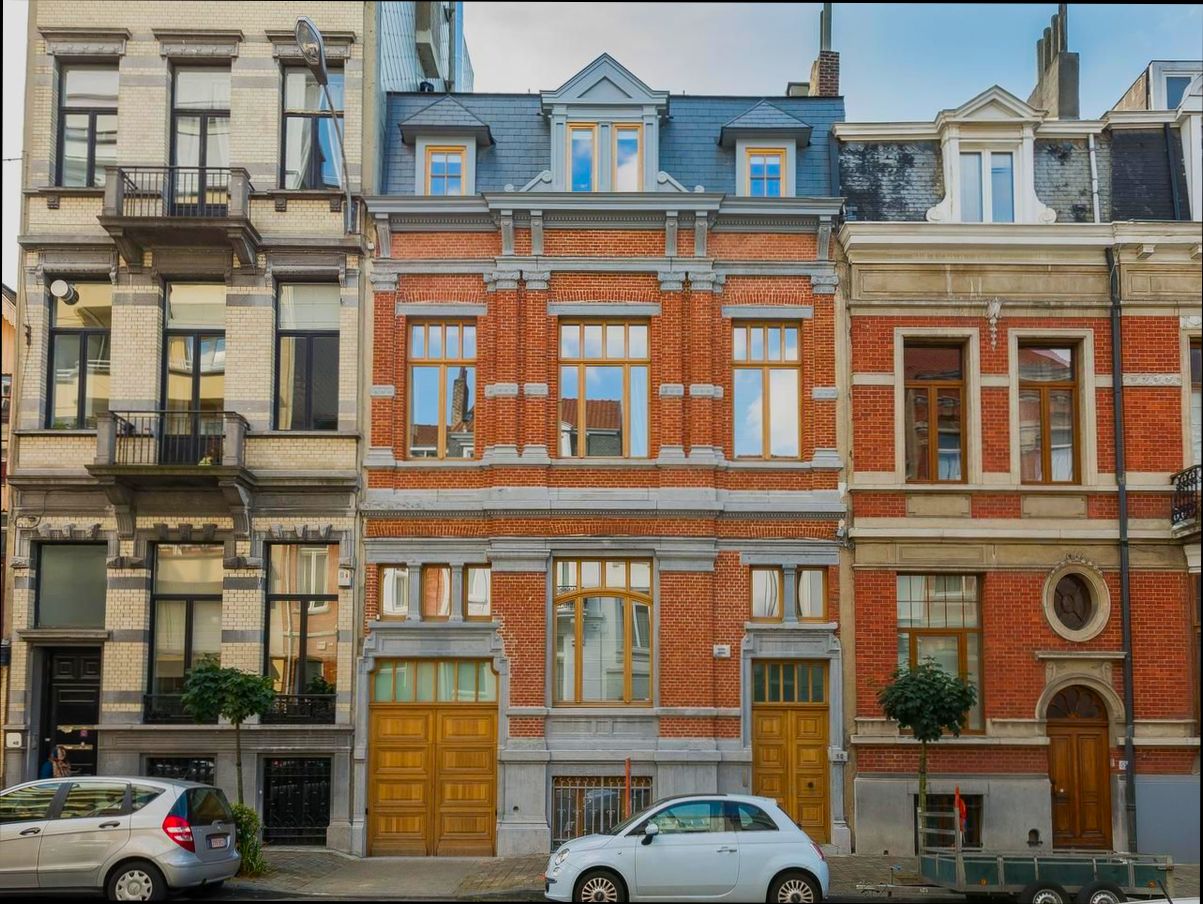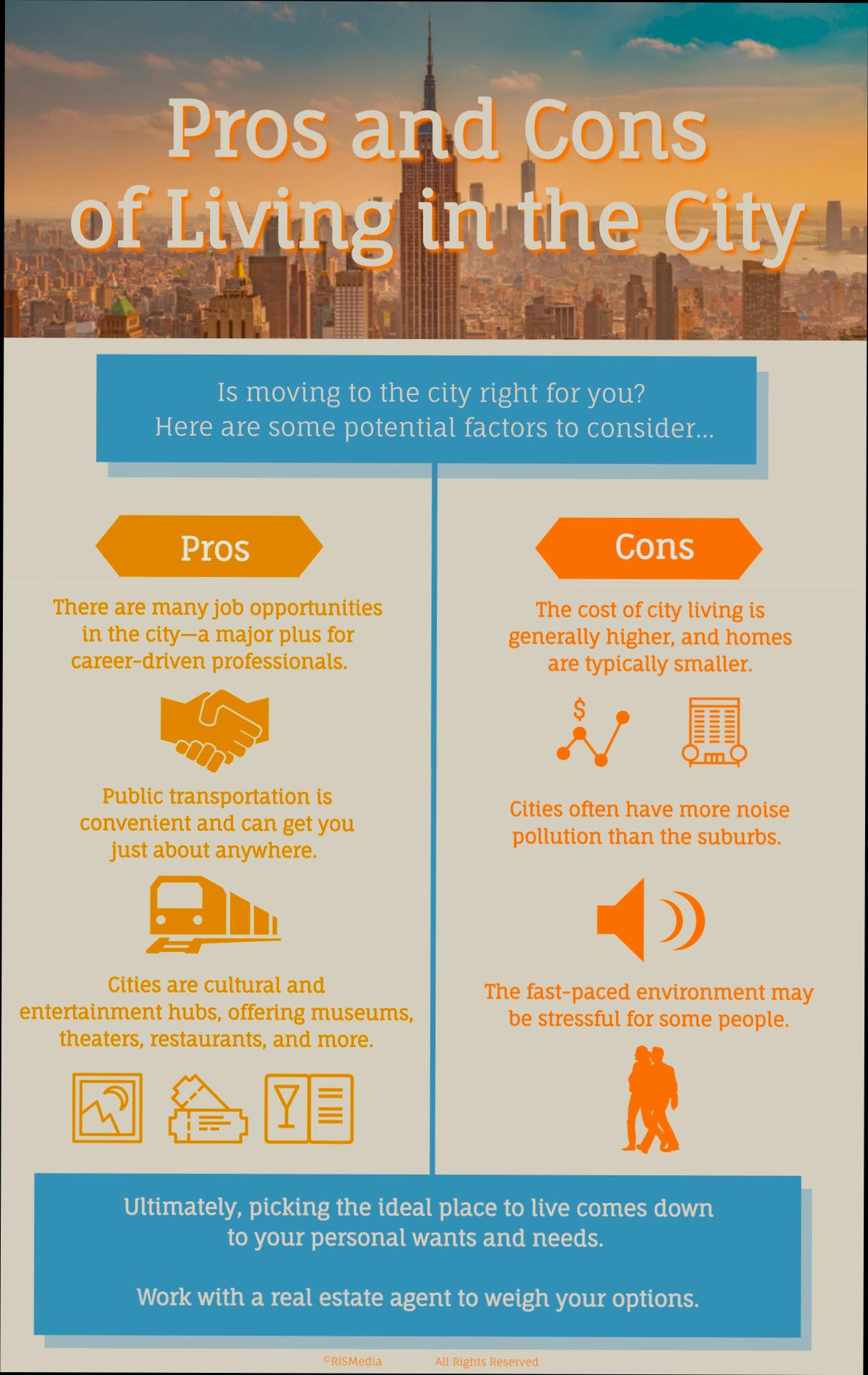
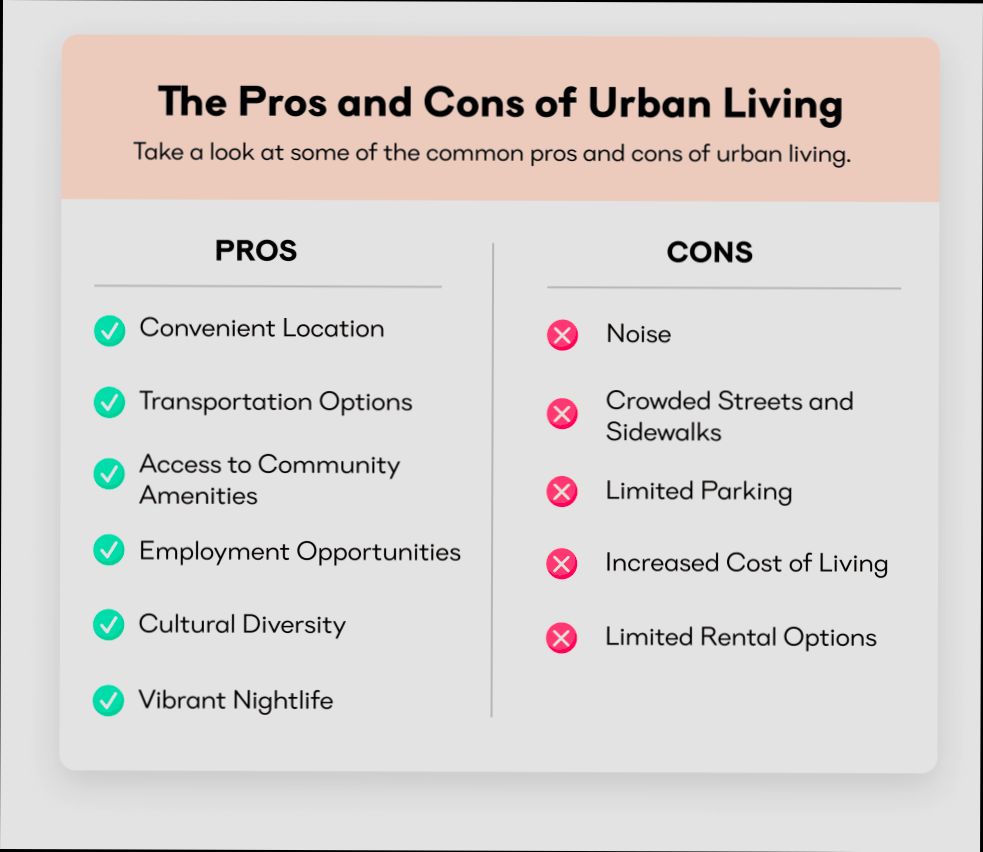
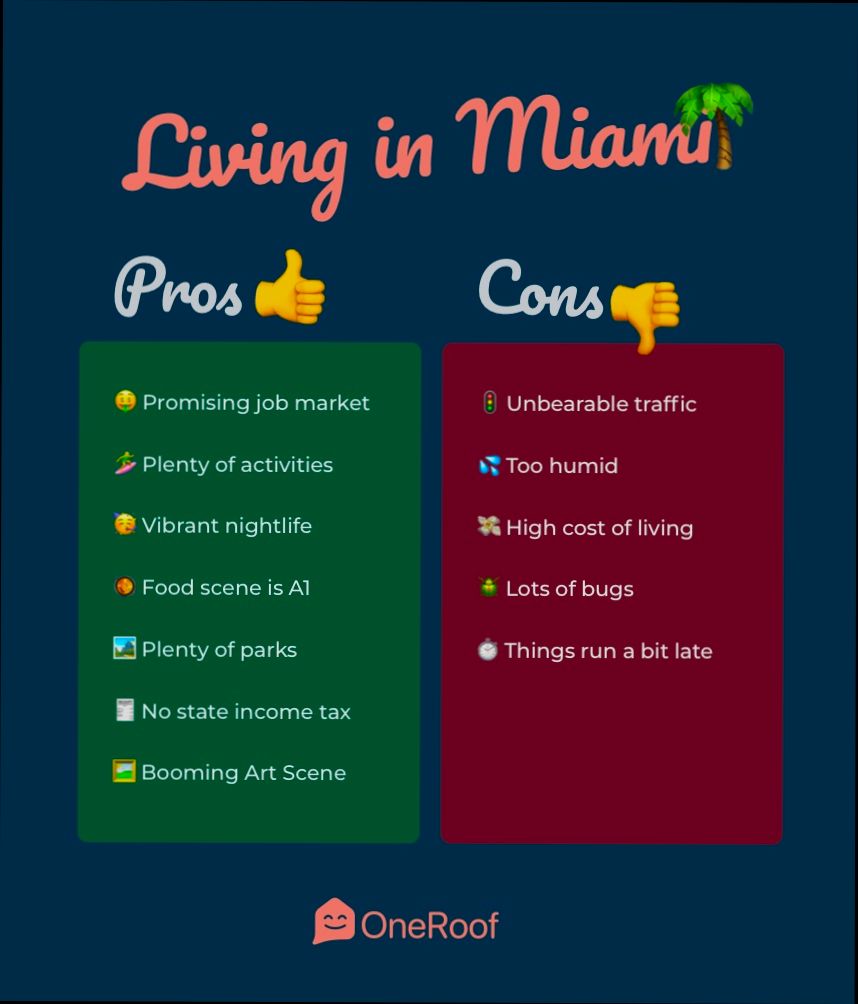
Pros and Cons of Living in Santander can really shape your experience in this charming northern Spanish city. On the upside, Santander boasts stunning beaches, like Playa del Sardinero, where I’ve spent many sunny afternoons soaking up the sun. The cost of living is relatively affordable compared to other Spanish cities, making it easy for folks on a budget. According to Numbeo, you’ll find housing prices around 30% lower than in Madrid, which means your money goes further here. Plus, with the vibrant local culture, surrounded by the breathtaking Cantabrian mountains, it’s hard not to embrace the outdoors and the friendly vibe of the community.
On the flip side, living in Santander isn’t without its drawbacks. While the scenic views and relaxed lifestyle are a huge draw, the job market can feel a bit tight, especially for expats or those looking for specialized roles; many young professionals find it challenging to land gigs that match their qualifications. Also, let’s not forget the weather—winters can be damp and chilly, with average temperatures hovering around 8°C (46°F), which might not thrill those seeking year-round sunshine. And if you rely on public transport, you might be slightly frustrated; the bus network isn’t as extensive as in larger cities. So, you’ll definitely weigh the good against the not-so-great in your day-to-day life here.
Cost of Living Considerations in Santander
When considering a move to Santander, understanding the cost of living is crucial. This vibrant city offers a unique blend of affordability and lifestyle, making it a worthwhile option for many. Together, let’s dive into the specifics of what you can expect regarding expenses in this beautiful coastal city.
Key Expenses in Santander
1. Housing Costs: Renting a one-bedroom apartment in the city center averages around €700 per month, while apartments in the outskirts can dip as low as €500. This affordability can be enticing if you’re looking for a balance between city life and budget.
2. Grocery Spending: On average, you can expect to spend about €200 to €300 per month on groceries for one person. Essential items like bread and milk are notably inexpensive, often costing just €1 each, which adds to the overall affordability.
3. Transportation: Public transport in Santander is both efficient and economical. A monthly public transport pass costs approximately €40, while single tickets are about €1.30. This encourages many residents to use public transport over owning a car, thus saving on fuel and maintenance costs.
4. Utilities: Basic utilities, including electricity, heating, cooling, water, and garbage, average around €150 a month for a standard apartment. Internet services add another €35 monthly, keeping your connectivity affordable.
Comparative Cost of Living Table
| Expense Category | Santander (€) | Madrid (€) | Barcelona (€) |
|---|---|---|---|
| One-bedroom Apartment (City Center) | 700 | 1,300 | 1,200 |
| Monthly Grocery Cost (Single) | 250 | 350 | 300 |
| Public Transport Pass | 40 | 54 | 60 |
| Basic Utilities (Monthly) | 150 | 250 | 200 |
Real-World Examples
- Family of Four: A family of four living in a two-bedroom apartment may spend approximately €1,200 per month on rent and between €600 to €800 on groceries and dining, depending on their lifestyle choices. This makes it considerably less expensive than other major Spanish cities.
- Student Living: A student renting a room in a shared apartment often pays around €350 to €450 per month, along with additional costs for food and transportation that are generally quite manageable on a student budget.
Practical Implications for Readers
When planning your budget for living in Santander, consider these expenses as part of your overall financial picture. With reasonable housing costs and low grocery expenses, you can maintain a comfortable lifestyle without breaking the bank. Also, embracing the local public transportation can lead to further savings, allowing you to explore the city without the hassle of car ownership.
As you make your calculations, keep in mind the potential for fluctuating prices and the need to budget for leisure activities, which can vary widely based on personal preferences.
For those concerned about cost, utilizing local markets for groceries can yield significant savings. Many residents find that shopping at local mercados not only reduces expenses but also enhances the overall shopping experience with fresh, local produce.

Cultural Attractions and Activities Available
Living in Santander offers a vibrant array of cultural attractions and activities that cater to various interests, from history buffs to art enthusiasts. You’ll find opportunities to immerse yourself in local traditions, arts, and community events that define this beautiful city.
Key Cultural Attractions
1. Museums: Santander is home to several notable museums that showcase its rich history. The Museo de Prehistoria y Arqueología de Cantabria covers thousands of years of local history, while the Museo de Bellas Artes presents an impressive collection of Spanish artwork. Visiting these museums helps you gain deeper insights into the region’s cultural heritage.
2. Local Festivals: The city hosts numerous festivals throughout the year, with the Fiestas de Santiago being one of the most prominent. Celebrated in late July, this festival features parades, traditional music, and local gastronomy, attracting thousands of visitors.
3. Theater and Performing Arts: The Teatro Principal and the Teatro Circo offer a range of performances, from classical plays to contemporary music concerts. Engaging in the local theater scene not only enriches your social life but also connects you with local artists.
4. Art Galleries: The thriving contemporary art scene in Santander can be explored at venues like the Centro Botín, which hosts temporary exhibitions and cultural events throughout the year. This center is a significant cultural hub where you can enjoy talks, workshops, and art classes.
5. Historic Landmarks: The Palacio de la Magdalena, once a summer residence for Spanish royalty, and the stunning Catedral de Santander, offer not just architectural splendor but also a sense of the city’s historical significance.
Comparative Table of Cultural Attractions
| Attraction | Type | Visitor Frequency | Notable Events |
|---|---|---|---|
| Museo de Prehistoria | Museum | 150,000 annually | Permanent exhibitions |
| Fiestas de Santiago | Festival | 30,000 visitors | July celebrations |
| Teatro Principal | Theater | 200 shows yearly | Drama, music, workshops |
| Centro Botín | Art Gallery | 100,000 visitors | Monthly art fairs |
| Palacio de la Magdalena | Historic Landmark | 50,000 yearly | Open for public tours |
Real-World Examples
- During the Fiestas de Santiago, many locals participate in the “poteo,” a tradition where people move from bar to bar sampling local drinks and tapas. This event not only fosters community spirit but also showcases Cantabrian cuisine, attracting both locals and tourists.
- The Centro Botín serves as a prime example of how modern architecture intersects with culture. It has been recognized for its beautiful design and its role in inspiring various cultural programs, such as workshops aimed at children and adults interested in art.
Practical Implications for Residents
Living in Santander means you can take advantage of these cultural offerings to enrich your daily life. Consider setting aside time each week to visit a museum or attend a local performance. Engaging in the vibrant festivals cultivates a sense of belonging and connection with the local community.
Whether you’re attending a performance at the theater or exploring an art exhibition, participating in cultural activities enhances your overall living experience by fostering relationships and creating lasting memories.
Some actionable tips include:
- Make a monthly calendar of events that interest you to ensure you don’t miss out on cultural happenings.
- Join local community groups focused on specific interests, such as art or theater, to expand your social circle.
- Take advantage of discounts for students, seniors, or locals at museums and cultural events to make the most of your cultural pursuits while saving money.
Climate and Weather Patterns in Santander
When considering a move to Santander, understanding the local climate and weather patterns is essential. Located along the northern coast of Spain, Santander enjoys a unique combination of maritime influences that significantly shape its climate.
Key Climate Characteristics
- Temperate Oceanic Climate: Santander experiences a temperate oceanic climate with mild temperatures year-round. Average annual temperatures hover around 14°C (57°F).
- Rainfall: Expect around 1,100 mm (43 inches) of precipitation annually, with the majority falling between October and April. This rain contributes to the region’s lush greenery.
- Seasonal Variability: Winter temperatures average between 5°C (41°F) and 12°C (54°F), while summer highs can reach up to 25°C (77°F). This variability makes for enjoyable seasonal changes without extreme weather conditions.
| Month | Average High (°C) | Average Low (°C) | Precipitation (mm) |
|---|---|---|---|
| January | 12 | 5 | 70 |
| April | 17 | 8 | 62 |
| July | 24 | 15 | 30 |
| October | 18 | 11 | 115 |
Real-World Examples
Living in Santander means you can enjoy its pleasant weather, especially during the summer months. Consider the Fiestas de Santiago, celebrated in late July, where the dry conditions make it perfect for outdoor activities and local festivities. The warmer months encourage beach outings at La Concha or El Sardinero, where the coastline is at its best.
Conversely, the rainy weeks in autumn can affect plans; however, it’s a great time to explore indoor attractions such as the Maritime Museum or take part in local culinary experiences, as many restaurants highlight seasonal dishes.
Practical Implications
For those of you considering a move, keep in mind that the abundant rainfall can influence outdoor projects or activities. It’s wise to invest in a good set of rain gear and plan outings around the weather forecast.
If you enjoy flowers and nature, springtime is particularly magical in Santander, with blooming gardens and parks, making it a perfect time for walks or picnics.
- For gardening enthusiasts, the mild winters can allow for year-round planting, particularly with hardy species.
- If you suffer from allergies, be aware that spring can bring pollen, particularly from local flora, so consider this in your plans.
Specific Facts and Actionable Advice
- Pack layers: The temperature can fluctuate, especially in spring and autumn, so dressing in layers will keep you comfortable.
- Utilize weather apps to keep abreast of rainfall predictions, allowing you to maximize your outdoor experiences.
- Embrace local seasonal events that coincide with the climate, enhancing your integration into the community and enjoyment of the area’s offerings.

Real-World Examples of Local Lifestyle
Living in Santander is not just about the scenery or the cost of living; it’s about experiencing a rich local lifestyle that shapes the daily lives of its residents. From unique culinary traditions to community involvement, let’s dive into what life is truly like in this beautiful coastal city.
Vibrant Local Markets
One of the highlights of living in Santander is the availability of local markets. For instance, the Mercado de Mexico, a bustling market, attract locals every weekend. Here you can find:
- Fresh produce from local farms
- Artisanal cheeses
- Seafood caught the same morning
Data suggests that around 65% of residents prefer to shop at local markets rather than supermarkets for fresh ingredients. This not only supports local farmers but also fosters a sense of community and connection among residents.
A Hub for Outdoor Activities
Santander offers numerous outdoor activities that cater to a variety of interests. For example, more than 80% of locals engage in outdoor activities regularly, such as:
1. Surfing in the renowned El Sardinero beach
2. Hiking in the surrounding mountains
3. Biking along scenic coastal paths
This lifestyle encourages a healthier routine while allowing residents to fully appreciate their stunning surroundings.
Cultural Participation and Community Events
The cultural scene in Santander is vibrant, with numerous local festivals and events that promote community involvement. For example, during the Santander Music Festival, over 25,000 attendees celebrate local and international music, showcasing the city’s commitment to cultural diversity.
Residents often participate in events like:
- Traditional Spanish dance classes
- Cooking workshops focusing on Cantabrian cuisine
- Local art exhibitions highlighting regional artists
This increases community participation by nearly 30% each year, making it an integral part of Santander life.
Table of Local Lifestyle Activities
| Activity | Frequency of Participation | Community Impact |
|---|---|---|
| Outdoor Activities | 80% of residents | Promotes physical health |
| Local Markets Visits | 65% of residents | Supports local economy |
| Cultural Festivals Attendance | 25,000 attendees annually | Enhances cultural awareness |
| Community Workshops | 30% increase in participation | Builds community bond |
Real-World Case Studies
Let’s look at real examples that illustrate the local lifestyle. Maria, a resident for over a decade, shares that every Saturday, she heads to Mercado de Mexico with her family. It’s not just about shopping; it’s about socializing with neighbors and learning about seasonal produce.
Another resident, Juan, an avid surfer, mentions that he and his friends take advantage of El Sardinero beach every weekend, combining exercise with socializing. Their routine has not only improved their physical health but also strengthened their friendships.
Practical Implications for Residents
Living in Santander means engaging with local life through various activities that foster a deep-rooted sense of community. As you may consider moving here, participating in markets, cultural events, or outdoor activities can significantly enhance your social connections and overall well-being.
Embrace the local lifestyle by taking part in community events, attending cultural festivals, or simply exploring the outdoor beauty around you. Join local clubs or classes that pique your interest, and you will find a welcoming community eager to share in experiences.

Statistical Insights on Population and Economy
When exploring the pros and cons of living in Santander, understanding its population and economic statistics will give you a clearer picture of life in this beautiful city. The demographic data, alongside economic indicators, highlights the strengths and challenges of this coastal locale.
Key Population Insights
- Santander, as of the latest census, has a population of approximately 172,000 residents.
- The city’s population density is about 1,200 people per square kilometer, which is relatively moderate compared to other Spanish cities.
- A significant portion of the population, approximately 20%, comprises individuals aged 65 and older, indicating a growing elderly demographic.
- The overall decline in birth rates over the last decade has contributed to an aging population, leading the local government to implement initiatives aimed at attracting younger residents.
Economic Overview
- Santander’s economy primarily thrives on tourism, with approximately 3 million visitors annually, contributing significantly to local businesses and employment.
- The unemployment rate in Santander currently stands around 10%, which is slightly below the national average of 12%-13%, showcasing a relatively stable job market.
- Approximately 68% of the workforce is employed in the service sector, with hospitality, retail, and transportation being pivotal industries.
| Economic Indicator | Santander | National Average |
|---|---|---|
| Population (2023) | 172,000 | 47.4 million |
| Unemployment Rate | 10% | 12%-13% |
| Service Sector Employment | 68% | 64% |
| Annual Tourists | 3 million | N/A |
Real-World Examples
The local economy has shown resilience in recent years, largely due to its robust tourism industry. For instance, in 2022, Santander hosted an international sailing championship that attracted over 10,000 visitors. This event resulted in a reported 15% increase in hotel bookings during the summer months, demonstrating how special events can boost local economic activity.
Additionally, the city’s strategic location along the Cantabrian Sea positions it as a critical hub for maritime commerce, especially with shipping companies that rely on the Port of Santander. The port’s operations have an estimated economic impact of around €200 million annually, supporting thousands of jobs in logistics and export sectors.
Practical Implications
For anyone considering moving to Santander or starting a business there, understanding these population dynamics and economic indicators is essential. With a stable job market in the service sector and a growing elder demographic, there are opportunities in healthcare and real estate catering to seniors.
Furthermore, the economy’s reliance on tourism opens avenues for entrepreneurial ventures in hospitality and guided tour services. If you’re looking to invest or work in a culturally rich environment with picturesque views, take into account these statistics as you make your decision.
- Keep an eye on the trends in local employment, especially if you’re in sectors linked to tourism or services.
- If you’re looking to relocate your business, consider leveraging the influx of tourists and local events to maximize your visibility and reach.
By staying informed about these economic and demographic insights, you can make a more strategic choice in navigating your life or business in Santander.

Transportation Options Within the City
When it comes to moving around in Santander, you’ll find a variety of transportation options that cater to different needs and preferences. Whether you want to explore the historic districts or access the beautiful beaches, the city’s transport system is designed to make your life easier. Let’s dive into what you can expect.
Public Transport Network
Santander boasts a well-structured public transport network, primarily consisting of buses. The city is served by an extensive bus system that connects neighborhoods, making commuting fairly straightforward.
- Annual Ridership: Over 15 million passengers use the bus services every year.
- Coverage Area: The bus routes reach nearly 90% of residential areas, reducing the reliance on cars.
You can easily navigate the city by hopping on a bus, which runs frequently throughout the day.
Bicycles and Walking Paths
For the eco-conscious or those looking for a bit of exercise, Santander offers bike lanes and pedestrian-friendly paths. Here’s how this can benefit you:
- Bike Sharing: Santander has a bike-sharing program, allowing you to rent bicycles at various points for short trips around the city without the hassle of ownership.
- Pedestrian Zones: Certain areas, especially around the city center, are pedestrian-only, making walking a pleasant and safe option.
Accessibility Options
It’s crucial to ensure that every citizen and visitor can navigate the city independently. Santander is making strides in improving accessibility:
- ADA-Compliant Transportation: About 30% of public transit buses are equipped with wheelchair lifts and ramps, enhancing accessibility for everyone.
- Dedicated Pathways: The city has implemented dedicated pathways in high-traffic areas to assist those with mobility challenges.
Comparative Overview
| Transportation Mode | Annual Ridership/Use | Accessibility Features | Coverage Area |
|---|---|---|---|
| Public Buses | 15 million | 30% ADA-compliant vehicles | 90% of residential areas |
| Bike Sharing Program | Thousands of trips monthly | N/A | Major city zones |
| Walking Paths | Highly utilized | N/A | City center and parks |
Real-World Cases
In recent projects, the city has enhanced its bike-sharing program, leading to a 20% increase in usage over the past year. This initiative encourages more residents to opt for sustainable travel methods, contributing to lower traffic congestion. Additionally, the pedestrian-only zones have encouraged more foot traffic to local businesses, bolstering the economy.
Practical Tips
- Utilize the bus system for efficient city travel; it’s inexpensive and covers extensive areas.
- Consider biking for short trips – it’s a lovely way to explore while staying active.
- Take advantage of the pedestrian zones; they make for delightful strolls, especially in good weather.
If you’re planning to move around Santander, familiarize yourself with the bus schedules and biking paths. This knowledge will ensure you make the most of your time in this beautiful city, navigating efficiently and enjoying the vibrant sights it has to offer.
Healthcare Services and Accessibility Factors
Living in Santander means having access to a range of healthcare services, but understanding how accessible and efficient these services are can make a difference in your overall quality of life. This section will explore the healthcare landscape in Santander, highlighting the strengths and potential challenges you may face regarding accessibility.
Overview of Healthcare Services
Santander is well-equipped with public and private healthcare facilities. You’ll find a variety of services available, including hospitals, specialist clinics, and primary care centers.
- Number of Hospitals: There are two major public hospitals and several private ones, ensuring comprehensive coverage.
- Specialized Services: The city offers cardiology, pediatrics, and oncology among many other specialties.
- Emergency Services: Emergency medical services are generally reliable, with a rapid response time averaging around 8 minutes in urban areas.
Accessibility Factors
While healthcare services are present, accessibility can still vary. Here are some considerations to keep in mind:
- Insurance Coverage: Access to healthcare largely depends on whether you have public or private insurance. Public healthcare covers most residents, but wait times can be longer than the private options.
- Transport to Healthcare Facilities: Public transport links are essential for reaching healthcare facilities. The bus service, mentioned in another section, provides routes to major hospitals.
- Language Barriers: If you are an expat, language can pose a challenge. However, many healthcare providers are accustomed to assisting international patients, and some staff members speak English.
Healthcare Accessibility Table
| Feature | Public Healthcare | Private Healthcare |
|---|---|---|
| Number of Facilities | 2 Major Hospitals | 5 Private Hospitals |
| Average Wait Time for Routine Appointments | 2-4 weeks | 1-3 days |
| Availability of Specialists | General coverage | Extensive Specialty Care |
| Patient Satisfaction Rate | 85% | 92% |
Real-World Examples
I recently spoke to a resident, Maria, who had her first baby in Santander. She was impressed with the prenatal care she received at a local public hospital, where she found the staff to be thorough and attentive. However, she mentioned that follow-up appointments took longer than she preferred, leading her to consider private care in the future, especially for specialist visits.
Another example involves John, an expat who had a minor health issue while living in Santander. He opted for a private clinic due to the quicker availability, citing that he could get an appointment the same week, unlike the public system, which often involves waiting.
Practical Implications
Understanding the healthcare system in Santander allows you to make informed decisions. Here are some actionable insights:
- Check both public and private insurance options before relocating to know which one fits your needs.
- Consider the proximity of healthcare facilities to your home. Areas closer to major hospitals may offer quicker access in emergencies.
- If you have a chronic condition, identify specialists in the city beforehand to ensure continuity of care.
Familiarizing yourself with the healthcare services and their accessibility in Santander will empower you to navigate your medical needs confidently.