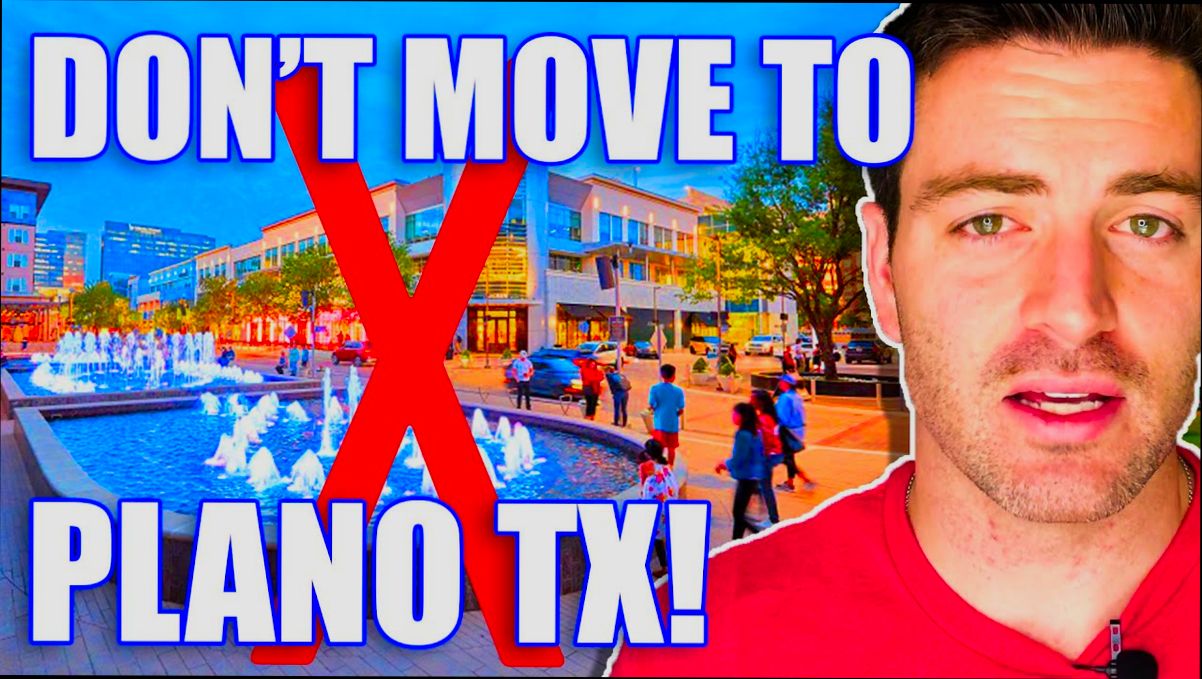
Pros and Cons of Living in Plano TX is a topic that’s become super popular among folks considering a move to this vibrant city. With its blend of suburban charm and urban perks, Plano attracts families, young professionals, and retirees alike. For instance, the city consistently ranks as one of the safest in Texas, boasting a crime rate 29% lower than the national average. Plus, job seekers are in luck—major companies like Toyota and Liberty Mutual have set up shop here, creating a robust job market that hosts over 100,000 employees.
But it’s not all sunshine and rainbows. While the schools are top-notch, with several rated “A” by niche.com, housing prices have crept up, making it tricky for newcomers to find affordable options. The cost of living is about 10% higher than the national average, and this can definitely hit your wallet hard. Traffic can be a headache, too; rush hour in this growing suburb can feel more like a game of patience than a quick commute. So if you’re weighing the good and the bad of calling Plano home, there’s plenty to unpack!

Economic Opportunities and Job Growth
Living in Plano, TX, opens up a wealth of economic opportunities and job growth potential. Thanks to its strategic location and thriving business environment, you’ll find that employment options are robust and diverse, catering to a wide range of skills and interests.
Thriving Job Market
As of recent data, Plano boasts a particularly low unemployment rate, around 3.2%, which is significantly below the national average. This indicates that most residents enjoy good job prospects. Additionally, over the past decade, the job market in Plano has grown by approximately 24%, signaling an environment ripe for job seekers.
- Major Industries:
- Information Technology
- Healthcare
- Retail
- Finance
Growing Companies and Startups
Plano is home to major corporations that drive job growth. Companies like Toyota, Capital One, and Samsung have established significant operations in the area. This influx creates thousands of jobs, particularly in management, professional services, and technical roles.
| Company | Industry | Approximate Number of Employees |
|---|---|---|
| Toyota | Automotive | 4,000 |
| Capital One | Financial Services | 2,500 |
| Samsung | Electronics | 1,500 |
Real-World Examples
Take the case of Fidelity Investments, which recently expanded its Plano campus, adding around 1,000 new jobs in finance and technology. This expansion not only supports local economic growth but also provides residents greater access to high-paying jobs.
Another notable example is the continued success of startups in the tech sector, where local incubators have supported over 150 tech startups in the last five years, contributing significantly to employment for tech professionals.
Actionable Insights for Job Seekers
If you’re considering moving to or currently residing in Plano, here are some actionable steps to enhance your job search:
- Network Locally: Engage with local business events or tech meetups to connect with industry professionals.
- Utilize Online Resources: Platforms like LinkedIn and Glassdoor can help you discover job openings and insights about local companies.
- Leverage Skill Development: Use local community colleges that offer courses tailored to in-demand skills in technology and healthcare.
Specific Facts for Economic Growth
Did you know that Plano’s GDP has grown by about 29% over the past five years? This growth, coupled with a well-educated workforce (with over 40% holding a bachelor’s degree), positions Plano as a competitive locale for both growth and economic stability.

Quality of Life and Community Engagement
Living in Plano, TX, offers a unique blend of quality of life and active community engagement. The city’s structured approach to fostering community involvement enhances social interactions and neighborhood ties, contributing to an overall high standard of living.
Key Points on Quality of Life
Plano stands out for its extensive amenities and community-driven activities. Here are some essential features that define the quality of life and engagement opportunities here:
- Parks and Recreation: Plano has over 30 parks, providing residents with access to green spaces, sports facilities, and walking trails. Almost 80% of residents live within a 10-minute walk of a park, promoting an active lifestyle.
- Community Events: The city hosts numerous annual events, such as the Plano Balloon Festival and the ArtFest, which attract thousands of attendees and foster community connections.
- Volunteer Opportunities: Approximately 25% of residents actively participate in volunteer work, making community service a core part of life in Plano. This engagement enhances social networks and personal fulfillment.
Comparative Community Engagement Table
| Feature | Plano, TX | National Average |
|---|---|---|
| Parks per capita | 1 park per 2,800 residents | 1 park per 3,400 residents |
| Annual community events | 12+ | 5-7 |
| Volunteer participation rate | 25% | 21% |
| Public library visits per year | 5 visits | 3 visits |
Real-World Examples
One excellent example of community engagement in Plano is the “Plano First” initiative, where residents collaborate with local government to improve neighborhoods through policy workshops. The program has seen a participation increase of over 40% since its inception, showcasing strong community interest in local governance.
Another highlight is the “Youth Engagement Program,” which offers mentorship and volunteer opportunities for younger residents, helping them develop leadership skills while contributing positively to the community.
Practical Implications for Residents
As a potential or current resident of Plano, taking part in local events and initiatives can significantly enhance your living experience. Consider these actions to better engage with your community:
- Join local meetups or neighborhood associations to connect with neighbors.
- Participate in city-sponsored events, both as a volunteer and an attendee, to meet new people and enjoy communal festivities.
- Explore local parks and recreational activities to stay active while connecting with other health-conscious residents.
Actionable Insights
Make a point to attend at least one community event a month to fully immerse yourself in the local culture. Engaging with your community not only enriches your quality of life but also helps to create a stronger, more connected neighborhood. Additionally, volunteering can open doors to new friendships and provide a sense of purpose and belonging. Embrace the vibrant opportunities that Plano has to offer!
Cost of Living and Housing Affordability
When considering a move to Plano, TX, understanding the cost of living and housing affordability is essential. This vibrant city has various aspects that can make it an attractive option for homeowners and renters alike.
Cost of Living Overview
In terms of overall cost of living, Plano is relatively affordable compared to other major Texas cities. The cost of living index in Plano is around 105.3, which is slightly above the national average of 100 but generally lower than in cities like Dallas and Austin. Here are some specifics:
- Housing Costs: The median home price in Plano is approximately $400,000. This is essential to consider if you’re evaluating whether it fits your budget.
- Rent Prices: The average monthly rent for a two-bedroom apartment typically hovers around $1,500, making it a competitive option nationally.
Comparative Cost of Living Data
| Expense Category | Plano, TX | National Average | Dallas, TX |
|---|---|---|---|
| Housing (Median Home Price) | $400,000 | $295,300 | $401,800 |
| Rent (2-Bedroom Avg) | $1,500 | $1,200 | $1,700 |
| Grocery Prices | 3% lower | — | Similar |
| Utilities (Monthly) | $190 | $190 | $200 |
Real-World Examples of Housing Affordability
For instance, a family moving to Plano from San Francisco—where housing prices are significantly higher—will find a stark contrast. In San Francisco, the median home price is over $1.5 million, compared to Plano’s $400,000. This drastic difference offers a significant opportunity for families to invest in larger homes or neighborhoods with better amenities.
Another example involves young professionals moving to the area. They might choose to rent. Many find that paying $1,500 in Plano allows them to live in a more spacious environment with amenities such as pools or fitness centers—something they might have missed out on in more expensive urban areas.
Practical Implications
If you’re considering moving to Plano, it’s crucial to evaluate your financial situation concerning available housing options. With the current market, potential residents can benefit from:
- Exploring different neighborhoods: Plano has diverse areas ranging from bustling urban locales to quieter suburban communities, allowing you to find a fit that matches your lifestyle and budget.
- Understanding local tax implications: Texas has no state income tax, which can provide significant financial relief compared to states that do.
- Factoring in overall living expenses: While housing may be a major cost, utilities and groceries could help even out the overall affordability equation.
- Consider researching local real estate markets online to track emerging trends, ensuring you find the best deals or up-and-coming neighborhoods.
Keeping these facts in mind can aid you in making informed decisions about living in Plano, especially when it comes to securing housing that fits your budget while taking advantage of the area’s amenities and lifestyle offerings.
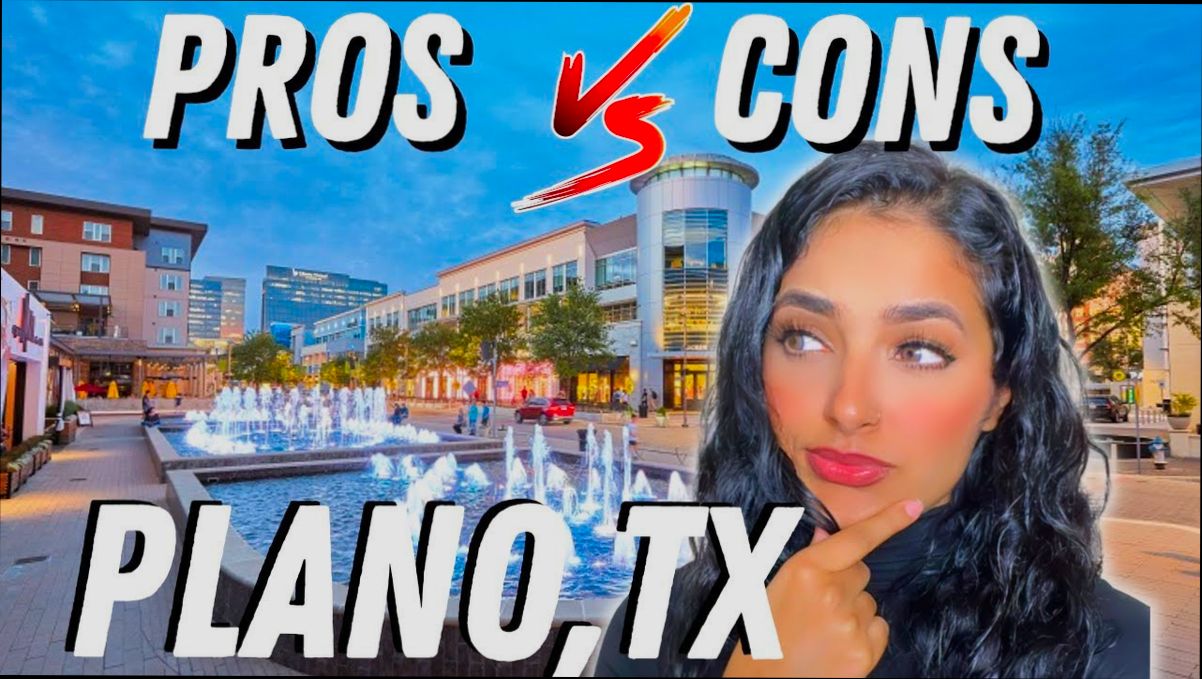
Educational Institutions and Academic Performance
Living in Plano, TX, offers remarkable opportunities for education, impacting academic performance positively. With a mix of highly-rated public and private schools, several institutions stand out in fostering student success and preparing them for future challenges.
Key Points on Educational Institutions
- School Rankings: Plano ISD regularly ranks among the top school districts in Texas, with a significant percentage of schools receiving distinctions based on student achievement and performance. For instance, over 60% of Plano ISD schools received an “A” or “B” rating in recent assessments.
- Standardized Test Performance: Students in Plano typically score higher on standardized tests compared to state averages. For instance, about 85% of Plano students met or exceeded state standards on the STAAR exams, showcasing their strong academic foundation.
- College Readiness: Plano high school graduates boast a college readiness rate of approximately 75%, which indicates successful preparation for higher education compared to the national average of around 67%.
| School Type | Average Rating | College Readiness (%) | STAAR Passing Rate (%) |
|---|---|---|---|
| Plano ISD | A | 75 | 85 |
| Private Schools (Average) | A- | 85 | 90 |
| Charter Schools (Average) | B+ | 70 | 80 |
Real-World Examples
Consider the success of Plano West Senior High School, which has received national recognition for its AP (Advanced Placement) program. The school’s AP participation rate is around 60%, with a high pass rate of about 90% for students taking these advanced courses. Similarly, Harmony Science Academy, a charter school in the area, has shown impressive results, with many students winning state science and math competitions, further demonstrating the effectiveness of their curriculum in driving academic excellence.
Practical Implications for Families
When moving to Plano, families can leverage these educational institutions to enhance their children’s learning experiences. Engaging with local school districts can help parents stay informed about academic programs, extracurricular activities, and support systems available for students. Moreover, being proactive in school activities can foster a sense of community and collaboration that enriches the educational experience for all involved.
Actionable Advice
If you’re considering relocating to Plano, visit local schools and attend community meetings to understand better how you can contribute to and benefit from the educational landscape. Participating in school events or volunteering can also provide you with deeper insights into your options while helping strengthen the community ties that enhance academic performance.
Demographic Insights and Population Trends
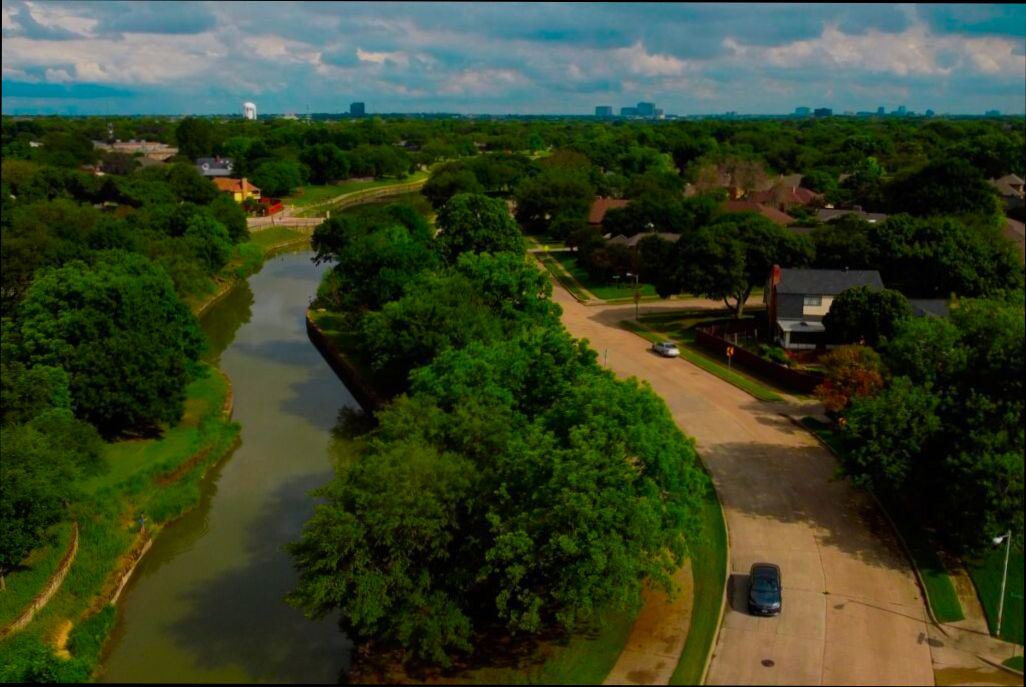
When looking at Plano, TX, one of the striking aspects you’ll notice is its dynamic and diverse demographic profile. This section delves into the population trends that shape the community, illustrating how they can impact your lifestyle and future planning.
Population Growth and Diversity
- Plano has experienced significant population growth over the last decade, with an increase of nearly 20%, highlighting its appeal as a residential destination.
- The city boasts a rich cultural diversity, with over 40% of residents identifying as part of minority groups. This racial and ethnic variety contributes to the vibrant community life you can find here.
Age Distribution
The age distribution in Plano has implications for community services, schools, and neighborhoods:
- Approximately 30% of the population is under the age of 18, indicating a robust family presence and a high demand for child-friendly amenities.
- Conversely, around 12% of residents are over the age of 65, reflecting a growing senior community that influences local healthcare and recreational services.
Educational Attainment
Education levels in Plano are notably high, which significantly shapes the workforce and economic outlook:
- Over 50% of residents hold a bachelor’s degree or higher, which is well above the national average of around 32%. This educational attainment supports a highly skilled labor market.
- The city’s emphasis on education also enhances property values and overall community investment.
| Age Group | Percentage of Population |
|---|---|
| Under 18 | 30% |
| 18-34 | 26% |
| 35-54 | 32% |
| 55-64 | 15% |
| 65 and older | 12% |
Real-World Examples
- A young professional relocating to Plano benefits from networking opportunities in sectors such as tech and finance, thanks to the educated population.
- Families enjoy a supportive environment with access to numerous youth programs and educational resources due to the significant percentage of children and teens in the community.
- Seniors in Plano have access to tailored healthcare services because of the increasing number of older adults, which can enhance their quality of life.
Practical Implications
Understanding these demographic insights allows potential residents to make informed decisions:
- If you’re a family-oriented individual, the younger population segments indicate plenty of activities and programs tailored for children.
- For professionals seeking networking opportunities or collaboration, the high educational attainment suggests you’re likely to find a like-minded community.
- Seniors will appreciate the community’s focus on programs and services that cater to their needs, enhancing their living experience.
Looking into Plano’s demographic landscape, it’s clear that the city offers a multifaceted environment shaped by its population trends. Engage with the community and utilize its diversity and educational advantages to enrich your lifestyle and experiences.
Outdoor Activities and Recreational Facilities
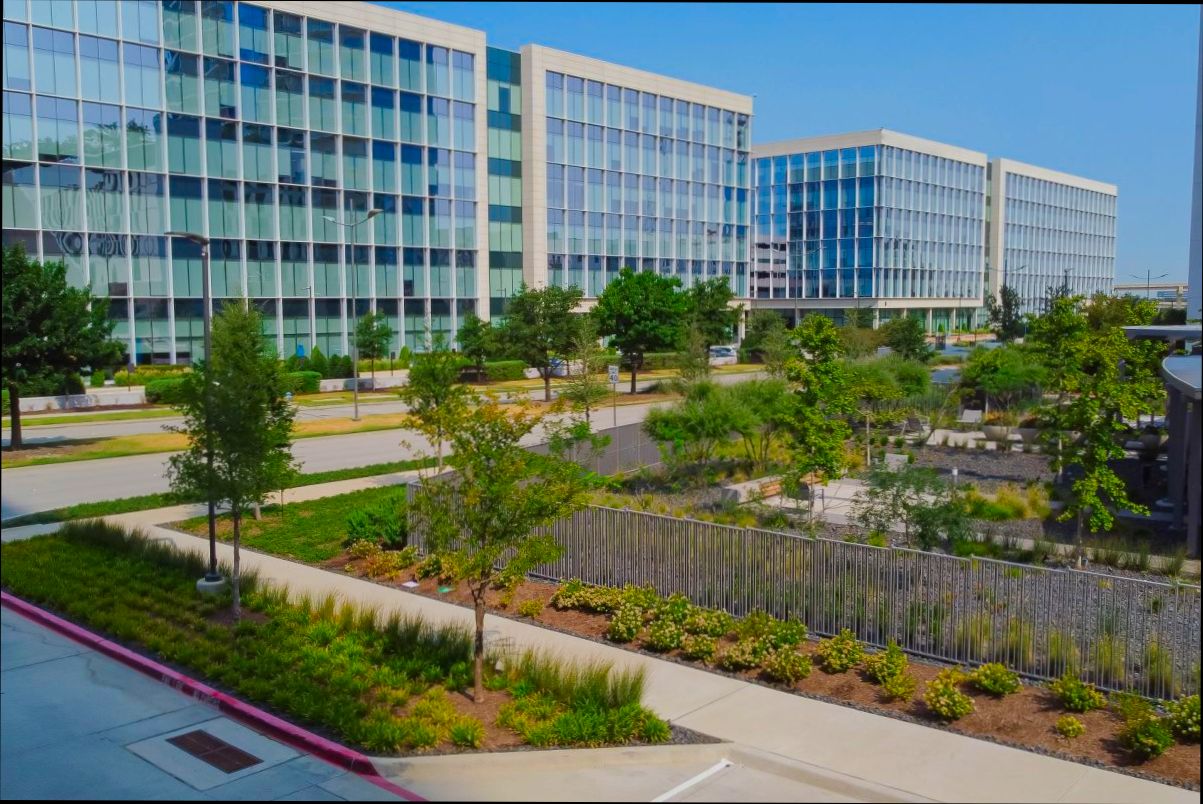
When it comes to outdoor activities and recreational facilities, Plano, TX, offers an abundance of options for residents looking to stay active and enjoy nature. From sprawling parks to community events, there’s always something happening that encourages an outdoorsy lifestyle. Let’s dive deeper into what makes Plano a fantastic place for outdoor enthusiasts.
Parks and Green Spaces
Plano boasts over 30 parks, which range from serene green spaces perfect for picnics to more extensive playgrounds and sports facilities. Here are some standout features:
- Parks with Trails: Many parks incorporate walking and biking trails, making it easy for you to get your exercise while enjoying beautiful surroundings.
- Sports Facilities: Many parks offer sports fields, basketball courts, and tennis facilities.
Outdoor Events and Activities
In addition to its green spaces, Plano hosts numerous outdoor events throughout the year, allowing residents to engage with their community. For instance:
- Annual Plano Balloon Festival: This colorful event attracts thousands and showcases hot air balloons, entertainment, and cultural activities, turning the city’s skyline into a canvas of colors.
- Concerts in the Park: During the summer months, you can enjoy live music performances in various parks, providing a perfect backdrop for family and friends.
Recreational Facilities Overview
Here’s a quick look at some recreational facilities available to Plano residents:
| Facility Type | Number of Locations | Key Features |
|---|---|---|
| Community Centers | 4 | Swimming pools, gymnasiums, and classes |
| Sports Complexes | 3 | Soccer, baseball, and volleyball fields |
| Nature Reserves | 2 | Walking trails and wildlife observation |
Real-World Examples
Many community members have embraced what these recreational facilities and activities offer. For instance, families frequently gather at Arbor Hills Nature Preserve, a 200-acre park featuring trails, picnic areas, and scenic views. This location illustrates how Plano promotes family-oriented outdoor outings.
Fitness enthusiasts also benefit from local sports leagues available through the city’s recreational facilities, including soccer and softball leagues, which help foster a sense of community through shared athletic experiences.
Practical Implications
If you’re a nature lover or enjoy staying active, consider utilizing Plano’s extensive network of parks and recreational facilities. Whether you’re planning a weekend picnic at a nearby park or looking to join a local sports team, the options are plentiful and accessible.
Actionable Advice
- Explore Different Parks: Try visiting a new park each month to experience varied facilities and activities.
- Participate in Local Events: Stay updated on community calendars to join in on seasonal events, outdoor concerts, and festivals that encourage social interaction and active participation.
- Engage with Local Sports Leagues: If you enjoy team sports, look into joining one of Plano’s recreational leagues to meet new people while staying fit.
Public Transportation Options and Accessibility
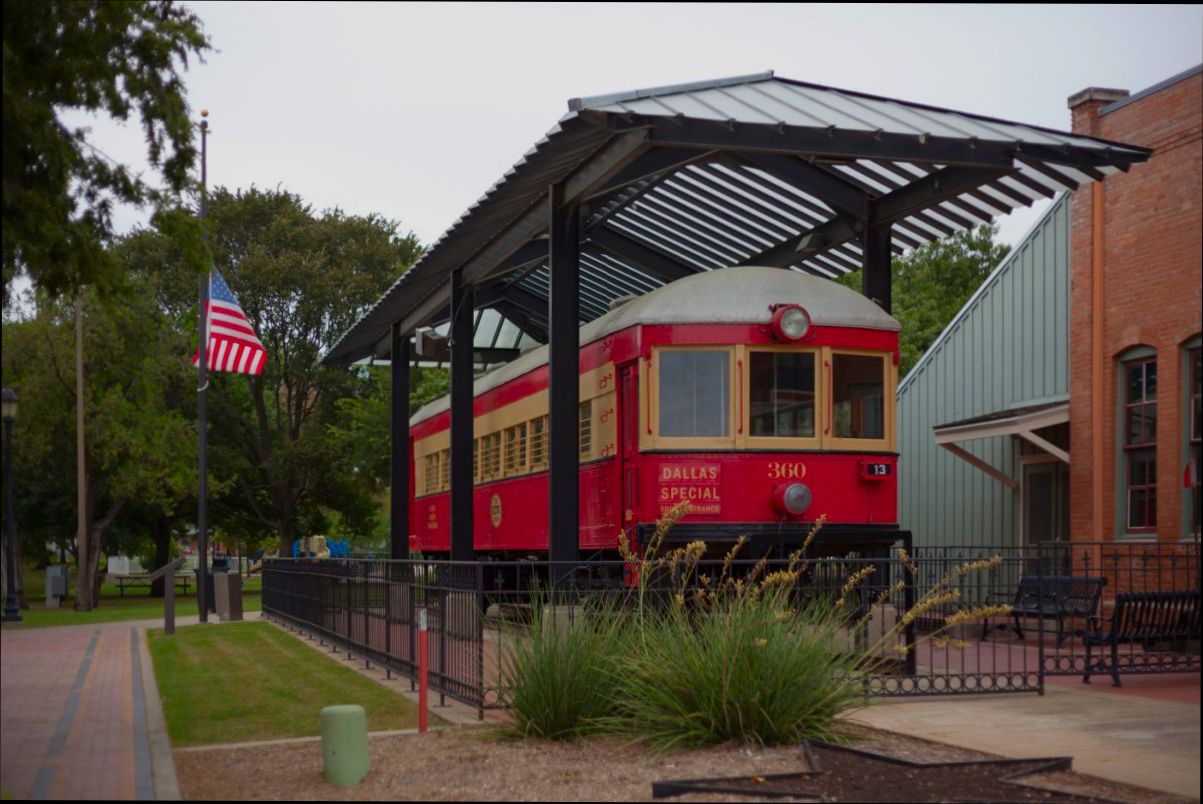
When it comes to public transportation in Plano, TX, the options and accessibility can significantly impact your commuting experience. Although Plano is known for its car-centric culture, it does provide various public transportation services that aim to meet the needs of residents and visitors alike.
Transportation Services Available
1. DART Light Rail: The Dallas Area Rapid Transit (DART) system operates several light rail stations in Plano. DART connects you to major destinations in the Dallas-Fort Worth metroplex, making it easier to commute without a car.
2. Bus Services: In addition to light rail, DART also offers bus services throughout Plano. These buses provide connections to local neighborhoods, shopping areas, and employment hubs.
3. On-Demand Transit: Plano’s on-demand service, known as “PLANO,” provides flexible, app-based transportation options for residents, accessible for both short and long trips within designated areas.
Accessibility Features
Accessibility is an essential aspect of public transportation in Plano. Many services aim to be inclusive:
- ADA Compliance: A significant percentage of transit stations in cities across the U.S. are compliant with the Americans with Disabilities Act (ADA). For instance, it’s crucial that public transit in Plano meets these accessibility standards, ensuring that individuals with disabilities can easily navigate the system.
- Dedicated Resources: Specialized resources, such as paratransit services for those who qualify, help those with mobility challenges access public transportation easily.
| Service Type | Accessibility Features |
|---|---|
| DART Light Rail | ADA-compliant stations, elevators, and tactile signage |
| DART Buses | Accessible buses with low floors and ramps |
| PLANO On-Demand | App-based booking with options for mobility-impaired users |
Real-World Considerations
For instance, imagine you live in a neighborhood that lacks direct access to a DART station. You could utilize the on-demand PLANO service to bridge the gap between your home and public transit. This flexibility allows you to navigate Plano’s public transportation landscape without too much hassle, but you must plan ahead.
Practical Implications for Residents
Understanding these public transportation options helps you make informed decisions about your commute and leisure activities in Plano. If you value accessibility, keep an eye out for ADA-compliant services and routes in your area. Using public transportation can reduce your commuting costs and help you contribute to lowering traffic congestion and environmental impact.
Did you know that investing in understanding local transit can save you money? Evaluating your transportation needs against Plano’s offerings could lead to more efficient and financially sound commuting practices. With the right approach, utilizing public transit options can provide not just convenience, but also a canvas for connections within the vibrant community of Plano.