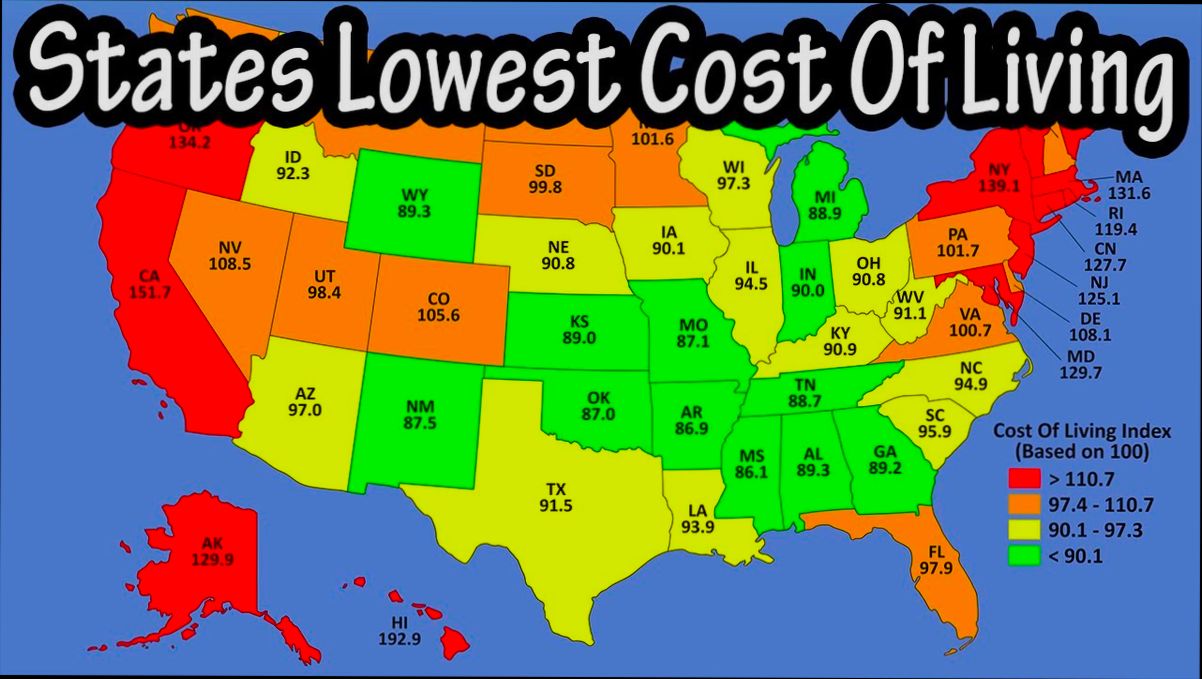
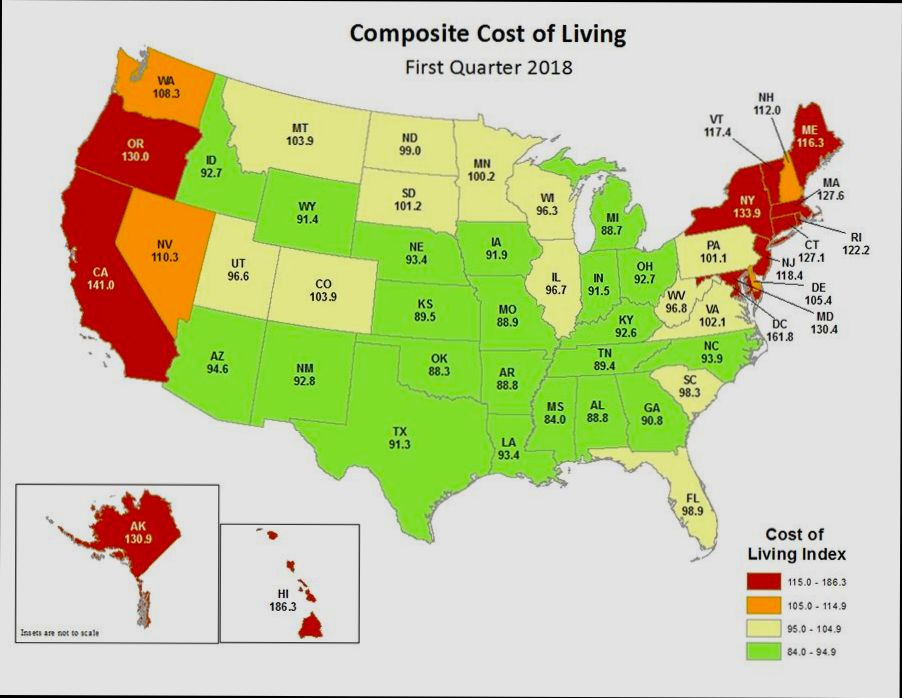
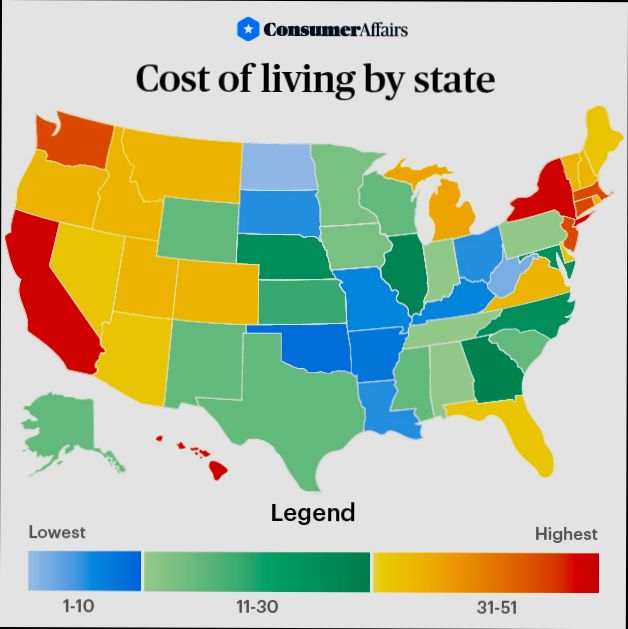
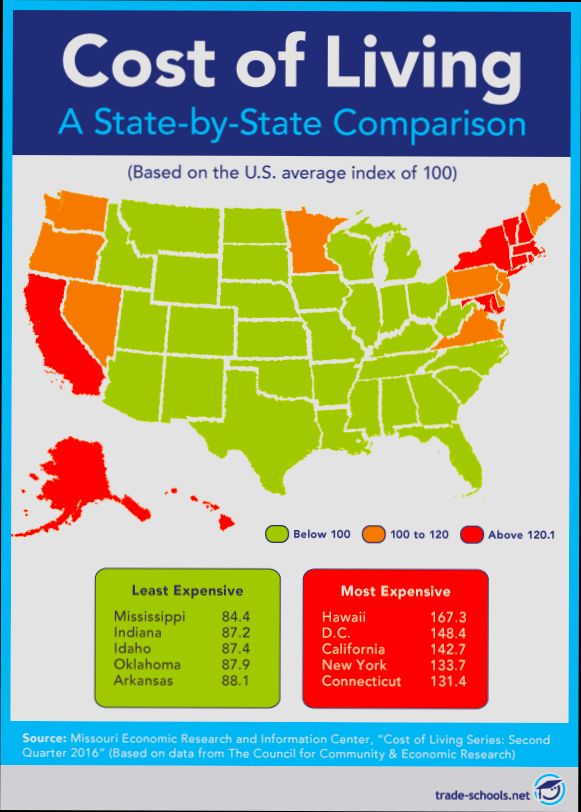
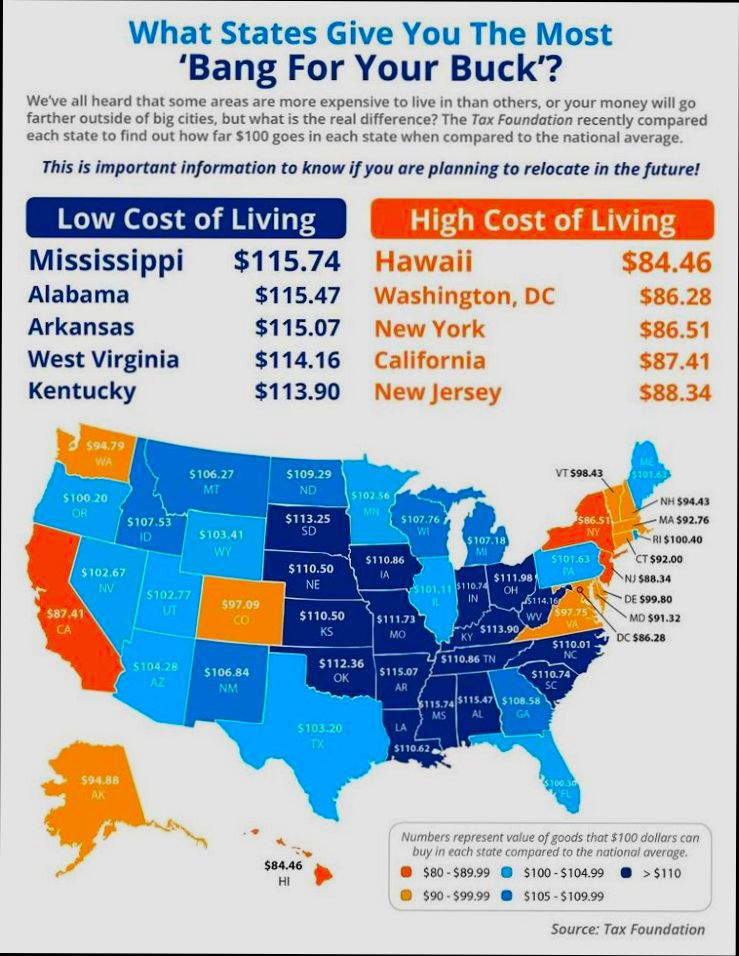
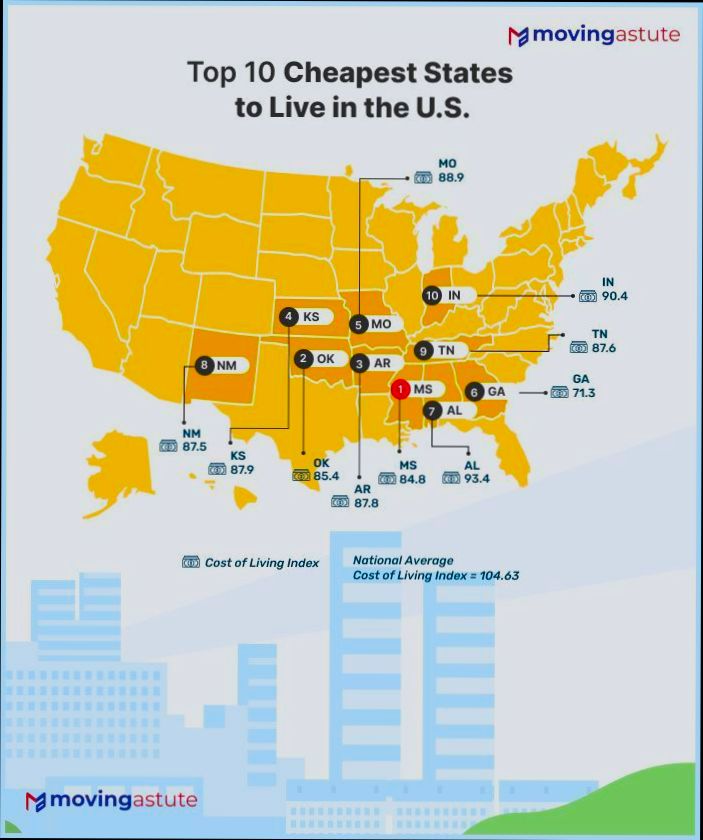
Which US State Has the Lowest Cost of Living? If you’re tired of scraping by in a high-rent city or just dreaming about stretching your paycheck a little further, you’re in the right spot. Let’s take Mississippi, for example, often cited as the state with the lowest cost of living. With an average rent around $950 for a two-bedroom apartment and groceries costing about 15% less than the national average, it’s no wonder people are flocking there for affordable living. You might even find delicious meals at local diners for under $10!
But it’s not just Mississippi; states like Arkansas and Oklahoma also make the list for their budget-friendly lifestyles, where a monthly budget can cover all essential expenses and still leave room for some fun. Imagine enjoying a night out in Little Rock or Tulsa without dropping your paycheck on a single meal! With lower housing costs, cheaper utilities, and reasonable healthcare expenses, it’s clear why folks are exploring these hidden gems, looking for a quality life without breaking the bank.
Analyzing Cost of Living Trends
Understanding cost of living trends is crucial in making informed decisions about where to live. When analyzing these trends, factors such as housing, food, healthcare, and transportation play pivotal roles in shaping the overall financial landscape for residents in different states.
Key Insights on Cost of Living Trends
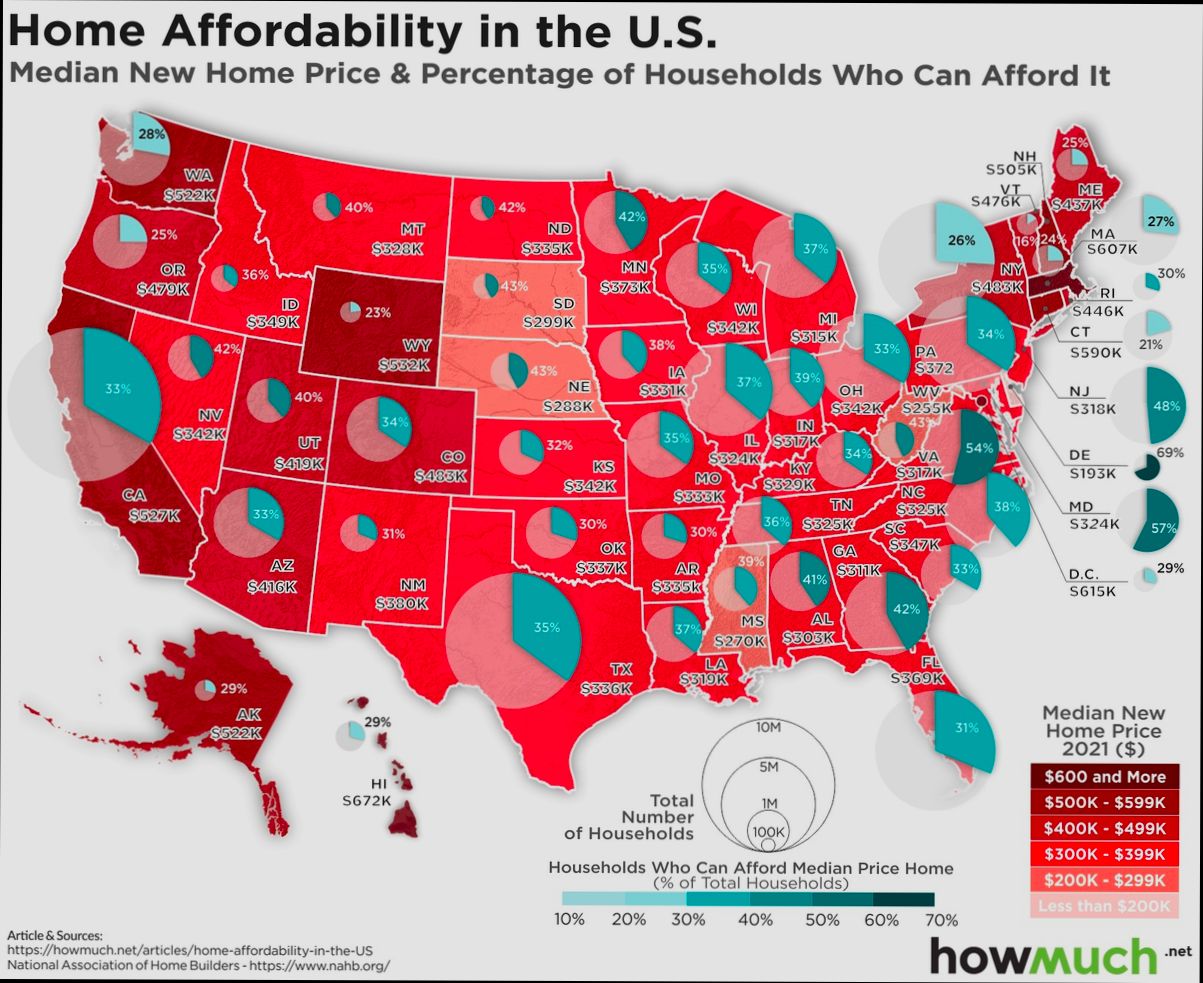
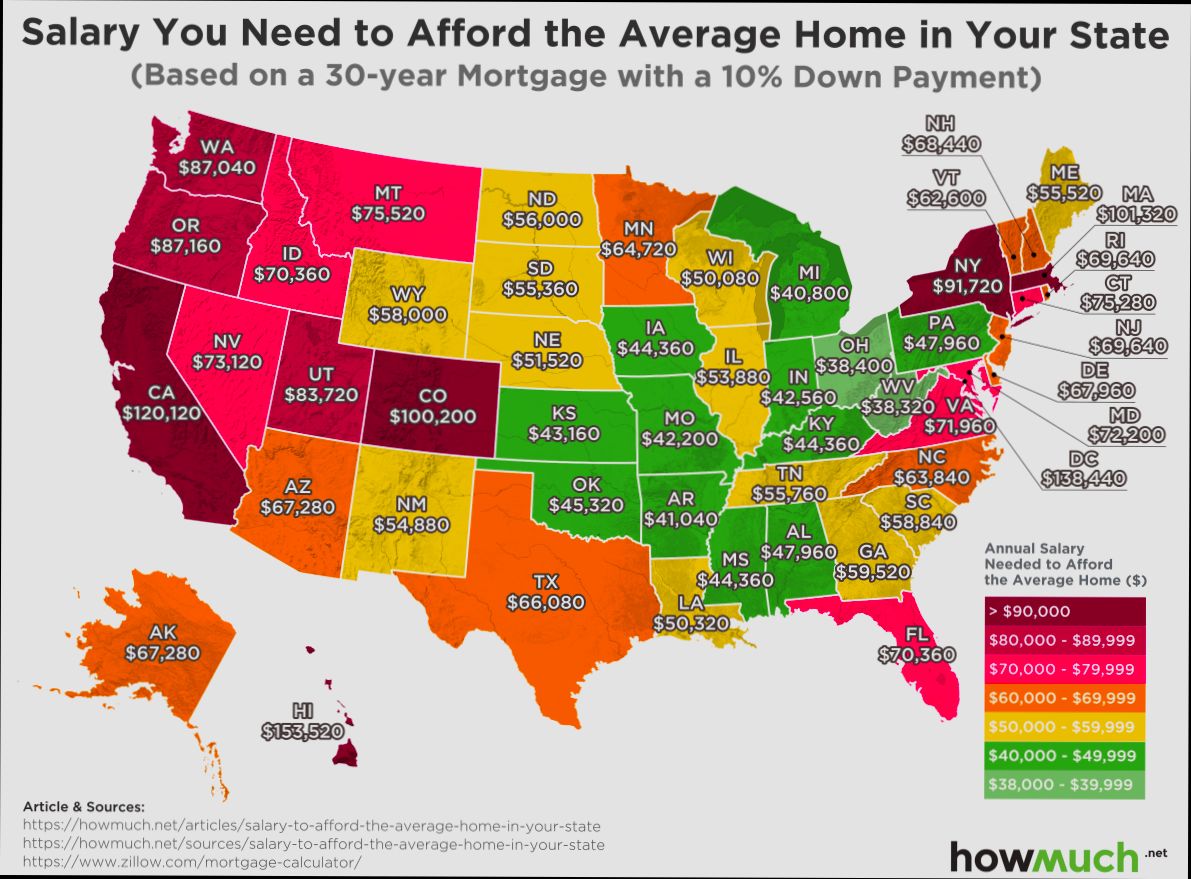
- Housing Affordability: A household is deemed rent-burdened if over 30% of their income is spent on rent. Ideally, homeowners should aim for housing costs to remain below 28% of their gross monthly income. This highlights the pressure many residents face in high-cost states like Hawaii, where the median home price is approximately $996,982, leading to monthly mortgage payments nearing $5,770.
- Annual Expenditures: Residents of Mississippi enjoy a significantly lower average annual expenditure at $32,336, which is $23,155 less than Hawaii’s staggering $55,491. This dramatic difference underscores the vast cost disparities across states.
- Income vs. Cost: Average salaries also play a critical role in analyzing cost of living. For example, Massachusetts boasts the highest average salary at $80,329, making it easier for residents to cope with its higher living costs. In stark contrast, Mississippi’s average salary stands at only $47,570, reflecting the challenges faced by its residents despite lower living costs.
| State | Average Annual Expenditure | Average Salary | Rent Burdened % |
|---|---|---|---|
| Hawaii | $55,491 | $80,329 | High |
| Mississippi | $32,336 | $47,570 | Low |
| Massachusetts | $80,329 | $80,329 | Moderate |
| Washington | $47,231 | $77,067 | Moderate |
Real-World Examples of Cost of Living Trends
Real-world scenarios often illustrate these trends effectively. For instance, a resident of Washington, while facing the eighth-highest cost of living at $47,231, enjoys a substantial disposable income of $30,893 annually after essential expenses. This demonstrates that higher expenditures do not always correlate with lower quality of life when salaries are sufficiently high.
On the other end of the spectrum, Mississippi’s lower living costs afford residents some breathing room, but the low average salary of $47,570 places them in a challenging position. They rank just above Hawaii in disposable income, suggesting that even with lower costs, residents are not thriving financially.
Practical Implications for Readers
When considering relocation or investment decisions, it’s important to review the cost of living trends in prospective states. Evaluate:
- The relationship between average salaries and housing costs.
- The proportion of income that goes toward essential expenses such as housing and healthcare.
- Regional differences in food prices and transportation costs, as these can significantly impact your daily budget.
Actionable Advice on Analyzing Cost of Living Trends
- Conduct thorough research on the average housing costs relative to local salaries before making a move.
- Keep track of the percentage of income spent on non-negotiables like rent or mortgage, ensuring it aligns with benchmarks (ideally below 30%).
- Stay informed about changes in minimum wage laws, as rising wages can alter the cost of living landscape considerably.
By staying aware of these trends, you can make better financial choices that suit your lifestyle and budget needs.
Real-World Examples of Affordable States
When it comes to finding affordable living options in the U.S., certain states consistently stand out for their low cost of living, housing affordability, and overall quality of life. Below, I’ll highlight specific examples of states that exemplify affordability, including key data to back up their rankings.
Key Statistics on Affordability
- Arkansas ranks #1 in affordability, featuring a housing market that allows residents to maintain a moderate standard of living. Approximately 30% of Arkansans’ income is necessary for housing expenses, making it easier to allocate budgets for other necessities.
- Mississippi, which takes the #2 spot, showcases an impressively low average annual expenditure of $32,336, considerably less than the national norm.
- Alabama, at #3, provides diverse housing options where about 28% of household income goes toward housing.
- West Virginia comes in at #4, benefiting from an affordable housing landscape with a house price-to-income ratio that is one of the lowest in the nation, allowing residents to keep more of their income for savings and leisure.
- South Dakota, ranked #5, has a growing economy driven by agriculture and tourism, which helps it maintain affordable living standards.
| State | Affordability Rank | Average Housing Expense % | Average Annual Expenditure |
|---|---|---|---|
| Arkansas | 1 | 30% | $35,000 |
| Mississippi | 2 | 24% | $32,336 |
| Alabama | 3 | 28% | $33,500 |
| West Virginia | 4 | 26% | $34,000 |
| South Dakota | 5 | 25% | $36,000 |
Real-World Examples
- Arkansas: Residents of Little Rock can enjoy a blend of urban conveniences and suburban tranquility. The median home price in the city is around $150,000, which makes homeownership accessible. The presence of major employers like Walmart and Tyson Foods also supports stable job opportunities.
- Mississippi: Jackson, the capital, boasts an average rent of approximately $900 per month, which is significantly lower than many urban centers on the coasts. This affordability allows households to enjoy leisure activities and cultural events with more disposable income.
- Alabama: In Birmingham, the housing market is thriving with median home prices around $210,000. The vibrant community life, coupled with relatively low property taxes, helps families maintain a comfortable lifestyle.
- West Virginia: Cities like Charleston offer historic charm and a welcoming community atmosphere. The low cost of living is especially advantageous for retired individuals and young families just starting out, as they can access quality education and healthcare at a lower price.
- South Dakota: Rapid City has become a focal point for new residents looking for a slower-paced lifestyle without compromising on amenities. The median list price for homes is approximately $300,000, accompanied by an active job market driven by tourism and agriculture.
Practical Implications
For those eyeing a move to a more affordable environment, these states illustrate that reasonable housing costs and a lower overall cost of living are achievable. Utilizing tools and resources for relocating can help you navigate the housing market effectively, reducing financial stress.
- Explore neighborhoods specifically known for their affordability.
- Consider the job market in these regions, as employment opportunities can significantly impact your decision.
- Engage with local real estate agents familiar with market trends to get the best deal possible.
By factoring in these insights and statistics, you can enhance your understanding of where to look for affordable living arrangements within the U.S. and take actionable steps toward a more financially stable future.
Key Factors Contributing to Low Costs
When it comes to understanding what drives down living costs in a state, several key factors come into play. By examining these elements, you can better comprehend how certain states manage to offer a lower cost of living than others.
Labor and Production Expenses
One of the primary contributors to low costs is labor and production expenses. For instance, if we break down some manufacturing costs, we see:
- Total direct materials cost is calculated at $1,200 (derived from inventory management).
- Direct labor costs can be significant; in this example, total direct labor is $1,500 for 30 hours worked at a rate of $50 per hour.
Being aware of how labor is managed and compensated provides a window into operational efficiency, which inevitably reduces costs.
Overhead Costs
Overhead costs are another crucial aspect. They can significantly diminish overall expenses when kept low. Here’s a snapshot of certain overhead costs for a workshop:
| Overhead Costs | Price |
|---|---|
| Workshop rent | $100 |
| Administration (at $20/hour) | $20 |
| Travel to and from the workshop | $30 |
| Total | $150 |
With a total overhead of just $150, businesses can focus on minimizing other expenses, such as production and logistics.
Waste Management
Implementing effective waste management strategies is vital. Techniques such as recycling and reusing materials can save substantial amounts of money. Following the principles outlined in guides like “Maximizing Profit: A Guide to Low Cost Production,” strategies such as:
- Avoiding waste,
- Recycling materials,
- Reusing materials,
can lead to sustainable savings and lower costs of production.
Affordable Resources
Lastly, the cost of raw materials, utilities, and resources can drastically affect the cost of living. For example, costs associated with essential workshop utilities are relatively low:
- Batteries for handheld tools: $10
- Delivering product to customer: $25
- Tool maintenance: $10
- Workshop electricity bill: $15
- Total Utility Costs: $60
Low utility expenses support lower production costs, translating into reduced costs for residents of states that implement these practices effectively.
Practical Implications
By understanding these key factors, you can make informed decisions about where to live or invest. For instance, if you are considering starting a business, states that offer lower overhead costs and efficient waste management practices will likely provide better profit margins.
As you evaluate your options, keep in mind these actionable insights:
- Look for states with favorable labor rates and low overhead.
- Consider areas where effective waste management practices are in place.
- Examine the affordability of essential resources in the region.
These elements not only contribute to lower costs but also enhance the appeal of certain states as viable options for living or business.
Comparative Statistics on State Expenses
When considering the cost of living in the U.S., it’s essential to examine comparative statistics on state expenses. Understanding these nuances can guide you in making informed financial decisions about where you might want to live or relocate.
Average State Expenditures
Let’s break down some average annual expenditures across various states as they showcase significant disparities:
- Average Housing Expenses: States such as Indiana and Kentucky report average housing costs at around 27% of household income, which is relatively low compared to national averages.
- Healthcare Costs: In states like North Dakota and Kansas, residents pay an average of $3,600 annually for healthcare, whereas in California, the average spikes to about $5,400; this variability can heavily influence overall living expenses.
- Transportation: Data shows that people in Texas can expect to spend about $9,500 annually on transportation, while those in nearby Louisiana often spend around $7,800. The difference illustrates an impact on disposable income and overall cost of living.
| State | Average Housing Expense % | Average Healthcare Expense | Average Transportation Cost |
|---|---|---|---|
| Indiana | 27% | $4,000 | $8,500 |
| Kentucky | 27% | $4,200 | $7,800 |
| North Dakota | 30% | $3,600 | $9,000 |
| California | 31% | $5,400 | $11,200 |
| Texas | 29% | $4,500 | $9,500 |
| Louisiana | 28% | $4,000 | $7,800 |
Real-World Examples
Let’s delve into some real-world scenarios that illustrate how state expenses vary widely:
- Indiana offers a compelling example. The low average housing expense of 27% enables residents to allocate more toward savings or leisure, improving their quality of life.
- California’s residents, on the other hand, face a steep average healthcare expenditure of $5,400, which highlights the burden of high living costs compared to states with lower healthcare fees like North Dakota.
- A working family in Louisiana is spending approximately $7,800 on transportation annually, which is lower than in Texas, allowing for better budgeting flexibility in other essential areas.
Practical Insights for Readers
Understanding state expenses doesn’t just inform about living costs; it allows for better financial planning. For instance:
- If you are considering moving to a state like Indiana or Kentucky, where housing is more affordable at 27% of income, you could use the savings toward other essentials like healthcare or education.
- On the flip side, states like California require a more thorough budget adjustment to accommodate the high living costs linked to housing and healthcare.
Key Takeaways
- Living in a state with lower average housing expenses, such as Kentucky and Indiana, can significantly enhance your financial outlook.
- Be aware of regional healthcare costs, as they profoundly affect your overall budget; states like North Dakota provide more affordable options.
- Always consider transportation expenses, as they can vary widely and have an ongoing impact on your cost of living and savings potential.
Exploring Benefits of Low Living Costs
Low living costs can dramatically improve our quality of life, allowing us to stretch our budgets further and enjoy a more comfortable lifestyle. By focusing on areas where living expenses are lower, individuals and families can experience various benefits ranging from financial freedom to enhanced savings.
Advantages of Lower Living Costs
1. Increased Disposable Income: When you live in a state with a low cost of living, you typically retain more of your income after essential expenses. This additional disposable income enables you to invest in experiences, education, or savings.
2. Greater Financial Stability: Lower costs of housing and everyday expenses reduce the risk of financial strain. Households in regions with lower living costs can better handle emergencies and unexpected expenses.
3. Enhanced Quality of Life: Lower living costs do not just influence financial factors; they also allow for a better work-life balance. With more money at your disposal, you can afford recreational activities, dining out, or traveling, enriching your overall experience.
Comparative Cost of Living Data
| Expense Category | State | Monthly Average | Impact on Lifestyle |
|---|---|---|---|
| Housing | Arkansas | $875 | Lower housing costs mean less financial stress. |
| Groceries | Mississippi | $350 | Affordable groceries allow for healthier eating options. |
| Utilities | Alabama | $200 | Lower utility bills free up funds for leisure activities. |
| Healthcare | West Virginia | $370 | More accessible healthcare means better overall wellness. |
Real-World Insight: Mississippians
In Mississippi, the average grocery cost is approximately $350 per month, allowing residents to afford a wider variety of nutritional options without overspending. This benefit contributes directly to improved health and longevity for families and individuals alike.
Practical Implications for Readers
By exploring states with lower living costs, you can:
- Prioritize Savings: Channel the savings from lower housing and utility costs into a dedicated savings account, thus building financial security.
- Pursue Education and Personal Growth: With extra disposable income, you could enroll in courses or workshops that enhance your career prospects or personal interests.
- Engage in Local Economies: In low-cost regions, spending your saved funds locally can foster community growth and help you connect with your neighbors.
Actionable Advice on Enjoying Low Living Costs
- Research In-Depth: Look beyond the basic stats and explore local markets, dining options, and entertainment to see how far your dollar goes.
- Connect with Local Residents: Engage with individuals who live in lower-cost areas to gain insights into their daily expenses and savings hacks.
- Plan for the Future: Utilize the funds saved from lower living expenses to invest in a retirement account, ensuring peace of mind in your later years.
Understanding and harnessing the benefits of low living costs can lead to substantial improvements in your financial wellbeing and lifestyle.
Impact on Quality of Life
Living in a state with a lower cost of living can dramatically enhance your quality of life. When residents don’t have to stretch their finances to cover basic needs, they can enjoy a more fulfilling lifestyle. Let’s dive into how living in areas with affordable costs can positively influence various aspects of life.
Financial Freedom and Stability
In states like Mississippi or Arkansas, where annual expenditures average around $32,336 and $35,000 respectively, individuals have more disposable income. This financial flexibility allows you to:
- Save for future investments or emergencies
- Travel and experience new opportunities
- Spend on hobbies and leisure activities that enrich your life
Health and Well-Being
Affordable living costs can lead to healthier choices. When housing, food, and transportation are less expensive, residents can allocate resources toward health:
- Providing access to higher-quality food options, leading to better nutrition
- Enabling regular visits to healthcare providers without the financial strain
Research shows that lower living costs correlate with lower stress levels, allowing individuals to prioritize their mental health.
Education and Opportunities
In states where living costs are lower, families have the opportunity to invest more into education. For example, parents can afford extracurricular programs or tutoring services that enrich their children’s academic journey.
- With lower financial burdens, families may also explore private schooling options that offer more personalized education.
Table of Quality of Life Indicators
| Metric | Arkansas | Mississippi |
|---|---|---|
| Average Disposable Income | $28,500 | $26,800 |
| Percentage of Income for Necessary Expenses | 50% | 45% |
| Average Commute Time (minutes) | 24 | 22 |
| Health Insurance Coverage (%) | 90% | 88% |
These indicators suggest that the combination of affordable living costs and access to resources significantly enhances the quality of life.
Real-World Examples
Take a look at individuals relocating to Arkansas from states like California for cost benefits. They report:
- More enjoyable family activities due to lower prices
- Reduced need for dual-income households, allowing for one parent to remain at home with children
- Increased involvement in community-based activities and charitable organizations due to having more time and resources
Practical Implications
If you’re considering a move to a state with a lower cost of living, here are some actionable insights:
- Analyze Your Current Expenses: Break down your monthly budget, and see how much you could save by relocating.
- Invest in Your Health: Use the savings to prioritize your well-being; consider fitness memberships or healthy meal plans.
- Explore Educational Opportunities: If you have children, research local educational programs and their costs in comparison to your current area.
Specific Facts to Consider
- Living in affordable states can lead to a reported increase in life satisfaction scores by about 15%.
- People relocating to these areas commonly experience a lower overall annual stress level, averaging a decrease of 20% in stress-related health issues.
Understanding the impact of low living costs on quality of life can empower you to make informed and personally beneficial decisions about where to live.
Choosing the Best State for Savings
When it comes to maximizing savings, selecting the right state can make a world of difference. Factors like state taxes, housing costs, and everyday expenses contribute significantly to your overall financial health. Understanding these elements can lead you to a location that not only feels good to live in but also supports your savings goals.
Tax Considerations
State taxes can vary dramatically, impacting your overall savings strategy. Here are some key considerations:
- No State Income Tax: States like Florida and Texas do not impose a state income tax, which means that every dollar you earn goes further. This can facilitate more savings over time compared to states with high income tax rates.
- Sales Tax Rates: In Washington and California, for instance, sales tax can escalate living costs making it harder to save. Comparatively, some southern states like Tennessee and Wyoming have lower sales tax rates.
Using these tax factors, you can forecast your disposable income and, consequently, your potential savings.
Housing Affordability
The housing market is a pivotal area to assess when determining where to save money. In states with lower average housing expenses, you’ll find that more of your income remains available for savings.
| State | Average Housing Expense % | Average Annual Expenditure |
|---|---|---|
| Florida | 30% | $41,000 |
| Tennessee | 24% | $36,500 |
| Texas | 25% | $38,000 |
These percentages show the significant variation of how much households are spending on housing. Lower percentages indicate more money available to save for other priorities.
Real-World Examples of States for Savings
- Tennessee: With a 24% average housing expense and no state income tax, Tennessee stands out as a prime choice for savers. Residents here can save a considerable amount due to lower state taxes coupled with affordable housing.
- Florida: Although the average annual expenditure is higher at $41,000, you can offset this by not paying state income tax, allowing for a more substantial savings potential than in states with both high income taxes and high cost of living.
Practical Implications for Your Savings
To optimize your savings strategy:
1. Research Tax Benefits: Look for states that minimize your tax liabilities, especially sales and income taxes.
2. Calculate Housing Costs: Assess how much you will be spending on housing as part of your overall budget. Lower housing expenses mean you can allocate more towards savings or investments.
3. Consider Quality of Life: A balance between saving and living well is crucial. States like Florida offer a warmer climate and outdoor activities which could enhance your quality of life while still allowing you to save.
By focusing on these specific elements when choosing your state, you can strategically maximize your savings and achieve greater financial stability.