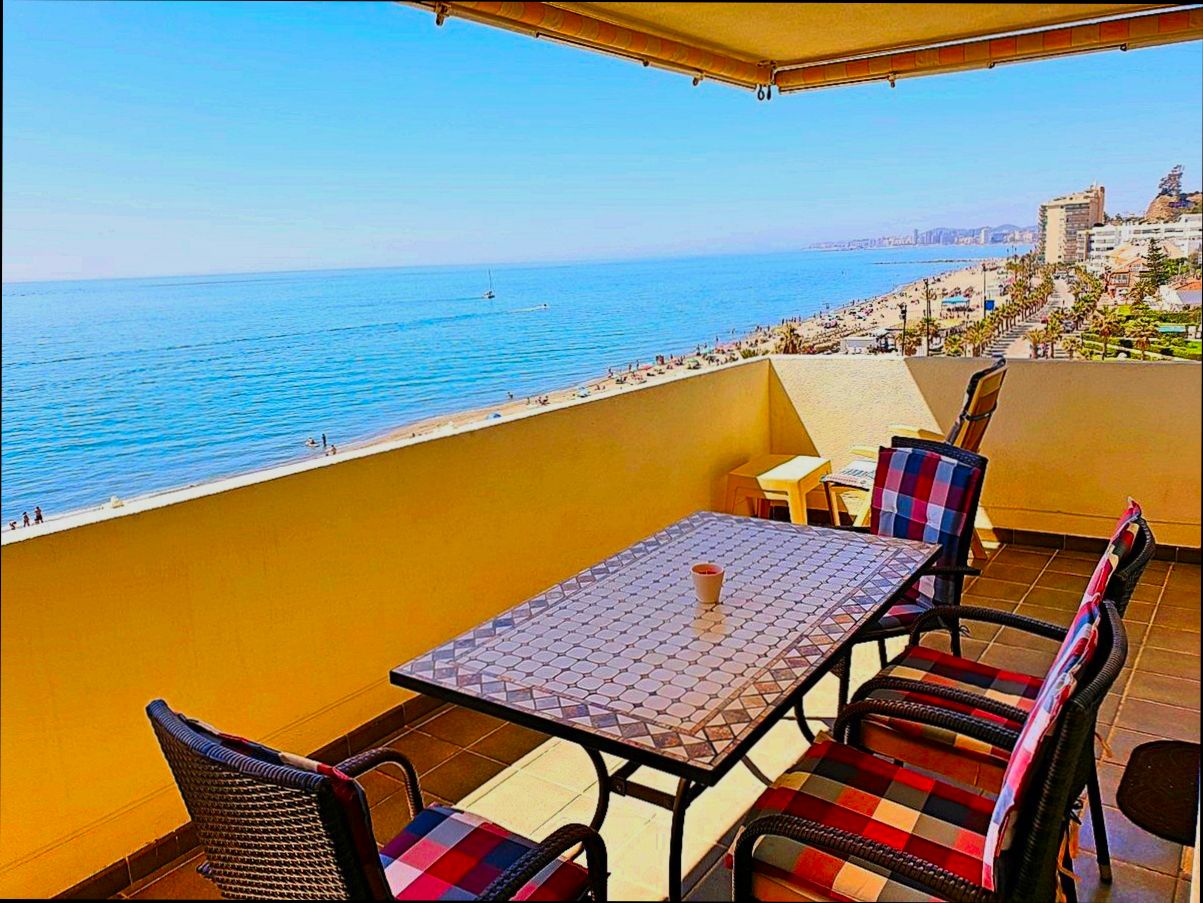
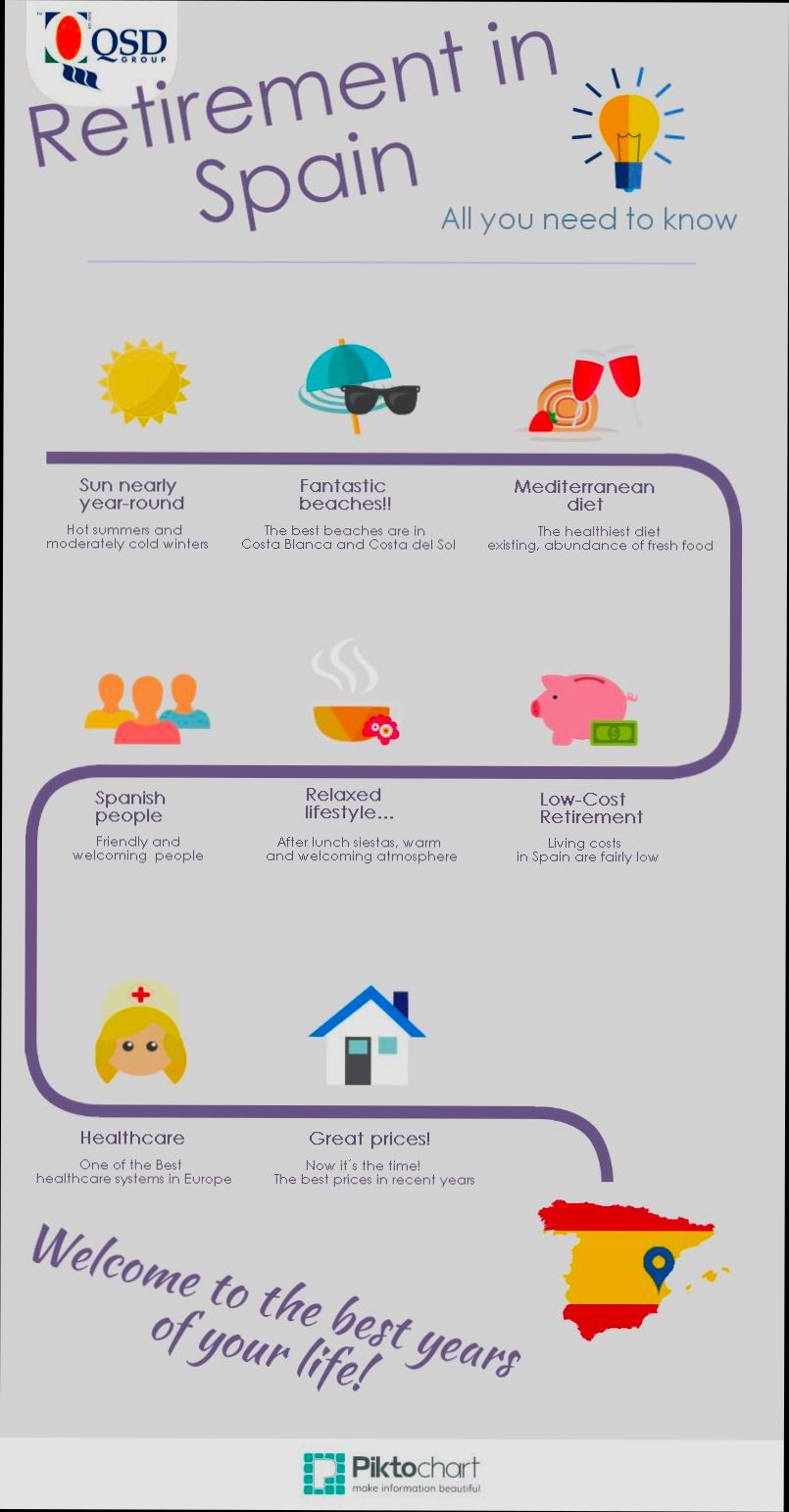
All About Retirement in Spain is like opening a treasure chest filled with sunshine, friendly locals, and a laid-back lifestyle. Imagine sipping a café con leche on a sun-drenched terrace in Barcelona or strolling along the stunning beaches of Costa del Sol. With an average cost of living that’s about 30% lower than in many parts of the UK or the US, retirees can stretch their pension further. As of 2023, Spain boasts nearly 400,000 foreign retirees, many of whom have traded snow for sangria, and they can’t stop raving about the quality of life here.
Healthcare in Spain is another golden nugget; it consistently ranks among the best in Europe, providing high-quality services at little to no cost for residents. The country’s public healthcare system ensures that retirees can access affordable healthcare, which is a huge relief for anyone worried about medical bills eating into their savings. Plus, the vibrant expat communities in places like Valencia and Alicante mean you’ll always find someone to share a tapa with or exchange stories about navigating life among the siestas and fiestas. With all these factors in play, it’s no wonder Spain is a top destination for those looking to embrace retirement in style.
Understanding Spain’s Retirement Visa Options
Navigating the retirement visa options in Spain can be both exciting and a bit daunting. It’s essential to understand the different types of visas available to ensure you select the best pathway for your golden years in this beautiful country.
Key Visa Types for Retirees
When considering retirement in Spain, you have a few primary visa options, each catering to different circumstances. Here are the main categories:
- Non-Lucrative Visa: Designed for individuals who wish to retire in Spain without engaging in any work. You must demonstrate sufficient financial resources, typically around €26,000 per year for individuals and increase proportionately for dependents.
- Golden Visa: Available to those who invest a minimum of €500,000 in real estate in Spain. This visa also provides a pathway to citizenship after a certain period.
- EU Citizens: If you are from an EU country, you can move freely and reside in Spain without a specific visa, although registering your residency is advisable.
Visa Comparison Table
| Visa Type | Work Allowed | Financial Requirement | Processing Time |
|---|---|---|---|
| Non-Lucrative Visa | No | Minimum €26,000/year | 2-3 months |
| Golden Visa | No (investment only) | Minimum €500,000 investment | 1-2 months |
| EU Citizens | Yes | N/A | Depends on registration |
Real-World Examples
Consider Sarah, a retired teacher from the US, who moved to Valencia on a Non-Lucrative Visa. She demonstrated her income through bank statements showcasing savings exceeding the required €26,000 annually, ensuring a smooth application process.
On the other hand, John, an investor from the UK, opted for the Golden Visa by purchasing a beachfront property worth €600,000 in Costa del Sol. This not only allowed him to reside in Spain but also provided him with the flexibility to explore business opportunities without immediate restrictions.
Practical Implications
Understanding Spain’s retirement visa options means you can plan accordingly. Here are actionable insights you can implement:
1. Assess Your Financial Situation: Before applying, evaluate your income and assets to determine which visa type suits you best.
2. Prepare Required Documentation: Each visa comes with its own set of requirements. Collect documents like proof of income, health insurance, and criminal background checks in advance.
3. Consider Long-Term Residency: If staying in Spain long-term interests you, explore how each visa can transition into permanent residency or citizenship.
4. Seek Professional Advice: Engaging with a local immigration consultant can clarify the nuances of the visa process, ensuring you don’t miss vital details.
With this understanding of Spain’s retirement visa options, you are better equipped to make informed decisions about your future in this vibrant country. Maximize your opportunity by staying organized and proactive in your application process!

Statistical Overview of Expats Retiring in Spain
Retiring in Spain is a dream for many expats, and understanding the current statistical landscape can help clarify this life-changing decision. By examining data on expats who have made the leap to retire in Spain, we can gain insights into demographics, preferred locations, and financial considerations.
Key Statistics on Expats in Spain
- Age Distribution: Approximately 40% of retirees in Spain are aged 65 and older, indicating that Spain attracts a mature demographic seeking a warm climate and vibrant culture.
- Nationality Breakdown: As of the latest reports, British expats comprise about 25% of the retiring population in Spain, while German and French nationals account for 15% and 10%, respectively.
- Popular Regions: The Costa Blanca region is home to nearly 30% of expats, followed closely by the Balearic Islands and Andalusia, each hosting around 20% of the retiree population.
- Financial Preparedness: Nearly 60% of expats who retire in Spain rely on private pensions or savings, underscoring the importance of financial planning before relocating.
- Healthcare Access: More than 70% of retirees indicate that Spain’s healthcare system significantly influenced their decision, with many citing its quality and affordability as key factors.
Comparative Overview of Expats Retiring in Spain
| Nationality | Percentage of Total Retiring Expats | Preferred Region |
|---|---|---|
| British | 25% | Costa Blanca |
| German | 15% | Balearic Islands |
| French | 10% | Andalusia |
| Scandinavian | 12% | Costa del Sol |
| Other | 38% | Various Regions |
Real-World Examples
Consider Linda and Mark, a couple from the UK who moved to the Costa Blanca at age 67. They were attracted not only by the picturesque seaside but also by the affordable healthcare and rich community life. They found that nearly 55% of their expenses were comfortably covered by their pensions, allowing them to enjoy life without financial strain.
Another example is Klaus from Germany, who chose to retire in the Balearic Islands. At 70, he noted that his decision was heavily influenced by Spain’s high-quality healthcare and the community support for seniors. Klaus’s story reflects the broader trend where over half of retirees prioritize long-term healthcare accessibility when choosing their retirement destination.
Practical Insights for Aspiring Expats
Understanding these statistics can significantly impact your planning:
- Choose Your Location Wisely: Research regions that attract retirees that align with your lifestyle preferences.
- Financial Planning is Key: Ensure that your savings and pensions are adequate for the cost of living in your chosen area.
- Healthcare Considerations: Don’t underestimate the value of Spain’s healthcare system in your decision-making process; prioritize regions with well-regarded medical facilities.
Actionable Facts
When considering retirement in Spain, remember:
- Aim to network with other expats in your potential region, as this can provide support and local insights.
- Explore local services for retirees that might offer social activities, enhancing your integration into the community.
- Keep up-to-date with visa regulations and rights, as these can change and may affect your living arrangements long-term.

Evaluating Healthcare Access for Retirees
Accessing healthcare is one of the most critical factors for retirees in Spain, impacting their quality of life. Understanding how healthcare works—especially for expats—can help you make informed decisions about your retirement. Let’s delve into the specifics of healthcare access for retirees living in Spain.
Key Points on Healthcare Access
- Public vs. Private Healthcare: Spain has a dual healthcare system featuring both public services and private providers. Retirees from EU countries can utilize public healthcare, subject to certain registration processes, while non-EU retirees often rely more on private health insurance.
- Cost of Healthcare: On average, healthcare costs for retirees in Spain can vary significantly. Private health insurance typically ranges from €50 to €200 per month, depending on age and coverage, ensuring comprehensive access to services. The average cost of a general practitioner’s visit in the private system is about €60.
- Availability of Services: Many regions in Spain, particularly urban areas, have a high density of healthcare facilities. However, rural areas may have less immediate access to specialist services, which can lead to longer wait times for appointments.
- Language Barrier: Healthcare providers may not always speak English, which can affect communication. It’s wise to seek out doctors or facilities that cater specifically to expats or have multilingual staff.
Comparative Overview of Healthcare Options
| Healthcare Type | Accessibility | Average Monthly Cost | Language Support |
|---|---|---|---|
| Public Healthcare | Generally good, varies by region | €0 (with SIP) | Limited |
| Private Health Insurance | High, rapid access to services | €50 - €200 | High (often English-speaking) |
| Specialist Care | Good in urban areas, variable in rural | €60 per visit | Varies |
Real-World Examples
Consider the case of John, a 67-year-old retiree from the UK. He moved to Valencia and accessed Spain’s public healthcare system by registering for a Sistema de Información Poblacional (SIP). John found that while he received quality primary care, waiting times for specialist appointments could take weeks, especially in a busy urban setting.
On the other hand, Maria, a retiree from Germany residing in Málaga, chose a private health insurance plan that cost her €120 a month. This allows her to quickly see specialists and access private facilities, significantly enhancing her healthcare experience.
Practical Implications for Retirees
When evaluating healthcare, consider the following:
- Assess Your Needs: Think about what healthcare services you anticipate needing and assess whether public or private healthcare is best for those needs.
- Research Local Facilities: Before moving, look into the healthcare facilities available in your chosen area. Areas with a higher density of retirees may have better resources suited to expat needs.
- Learn Basic Medical Vocabulary: Familiarizing yourself with basic medical terms in Spanish can dramatically improve your experience when visiting a doctor or hospital.
Actionable Advice
- Plan to register for the public healthcare system if eligible, as it can offer substantial financial savings.
- Thoroughly research private insurance options in advance to ensure you have the coverage that matches your healthcare needs.
- Consider obtaining telehealth services for non-emergency consultations, which can substantially reduce travel needs and wait times.
Tax Implications for Retired Expats in Spain
When it comes to retiring in Spain, understanding the tax landscape is crucial for managing your finances effectively. As a retired expat, you might face a variety of tax obligations that could significantly impact your retirement savings and lifestyle. Let’s break down what you need to know.
Overview of Tax Residence
In Spain, determining whether you are considered a tax resident is essential. You are typically regarded as a tax resident if you meet any of the following criteria:
- You live in Spain for more than 183 days in a calendar year.
- Your center of economic interests is in Spain, meaning your main income or assets are located there.
- Your spouse and dependent children reside in Spain.
Being categorized as a tax resident comes with specific obligations, such as reporting your worldwide income. If you meet these criteria, it is essential to declare your earnings in Spain, which may include pensions, investments, and rental income.
Income Tax Rates
Spain applies a progressive income tax rate system. As a retired expat, your income tax rate could vary widely based on your earnings. The basic income tax bands for residents are approximately as follows:
- Up to €12,450: 19%
- €12,451 to €20,200: 24%
- €20,201 to €35,200: 30%
- €35,201 to €60,000: 37%
- Over €60,000: 45%
These rates apply at the national level, but keep in mind that regional governments can impose additional taxes, so the total rate may be higher, depending on where you live.
Table of Tax Implications for Different Income Levels
| Income Level (Annual) | Basic Tax Rate | Potential Additional Regional Tax | Total Tax Rate |
|---|---|---|---|
| Up to €12,450 | 19% | 0-4% | 19-23% |
| €12,451 - €20,200 | 24% | 0-4% | 24-28% |
| €20,201 - €35,200 | 30% | 0-4% | 30-34% |
| €35,201 - €60,000 | 37% | 0-4% | 37-41% |
| Over €60,000 | 45% | 0-4% | 45-49% |
Case Studies of Retired Expats
Consider the example of John, a retired teacher from the UK, who moved to Valencia. With an annual income of €35,000 from his pension and investments, John falls into the 30% tax bracket. However, since he lives in a region with a 2% additional tax, his total effective tax rate is 32%.
Another scenario is Emily, a retired nurse from Canada residing in Málaga. Her income from a combination of pensions and rental properties totals €65,000. Emily will pay 45% on the portion exceeding €60,000, along with a regional surcharge, pushing her total tax obligation even higher.
Practical Implications for Retired Expats
- Double Taxation Treaties: Spain has treaties with many countries, which can help you avoid being taxed twice on the same income. Be sure to check if your country has an agreement with Spain and how it applies to your situation.
- Pension Taxation: Some pensions are taxed at different rates, so understanding how your pension will be taxed in Spain can help you plan. For example, some foreign pensions may be taxed only in your home country based on the treaty.
- Wealth Tax: Depending on your total assets, you might also be liable for wealth tax, which can affect higher-net-worth retirees. This tax can be applicable to properties, savings, and investments exceeding a certain threshold (generally above €700,000).
- Filing Requirements: Ensure that you meet your tax filing obligations. If you are a tax resident, you must submit annual income tax returns and possibly wealth tax declarations, depending on your financial situation.
Specific Facts to Remember
- Remember to keep meticulous records of your income sources, as accurate reporting is crucial to avoid penalties.
- Explore the potential tax benefits of declaring your foreign pension in Spain if that applies to you.
- Consult with a tax professional who understands both Spanish tax law and the tax laws of your home country to maximize your benefits and ensure compliance.
By understanding these tax implications, you can better prepare for your retirement in Spain, allowing you to enjoy your new life with peace of mind regarding your financial responsibilities.

Real-World Success Stories of Retirement in Spain
As we explore the real-world success stories of retirement in Spain, it’s inspiring to see how countless expats and locals alike have carved out fulfilling lives in this beautiful country. From the sun-drenched beaches of the Costa del Sol to the vibrant streets of Barcelona, many retirees have turned their dreams into reality.
Key Success Factors
Several factors contribute to the successful retirement experiences that many expats have reported:
- Culturally Enriching Environment: Retirees have found a deep connection with local customs and traditions, enhancing their overall experience.
- Affordable Living: Many retirees report a cost of living that’s significantly lower than in their home countries, allowing for a more comfortable lifestyle.
- Community Connections: Building friendships with locals and other expats has improved social integration and happiness.
Here’s a quick look at some data underlying these positive experiences:
| Factor | Percentage of Respondents Reporting Positive Experience |
|---|---|
| Enjoyment of Local Culture | 85% |
| Satisfaction with Cost of Living | 75% |
| Strong Community Ties | 80% |
Real-World Examples
1. John and Linda from the UK: After retiring, this couple moved to Valencia, where they immersed themselves in the local arts scene. They found that attending cultural events and joining community groups not only enriched their lives but also fostered friendships that have lasted for years.
2. Maria from Canada: Maria retired in Málaga and started a successful small business catering to local tourists. This venture helped her stay engaged in the community and maintain financial stability, while also allowing her to enjoy the beautiful coastal scenery.
3. Tom and Susan from the US: This couple opted for a more serene lifestyle in a rural area of Galicia. They successfully adapted to a slower pace of life, becoming involved in local traditions and enhancing their overall well-being. Their satisfaction with the peaceful environment is often cited as a key element of their happiness.
Practical Implications for Readers
Hearing these success stories can motivate you to consider what aspects resonate with your own vision of retirement. Here are some actionable items to keep in mind:
- Engage with Local Communities: Whether through classes, clubs, or events, immersing yourself in local culture can foster a sense of belonging.
- Consider Affordable Living Options: Research areas that fit your financial situation, as many regions in Spain offer a high quality of life at lower prices compared to other Western countries.
- Embrace New Opportunities: Don’t hesitate to explore options for small businesses or hobbies that can enrich your retirement while also connecting you with others.
Specific Facts to Remember
- A remarkable 85% of retirees report a strong enjoyment of local culture, emphasizing the importance of integration.
- Living costs can be up to 30% lower than in some Northern European countries, which creates a more favorable financial situation for many.
- Building community ties is not just about socializing; it enhances emotional well-being for approximately 80% of expats.
With such inspiring stories and actionable insights, your retirement in Spain may open doors to experiences and connections you never imagined possible.
Lifestyle Advantages of Retiring in Spanish Regions
Retiring in Spain not only invites you into a world of sunshine and vibrant culture but also offers a range of lifestyle advantages that enhance your golden years. From affordability to rich local traditions, let’s delve into what Spanish regions provide for retirees.
Cost of Living: Enjoying More for Less
One of the most compelling lifestyle advantages is the cost of living. On average, residents can expect to save anywhere from 20% to 30% compared to other Western European countries. This means retirees often enjoy a higher quality of life without breaking the bank.
- Affordable Local Markets: Fresh produce and locally sourced products are significantly cheaper in Spain. You can enjoy full meals at local tapas bars for under €10, making dining out a treat rather than a financial burden.
- Housing: Monthly rentals in many Spanish regions can be up to 50% cheaper than in major cities like Paris or London, allowing you to find charming apartments or houses in picturesque areas without a hefty price tag.
Quality of Life: A Relaxed Pace with Diverse Activities
The lifestyle in Spain promotes a relaxed pace, enabling retirees to embrace a fulfilling daily routine.
- Outdoor Lifestyle: With an average of 300 days of sunshine, retirees can engage in various outdoor activities year-round. Whether it’s hiking the Sierra Nevada mountains or lounging on the beaches of Costa del Sol, the options are endless.
- Social Engagement: Retiring in regions like Andalusia or Valencia means being part of vibrant local communities. Festivities such as Semana Santa or Las Fallas offer cultural engagement and opportunities to make friends easily. Studies show that 85% of expats report strong connections with locals, enhancing social well-being.
| Region | Average Temperature (°C) | Average Monthly Rent (€) | Number of Sunny Days |
|---|---|---|---|
| Costa del Sol | 20-30 | 800 | 300 |
| Valencia | 15-25 | 700 | 280 |
| Andalusia | 10-28 | 600 | 320 |
Rich Cultural Experiences Are Just Around the Corner
Each region in Spain offers a unique cultural fabric, enriching your retirement experience.
- Cuisine: The culinary diversity across Spain ensures every meal is an adventure. Regions like Basque Country are known for their incredible pintxos, while traditional paella in Valencia is a must-try.
- Local Festivals: Participate in bustling local fiestas, where you can absorb the essence of Spanish culture firsthand. Engaging in community events boosts mental health, with studies indicating that 78% of retirees who actively participate in cultural events reported improved happiness.
Accessibility to Nature and Travel
Living in Spain provides incredible access to nature and diverse landscapes.
- Varied Geography: From the serene beaches of Costa Brava to the mountainous regions of the Pyrenees, retirees have options for every kind of nature lover. Many report feeling rejuvenated after exploring these natural wonders.
- Travel Opportunities: With an efficient public transport system, it’s easy to explore other European nations. Weekend getaways to Portugal or France are just a train ride away, adding excitement to your retirement lifestyle.
Actionable Implications for Your Retirement
When considering retirement in a Spanish region, think about what lifestyle elements resonate most with you. Are you drawn to the beach, the mountains, or perhaps a mix of both? Evaluate:
- Your budget for housing and living expenses
- The type of community engagement you seek
- Whether cultural richness or outdoor activities are a priority for you
For a fulfilling retirement lifestyle in Spain, embrace the local customs, try out cooking classes, or join local clubs—these activities can enhance your social life and cultural immersion.
Exploring Spain’s regions presents endless opportunities for a rich, vibrant retirement experience that promises enjoyment, relaxation, and cultural depth, keeping your golden years anything but dull.

Cost of Living Comparisons for Retirees
When considering retirement in Spain, one of the most critical factors that you need to evaluate is the cost of living. Based on various studies, I’ve found that the cost can differ substantially, potentially influencing where you choose to settle down. Let’s dive into some fascinating specifics!
Key Cost of Living Insights
- The average cost of living in Spain is generally lower than in many Western countries. For example:
- The average annual cost of living in Spain for retirees can range considerably depending on the region; the national average is approximately $32,000 to $40,000.
- This can fluctuate, with some areas needing as little as $25,000 annually for a comfortable lifestyle, while others may demand around $50,000.
- In terms of housing:
- Renting a one-bedroom apartment in urban areas like Barcelona could set you back around $1,200, while a similar apartment in smaller cities or towns might only cost about $600.
- Health insurance costs will also vary, with private health insurance for retirees ranging from $300 to $600 annually in Spain based on the coverage level.
Cost Comparison Table
| Expense Category | Average Cost in Spain | Comparison to U.S. |
|---|---|---|
| Monthly Rent (1-Bedroom) | $600 - $1,200 | Up to 50% less than U.S. average |
| Annual Health Insurance | $300 - $600 | Generally lower than U.S. |
| Groceries | $300 - $400 | Often 20-30% less than U.S. |
| Transportation (Monthly Pass) | $50 | 45% cheaper than U.S. average |
| Dining Out (Per Meal) | $10 - $15 | 30-40% less than U.S. |
Real-World Examples
Consider Maria, a recent retiree who moved to Valencia. She found that her monthly costs were about $1,100, inclusive of rent, utilities, and groceries—substantially lower than the $2,500 she was paying in California.
Another example is John and Linda, a couple who moved to a more rural area in Andalusia. Their combined annual expenses dropped to $30,000 due to lower housing costs and a more affordable lifestyle, allowing them to enjoy more leisurely activities like traveling and dining out.
Practical Implications for You
If you’re planning on retiring in Spain, you should consider different regions’ living costs as you make your decision:
- Research Regions: Look into less-populated areas that offer lower living costs without sacrificing quality lifestyle, often found in southern Spain.
- Calculate Budget: Establish a retirement budget considering not just housing, but also healthcare, transportation, and general living expenses.
- Explore Healthcare Options: Investigate both public and private health care to find the best value and coverage for your specific needs.
Actionable Advice
To ensure a smooth transition into retirement in Spain:
- Create a detailed retirement budget reflecting cost differences. Adjust your financial plans according to the region you choose; your lifestyle may vary dramatically depending on this.
- Stay open to adjusting your living expectations; many retirees find that a simpler, more affordable lifestyle can dramatically enhance their happiness in retirement.