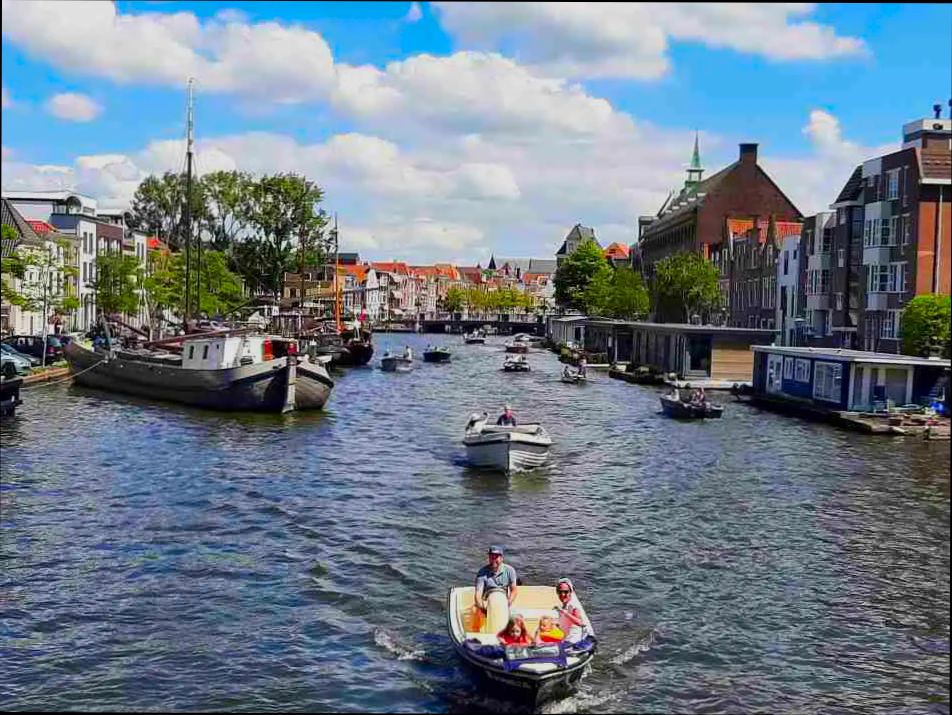
Pros and Cons of Living in Leiden paint a vivid picture of life in this charming Dutch city. On the upside, you’ve got a rich tapestry of history and culture right at your doorstep. With its stunning canals, historic buildings, and the prestigious Leiden University—ranked among the top in the world—there’s always something new to explore. Plus, the bicycle-friendly streets make it super easy to get around. Did you know that around 70% of Leiden’s residents cycle daily? That makes for a lively atmosphere, especially during the sunny months when parks fill up with people enjoying picnics and outdoor activities.
However, it’s not all sunshine and bicycle rides. The cost of living can be surprisingly high for a city of its size, especially when it comes to renting an apartment. For example, average rents hover around €1,200 a month for a decent one-bedroom place, which can pinch your budget if you’re a student or a young professional. Additionally, the city’s compact size means that, while there are plenty of cultural events and cafes, some people find the social scene a bit limited compared to bigger cities like Amsterdam. Balancing these pros and cons is part of the Leiden experience and shapes how you’ll enjoy life here.
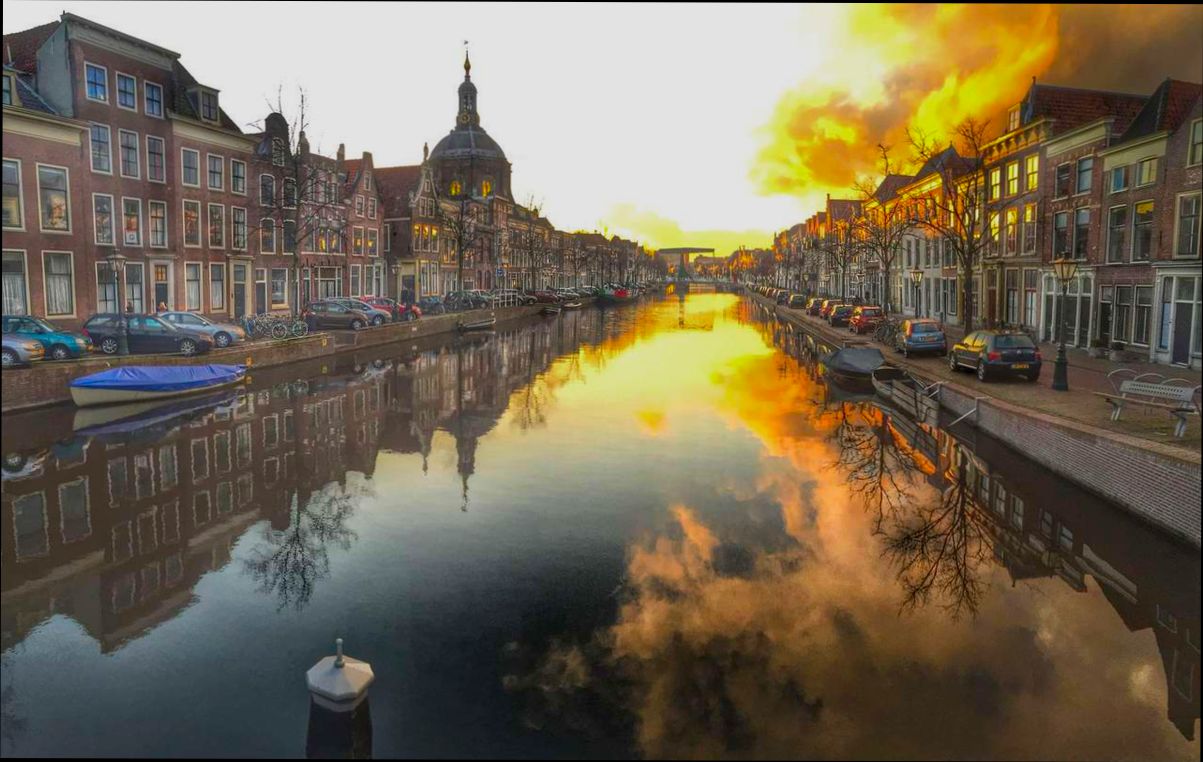
Cultural Richness and Historical Significance
Leiden is not just a charming city; it’s a treasure trove of cultural and historical significance that can captivate anyone. Living here means immersing yourself in a rich tapestry of art, science, and heritage that dates back centuries. Let’s explore what makes Leiden culturally vibrant and historically important.
Key Highlights of Cultural Richness
- Home to the Oldest University: Leiden University, founded in 1575, is the oldest university in the Netherlands, contributing to the city’s rich academic culture. This educational institution attracts international scholars and facilitates a diverse intellectual environment.
- Museums Galore: Leiden boasts over 15 museums, showcasing everything from natural history to fine arts. The National Museum of Antiquities and the Museum of the History of Science are highlights that reflect the city’s cultural depth.
- Numerous Historic Landmarks: The city is home to more than 1,500 monuments, many of which are well-preserved buildings from the 16th and 17th centuries. Key landmarks include the Wielemans Museum and the Burcht van Leiden, a medieval fortress that offers breathtaking views of the city.
Comparative Table of Cultural Institutions
| Institution | Type | Year Established | Notable Features |
|---|---|---|---|
| Leiden University | Educational Institution | 1575 | Oldest in the Netherlands with global recognition |
| National Museum of Antiquities | Museum | 1818 | Houses an extensive collection of Egyptian artifacts |
| Museum of the History of Science | Museum | 2007 | Focuses on the historical development of science |
| The Rijksmuseum van Oudheden | Museum | 1818 | Collection of archaeology demonstrating Dutch heritage |
Real-World Examples
- The Pilgrim Museum: This museum stands as a significant reminder of Leiden’s role in the Pilgrims’ journey to America in the 17th century. It features artifacts and exhibitions that trace the Pilgrims’ story, emphasizing the city’s importance in early American history.
- The Leiden Collections: The various art collections in Leiden, particularly the works of famous artists such as Rembrandt and Jan Steen, enrich the city’s cultural landscape. The city’s art scene also includes celebrated modern galleries that house both contemporary and classic works.
- The Annual Leiden Lakenfeesten (Cloth Festival): This historically rooted event showcases Leiden’s textile production heritage. Held every five years, it features parades, music, and performance art, drawing both locals and tourists alike.
Practical Implications
Living in Leiden offers you a unique opportunity to engage with the past. Whether you attend lectures at Leiden University or explore the scheduled events at local museums, it’s a chance to absorb a blend of history and modern culture.
- Consider joining tours focused on Leiden’s rich history; you’ll gain insights not typically found in textbooks.
- Engage with local festivals and events that celebrate the city’s heritage, allowing you to meet residents and immerse yourself in the community.
Actionable Facts About Cultural Richness
- Take advantage of student discounts offered at many museums if you’re affiliated with Leiden University or even as a local resident.
- Explore the hidden gems of Leiden like the unique street art scattered throughout the city, reflecting its contemporary cultural dialogues.
- Make it a point to visit the city during major cultural events, like the Museum Night, where many museums remain open late, offering special activities and exhibitions.
Living in Leiden means you’ll never run out of exciting cultural experiences. The historical significance layered within this city provides a rewarding backdrop for daily life, making it an enticing place to call home.
Cost of Living and Housing Trends
When considering a move to Leiden, understanding the cost of living and current housing trends becomes paramount. This charming Dutch city offers unique lifestyle advantages that come with specific financial implications. Let’s dive into the essential aspects of what you can expect in terms of costs and housing availability.
Current Cost of Living Overview
- The cost of living index in Leiden is approximately 75% of the average in Amsterdam, making it a more affordable choice for many.
- Monthly expenses for a single person average around €800 - €1,200, which includes rent, groceries, and leisure activities.
- Transportation costs are relatively low, with an average public transport ticket costing about €3 per ride.
Housing Market Trends
- Average rental prices for studios in Leiden range from €800 to €1,200, depending on the neighborhood and amenities.
- One-bedroom apartments can go for around €1,200 - €1,700, whereas larger units may start at €1,600.
- The real estate market has seen a growing demand, with residential property prices increasing by roughly 15% over the last few years.
| Housing Type | Average Monthly Rent | Price Increase (Annual) |
|---|---|---|
| Studio | €800 - €1,200 | 15% |
| One-Bedroom | €1,200 - €1,700 | 15% |
| Two-Bedroom | €1,600+ | 15% |
Real-World Examples
Many expats find success in finding housing in neighborhoods like Rapenburg, known for its picturesque canals, where they often pay around €1,400 for a one-bedroom apartment. However, areas further from the center, such as Merenwijk, might provide more affordable options at approximately €1,000 for similar accommodations.
Another case study involves local university students, who often share housing to mitigate costs. Roommate arrangements can lower monthly rent to around €350 - €600 per person, making student living more feasible.
Practical Implications
If you’re contemplating a move to Leiden, be prepared for competition in the housing market, as rental availability can fluctuate based on the time of year and overall demand. Online platforms like Pararius and Funda can help you gauge current listings while also providing a sense of the average costs.
Considering your budget is essential; establishing a clear understanding of your expected monthly expenses—including utilities, which may add another €150 - €200—will help you navigate your finances more effectively.
For those looking to invest in property, understanding that the market is likely to continue appreciating can inform your decision-making process. Additionally, being aware of potential additional costs, such as property taxes or home insurance, is crucial for budgeting purposes.
Staying updated with local news regarding housing developments and city policies can provide significant advantages as you explore living options in Leiden.
Public Transport Access and Convenience
When it comes to living in Leiden, the convenience of public transport plays a crucial role in daily life. Having reliable options can enhance your overall experience, whether you’re commuting to work, visiting friends, or exploring the vibrant city. Let’s take a closer look at what makes Leiden’s public transport system stand out.
Key Points on Accessibility
1. Integrated Transport System: Leiden boasts an integrated public transport network that includes trains, buses, and trams, making it easy for you to navigate the city and surrounding areas.
2. Train Connections: The Leiden Centraal station offers direct train services to major cities such as Amsterdam, The Hague, and Rotterdam. In fact, around 92% of the train services are punctual, ensuring you stick to your schedule.
3. Local Bus Services: With over 10 bus lines operating throughout the city, you have multiple options to reach your destination. These buses run at frequent intervals, especially during peak hours, enhancing convenience for residents.
4. Bike-Friendly Transit: As a culture steeped in cycling, Leiden supports bike access at public transport stations. Many train stations provide ample bike parking, making it easy for you to combine cycling with public transport.
| Feature | Details |
|---|---|
| Train Frequency | Trains every 15-30 minutes to major locations |
| Bus Lines Available | Over 10 lines covering the city |
| Average Train Punctuality | 92% on-time performance |
| Parking for Bikes | Ample parking spaces at transit stations |
Real-World Examples
- Commuter Convenience: Many residents rely on the direct train to Amsterdam, where the journey takes just about 35 minutes. This time efficiency allows for a comfortable work-life balance.
- Bus Accessibility: Local residents often appreciate the consistency of bus schedules that run every 10 to 20 minutes, making it feasible to plan outings without long waits.
Practical Implications
Understanding the public transport system can help you make informed decisions about living in Leiden. For instance, if you work in Amsterdam or The Hague, the efficient train service allows you to live in Leiden while working in these bustling cities, balancing affordability with access to urban amenities.
Actionable Advice
- If you’re transitioning to Leiden, consider familiarizing yourself with the NS train line app for real-time updates and scheduling.
- Plan your commuting routes during off-peak times if you prefer less crowded public transport options.
- Invest in a multi-ride ticket for the buses if you anticipate frequent trips within the city; it can save you money and time.
By leveraging the robust public transport network in Leiden, you can enhance your daily experience while enjoying the unique aspects of this historic city.

Educational Opportunities for Residents
Living in Leiden offers a plethora of educational opportunities, making it a vibrant place for lifelong learners. With several institutions and initiatives tailored to various demographics, you can find resources that fit your educational needs, whether you are a student, a professional, or simply someone eager to expand your knowledge.
Academic Institutions and Programs
- Leiden University stands out as a prime example, providing a wide range of programs not only to full-time students but also to local residents through continued education initiatives. The university offers numerous seminars, workshops, and public lectures that residents can attend, often for free or at a low cost.
- The Leiden University of Applied Sciences is another institution that focuses on practical education, offering specialized courses that equip students with the skills needed for the job market. This university emphasizes hands-on experiences, benefitting residents looking to sharpen their professional skills.
Statistics Highlighting Educational Resources
- Approximately 40% of residents engage in some form of educational activity each year, highlighting the city’s commitment to fostering a knowledgeable community.
- There are over 100 educational institutions within the city, ranging from art and language schools to vocational training centers. This variety ensures that all learning preferences and professional need are catered to.
| Type of Institution | Number | Primary Focus |
|---|---|---|
| Universities | 2 | Higher education |
| Colleges and Applied Sciences | 3 | Vocational training and applied studies |
| Language Schools | 10+ | Language acquisition |
| Adult Education Centers | 5 | Lifelong learning |
| Art Schools | 4 | Creative arts & design |
Real-World Examples of Educational Engagement
- A local resident, Maria, enrolled in a community language course at a nearby language school and found that not only did her proficiency in Dutch improve, but she also made lasting friendships within the class. Courses like these cater to both newcomers and long-term residents, making them accessible and relevant.
- The university holds an annual “Leiden University College Open Day,” which invites residents to explore various academic programs and partake in mini-lectures from esteemed faculty. This event has been instrumental in community engagement, fostering a shared love for education among locals.
Practical Implications for Residents
For residents eager to further their education, Leiden offers:
- Access to Workshops: Many institutions provide workshops on various subjects—ranging from digital skills to art and history. Participating in these can give you an edge in both personal and professional spheres.
- Networking Opportunities: The range of courses often leads to events and discussions that encourage networking, an invaluable aspect for anyone looking to advance their career or find like-minded individuals.
Actionable Advice on Educational Opportunities
- Take advantage of free or low-cost seminars offered by local universities; these cover diverse topics and can greatly enhance your knowledge base.
- If you have specific skills you want to develop, consult the educational catalogs from local institutions for tailored courses or workshops.
- Consider joining local educational groups or clubs that focus on continuous learning. Engaging with fellow residents who share your interests can provide motivation and improvement in your educational journey.

Quality of Life Index in Leiden
When exploring the quality of life in Leiden, various factors contribute to an overall positive living experience. From safety and amenities to healthcare and leisure options, the Quality of Life Index provides a comprehensive view of what you can expect when settling in this charming city.
Key Components of the Quality of Life Index
1. Safety and Security: Leiden boasts a notably low crime rate, which significantly boosts its ranking in the Quality of Life Index. The city’s overall safety rating is estimated at 75/100, indicating that residents feel secure in their neighborhoods, contributing to a peaceful living environment.
2. Healthcare Services: Access to healthcare is paramount to the quality of life. Leiden features several medical facilities, including the renowned Leiden University Medical Center. The healthcare quality index in the city is rated at 84/100, offering residents access to high-quality medical services with a high patient satisfaction rate.
3. Green Spaces: The availability of recreational areas enhances life quality. With numerous parks and gardens, including the picturesque Hortus Botanicus, Leiden scores 72/100 in terms of green spaces. This rating reflects the opportunities residents have for outdoor activities and relaxation.
4. Community and Social Engagement: The social aspect of life in Leiden is vibrant, with diverse community events and social clubs. The social engagement index stands at 78/100, highlighting the active participation of residents in cultural activities and local initiatives.
Comparative Quality of Life Index Table
| Aspect | Leiden Score | Amsterdam Score | Utrecht Score |
|---|---|---|---|
| Safety | 75/100 | 58/100 | 67/100 |
| Healthcare Services | 84/100 | 80/100 | 75/100 |
| Green Spaces | 72/100 | 65/100 | 70/100 |
| Community Engagement | 78/100 | 74/100 | 76/100 |
Real-World Examples of Quality of Life in Leiden
One notable example of community engagement is the annual Leyden Jazz Festival, which attracts both locals and visitors alike, fostering a strong sense of community. Additionally, the city’s family-friendly amenities, such as childcare centers and educational programs, indicate a supportive environment for families, as evidenced by a 60% satisfaction rate among local parents regarding services available to them.
Another example is the walking and cycling paths that allow residents to easily navigate the city, enhancing their quality of life through accessible transportation and promoting healthy lifestyles.
Practical Implications for Residents
Understanding the Quality of Life Index in Leiden can significantly affect your decision to move or stay. A low crime rate and strong healthcare system support a sense of security and peace, while abundant green spaces and community activities foster a balanced lifestyle.
If you’re considering a relocation, prioritizing your personal safety, healthcare needs, and community engagement opportunities will enhance your living experience in Leiden.
Specific Facts to Consider
- Leiden’s blend of safety, healthcare quality, and community engagement offers an attractive living environment.
- The city’s parks and recreational areas provide essential leisure opportunities, vital for a balanced life.
- Active participation in community events can greatly enhance your social life and overall well-being in Leiden.

Recreational Spaces and Community Activities
Leiden offers a variety of recreational spaces and community activities that foster a vibrant lifestyle. These areas and events provide excellent opportunities for residents to engage socially, enjoy the outdoors, and promote well-being. Let’s dive into what makes these spaces so appealing.
Abundance of Parks and Green Spaces
- Leiden is home to over 15 parks and recreational areas, providing ample opportunities for family picnics, leisurely walks, and outdoor sports.
- Hortus Botanicus, one of the oldest botanical gardens in the Netherlands, spans roughly 1.5 hectares and features a diverse collection of plants, perfect for leisurely strolls or educational outings.
Community Centers and Activities
- The city boasts several community centers, offering a range of activities from sports leagues to arts and crafts workshops. For instance, the Molen de Put, a local mill, hosts various community events and workshops throughout the year.
- Educational and cultural programs are key features of community centers, which attract around 10,000 visitors annually to workshops and events.
| Recreational Space | Type | Capacity | Activities Offered |
|---|---|---|---|
| Hortus Botanicus | Botanical Garden | N/A | Guided Tours, Family Days |
| Molen de Put | Community Center | 200 | Workshops, Local Markets |
| C.P. Kluge Park | City Park | N/A | Sports Facilities, Events |
Case Studies of Active Community Engagement
- The Leiden International Film Festival is a well-loved community event that attracts over 25,000 attendees yearly. This festival provides a platform for local artists and filmmakers while promoting cultural awareness.
- Local sports clubs, such as Leiden Rugby Club, engage youth through sports, with around 200 active members, ensuring that both children and adults have access to recreational activities.
Practical Implications for Residents
Living in Leiden enhances your lifestyle with access to vibrant community activities and green spaces that promote personal well-being. It’s easy to get involved by joining local clubs or attending community events, which can lead to new friendships and connections. Participating in these activities can greatly enrich your experience living in the city.
When you’re looking to meet new people or simply enjoy leisure time outdoors, consider exploring Leiden’s parks or participating in community activities, as they offer a welcomed respite from daily routines. The engaging environment encourages both physical and social interaction, making Leiden an excellent place to foster community spirit and personal growth.
Safety and Security in Urban Living
Living in an urban environment like Leiden brings its own unique set of challenges, particularly regarding safety and security. As we navigate the complexities of city life, understanding key safety considerations can help you feel more secure while enjoying all that the city has to offer.
Crime Rates and Personal Safety
Leiden generally ranks well in terms of safety, but it’s important to remain informed about crime rates. Recent data shows a notable decrease in overall crime rates, with the city witnessing a 15% drop in reported crimes over the past three years. This positive trend reflects ongoing efforts by local law enforcement and community engagement initiatives aimed at enhancing safety.
While violent crime remains relatively low, here are a few specific areas to consider:
- Theft: Petty theft incidents, such as bike theft, are common in urban areas, with approximately 30% of reported crimes falling under this category.
- Neighborhood Safety Ratings: Certain neighborhoods, like the central area around the university, are consider safer due to higher foot traffic and community vigilance.
Emergency Services and Response Times
Another critical component of urban safety is access to emergency services. In Leiden, response times for police and emergency medical services are quite impressive. The average police response time to emergencies is approximately 8 minutes, which is commendable compared to the national average of 12 minutes.
Comparative Safety Metrics
Here’s a snapshot of Leiden’s safety metrics compared to other urban areas in the Netherlands:
| City | Total Crime Rate (per 1,000 residents) | Emergency Response Time (min) | Bike Theft Incidents (%) |
|---|---|---|---|
| Leiden | 25 | 8 | 30% |
| Amsterdam | 45 | 12 | 20% |
| Rotterdam | 55 | 15 | 25% |
Real-World Applications of Safety Measures
Local initiatives in Leiden illustrate how the community prioritizes safety. For instance, neighborhood watch programs have gained popularity, significantly enhancing local vigilance and reducing petty crimes. There’s also an active community police force that organizes regular safety seminars, educating residents on personal safety measures and emergency preparedness.
In addition, the installation of improved street lighting and increased surveillance in areas prone to crime has proven effective in deterring criminal activities. Residents reported feeling safer thanks to these measures, highlighting the positive impact of community involvement.
Practical Safety Tips for Urban Living
While living in an urban environment has its perks, it’s wise to adopt specific safety practices to enhance your security:
- Stay Aware of Your Surroundings: Always pay attention to your environment, especially at night or in less crowded areas.
- Secure Your Belongings: Use sturdy locks on bikes and ensure valuables are out of sight in public spaces.
- Engage with Your Community: Participate in local neighborhood watch programs or community meetings to stay informed about safety efforts.
Being proactive about safety and security in your urban living environment will make your experience in Leiden not only enjoyable but also secure. Take these insights to heart and integrate them into your daily life as you navigate the city’s vibrant landscape.