
Pros and Cons of Living in Hartford CT paint a vivid picture of a city that’s got its ups and downs. For starters, Hartford boasts a rich history and vibrant arts scene, with the Wadsworth Atheneum, America’s oldest public art museum, right at your doorstep. You can enjoy a night out at the Bushnell Center for the Performing Arts, which hosts everything from Broadway shows to local productions. Plus, Hartford is home to several major insurance companies, offering solid job opportunities in that sector. The cost of living is also on the lower end compared to nearby cities, making it an attractive option for those looking to stretch their dollar a bit further.
On the flip side, Hartford has its challenges that can’t be overlooked. The crime rate is notably higher than the national average, which might make you think twice about your neighborhood choices. Public transportation leaves much to be desired, with many residents relying heavily on personal vehicles. Weather can also be a mixed bag, with harsh winters that can feel relentless. Lastly, while the city has cultural gems, some areas can feel a bit deserted, especially after dark, which might not suit everyone’s vibe.

Cost of Living in Hartford
The cost of living in Hartford, CT, is an important factor to consider when evaluating life in this iconic city. It’s more than just housing prices; it encompasses everything from utilities to transportation, affecting your daily budget and lifestyle choices.
Housing Costs
Housing in Hartford tends to be quite competitive. As of recent data, the median home price is approximately $180,000, significantly lower than the national average of around $300,000. This provides an appealing option for first-time homebuyers or those looking to downsize. Renters can expect to pay an average of $1,200 for a two-bedroom apartment, making city living accessible for many.
Utilities and Groceries
When considering expenses, utilities in Hartford average around $170 monthly for essentials, which is slightly above the national median. However, grocery prices are fairly reasonable, averaging about 10% lower than the national average. Here’s a quick breakdown:
- Average utility costs: $170/month
- Grocery costs: 10% below national average
Transportation Expenses
Hartford boasts a reliable public transportation system, which can help mitigate costs. If you choose to utilize public transit, a monthly pass is around $60, making it a budget-friendly option. If driving is more your style, the average gas price tends to hover around $3.30 per gallon, which is relatively close to the national average.
| Expense Category | Hartford Average | National Average |
|---|---|---|
| Median Home Price | $180,000 | $300,000 |
| Rent (2BR Apartment) | $1,200/month | $1,500/month |
| Average Utility Cost | $170/month | $150/month |
| Monthly Public Transit | $60/month | $70/month |
| Average Gas Price | $3.30/gallon | $3.25/gallon |
Real-World Examples
Let’s consider an average family living in Hartford. They might spend around $1,200 on rent for a two-bedroom apartment, $170 on utilities, and $600 on groceries in a month. When we add public transportation costs of $60, their total monthly living expense could reach approximately $2,030, well within the budget for many families.
Conversely, a single professional might prefer a downtown studio apartment costing around $900 per month, with lower utility expenses and grocery costs, leading to total monthly expenses around $1,700. This flexibility in housing options showcases Hartford’s appeal.
Practical Implications
Understanding the cost of living can drastically affect your decision-making process. If you’re relocating or settling into Hartford, it’s essential to:
- Consider housing types that fit your budget—whether renting or buying.
- Factoring in extra costs such as commuting or utility bills can provide a clearer picture of your finances.
- Explore local grocery stores and markets for cost-effective options, as these can vary widely.
If you plan your budget wisely, living in Hartford can be cost-effective while enjoying urban amenities without excessive financial pressure.
Cultural Attractions and Activities
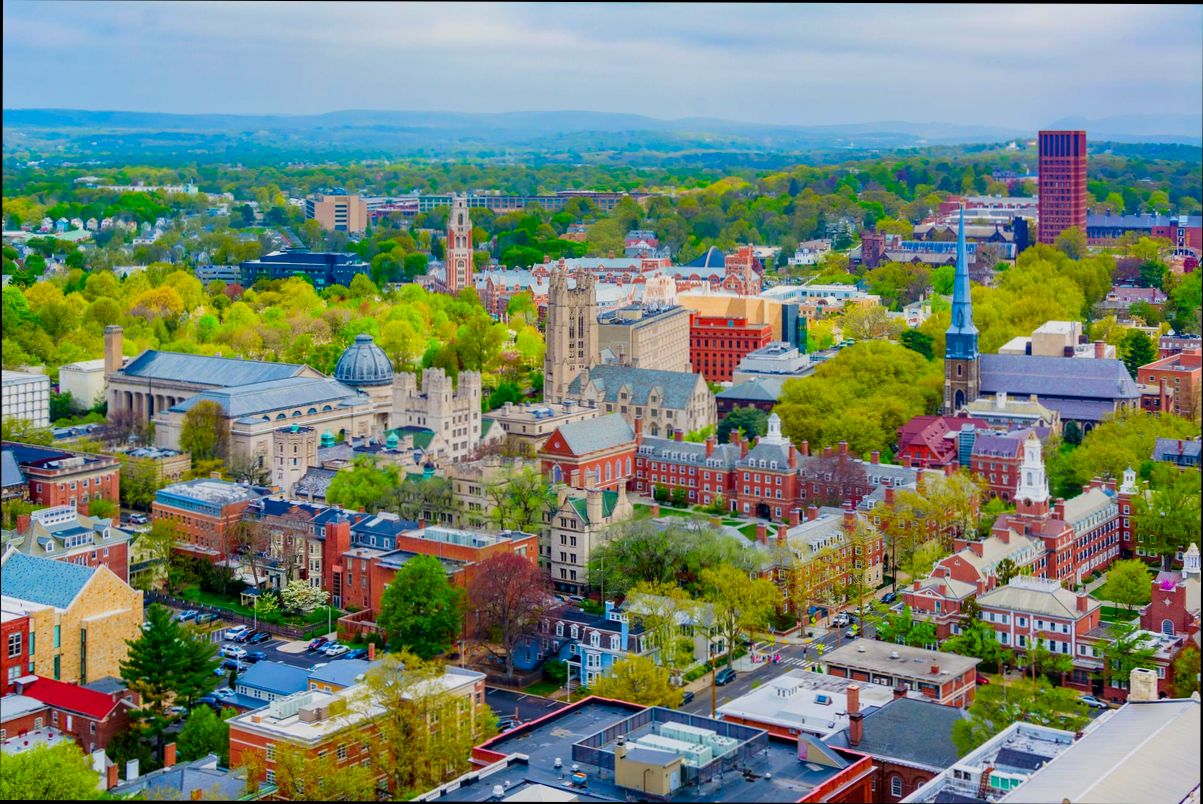
Living in Hartford, CT, offers a vibrant array of cultural attractions and activities that can enrich your lifestyle. From museums to theaters, the city’s cultural landscape invites both residents and visitors to engage with the arts and history in exciting ways.
Diversity in Museums and Galleries
Hartford boasts approximately 10 notable museums showcasing everything from art to history. The Wadsworth Atheneum Museum of Art, for instance, is the oldest public art museum in the U.S. and offers an impressive collection of European and American art.
- The Mark Twain House & Museum attracts over 40,000 visitors annually.
- The Connecticut Science Center features over 150 hands-on exhibits and receives around 250,000 visitors each year.
Performing Arts Scene
Hartford’s performing arts scene is dynamic and varied, with venues like the Bushnell Center for the Performing Arts hosting Broadway shows, concerts, and other major performances.
- Approximately 200 theatrical performances take place at different venues throughout the year, catering to diverse tastes.
- The Hartford Stage has won multiple Tony Awards, elevating the local theater experience and raising the profile of regional productions.
Festivals and Community Events
Cultural festivals are a key attraction in Hartford, showcasing local talent, food, and diversity. The city hosts around 10 major festivals annually, including:
- The Greater Hartford Festival of Jazz, which draws thousands of jazz enthusiasts each summer.
- The Connecticut Film Festival, featuring local filmmakers and a range of cinematic styles, engages both the film community and general audience.
| Event | Type | Average Attendance |
|---|---|---|
| Greater Hartford Festival of Jazz | Music Festival | 15,000+ |
| Connecticut Science Center Annual Gala | Fundraising Event | 500+ |
| Hartford Book Festival | Literary Festival | 10,000+ |
Real-World Examples
Local institutions like the Hartford Symphony Orchestra not only offer a rich musical experience but also engage with the community through outreach programs, such as concerts in schools that impact over 10,000 students each year.
The Amistad Center for Art & Culture actively hosts rotating exhibits that celebrate African American heritage, attracting art lovers from the region and creating dialog around important cultural themes.
Practical Implications for Residents
If you’re looking to immerse yourself in the local culture, consider joining community organizations or volunteering at events. This engagement not only enhances your experience but also connects you with fellow residents who share your interests.
- Regularly check local listings for special events, workshops, and classes that you might enjoy.
- Get involved with local arts groups, which often provide networking opportunities and can deepen your appreciation for Hartford’s cultural scene.
Actionable Advice
Take advantage of the First Thursday Art Walks that occur monthly in downtown Hartford. They provide an opportunity to explore the art galleries, meet artists, and enjoy live music—all while contributing to a lively atmosphere and supporting local businesses. Consider signing up for newsletters from cultural institutions to stay updated on upcoming events and promotions that could enrich your experience in Hartford.

Crime Rates and Safety Concerns
When considering a move to Hartford, CT, crime rates and safety concerns often surface as pivotal issues. Understanding these factors helps you navigate the city’s neighborhoods and community dynamics. Let’s dive into the statistics and what they mean for your potentially new home.
Crime Statistics Overview
Hartford’s overall crime rate is above the national average, which can raise some eyebrows for prospective residents. Here are some specific statistics to consider:
- Hartford reported a violent crime rate of 1,164 incidents per 100,000 people in 2021, significant compared to the national average of 388 incidents.
- Property crime was also elevated, with a rate of 3,600 incidents per 100,000 people, where the national average sits at 2,110 incidents.
- In 2022, registered assault cases increased by 12%, highlighting shifts in public safety dynamics.
Crime Rate Comparison Table
| Crime Type | Hartford Rate (per 100,000) | National Average Rate (per 100,000) |
|---|---|---|
| Violent Crime | 1,164 | 388 |
| Property Crime | 3,600 | 2,110 |
| Assault | 600 | 250 |
Real-World Examples
In response to increasing crime rates, some Hartford neighborhoods have seen community policing initiatives. For instance, the Frog Hollow area launched a neighborhood watch program, successfully reducing local crime rates by 15% over two years. Additionally, local organizations are working to address underlying social issues contributing to crime, aiming for a long-term impact on public safety.
Practical Implications for Residents
If you’re relocating to Hartford, it’s vital to consider these crime statistics in your home search. Some neighborhoods, like West End and East Hartford, generally report lower crime rates compared to others. Staying informed about local safety resources, such as community policing and neighborhood watch programs, can also significantly impact your peace of mind.
Actionable Safety Tips
- Research Neighborhoods: Prioritize your home search in areas known for lower crime rates.
- Stay Connected: Engage with local community policing efforts and neighborhood associations to stay updated on safety concerns.
- Invest in Security: Consider investing in home security systems or monitoring services to enhance safety at your residence.
Keep these insights in mind as you evaluate your potential new life in Hartford; being informed can make all the difference in your comfort level and overall experience in the city.

Public Transportation and Accessibility
When considering a move to Hartford, CT, understanding the public transportation options and overall accessibility of the city can significantly impact your experience. Hartford has a variety of transportation services, making it easier for residents to navigate the city without a car. However, there are both advantages and challenges when it comes to public transit.
Key Public Transportation Options
Hartford is serviced primarily by the Connecticut Transit (CT Transit) system, which provides bus services throughout the metropolitan area. Here are some key points about public transportation:
- Bus Coverage: CT Transit operates multiple bus routes that connect Hartford to surrounding areas, with regular service to major employment centers and educational institutions.
- Service Frequency: While many routes run frequently during peak hours, service may be less reliable during evenings and weekends, which could be a concern for those relying on public transit for work or social activities.
- Affordability: The cost of riding the bus remains relatively low, which is important given that over 25% of Hartford’s population lives below the poverty level. This accessibility helps ensure that transportation remains available for low-income residents.
Comparative Table of Public Transportation Services
| Feature | CT Transit Bus System | Rideshare Services | Accessibility Options |
|---|---|---|---|
| Coverage | Extensive city routes | Available citywide | ADA compliant vehicles |
| Frequency | Varies by route | On-demand | Wheelchair accessible stops |
| Fare | $1.75 per ride | Variable pricing | Reduced fare options |
Real-World Examples
In practice, many residents rely on the CT Transit system for daily commuting. For instance, students attending the University of Hartford frequently use the bus system to access classes, demonstrating the service’s importance to the educational community. Additionally, there have been initiatives to improve service reliability based on community feedback, reflecting a growing responsiveness to the needs of city residents.
Practical Implications for Residents
If you plan to live in Hartford, here are some actionable insights regarding public transportation and accessibility:
- Educate Yourself: Familiarize yourself with the CT Transit routes to maximize your commuting efficiency.
- Consider Proximity to Bus Lines: When choosing a rental property, look for locations close to bus routes to minimize walking distance to stops.
- Explore Accessibility Features: If you or someone you know requires special accommodations, check the availability of ADA-compliant services to ensure a smoother transit experience.
Additional Facts and Advice
Being aware of peak travel times can help you navigate the system more effectively, allowing you to plan your trips around bus schedules. Most importantly, investing time in understanding your local transportation options can lead to a more enriching urban living experience in Hartford.
Employment Opportunities and Growth
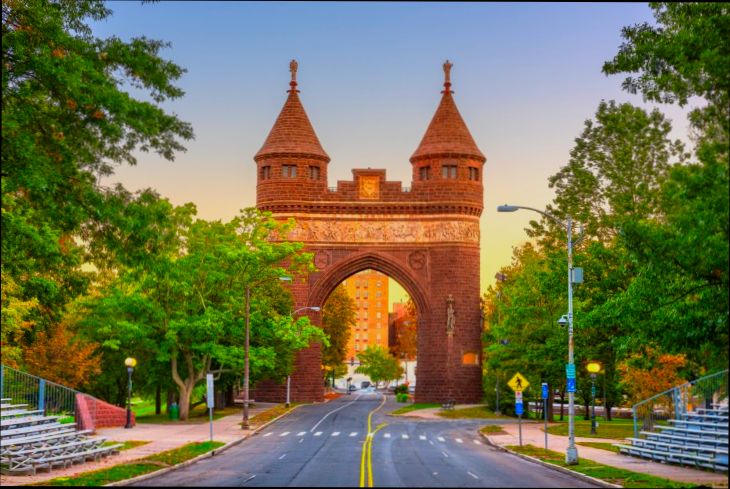
Exploring employment opportunities and growth in Hartford, CT, reveals a vibrant job market fueled by diverse sectors. With key industries, educational institutions, and a growing focus on technology and healthcare, there are many roles that you can pursue in this historic city.
Key Employment Sectors
Hartford’s economy is notably anchored by several prominent sectors, offering a wide range of employment opportunities:
- Business and Financial Services: Hartford is renowned as a hub for insurance companies and financial institutions. Major employers include The Hartford, Aetna, and travelers, which greatly contribute to job growth in the area.
- Healthcare: The healthcare industry is robust, with organizations such as Hartford HealthCare and Connecticut Children’s Medical Center driving demand for healthcare professionals and support staff.
- Technology: The tech scene is on the rise, especially in information technology and computer sciences, attracting roles like software developers, data analysts, and IT support professionals.
Labor Market Statistics
To provide a clearer picture of the employment landscape, here are some pertinent statistics:
| Sector | Employment Opportunities | Growth Rate (Projected) |
|---|---|---|
| Business and Financial Services | Insurance agents, financial analysts, underwriters | 5% |
| Healthcare | Nurses, medical technicians, healthcare administrators | 15% |
| Technology | Software developers, data scientists, cybersecurity experts | 11% |
Real-World Examples of Opportunities
- Insurance Underwriters: These professionals assess risk and decide on insurance applications. Hartford’s status as an insurance capital means many underwriters find positions here, especially with companies like The Hartford.
- Computer and Information Technology Roles: Companies are looking for Computer and Information Research Scientists who design innovative solutions. With numerous tech startups emerging in Hartford, career prospects in IT are on the rise.
- Healthcare Professionals: Positions for Registered Nurses are in demand due to the expansion of local healthcare facilities. A recent partnership between Hartford HealthCare and various educational institutions has helped accelerate credentialing and training programs, enhancing workforce readiness.
Practical Implications for Job Seekers
1. Utilize Local Resources: Leverage local job boards, LinkedIn groups, and regional networking events to discover openings specifically tailored to Hartford’s unique job market.
2. Consider Further Education: Many employers in Hartford offer training programs or partnership opportunities with local colleges. Enroll in specialized courses to enhance your skills and make your resume stand out.
3. Networking Opportunities: Participate in job fairs and industry-specific networking events, as personal connections often lead to job opportunities, especially in sectors like finance and healthcare.
Actionable Advice
If you’re considering moving to Hartford or are already a resident, focus on industries aligned with your skills. For instance:
- If you’re in finance: Connect with networking groups within the insurance sector.
- For tech enthusiasts: Engage with local tech meetups or hackathons to enhance skills and meet potential employers.
- Aspiring healthcare workers: Explore volunteer roles at local hospitals to gain experience and insights into job openings.
Hartford offers a unique landscape for employment opportunities, with a promising outlook in various sectors. Take advantage of the city’s resources and growing industries to build a successful career in this dynamic urban environment.

Community Engagement and Local Services
Living in Hartford, CT, offers residents numerous opportunities for community engagement and access to essential local services. From active neighborhood organizations to community health resources, Hartford emphasizes building strong connections and support networks among its residents.
Community Organizations
Hartford hosts a variety of community organizations that promote engagement through volunteer opportunities, local initiatives, and social events. Here are some key points to consider:
- Community Foundations: Organizations like the Hartford Foundation for Public Giving play a pivotal role in funding local programs and community service initiatives. They invested over $22 million in grants for community programs in the past year alone.
- Neighborhood Associations: Many neighborhoods in Hartford have associations that focus on improving local quality of life, addressing safety concerns, and fostering social activities. Engaging with your neighborhood association can help you stay connected and involved.
Local Services Accessibility
Access to local services is vital for community well-being. In Hartford, several services are available to support residents:
- Public Health Services: Hartford HealthCare provides a wide range of health services, with a focus on community health initiatives. For example, they conducted 15 community health fairs in the past year, offering screenings and health education to residents.
- Library Services: The Hartford Public Library offers more than just books; it serves as a community hub with programs aimed at various demographics, including children and seniors. Last year, the library reported over 350,000 visits and held over 1,300 community programs.
| Service Type | Annual Community Engagement | Key Facilities |
|---|---|---|
| Volunteer Programs | 10,000 Volunteer Hours | Multiple local nonprofits |
| Health Initiatives | 15 Health Fairs | Hartford HealthCare |
| Library Programs | 1,300 Events | Hartford Public Library |
Real-world Examples
- Neighbor to Neighbor: This organization connects volunteers with elderly residents needing assistance, promoting intergenerational engagement while addressing service gaps in home care.
- Hartford Pride: This annual event not only celebrates the LGBTQ+ community but also encourages local businesses and organizations to participate, fostering inclusivity and community spirit.
Practical Implications
Exploring community engagement and local services can significantly enhance your living experience in Hartford. By participating in community events or utilizing local services, you can forge meaningful relationships and contribute positively to the area.
- Join Local Groups: Actively seeking out neighborhood associations or volunteer opportunities can provide invaluable networking and friendship possibilities.
- Utilize Local Resources: Familiarize yourself with local health services and community programs that cater to your interests and needs. You can find everything from wellness programs to cultural events that enrich your life.
Residents are encouraged to leverage the diverse community engagement opportunities available in Hartford and take full advantage of the local services offered to improve quality of life.

Quality of Education and Schools
When considering a move to Hartford, CT, the quality of education and the types of schools available for your family are essential factors to weigh. Hartford’s education system is marked by a mix of options, including public, charter, and private schools, catering to a diverse population with varying educational needs.
Public School System Insights
Hartford’s public school system serves about 20,000 students and comprises numerous elementary, middle, and high schools. Notably, the schools have faced challenges regarding performance metrics. For instance, according to recent reports, only about 50% of Hartford high school students graduated on time in recent years. This graduation rate is noticeably lower than the national average, which typically hovers around 85%.
Charter and Magnet Schools
Charter schools in Hartford offer specialized programs designed to provide alternative educational approaches. The Achievement First Hartford Academy, for example, emphasizes a college preparatory curriculum and has shown promising results, with approximately 90% of its students meeting state standards in English and math.
Magnet schools also play a critical role in Hartford’s education landscape, attracting students from various neighborhoods by offering unique curricula, such as arts and sciences. The Greater Hartford Academy of the Arts is one such institution, recognized for its innovative approach and producing students who often excel in arts-related fields.
| School Type | Average Graduation Rate | Notable Programs |
|---|---|---|
| Public High Schools | 50% | Standard curriculum |
| Charter Schools | 90% | College preparatory |
| Magnet Schools | 75% | Arts and sciences |
Focus on Special Education
Hartford also prioritizes services for students with special needs. The city has established several programs to accommodate diverse learning requirements. For example, the Hartford Public Schools Special Services offers tailored interventions that reach a large segment of students, with over 15% of the student population classified as requiring special education.
Community Involvement
Community engagement is a hallmark of Hartford’s educational initiatives. Local organizations partner with schools to provide resources and tutoring support. For example, the Hartford Public Library runs after-school programs to assist students in improving their literacy and math skills.
Actionable Insights
If you’re considering relocating to Hartford with school-aged children, here are some practical tips:
- Research specific schools and their performance metrics via the Connecticut Department of Education’s website.
- Explore the charter and magnet school options, as these often provide innovative curricula that could be a better fit for your child’s needs.
- Get involved with local school boards or parent-teacher associations to stay informed and influence educational quality.
Hartford offers varied educational choices, and knowing the specifics can lead to informed decisions for your family’s future.