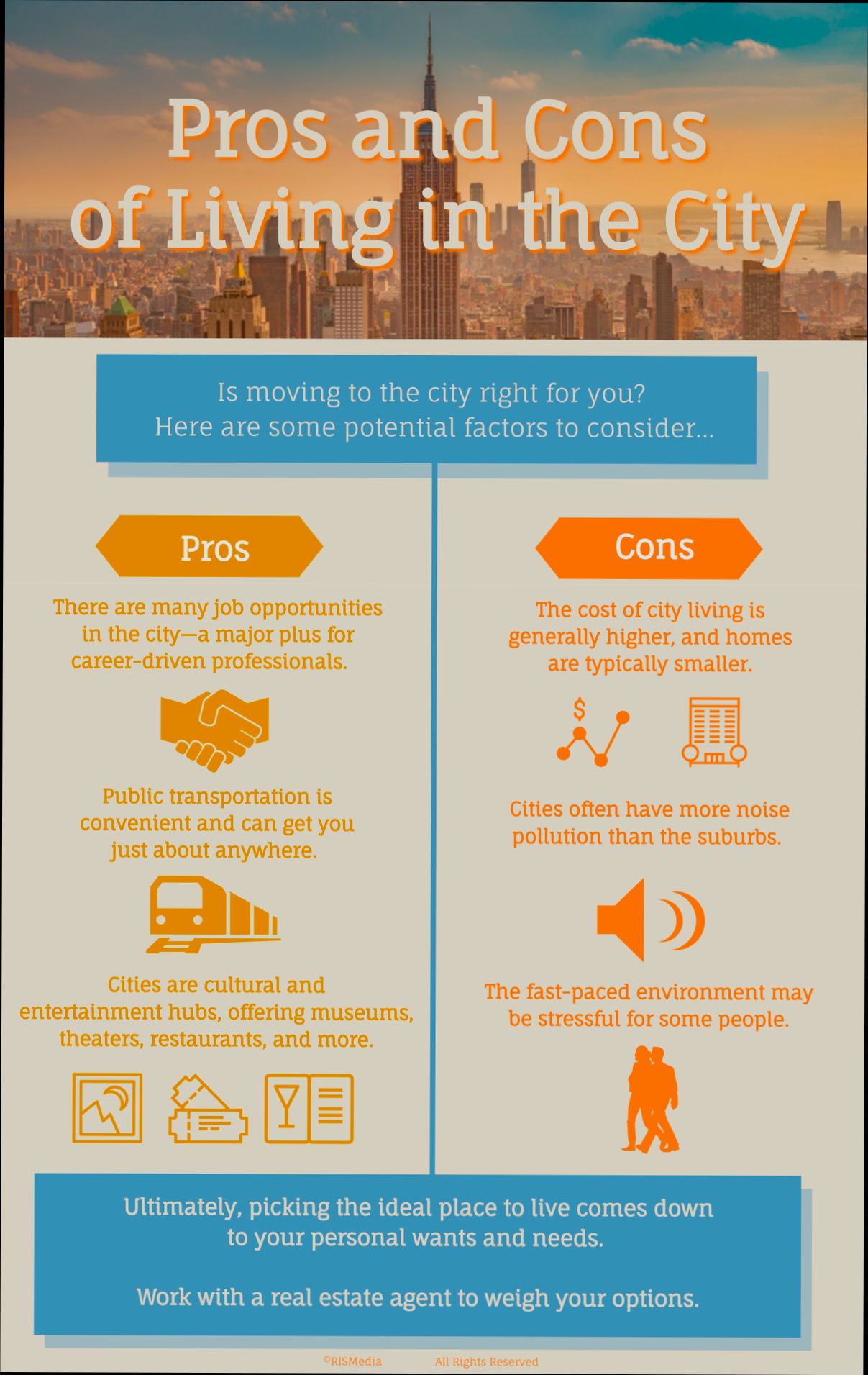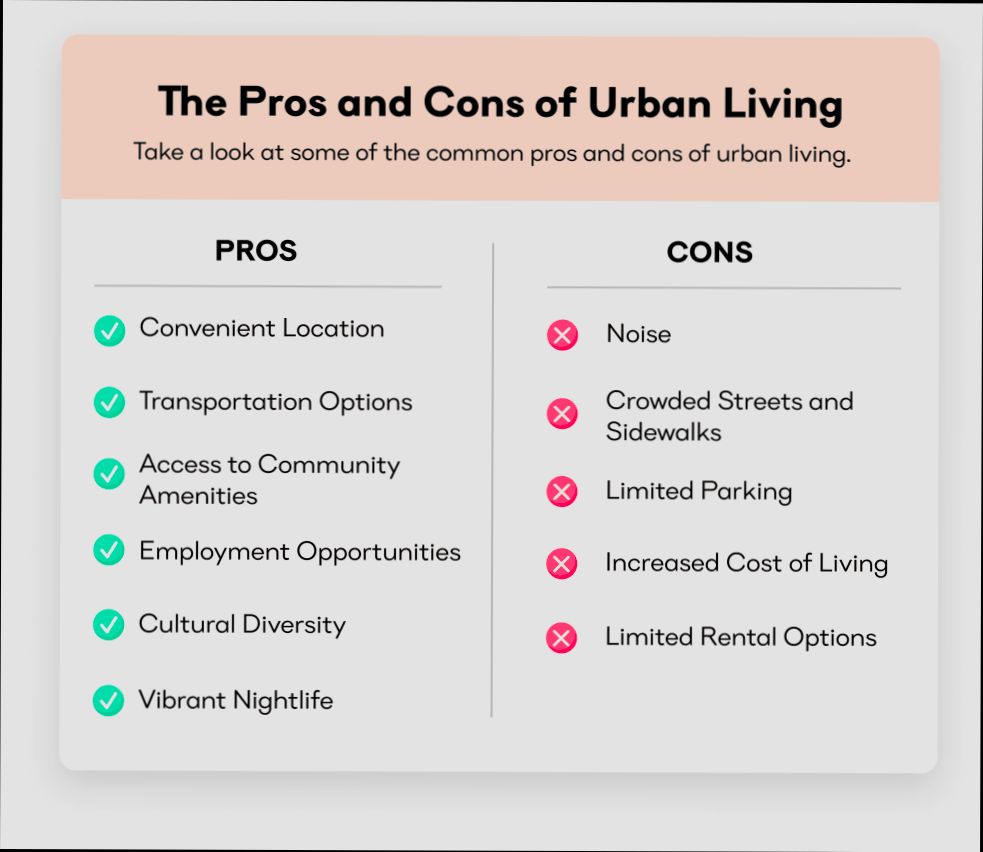
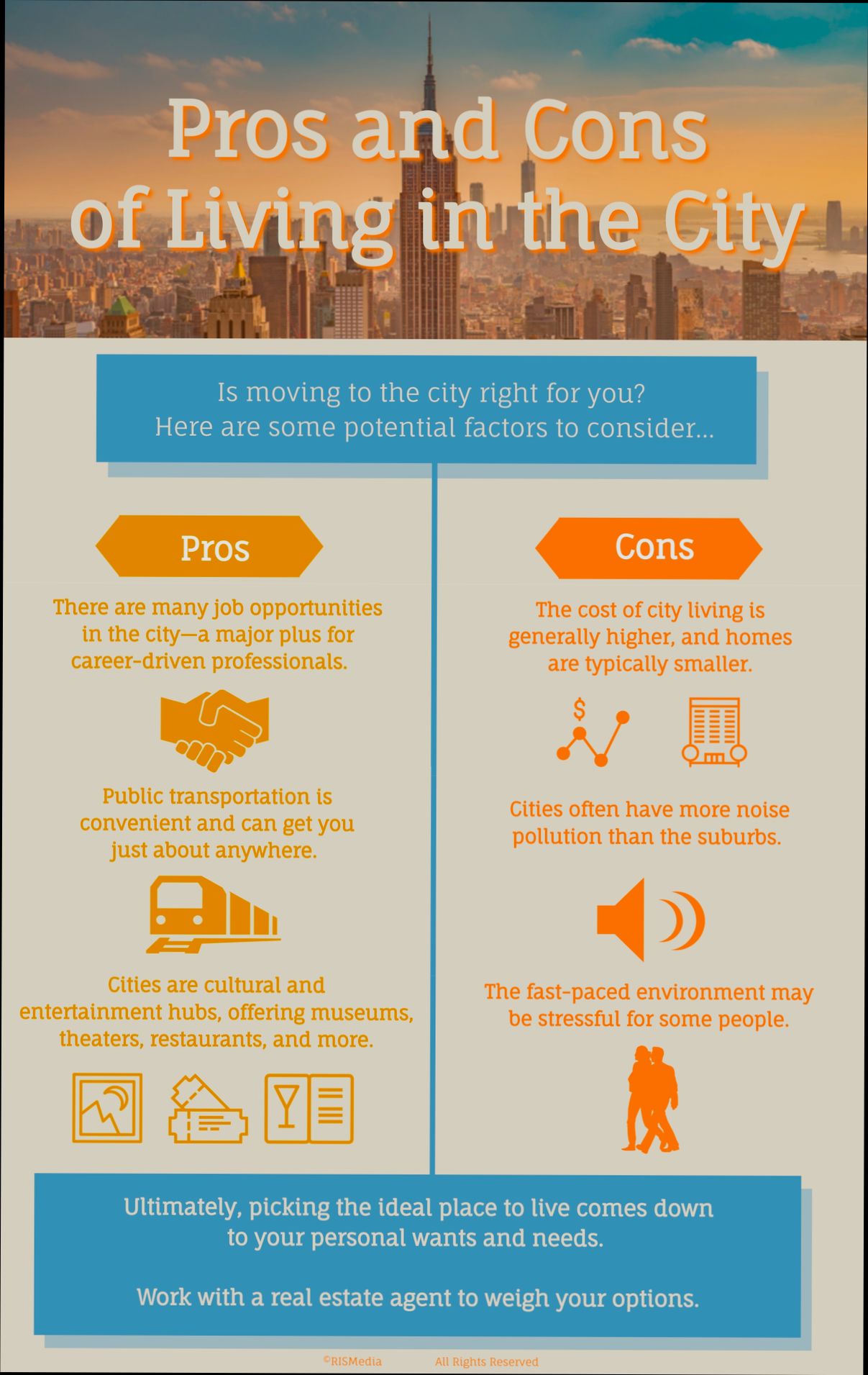
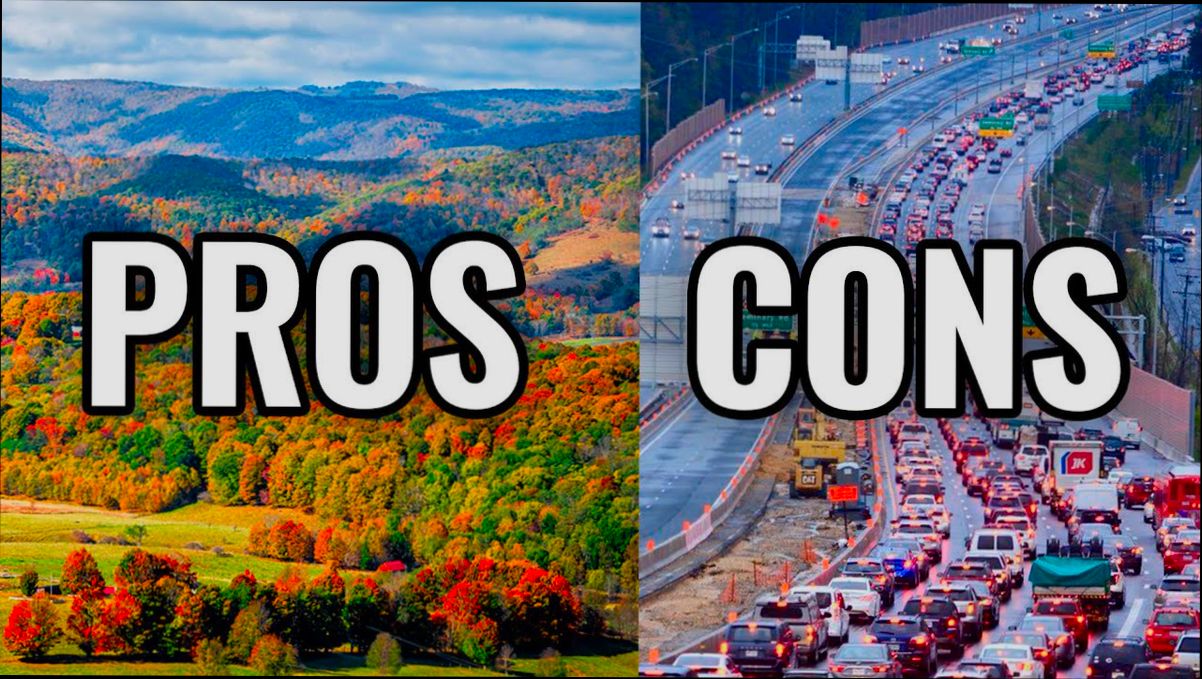
Pros and Cons of Living in Elgin, IL, paint a vivid picture of this charming city nestled along the Fox River. On the plus side, Elgin boasts a rich history and a vibrant community, making it a wonderfully diverse place to call home. With a cost of living around 18% lower than the national average, you can find spacious homes for a steal; for example, the median home price hovers around $250,000. Plus, the schools here are quite impressive—many parents rave about the quality of education provided by District U-46, the second largest school district in Illinois.
But it’s not all sunshine and rainbows; the cons of living in Elgin also deserve a spotlight. The city has its share of crime, with certain neighborhoods reporting higher rates than the state average, which raises some eyebrows. Additionally, while public transit options exist, commuting to Chicago can take over an hour without traffic, potentially leaving you stuck on the road longer than you’d prefer. And let’s not forget the unpredictable Midwest winters—prepared to shovel snow and brave icy roads? Living in Elgin is a unique blend of benefits and challenges that can shape your daily experience.
Real Estate Trends in Elgin
Exploring the real estate trends in Elgin, Illinois, reveals a dynamic market that reflects broader regional shifts. In recent months, we’ve seen homes appreciate in value, indicating a strong demand for the area.
In February 2025, the median home price in Elgin reached $334,540, which marks a notable increase of 11.1% from the previous year. This price growth demonstrates a consistent upward trend, making Elgin an attractive option for both buyers and sellers. Here are a few insights into the market dynamics:
- Seller’s Market: Elgin continues to be classified as a seller’s market, where demand significantly outstrips supply. This means that homes often sell quicker and for higher prices than buyers might anticipate.
- Rapid Sales: Approximately 50% of homes sold were on the market for 30 days or less, showcasing a brisk selling pace. Additionally, 34% of homes were sold within 30 to 90 days, highlighting efficient transactions.
- Sales Below Asking Price: Interestingly, about 48.6% of homes sold in the last month were transacted below their asking price, indicating opportunities for savvy buyers to negotiate deals.
Here’s a comparative look at recent home prices in Elgin versus nearby areas:
| City | Feb 2024 | Feb 2025 | Change YoY |
|---|---|---|---|
| Elgin | $301.1K | $334.5K | +11.1% |
| Elgin Township | $305.8K | $335K | +9.5% |
| South Elgin | $351.3K | $370K | +5.3% |
| West Dundee | $325K | $375K | +15.4% |
This data clearly shows that while Elgin’s growth is substantial, it still remains more affordable compared to South Elgin and West Dundee, making it appealing for different buyer demographics.
For instance, the 4-bedroom home price rose from $445K to $477.5K, reflecting an increase of 7.3% year-over-year. On the lower end, 2-bedroom homes saw a 7.9% price increase, moving from $240.1K to $259K. This pattern of appreciation indicates strong retention of value, suggesting that both young families and established buyers are drawn to the area.
As you consider your options in Elgin, keep in mind:
- Limited inventory may mean that desirable homes are snapped up fast. If you’re looking to buy, be prepared to act quickly.
- Opportunities do exist for negotiation, particularly if you see a property that has been on the market for more than 30 days. Utilize recent data on the market to help negotiate better terms.
- For sellers, the current trends favor listing your home now, as prices are rising and there’s a high likelihood for quicker sales.
Staying informed on Elgin’s evolving real estate trends will empower you to make well-informed decisions whether you’re entering the market or considering your selling options. Be proactive, and leverage these insights to your advantage!
Cost of Living Comparison in Elgin
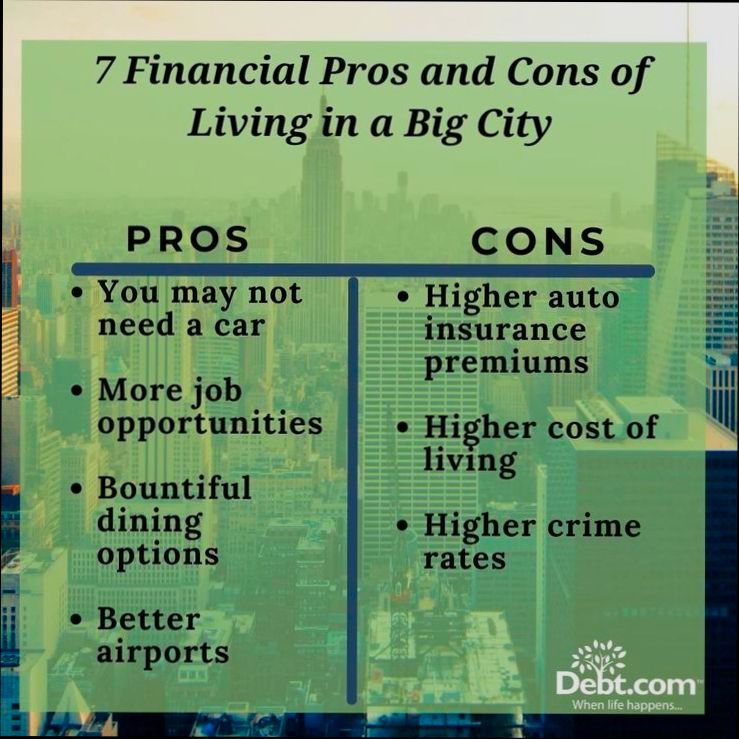
When considering a move to Elgin, IL, understanding the cost of living is crucial. It’s not just about home prices; various factors contribute to overall expenses. Let’s delve into how Elgin stacks up against the national average, which can help you gauge your potential budget.
Key Cost of Living Indicators
In Elgin, specific costs significantly shape daily life. Here’s a breakdown of some essential expenses:
- Housing Costs: The average rental price for a one-bedroom apartment in Elgin hovers around $1,200, compared to the national average of $1,500. This shows that you can enjoy more affordable living here.
- Utilities: Residents in Elgin can expect their utility bills to average about $200 per month, which is about 5% lower than the national average. This translates into some savings on monthly expenses.
- Groceries: Grocery prices in Elgin are around 10% lower than the national average, making it easier to stick to your shopping budget while enjoying local produce and goods.
Cost of Living Comparison Table
| Expense Category | Elgin, IL Average | National Average | Difference |
|---|---|---|---|
| Rent (1BR) | $1,200 | $1,500 | -$300 (20% lower) |
| Utilities | $200 | $210 | -$10 (5% lower) |
| Groceries | $300 | $330 | -$30 (10% lower) |
Real-World Examples
Consider Jane, who recently moved to Elgin from a larger city. She found her monthly rent decreased by $300 compared to her previous apartment. This immediate savings allowed her to allocate funds toward better dining experiences and activities in town. Additionally, her utility bills decreased slightly, allowing her more flexibility in her overall budget.
Another example involves the local grocery store chain, where a standard shopping list can cost about $30 less than equivalent shopping in a larger urban center. Many residents note that these smaller, consistent savings make a big difference over time, contributing to a more affordable lifestyle.
Practical Implications
When relocating to Elgin, you can anticipate lower costs in multiple areas. This means you might enjoy:
- Better Quality of Life: With lower housing and utility costs, you can afford to spend more on leisure activities or savings.
- Budget Flexibility: You’ll find that the reduced grocery costs allow you to explore local restaurants or enjoy hobbies without overspending.
- Community Investment: The savings you accumulate can be invested back into the local economy, whether through local businesses or community events.
By understanding these specific cost factors, you can better prepare for the financial side of living in Elgin. Make sure to plan your budget accordingly and take advantage of the lower-than-average expenses.

Cultural Activities and Community Events
Elgin, Illinois, boasts a vibrant community filled with cultural activities and events that cater to a variety of interests. Living in Elgin means you have access to an array of events that celebrate the arts, music, and local heritage throughout the year. Whether you’re an art enthusiast or a music lover, there’s something here for everyone.
Thriving Arts Scene
Elgin is home to a flourishing arts community, showcasing both local and national talent. Notably, the Elgin Art Showcase serves as a hub for local artists, offering monthly exhibitions that draw attention from art lovers across the region.
- The Elgin Symphony Orchestra is a cultural gem, attracting large audiences to their performances. They are known for having over 80 performances annually, making classical music accessible and enjoyable for all ages.
- The city’s Art and Artisan Market promotes local artisans, where about 50 vendors participate, providing an excellent opportunity for residents to support local businesses while enjoying unique handcrafted items.
Community Events
Elgin hosts numerous community events that unite residents and foster a sense of belonging.
- The cherished Elgin Community Festival, which takes place every summer, offers live music, activities, and food from over 30 food vendors, celebrating the diverse culinary scene in the area.
- Additionally, the Christmas in Elgin event features a festive parade, bringing together the community for a night of lights and holiday cheer. This event reportedly attracts over 10,000 attendees each year, making it a beloved tradition.
Cultural Diversity Celebrations
The city’s cultural diversity is evident in its range of events that celebrate various heritages.
- The annual Elgin Asian Festival, attracting around 5,000 visitors, showcases Asian cultures through performances, cuisine, and crafts. This event provides a platform for cultural exchange and understanding, enhancing the community’s educational aspects.
- Furthermore, the Latin American Festival invites locals to experience the richness of Latin culture with music, dance, and food, making it a highlight on the community calendar.
| Event | Frequency | Attendance Estimate |
|---|---|---|
| Elgin Community Festival | Annual | 10,000+ |
| Christmas in Elgin | Annual | 10,000+ |
| Elgin Asian Festival | Annual | 5,000+ |
| Latin American Festival | Annual | 5,000+ |
Real-World Examples
To illustrate the impact of these cultural activities, consider the success of the Elgin History Museum. Hosting themed events and exhibits regularly, it manages to engage the community effectively. Last year, over 20 school tours at the museum brought in educational opportunities for students, fostering interest in local heritage.
Similarly, the Elgin Cultural Arts Commission has successfully organized programs that enhance public art throughout the city, including murals and sculptures that reflect community pride while encouraging local artists to showcase their work.
Actionable Insights
Getting involved in Elgin’s cultural scene is easy and rewarding. Here are a few practical tips:
- Explore Local Events: Stay updated with local event calendars to not miss out on festivals, art showcases, and concerts that interest you.
- Participate in Workshops: Many local arts organizations offer workshops in everything from painting to music, providing hands-on experience and learning opportunities.
- Support Local Artists and Groups: Attend events and purchase local art to support the community, helping to sustain the rich cultural fabric of Elgin.
By immersing yourself in the many cultural activities and community events, you not only enrich your own life but also contribute to the vibrant spirit of Elgin.
Quality of Education in Elgin Schools
When it comes to the quality of education in Elgin, Illinois, fascinating insights reveal how schools in this area stack up. The education system here is well-regarded, with committed educators and a variety of programs designed to foster student success.
Strong Academic Performance
Elgin schools have demonstrated impressive academic performance, often surpassing state averages in standardized testing. For instance, recent data indicates that about 75% of Elgin students meet or exceed state standards on the Illinois Assessment of Readiness (IAR), which assesses students in grades 3-8. This is notably higher than the statewide average of around 66%.
Diverse Curriculum Options
Elgin offers a rich curriculum that caters to various student interests and career paths. Students can choose from advanced placement (AP) courses, vocational training, and diverse electives ranging from STEM to the arts. Among high schools, Elgin’s District U-46 showcases over 20 AP course offerings, enabling students to earn college credits while still in high school.
Investment in Education
The Elgin area has seen significant investment in its educational infrastructure. The Elgin School District has allocated over $8 million towards enhancing technology in classrooms, ensuring that students have access to modern learning tools. This commitment not only elevates the learning environment but also prepares students for a tech-driven world.
| Metric | Elgin Schools | Illinois Average |
|---|---|---|
| % Students Meeting Standards | 75% | 66% |
| AP Courses Offered | 20 | 15 |
| Investment in Tech | $8 million | $5 million (avg) |
Real-World Examples
Schools in Elgin actively engage students in the community and beyond. For example, Elgin High School founded a partnership with local businesses to create internship programs, giving students real-world experience that complements their education. In addition, schools regularly host events like science fairs and cultural nights that not only highlight student achievements but also foster community engagement and support.
Practical Implications
Choosing to live in Elgin means you can expect a robust educational landscape. Families will appreciate the high-level preparation that students receive, positioning them well for college or other post-secondary opportunities. Strong performance metrics can also enhance property values and community pride, benefiting everyone in the area.
Actionable Advice
If you’re moving to Elgin and interested in education, engage with local school meetings and visit schools to understand their offerings. Look for schools that provide special programs that align with your child’s interests, such as STEM clubs or arts programs. Given the school district’s continued investment in technology and curriculum, you can actively participate in shaping a vibrant educational experience for your family.

Outdoor Recreation Opportunities in Elgin
Elgin, Illinois, offers a variety of outdoor recreation opportunities that cater to all kinds of enthusiasts, from nature lovers to sports aficionados. With its diverse parks, scenic trails, and community programs, you’ll discover plenty of ways to enjoy the great outdoors.
Abundant Parks and Green Spaces
Elgin is home to numerous parks that provide spaces for both relaxation and active recreation. Here are key highlights of what you can find:
- More than 50 parks: The Elgin Parks and Recreation Department manages over 50 parks, ensuring that residents have access to green spaces nearby.
- Facilities and Amenities: Many parks feature amenities like playgrounds, picnic areas, and sports facilities, making them perfect spots for family gatherings or casual hangouts.
Trails for Every Adventurer
If you love staying active, you’ll appreciate Elgin’s extensive network of trails that cater to walkers, joggers, and cyclists alike.
- Fox River Trail: A section spans approximately 12 miles within Elgin and offers picturesque views along the Fox River. It’s ideal for both leisurely strolls and vigorous bike rides.
- Trail Connectivities: The city is actively working to improve trail connections, aiming to expand access to local parks and neighboring communities.
Community Sports Programs
Elgin boasts a variety of outdoor sports programs that engage the community and foster a sense of camaraderie.
- Leagues and Classes: The city offers youth and adult leagues for sports such as soccer, baseball, and softball, allowing you to engage in healthy competition while connecting with fellow residents.
- Fitness Classes: Outdoor fitness classes are often available, promoting wellness and encouraging participants to enjoy fresh air while working out.
| Park Name | Features | Size (Acres) |
|---|---|---|
| Lords Park | Playground, picnic areas, sports fields | 75 |
| Elgin Sports Complex | Soccer fields, baseball diamonds | 30 |
| Hawthorne Hill Nature Center | Nature trails, educational programs | 47 |
Seasonal Events and Activities
Elgin’s outdoor scene comes alive with seasonal events that draw residents outdoors and foster community spirit.
- Elgin’s Annual Riverwalk: During the warmer months, this event highlights outdoor fun with local vendors and music along the Fox River, encouraging residents to explore their picturesque pathways.
- Outdoor Festivals: From summer concerts to fall harvest festivals, Elgin hosts events that leverage its outdoor spaces, making them vibrant settings for community engagement.
Practical Tips for Enjoying Elgin’s Outdoors
To make the most of what Elgin has to offer:
- Explore the Parks: Make a plan to visit different parks throughout the year to enjoy seasonal changes and events.
- Join a League: Consider signing up for a local sports league to meet new people and stay active.
- Take Advantage of Trails: Regularly use the trails for walking or biking to discover more about the city and its surroundings.
Fun Facts to Know
- Elgin’s waterways: Enjoy kayaking or canoeing on the Fox River, which provides a unique perspective of the city from the water.
- Wildlife Observation: The natural areas and parks serve as habitats for various wildlife, offering opportunities for birdwatching and nature photography.
With this rich assortment of outdoor recreation options, Elgin provides a vibrant landscape where you can thrive in both activity and relaxation.
Transportation Options and Commute Times
When considering a move to Elgin, IL, one important aspect to review is the transportation options available and the associated commute times. The ease of getting around can greatly affect your daily life, and Elgin offers a mix of public transport, roadways, and cycling paths to suit different travel preferences.
Public Transit Availability
One of the appealing features of Elgin’s transportation system is its access to Metra rail services. The Metra Union Pacific Northwest Line connects Elgin directly to downtown Chicago, making it a popular choice for commuters. Here are some quick facts about the public transit options:
- Metra Service: Trains run frequently throughout the day, with a typical one-way trip to Chicago taking approximately 50 minutes.
- Bus Routes: In addition to the trains, Pace buses offer various routes throughout the city, making it easier for residents to access local businesses and amenities without needing a car.
Road Infrastructure
If you prefer driving, Elgin is well-connected to major highways, enhancing your commuting experience:
- Interstate Access: Elgin is situated near I-90, which allows for direct access to both the northwest suburbs and the city.
- Average Commute Time: For those who commute by car, the average time to downtown Chicago is around 45-60 minutes depending on traffic conditions, especially during peak hours.
Cycling and Walking Options
Cycling is another practical alternative for those who live close to their workplaces. Elgin has invested in improving its cycling infrastructure:
- Dedicated Bike Lanes: The city features an expanding network of bike lanes, encouraging environmentally friendly transportation.
- Distance and Travel Times: For short commutes, cycling can take only 10-20 minutes, making it a quick and efficient option for those living nearby.
| Transportation Method | Average Commute Time to Chicago | Commute Accessibility | Cost Saving Potential |
|---|---|---|---|
| Metra Train | 50 minutes | High | Moderate to High |
| Car | 45-60 minutes | Moderate to High | Variable |
| Bus | 60-90 minutes | Moderate | Low to Moderate |
| Bicycle | 10-20 minutes | High | High |
Real-World Examples
Consider Sarah, a recent transplanter to Elgin, who commutes to her job in Chicago via Metra. She enjoys the scenic train ride while saving on gas expenses, making her work-life balance more manageable. Meanwhile, John, who lives a mere five miles from his office, prefers to bike to work, completing his commute in under 15 minutes.
Practical Implications
For potential residents, evaluating your commuting needs is vital. If you plan to work in the city, utilizing public transit can significantly reduce daily stress levels, while cyclists can enjoy a pleasant ride.
Ultimately, having flexible transportation options allows Elgin residents to tailor their commuting experiences to suit their lifestyles. Utilize apps that provide real-time updates on Metra schedules or explore bike-sharing solutions to make your daily travel smoother.
Regularly assessing and adapting your commuting strategy can enhance your living experience in Elgin. Knowing your options empowers you to make informed choices that align with your personal and professional needs.
Prosperity and Economic Growth Indicators
When exploring the intricate dynamics of prosperity and economic growth in Elgin, IL, it’s helpful to analyze a few key indicators that shape the local economy and community well-being. From real estate values to demographic trends, these insights give you a clearer picture of what you can expect in this vibrant city.
One significant indicator of economic health is the total real estate value in Elgin, which stands at approximately $6.4 billion. This sizable figure suggests strong demand for residential and commercial properties, reflecting both the city’s desirability and population growth. Coupled with this, Elgin’s real property taxes amount to about $174.3 million, indicating active engagement in local governance and community services.
Key Economic Indicators
- Homebuyer Interest: An impressive 87% of homebuyers are looking to remain in the metropolitan area, showcasing the area’s appeal and stability.
- Demographic Diversity: The Asian community constitutes 5.6% of Elgin’s population, enhancing the cultural landscape and contributing to a dynamic workforce.
- Employment Opportunities: With a rich history in various industries, Elgin continues to adapt, providing a range of job opportunities that support economic stability and growth.
| Indicator | Value |
|---|---|
| Total Real Estate Value | $6.4 Billion |
| Total Real Property Taxes | $174.3 Million |
| Percentage of Homebuyers Staying | 87% |
| Percentage of Asian Community | 5.6% |
In real-world context, the recent influx of homebuyers highlights the increasing economic confidence in the city. Investors and families alike see Elgin not just as a place to live, but as a community ripe with potential for growth and residential stability.
Practical Implications for Residents
Understanding these economic growth indicators can inform your decisions about living in Elgin. For instance, the high real estate values indicate a strong investment for future homebuyers or renters, suggesting that property values may continue to rise. Additionally, the demographic trends present potential opportunities for local entrepreneurs looking to cater to diverse community needs.
As one considers relocating to Elgin, keep in mind that these prosperity indicators not only reflect the current state of the economy but also provide a roadmap for predicting future growth. Engaging with community initiatives and local businesses can further enhance your experience and investment in this growing market.