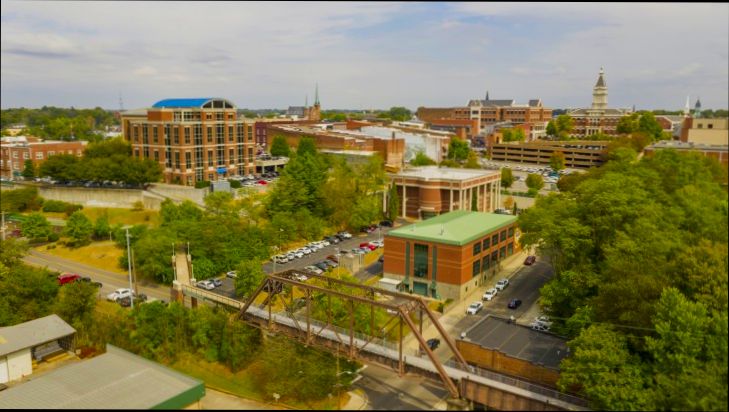
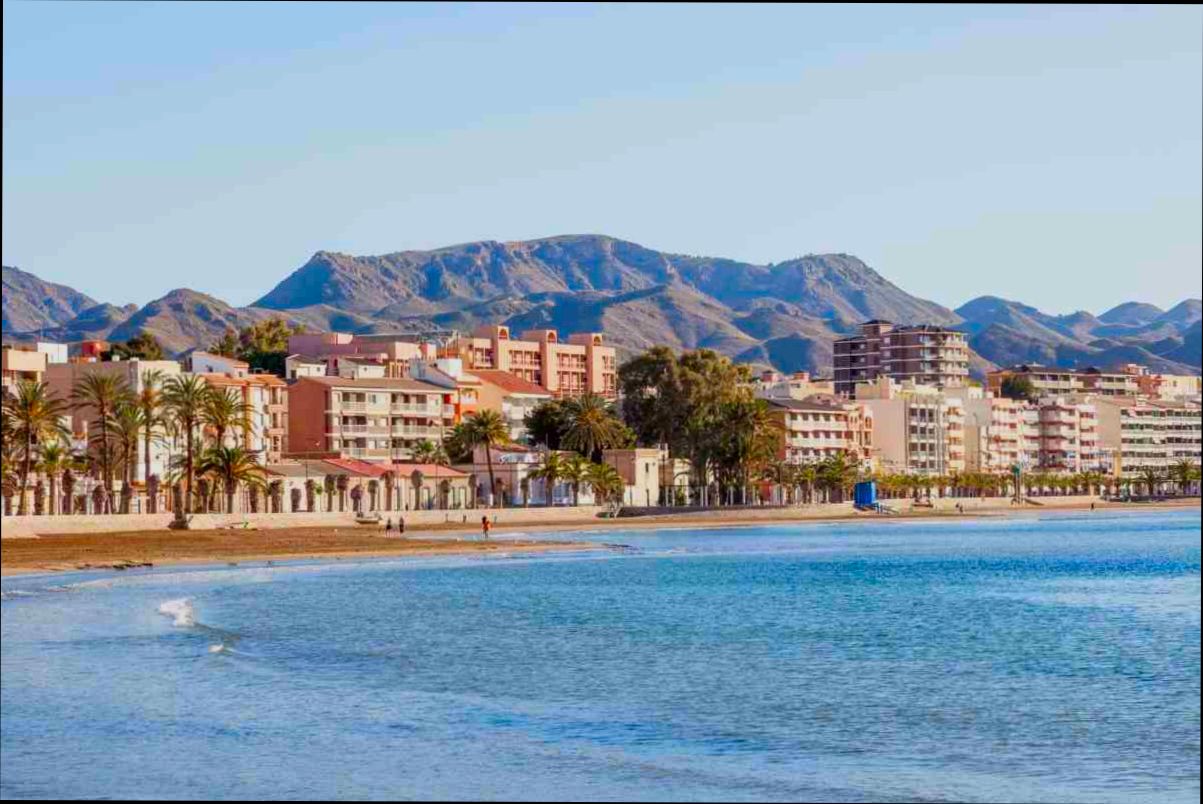
Pros and Cons of Living in Murcia offer a real mix of experiences that you’ll want to weigh. Let’s kick it off with the sunny side: the region basks in over 300 days of sunshine a year, making those outdoor activities really easy to enjoy. Picture yourself sipping coffee in the vibrant Plaza de las Flores or exploring the stunning beaches of the Costa Cálida, only a short drive away. Plus, the cost of living here is pretty attractive—renting a comfortable apartment in the city center can set you back around €600 a month, which is quite a steal compared to other parts of Spain like Barcelona or Madrid. The local gastronomy, from fresh seafood to succulent tapas, is a delicious perk that turns every meal into a mini celebration.
On the flip side, some aspects might raise an eyebrow. The job market can be tough, especially if you’re not fluent in Spanish; opportunities often lean towards teaching English or working in tourism. Also, the slower pace of life can feel a bit tedious for those used to a faster, urban vibe. Public transport isn’t as robust as bigger cities, so you might end up relying heavily on a car. And while the locals are welcoming, integration into the community might take a bit of time, especially in smaller towns. Real estate is available at fair prices, but some areas might lack modern amenities, which could feel like a trade-off for budget-friendly living.

Cost of Living in Murcia
Living in Murcia can be a refreshing experience, especially when you consider the cost of living. With its warmer climate and rich culture, it’s essential to look at how much you’ll spend on everyday expenses like housing, food, and transportation.
Key Cost Indicators
Here are some compelling statistics about the cost of living in Murcia:
- The average monthly rent for a one-bedroom apartment in the city center is approximately €600, while outside the center, it drops to about €450.
- Grocery prices are around 20-30% lower than in major Spanish cities like Madrid or Barcelona.
- Public transportation costs are incredibly reasonable, with a monthly pass costing around €35.
Comparative Cost Table
| Item | Cost in Murcia | Cost in Madrid | Cost in Barcelona |
|---|---|---|---|
| One-bedroom apartment (city center) | €600 | €1,200 | €1,100 |
| Monthly grocery bill | €250 | €300 | €290 |
| Monthly transportation pass | €35 | €55 | €54 |
Real-World Examples
To illustrate, consider Maria, who moved to Murcia from Barcelona. She reported that her monthly expenses dropped from €1,500 to €1,000, largely due to lower housing costs and affordable grocery prices. She enjoys dining out more frequently now, with meals at local restaurants averaging €12, while they were closer to €20 in Barcelona.
Similarly, John, a recent expat, found the cost of living to be a refreshing change. His utility costs average around €100 per month, significantly less than the €160 he was paying in Valencia.
Practical Implications
Navigating the cost of living in Murcia means you can often live comfortably on a lower budget. Here are a few actionable insights:
- Take advantage of local markets for fresh produce; they often offer better prices than supermarkets.
- Consider living slightly outside the city center to save on rent while still enjoying local amenities.
- Use public transport or a bicycle to minimize transportation costs, as parking in the city is limited and sometimes expensive.
Specific Facts
- The cost of a basic meal in a local restaurant typically ranges from €10 to €15, making it feasible to dine out frequently.
- If you’re planning to work remotely, the cost of high-speed internet averages about €30 monthly in Murcia—not much different from other cities but can save you on propelling other living costs.
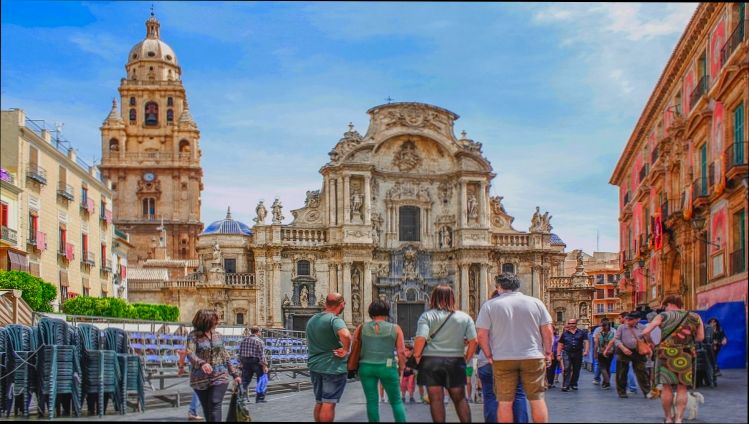
Climate and Weather Considerations
When considering a move to Murcia, the climate and weather play a significant role in shaping your daily life. This region is known for its diverse weather patterns, which can either be a delightful aspect of living there or a factor you need to navigate carefully.
Key Climate Characteristics
- Sunshine Galore: Murcia boasts over 300 sunny days a year, making it one of the sunniest regions in Spain. This abundance of sunlight can boost your mood and encourage outdoor activities throughout most of the year.
- Mild Winters: Winter temperatures in Murcia average around 12°C (54°F), which is notably warmer compared to many northern European regions. This makes those chilly months much more bearable for outdoor enthusiasts.
- Hot Summers: Summers can be quite intense, with temperatures frequently exceeding 35°C (95°F) in July and August. It’s essential to prepare for heat waves, as they are a common occurrence.
- Limited Rainfall: Murcia sees an average annual rainfall of just 300mm, which is significantly lower than the national average in Spain. While this means less concern about gloomy, rainy days, it does require some planning for water use, especially if you enjoy gardening or outdoor activities.
Average Monthly Temperatures in Murcia
| Month | Average High (°C) | Average Low (°C) |
|---|---|---|
| January | 15 | 5 |
| April | 21 | 9 |
| July | 35 | 22 |
| October | 25 | 15 |
| December | 17 | 6 |
Real-world Examples
Many residents love that they can enjoy outdoor cafés and festivals almost all year round, thanks to the pleasant climate. For instance, the city hosts various cultural events during spring and fall, where people flock to enjoy the sunshine and mild evenings.
Additionally, people who relocate from colder climates often appreciate the fact that they can engage in outdoor sports like hiking, cycling, and water sports year-round without the hindrance of snow or severe frost.
Practical Implications
- Adjusting to Heat: If you’re planning to move to Murcia, it’s crucial to acclimate to the hot summers. This might involve staying indoors during the hottest parts of the day or ensuring your home is equipped with good cooling systems.
- Water Conservation: Given the low rainfall, consider adopting water-saving techniques such as drought-resistant landscaping or rainwater harvesting systems if you have a garden.
- Outdoor Activities: With so many sunny days, take advantage by planning outings or sports during the milder parts of the year, such as early mornings or late afternoons in summer.
Specific Facts and Advice
- Always keep a hat and sunscreen handy during the summer months. The UV index can be significantly high, making sun protection essential.
- Embrace the mild winters by participating in local outdoor activities or visiting nearby natural parks, where the climate is ideal for hiking and exploring.
Being mindful of these climate considerations will enhance your experience living in Murcia, allowing you to fully enjoy the beautiful weather year-round.
Cultural Heritage and Lifestyle Benefits
Living in Murcia offers an enriching blend of cultural heritage and lifestyle benefits that can profoundly enhance your experience. The rich history, vibrant traditions, and diverse community contribute not only to personal well-being but also to a sense of belonging and identity.
Key Aspects of Cultural Heritage
- Historical Significance: Murcia is home to various historical monuments and world heritage sites. With 90% of world heritage sites closed during the pandemic, the resilience of local heritage sites became even more vital to community identity and tourism recovery.
- Art and Museums: The UNESCO Institute for Statistics highlighted that at the peak of the pandemic, 95% of museums were closed, which negatively affected cultural engagement. In Murcia, the reopening of local museums and art galleries supports cultural education and provides locals with employment opportunities.
Lifestyle Benefits from Cultural Heritage
- Community Engagement: Historical festivals and traditional events foster community spirit and participation. Engaging in local celebrations can enhance your social connections and community relationships.
- Tourism and Economic Impact: Preservation of cultural sites contributes significantly to job creation. Engaging with cultural heritage attracts tourists, which in turn stimulates local economies. For instance, communities around heritage sites often report reinvestment in their local businesses due to increased tourism.
| Benefit | Description | Impact |
|---|---|---|
| Community Events | Local festivals enhance social ties and community spirit. | High |
| Educational Opportunities | Museums and heritage sites provide cultural education. | Medium |
| Job Creation | Tourism-related jobs stemming from preserved sites. | High |
| Economic Revitalization | Increased tourism stimulates local businesses. | High |
Real-World Examples of Cultural Heritage Benefits
- Murcia’s Semana Santa: This Holy Week festival attracts thousands of visitors and is a pivotal part of local heritage. It exemplifies how cultural traditions can elevate community pride and stimulate local economies.
- Arco de San Juan: A historic monument that showcases Murcia’s architectural beauty. Its preservation effort has led to guided tours that educate visitors and locals alike about its historical significance while promoting tourism.
Practical Implications for Residents
Engaging with Murcia’s cultural heritage can enhance your daily lifestyle. You can participate in local workshops or events that celebrate traditional crafts and cuisine. Seek out community activities that invite you to explore your surroundings and connect with fellow residents.
Actionable Advice on Engaging with Cultural Heritage
- Explore Local Events: Regularly check local calendars for festivals and art exhibitions to immerse yourself in the cultural vibrancy.
- Visit Museums: Take advantage of the rich offerings in the region. Many museums host educational programs that can deepen your understanding of the area.
- Support Local Artisans: By purchasing locally crafted products, you contribute to the preservation of cultural traditions and help sustain the local economy.
Engaging with the rich cultural heritage of Murcia not only deepens your connection to the community but also enhances your lifestyle by providing unique experiences that enrich everyday living.

Considerations for Family Life in Murcia
When thinking about family life in Murcia, several factors play a vital role in shaping the experience for you and your loved ones. The region combines practical aspects such as education, healthcare, and recreational activities, all of which directly impact family living.
Education Opportunities
Murcia offers a range of educational institutions for families.
- Public and Private Schools: There are numerous public primary and secondary schools, with many receiving high ratings from parents.
- International Schools: If you’re considering an international move, Murcia hosts a few international schools that follow British or American curriculums.
- Higher Education: The University of Murcia is a reputable institution, providing families access to quality higher education right within the region.
Healthcare System
The healthcare system in Murcia also stands out.
- Accessibility: Families benefit from a public healthcare system that provides access to free healthcare services, ensuring children receive necessary medical attention promptly.
- Childcare Services: The region has several public and private daycare centers and kindergartens, easing the transition to school for younger children.
Recreational Activities
Murcia is recognized for its family-friendly environment, highlighted by a variety of recreational activities.
- Parks and Playgrounds: Families can enjoy several parks throughout the city, many equipped with playgrounds, sports facilities, and picnic areas.
- Nearby Attractions: Families can easily visit attractions such as the beaches of the Costa Cálida, ensuring weekends are filled with fun activities.
| Feature | Description | Availability Level |
|---|---|---|
| Public Schools | Free education for children | High |
| International Schools | British and American curriculums | Moderate |
| Childcare Services | Daycare and kindergartens | High |
| Access to Parks | Numerous recreational spaces | High |
| Healthcare Services | Public healthcare system | High |
Real-World Examples
Many families in Murcia report high satisfaction levels due to the region’s family-oriented amenities. For instance, the Gonzalez family moved to Murcia from Madrid seeking a quieter lifestyle. They found the local schools welcoming, felt secure in the healthcare facilities, and spent weekends exploring the nearby beaches and nature parks.
Another example is the Smiths, who enrolled their children in an international school in the city. They appreciate the diverse community and the extracurricular programs that help their children integrate and make friends.
Practical Implications
As you consider family life in Murcia, keep these actionable insights in mind:
- Visit local schools before making a decision to gauge the atmosphere and teaching style that aligns with your family’s values.
- Research healthcare facilities in your neighborhood to ensure they meet your family’s healthcare needs.
- Explore parks and recreational areas to find suitable locations for family outings that fit your children’s ages and interests.
With plenty of options available, families living in or moving to Murcia can expect a supportive environment that caters to children and parents alike.

Public Services and Infrastructure Evaluation
When you think about moving to Murcia, evaluating public services and infrastructure is crucial for your daily life. Efficient public services can significantly enhance your living conditions, from healthcare and education to transport systems and waste management. Let’s dive into what you can expect in these areas.
Public Transport System
Murcia has made notable investments in its public transport infrastructure. The city offers:
- Bus Services: The urban bus network consists of approximately 32 lines, ensuring you can navigate the city conveniently. In recent years, the municipality has introduced smart card technology to enhance user experience.
- Bicycle Lanes: Over 100 kilometers of dedicated bike lanes promote eco-friendly travel. This initiative aligns with Murcia’s commitment to sustainability and reducing urban traffic congestion.
Public Transport Comparison Table
| Transport Type | Coverage | Frequency | Average Cost |
|---|---|---|---|
| Urban Bus | 32 lines | Every 15-30 mins | €1.20 per ride |
| Bicycles (Shared) | City-wide | Varies (Self-managed) | €3 for 1 hour |
| Regional Train | Major cities | Hourly | €6-€15 per trip |
Healthcare Services
The healthcare system in Murcia is public and accessible to residents. You can benefit from:
- Number of Health Centers: The city has over 40 primary health centers, ensuring that you are rarely too far from medical attention.
- Emergency Services: Emergency rooms operate 24/7 in hospitals across the region, providing timely care when needed.
Waste Management and Recycling
Murcia is proactive in waste management:
- Recycling Rates: The city has achieved a recycling rate of about 30%, with ongoing campaigns to improve this further. They provide separate bins for paper, plastics, and organic waste.
- Street Cleanliness: The local authority has consistently invested in street cleaning services, contributing to a pleasant urban environment.
Real-world Example
For instance, many residents have praised the efficiency of the urban bus service during peak hours, especially university students commuting from suburbs to campuses. They’ve noted that buses are timely, which helps them maintain punctuality for classes.
Practical Implications
If you prioritize daily convenience, you’ll appreciate Murcia’s public transport system. Embracing bicycle commuting can also lead to a healthier lifestyle while reducing your transportation costs. Moreover, understanding the healthcare facilities available ensures peace of mind as you settle into this vibrant community.
Actionable Advice
As you assess your potential move to Murcia, take advantage of local resources. Familiarize yourself with transport schedules and routes online to optimize your commuting experience. Also, plan visits to various healthcare centers to understand the services they provide, depending on your and your family’s needs.
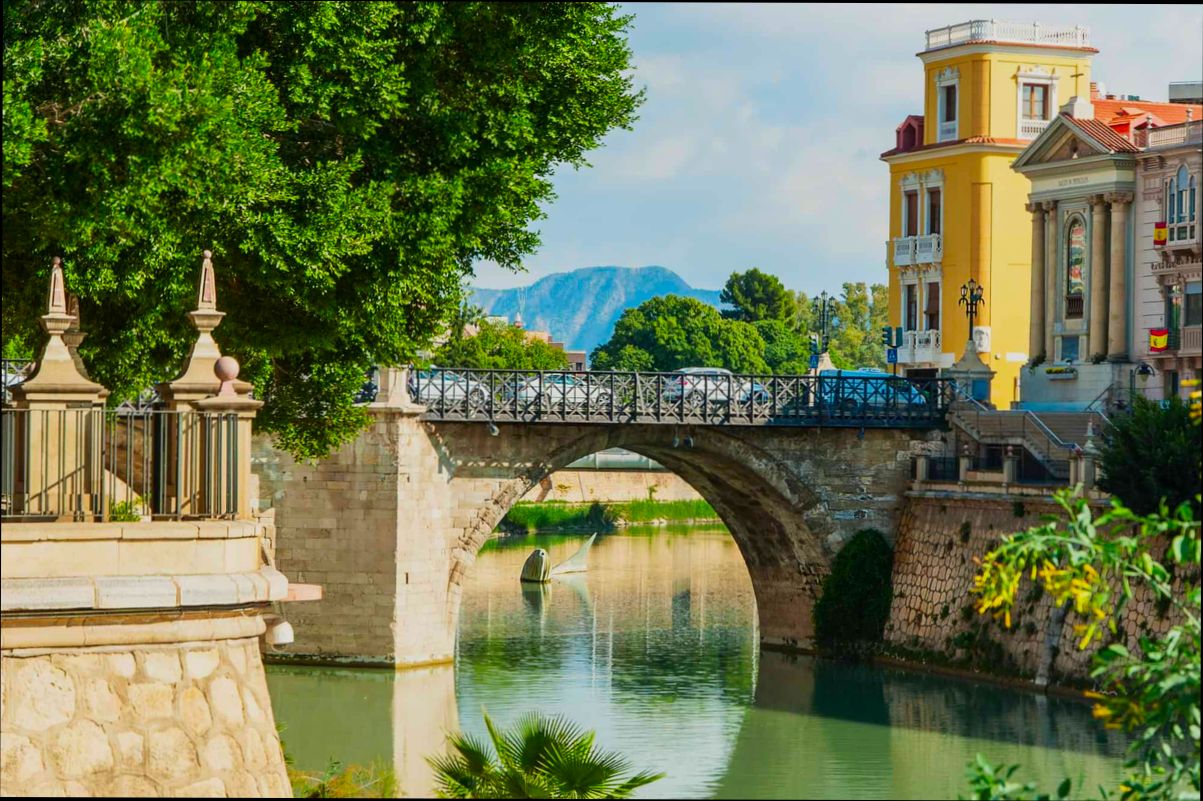
Real Estate Trends and Housing Options
When it comes to finding a home in Murcia, the real estate landscape is vibrant and ever-evolving. I want to share some key trends and options that can guide you if you’re considering buying or renting in this beautiful city.
Current Market Trends
- Price Adjustments: The average property price in Murcia has remained stable, with minimal fluctuations of around 2% over the past year. This stability offers a sense of security for potential buyers and investors.
- Market Demand: There’s an increasing demand for properties, largely driven by the influx of remote workers and expatriates looking for a sunny lifestyle. Particularly, the demand for apartments in urban areas has risen by approximately 15% compared to the previous year.
- New Developments: Recent developmental projects include a mix of residential and commercial spaces, enhancing the appeal of certain neighborhoods. Areas like the new neighborhoods in the outskirts have seen a growth rate of around 10% in new housing units.
Housing Options Available
You’ll find a diverse array of housing options in Murcia. Here are some of the most popular types:
1. Apartments:
- Ideal for individuals and small families.
- Prices typically range from €70,000 to €150,000 for two-bedroom apartments in city-centric locations.
2. Townhouses:
- Great for those looking for more space without the detached home price tag.
- Prices for townhouses generally range from €150,000 to €300,000, depending on the area and amenities.
3. Detached Villas:
- Perfect for families seeking privacy and outdoor space.
- Expect to pay an average of €250,000 to €500,000, especially in more desirable suburbs.
Comparative Property Price Table
| Property Type | City Center Average Price (€) | Outside City Center Average Price (€) | Growth Rate (%) |
|---|---|---|---|
| One-bedroom Apartment | 95,000 | 70,000 | 2% |
| Two-bedroom Apartment | 150,000 | 110,000 | 15% |
| Townhouse | 250,000 | 190,000 | 10% |
| Detached Villa | 400,000 | 300,000 | 8% |
Real-World Examples
Consider the case of a family moving from Madrid. They decided to buy a four-bedroom townhouse in the outskirts for €220,000, which was significantly less than equivalent properties in Madrid. This trend is attracting similar families seeking spacious homes with gardens at lower prices.
Additionally, a young couple recently found a modern one-bedroom apartment in the city center for €90,000, which they felt offered excellent value considering the vibrant local culture and amenities.
Practical Implications for Buyers and Renters
- Inspection and Appraisal: As you explore housing options, I encourage you to consider getting professional inspections. The property conditions can vary significantly, even in newly built developments.
- Negotiation Opportunities: Don’t shy away from negotiating prices. Given the current stability in the market, sellers may be open to discussions, especially if a property has been on the market for an extended period.
- Long-Term Investment: With a projected growth rate of about 8% in property values over the next few years, purchasing now could be a sound investment for the future.
If you’re eyeing property in Murcia, remember to research well, compare options, and keep an eye on market trends to make informed decisions!

Economic Opportunities and Job Market Insights
When you consider living in Murcia, understanding the economic landscape and job market can greatly influence your decision. This region offers unique opportunities and challenges that are essential for prospective residents. Let’s delve into the specifics.
Diverse Employment Sectors
Murcia’s economy thrives on a mix of traditional and modern industries. Key sectors include:
- Agriculture: This region is known as the “breadbasket” of Spain, with agriculture contributing significantly to the local economy. Around 15% of the local workforce is employed in this sector.
- Tourism: With its rich cultural heritage and beautiful landscapes, tourism has become a focal point, accounting for approximately 10% of the region’s GDP.
- Technology and Innovation: Emerging tech startups are fostering growth, especially around the University of Murcia, leading to job creation that attracts a younger workforce.
Job Market Statistics
When diving into the job market, several key statistics stand out:
- The unemployment rate in Murcia stands at around 12%, which is slightly higher than the national average of 10.5%. However, the job market is gradually improving due to recent government initiatives aimed at boosting local employment.
- Approximately 20% of job openings in Murcia are in the service sector, primarily in hospitality and retail.
Comparative Job Market Overview
| Sector | Employment Percentage | Job Growth Rate |
|---|---|---|
| Agriculture | 15% | 1.5% yearly |
| Tourism | 10% | 3% yearly |
| Technology | 5% | 4% yearly |
| Services | 20% | 2% yearly |
| Manufacturing | 10% | 1% yearly |
Real-World Examples
Consider the success story of Grupo Fuertes, a significant player in the agri-food sector in Murcia. They employ over 3,000 people and have expanded into various markets, demonstrating the robustness of agricultural employment opportunities. Additionally, Murcia’s Innovation Centre has nurtured over 100 startups, creating jobs and driving the economy forward, reflecting how tech innovation is beginning to reshape the job market.
Practical Implications
- If you’re considering a job in agriculture, expect steady employment opportunities, given the region’s focus on produce exports.
- For those interested in tech, the local government is offering incentives for startups, so a career in this field could be particularly promising.
- It’s essential to tap into local job fairs and networking events that can enhance your visibility in Murcia’s job market.
Actionable Insights
To maximize your chances in the job market in Murcia, consider these steps:
- Skill Development: Engage in training programs focused on sectors like technology and tourism, which are anticipated to grow.
- Networking: Utilize local social platforms and attend workshops for industry connections.
- Explore Local Government Initiatives: There are schemes aimed at fostering employment; staying informed can give you an edge.
With these insights, you can better navigate the economic opportunities Murcia offers while understanding the dynamics of its job market.