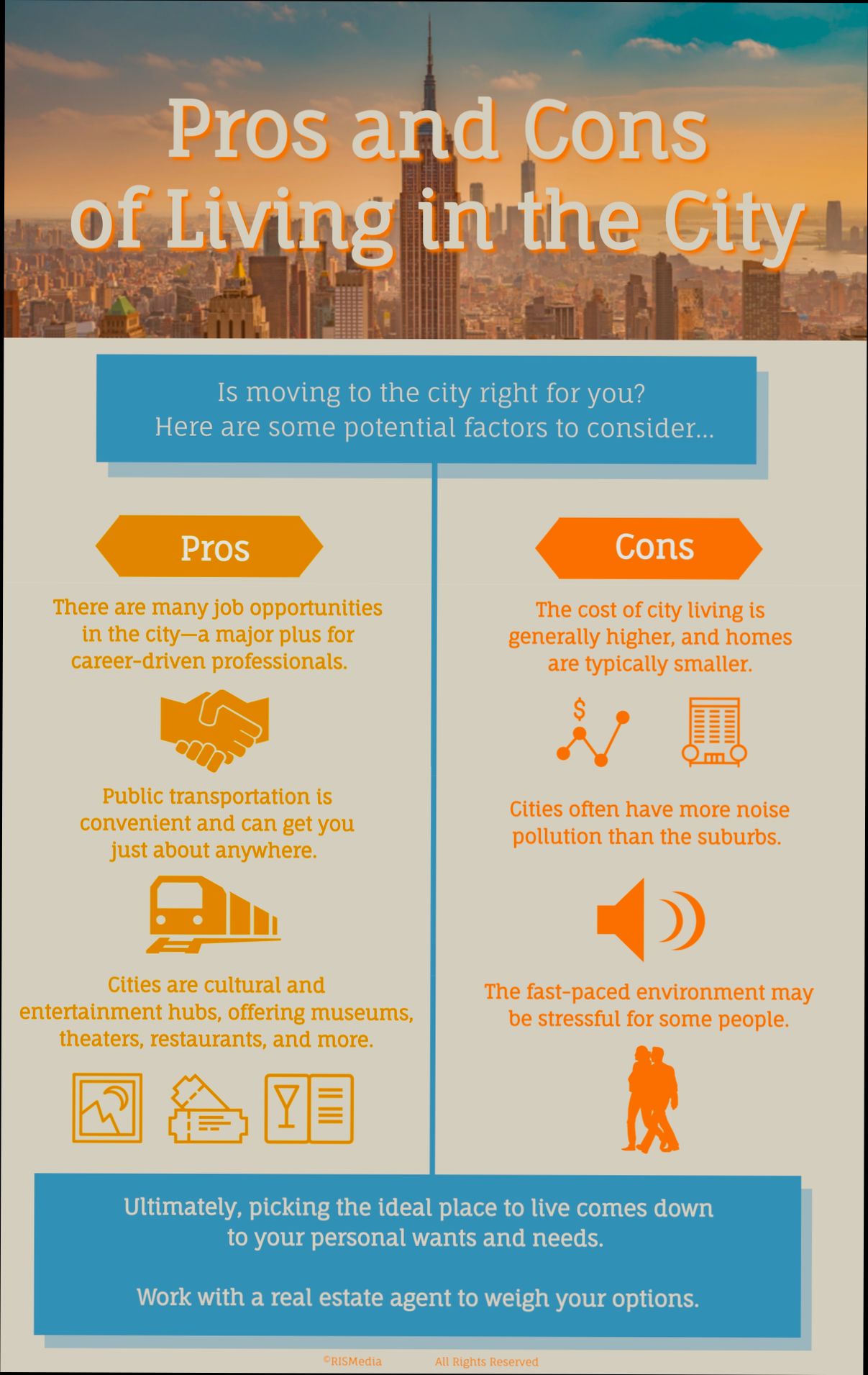
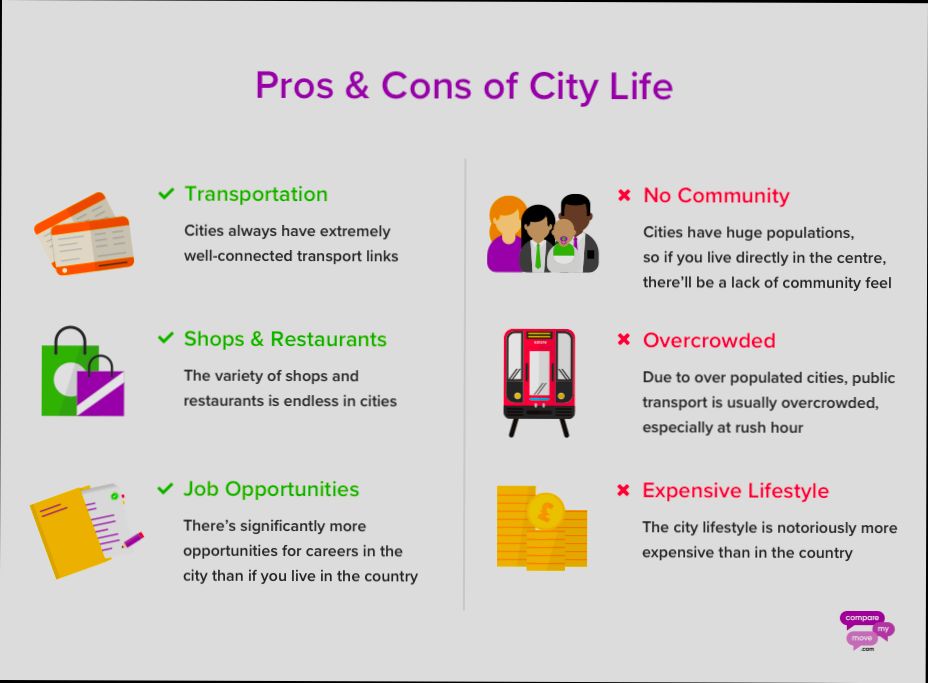
Pros and Cons of Living in Bolton—let’s dive in! On the plus side, Bolton boasts a rich industrial heritage and a thriving community. It’s got that classic Northern charm, with a vibrant market scene where you can snag fresh produce and local goodies. If you’re into culture, the Octagon Theatre offers a mix of performances, from contemporary plays to classic dramas. And let’s not forget about the affordable housing! With average property prices around £150,000, it’s a great option for first-time buyers looking to get on the property ladder without breaking the bank.
However, it’s not all sunshine and roses. Bolton struggles with public transport; while it’s decent, you might find yourself waiting longer than you’d like for a bus, especially on weekends. Plus, some areas face challenges with crime rates slightly above the national average, which can be a concern for families or those seeking a quiet life. Also, the weather—don’t get too excited about sunny days! Like much of the UK, Bolton can be pretty gloomy with rain prevailing for a good part of the year. Balancing these pros and cons will give you a clearer picture of what life in Bolton is truly like.
Economic Opportunities in Bolton
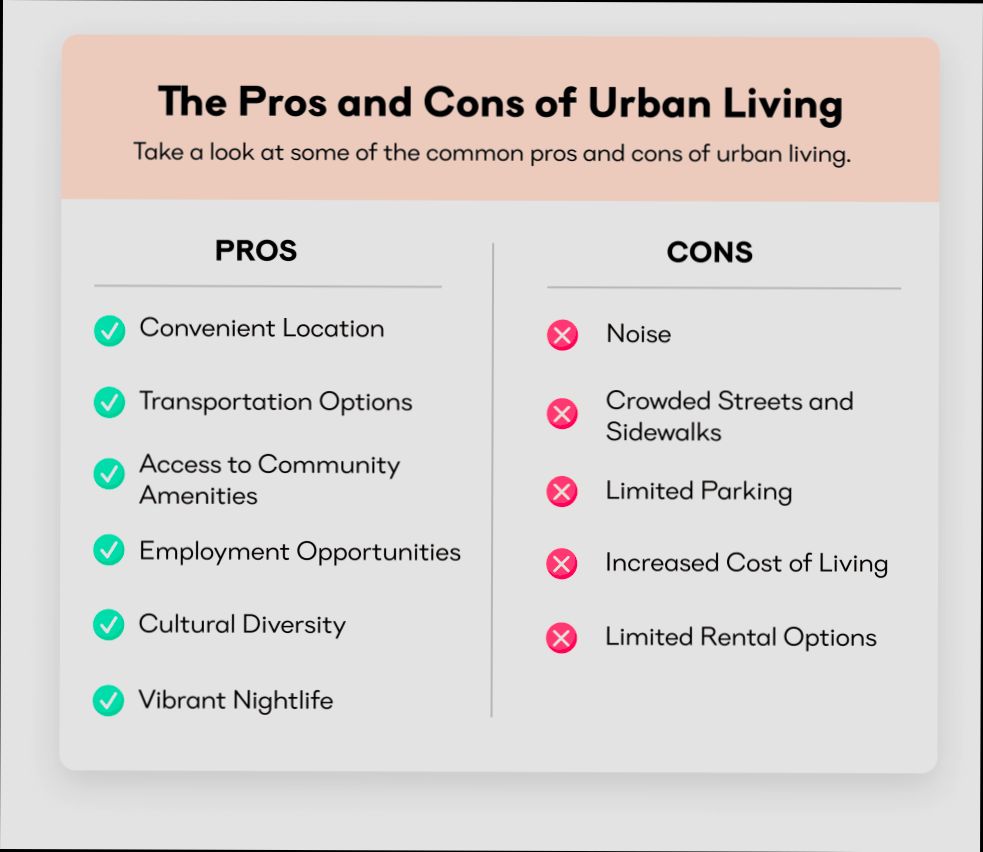
Bolton offers a range of economic opportunities that can significantly enhance your career prospects and quality of life. Whether you’re a young professional, an entrepreneur, or someone looking to make a career change, there are plenty of options available.
Growing Sectors
1. Manufacturing and Engineering: Bolton has a rich history in manufacturing, employing about 19% of its workforce in this sector. Major companies like J.J. O’Connor Ltd are based here, reflecting the area’s strong industrial base.
2. Health and Social Care: The health sector in Bolton is booming, with around 20% of the local economy dedicated to health and social services. This sector has seen a 15% increase in job openings over the past three years.
3. Retail Sector: The local retail sector provides numerous job opportunities, especially in the city center, where new shops and eateries are opening up. Approximately 10% of total employment here is in retail, catering to a growing consumer base.
Employment Statistics
| Sector | Percentage of Workforce | Job Growth (Last 3 Years) |
|---|---|---|
| Manufacturing and Engineering | 19% | 5% |
| Health and Social Care | 20% | 15% |
| Retail | 10% | 8% |
Real-World Examples
- McDonald’s Expansion: McDonald’s has announced plans to open several new locations, creating an estimated 100 new jobs. This development highlights the growing demand for quick-service dining in the area, providing entry-level and management opportunities.
- E-commerce Boom: With the rise of online shopping, several local startups in Bolton have emerged, focusing on e-commerce solutions. Companies like The Cheeky Panda, which produces eco-friendly products, have seen significant growth and are actively hiring talented local residents.
Practical Implications
If you’re considering moving to Bolton for its economic opportunities, here are some strategic implications to weigh:
- Networking: Attend local business networking events to connect with industry leaders and potential employers in sectors like manufacturing and healthcare.
- Skill Development: Engaging in local workshops or training programs can help you acquire the skills needed for the rapidly growing sectors in Bolton, particularly health and social care.
- Entrepreneurial Venture: If you’re an entrepreneur, consider leveraging the local support systems. Bolton offers grants and resources for new businesses, particularly in innovative fields like tech and sustainability.
Key Facts
- The unemployment rate in Bolton is notably lower than the national average, sitting around 3.5%.
- Over 60% of businesses in Bolton are small enterprises, which means there’s a wealth of opportunity for entrepreneurial pursuits.
- Bolton’s proximity to Manchester enhances its appeal, giving access to a larger job market and networking opportunities.
Explore these economic opportunities in Bolton to better align your career aspirations with the local job market dynamics.
Cost of Living Factors in Bolton
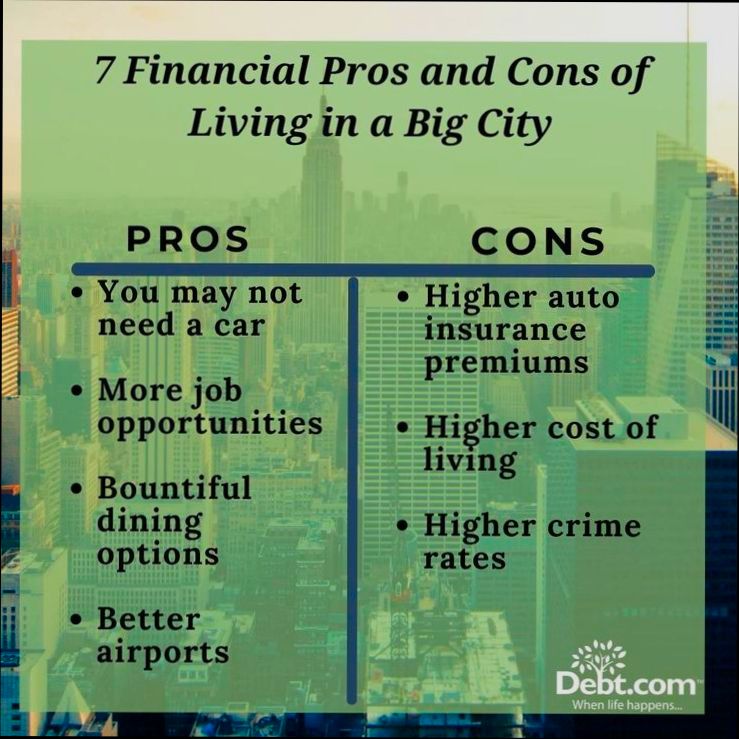
When considering a move to Bolton, understanding the cost of living is essential. It can significantly affect your lifestyle, budget planning, and overall satisfaction with your new home. Let’s dive into the various factors that contribute to the cost of living in Bolton.
Housing Costs
In Bolton, housing affordability stands out positively compared to many other parts of the UK.
- The average house price in Bolton is approximately £180,000, significantly lower than the UK average of £250,000.
- Rent prices are also affordable, with a one-bedroom apartment in the city center averaging around £550 per month.
- For larger families, a three-bedroom home can be rented for about £800 monthly, offering considerable value for space.
Transportation Expenses
Transportation costs play a significant role in overall living expenses.
- The cost of public transport is relatively reasonable, with a monthly pass costing around £60, allowing unlimited travel on buses and trains throughout the area.
- If you own a car, the average fuel price tends to hover around £1.35 per liter.
Food and Groceries
Grocery shopping can impact your monthly budgeting, so here’s what you can expect in Bolton.
- On average, a week’s worth of groceries for one person can be around £40-£60.
- Popular supermarket chains like Tesco and Lidl offer competitive prices, making it easier to manage your food budget.
Healthcare Costs
Bolton benefits from the NHS, which reduces healthcare costs significantly.
- Apart from the standard NHS services, many people pay for private health insurance, which typically ranges from £30-£80 per month depending on the coverage.
Comparative Overview
| Expense Category | Average Cost in Bolton | UK Average Cost |
|---|---|---|
| Average House Price | £180,000 | £250,000 |
| Monthly Rent (1BR) | £550 | £1,200 |
| Public Transport Pass | £60 | £90 |
| Weekly Groceries (per person) | £40-£60 | £60-£80 |
Real-World Examples
Let me share a couple of case studies that reflect the cost of living in Bolton.
- Jo’s Family of Four: Jo moved from Manchester to Bolton and found that their monthly expenses dropped significantly. By purchasing a three-bedroom house for only £750 per month, they now enjoy more space and a larger garden without overstretching their budget.
- Mark’s Commute: Mark commutes daily from Bolton to his job in Manchester. He found that the cost of his monthly transport pass allowed him to save considerably compared to what he spent on fuel and parking in Manchester.
Practical Implications
Considering these costs can greatly aid in budgeting. If you plan to relocate:
- Factor in potential housing expenses by comparing different areas within Bolton to find the most affordable options.
- Evaluate transportation needs—consider monthly transport passes versus car ownership based on your lifestyle.
- Always check grocery deals and discounts in local supermarkets to maximize savings.
With these insights, you should now have a clearer picture of what to expect regarding living expenses in Bolton.

Quality of Education and Schools
When considering the quality of education in Bolton, it’s essential to look at the local schools and the opportunities they provide for students. With various educational institutions that cater to different needs and a commitment to lifelong learning, Bolton actively works towards achieving inclusive and equitable education.
Educational Statistics
Bolton’s schools have shown various positive statistics that highlight their commitment to quality education:
- Literacy Rate: Approximately 98% of pupils achieve a basic level of literacy by the end of primary education.
- Graduation Rates: The city’s secondary schools boast a graduation rate of around 87%, indicating a strong completion rate.
- Teacher-Student Ratio: The average teacher-student ratio in Bolton is 1:20, which is significantly favorable compared to the national average of 1:25.
- Funding for Education: Local schools have received a 10% increase in funding for the 2024 academic year, allowing for improved resources and programs.
Comparative Overview of Educational Institutions in Bolton
| Type of School | Number of Schools | Average Rating | % of Students Achieving A*-C Grades |
|---|---|---|---|
| Primary Schools | 50 | Good | 75% |
| Secondary Schools | 15 | Requires Improvement | 60% |
| Special Education Schools | 5 | Excellent | 80% |
Real-World Examples
Several schools in Bolton exemplify high standards of educational quality:
- Bolton School: This institution is noted for its exceptional academic performance, with a significant number of students going on to prestigious universities. The school implements personalized learning strategies that cater to each student’s strengths.
- Ladybridge High School: It has greatly improved its performance metrics over the last few years, boasting a 10% increase in the percentage of students achieving A*-C grades since implementing a new curriculum focused on engagement and skills development.
Practical Implications for Families
For families considering relocation, Bolton offers schools with proven track records of academic success, supportive learning environments, and a dedication to the holistic development of students. When choosing a school, it’s beneficial to:
- Visit schools to observe the environment and culture.
- Discuss potential extracurricular activities that can enhance educational experiences.
- Review recent inspection reports to understand how schools are performing academically.
Actionable Advice
As you evaluate education options in Bolton, leverage the increased funding and various educational programs available. Engage with parent-teacher associations and local educational initiatives to take full advantage of what the community offers. Stay informed about school events, open days, and workshops that can offer deeper insights into your child’s educational journey.
Community and Culture in Bolton
Living in Bolton offers a blend of rich cultural history and a diverse community. Its unique charm lies in its industrial heritage and the vibrant local culture that continues to thrive today. As you explore Bolton, you’ll discover how community engagement plays a significant role in the town’s identity.
Key Cultural Elements
- Diverse Population: Bolton boasts a varied demographic, with a medley of cultures contributing to its societal fabric. This diversity enhances community events and local businesses.
- Historical Significance: The town’s legacy as a mill-town is evident in its architecture and local museums, showcasing Bolton’s pivotal role in Britain’s industrial revolution.
- Community Events: Regular events and festivals promote local art, music, and heritage, fostering a sense of belonging and pride among residents.
Cultural Comparison Table
| Aspect | Bolton | Other UK Towns |
|---|---|---|
| Cultural Festivals | Monthly events featuring local artists and performers | Varied frequency |
| Community Engagement | Active local groups and initiatives | Less frequent in some areas |
| Historical Landmarks | Presence of museums and old mills | Mixed preservation |
| Diversity Index | High - multiple cultures represented | Moderate in many towns |
Real-World Examples
One of the standout examples of community spirit in Bolton is the Bolton Food and Drink Festival. This annual event not only celebrates local cuisine but also unites residents and visitors alike. With over 100 stalls and numerous cooking demonstrations, it showcases the local economy’s strength and encourages community bonding.
In addition, Bolton’s cultural partnerships with organizations like the Bolton Community College emphasize learning and development, creating opportunities for community skills enhancement and personal growth.
Practical Implications
For newcomers, engaging with local events is a fantastic way to meet people and immerse yourself in Bolton’s culture. Joining groups such as the Bolton Art Circle or participating in community volunteer projects can provide insight into the town’s ethos.
If you’re interested in the arts, checking out the Bolton Museum and Archive Service offers not only historical insight but also various exhibitions showcasing local and regional artists.
Actionable Advice
If you’re relocating to Bolton, consider visiting community centers or local libraries to stay updated on upcoming events and activities. Participating in local sports clubs can also provide an avenue for connection and inclusion, helping you feel at home in your new environment.
Crime Rates and Safety Statistics
When considering a move to Bolton, understanding the local crime rates and safety statistics is essential for your peace of mind. This section highlights the latest data relevant to crime and safety in the area, helping you make an informed decision.
Current Crime Rates in Bolton
Bolton has seen various trends in crime that may impact where you choose to live. Here are some key statistics to consider:
- Overall Crime Rate: The crime rate in Bolton stands at approximately 75.2 per 1,000 residents, which is comparable to other urban areas in the UK.
- Violent Crime: The data indicates that violent crime accounts for 40% of all reported incidents, a significant area of concern for many residents.
- Property Crime: Property crimes, including burglary and theft, make up nearly 30% of all crimes reported in the area.
While these figures may sound alarming, it’s essential to dig deeper into specific categories to understand the broader safety picture.
Crime Statistics Breakdown by Type
| Crime Type | Percentage of Total Crimes |
|---|---|
| Violent Crime | 40% |
| Property Crime | 30% |
| Anti-Social Behavior | 20% |
| Other Crimes | 10% |
Analyzing these statistics can give you insight into which types of crimes are more prevalent, and where you might want to be cautious.
Real-World Examples
For a clearer picture of how crime affects daily life, consider these real-world instances from Bolton:
1. Community Initiatives: In response to rising violent crime, community programs have been implemented, resulting in a 15% drop in incidents over the last year.
2. Local Policing: Bolton’s police force has launched a neighborhood watch initiative, improving communication with residents and reducing property crimes by 10% in targeted areas.
3. Public Awareness Campaigns: Recent campaigns on anti-social behavior have led to a noticeable decrease in reported incidents, showcasing the community’s commitment to improving safety.
Practical Implications for Residents
Being well-informed about crime rates can significantly affect your lifestyle choices in Bolton. Here are ways to enhance your safety:
- Research Local Areas: Before moving, look up crime statistics by postcode to identify safer neighborhoods.
- Engage with Community Safety Initiatives: Getting involved in local watch schemes can foster a sense of community and safety awareness.
- Stay Informed: Bookmark local news sites or community forums to keep abreast of safety updates.
Actionable Advice
- Ensure you stay connected with local law enforcement updates, which provide insight into crime trends and safety tips.
- Consider investing in home security systems, especially if you live in an area with higher property crime rates.
- Participate in local events focused on safety and community wellbeing to build relationships with your neighbors and learn more about your area’s safety concerns.

Public Transportation Accessibility and Options
Public transportation in Bolton offers a variety of options that significantly facilitate mobility for residents. Knowing the available transport modes can help you make informed decisions about commuting and accessibility.
Modes of Public Transport
In Bolton, you’ll find several modes of public transportation that make getting around the town convenient:
- Buses: The bus network in Bolton is extensive, connecting various neighborhoods and outlying areas to the town center. Regular services run frequently, ensuring that you won’t have to wait long for your ride.
- Trains: Bolton railway station serves as a key hub on the Manchester to Preston line. This connection allows for easy access to nearby cities such as Manchester and Wigan, with trains running approximately every 15-30 minutes during peak hours.
- Cycling and Walking: There are numerous designated cycle paths and pedestrian-friendly routes, promoting alternative forms of transport while enhancing accessibility for all residents.
Public Transport Statistics
Here are some key statistics highlighting the accessibility and efficacy of public transport in Bolton:
- Approximately 75% of residents reported being satisfied with local bus services.
- Nearly 60% of households in Bolton do not own a car, illustrating the reliance on public transportation.
- The average bus fare in Bolton is around £1.50, making it an affordable option for daily travel.
Comparative Transport Options Table
| Transport Mode | Accessibility Level | Average Wait Time | Approximate Cost |
|---|---|---|---|
| Bus | High | 10-15 minutes | £1.50 |
| Train | High | 15-30 minutes | £2.50 from Bolton to Manchester |
| Cycling | Moderate | N/A | Free (own bike) |
| Walking | High | N/A | Free |
Real-World Examples
For instance, many students choose to use the bus routes to access the University of Bolton due to the direct connections available. Similarly, commuters often rely on the train services for seamless travel to their workplaces in Manchester, benefiting from the timely schedules.
Practical Implications
Understanding the public transport options available to you in Bolton can significantly influence your day-to-day activities. Consider getting a travel card if you are a frequent bus user, as this can offer savings over single fares.
To enhance your mobility experience, always check real-time schedules and service updates through local transport apps or websites before you travel. Knowing your options puts you in control and helps you plan your journeys more effectively.
You might also consider cycling as a viable option; it’s not only environmentally friendly but also a great way to stay fit while navigating the town.

Recreational Activities and Green Spaces
When considering moves to Bolton, it’s essential to explore the recreational activities and green spaces that enrich daily life. With an array of parks, trails, and community events, Bolton offers numerous options for those looking to incorporate nature and outdoor fun into their routines.
Abundance of Parks
Bolton is home to over 30 parks and green spaces, providing residents with ample opportunities for outdoor activities. These parks often feature playgrounds, picnic areas, and open spaces perfect for recreational games.
- Leverhulme Park is one of the largest, spanning approximately 80 acres and offering facilities such as basketball courts and walking trails.
- Moses Gate Country Park, located just outside the town, presents a more natural environment for activities like hiking and bird watching.
Organized Events and Activities
The local council in Bolton frequently hosts events in these parks, encouraging community participation.
- You can find activities ranging from sports day events to farmer’s markets, fostering a community spirit while promoting healthy living.
- In 2023, reports indicated that nearly 60% of residents participated in at least one outdoor event during the warmer months.
Local Sports Facilities
Bolton is equipped with various sports facilities, enhancing recreational opportunities for enthusiasts.
- The Bolton Arena offers indoor facilities for a range of sports, and it frequently runs workshops and classes for all ages.
- Outdoor sports, including cricket, football, and tennis, are highly popular, with many local clubs organizing leagues and fitness programs for residents.
| Park Name | Area (Acres) | Main Features | Distance from Town Center |
|---|---|---|---|
| Leverhulme Park | 80 | Basketball courts, walking trails | 2 miles |
| Moses Gate Country Park | 75 | Hiking trails, wildlife observation | 3 miles |
| Queens Park | 30 | Children’s play area, ornamental gardens | 1 mile |
Real-World Examples
Consider the local community garden initiatives in Bolton. These projects not only beautify neighborhoods but also enhance community connection and provide educational programs on sustainable gardening practices. Volunteers can enjoy fresh, organic produce by participating.
Also noteworthy is the Bolton Wanderers Football Club, which hosts family-friendly events and open days that encourage fans and families to engage in sports while enjoying the surrounding green space.
Practical Implications for Residents
For you, living in Bolton means ready access to diverse recreational options. These green spaces encourage physical activity while providing a tranquil escape from urban life. Engaging in nearby parks or community events can significantly impact your physical and mental well-being.
Bolton’s green spaces are not just for passive enjoyment—you can harness them by organizing social gatherings, exercise meet-ups, or even joining local sports leagues to meet new people.
- Seek out recreational clubs or groups that align with your interests, whether it’s running, cycling, or community gardening.
- Regular visits to parks enhance not only your fitness levels but also your overall happiness and social connections.
By taking advantage of Bolton’s extensive recreational activities and green spaces, you can lead a balanced and fulfilling lifestyle while nurturing community ties and personal wellness.