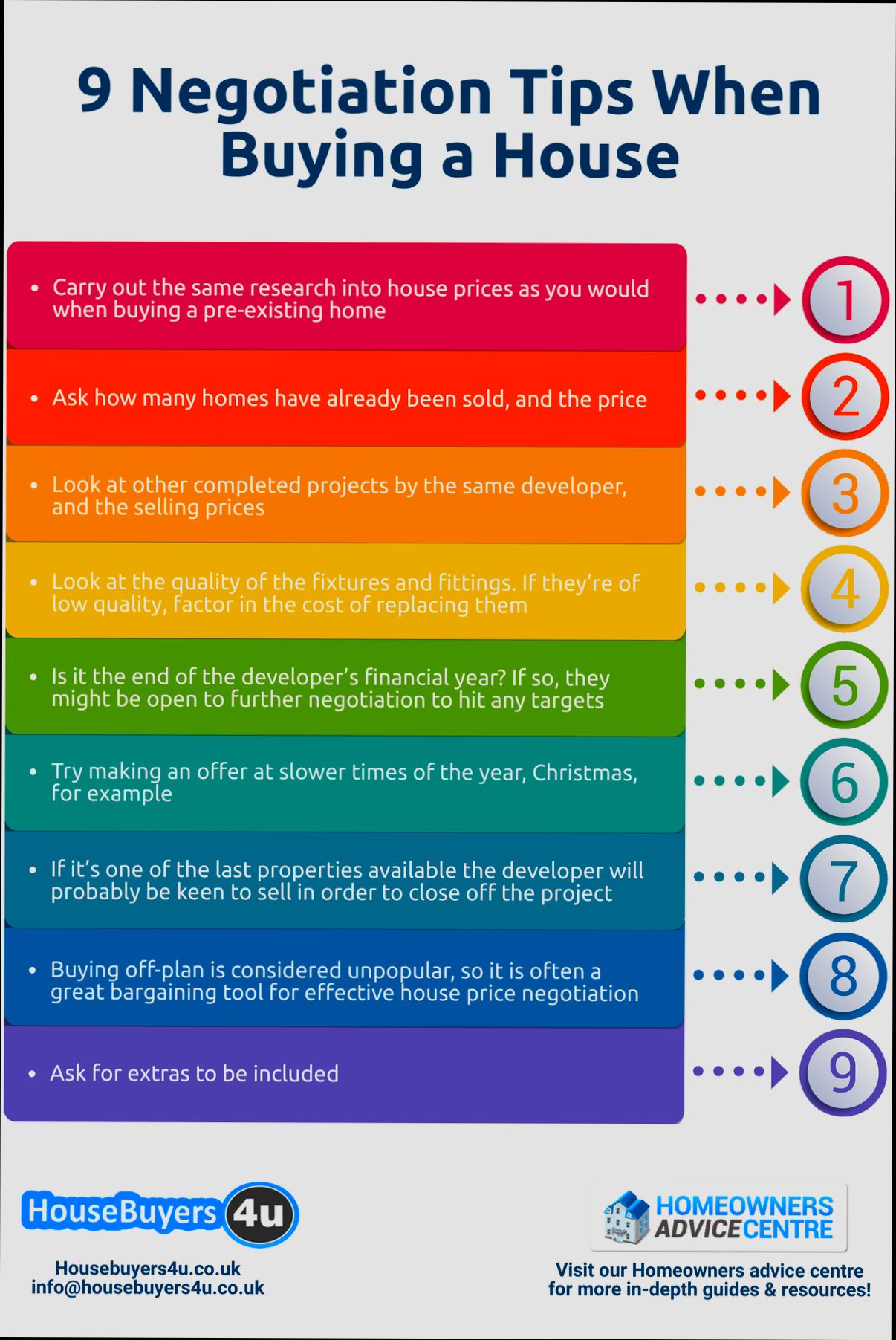
How to Negotiate Property Prices When Buying can feel like a daunting challenge, but it doesn’t have to be. Picture yourself eyeing a cozy three-bedroom house in your favorite neighborhood, listed at $450,000, but you’re convinced it’s worth no more than $425,000 based on recent sales in the area. Did you know that homes in your target zip code have actually sold for about 5% less than the asking price on average? That’s a solid starting point! With a little knowledge and strategy, you could save yourself a decent chunk of cash and snag a deal that feels right.
Consider this: you walk into an open house, and as you chat with the current owners, they mention they’ve already found their next place and are eager to sell quickly. This little nugget of information could give you the upper hand in negotiations. If you play your cards right, you might negotiate not only a lower price but also additional perks, like having the washer and dryer thrown in or certain repairs completed before closing. Real scenarios like this show that property negotiations are less about haggling over cents and more about reading the room and using hard data to back you up.
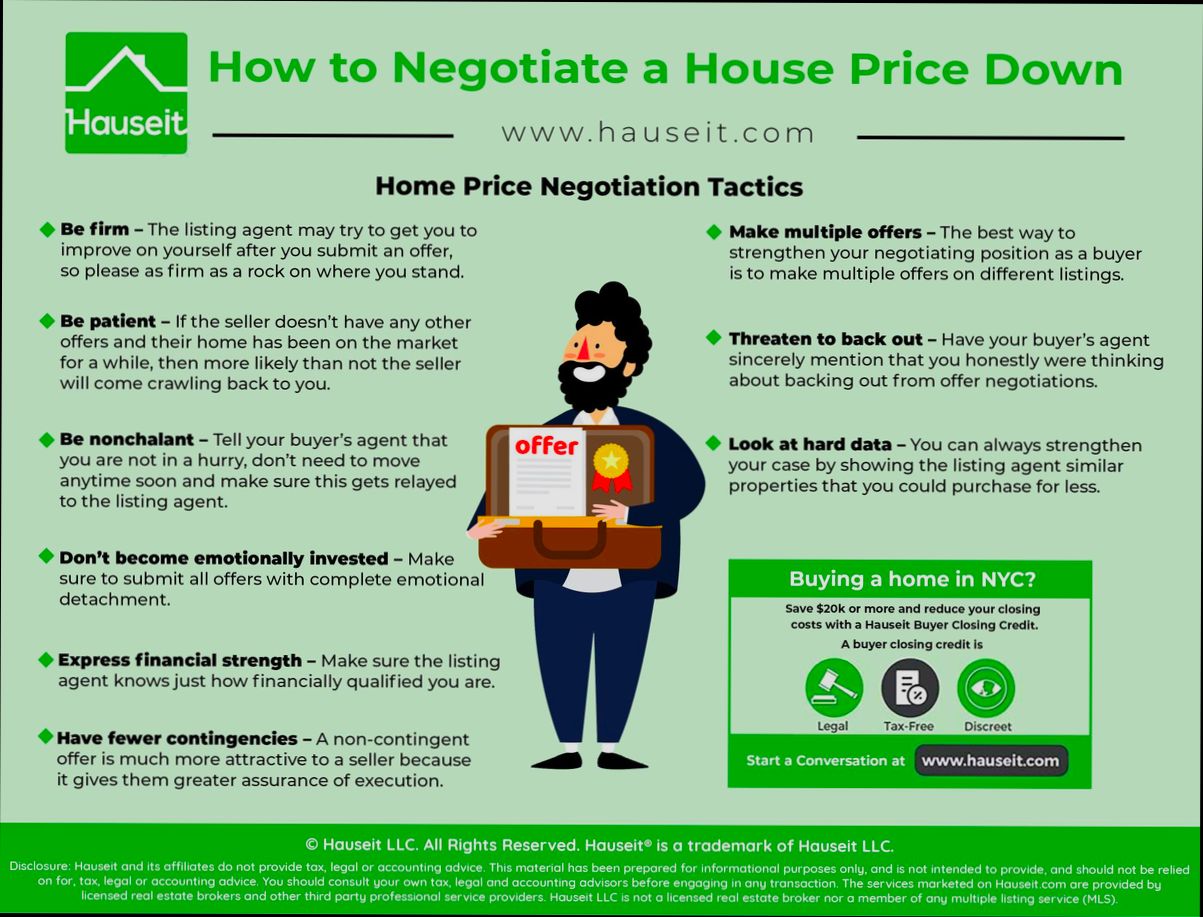
Understanding Market Trends and Values
When you’re diving into the property market, understanding market trends and values is essential for negotiating effectively. Grasping local property trends empowers you to make informed decisions and secure better prices. Let’s explore how market dynamics can shape your negotiations and how you can leverage this knowledge.
Key Points on Market Trends and Values
1. Price Appreciation Trends: According to data, properties in metropolitan areas have seen price appreciation of about 7.2% over the last year, while suburban properties have appreciated approximately 5.5%. Knowing whether the area you’re interested in is appreciating or declining can significantly influence your negotiation stance.
2. Days on Market: Homes that sell within 30 days typically command a higher price. Research indicates that properties in desirable neighborhoods often have a median days-on-market figure of just 25 days, compared to 60 days in less sought-after areas. Understanding these timelines can help you gauge urgency and adjust your offers.
3. Market Saturation Rates: An area with a saturation rate of over 60% means that more than half of the listings are sold within a certain timeframe. This could signify a hot market where sellers hold a stronger negotiating position. Conversely, markets below 40% suggest buyers may have the upper hand, allowing for more aggressive offers.
4. Comparative Analysis: Analyzing recent sales can provide insight into current market values. For example, if similar properties recently sold for an average of $350,000, but a listing is priced at $370,000, armed with this data, you can present a strong counteroffer.
| Metric | Suburban Areas | Urban Areas |
|---|---|---|
| Price Appreciation (last year) | 5.5% | 7.2% |
| Median Days on Market | 60 days | 25 days |
| Market Saturation Rate | 35% | 70% |
Real-World Examples
- In a recent case in Atlanta, buyers used recent sales data showing an average of $280,000 for homes in their targeted neighborhood. They negotiated down a listed price of $310,000 based on these comparative values, successfully purchasing the home for $275,000.
- Another instance occurred in San Francisco, where a couple noticed that similar properties had a quicker turnover. They discovered that a comparable home with a sale price of $1.2 million sold after just 20 days. Armed with this knowledge, they negotiated a purchase price of $1.15 million, highlighting the market’s speed and competition.
Practical Implications for Readers
- Keep an eye on local newspapers, online listings, and real estate blogs to stay updated on emerging market trends. Utilize tools like Zillow or Redfin to track property values and days on market for different neighborhoods.
- When visiting open houses, ask agents about recent sales in the area, and don’t hesitate to request statistics that can bolster your negotiating position.
- Conduct thorough research to understand the average list-to-sale price ratios. Statistics show that homes often sell for about 98% of their asking price in competitive markets, indicating the importance of readiness in negotiations.
Establishing a sound understanding of market trends and values will significantly enhance your ability to negotiate property prices effectively. Pay attention to local shifts, leverage comparative data, and adapt your negotiating strategy based on your findings.

Effective Communication Techniques for Negotiation
Effective communication is the cornerstone of successful negotiation, especially when it comes to buying property. By mastering certain techniques, you can enhance your ability to negotiate property prices effectively, ensuring that both your interests and the seller’s are addressed. Here’s how to communicate effectively in your property negotiations.
Key Techniques for Effective Communication
1. Active Listening:
I can’t stress enough how vital active listening is. This means fully concentrating on what the other party is saying, rather than just waiting for my turn to speak. Research indicates that approximately 70% of effective negotiation hinges on good listening skills.
2. Open-Ended Questions:
Encouraging dialogue with open-ended questions can provide deeper insights into the seller’s motivations. For instance, asking “What are your primary concerns regarding the sale?” can unlock valuable information that would otherwise remain hidden.
3. Empathy Statement:
Conveying empathy can create rapport and trust. Phrases like “I understand this is a significant decision for you” can help you connect. Studies show that expressing empathy can increase cooperation by up to 60%.
4. Non-Verbal Communication:
Be aware of body language; it speaks volumes. Maintaining eye contact and using open gestures can reinforce confidence. Notably, research suggests that 55% of communication is non-verbal, so aligning my body language with my words is crucial.
Comparative Communication Techniques Table
| Technique | Description | Impact on Negotiation |
|---|---|---|
| Active Listening | Fully engaging with the speaker | 70% effective |
| Open-Ended Questions | Encouraging detailed responses | Increased information |
| Empathy Statements | Expressing understanding and care | 60% more cooperation |
| Non-Verbal Cues | Utilizing body language to communicate | 55% of communication |
Real-World Examples
In a recent case study, a buyer employed active listening skills, which allowed them to uncover the seller’s urgency to sell due to relocation. This insight enabled the buyer to negotiate a lower price, as the seller was willing to consider lower offers for a quicker sale.
Another example involved a buyer using open-ended questions during a negotiation. By asking, “What would make you feel satisfied with this sale?” the seller revealed that they were more flexible on price if they could choose the closing date. This exchange led to a win-win situation, culminating in a successful deal.
Practical Implications for You
Utilizing effective communication techniques empowers you to navigate property negotiations more successfully. When you interact, keep in mind the following actionable strategies:
- Prioritize listening to identify underlying motivations.
- Ask thoughtful open-ended questions to guide the conversation.
- Express empathy to build trust, fostering a more cooperative atmosphere.
- Stay mindful of your non-verbal cues, ensuring they align with your intentions.
Mastering these techniques will significantly sharpen your negotiation skills, making you a more compelling buyer in the property market.

Leveraging Comparable Property Data
When it comes to negotiating property prices, leveraging comparable property data can give you a distinct advantage. By understanding and using data from similar properties, you can educate yourself and formulate a strong case for your negotiation position.
Key Points on Comparable Property Data
1. Understanding Comps: Comparable properties, or “comps,” are similar homes in the area that have sold recently. They are pivotal in determining a fair market price. Taking into account at least three to five relevant comps can provide a well-rounded sense of property value.
2. Property Features: Analyze aspects like square footage, the number of bedrooms and bathrooms, and unique amenities. For instance, if a similar home with an extra bedroom sold for 10% more, you can argue against a price increase on a property that lacks that feature.
3. Local Market Dynamics: Know the average days on the market in your area. If homes similar to the one you’re interested in are selling in about 30 days, it may indicate higher demand and can justify a higher offer. Conversely, if properties are lingering, it may give you leverage to negotiate a better price.
Comparable Properties Overview
| Property Address | Size (sq ft) | Bedrooms | Sale Price | Days on Market |
|---|---|---|---|---|
| 123 Maple St | 1,500 | 3 | $350,000 | 28 |
| 456 Oak Rd | 1,450 | 3 | $340,000 | 35 |
| 789 Pine Ave | 1,600 | 4 | $380,000 | 25 |
Real-World Examples
- Case Study 1: A buyer in a suburban neighborhood reviewed comps that showed a property with similar features sold for $325,000. The buyer successfully argued for a lower price of $310,000 on a comparable home by presenting this data, highlighting that the property’s location was slightly less desirable.
- Case Study 2: An investor analyzed local market comps and found that a property had been overpriced by 15% based on the amenities it offered compared to others. By bringing in this data during negotiations, the investor secured a lower price of $150,000 instead of the initially listed $175,000.
Practical Implications for Readers
- When shopping for a home, gather a list of comparables regularly to strengthen your negotiating stance. Use online resources or consult with a real estate agent to pull this data.
- Consider creating a visual comparative market analysis (CMA) chart to help illustrate values and make your negotiations more persuasive.
Actionable Advice
- Always aim to include key metrics in your negotiations, such as the average price per square foot of comps in the vicinity. If you notice a consistent lower price per square foot than your target property, leverage that in your discussions.
- Remember to account for recent upgrades or renovations to comparables when making your case; don’t shy away from pointing out how your target property’s condition affects its market value against the competition.

Real-World Success Stories in Negotiation
Negotiation isn’t just about making demands; it’s about finding pathways to agreement. Real-world success stories highlight how strategic negotiation can lead to lucrative outcomes and lasting partnerships. Let’s delve into some impactful examples that demonstrate the power of effective negotiation strategies in various contexts, especially relevant for buyers navigating property transactions.
Key Examples from Successful Negotiations
1. Starbucks and Kraft Foods
Starbucks aimed to pivot its distribution strategy in response to market changes, particularly shifting consumer preferences towards single-serve coffee pods. The company proposed buying out Kraft Foods’ contract for $750 million. Despite Kraft’s objections, Starbucks successfully terminated the deal, ultimately positioning itself to capitalize on an emerging market. This negotiation showed the importance of adaptability and anticipation of market trends.
2. Disney’s Acquisitions
Disney’s acquisition of Pixar and Lucasfilm epitomizes high-stakes negotiation. Both acquisitions saw Disney paying over $11.4 billion combined, yet they significantly enhanced Disney’s portfolio. The negotiation process included understanding each company’s value in the industry, illustrating how insightful negotiations can lead to strategic gains that far exceed the initial investments.
3. Negotiating Contracts in the Tech Industry
A tech startup successfully negotiated vendor contracts by clarifying its needs and establishing open communication with suppliers. Through strategic sessions, they learned to meet halfway, which allowed them to secure price reductions and favorable terms that resulted in significant savings for the company, showcasing how collaboration can yield better deals.
| Negotiation Case Study | Strategy Used | Outcome | Significance |
|---|---|---|---|
| Starbucks vs. Kraft | Buyout Proposal | Contract Termination | Flexibility leads to market adaptability |
| Disney and Pixar | Acquisition Deal | Expanded IP Portfolio | Strategic growth through negotiation |
| Startup Vendor Contracts | Open Communication | Reduced Costs | Collaborative negotiations enhance savings |
Real-World Examples Highlighting Negotiation Skills
- Mitch’s Salary Negotiation
Mitch, a professional in his industry, felt underpaid in his current role. Armed with industry research, he entered his negotiation with a target raise. He successfully negotiated his salary up by $10,000 after presenting compelling arguments about his contributions to the company’s success. This case demonstrates that well-prepared arguments can significantly impact negotiation outcomes.
- Corporate Office Space Negotiations
A company seeking new office space faced rising rents. The negotiator conducted a thorough market analysis to leverage comparable properties and negotiate a 15% reduction in rent for a prime location. This example emphasizes the utility of comparative data in real estate negotiations, advocating the importance of being well-informed in discussions.
Practical Insights for Your Negotiation Strategy
- Preparation is Key: Like Mitch, ensure you’re armed with data and confidence before entering negotiations. Understand your worth and the market context thoroughly.
- Be Adaptive: When faced with objections, like in the Starbucks case, remain flexible. Sometimes altering the terms or approach can lead to mutually beneficial outcomes.
- Engage in Open Communication: Establishing trust through transparent dialogue leads to smoother negotiations, as witnessed in the startup’s vendor contract discussions.
With these real-world stories as inspiration, you can apply similar strategies in your own negotiations. Understanding how others have successfully navigated their challenges can empower you to approach your negotiations with greater confidence and insight.
Identifying Seller Motivations and Strategies
Understanding what motivates a seller is key to negotiating effectively. By identifying their needs and the strategies they are using, you can position yourself for a more favorable outcome. Sellers can have a range of motivations, and recognizing these will help you tailor your approach.
Key Seller Motivations
1. Financial Pressure:
Many sellers may be under financial strain, prompting them to sell quickly. Research shows that approximately 65% of sellers cite personal financial relief as a primary reason for selling.
2. Relocation Needs:
Relocation often forces sellers to move quicker than they would like. Studies indicate that around 25% of property sales are influenced by job transfers or family relocations.
3. Market Timing:
Some sellers believe they are capitalizing on a peak market. Awareness of market trends plays a significant role, with nearly 70% of sellers timing their sales based on these trends.
4. Personal Circumstances:
Life changes, such as divorce or retirement, can also drive sellers to sell. It’s estimated that 30% of sellers are influenced by major life transitions.
5. Condition of the Property:
Properties requiring significant repairs can motivate sellers to offload their burdens. Approximately 55% of sellers might want a quick sale if their property is in poor condition.
Seller Motivation Comparison Table
| Motivation Type | Percentage of Sellers | Implication for Negotiation |
|---|---|---|
| Financial Pressure | 65% | They may accept lower offers for quick relief. |
| Relocation Needs | 25% | Flexibility in closing dates may be possible. |
| Market Timing | 70% | They might be less willing to negotiate if they believe prices are peaking. |
| Personal Circumstances | 30% | Emotional factors could lead to quicker decisions. |
| Condition of the Property | 55% | They may reduce the price to avoid repairs. |
Real-World Examples
- A couple facing foreclosure decided to sell their property quickly. Recognizing their financial urgency, a buyer was able to negotiate a price that was 15% below market value while ensuring a rapid closing to alleviate the seller’s financial burden.
- A family relocating due to a job change was motivated to sell their home quickly. The buyer identified their need for a fast closing and offered a price that factored in the uncertainty of the housing market, resulting in a 10% discount off the asking price.
Practical Implications
As you engage with sellers, keep the following tactics in mind to uncover their motivations:
- Ask Open-Ended Questions: Encourage sellers to share more about their reasons for selling. For instance, “What prompted you to list your property now?”
- Listen Actively: Pay careful attention to the emotional cues they provide during discussions. Their tone and body language can reveal much about their motivation.
- Build Rapport: Establishing a personal connection can help sellers feel comfortable, which might lead them to share more about their situation.
Actionable Advice
- Always conduct thorough market research to tailor your offer based on the seller’s motivations. Understanding their urgency or pressure can give you an edge.
- Approach negotiations with empathy. If you can align with the seller’s needs while discussing price, you can reach a more beneficial agreement for both parties.

The Financial Advantages of Savvy Negotiation
Savvy negotiation is not just an art; it’s a critical financial tool when buying property. Effective negotiations can significantly affect your overall investment costs, paving the way toward substantial savings and financial freedom.
Key Financial Benefits of Smart Negotiation
When you effectively negotiate property prices, you unlock several financial advantages:
- Price Reduction: A well-executed negotiation can lead to a purchase price decrease. For instance, properties with an initial asking price of $400,000 could be negotiated down by as much as 10%, saving you $40,000 directly.
- Reduced Closing Costs: Negotiating doesn’t just stop at the price. You may convince the seller to cover a portion of closing costs, which can range anywhere between 2% to 5% of the purchase price. This can further cushion your financial burden.
- Lower Interest Rates: If you demonstrate strong negotiation skills, you might be able to leverage your finance deal with lenders. A reduction in your loan interest rate by even 0.25% can save thousands in interest over the life of a mortgage.
- Long-Term Investment Return: Negotiating effectively means you’re less likely to overpay for a property. According to research, every 1% drop in purchase price can translate into a potential increase of 2% in property value, leading to a favorable return on investment if you decide to sell later.
Comparative Table: Potential Savings Through Negotiation
| Negotiation Strategy | Average Savings (%) | Potential Dollar Savings ($) |
|---|---|---|
| Price Reduction | 10% | $40,000 |
| Seller Covers Closing Costs | 2%-5% | $8,000 - $20,000 |
| Interest Rate Reduction | 0.25% | $15,000 - $30,000 over 30yr |
| Overall Negotiation Savings | 12.5% | $50,000 |
Real-World Examples
Consider a couple who purchased their first home in a competitive market. By employing negotiation tactics they learned, they managed to reduce the asking price of their $350,000 home by 8%, saving them $28,000. They also successfully negotiated for the seller to cover 3% of their closing costs, amounting to an additional $10,500 saved.
In another instance, an investor bought a property for $500,000. Through savvy negotiation, they secured a 0.5% lower mortgage rate. This savvy move saved them approximately $25,000 over the life of a 30-year mortgage, significantly enhancing their investment’s financial viability.
Practical Implications for You
- Research and Preparation: Understand the property’s market value and prepare your negotiation points ahead of time. This preparation can empower you to argue assertively for a better deal.
- Utilize Data: Presenting solid data about comparable property sales can strengthen your negotiation position, helping convince sellers that a lower price is justified.
- Stay Flexible: While you may have a target price in mind, being flexible in negotiations can open different avenues for discussion, like added incentives or lower closing costs.
- Practice Active Listening: Pay attention to the seller’s concerns. Understanding their perspective can often lead to solutions that are financially advantageous to you.
For instance, if a seller is motivated to close quickly, you might negotiate a lower price in exchange for a fast closing.
Actionable Advice
Always approach negotiations with a clear financial goal in mind—an amount you’re comfortable paying, as well as the maximum limit. Keeping your emotions in check while leveraging market data can lead to optimal financial benefits during property transactions.