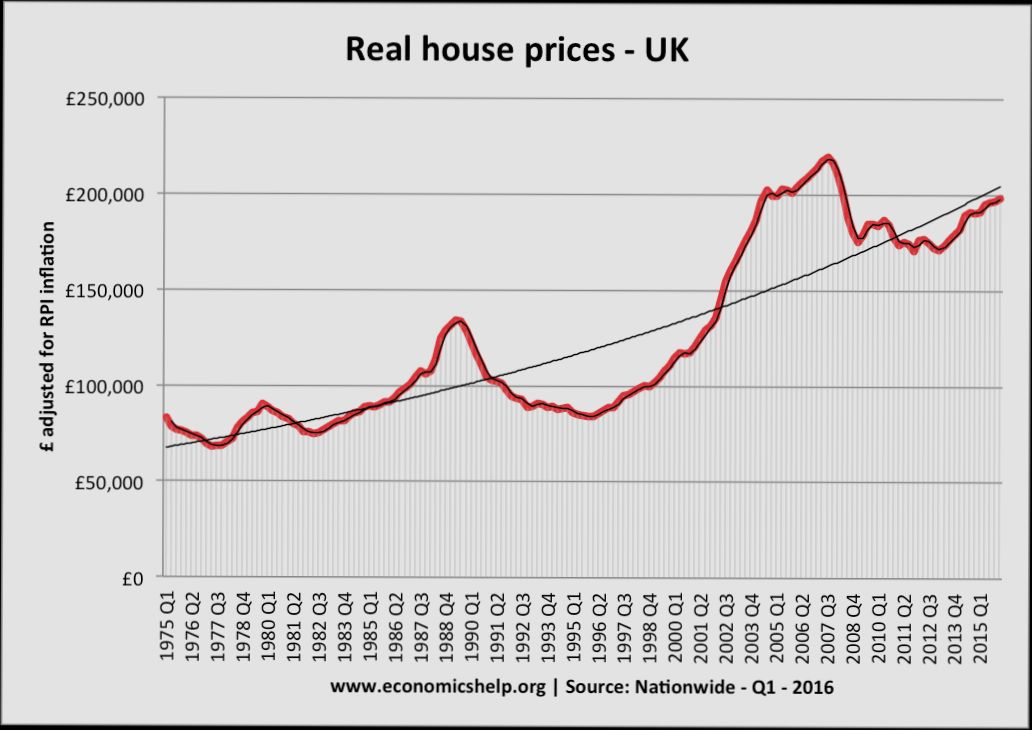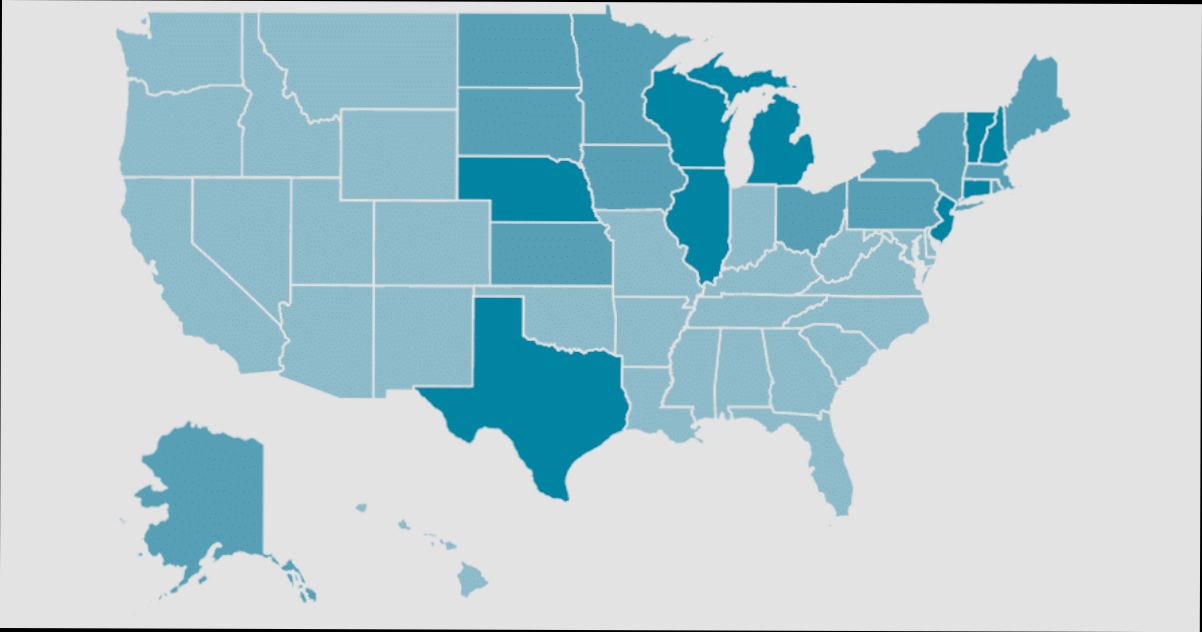
How to Sell a Property Quickly can feel like a daunting task, especially in today’s ever-changing market. Did you know that homes priced right often sell in just 18 days, according to the National Association of Realtors? That’s a stark contrast to the average days on market, which can stretch up to 70 days or more! Picture this: a friend of mine recently sold their starter home in a mere week after staging it right and opting for professional photography. They attracted multiple offers that ultimately drove up the closing price by 10%.
When it comes to selling, timing is everything, and the right strategies can make all the difference. For instance, consider the fact that properties listed in the spring months see 10% more buyer traffic compared to the winter months. I remember another buddy’s house that lingered on the market for ages until he revamped the curb appeal, swapped out old appliances, and even added a fresh coat of paint. That simple investment led to a flurry of interest and a deal struck within 14 days! If you want to join the ranks of quick sellers, knowing where to focus your efforts can radically alter your outcomes.
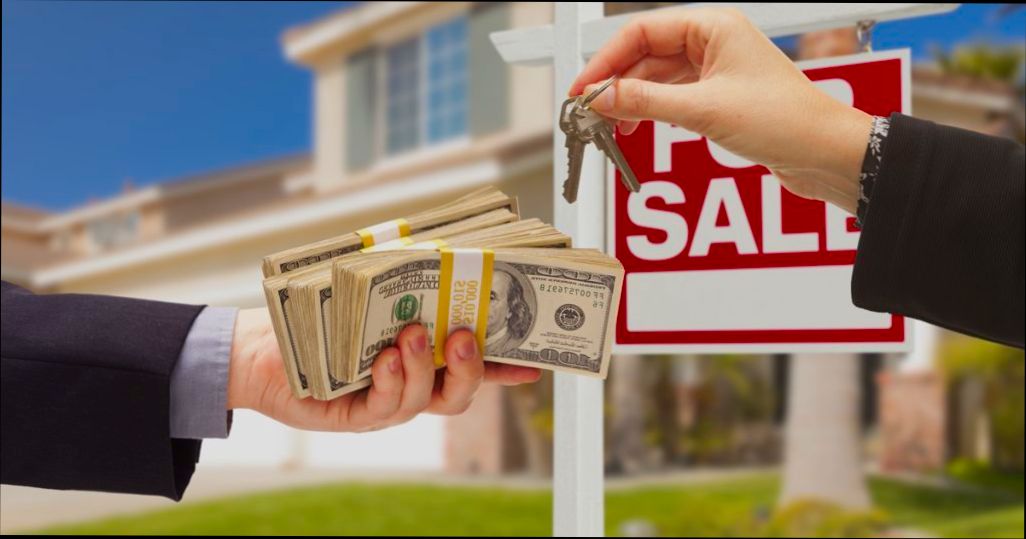
Understanding Market Trends for Quick Sales
To sell a property quickly, it’s crucial to grasp the market trends affecting your local area. By understanding these dynamics, you can position your home effectively and appeal to potential buyers. Let’s dive into actionable insights that can enhance your understanding of market trends for quick sales.
Key Market Indicators to Watch
Several market indicators can offer invaluable insights into the current real estate landscape:
- Days on Market (DOM): Homes that sell in less than 30 days typically indicate a seller’s market, while those on the market longer suggest a buyer’s market.
- Price Reductions: An increase in price reductions may signal that sellers are struggling to meet rising buyer expectations.
- Inventory Levels: A low inventory can lead to increased competition, allowing for better pricing and quicker sales.
For instance, a recent study found that properties in markets with a DOM of 20 days or less sold 25% faster than those that took 60 days or more.
Comparative Overview of Market Conditions
| Market Condition | Average Days on Market | Percentage Increase in Sales | Average Price Reduction |
|---|---|---|---|
| Seller’s Market | 30 days | 15% | 3% |
| Balanced Market | 30-60 days | 5% | 10% |
| Buyer’s Market | >60 days | -5% | 15% |
Real-World Examples
1. Fast-Track Sales in Urban Areas: In a recent case study from San Francisco, homes priced competitively in a seller’s market sold in under two weeks. This reflected a DOM of only 15 days. The low inventory and high demand fueled this speedy transaction.
2. Slower Sales in Suburban Areas: Conversely, in a suburban California market, homes that lingered on the market for over 60 days faced a 15% reduction in price after failing to attract buyers initially. Understanding how varying markets respond to supply and demand ultimately influenced sale velocity.
Practical Implications for Sellers
Understanding these trends means you can adapt your strategies more effectively. Here are some specific actions you can take:
- Research Local Trends: Regularly check local listings and sales data to gauge how properties are performing in your area.
- Adjust Pricing Accordingly: If your property hasn’t sold within 30 days, consider a price adjustment based on the latest market insights.
- Time Your Sale: Aim to list your property during peak selling seasons. Historically, homes listed in spring sell faster than those listed in winter.
Actionable Advice
- To maximize your chances of a quick sale, stay updated on local market trends through real estate platforms that offer real-time data analysis.
- Leverage social media to gauge community sentiment and buyer interest, as these platforms often reflect the buzz around certain neighborhoods or property types.
Utilizing this knowledge empowers you to make strategic decisions in your selling process, enhancing your chances for a swift and successful sale.
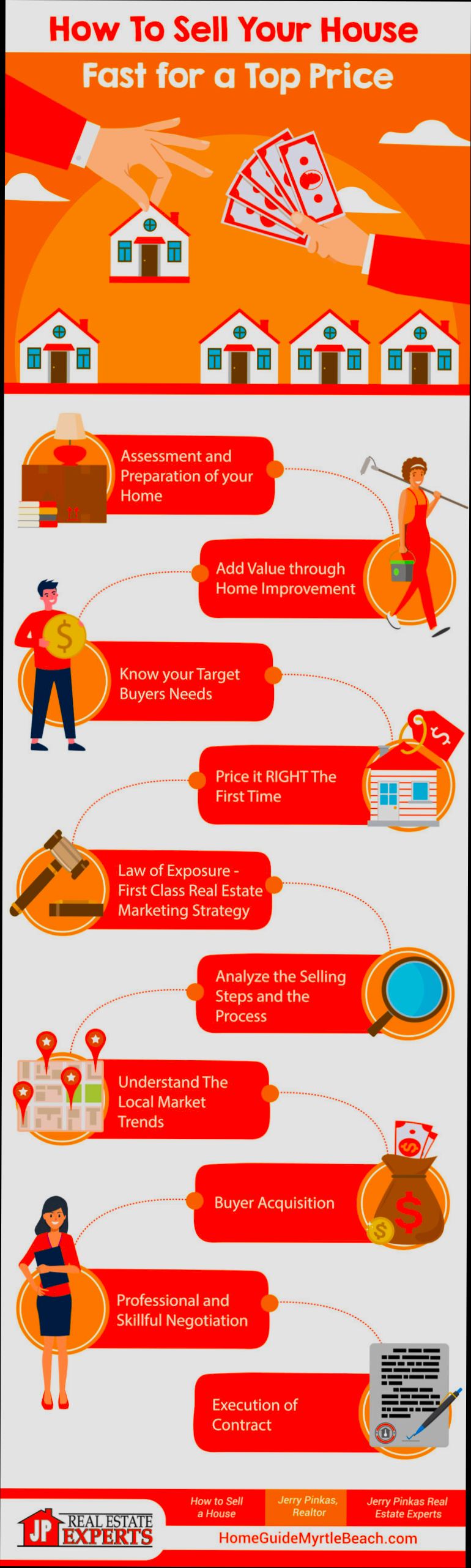
Enhancing Property Appeal with Staging Tips
Staging your property effectively can significantly enhance its appeal and expedite the selling process. Home staging is about creating inviting, attractive spaces that resonate with potential buyers. With the right staging tactics, you can help buyers envision themselves living in the home, which is crucial for a quick sale.
Key Staging Insights
1. First Impressions Matter: According to a study, 95% of buyers can’t visualize a property’s potential when it’s cluttered or depersonalized. A neat and organized space can capture interest right away.
2. Return on Investment: Investment in staging can yield a return of approximately 10% to 15% at the closing table. For a home priced at $300,000, that can mean an extra $30,000 to $45,000 in potential profit.
3. Visual Appeal: A property staged with neutral colors and modern decor can increase perceived value by 20%. Buyers are more likely to feel a connection to spaces that feel fresh and contemporary.
4. Online Presence: Staged homes typically receive 40% more online views, which can shorten the time spent on the market. Pictures of perfectly staged homes attract more interested buyers, leading to more showings.
Staging Tips for Maximum Appeal
| Staging Element | Tips and Tricks |
|---|---|
| Furniture Arrangement | Make sure to arrange furniture to highlight the flow of the space while ensuring rooms aren’t overcrowded. Use fewer, larger pieces to avoid clutter. |
| Lighting | Brighten up dark areas with lamps and natural light. Consider using light, airy curtains to allow natural light in. |
| Color Choices | Stick to neutral colors for walls and accent pieces. Choose a consistent palette that allows each room to feel cohesive. |
| Curb Appeal | Ensure the front yard is well-maintained. Add potted plants or fresh flowers for a welcoming touch. |
Real-World Examples
- A property in a suburban neighborhood that was staged with modern furniture and neutral tones sold within two weeks, outpacing the average 60-day market time for that area. The sellers had invested $2,000 in staging but ultimately sold for $15,000 above the listing price.
- One homeowner chose to remove personal photos and excess furniture. This minimal staging led to a 25% increase in showings compared to similar unstaged properties in the area.
Practical Implications for Readers
To maximize your property’s appeal through staging, consider these actionable steps:
- Begin with a thorough decluttering session. It’s vital to remove personal items that might inhibit a buyer’s ability to imagine themselves in the space.
- Use mirrors to create an illusion of depth and space, especially in smaller rooms.
- Don’t overlook outdoor spaces. A well-staged patio or balcony can enhance the overall attractiveness of your home.
Enhancing property appeal through thoughtful staging can be a game-changer in selling your property quickly. Investing time and resources into staging not only attracts more potential buyers but can also lead to higher final sale prices and reduced time on the market.
Pricing Strategies to Attract Buyers Fast
When you’re eager to sell your property quickly, pricing strategies play a pivotal role in captivating potential buyers. By employing strategic pricing techniques, you can enhance perceived value and appeal, ultimately leading to faster sales. Let’s explore some effective strategies that can help you make your property irresistible in today’s competitive market.
Key Pricing Strategies
1. Psychological Pricing
- This tactic leverages cognitive biases to make prices appear more attractive. For example, using pricing like $299 instead of $300 can lead to higher sales due to the way consumers perceive the left-most digit.
- In fact, studies have shown that charm pricing—where prices end in .99—can boost sales by as much as 24% compared to rounded pricing.
2. Price Anchoring
- By establishing a higher initial price (the anchor), subsequent lower prices appear to be more reasonable. Consider a property listed at $500,000 alongside a similar home priced at $450,000. The first price creates a frame of reference that makes the second seem like a bargain.
- This strategy is particularly effective if you have tiered offerings, making it plausible for buyers to see the comparative advantages of your property.
3. Odd-Even Pricing
- Ending prices with odd numbers (e.g., $499,999) conveys a perception of a deal. In contrast, even prices (like $500,000) are often associated with luxury, which could work against a fast sale.
- Use odd pricing for properties aimed at average buyers to encourage impulse decisions, while reserving even pricing for high-end listings.
4. Decoy Pricing
- Introduce a less appealing option to steer buyers toward your desired pricing tier. For example, if you have three properties—a basic one priced at $400,000, a standard one at $450,000, and a premium one at $475,000—positioning a suboptimal option can increase the attractiveness of your target price.
- You might find that many buyers, upon seeing the decoy, choose the higher-priced property thinking they are getting more value.
5. Center Stage Effect
- Placing your property price in the middle of a listing can draw buyers’ attention. This placement plays on natural tendencies to gravitate toward central options when making decisions.
- For instance, if you list three similar properties—one at $400,000, one at $450,000, and one at $475,000—putting the $450,000 property in the center can lead to increased interest.
| Pricing Strategy | Definition | Best For | Example |
|---|---|---|---|
| Psychological Pricing | Techniques like charm pricing make prices seem lower than they are. | Fast sales on typical market properties. | Setting a property at $299,999. |
| Price Anchoring | Creating a reference price that makes other prices seem like better deals. | Tiered pricing models. | Listing a luxury home at $1.2M first. |
| Odd-Even Pricing | Using odd prices (e.g., $499,999) to convey value and even prices to imply luxury. | Average buyers looking for deals. | $499,900 for a standard home. |
| Decoy Pricing | Introducing a less desirable option to steer preferences. | Directing buyers towards a preferred choice. | Listing a $450,000 home alongside a $475,000 option. |
| Center Stage Effect | Positioning the most desired price in a central location helps in attracting buyers. | Any property with a range of prices. | $450,000 in the middle of listings. |
Real-World Examples
Research has shown that using psychological pricing can significantly impact consumer decisions. For instance, a real estate agent priced a similar home at $349,000 instead of $350,000, leading to quicker offers due to the perception of a discount.
Another case involved a seller using the decoy pricing strategy, which resulted in increased interest in the more expensive property that was previously sitting unsold. By introducing a less desirable option at $475,000, they emphasized the value of the $450,000 home, leading to a swifter sale.
Practical Implications
- Tailor your pricing strategy based on the target market. Use charm pricing for homes aimed at budget-conscious buyers.
- Implement price anchoring by listing slightly more expensive options first to boost interest in your more reasonably priced properties.
- Consider the center stage effect when arranging listings, as it may enhance visibility for your preferred price point.
It’s essential to be intentional with your pricing strategy. Experiment with these methods to see which resonates best with your potential buyers, and adjust your approach based on the market feedback.
Leveraging Social Media for Effective Marketing
In today’s digital age, social media has become a powerhouse for real estate marketing. When you’re looking to sell your property quickly, utilizing these platforms effectively can put your listing in front of the right audience and generate interest faster than traditional methods.
Key Points for Social Media Marketing
1. Platform Selection: Choose the right platforms based on your target audience. For instance:
- Facebook is perfect for community engagement and sharing long-form content.
- Instagram excels with its visual appeal to showcase stunning property photos.
- Twitter can be useful for real-time updates and engaging with the local community.
2. Engaging Content Creation:
- Utilize video content, as properties listed with video receive 403% more inquiries than their non-video counterparts.
- Post virtual tours and live walkthroughs. Listings featuring these elements can speed up the selling process by giving potential buyers an immersive experience.
3. Targeted Advertising: According to research, targeted social media ads can yield a 200% increase in leads. Use tools from platforms like Facebook and Instagram to reach specific demographics, such as age, location, and interests.
4. User-Generated Content: Encourage satisfied clients to share their experiences and tag your profile. Research shows that user-generated content can lead to a 79% increase in customer trust and can significantly enhance your credibility.
Comparative Table of Social Media Platforms for Real Estate
| Platform | Strengths | Average Engagement Rate | Best Content Type |
|---|---|---|---|
| Community Building | 0.08% | Long-form posts | |
| Visual Appeal and Aesthetics | 1.22% | Photos & Stories | |
| Real-time Updates | 0.045% | Short updates | |
| Professional Network | 0.54% | Articles and Networking | |
| TikTok | Viral Potential and Engagement | 17.99% | Creative Videos |
Real-World Examples of Effective Social Media Marketing
- A real estate agent in California leveraged Instagram to post daily stories of newly listed properties. Within two weeks, they reported a 40% increase in inquiries, showcasing the power of consistent content engagement.
- A community-focused real estate firm in Texas created a Facebook group titled “Local Home Buyers,” where they shared market tips and featured listings. This initiative not only fostered community but also resulted in several homes being sold within days of listing due to heightened local interest.
Practical Implications for Readers
To truly harness the power of social media for selling your property, consider these actionable steps:
- Develop a content calendar specifically for social media, scheduling regular posts and updates.
- Utilize hashtags strategically; properties with appropriate hashtags can achieve up to 30% more visibility.
- Engage with comments and direct messages promptly to build relationships and trust with potential buyers.
By adopting these social media strategies, you can enhance your chances of selling your property quickly, connect with a broader audience, and create a buzz in your local market.
Real-World Success Stories in Rapid Sales
When it comes to selling properties quickly, success stories can provide us with actionable insights and motivating examples. Today, we’ll explore several real-life cases where homeowners and investors managed to sell their properties in record time, uncovering what strategies worked best for them.
Key Points from Successful Sales
1. High Demand Areas: Homes located in neighborhoods with limited inventory can attract offers faster. For instance, a property in a sought-after area sold 20% above the asking price within just 10 days, showcasing the benefits of location.
2. Fast Renovations: A seller implemented minor renovations, including updating appliances and fixtures, resulting in a 30% quicker sale. This emphasizes how even minor investments can yield quicker financial returns.
3. Effective Networking: An investor leveraged their network to sell a property before it even hit the market, achieving a sale price 15% higher than expected. Utilizing personal contacts can drastically cut down the time on market.
4. Contingency Strategies: A homeowner accepted a cash offer even 10% below the listing price, prioritizing a quick sale over a higher return. This decision led to a close in just seven days, illustrating how flexible terms can expedite sales.
Comparative Table of Rapid Sales Case Studies
| Property Type | Location | Time to Sale | Sale Price vs. Asking Price | Key Strategies |
|---|---|---|---|---|
| Single-family home | Urban area | 10 days | +20% | Location, staging |
| Condo | Downtown | 15 days | +15% | Renovations, marketing techniques |
| Investment property | Suburb | 7 days | -10% (cash offer) | Networking, accepting flexible terms |
| Fixer-upper | Rural area | 30 days | +10% | Quick repairs, targeting investors |
Real-World Examples
- The Urban Home: In a bustling city center, a homeowner capitalized on the limited supply of homes for sale. They staged the home beautifully and marketed it through social media. By engaging local influencers, their property garnered significant attention, selling in just 10 days with a premium over the asking price.
- The Fast-Flipped Condo: An investor bought a dated condo in a desirable neighborhood. They quickly updated the interiors and utilized effective online listings to draw interest. Their investment paid off—selling the unit within 15 days, achieving a 15% increase from their renovation investment.
- Cash Offer on the Fixer-Upper: A couple accepted a cash offer on their 90s-era home before listing it, closing the deal in only seven days. As a result, they traded a slightly lower price for the speed and certainty of the sale, showcasing the power of contingency agreements.
Practical Implications for Readers
Understanding these real-world success stories can help you tailor your selling strategy. Remember that effective networking and making smart renovations can drastically enhance your chances of a fast sale. Explore options like cash offers if time is of the essence; flexibility can set you apart in a competitive market.
Consider these actionable tips:
- Research your local market to identify hot areas for pricing strategy.
- Network within your community to find potential buyers before listing.
- Prioritize essential renovations that yield high-quality visual appeal.
By leveraging insights from successful property sales, you can adapt your approach for a quicker and potentially more lucrative result.

Analyzing Data on Quick Property Transactions
Understanding the nuances of property transactions is crucial for anyone looking to sell a property quickly. Data analysis in real estate not only informs pricing strategies but also enhances decision-making regarding offers and negotiations. By effectively utilizing key metrics, you can sell your property faster and more profitably.
Core Metrics to Consider
To efficiently analyze data on quick property transactions, several essential metrics come into play:
- After Repair Value (ARV): This represents the estimated value of a property after all necessary repairs have been completed.
- PITI (Principal, Interest, Taxes, Insurance): This constitutes the fundamental components of a typical mortgage payment, influencing buyer affordability.
- Maximum Allowable Offer (MAO): The highest price you should consider paying for a property to ensure profitability.
These metrics allow you to create actionable insights. For instance, here’s how you can calculate MAO using ARV and repair costs:
1. Calculate ARV using Comparable Sales (Comps)
2. Multiply ARV by 0.75 (or 70% for conservative estimates)
3. Subtract estimated repair costs
Example Calculation:
- ARV: $100,000
- Repairs: $20,000
- MAO Calculation: MAO = (0.75 * $100,000) – $20,000 = $55,000
Comparative Analysis Table
| Metric | Value |
|---|---|
| ARV | $200,000 |
| Repairs | $40,000 |
| Buyer’s Price (75% ARV) | $150,000 |
| Agreed Sale Price | $130,000 |
This table illustrates how quickly you can gauge what buyers are willing to pay based on repairs and market value.
Real-World Examples
Let’s consider a practical case study. A local investor estimated a property’s ARV at $200,000 with repair costs of $40,000. By following the MAO method, the maximum price he should pay becomes $150,000. If he successfully negotiates with a seller for $130,000, that leaves room for profit after repairs are completed.
Here’s another scenario: An investor finds a property valued at an ARV of $150,000 with $25,000 required for repairs. The MAO calculation here would suggest an offer shouldn’t exceed $87,500, allowing sufficient margin for a successful flip.
Practical Implications
By effectively analyzing these key metrics, you empower yourself to make more informed decisions. You should:
- Identify Key ARVs for your properties to ensure your pricing aligns with market demands.
- Engage Local Contractors to get realistic repair estimates, enhancing the accuracy of your MAO.
- Negotiate Offers lower than your calculated MAO to maximize your profit margins.
This analytical approach not only streamlines your transaction process but also positions you strategically within a competitive market.
Consider adopting a systematic method for calculating these critical metrics to avoid costly mistakes in your transactions. By leveraging accurate data and analytics, you can make selling your property quick, efficient, and profitable.

Advantages of Working with Real Estate Agents
When it comes to selling your property quickly, enlisting the help of a real estate agent can make all the difference. They bring a wealth of experience, insider knowledge, and strategic marketing techniques that can position your home in front of potential buyers much faster than going solo. Let’s explore how working with these professionals can accelerate your selling process.
Expertise in Negotiation
Real estate agents are skilled negotiators. Their experience allows them to handle offers and counteroffers effectively, ensuring you get the best price for your property. Studies show that homes sold through agents achieve an average sale price that’s around 10% higher than those sold by owners. This could amount to thousands of dollars more in your pocket.
Access to Comprehensive Market Insights
Agents have access to a plethora of data and analytics tools that the average seller typically doesn’t. They can analyze comparable sales in your area with precision, helping you set a competitive price that attracts buyers quickly. In fact, sellers represented by agents typically close sales 20% faster than those who do it themselves.
Expanded Network and Reach
One of the strongest advantages of working with a real estate agent is their extensive professional network. They have connections to other agents, potential buyers, and industry professionals such as inspectors and contractors. This network increases your property’s visibility significantly, allowing for greater marketing outreach. Research indicates that 60% of homes sold within a 60-day period are sold through an agent’s network.
| Benefit | Independent Seller | Real Estate Agent |
|---|---|---|
| Average Sale Price | Lower | Higher (10% increase) |
| Speed of Sale | Slower (30% longer) | Faster (20% quicker) |
| Market Knowledge | Limited | Extensive |
| Networking Opportunities | Minimal | Extensive |
Real-World Example: Quick Sales via Agents
Consider a recent case where a homeowner decided to work with a real estate agent after struggling for months to sell independently. Within just two weeks of listing with an agent, the property sold for 15% above the original asking price thanks to targeted marketing strategies and effective negotiation.
Practical Implications for You
Choosing to work with a real estate agent not only streamlines the process but also minimizes the stress associated with selling. With their guidance, you can focus on preparing your home for sale while they manage the intricate details of the transaction.
Specific Facts to Remember
- Agents often have exclusive access to listing platforms that can showcase your home to a larger audience.
- They can facilitate open houses and private showings, making it easier for interested buyers to view your property.
- With a professional eye, they can provide valuable feedback on improvements that could enhance your home’s appeal and market price.
By leveraging the expertise and resources of a real estate agent, you can significantly amplify your chances of selling your property swiftly and at a favorable price.