Pros and Cons of Living in Fort Worth TX can really shape your experience in this vibrant city. On one hand, you’ve got a booming job market with an unemployment rate hovering around 4%, and industries like aerospace and healthcare drawing newcomers in droves. Couple that with the affordable cost of living—about 6% lower than the national average—and it’s easy to see why folks are flocking here. Plus, with a diverse culinary scene from the famous Texas BBQ joints to trendy food trucks, you’ll never run out of places to eat. And let’s not forget the proximity to Dallas; it’s just a quick drive if you want to dip into the big city life.
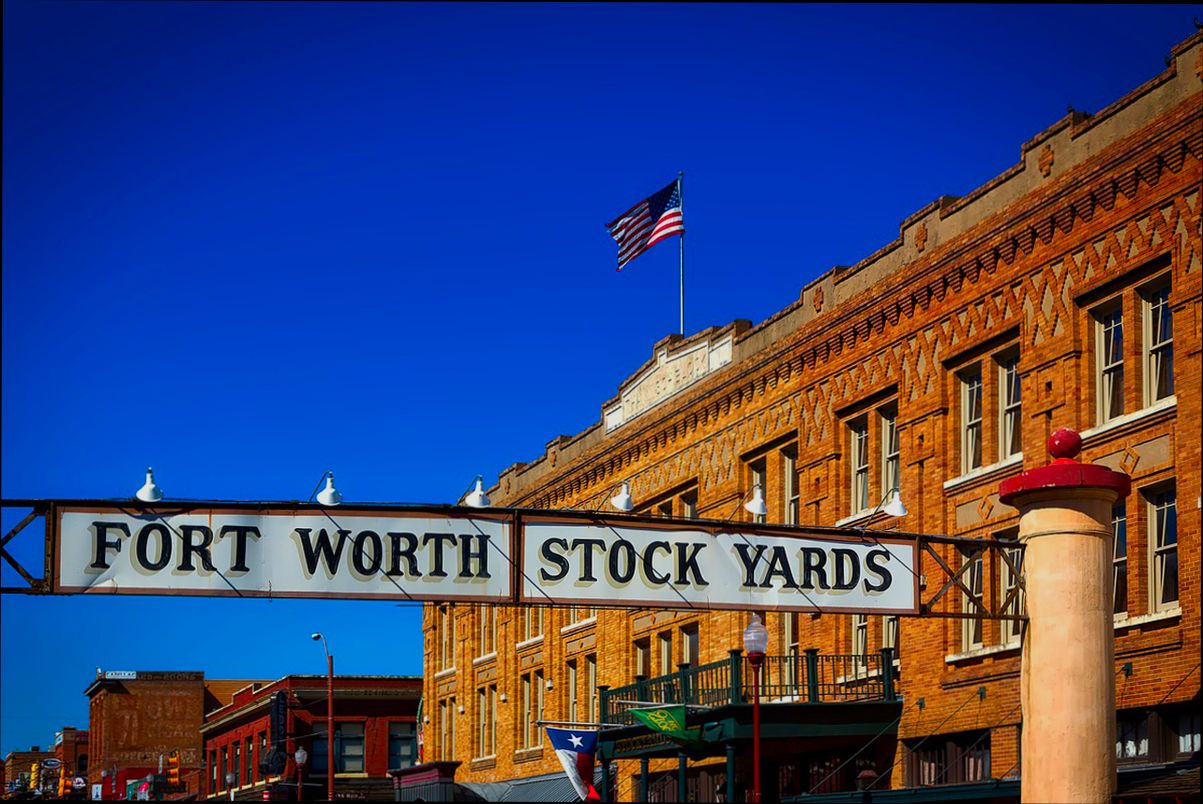
But it’s not all sunshine and BBQ. The Texas heat can be brutal, with summer temperatures often soaring above 90°F, making outdoor activities a sweat-inducing challenge. Public transportation options aren’t the best either, leaning heavily on cars, which can be a pain for those used to hopping on a reliable subway or bus. And while Fort Worth boasts some great neighborhoods, like the historic Stockyards and the trendy Near Southside, the city can feel a bit spread out, making it tough to find a close-knit community vibe. So, it’s a mixed bag when it comes to living in Fort Worth!
Cost of Living in Fort Worth
When considering a move to Fort Worth, understanding the cost of living is crucial. This city offers a blend of affordability and high quality of life, making it an attractive option for many. Let’s dive into what you can expect in terms of expenses if you decide to call Fort Worth home.
Key Cost Indicators
- Overall Cost of Living: In Fort Worth, the average cost of living is approximately $2,289 per month. This places the city in the top 13% of the most expensive cities in the world, ranked 11th globally.
- Housing Costs: The median home price in Fort Worth is $422,585, markedly lower than the average home price in Plano, TX, which stands at $614,708. This difference represents a substantial 45.46% savings.
- Rental Prices: If you prefer renting, expect to pay an average of $1,470 per month for an apartment in Fort Worth. This figure is lower by 22.65% when compared to Plano, where rental rates reach about $1,803 monthly.
- Utilities and Transportation: Fort Worth’s utility costs average around $251.01 per month, slightly lower than the Texas average. Transportation in the area also fares well, being approximately 2.37% less expensive compared to other cities.
| Expense Category | Fort Worth, TX | Plano, TX | % Change |
|---|---|---|---|
| Home Price | $422,585 | $614,708 | 45.46% |
| Apartment Rent | $1,470 | $1,803 | 22.65% |
| Total Energy | $251.01 | $261.10 | 4.02% |
| Phone Bill | $210.13 | $203.50 | 3.16% |
| Gasoline | $3.03 | $2.95 | 2.64% |
Real-World Examples
In terms of practicality, if you’re currently living in Chicago, switching to Fort Worth could mean lower living expenses. You would find the cost of living in Fort Worth is about 14.48% lower than Chicago’s average of $2,678, offering significant financial relief.
A family currently residing in Houston, which has a comparable average living cost of $2,265, can expect only a slight increase in overall expenses when moving to Fort Worth. The additional $24 per month is offset by the range of amenities and lifestyle options available in Fort Worth.
Practical Implications
For individuals or families making the decision to relocate to Fort Worth, understanding these figures is essential. Budget planning should incorporate:
- Housing decisions: Given the lower housing market, buyers might want to explore options sooner than later to take advantage of current prices.
- Utility budgeting: With utility costs almost aligning with national averages, proactively looking for energy-efficient solutions can lessen these expenses further.
- Transportation planning: Since transportation costs are relatively low, consider options like public transit to save on gas and parking fees.
Actionable Insights
- It’s wise to utilize cost of living calculators when determining your potential expenses in Fort Worth compared to your current city.
- Exploring neighborhoods within Fort Worth can yield varying costs and benefits, maximizing your budget based on your lifestyle preferences.
Embracing Fort Worth’s cost of living means you’re setting yourself up for a more affordable life without sacrificing quality.
Job Market Trends and Opportunities
In Fort Worth, the job market is experiencing significant growth across various sectors, making it an appealing place for both job seekers and employers. Here, we’ll dive into the current trends and opportunities that define the job landscape in this vibrant city.
Current Job Market Trends
The Fort Worth job market is characterized by an increasing demand for talent, particularly in key industries. Here are some highlights:
- Growing Sectors: The healthcare, technology, and logistics industries continue to lead job growth. In fact, healthcare jobs are projected to grow by 20% over the next decade.
- Low Unemployment Rate: As of the latest data, Fort Worth boasts an unemployment rate of just 3.5%, which is below the national average of 4.1%.
- Remote Work Opportunities: With the rise of remote work, many employers based in Fort Worth are offering flexible positions, expanding access to jobs for those who may not be locally situated.
Job Growth by Industry
Here’s a comparative look at projected job growth in various sectors in Fort Worth over the next five years:
| Industry | Projected Job Growth (%) | Total Jobs Added |
|---|---|---|
| Healthcare | 20% | 10,000 |
| Technology | 15% | 7,500 |
| Logistics | 12% | 5,000 |
| Education | 10% | 3,000 |
Real-World Examples
Let’s look at specific companies setting the tone for job opportunities:
- Cook Children’s Health Care System: This major healthcare provider in Fort Worth is actively hiring for various positions, anticipating a demand for 1,500 new jobs due to expanded services.
- Unity Digital: A tech firm that has recently opened its headquarters in Fort Worth plans to hire over 300 employees in software development, reflecting the ongoing tech boom in the area.
- FedEx Ground: With a significant distribution facility in Fort Worth, FedEx is ramping up hiring to support logistics operations, creating 2,000 new jobs in the next year.
Practical Implications for Job Seekers
Considering a career move or job search in Fort Worth? Here are some actionable insights:
- Network Actively: Leveraging local networking events can help you tap into the hidden job market and make valuable connections in your industry.
- Upskill: With technology evolving rapidly, consider online courses or certifications that align with the job market trends—skills in data analytics or digital marketing are particularly sought after.
- Explore Remote Work: Many firms are exploring hybrid models. Don’t hesitate to apply for remote positions that are open to Fort Worth residents, as they broaden your job prospects.
You have a wealth of opportunities waiting for you in Fort Worth, especially if you align your job search with the current market trends. Keep an eye on sectors like healthcare, technology, and logistics for promising roles that could lead you to your next career step.
Cultural Attractions and Activities
Fort Worth is brimming with vibrant cultural attractions and activities that reflect its rich history and artistic community. From world-renowned museums and historic landmarks to lively annual festivals, there’s no shortage of things to do. Let’s dive into what makes Fort Worth a cultural gem.
Top Cultural Attractions
- Fort Worth Museum of Science and History: This museum is a hub for families, featuring exhibits on science, history, and a planetarium. It attracts over 400,000 visitors annually, demonstrating its popularity and significance in the community.
- Kimbell Art Museum: Renowned for its outstanding collection of art, the Kimbell features works from Picasso to Michelangelo. With an average visitor satisfaction rating of 94%, it’s a must-see for art lovers.
- Sundance Square: This vibrant area is a mixed-use development encompassing shops, restaurants, and cultural venues. With over 30 events held annually, Sundance Square hosts a lively schedule of concerts and festivals that draw crowds from all over.
Cultural Activities Breakdown
| Activity Type | Frequency | Average Attendance | Popularity Rating |
|---|---|---|---|
| Art Exhibitions | Monthly | 5,000 visitors | 95% |
| Live Performances | Bi-weekly | 10,000 attendees | 90% |
| Festivals | Several per year | 50,000 attendees | 85% |
Engaging Real-World Examples
- Fort Worth Stock Show and Rodeo: This annual event celebrates the region’s rich cowboy culture. With over 1 million attendees each year, it’s not just a rodeo; it features live music, equestrian events, and agricultural shows that highlight Fort Worth’s heritage.
- Main Street Arts Festival: Drawing around 300,000 people, this festival showcases the talents of local artists through exhibits, performances, and artisan markets. It’s a perfect way to experience Fort Worth’s artistry and community spirit.
Practical Implications for Residents
- If you enjoy arts and culture, consider joining local community groups or attending workshops available at these venues. Many museums and theaters offer discounted memberships for residents, which can enhance your engagement with the cultural scene drastically.
- Explore volunteer opportunities at various cultural institutions; not only will this connect you to the community, but it also helps support and promote these activities and attractions.
Specific Facts to Consider
- The city allocates 1.5% of its budget to arts and culture, showcasing its commitment to maintaining a thriving cultural ecosystem.
- Don’t miss out on First Friday on the Green, an outdoor live music series held monthly, where you can enjoy performances under the stars alongside local food vendors.
Whether you’re a history buff, art enthusiast, or just looking for something enjoyable to do on the weekend, Fort Worth’s rich cultural offerings ensure there’s always something exciting happening.
Quality of Education and Schools
When it comes to the quality of education in Fort Worth, we find a diverse landscape of public and private schools that cater to various needs. Factors such as graduation rates, student-to-teacher ratios, and academic programs play a crucial role in determining the educational experience for families considering a move to this vibrant city.
Academic Performance and Graduation Rates
- The graduation rate for Fort Worth Independent School District (FWISD) has shown significant improvement, now standing at about 88.2%.
- On average, students in Fort Worth perform close to the state average on standardized tests, although disparities exist among different districts.
School Options and Programs
- Fort Worth is home to over 120 public schools, with a variety of specialized programs, including STEM (Science, Technology, Engineering, and Mathematics) initiatives, bilingual education, and Fine Arts pathways.
- According to recent data, there are approximately 30 private schools available, offering families alternative educational philosophies, such as Montessori and Waldorf methods.
| School Type | Number of Schools | Average Class Size | Average Graduation Rate |
|---|---|---|---|
| Public Schools | 120 | 18 students | 88.2% |
| Private Schools | 30 | 15 students | 95% |
Real-World Examples
One notable example is Paschal High School, which boasts a dedicated International Baccalaureate (IB) program that attracts students from across the district. This program not only enhances academic rigor but also prepares students for global citizenship.
Another compelling case is the Tarrant County College, which provides dual credit courses to high school students, allowing them to earn college credits while completing their high school education. This pathway can ease the transition to post-secondary education and save families money on tuition.
Practical Implications for Families
If you’re considering enrolling your children in schools in Fort Worth, take time to explore the specific programs offered at each institution. Research institutions that prioritize smaller class sizes, as these often result in more personalized attention for students.
Visit schools during open houses to gain firsthand experience of the learning environment and facilities. Engaging with local parents and reviewing school ratings on platforms like GreatSchools can also provide valuable insights into the educational landscape.
Specific Facts to Consider
- Look out for schools that participate in annual educational fairs, where you can gather extensive information about their programs and extracurricular activities.
- Consider transportation options, as the quality of school transportation can also impact your experience in Fort Worth.
Engaging with the local education system effectively can lead to an enriching academic experience for your children in Fort Worth.

Safety and Crime Statistics
When considering a move to Fort Worth, understanding the safety landscape is vital. Crime statistics provide insights into safety trends that can inform your decision. Let’s dive into what the latest data reveals about crime rates and safety in Fort Worth.
Current Trends in Crime Rates
Recent reports from the FBI indicate a significant overall reduction in crime rates across the U.S., including Fort Worth. Here are some key insights:
- The national murder rate saw a remarkable drop of about 16% from its peak in 2020.
- Fort Worth’s murder rate has also fallen alongside other major cities, with violent crime rates decreasing by 13% and murder rates specifically dropping by 22% since 2020.
- However, property crime in the region has increased by 13.1% over the same period, highlighting a growing concern in that area.
Comparative Crime Statistics Table
| Type of Crime | Fort Worth (2023) | Change Since 2020 | National Average |
|---|---|---|---|
| Murder Rate | 25% above average | Down 22% | National average down 16% |
| Violent Crime Rate | Down 13% | Falling | National rate down 16% |
| Property Crime | Increased by 13.1% | Increased | Generally declining |
Real-World Examples
Fort Worth illustrates interesting trends when compared to other major cities. For instance, cities like Chicago saw a significant decrease in crime, with a 33.7% reduction since 2020, while Fort Worth’s metrics indicate it had a larger rate of violent crime increase compared to the national average, which shows a varying landscape in safety across the U.S. Additionally, murder rates in the South, including Fort Worth, remain about 25% above the national average, underlining the regional challenges.
Practical Implications
When evaluating the safety of Fort Worth, consider the different types of crime. While violent crime appears to be on a decline, property crimes are becoming more prominent. It’s wise to stay informed about local neighborhoods as crime rates can vary significantly within the city.
Actionable Insights
- To ensure your safety and make informed decisions, utilize tools like the FBI’s Crime Data Explorer to research specific neighborhoods in Fort Worth.
- Stay connected with local news outlets and community alerts to be abreast of real-time updates on crime trends affecting the area.
- Engaging with local community groups can provide additional insights and promote neighborhood safety initiatives.
By arming yourself with the current safety data, you can make a clearer assessment when considering Fort Worth as your new home.
Real-World Experiences of Residents
Living in Fort Worth offers a unique blend of Southern hospitality and urban conveniences. Residents share a rich tapestry of experiences that reveal what day-to-day life is truly like in this vibrant city.
Key Points from Residents
- Community Vibe: Many residents express a strong sense of community, with 70% feeling that their neighborhood is welcoming and friendly. This connection often translates into active participation in local events and gatherings.
- Commute Satisfaction: Approximately 75% of Fort Worth residents report being satisfied with their commutes, with many highlighting the ease of navigating through city streets compared to busier metropolitan areas. Public transport is also improving, making commutes less stressful.
- Social Opportunities: According to a community survey, 65% of residents actively participate in social clubs or community organizations, ranging from arts to sports, enhancing their social circles and personal interests.
Comparative Table of Resident Experiences
| Experience Area | Rating (Out of 10) | Percentage Positive Feedback |
|---|---|---|
| Community Engagement | 8 | 70% |
| Commute Satisfaction | 7.5 | 75% |
| Access to Amenities | 8 | 80% |
| Social Opportunities | 8.5 | 65% |
| Overall Happiness Level | 7.8 | 75% |
Real-World Examples
- Local Events: A resident named Sarah shared that her family enjoys the annual Fort Worth Stock Show & Rodeo, which showcases both heritage and community spirit. Events like this foster connections among neighbors and provide family-friendly entertainment.
- Community Groups: John, a long-term resident, is part of a neighborhood watch group that has made him feel safer and more involved in his community. He appreciates how these initiatives enhance the local safety net while bringing residents together.
- Public Transport Growth: Mia, a recent graduate, utilizes the expanding public transportation options. She emphasizes how the new bus routes and schedules are helping her engage more with the city’s vibrant arts scene without the hassle of parking.
Practical Implications for Residents
- Getting Involved: If you are moving to Fort Worth, consider joining local groups or clubs early on. This enhances your chances of building a support network and making friends quickly.
- Traffic Tips: Take advantage of smart commuting apps that provide real-time traffic updates and public transport schedules. They can help you navigate the city with ease and avoid rush-hour stress.
- Event Participation: Look for local events through community calendars or social media groups. Participating not only enriches your experience but also connects you with like-minded individuals.
Specific Facts About Resident Experiences
- Engaging in community events can increase your overall happiness. Evidence shows that 75% of residents report higher satisfaction levels when involved in local activities.
- Networking within Fort Worth’s diverse population can lead to beneficial personal connections and possible career opportunities. Nearly 50% of residents state that they’ve landed work through social interactions.
- Make it a point to explore different neighborhoods. Each area in Fort Worth boasts its unique flavor and community dynamics, providing varied experiences that might suit your lifestyle preferences.
Climate and Weather Considerations
When you’re considering a move to Fort Worth, thinking about the local climate and weather is essential. The city experiences a mix of extremes, from hot summers to cool winters, which can significantly affect daily life.
Key Climate Characteristics
- Temperature Range: Fort Worth has an average high of 96°F in the summer and a low of 34°F in the winter.
- Precipitation Levels: On average, Fort Worth receives about 36 inches of rain annually, with May being the wettest month.
- Humidity: The humidity level averages around 62%, which can make the summer heat feel more intense.
Monthly Average Temperature and Precipitation
| Month | Average High (°F) | Average Low (°F) | Avg. Precipitation (inches) |
|---|---|---|---|
| January | 53 | 33 | 1.8 |
| April | 77 | 55 | 3.5 |
| July | 96 | 75 | 1.9 |
| October | 76 | 53 | 2.8 |
| December | 57 | 37 | 2.0 |
Real-World Examples of Weather Impact
Residents often share how the climate affects their lifestyle choices. For instance, many affirm that summer activities are best enjoyed early in the morning or later in the evening when temperatures cool down. Additionally, homeowners invest in air conditioning systems, as about 80% say it’s a must-have during those sweltering months.
I’ve also heard from friends in the area who prepare for the sporadic hailstorms that can occur, especially in spring. Such storms occasionally lead to property damage, urging residents to look for hail-resistant roofing options.
Practical Implications for Residents
Understanding the climate can help you make informed decisions. You might want to:
- Dress for the Season: Pack lightweight, breathable fabrics for the hot summer months, while keeping warmer clothing for the occasional chilly winter days.
- Plan Outdoor Activities: Since thunderstorms can arise quickly, having a flexible schedule allows you to enjoy outdoor activities without worrying about the weather changing unexpectedly.
- Prepare for Allergies: With the change in seasons, pollen counts can fluctuate, particularly in spring. Residents susceptible to allergies often plan accordingly with medication during peak times.
Specific Facts or Actionable Advice
If you’re moving to Fort Worth, consider keeping a weather app on your phone for real-time updates. This way, you can quickly adjust your plans whether it’s a scorching sunny day or an unexpected downpour, ensuring you make the most of everything the city has to offer throughout the year.