Pros and Cons of Living in Boston MA can feel like a mixed bag, and whether you love it or loathe it often hinges on what you’re looking for in a city. On one hand, Boston boasts a rich history that’s literally around every corner; walking the Freedom Trail feels like stepping back in time, and you can soak in the vibes of prestigious institutions like Harvard and MIT, which keep the city lively with students and innovation. The job market is pretty robust too, especially in sectors like healthcare and education, with unemployment rates hanging around a low 2.8% as of 2023. With all the hustle and bustle, there’s never a dull moment!
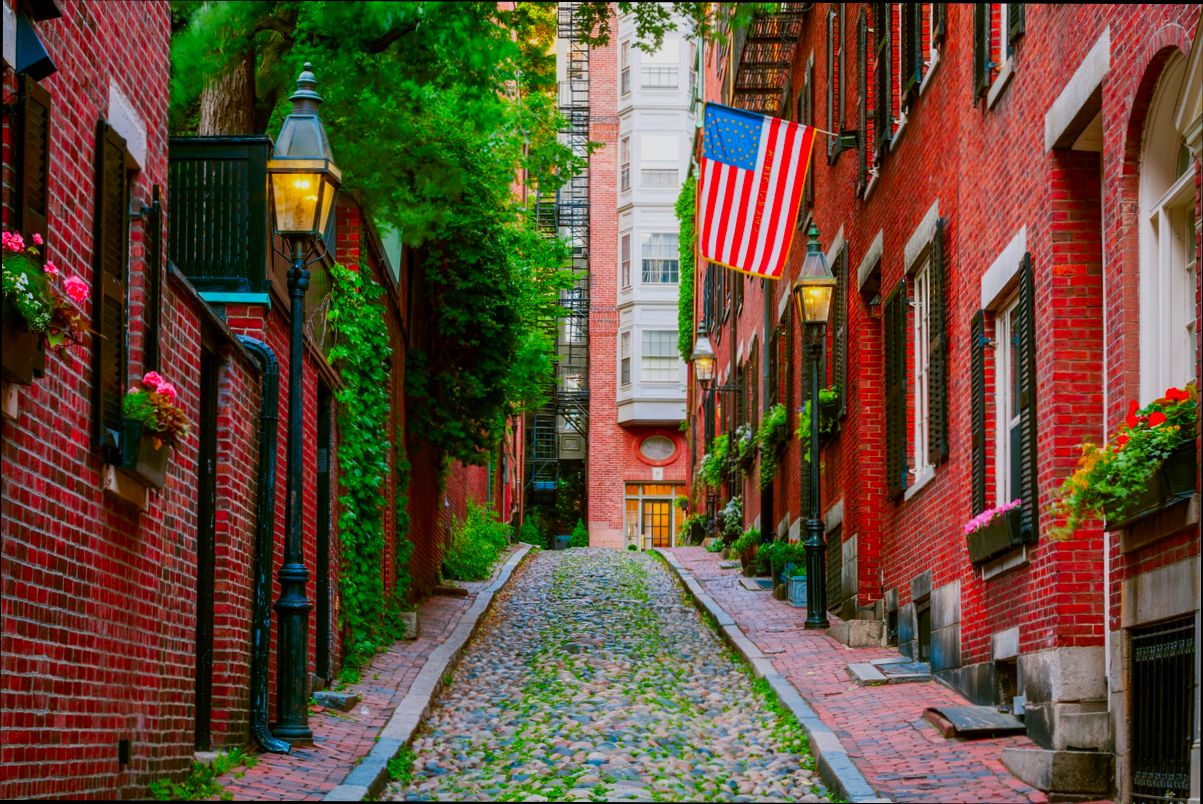
On the flip side, living in Boston can be pricey. The average rent for a one-bedroom apartment in trendy neighborhoods like Beacon Hill or Back Bay can easily hit $3,000 a month, and don’t get me started on the food costs—groceries can feel like a small fortune. Plus, the infamous Boston traffic and parking struggles can quickly turn your commute into an all-day affair. And let’s not overlook the weather; that bitter New England winter can be a true test of patience and warmth-seeking strategies!
Cost of Living Analysis in Boston
Living in Boston can be enticing, but understanding the cost of living is crucial for making informed decisions. Let’s dive into the specifics of what you can expect to pay in this vibrant city, touching on housing, transportation, groceries, and more.
Housing Costs
Housing expenses are one of the most significant components of Boston’s cost of living.
- The average rent for a one-bedroom apartment in downtown Boston can reach approximately $3,500 monthly.
- According to recent data, home prices in Boston have soared to an average of $700,000, making it essential for potential buyers to be prepared for a competitive market.
Transportation Expenses
Transportation also plays a role in your budget. Here’s what you need to know:
- Boston’s public transportation system, the MBTA, has a monthly pass that costs around $90, which can help save on commuting costs.
- If you prefer driving, keep in mind that gas prices in Boston hover around $3.50 per gallon, which might be higher than the national average.
Grocery and Dining Costs
When it comes to daily expenses like groceries and dining, Boston ranks higher than many other U.S. cities.
- Average grocery prices can be about 15% higher than the national average. For example, a gallon of milk costs roughly $4.00 and a loaf of bread might run you around $3.50.
- Dining out is another area where you’ll feel the pinch. A meal at a mid-range restaurant will typically set you back about $20 per person.
| Expense Category | Boston Average Price | National Average Price | Difference |
|---|---|---|---|
| One-bedroom Rent | $3,500 | $1,900 | +84% |
| Public Transport Pass | $90 | $75 | +20% |
| Grocery (milk) | $4.00 | $3.40 | +18% |
| Restaurant Meal | $20 | $15 | +33% |
Real-World Examples
Let’s look at a few real-world residential situations. A recent study showed that a young professional working in the tech sector in Boston earns about $80,000 annually. After taxes and essential living expenses, they find themselves spending about 45% of their income just on housing and transportation alone.
On the flip side, a family of four living in the suburbs of Boston typically spends around $10,000 a year on groceries, reflecting the city’s high food prices.
Practical Implications
When adjusting your budget for living in Boston, consider the following:
1. Factor in higher housing expenses when assessing salary offers or planning a move.
2. Explore nearby areas like Quincy or Cambridge for more affordable housing options while still enjoying access to the city.
3. Be prepared for extra transportation costs, whether you plan to use public transport or drive.
Actionable Insights
To better manage your budget while living in Boston, I recommend:
- Researching neighborhoods more thoroughly to find the best cost-to-amenity balance.
- Utilizing grocery apps to find deals and discounts on food.
- Considering carpooling or public transport to alleviate some commuting costs.
By understanding the financial landscape of living in Boston, you can navigate its unique challenges and make your experience as enjoyable as possible.
Education Opportunities and Challenges
Boston is a hub of education, known for its impressive array of schools and colleges, but this vibrant education landscape comes with its own set of opportunities and challenges. Whether you’re a parent looking at schools for your child or a student considering your options, understanding these dimensions is key to making informed decisions.
Education Opportunities
Boston boasts a remarkable educational ecosystem with over 35 colleges and universities within the city limits. This creates an environment rich in academic resources. Here are some key benefits:
- Diversity of Programs: From the prestigious Harvard and MIT to state schools like UMass Boston, you can find programs in nearly any field of study.
- Research Opportunities: Many institutions offer unique research initiatives. For example, Boston University is recognized for its extensive research funding, amounting to over $500 million annually.
- Cultural Learning: With numerous museums and historical sites, students in Boston enjoy experiential learning opportunities right outside their classroom doors.
Educational Challenges
While the opportunities are plentiful, challenges also loom large, affecting both families and students. Here are some noteworthy obstacles:
- Public School Funding: Boston’s public schools face funding challenges, with about 30% of students not meeting proficiency standards in key subjects like math and reading. This disparity can impact educational quality and equity.
- Admissions Competition: The competition for elite schools is fierce, often putting immense pressure on students and families. For example, more than 5,000 applications were submitted for just 250 spots in Boston’s top charter schools last year.
- Cost of Higher Education: While there are high-quality institutions, the associated tuition can be daunting. The average tuition for public colleges in Massachusetts is approximately $14,000, while private institutions can exceed $55,000 annually.
| Education Type | Average Annual Cost | Competitiveness | Main Challenge |
|---|---|---|---|
| Public High School | Free | Moderate | Funding and performance disparities |
| Private High School | $30,000 | High | Affordability |
| Public College | $14,000 | Moderate | Rising tuition costs |
| Private College | $55,000 | Extremely High | Student debt after graduation |
Real-World Examples
For instance, the Boston Public Schools’ commitment to improving educational outcomes is evident in their push for advanced placement courses, yet access remains uneven, with some neighborhoods struggling more than others. Additionally, programs like College Bound offer targeted support to underprivileged high school students, preparing them for college—highlighting the city’s effort to bridge gaps in education.
Practical Implications
As a resident or prospective resident of Boston, consider the following:
- Research the local school district performance and available resources.
- Explore financial aid options, scholarships, and grants if you’re looking at higher education.
- Engage with community organizations that focus on educational equity, like the Boston Foundation, which aims to improve education outcomes across all neighborhoods.
Specific Facts to Keep in Mind
- Over 50% of Boston’s college students come from outside Massachusetts, showing its allure as an educational destination.
- Aim to connect with local educational resources and mentoring programs that can support your academic path.
- Utilize tools like GreatSchools.org to better understand public schools’ performances before making a move.
Navigating Boston’s Public Transportation System
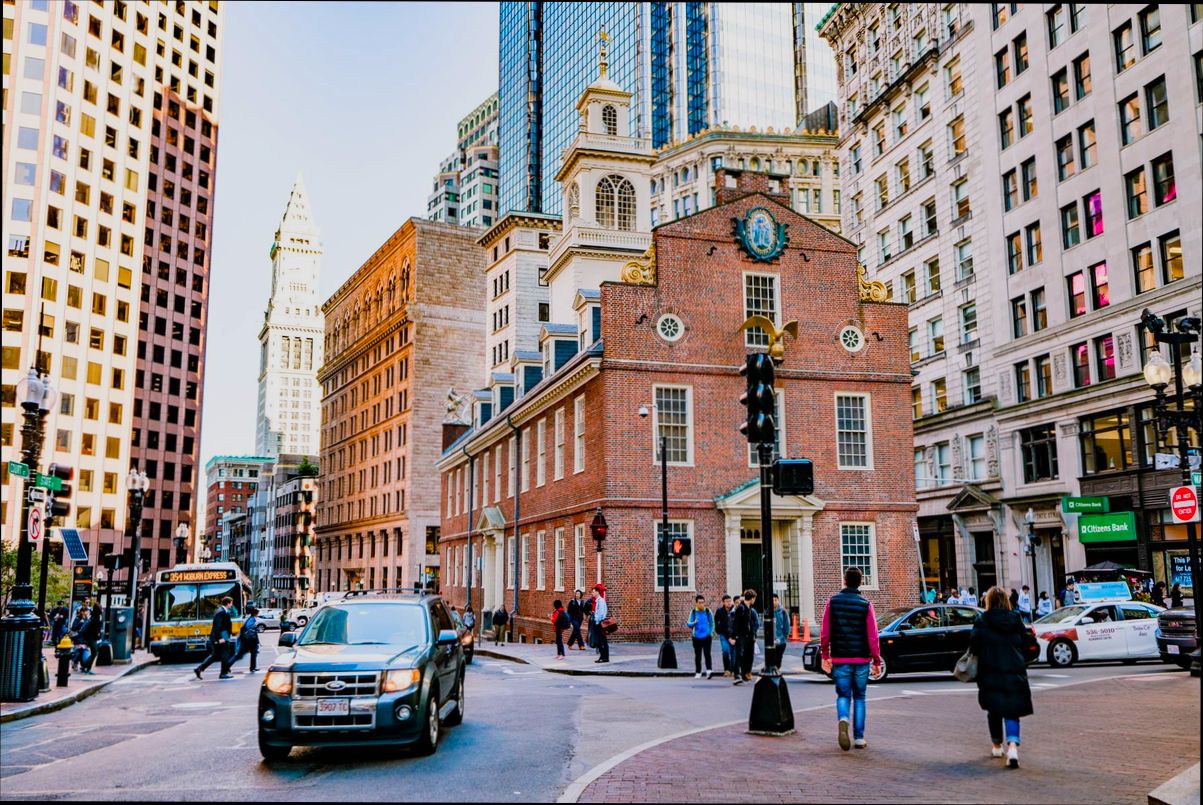
One of the standout features of living in Boston is its public transportation system, known as the Massachusetts Bay Transportation Authority (MBTA), or simply, the “T.” This network is essential for getting around the city efficiently, whether you’re a long-time resident or a newcomer. Let’s dive into what makes the MBTA a vital part of navigating Boston.
Overview of the MBTA
The MBTA runs various transit options, including subways, buses, ferries, and commuter rail services.
- The Subway: The subway is divided into four color-coded lines (Red, Orange, Blue, and Green) that cover a wide swath of Boston and its suburbs.
- Buses: The MBTA operates over 180 bus routes that connect neighborhoods, complementing subway services.
- Ferries: For those who enjoy scenic routes, ferries provide access to the Harbor Islands and other waterfront areas.
- Commuter Rail: The commuter rail links Boston to outlying suburban towns.
Key Statistics
- Ridership: On average, the MBTA sees nearly 1.3 million rides taken on weekdays, showcasing its importance in daily commuting.
- Coverage: The system spans over 1,100 square miles and serves 175 cities and towns, making it one of the largest transit systems in the U.S.
- Fare Options: Monthly passes for unlimited travel start at approximately $90, providing a cost-effective solution for regular riders.
Public Transportation Comparison Table
| Transportation Type | Coverage Area | Average Fare | Peak Ridership Per Day |
|---|---|---|---|
| Subway | City of Boston | $2.40 | 600,000 |
| Bus | City and Suburbs | $1.70 | 300,000 |
| Commuter Rail | Greater Boston Area | $3.25 | 400,000 |
| Ferry | Boston Harbor Region | $9.00 | 20,000 |
Real-World Examples
A Boston resident, Sarah, utilizes the subway daily to commute from her apartment in Cambridge to her job in downtown Boston. “The subway is usually reliable, and during rush hour, I can expect a train every 5-7 minutes,” she notes. Sarah also praises the dedicated bike racks at most T stations, which facilitate a mixed-transport commute.
Another example is Tom, who prefers the commuter rail for his trips from a suburban town. He finds it convenient that the train drops him off within walking distance of the office, and he enjoys the peaceful morning view during his commute.
Practical Implications
When navigating Boston’s public transportation system, consider the following actionable insights:
1. T Passes: Get a CharlieCard to save a few dollars on every ride—this card can also be used for express buses and commuter rail.
2. Real-Time Apps: Download apps like Transit or Citymapper for real-time updates on schedules and delays.
3. Explore Off-Peak Hours: If you can adjust your commute, travel during off-peak hours for a less crowded experience.
To fully leverage the MBTA system, it’s beneficial to familiarize yourself with the different routes and schedules. Being aware of seasonal services, like summer ferry routes to the islands, can enhance your travels, too.
Cultural Attractions and Community Life
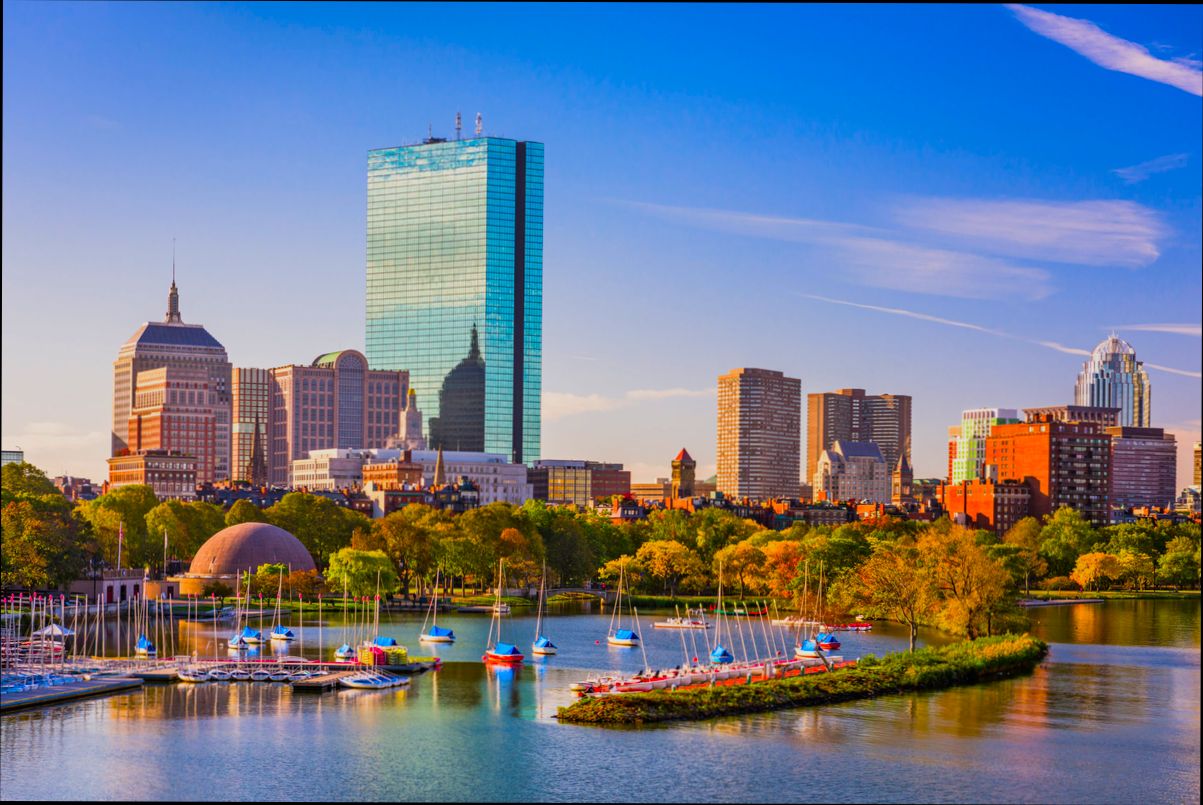
Living in Boston offers an abundance of cultural attractions and a vibrant community life that can captivate anyone. With its rich history, varied artistic expressions, and diverse neighborhoods, Boston provides a unique living experience. Let’s dive into what makes Boston culturally significant and community-oriented.
A Wealth of Cultural Attractions
Boston is home to over 50 museums, including the renowned Museum of Fine Arts, which hosts an impressive collection of art from around the world. Additionally, the Boston Symphony Orchestra is one of the most celebrated orchestras globally, contributing to the city’s rich musical scene.
- Theater District: Boston’s Theater District showcases numerous performances, from Broadway shows to local productions, ensuring there’s something for everyone.
- Historical Sites: Walk the Freedom Trail to explore 16 historical sites that tell the story of America’s fight for independence.
Community Engagement and Festivals
Community life in Boston is marked by a plethora of festivals and events that foster connection among residents. The city hosts around 30 annual festivals, including the Boston Arts Festival and the Boston Pride Parade, celebrating diversity and artistic expression.
- Local Markets: Farmers’ markets abound, such as the Boston Public Market, which supports local farmers and artisans while fostering community interaction.
- Neighborhood Events: Community-driven events in neighborhoods like Allston and Jamaica Plain create spaces for residents to connect over food, music, and culture.
Comparative Table of Cultural Attractions
| Cultural Attraction | Description | Average Annual Visitors |
|---|---|---|
| Museum of Fine Arts | A premier art museum featuring collections worldwide | 1.2 million |
| Boston Symphony Orchestra | Renowned for classical performances | Approximately 300,000 |
| Freedom Trail | A 2.5-mile trail showcasing Boston’s historic sites | 4 million |
Real-World Examples
For example, the Boston Arts Festival, which occurs every September, showcases local artists and creators. It brings together residents and tourists alike, promoting a sense of togetherness and appreciation for the arts. Similarly, the Boston Harbor Islands offer outdoor adventures and educational programs, encouraging families to engage with nature while attending community-led events.
Community centers like the Boston Centers for Youth & Families offer programs that unite residents through workshops, games, and cultural exchanges, emphasizing inclusivity and collaboration.
Practical Insights for New Residents
As you navigate your new life in Boston, take advantage of community board meetings. They can be great platforms for learning about local initiatives, meeting neighbors, and understanding neighborhood dynamics. Engaging with other residents during local festivals not only enriches your cultural experience but also helps forge lasting friendships.
Participating in volunteer opportunities can also strengthen community ties and deepen your connection to the city. Whether it’s at a local food shelter or during cleanup events in parks, getting involved allows you to give back while enjoying Boston’s vibrant sense of community.
Actionable Facts About Cultural Life in Boston
- Explore local art walks or gallery openings to immerse yourself in Boston’s thriving artist scene.
- Check local event calendars for free museum days and community concerts to experience the culture without breaking the bank.
- Join local online forums or social media groups to stay updated on community events and cultural happenings.
By engaging with Boston’s cultural offerings and community events, you’ll cultivate a fulfilling and enriching lifestyle in this historic city.
Weather Patterns and Their Impact
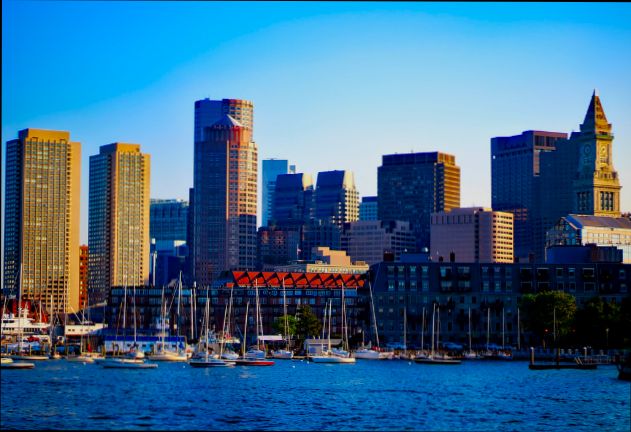
When considering a move to Boston, one cannot overlook the vital role weather plays in daily life here. The city experiences a diverse climate, which influences everything from your wardrobe choices to local activities. Understanding these weather patterns can help you navigate the unique lifestyle Boston offers.
Seasonal Variability
Boston is famous for its distinct seasons, each bringing its own charm and challenges:
- Winter: Winters in Boston are notoriously cold, with average temperatures dropping to around 30°F (-1°C). Heavy snowfall, which can exceed 60 inches a year, can disrupt daily routines and require preparation for extreme weather conditions.
- Spring: Spring emerges slowly, offering a pleasant contrast to winter with temperatures warming up to the 60s°F (about 15°C). This season introduces beautiful blooms, making it ideal for outdoor activities and events.
- Summer: Summers can be quite warm and humid, occasionally reaching highs in the 90s°F (above 32°C). This weather invites residents and tourists alike to enjoy Boston’s beaches and waterfront.
- Fall: Fall is a highlight, showcasing vibrant foliage and cooling temperatures, often hovering in the 50s°F (around 10-15°C). The famous fall colors attract many visitors, enhancing local tourism.
Comparative Weather Impact Table
| Season | Average Temp (°F) | Snowfall (inches) | Activities |
|---|---|---|---|
| Winter | 30 | 60+ | Indoor events, skiing |
| Spring | 60 | 0 | Festivals, parks |
| Summer | 85 | 0 | Beaches, outdoor concerts |
| Fall | 55 | 0 | Leaf-peeping, autumn events |
Real-World Examples
One notable example highlighting the impact of weather patterns is the increase in community events during the spring and fall. As temperatures warm, numerous outdoor festivals sprout, showcasing food, music, and art. In contrast, the severe winters can lead to difficulties in transportation and increased heating bills, prompting residents to adapt their daily commutes and budgets.
Moreover, the robust snowfall in winter sees local businesses adapting services by offering snow removal and winter gear promotions, signaling a shift in both routine and economy based on weather conditions. Additionally, public transportation experiences seasonal fluctuations, with residents frequently checking real-time updates during inclement weather.
Practical Implications
Understanding Boston’s weather patterns can significantly improve your living experience:
- Dress Layered: Given the stark temperature differences, layering your clothing will allow you to adapt to changing conditions throughout the day.
- Plan Activities: Embrace the seasonal activities. In winter, look for indoor events or skiing trips, while summer offers beach days and outdoor concerts.
- Budget for Heating: Prepare for higher heating costs during the frigid winter months, particularly if living in older buildings where insulation may be lacking.
Specific Facts and Advice
- Be ready for a dramatic temperature drop in winter, so invest in quality winter attire.
- Don’t underestimate the impact of humidity in summer—air conditioning becomes a necessity for comfort.
- Join seasonal sports leagues or local clubs to make the most out of each season, which can also enhance your social life in the city.
Job Market Statistics for Boston Residents
The job market in Boston is fundamentally vibrant and dynamic, reflecting both the city’s historical significance and its status as a modern educational hub. If you’re considering living here, understanding the job landscape can be a vital part of your decision-making process.
Key Statistics to Consider
- Boston’s unemployment rate in 2023 was 2.9%, notably lower than the national average of 3.7%. This indicates a robust local economy with more opportunities for job seekers.
- Among Boston residents aged 25-29, an impressive 50% have obtained at least a bachelor’s degree, highlighting the city’s highly educated workforce.
- In Roxbury, approximately 35% of residents hold a bachelor’s degree, underlining the area’s potential for educational advancement and economic growth.
Comparative Job Market Statistics
| Category | Boston | United States Average |
|---|---|---|
| Unemployment Rate | 2.9% | 3.7% |
| Percentage of College Graduates | 50% | 32% |
| Employment Growth Rate (2023) | 3.4% | 2.1% |
Real-World Examples
In Savin Hill, the most common occupations among residents include healthcare professionals, educators, and technology specialists, which showcase a diverse job demographic. This range of occupations illustrates the resilient sectors that contribute to Boston’s economy.
Moreover, businesses are increasingly focusing on technology and healthcare in their recruitment efforts. As an example, companies are expanding in the biotech and health sectors—making job growth in these areas particularly notable.
Practical Implications for Residents
The high level of education among residents means that you will be surrounded by talented peers, making networking and collaboration easier if you’re looking to progress in your career. Additionally, the low unemployment rate suggests that finding a job is more feasible compared to other regions.
Residents should consider exploring internships or entry-level positions that align with the city’s growing industries, especially in technology and education, as these sectors continue to expand rapidly.
Specific advice for job seekers includes utilizing resources provided by the City of Boston’s Workforce Development. They offer support and information on various job opportunities and training programs that can enhance your likelihood of finding a suitable role.
Staying informed about local job fairs and industry meetups can also provide unique chances to connect with potential employers and grow your professional network within Boston’s thriving job market.
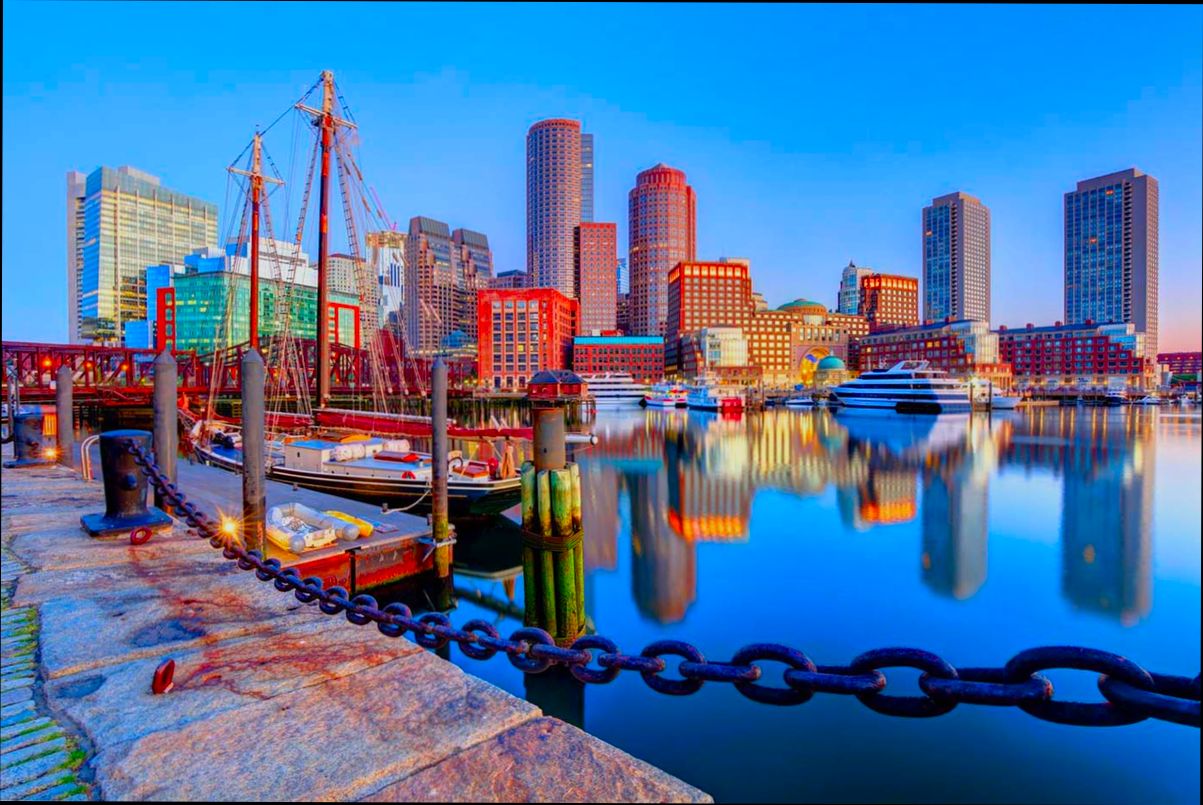
Real-Life Experiences of Boston Locals
Living in Boston offers a unique blend of experiences that go beyond its historical significance and vibrant culture. Locals often share their day-to-day encounters, from managing public transport to enjoying local festivities, which shape their perception of the city.
Day-to-Day Life
Bostonians frequently highlight the rhythm of life here, which pulsates with energy and diversity. Many appreciate how the rich tapestry of neighborhoods affects their daily interactions. Here are some common insights:
- Community Engagement: Locals tend to be active in community events. For instance, Boston hosts over 200 events each year that encourage community participation, from street fairs to cultural festivals.
- Accessibility to Amenities: Many residents love the accessibility of shops and restaurants. Cities within Boston often showcase local businesses, making it easy to grab a bite or shop without traveling far.
- Social Connections: With a strong sense of pride in their communities, Boston residents create networks that foster friendships and support systems. Locals often share stories of how they’ve made lasting connections through neighborhood associations or sports leagues.
Real-Life Examples
Many Bostonians have shared experiences that resonate with the distinctive character of their city.
- Caitlin’s Commute: Caitlin, a recent transplant, mentions her love-hate relationship with the “T.” She finds the subway convenient, especially the Green Line which connects her to her job in the city center. However, she admits that delays can occasionally throw her schedule off.
- Mark’s Weekend Adventures: Mark, a lifelong Bostonian, enjoys exploring different neighborhoods every weekend. He regularly visits South End for its trendy eateries and heads to East Boston for scenic waterfront views. He claims it feels like a collection of small towns within a single city.
- Cultural Enthusiasts: A group of friends regularly attends local theater productions, frequently finding shows at discounted rates. They estimate spending about $45 per month on cultural events, showcasing how affordable engaging with art and culture can be.
The Local Experience Table
| Experience Type | Description | Frequency |
|---|---|---|
| Community Events | Local festivals and fairs | Over 200 events/year |
| Restaurant Variety | Range of global cuisines | 20+ neighborhoods |
| Public Transportation | Daily subway commute | 1.3 million rides/day |
| Cultural Participation | Theater and museum visits | 27% engaged monthly |
Practical Implications
If you’re considering moving to Boston or currently living there, being aware of these real-life experiences can make a significant difference in how you immerse yourself in the city. Engaging with your community and discovering local events can enhance your living experience in profound ways.
- Join Community Groups: Seek out local groups or clubs that match your interests. Chances are you’ll meet like-minded individuals and foster a closer connection to the city.
- Explore Neighborhoods: Make it a point to visit different neighborhoods to truly appreciate the diversity and culture that Boston has to offer. Each area has its unique flavor and ambiance.
- Stay Connected with Public Transport: Familiarize yourself with MBTA schedules and apps. Many locals find that planning ahead helps avoid a lot of frustration.
By tapping into these local insights and experiences, you can cultivate a deeper connection with Boston and enrich your daily life within this historic city.