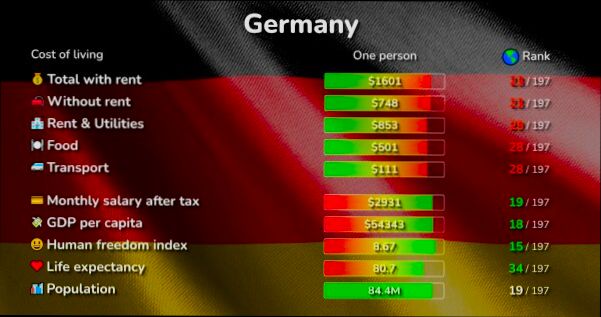
What is the Cost of Living in Germany? Let’s dive into the nitty-gritty. If you’re thinking about moving to Berlin, it’s good to know that rent for a one-bedroom apartment in the city center can set you back around €1,200. That’s if you want to be in the heart of the action, where the buzz is constant, and every café invites you in for a cozy afternoon. If you prefer a quieter life on the outskirts, you might snag a similar apartment for about €800. Now, don’t forget the groceries! A weekly shop might run you about €40 to €60, depending on whether you opt for bio or stick to the regular stuff.
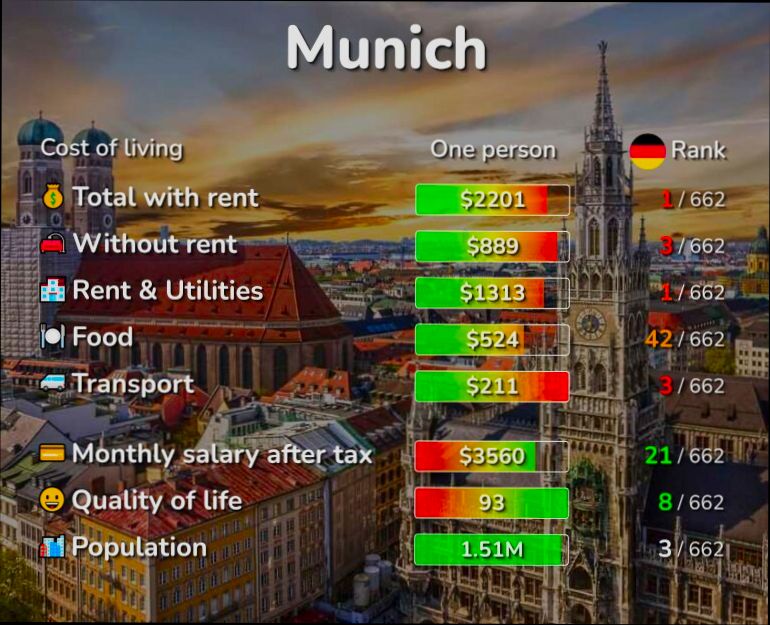
Transport is another expense to consider. A monthly pass for public transport in major cities like Munich costs around €60, and let me tell you, the trains run like clockwork! When it comes to dining out, a meal at a mid-range restaurant typically hovers around €15 to €25 per person, so you might want to keep that in mind when planning your weekend outings. All these factors come together to paint a picture of life in Germany, where the cost can vary significantly based on your lifestyle and city choice.
Understanding Housing Costs in Germany
When considering living in Germany, understanding housing costs is crucial. Housing represents approximately 37% of your total living expenses, making it the largest component of your monthly budget. With rent prices varying significantly based on location, it’s essential to know what to expect.
Key Points on Housing Costs
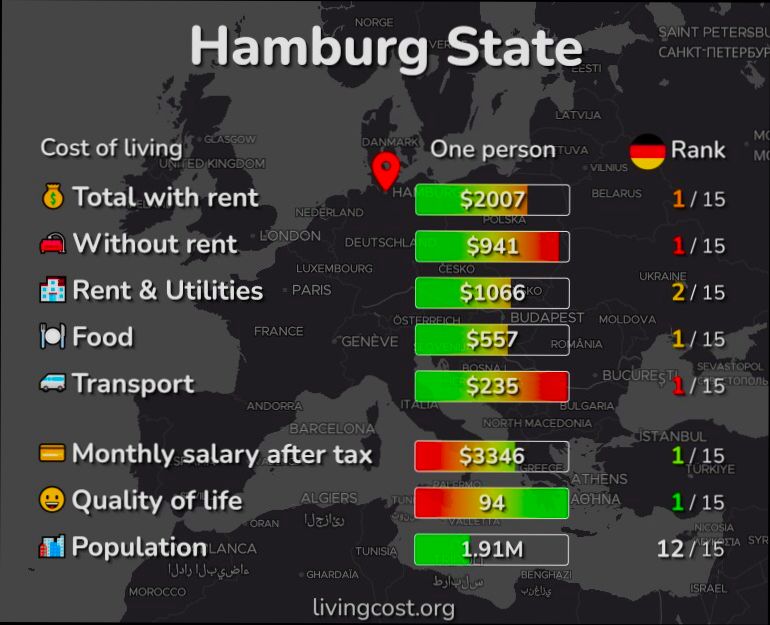
- On average, renting a one-bedroom apartment in a city center costs about €941, while you could find similar digs for around €700 outside city centers.
- Utility costs for an average 85 m² apartment typically amount to around €300 per month, and internet charges hover around €40.
- An average German household spends €957 on rent alone, reflecting the city’s vibrancy, amenities, and demand.
Average Housing Costs Comparison Table
| Location | Average Rent (1-Bedroom) | Notable Characteristics |
|---|---|---|
| Munich | €1,400+ | High salaries, vibrant job market |
| Stuttgart | €1,400+ | Economic hub, cultural richness |
| Dresden | €622 | Affordable housing, historical attractions |
| Leipzig | Varies (Generally lower than €622) | Emerging start-up scene, artsy vibe |
Real-World Examples
Let’s break it down further. If you move to Munich or Stuttgart, expect to pay over €1,400 for a one-bedroom apartment in the city center. Conversely, regions like Dresden offer significantly lower rent at about €622 for similar accommodations. By choosing to live in cities with a more affordable housing market, you can save on monthly expenses while enjoying a vibrant lifestyle.
Additionally, remember that housing costs are influenced by your lifestyle choices and the specific amenities offered in each location. For instance, a modern apartment in a bustling district will generally cost more than one in a quieter area.
Practical Implications
Understanding these statistics helps in budgeting effectively. Look for apartments outside city centers for potential savings. Use online platforms to compare prices and gather insights into different neighborhoods. Over time, you may find that even small changes in your location can lead to substantial savings on housing costs.
- Actionable Advice: Consider sharing accommodations if you’re moving to cities with high rent, such as Munich or Stuttgart, or prioritize cities like Leipzig or Dresden for more affordable housing options. A thorough evaluation of your housing choices can greatly impact your overall cost of living in Germany.
Essential Expenses for Daily Life
When you think about living in Germany, understanding essential expenses is crucial for creating a realistic budget. These regular costs can significantly impact your financial planning and overall quality of life. Let’s break down what you can expect in terms of daily expenses.
Key Monthly Expenses You Might Encounter
In Germany, your monthly expenses can vary widely based on lifestyle and location, but here are some essential items you’ll want to budget for:
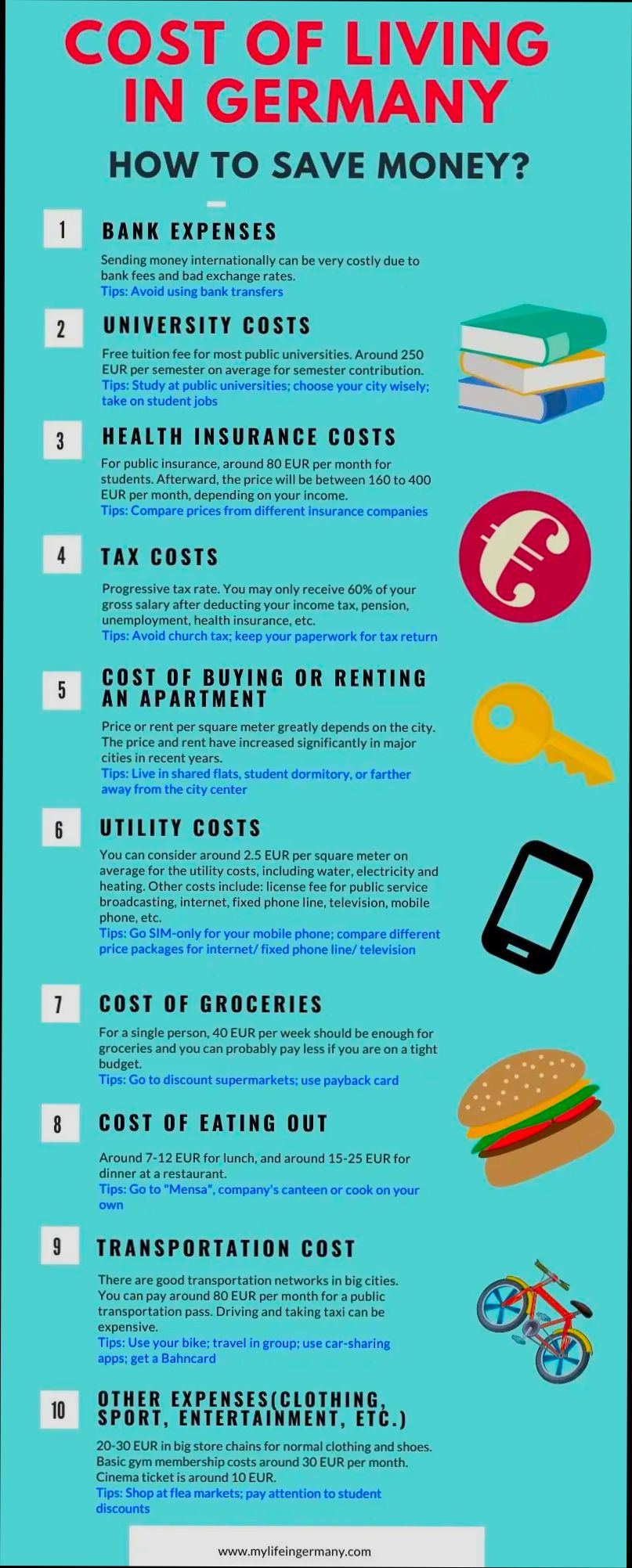
- Groceries: Average around €200-€300 monthly.
- Transportation: Public transport can cost between €70-€100 per month for a monthly pass, depending on the city.
- Healthcare: Basic health insurance generally ranges from €150-€200 monthly.
- Utilities (Electricity, Water, Heating): Expect to pay around €200-€300 for an average-sized apartment.
Breakdown of Common Expenses
I’ve compiled a comparison table below to give you a clearer picture of monthly expenses in Germany:
| Expense Category | Average Monthly Cost (EUR) | Example Range (EUR) |
|---|---|---|
| Groceries | 250 | 200 - 300 |
| Public Transport | 85 | 70 - 100 |
| Health Insurance | 175 | 150 - 200 |
| Utilities | 250 | 200 - 300 |
| Internet & Mobile Plan | 40 | 30 - 60 |
Real-World Examples
Let’s consider a young professional living in Berlin. They might spend approximately €250 on groceries, €85 on public transport, and €175 on health insurance, totaling about €510 just in these essentials. If they live in an apartment with average utility costs of €250 and pay €50 for internet, their monthly essentials rise to €810.
For students, who might have different spending habits, groceries may be lower at around €200, but they might also have additional costs for study materials or student activities, making it essential to adjust their budget accordingly.
Practical Implications for Your Budget
You’ll want to take these essential expenses into account when creating your financial plan. If you have student loans—almost 52% of 2024 graduates took them out with an average balance of around €8,674—it’s crucial to manage your budget wisely. Financial planners often recommend allocating 10-15% of your income for retirement, so be sure to set aside a portion of your monthly income after covering these essential expenses.
Actionable Advice
- Start by tracking your monthly expenses to understand where your money goes.
- Always budget for unexpected costs; things happen!
- Consider using budgeting apps to create a personalized plan that reflects these essential expenses.
By keeping a close eye on essential expenses and adjusting your budget accordingly, you’ll set yourself up for financial success while living in Germany.
Analysis of Cost of Living Statistics
When we dive into the cost of living statistics in Germany, it’s fascinating to observe how various sectors impact your budget. Whether you’re planning to relocate or are simply curious about the financial landscape, these statistics can shed light on important trends and expenses.
The Consumer Price Index (CPI) is a crucial tool for analyzing the cost of living, showing inflation trends and changes in consumer purchasing power. Recently, the CPI for all urban consumers rose by 2.8% over the last 12 months. This rise indicates the overall upward trend in living expenses that residents and newcomers alike need to acknowledge.
Key Statistics
- Food Prices: Over the past year, the cost of food has seen an increase of 2.6%. This specific statistic highlights that consumers are facing higher prices at the grocery store, which can significantly affect monthly budgets.
- Housing and Rent Costs: The CPI shows a notable increase of 4.2% for shelter, with the rent of primary residences rising by 4.1%. This statistic is particularly relevant for those planning to rent or buy homes.
- Medical and Transportation Costs: Medical care services have increased by 3.0%, while transportation services saw a surge of 6.0%. These areas are often overlooked, yet they can take a considerable bite out of your budget.
Comparative Table of Cost Percent Changes (Feb 2025)
| Category | 12-Month Percent Change |
|---|---|
| All items | 2.8% |
| Food | 2.6% |
| Shelter | 4.2% |
| Medical care services | 3.0% |
| Transportation services | 6.0% |
Real-World Examples
Consider the price of cereals and bakery products, which increased by 0.3%, or the more significant rise in meats, poultry, fish, and eggs at 7.7%. If you’re a meat lover, you may find your grocery bill has spiked and need to adjust your budgeting accordingly.
Take a look at the increase in motor vehicle insurance, which saw a staggering rise of 11.1%. For those relying on cars for daily commuting, this statistic underscores the importance of including such expenses in your overall cost of living assessment.
Practical Implications
Understanding these statistics can help greatly with personal budgeting. If you’re a family of four, for example, you might want to account for an increased grocery spend of around €600 per month instead of €500 due to food price increases.
Moreover, being aware of the rising costs in transportation and medical services can drive decisions such as whether to use public transport or affect your choice of health insurance.
In practical terms, stay updated on these trends if you live in or are considering moving to Germany. Adjust your financial planning to accommodate these shifts in the cost of living. A proactive approach can ensure you stay well-prepared for any potential financial challenges ahead.

Comparing Urban and Rural Living Costs
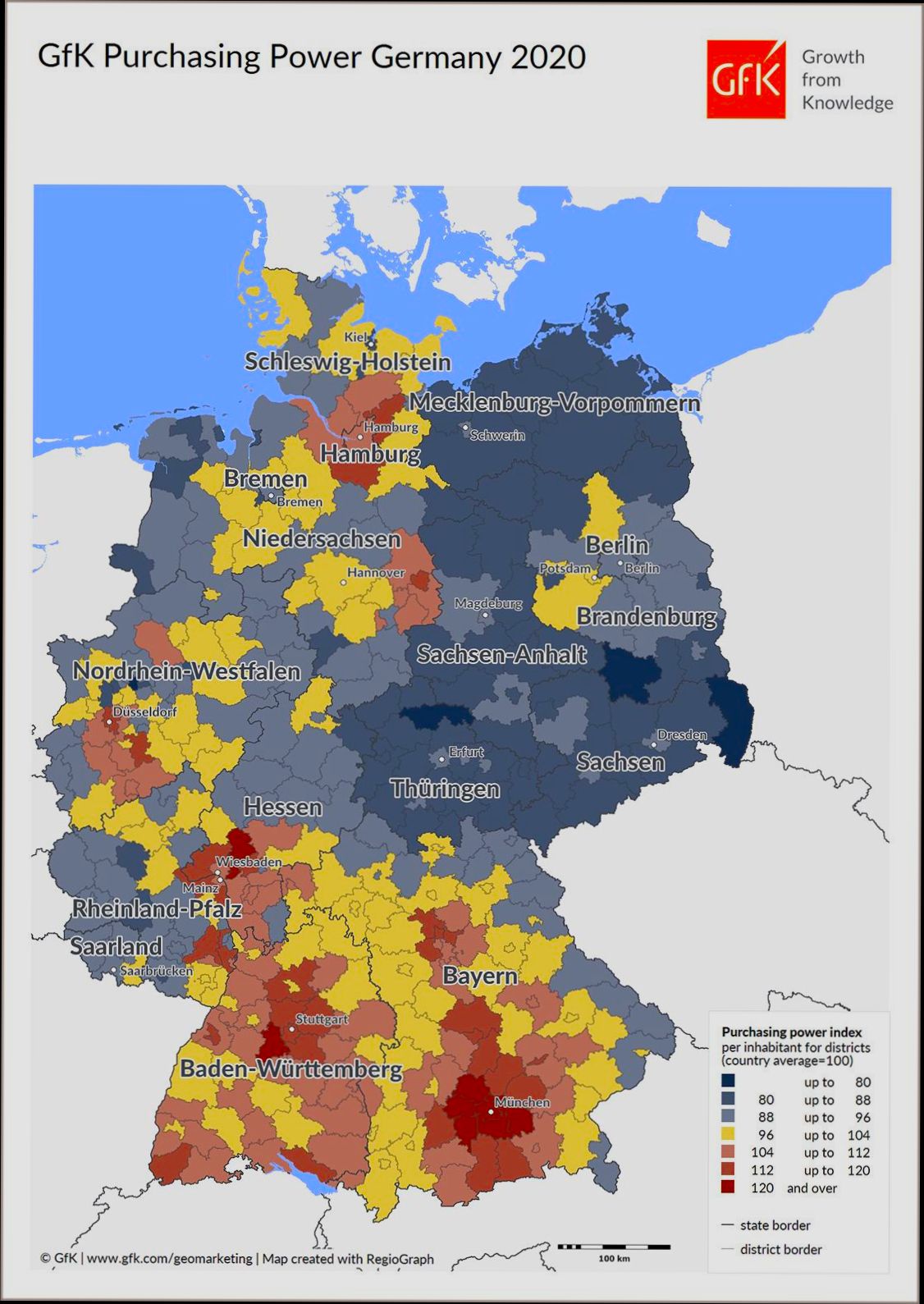
When you’re exploring the cost of living in Germany, understanding the differences between urban and rural living costs is essential for making informed decisions. In Germany, these costs can fluctuate dramatically between bustling cities and tranquil countryside, affecting everything from your budget to lifestyle choices.
Cost Variations in Urban vs. Rural Settings
1. Transportation Costs:
- Urban living often means more reliance on public transportation. For instance, a monthly public transport pass in cities like Berlin or Munich can cost about €86, whereas rural areas might not have such extensive public transport networks, requiring a personal vehicle.
2. Entertainment and Leisure:
- City life typically offers a vibrant scene with multiple entertainment options. You might spend around €50-€100 monthly on leisure activities in urban areas, while rural living might see you spending less—but with fewer options for dining and entertainment.
3. Healthcare Expenses:
- Access to healthcare facilities can also vary. Urban residents benefit from numerous clinics and hospitals, often leading to more competitive pricing for medical services. In contrast, rural areas may have fewer facilities, sometimes resulting in higher travel costs to reach care centers.
4. Grocery Prices:
- Interestingly, grocery prices can also differ. While major supermarkets are common in cities, smaller shops in rural areas might charge up to 10% more for certain items due to distribution costs.
Comparative Costs Table
| Expense Type | Urban Areas | Rural Areas |
|---|---|---|
| Public Transport Pass | €86 | - |
| Monthly Leisure Costs | €50-€100 | €30-€70 |
| Grocery Costs | €250 | €275 |
| Average Healthcare Cost | €200 | €220 |
Real-World Examples
- Public Transport: While living in Hamburg, you might find yourself spending upwards of €86 for efficient tram and bus services. In contrast, a rural area in Bavaria may have limited services, so owning a car is almost mandatory, significantly impacting your budget.
- Leisure Activities: In cities like Frankfurt, you might be tempted to dine out frequently, which could round up to €100 monthly on meals at restaurants, whereas in a smaller town, local eateries may offer cheaper fare with a monthly budget of about €50.
Practical Implications for You
Understanding these cost differences can help you make decisions about where to live in Germany. If you value a vibrant lifestyle with entertainment and public transport at your fingertips, urban areas might be worth the extra costs. However, if you prefer a quieter life and don’t mind a longer commute, rural living can provide greater affordability.
- Consider Distance: If living in a rural area, factor in travel costs to urban centers—it could influence your overall expenses.
- Evaluate Your Lifestyle Needs: Engage in thorough research on amenities and services available in rural regions versus urban areas to match your lifestyle preferences and budget.
By comparing these living costs, you can align your budget with your lifestyle choices more effectively, making for a well-informed decision about where to settle in Germany.
Financial Advantages of Living in Germany
Living in Germany comes with a host of financial benefits that can greatly enhance your quality of life. From a robust economy to a strong social security system, the monetary advantages are noteworthy. Let’s dive into specific financial benefits that make living in Germany an attractive option.
Competitive Salaries and Job Opportunities
Germany is known for its strong job market, particularly in fields like engineering, IT, and healthcare. The average gross salary in Germany is around €3,994 per month, which allows for a comfortable living. Additionally, the unemployment rate hovers around 3.6%, indicating a healthy job market with numerous opportunities.
Key Salary Insights:
- Start-ups and Corporate Jobs: Many positions start with salaries well above €50,000 annually, especially in urban centers.
- Part-time Employment: Even part-time jobs, which can be found readily in urban areas, often pay above the minimum wage of €9.60 per hour, allowing you to balance work and leisure effectively.
Comprehensive Health Care System
One of the big financial perks of living in Germany is the high-quality healthcare system, funded primarily through compulsory health insurance. As a resident, you typically spend about 14% of your salary on health insurance, but this translates into comprehensive coverage that significantly reduces out-of-pocket costs for medical services.
Health Care Cost Breakdown:
| Service Type | Average Cost (€) | Cost with Insurance (€) |
|---|---|---|
| Doctor’s Visit | 80 | 20 |
| Hospital Stay (per day) | 200 | 25 |
| Prescription Drugs (monthly) | 60 | 10 |
This means that even if you encounter health problems, the financial burden is manageable compared to many other countries.
Strong Social Security Benefits
Living in Germany entitles you to a well-structured social security system. This system covers pensions, unemployment benefits, and child allowances, providing substantial financial security. Contributions are shared between the employer and employee, making it financially easier for individuals.
- Pension Contributions: You’ll contribute about 18.6% of your gross salary, but this ensures that you’re building a solid pension for your retirement.
- Child Benefits: For families, child allowance (Kindergeld) allows for monthly financial support of €219 for the first two children, €225 for the third, and €250 for each additional child, directly aiding family budgets.
Affordable Public Transport
While living in bustling cities, the cost-effective public transport system becomes a crucial financial advantage. A monthly public transport pass averages around €80, significantly lower than owning a car, which includes costs for insurance, fuel, and maintenance.
Savings with Public Transport:
- Reduced Commute Costs: Many employees save upwards of €200 monthly by using public transport instead of maintaining a vehicle.
- Environmental Benefits: Using public transport can also lead to reduced carbon footprints, aligning with many individuals’ financial decisions and values today.
Case Study: The Expanding Tech Sector in Berlin
Take the case of a software developer moving to Berlin. They might find a starting salary of around €60,000, positioning them above average in terms of earnings. With the city’s vibrant tech scene supporting innovative startups, they’re likely to benefit from generous stock options and bonuses, further enhancing their financial landscape.
Practical Implications for Readers
When considering living in Germany, focus on the higher earning potential in major cities and the comprehensive financial safety net provided by the government. The competitive salaries paired with the low cost of healthcare and social security benefits create a financially positive environment.
Leverage the availability of public transport to minimize commute costs, and take full advantage of the job market to maximize your financial gains.
In summary, moving to Germany not only allows you to experience a high standard of living but also provides numerous financial advantages that contribute to your overall well-being.
Practical Tips for Budgeting in Germany
When you’re planning to live in Germany, making a budget is more than just crunching numbers—it’s about ensuring you can enjoy your new life without constant financial stress. Understanding the cost of living and adjusting your spending can turn your experience into an enriching one. Let’s dive into some actionable budgeting tips tailored for your life in Germany.
Understand Your Monthly Requirements
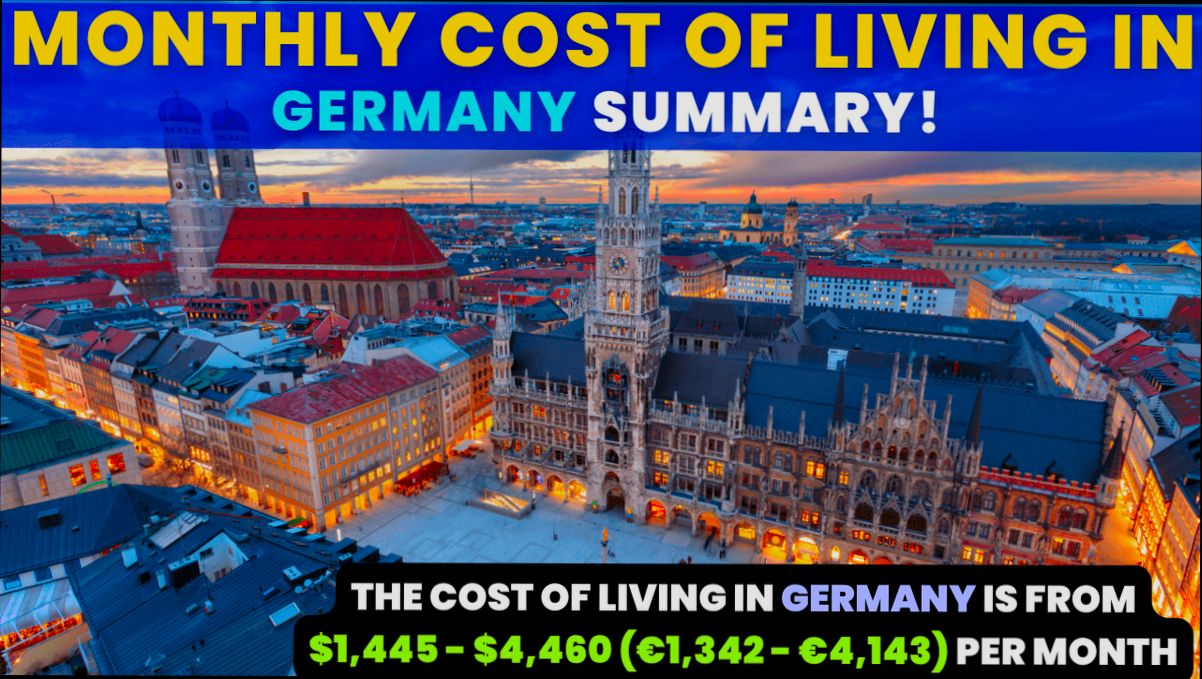
First, let’s get clear on the numbers. On average, you’ll need approximately €992 each month to cover your living expenses. If you’re applying for a student visa, you must also demonstrate proof of finances through a blocked account—totaling €11,904 for a year. This amount ensures you’ll have a consistent financial base while studying.
Breakdown of Common Expenses
To effectively budget, it’s crucial to categorize your expenses. Here’s a breakdown of what you might expect monthly:
| Expense Type | Monthly Cost (EUR) |
|---|---|
| Groceries | €150–€250 |
| Shared Apartment Rent | €300–€700 |
| One-Bedroom Apartment Rent | €500–€1,200 |
| Utilities (Electricity/Water) | €150–€300 |
| Public Transportation | €70–€100 |
| Health Insurance | €120–€130 |
| Internet and Mobile | €30–€40 |
| Gym Membership | €30–€50 |
| Dining Out (Meal for Two) | €50–€150 |
| Cinema Tickets | €10–€15 |
When you actively monitor these categories, you help safeguard against unexpected costs.
Cost Variations and Strategies
Living costs can vary significantly based on your city and lifestyle. For instance, rent in Munich might be on the higher side compared to smaller cities like Leipzig. Here are a few strategies to adapt your budget accordingly:
- Choose Housing Wisely: Consider a shared apartment to significantly cut down on rent.
- Explore Local Markets: Buy groceries from local markets instead of high-end supermarkets to save a bit more.
- Public Transport Over Cars: Rely on public transportation like trams or buses. Allocate roughly €70-€100 per month for an efficient commuting budget.
Real-World Examples
Let’s say you budget €250 monthly for dining out. If you enjoy a meal for two at a restaurant costing around €100, you might find yourself exceeding your budget quickly. Opting for local eateries or setting a dining-out limit can keep you within bounds.
Another aspect to consider is utilities. It’s wise to budget around €150-€300 for basic utilities. To optimize this expense, use energy-efficient appliances and be mindful of your water and electricity consumption.
Actionable Budgeting Tips
- Track Your Spending: Use budgeting apps to categorize your spending effectively. You’ll gain insights into where your money goes.
- Emergency Fund: Set aside a small percentage of your income each month for unforeseen expenses—ideally, 10% of your budget can cushion shocks.
- Negotiate on Utilities: Don’t hesitate to ask service providers for the best deals or packages; there’s often room for negotiation that can lower your monthly costs.
Remember, budgeting isn’t static; it’s an evolving plan. Regularly review and adjust your budget based on your spending patterns and lifestyle changes. By incorporating these practical budgeting tips into your life in Germany, you’ll find yourself on solid financial footing, ready to embrace all that this vibrant country offers.
Health Care Costs and Coverage Insights
When considering the cost of living in Germany, health care costs and coverage bear significant importance. Germany offers a robust healthcare system known for its quality, but understanding its financial aspects can greatly influence your budgeting decisions.
Understanding Health Care Costs
In Germany, health care expenses typically split into two main categories: public and private health insurance. It’s essential to grasp the financial implications of each, as well as what they cover.
- Public Health Insurance (gesetzliche Krankenversicherung): About 90% of residents opt for public insurance, with monthly premiums averaging around €400. These contributions are income-based, usually encompassing approximately 14.6% of your gross salary, split between you and your employer.
- Private Health Insurance (private Krankenversicherung): While it provides flexibility and additional services, the costs can vary significantly. Private insurance premiums can range significantly, with some individuals paying as low as €200 monthly, while others may pay upwards of €800 depending on factors like age, health status, and the level of coverage required.
Monthly Health Care Costs Breakdown
| Type of Insurance | Average Monthly Cost | Coverage Scope |
|---|---|---|
| Public Health Insurance | €400 | Basic medical services, hospital stays, specialist care |
| Private Health Insurance | €200 - €800 | Varies widely; includes enhanced services, faster access to specialists, and additional treatments |
Real-World Examples
- Case Study 1: A 35-year-old professional earning €3,000 monthly contributes around €438 to the public insurance scheme. This covers standard doctor’s visits, hospital stays, and prescription medications, but may require co-payments for certain services.
- Case Study 2: Conversely, a 28-year-old freelancer chooses private insurance at €250 per month. This plan allows for quicker appointments and additional health services like physiotherapy and alternative medicine options that may not be covered under public insurance.
Practical Implications
Understanding these distinctions can significantly impact your financial planning. If you’re employed, expect a straightforward deduction for public insurance based on your income. However, if you’re contemplating private insurance, assess your health needs and the types of services you prioritize.
Actionable Insights
- Research Options Thoroughly: Make sure to compare various health insurance plans, especially if you consider private coverage. Receiving quotes based on your specific health scenarios can save you considerable expenses.
- Budget for Co-Payments: Even with comprehensive insurance, you may have to pay co-payments for certain services. Budget approximately €10-€30 for visits to specialists, alongside annual health check-ups which might not be fully covered.
- Stay Informed on Coverage Changes: Health insurance regulations can shift, affecting both public and private plans. Keeping abreast of these changes ensures you’re utilizing your insurance to its fullest potential while maintaining budget discipline.