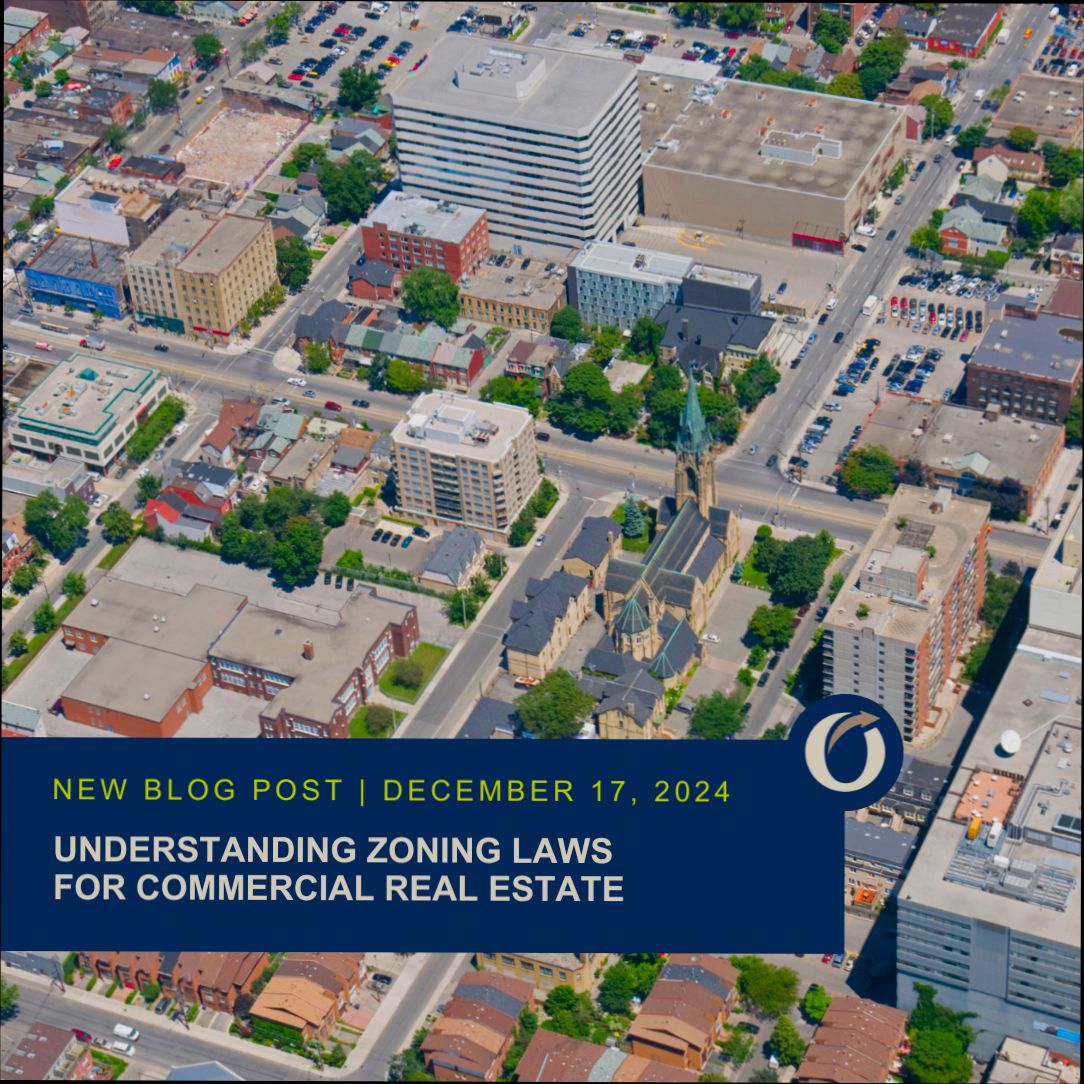
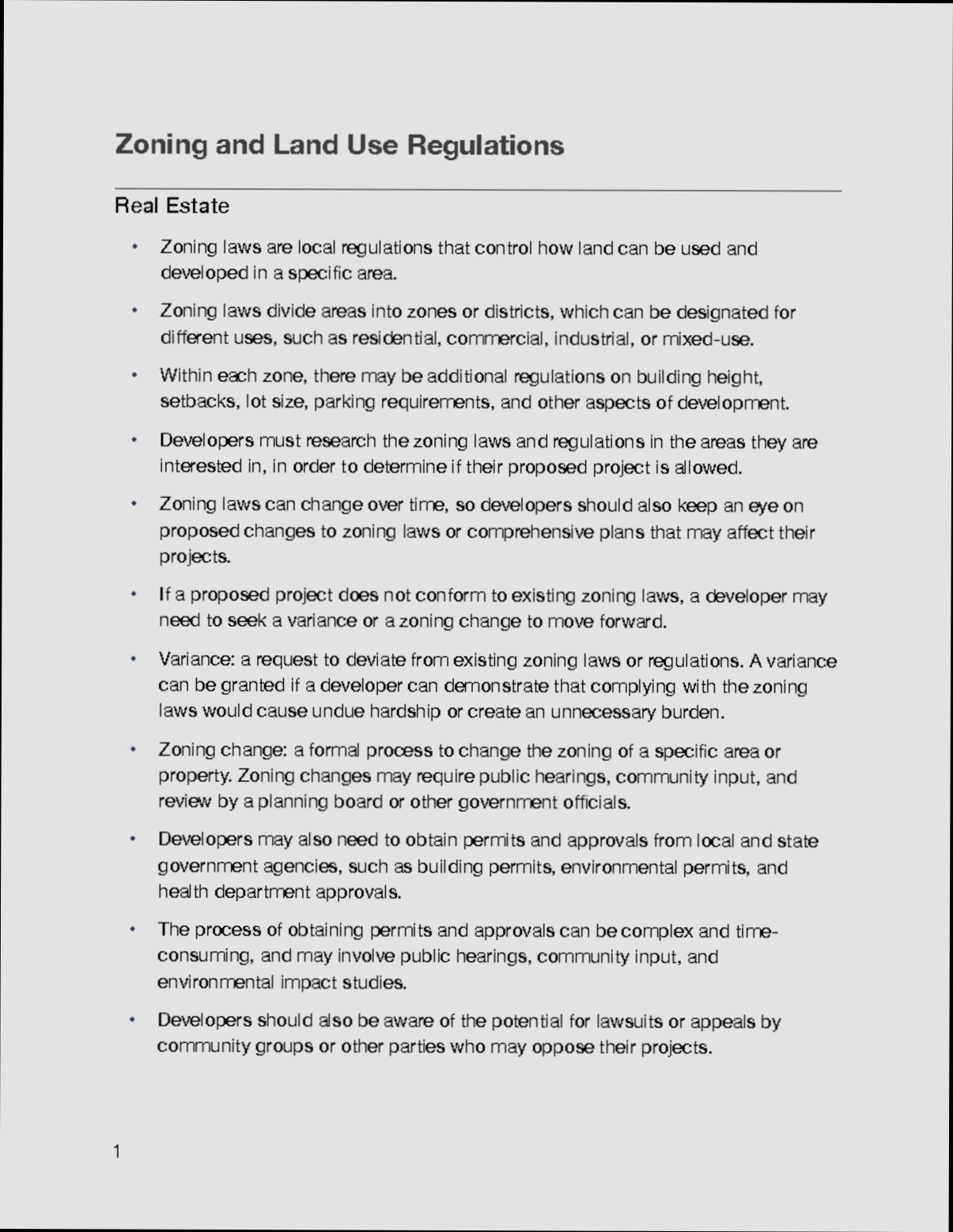
What are Real Estate Zoning Laws? Essentially, they are local regulations that dictate how land can be used and what can be built on it. For instance, think about that seemingly perfect plot of land you’ve got your eye on. If it’s in a zone designated for residential use, you won’t be putting up a high-rise office building there—trust me, that would set off a whirlwind of complaints from your new neighbors! In the U.S., zoning laws can vary widely from one city to the next; in New York City, for example, more than 50 different zoning districts exist, each with specific rules regarding building heights, lot coverage, and even architectural styles.
These laws help shape communities, balancing various interests like housing, commercial development, and even environmental conservation. Want a small coffee shop in your neighborhood? You’ll need to check if that spot is zoned for commercial use—if it’s residentially zoned, you might just end up with a house instead of your caffeine fix. According to the American Planning Association, over 90% of U.S. municipalities have some form of zoning regulations in place, which means zoning impacts nearly every aspect of our built environment. So, whether you’re a homeowner, investor, or aspiring entrepreneur, understanding zoning laws is crucial in navigating the real estate landscape.
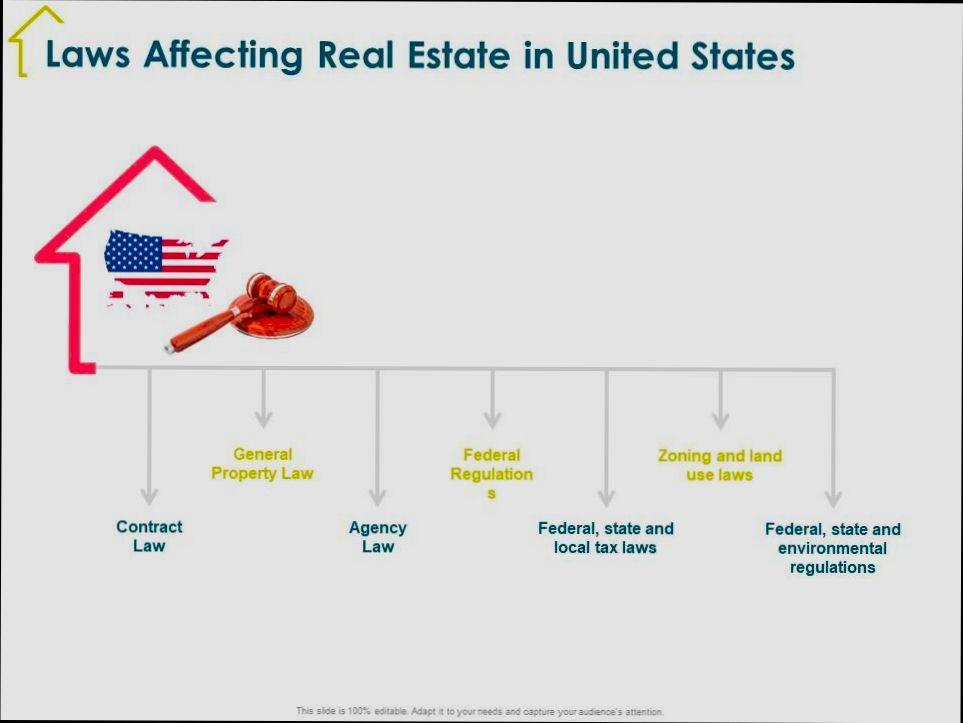
Understanding the Basics of Zoning Laws
Zoning laws can seem complicated, but they essentially serve as guidelines for how land can be used in a community. By understanding the basics of zoning laws, you can make informed decisions about property investment, development, or usage. These laws are crucial as they directly affect property values, community organization, and long-term urban planning.
Key Points about Zoning Laws
- Zoning Categories: Zoning can be divided into several key categories, including:
- Residential: This area is designated for housing, allowing for single-family and multi-family residences.
- Commercial: This encompasses businesses, restaurants, and retail spaces.
- Mixed-Use: This blend caters to both residential and commercial enterprises in a single area, promoting convenience.
- Industrial: Areas reserved for manufacturing and large-scale industrial activities.
- Land Use Consistency: In Florida, for example, Section 403.50665 of the Florida Statutes governs land use consistency. This ensures that land is utilized according to its designated category, promoting a coherent community structure.
- Community Impact: Each zoning category reflects the community’s goals, ensuring that developments align with local needs and safeguard health and safety. Zoning regulations also help sustain property values by fostering uniformity in land use.
| Zoning Category | Description | Example |
|---|---|---|
| Residential | For homes, including multi-family residences | Suburban housing neighborhoods |
| Commercial | For businesses and retail structures | Shopping malls |
| Mixed-Use | Combines residential and commercial uses | Urban centers with shops and apartments |
| Industrial | For manufacturing and large-scale businesses | Factories located outside residential zones |
Real-World Examples
Take downtown Miami, a prime example of mixed-use zoning. You’ll find a blend of residential high-rises, retail shops, and office spaces, illustrating how mixed-use zoning can enhance urban living and reduce commuting times.
Another case is in San Francisco, where zoning laws heavily influence the construction of residential buildings, aiming to prioritize housing amidst a growing population. Developers must ensure compliance with local zoning laws to continue or initiate development projects.
Practical Implications for You
Understanding zoning laws is not just for planners but also for potential buyers, investors, and developers. Here are some actionable insights:
- Verify Property Zoning: Before making any purchases, check if the existing zoning aligns with your intended use.
- Stay Informed on Changes: Zoning laws can evolve, so keep an eye out for any proposed amendments that could impact your investment.
- Assess Development Restrictions: Understand the limitations or requirements, such as permits or variances, that could apply to your property.
By grasping these fundamentals, you’ll be better prepared to navigate the complexities of zoning laws. This knowledge can empower your decisions and enhance your property investments.
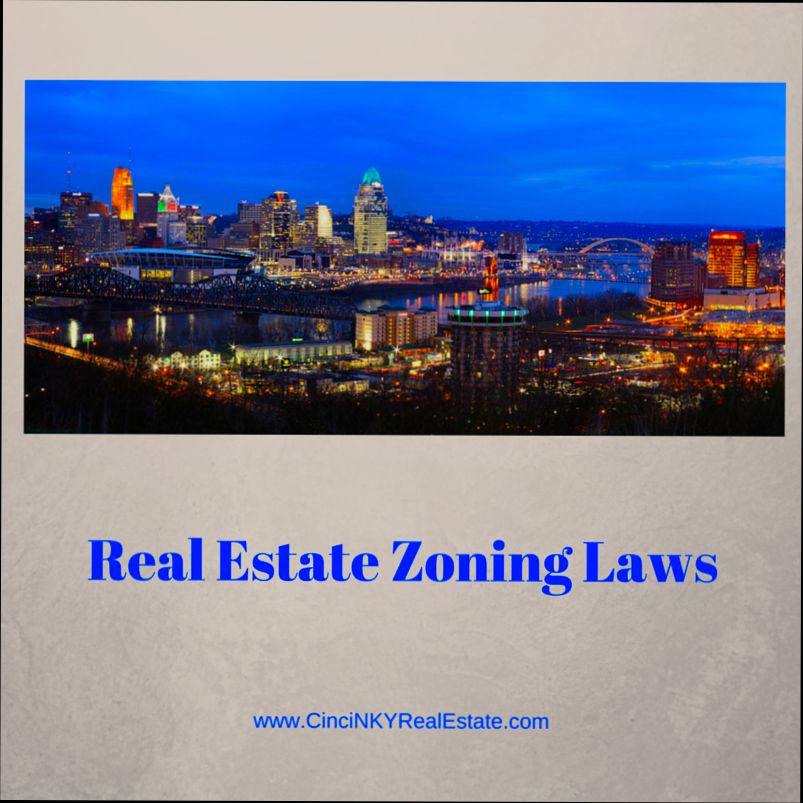
Impact of Zoning on Property Values
The influence of zoning regulations on property values is a critical, yet often overlooked, component of real estate investment. Understanding how zoning shapes market dynamics can empower you to make informed decisions about buying, selling, or developing property.
Zoning Classifications and Their Effect on Property Values
1. Residential Zones: Properties specifically designated for residential use often see a steady increase in value due to high demand for housing. Studies indicate that properties located in well-zoned residential areas can appreciate by 3-4% annually.
2. Commercial Zones: Properties in areas designated for commercial use tend to have higher valuations compared to neighboring residential properties. A report found that properties in commercial zones can be valued at up to 50% more than similar properties in residential zones.
3. Mixed-Use Developments: Areas that combine residential and commercial zoning have seen property values increase significantly, by as much as 25%. This increase is often linked to the diverse amenities available, making these properties more desirable.
Zoning Restrictions and Market Dynamics
Zoning restrictions can both limit and enhance property values:
- Limitations: Areas with strict zoning regulations may deter potential buyers, as the scope for development is often constrained. For example, homes located in areas with single-family-only zoning often experience less price appreciation compared to those with more flexible zoning options.
- Enhancement: Conversely, neighborhoods facing rezoning for higher density can see immediate increases in property values, often by 20-30%. This is particularly evident in urban settings where housing demand is escalating.
| Zoning Type | Average Property Value Increase | Notes |
|---|---|---|
| Residential | 3-4% per year | Steady demand for housing |
| Commercial | Up to 50% more | Higher valuations than residential properties |
| Mixed-Use | 25% increase | Attracts diverse buyers due to amenities |
| High-Density | 20-30% increase | Reflects increased housing demand |
Real-World Examples
A notable example occurred in San Francisco, where a rezoning initiative allowed for higher density housing. Within a few years, property values in these newly zoned areas surged by over 30%. In contrast, nearby neighborhoods that remained under strict zoning regulations saw little to no appreciation, highlighting the disparity that zoning can create.
Similarly, a case study from Portland, Oregon illustrated how properties in mixed-use zones not only maintained higher property values but also attracted a more affluent demographic, correlating with an increase in local business revenues and property taxes.
Practical Implications for Home Buyers and Investors
- Research Zoning Laws: Always check the current zoning classifications before purchasing a property. Understanding potential changes can help you anticipate future value fluctuations.
- Evaluate Growth Potential: When investing, focus on areas with upcoming rezoning discussions. This can be an opportunity to acquire undervalued properties poised for appreciation.
- Consider Mixed-Use Opportunities: Look for properties in mixed-use zones, as they tend to have competitive returns on investment and sustainable growth potential.
Actionable Advice
If you’re looking to maximize your investment, pay attention to local zoning discussions and changes. Engaging with local planning committees can provide insights into future developments that may influence property values. Additionally, be on the lookout for areas identified for zoning changes, as these can present valuable investment opportunities before the market reacts to those changes.
Types of Zoning Categories Explained
Understanding the different types of zoning categories is vital for anyone navigating real estate. Zoning categories dictate how land should be used and develop, so let’s break them down into digestible parts.
Common Zoning Categories
1. Residential Zoning: This is primarily focused on housing, ranging from single-family homes to multi-family units. Different residential zones include:
- Single-family residential (R1)
- Multi-family residential (R2, R3)
- High-density residential (R4)
2. Commercial Zoning: This category includes properties used for business activities, with subdivisions like:
- Retail Zoning (C1)
- Office Zoning (C2)
- Mixed-use zoning allowing both residential and commercial (C3)
3. Industrial Zoning: Properties under this zoning category are allocated for manufacturing and warehousing, including:
- Light industrial (I1)
- Heavy industrial (I2)
4. Agricultural Zoning: Designed for farming, this zoning allows for agricultural production and related uses, heavily regulated due to its impact on the environment.
5. Special Purpose Zoning: This category includes unique regulatory rules for specific uses, such as schools, hospitals, and parks.
| Zoning Type | Description | Examples |
|---|---|---|
| Residential | Intended for housing | Single-family, Multi-family |
| Commercial | Used for business activities | Retail, Office |
| Industrial | Manufacturing and warehousing | Light industrial, Heavy industrial |
| Agricultural | Farming and agricultural production | Crop farms, Livestock farming |
| Special Purpose | Unique regulations for specific facilities | Schools, Parks |
Real-World Examples
Let’s look at practical scenarios where different zoning categories play a crucial role. In a suburban neighborhood, residential zoning ensures that only homes and essential services are built, preserving the community feel. Conversely, commercial zoning allows for shopping centers, creating an economic hub that enhances property values by generating local jobs.
A case study from LandZero shows how agricultural zoning around urban areas has spurred debates on land use and conservation. As cities expand, the need to balance agricultural land with development becomes crucial for sustainability.
Practical Implications for You
As a landowner or prospective buyer, knowing your zoning category directly affects your plans. Here are action points to consider:
- Verify zoning before purchasing; local regulations may restrict your intended use.
- Explore raw land investment opportunities, especially in areas transitioning zoning classifications, where you can benefit from appreciation.
- Understand how zoning changes might impact property values; for instance, rezoning from industrial to residential can significantly increase nearby land value.
Knowing the different zoning categories empowers you to make informed decisions. Look into local ordinances that may affect zoning specifics — it could save you time and money in the long run.
Real-World Examples of Zoning Cases
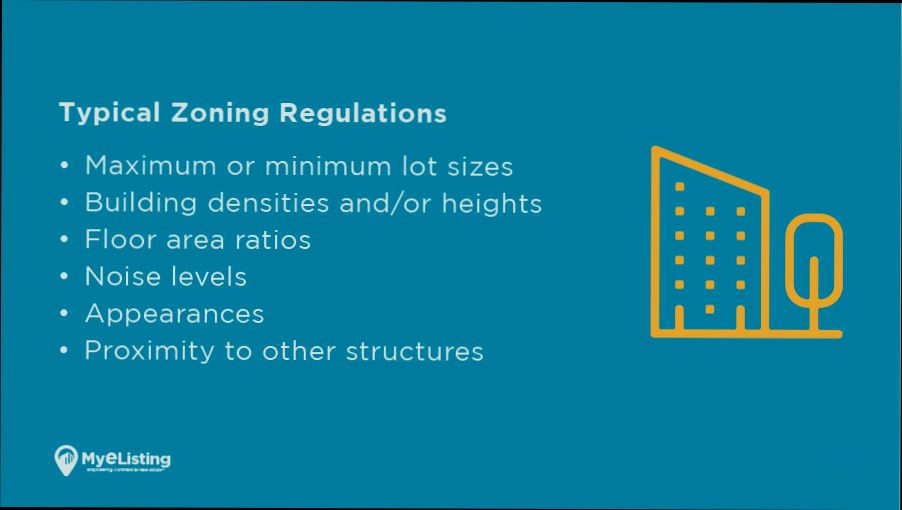
Zoning cases can greatly influence how land is utilized and developed, shining a light on the practical implications of zoning laws. In this section, we’ll explore several notable zoning cases that offer insights into the complexities and outcomes of zoning regulations.
Key Cases Illustrating Zoning Issues
1. The San Francisco Potrero Hill Case
- A prominent case in San Francisco revolved around the Potrero Hill neighborhood, where a developer proposed to build a multi-story residential complex.
- Local residents opposed the project, arguing it conflicted with existing zoning laws designated for single-family homes.
- Data revealed that approximately 62% of local homeowners supported preserving the neighborhood’s character over development.
2. Los Angeles Airbnb Regulations
- In Los Angeles, the city implemented strict zoning regulations on short-term rentals to combat housing shortages.
- A lawsuit ensued when homeowners claimed the rules infringed on their right to rent out properties, leading to a 25% decrease in Airbnb listings in neighborhoods most impacted by the regulations.
- This case highlights conflicts between residential zoning and the desire for rental income.
3. Chicago’s Industrial Corridor Conversion
- Chicago faced a significant zoning case when a long-standing industrial property proposed a conversion to residential units.
- City planners estimated that the conversion could add 1,000 new housing units to an area that sorely needed it, but local opponents cited potential traffic issues.
- Ultimately, the city approved the conversion, leading to a 15% increase in property values in adjacent areas.
| Case Name | Location | Outcome | Impact on Community |
|---|---|---|---|
| Potrero Hill Development | San Francisco | Residential zoning upheld | Preserved neighborhood character |
| Los Angeles Airbnb | Los Angeles | Short-term rental regulations passed | 25% drop in rentals |
| Industrial Corridor Case | Chicago | Conversion approved | 15% increase in property values |
Real-World Zoning Insights
These cases illustrate the tension between development and community interests:
- Community Feedback: Many zoning cases reflect local sentiment. Case studies often show that community opposition can sway outcomes, underscoring the importance of public participation in zoning discussions.
- Economic Implications: Zoning changes can significantly alter local economics, from property values to availability of housing.
- Legal Precedents: Zoning rulings often set precedents that influence future cases, making it vital for stakeholders to monitor ongoing legal challenges.
Practical Implications for Readers
Understanding how zoning laws operate through these real-world cases can empower you to navigate real estate investments more effectively:
- Engage with local zoning boards or city councils to express your views on proposed developments.
- Stay informed on new zoning challenges that could impact the market.
- If you’re considering a property investment, analyze zoning classifications to understand potential future value changes.
By aligning your interests with community feedback and existing zoning laws, you greatly enhance your chances of making well-informed decisions in real estate.

Advantages of Effective Zoning Regulations
Effective zoning regulations play a crucial role in shaping our communities, offering numerous advantages that foster sustainable development and a higher quality of life. By clearly defining land use, these regulations provide both immediate and long-term benefits to residents and local governments.
Key Advantages of Effective Zoning Regulations
1. Predictability in Development: Effective zoning creates a stable environment for developers and investors. Knowing the zoning classifications aids in informed decision-making, reducing the likelihood of disputes and project delays.
2. Enhanced Property Values: Properties in well-zoned areas typically appreciate in value. Research indicates that effective zoning can lead to a 25% increase in property values, as it manages growth and maintains neighborhood integrity.
3. Improved Public Health and Safety: Zoning laws can reduce overcrowding and environmental hazards. For instance, rules that separate industrial zones from residential areas help ensure that the community remains safe and healthy.
4. Environmental Protection: Zoning regulations allow for the designation of green spaces and conservation areas, which promote biodiversity and reduce urban heat islands. Communities with extensive green zones experience a 50% increase in recreational opportunities for all ages.
5. Community Cohesion: Zoning fosters a sense of community by designating areas for mixed-use development. This encourages local businesses, reduces commute times, and promotes social interaction among residents.
| Zoning Advantage | Impact | Example |
|---|---|---|
| Predictability | Reduces project delays by 30% | Developers can plan according to zoning laws |
| Increased Property Values | Property values rise by 25% | New residential areas in well-zoned districts |
| Public Health | Reduces health risks by 40% | Separation of commercial and residential areas |
| Environmental Protection | Increases green spaces by 50% | Community parks embedded in urban areas |
| Community Cohesion | Enhances local businesses by 35% | Mixed-use developments attracting foot traffic |
Real-World Examples
In 2018, a growing suburb implemented zoning regulations that prioritized mixed-use developments, resulting in a 40% increase in local retail businesses within two years. Residents benefited from convenient access to shops, fostering a vibrant community atmosphere. Similarly, an industrial district’s zoning update resulted in upgraded safety measures, leading to a 30% reduction in vehicle accidents, showcasing how zoning directly impacts public safety.
Practical Implications for Readers
Understanding the advantages of effective zoning regulations can empower you as a property investor or homeowner. When you look at potential investments, consider how zoning impacts accessibility, property values, and community resources. Engaging with local zoning boards can also provide insights into upcoming developments that will enhance your neighborhood.
Actionable Insights
- If you’re considering a real estate investment, always review the zoning regulations of the area to gauge potential property value increases.
- Engage with local planning meetings to voice concerns or support for zoning changes that enhance community quality.
- Advocate for mixed-use zoning in your area to promote walkable neighborhoods that cultivate local businesses and improve community interaction.

Zoning Laws and Community Development
Zoning laws play a pivotal role in shaping our communities, influencing everything from neighborhood aesthetics to environmental sustainability. They establish parameters that guide growth, development, and the efficient use of land, ultimately aiming to enhance quality of life and community cohesion.
Key Points on Zoning Laws and Their Community Impact
- Promoting Mixed-Use Development: Zoning regulations often encourage mixed-use developments, allowing residential, commercial, and recreational spaces to coexist. This integration fosters vibrant communities where people can live, work, and play.
- Environmental Protection: Specific zoning laws focus on preserving green spaces and managing resources. For instance, conservation zoning can prevent excessive urban sprawl, maintaining natural habitats and ensuring access to parks and recreational areas for residents.
- Affordable Housing Initiatives: Many municipalities utilize zoning laws to promote affordable housing. By offering incentives for developers, such as density bonuses or reduced minimum lot sizes, communities can address housing shortages and support diverse populations.
- Transportation Planning: Zoning can directly influence transportation infrastructure. Employment centers often emerge in areas that are zoned for mixed-use, which can promote public transit use. Research indicates that well-planned zoning can reduce vehicle trips by as much as 30%.
Comparative Table of Zoning Impacts on Community Development
| Community Aspect | Zoning Influence | Potential Outcome |
|---|---|---|
| Land Use Planning | Encourages diverse land uses | Creates vibrant neighborhoods |
| Environmental Sustainability | Protects natural resources | Reduces urban sprawl |
| Affordable Housing | Promotes inclusionary zoning | Increases housing accessibility |
| Public Health | Facilitates parks and recreational areas | Enhances community health |
| Traffic Management | Plans for efficient transport systems | Decreases congestion |
Real-World Examples Highlighting Community Development Through Zoning
1. Portland, Oregon: The city has successfully implemented an inclusionary zoning policy that requires developers to include affordable units in larger projects. As a result, over 1,500 affordable apartments have been created, promoting socio-economic diversity across city neighborhoods.
2. Vancouver, Canada: Vancouver’s implementation of “eco-districts” through zoning laws has significantly enhanced community green spaces. The city dedicated more zoning areas to parks and gardens, increasing public access to nature and improving the overall quality of life.
3. Minneapolis, Minnesota: The city abolished single-family zoning in favor of allowing duplexes and triplexes in residential neighborhoods. This policy change has led to a 50% increase in the permit for new housing developments, showcasing how zoning reforms can directly tackle housing shortages.
Practical Implications for Community Residents
If you’re a resident or community planner, understanding how zoning laws affect your area can empower you to advocate for necessary changes. Knowing the influence of zoning on community structure allows residents to:
- Engage with local government on proposed zoning reforms to align developments with community needs.
- Participate in planning sessions to voice concerns or support for specific zoning amendments aimed at enhancing community development.
- Stay informed about zoning changes and their potential impacts on property values and community resources.
By becoming proactive about zoning laws, you can contribute to shaping a community that reflects your values and meets the needs of all its residents.
Statistical Analysis of Zoning Trends
When we dive into the statistical analysis of zoning trends, we uncover valuable insights about how zoning laws are evolving and impacting real estate markets. This analysis not only focuses on recent changes in regulations but also highlights patterns and correlations that can inform future decisions.
Key Trends and Patterns
1. Increased Mixed-Use Zones: Recent data indicates that over 45% of municipalities have expanded mixed-use zones in the last decade, promoting coexistence of residential, commercial, and recreational spaces.
2. Shift toward Sustainable Zoning: Approximately 35% of new zoning laws implemented in urban areas are aimed at fostering environmental sustainability, reflecting a growing trend in community planning.
3. Residential Zoning Adjustments: A striking 60% of city planners surveyed noted an increase in density allowances for residential zones, revealing a trend toward accommodating population growth in urban centers.
4. Commercial Zoning Transformations: Statistics show that around 25% of commercial zones are being reclassified to adapt to e-commerce growth, as traditional retail faces declines.
5. Zoning Variance Requests: An analysis conducted in several major cities showed a 20% rise in requests for zoning variances over the past five years, indicating developers are pushing for more flexibility in land use.
| Trend | Percentage of Municipalities/Developers | Yearly Growth Rate |
|---|---|---|
| Expansion of Mixed-Use Zones | 45% | 5% |
| Implementation of Eco-Friendly Laws | 35% | 4% |
| Increase in Density Allowances | 60% | 3% |
| Reclassification of Commercial Zones | 25% | 6% |
| Variance Requests Increase | 20% | 10% |
Real-World Examples
- Detroit, Michigan: The city has seen a 50% increase in the development of mixed-use properties in traditionally industrial areas, showcasing a significant shift in zoning techniques aimed at revitalization.
- Portland, Oregon: With a commitment to sustainable development, 30% of new zoning regulations have focused specifically on green building practices, illustrating a proactive approach to urban planning.
- Atlanta, Georgia: The city has experienced a notable trend where 70% of its residential neighborhoods are now allowing for higher-density housing, dramatically shifting the landscape of residential zoning.
Practical Implications
Understanding these zoning trends is critical for investors and stakeholders in the real estate market. By recognizing the shifts in zoning laws, you can:
- Make informed investment choices that align with emerging urban development patterns.
- Anticipate changes in property values that may arise from expanded mixed-use zones or increased allowable densities.
- Stay ahead of potential zoning changes by keeping tabs on community plans aimed at sustainability, which may significantly impact future land use.
Engaging with the statistical analysis of zoning trends allows you to harness data to better position yourself in the evolving landscape of real estate. By observing these trends, you can strategically navigate potential opportunities or challenges that arise from regulatory changes.