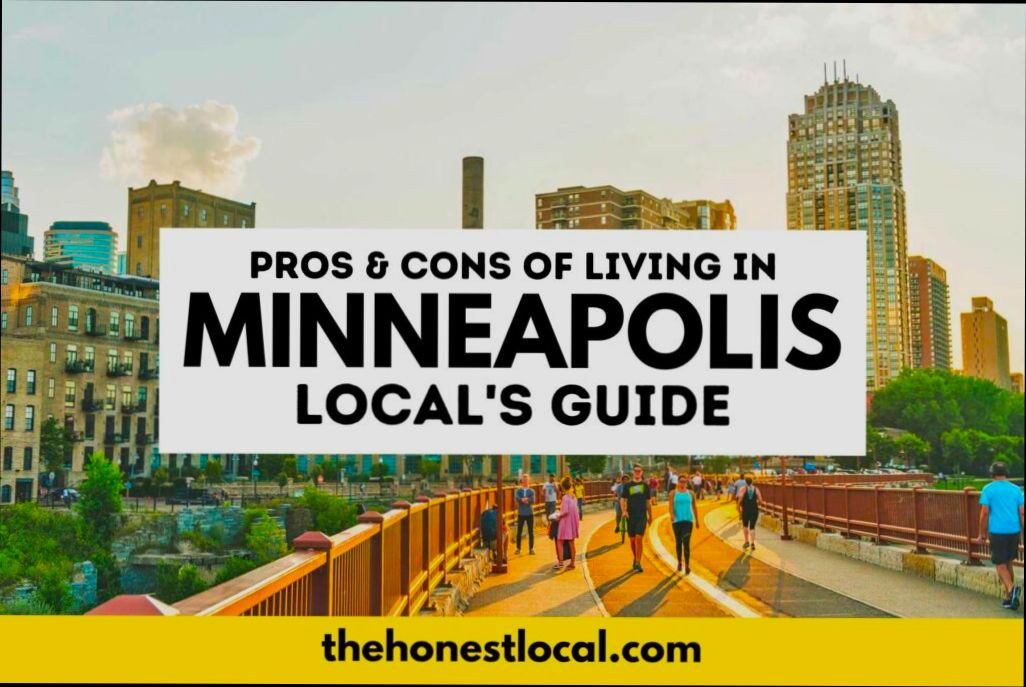
Pros and Cons of Living in Minneapolis MN. Picture this: vibrant arts districts, miles of scenic parks, and a booming craft beer scene—Minneapolis has it all. You’ve got the Walker Art Center, which houses one of the best modern art collections in the country, and the Minneapolis Institute of Arts, featuring over 80,000 pieces that keep the cultural vibe alive. Outdoor lovers thrive here too, with over 200 miles of bike trails and the stunning Chain of Lakes for weekend adventures. And let’s not forget the affordable housing options around the city; according to Zillow, the median home price is around $350,000, which is pretty reasonable compared to other major cities.
But it’s not all sunshine and snow-laden winters. Sure, Minneapolis has a lot going for it, but harsh winters can be a tough sell. With average temperatures plummeting to around 20°F in January, you’ll find yourself bundled up more often than not. Plus, while the cost of living is generally lower, the tax burden can feel heavy—Minnesota has one of the highest state income tax rates, hovering around 9.85%. Navigating the job market can have its ups and downs too. While companies like Target and U.S. Bank call this city home, local unemployment rates have seen fluctuations, leading to competition in certain fields. It’s a mixed bag that you’ll want to consider if you’re thinking about making the move.
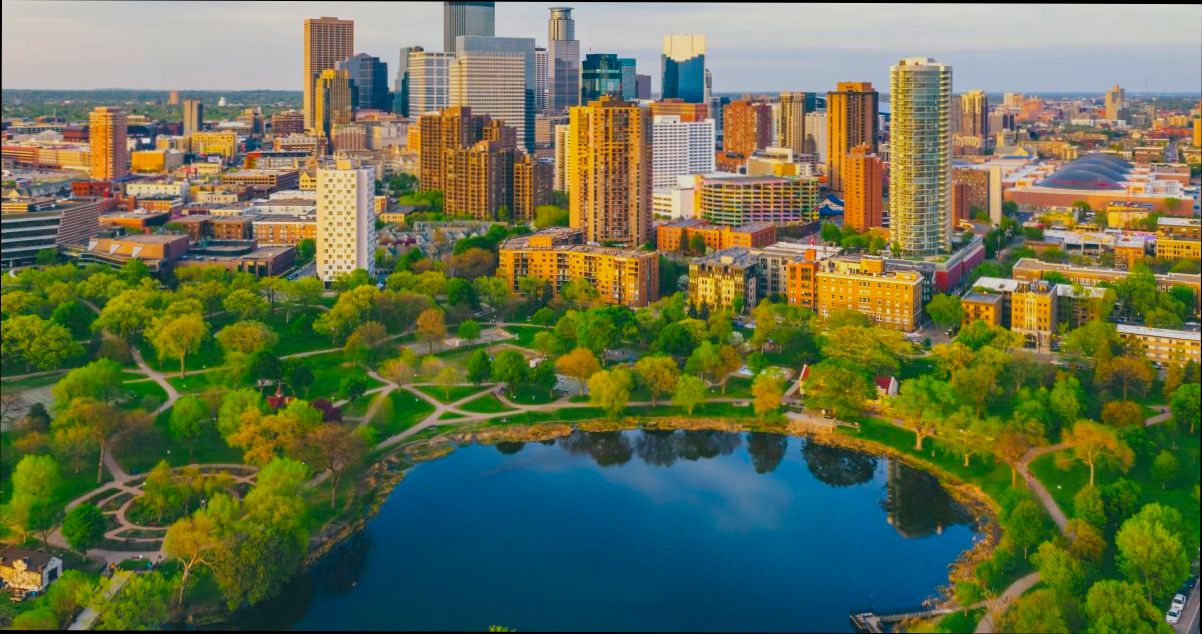
Climate Considerations in Minneapolis Living
When considering a move to Minneapolis, it’s crucial to understand the city’s distinct climate. The weather patterns here can significantly influence your daily life, from how you dress to your home maintenance needs. Let’s dive into some of the essential climate considerations that you should keep in mind.
Seasonal Variability
Minneapolis experiences pronounced seasonal changes, with noticeable temperature differences throughout the year.
- Winter: The average winter temperature hovers around 15°F, with lows dipping to 0°F or lower on many nights. This can lead to heavy snowfall, averaging 50 inches annually.
- Summer: Conversely, summer can be quite warm, with average highs reaching 83°F in July. This season is typically humid, making it feel hotter.
These drastic shifts mean you’ll need a diverse wardrobe and different strategies for maintaining comfort.
Precipitation Patterns
Minneapolis receives about 28 inches of precipitation annually, with rain being most common in the late spring and summer months. This humidity can create lush surroundings but also leads to potential challenges such as:
- Flooding: Heavy rains can cause localized flooding, particularly in low-lying areas.
- Mold Growth: Increased moisture can lead to mold issues if your living space isn’t properly ventilated.
Understanding these patterns helps you prepare for potential water issues in your home.
Climate Change Resilience
The effects of climate change are also becoming evident in Minneapolis.
- Rising Temperatures: The city has experienced an increase of approximately 2°F over the last century, leading to hotter summers and milder winters.
- Extreme Weather Events: There’s a rising trend in the frequency and intensity of storms, which can impact infrastructure, trees, and your home safety.
Being aware of these changes can help you make informed decisions regarding property resilience and insurance.
Table: Seasonal Climate Breakdown in Minneapolis
| Season | Average Temperature (°F) | Average Snowfall (inches) | Average Rainfall (inches) |
|---|---|---|---|
| Winter | 15 | 50 | 0.3 |
| Spring | 45 | 10 | 2 |
| Summer | 83 | 0 | 3.5 |
| Fall | 50 | 2 | 2 |
Real-World Examples
Consider the case of Rebecca, a Minneapolis resident who invested in high-quality insulation because of her concerns regarding heating costs during the cold winters. Her proactive approach not only kept her bills down but also improved her comfort. On the other hand, James faced expensive repairs due to flooding in his basement after a heavy rainstorm. These experiences highlight the importance of being climate-ready.
Practical Implications for Residents
Adapting to Minneapolis’s climate requires you to make thoughtful choices about your living environment:
- Insulation: Ensure your home is well-insulated to combat the cold and heat effectively.
- Drainage Systems: Consider investing in proper drainage solutions around your property to mitigate flooding risks.
- Heating and Cooling: Maintain a reliable heating and cooling system. Portable air conditioners can also be handy during those hot summer days.
Actionable Advice
- Choose clothing suited for extreme temperatures, including layers for winter and breathable fabrics for summer.
- Monitor local weather updates, especially during storm seasons, to prepare in advance for any extreme conditions.
- Regularly inspect and maintain your home’s roof and gutters to handle the heavy snowfall and rainfall effectively.
Understanding these climate considerations will empower you to make smarter decisions about living in Minneapolis.
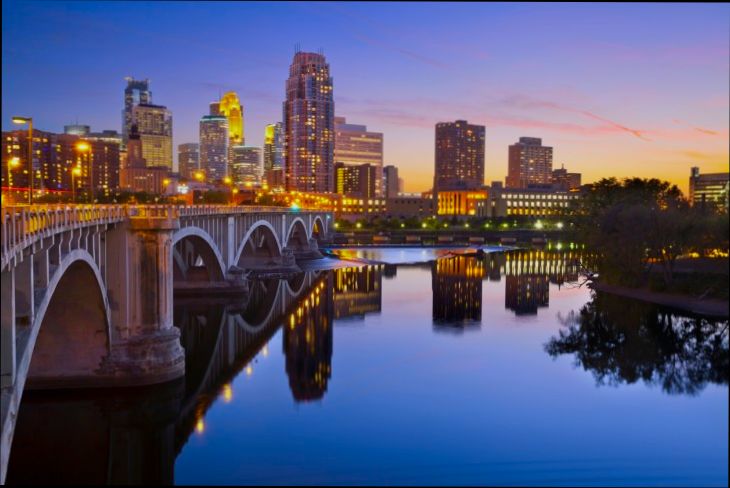
Cost of Living: A Statistical Overview
Understanding the cost of living in Minneapolis is essential for anyone considering a move to the city. It encompasses various factors including housing, utilities, groceries, and transportation. Here, I’ll provide a comprehensive statistical overview of what you can expect.
Housing Costs
Housing is often the largest expense for residents. According to recent data:
- The median home price in Minneapolis is approximately $313,000, which is slightly lower than the national average.
- Renters face an average monthly rent of about $1,400 for a one-bedroom apartment in the city center.
Utility Expenses
Utility costs can vary, but here’s a breakdown of what you might incur monthly:
- Basic utilities (electricity, heating, cooling, water, and garbage) for an average apartment cost around $180.
- Internet services average about $75 monthly.
Grocery Prices
Grocery expenses also contribute significantly to the overall cost of living:
- The average monthly grocery bill for one adult is approximately $300.
- Notable prices include:
- A gallon of milk: $3.50
- A pound of bread: $2.50
- A dozen eggs: $2.00
Transportation Costs
Minneapolis boasts a relatively efficient public transportation system, which can save you money:
- A monthly public transit pass costs about $76.
- Gas prices typically range around $3.20 per gallon, which is close to the national average.
Comparative Overview
Here’s a snapshot comparing key expenses in Minneapolis vs. the national averages:
| Expense Type | Minneapolis Average | National Average |
|---|---|---|
| Median Home Price | $313,000 | $347,500 |
| Rent (1BR) | $1,400 | $1,600 |
| Utilities | $180 | $200 |
| Internet | $75 | $70 |
| Groceries | $300 | $330 |
| Public Transit Pass | $76 | $70 |
Real-World Examples
Consider the case of Sarah, a young professional who moves to Minneapolis for a job opportunity. Sarah budgets around $1,600 a month for her living expenses. Here’s how it breaks down based on her experience:
- Rent: $1,350 for a one-bedroom in the Uptown area.
- Utilities: $150 every month.
- Groceries: $250, as she prefers organic produce.
Now Sarah knows that her total monthly cost is $1,750, which helps her plan her finances effectively.
Practical Implications for You
If you’re thinking about relocating, it’s vital to assess your budget against these costs.
- Create a monthly budget template with the average costs shown above.
- Factor in potential lifestyle changes, as dining out and entertainment can add up.
- Investigate local incentives for new residents, as some areas offer discounts on services or housing.
Specific Facts to Remember
- Housing takes up a considerable chunk of your budget, so consider areas with lower rental costs.
- Factor in seasonal variations in utility costs, especially heating in the harsh winters.
- Don’t forget to explore local farmers’ markets; they can provide fresh groceries at competitive prices.
Cultural Vibrancy and Arts Scene
Minneapolis boasts a rich tapestry of cultural vibrancy and a thriving arts scene that captivates residents and visitors alike. The city’s artistic expressions range from visual arts and music to theater and dance, making it a dynamic hub for creativity.
Diverse Artistic Venues
Minneapolis is home to over 200 arts organizations, reflecting its commitment to cultural diversity. Venues like the Walker Art Center and the Guthrie Theater attract thousands of visitors each year, offering a mix of contemporary art and classic performances.
- Theaters: The city has more than 25 theaters, showcasing everything from Broadway productions to local independent plays.
- Art Galleries: There are approximately 75 galleries throughout Minneapolis, featuring both local and international artists.
Annual Festivals and Events
The arts are celebrated through numerous annual events that engage the community and showcase local talent.
- The Minneapolis Art Fair, held each September, features works from over 250 artists and attracts around 50,000 visitors.
- Northern Spark, an all-night arts festival, highlights interactive installations and performances from over 100 artists, drawing participation from the entire metro area.
| Event Name | Type | Attendance | Year Established |
|---|---|---|---|
| Minneapolis Art Fair | Visual Arts | 50,000 | 1995 |
| Northern Spark | Multi-genre | N/A | 2011 |
| Minnesota Fringe | Theater | 53,000 | 1993 |
Real-World Examples of Cultural Engagement
Several initiatives exemplify how Minneapolis embraces cultural vibrancy:
- Art-a-Whirl is the largest open studio tour in the U.S., providing opportunities for local artists to showcase their work. In 2022, it featured over 800 artists across more than 70 locations in Northeast Minneapolis.
- The We Are Water MN project, aimed at raising awareness of water issues, involved over 1,500 community members through art installations and storytelling, demonstrating how art can mobilize community engagement.
Practical Implications
For those considering relocation or deeper engagement in Minneapolis, here’s how you can tap into the arts scene:
- Attend local theater productions or art shows to support local artists and discover new talent.
- Participate in open studio events to connect with the community and appreciate the diversity of artistic expression.
- Volunteer with arts organizations or festivals, which can provide a greater understanding of the city’s cultural fabric and foster connections with like-minded individuals.
Specific Facts and Actionable Insights
- Check out the Minneapolis Institute of Art, which offers free admission and a world-class collection spanning over 5,000 years of art history.
- Consider subscribing to arts newsletters and local magazines like The Growler or Arts Blog, which highlight upcoming events and exhibitions.
Embracing Minneapolis’ cultural vibrancy can enrich your life and help foster a sense of community, making your experience in the city truly memorable.

Transportation Options and Accessibility
When considering a move to Minneapolis, the transportation options and accessibility play a crucial role in daily life. The city offers various means of getting around, making it easier to navigate urban living while accommodating diverse lifestyles and preferences.
Public Transit System
Minneapolis has a robust public transit system that includes:
- Metro Transit Buses: Covering over 80 routes, these buses connect different neighborhoods and suburbs to the city center.
- Light Rail: The two light rail lines—Blue Line and Green Line—serve key areas, with a combined coverage of about 22 miles. They transport over 14 million riders annually, making them a popular choice for commuters.
- Rapid Bus Services: Designed for speed and efficiency, these routes utilize dedicated lanes to reduce travel time, enhancing accessibility for those relying on public transport.
Walkability and Biking
Minneapolis is recognized as one of the most walkable and bike-friendly cities in the U.S. With:
- Over 200 miles of bike lanes, including protected routes and trails, cyclists can navigate the city safely.
- The Nice Ride bike-sharing program, which provides around 1,500 bikes across 170 stations in the city. This program enhances accessibility by promoting eco-friendly transportation.
Accessibility Features
Minneapolis prioritizes accessibility for residents with disabilities. Key features include:
- Low-floor buses and accessible light rail stations equipped with elevators and ramps to ensure easy access.
- City plans aim to boost overall accessibility by improving sidewalks and crosswalks, targeting areas with high pedestrian traffic.
Comparative Analysis of Transportation Options
| Transportation Mode | Coverage | Annual Ridership | Unique Features |
|---|---|---|---|
| Public Buses | 80+ routes | 65 million | Affordable fares, extended hours |
| Light Rail | 22 miles | 14 million | Direct access to downtown and U of M |
| Bike Sharing (Nice Ride) | Citywide (170 stations) | 500,000+ (2019 data) | Eco-friendly, easy rentals |
Real-World Examples
One significant example is the partnership with The City of Lakes Bike Fest, which promotes biking in the city. Events like these highlight the city’s dedication to creating a bike-friendly environment, drawing in residents who enjoy outdoor activities and offering educational sessions on safe biking practices.
Another great case is the expansion of Metro Transit’s Rapid Bus lines, which allows commuters to reach jobs and services faster, benefiting those living in less central areas who can now access opportunities previously out of reach.
Practical Implications for Residents
Knowing your transportation options is vital for managing time and budget effectively. Consider these actionable insights:
- Utilize public transit apps to plan your journeys, saving you from unnecessary waiting times.
- If you prefer biking, take advantage of the Nice Ride system for short trips, which can improve your overall well-being and fitness.
Maintaining awareness of seasonal changes that might affect travel, such as winter storms impacting bus schedules, can also help you stay proactive and adjust your commuting plans accordingly.

Job Market Dynamics in Minneapolis
Understanding the job market dynamics in Minneapolis is crucial for anyone considering a move to the city. With its diverse economy, various opportunities, and educational networks, Minneapolis offers a lot to job seekers. Let’s dive into some key aspects that define the current job landscape.
Employment Sectors
Minneapolis has a well-rounded employment landscape with key sectors driving its economy:
- Health Care: This sector employs around 30% of the workforce. Major health systems like Fairview Health Services and Allina Health contribute significantly to job availability.
- Finance and Insurance: Approximately 11% of jobs are in this sector, with big players like U.S. Bancorp and Wells Fargo located here.
- Retail: A substantial 10% of Minneapolis jobs are in retail, thanks mainly to the presence of Target Corporation, headquartered in the city.
Job Market Statistics
The current job market in Minneapolis presents several compelling statistics:
- The unemployment rate in Minneapolis sits at roughly 3.4%, which is lower than the national average.
- Job growth from 2021 to 2023 has seen a 4% increase, with predictions for continued growth in sectors such as technology and health.
- Over 70% of the workforce holds at least a bachelor’s degree, reflecting a highly educated populace—an attractive factor for employers.
Comparative Job Market Overview
| Sector | Percentage of Workforce | Notable Employers |
|---|---|---|
| Health Care | 30% | Fairview, Allina Health |
| Finance and Insurance | 11% | U.S. Bancorp, Wells Fargo |
| Retail | 10% | Target Corp., Mall of America |
Real-World Examples
1. The IT Boom: Tech companies like Codero and Workday have expanded their footprints in Minneapolis, creating hundreds of high-paying jobs for software developers and IT specialists.
2. Healthcare Initiatives: Programs by local hospitals to recruit nurses ahead of projected shortages have increased job openings, making the healthcare sector a stable choice for incoming residents.
3. Higher Wages: Data shows that average salaries in Minneapolis exceed the national average by about 8%, particularly in sectors like tech and finance, enhancing the overall appeal of working in the city.
Practical Implications for Job Seekers
If you’re looking to enter the job market in Minneapolis, here are some actionable takeaways:
- Networking: Leverage local networking events, especially in vibrant districts like Northeast Minneapolis, which host frequent job fairs and meetups.
- Job Training Programs: Engage with local community colleges offering programs in high-demand fields such as IT and healthcare, which align with current market needs.
- Online Job Portals: Utilize platforms like Minnesota Works and local organizations that focus on job placement in the city’s thriving industries.
Key Facts and Advice
- Consider focusing your job search in growing sectors like technology and healthcare, as they show the most promise for new opportunities in the near future.
- Regularly check job boards specific to Minneapolis to stay up-to-date on new postings, as companies are increasingly seeking talent in the wake of recent market growth.

Public Safety and Community Wellbeing
When considering a move to Minneapolis, public safety and community wellbeing are important topics to explore. The city has experienced shifts in perceptions regarding safety and community health in recent years. Let’s dive into key points surrounding this subject, backed with relevant data and practical examples.
Crime Rates and Trends
Understanding the current landscape of crime in Minneapolis is crucial for evaluating safety. Here are some insights into local crime statistics:
- The city has seen a significant increase in violent crime in recent years, with a reported 16% rise in violent offenses from 2020 to 2021. This came as a concern for many residents.
- Property crimes, including burglary and theft, remain prevalent, accounting for about 70% of total crime rates in 2021.
- Despite these trends, certain neighborhoods report lower crime rates, offering safer alternatives for families.
Neighborhood Watch Programs
Community engagement plays a vital role in enhancing safety. Minneapolis has fostered various neighborhood watch programs that enable residents to collaborate in safeguarding their communities:
- Over 50 active neighborhood watch groups operate throughout the city, focusing on crime prevention and increasing community awareness.
- Residents participating in these groups have reported feeling more secure and connected with their neighbors, which enhances overall community wellbeing.
Emergency Services Response Time
Public safety is closely aligned with the effectiveness and efficiency of emergency services. In Minneapolis, response times have shown variability:
- The average response time for police emergency calls stands at approximately 8 minutes, which is on par with national averages but can vary significantly across different neighborhoods.
- Reducing response times has been a focus for local government, and they aim to improve service delivery through enhanced resource allocation.
| Indicator | Minneapolis | National Average |
|---|---|---|
| Violent Crime Increase (2020-2021) | 16% | Varies by region |
| Average Police Response Time | 8 minutes | 8-10 minutes |
| Active Neighborhood Watch Groups | 50+ | Varies widely |
Real-World Examples
Several initiatives have positively impacted community safety and wellbeing:
- The Minneapolis Community Safety Work Group focuses on reimagining safety protocols and responding to community concerns, reflecting a commitment to evolving safety methods. This collaborative approach encourages input from diverse community stakeholders.
- Notable success stories include localized safety programs, like the Northside Safety Coalition, which have successfully reduced crime rates in targeted areas through grassroots involvement and proactive engagement.
Practical Implications for Residents
For anyone considering relocating to Minneapolis, it’s vital to familiarize yourself with neighborhood dynamics. Here are some actionable insights:
- Evaluate crime statistics of potential neighborhoods. Many online resources provide updated information that can help you make informed decisions.
- Engage with local community groups. Becoming an active participant can not only enhance your personal sense of safety but also strengthen community bonds.
Key Takeaways for Public Safety
- Stay informed about local safety initiatives and community efforts that contribute to public wellbeing.
- Explore local resources aimed at crime prevention and community engagement to better integrate yourself into the neighborhood.

Recreational Opportunities and Outdoor Activities
Living in Minneapolis opens the door to a plethora of recreational opportunities and outdoor activities that cater to all ages and interests. With over 50 lakes and extensive park systems, the city offers a unique blend of urban living and nature. Let’s delve into the exciting possibilities for your outdoor adventures.
Abundant Parks and Trails
Minneapolis boasts an impressive array of parks and trails, making it easy to enjoy nature right in the city. Here are some key figures that highlight the recreational landscape:
- Parks: The city has more than 180 parks, encompassing around 7,000 acres of green space.
- Lakes: With 11 lakes and 50 miles of shoreline, you have plenty of options for summer activities like swimming, fishing, and kayaking.
- Biking Trails: Minneapolis features over 200 miles of biking paths, perfect for cyclists and leisurely riders alike.
Popular Recreational Activities
There’s something for everyone when it comes to outdoor activities in Minneapolis:
- Boating and Water Sports: The chain of lakes is ideal for kayaking, sailing, and paddleboarding, especially during the summer months.
- Hiking and Walking: With scenic trails like those around Lake Harriet and Minnehaha Falls, you can enjoy beautiful surroundings while staying active.
- Wildlife Watching: Parks such as Theodore Wirth Regional Park provide opportunities to see diverse wildlife, including birds and other native animals.
Comparative Table of Outdoor Activities
| Activity | Description | Availability |
|---|---|---|
| Kayaking | Explore city lakes and rivers | Seasonal, most popular in summer |
| Bicycling | Extensive trail system for all skill levels | Year-round commuter option |
| Hiking | Scenic trails through parks and natural areas | Year-round, more popular in spring/fall |
| Fishing | Numerous lakes stocked with fish | Year-round, ice fishing in winter |
| Picnicking | Designated areas throughout parks | Year-round, with peak in summer |
Real-World Examples
One of the standout features is Minnehaha Regional Park, famous for its stunning waterfall and extensive trails. Each year, thousands visit to hike, picnic, and enjoy the view. Similarly, Lake Nokomis offers year-round recreational activities, from ice fishing and skating in winter to swimming and beach volleyball in the summer.
Wheel Fun Rentals at Lake Calhoun allows visitors to rent bikes, canoes, and kayaks, catering to families and groups looking to explore the waterfront.
Practical Implications
For those considering outdoor activities:
- Take advantage of the Minneapolis Park and Recreation Board, which offers seasonal programs and classes to enhance your outdoor experience.
- Engage with local outdoor groups or meetups that focus on biking, hiking, or water sports, which can help boost your social connections while enjoying these activities.
- Look into annual events like the Minneapolis Aquatennial for a community celebration of summer water sports and activities around the lakes.
Actionable Advice
Always check the conditions at local parks before heading out, especially during winter for ice activities, and take advantage of the city’s bike share program to explore different trails without needing to own a bike. Plan your outings around seasonal festivals that highlight outdoor activities, providing both fun and community engagement.