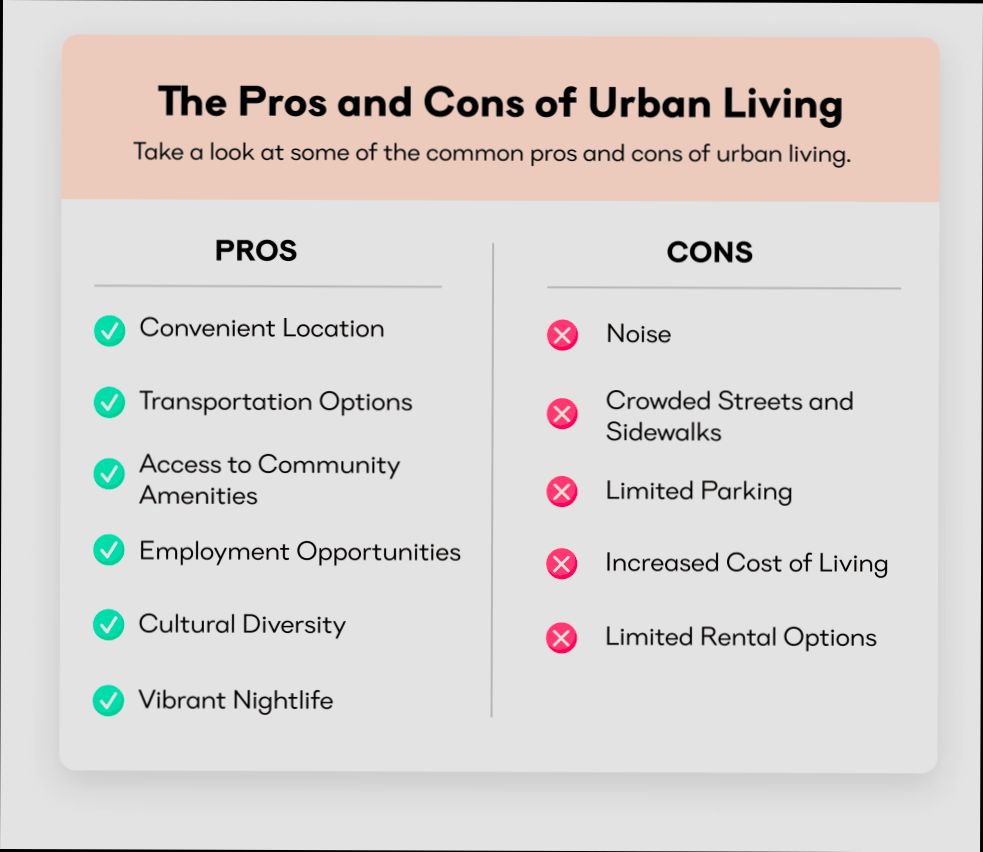
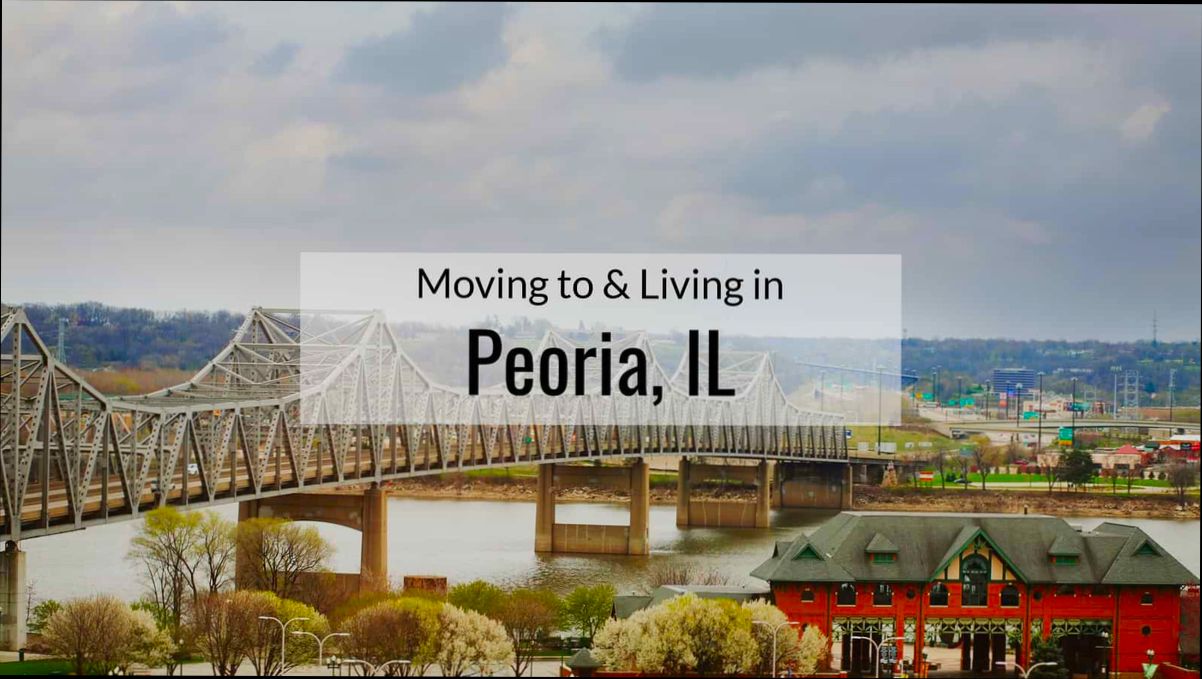
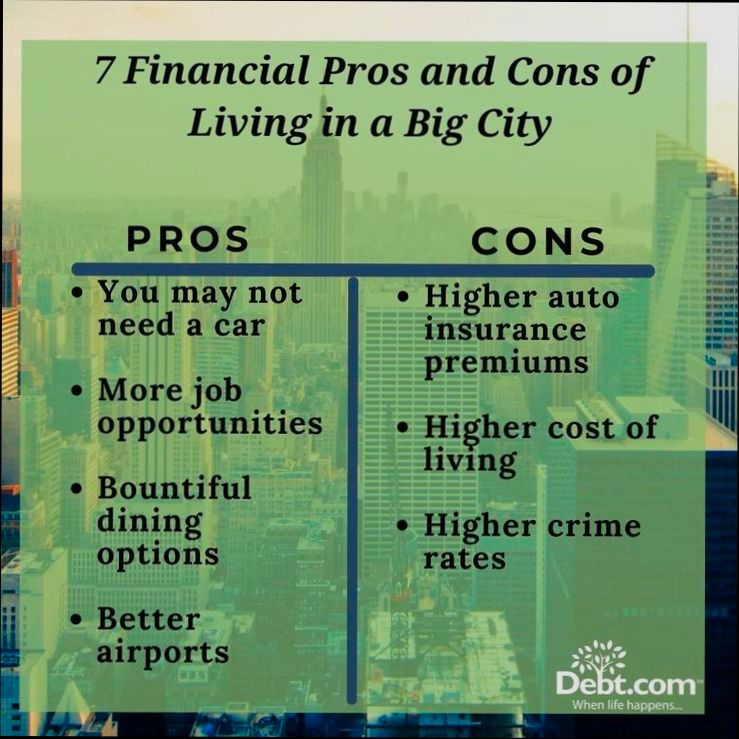
Pros and Cons of Living in Peoria, IL. It’s a city that often gets overlooked, but there’s more to Peoria than meets the eye. For instance, the cost of living here is about 10% lower than the national average, which means more room in your budget for that satellite dish or weekend getaway. Plus, housing is fairly affordable; the median home price is around $119,000. If you’re into the outdoors, you’ll love the abundance of parks and the scenic trails along the Illinois River, perfect for those sunny days.
On the flip side, potential downsides pop up too. Job opportunities can feel limited, especially for those in high-demand fields like tech or healthcare, though the presence of organizations like Caterpillar does provide some stability. Peoria has its share of crime, with a crime rate higher than the national average, which might make you think twice about where to settle down. And while the city has its charm, some folks feel it lacks a vibrant nightlife and cultural scene compared to bigger cities. So, there’s a lot to consider if you’re thinking about making Peoria your home.
Cost of Living Compared to Surrounding Areas
When considering a move to Peoria, IL, one crucial factor to deliberate is the cost of living, particularly in relation to nearby cities. Understanding these dynamics can help you make more informed decisions about where to settle down.
Economic Overview
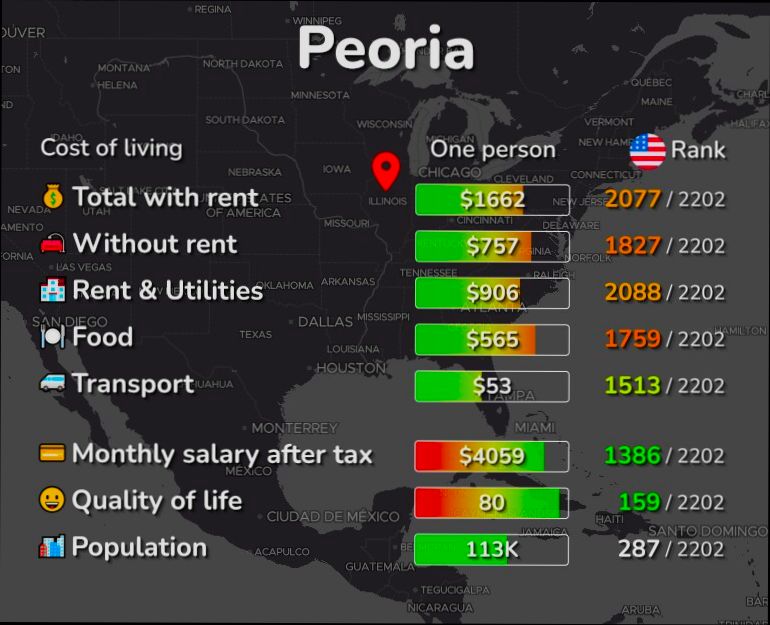
- Peoria’s overall cost of living is approximately 15% lower than the national average, which creates a financially attractive option for many families and individuals.
- By comparison, nearby cities such as Bloomington and Champaign have cost of living indices that are approximately 10% and 5% higher, respectively.
- Housing remains the most significant contributor to these statistics. In Peoria, the median home price is around $130,000, while Bloomington and Champaign show median prices of $165,000 and $185,000.
Comparative Cost of Living Table
| City | Cost of Living Index | Median Home Price | Grocery Costs Index |
|---|---|---|---|
| Peoria | 85 | $130,000 | 94 |
| Bloomington | 97 | $165,000 | 98 |
| Champaign | 95 | $185,000 | 96 |
| Springfield | 90 | $145,000 | 95 |
Real-World Examples
- A family moving from Bloomington to Peoria could save approximately $300 monthly on housing alone, giving them a higher disposable income for leisure activities or savings.
- A professional relocating to Peoria for work can expect to enjoy the same quality of life while spending about $200 less monthly just on groceries compared to Champaign, thanks to more reasonable grocery costs.
- Retirees can benefit from Peoria’s lower cost of living by stretching their retirement funds further, as illustrated by a case study of a couple who relocated from Springfield, finding their overall expenses reduced by nearly $400 monthly.
Practical Implications
For you as a prospective resident, these figures mean that moving to Peoria could equate to significant savings over time. You’ll find:
- More affordable housing options allow for homeownership, even if you are transitioning from renting in a higher-priced market.
- Lower grocery and utility costs facilitate tighter budgets while also providing an opportunity to invest in local businesses.
- If you work remotely or have a flexible job, you have the chance to reap the benefits of Peoria’s lower living costs without sacrificing salary.
Actionable Advice
- Compare your current housing costs to Peoria’s median prices, then calculate potential monthly savings.
- Consider making a list of your current expenses and compare them against Peoria’s indices to identify where you could save.
- If you’re concerned about transitioning from a higher-cost environment, reach out to local residents or engage in community forums to learn how they’ve adjusted their lifestyle and budgets.
Cultural Attractions and Community Life
Living in Peoria, IL, you’ll discover a vibrant cultural landscape that enriches community life. This city offers a blend of art, music, history, and shared experiences, creating a welcoming environment for all its residents. Let’s delve into some of the cultural attractions and community initiatives that make Peoria a unique place to call home.
Key Cultural Attractions
- Peoria Riverfront Museum: This state-of-the-art museum features interactive exhibits focused on art, history, and science. It attracts about 150,000 visitors annually, showcasing local talent and offering educational programs.
- Civic Center: Hosting over 200 events a year, the Civic Center is a hub for concerts, sports, and community gatherings. This venue is crucial for promoting local and national acts alike.
- Cultural Festivals: Peoria hosts various annual festivals that celebrate different aspects of culture, including the Peoria Blues and Heritage Music Festival, which draws thousands and showcases local talent, drawing attention to Peoria’s rich musical roots.
Community Life Engagement
The sense of community in Peoria is strengthened by numerous organizations and activities that encourage local involvement:
- Arts and Culture: The community actively supports local artists and performers through events and exhibitions, fostering a deep appreciation for the arts.
- Volunteer Programs: With over 25% of residents participating in local charities, community service plays a key role in enhancing the quality of life. These programs create strong bonds among residents while addressing local needs.
- Neighborhood Associations: Many neighborhoods host regular meetings and events, from block parties to clean-up days. This creates a tight-knit community feeling that many residents cherish.
| Cultural Venue/Event | Type | Annual Attendance |
|---|---|---|
| Peoria Riverfront Museum | Museum | 150,000 |
| Civic Center | Events/Venue | 200+ events |
| Peoria Blues Festival | Music Festival | Thousands |
Real-world Examples
- The Contemporary Art Center: This center showcases works from local and national artists. It regularly engages the community through workshops and lectures, fostering a supportive environment for creative expression.
- Local Theatre Groups: Groups like the Peoria Players Theatre not only entertain but also provide opportunities for local talent, engaging the community in theatrical productions that often sell out.
- Food Events: The Peoria Farmers Market, hosted from spring through fall, highlights local produce and crafts, enhancing community interaction while supporting local businesses.
Practical Implications for Residents
As a resident, you can dive into community life by checking out local events or joining clubs that cater to your interests. Engaging with neighbors at cultural events can enrich your social circle. Make it a point to explore local attractions, as it’s a fantastic way to discover the artistic heartbeat of the city while supporting local talent.
- Attend events at the Civic Center and explore the Riverfront Museum to stay connected with Peoria’s cultural pulse.
- Volunteer for local charities or participate in community-led initiatives to strengthen your ties within the neighborhood.
- Visit the Farmers Market to not only shop but network with local farmers and artisans, embracing Peoria’s community spirit.
By immersing yourself in Peoria’s cultural attractions and community life, you’ll find countless opportunities to connect and grow within this engaging city.
Educational Opportunities in Peoria
When considering educational opportunities in Peoria, you’ll find a diverse landscape of institutions catering to various academic needs and career aspirations. Whether you’re looking for traditional degree programs or innovative training courses, Peoria has a strong educational framework that supports lifelong learning.
Higher Education Institutions
Peoria is home to several esteemed higher education institutions that offer robust programs:
- Bradley University: This university emphasizes experiential learning, guaranteeing hands-on opportunities for 100% of its students. Bradley offers a variety of undergraduate programs and an average class size of just 13, allowing for personalized attention and academic support.
- Illinois Central College (ICC): As one of the largest community colleges in Illinois, ICC serves over 10,000 students and offers more than 100 degree programs, including cutting-edge fields like artificial intelligence. Their supportive faculty strives to guide students through the latest technologies and information pertinent to their chosen careers.
- Methodist College: Specializing in healthcare education, this institution focuses on training future healthcare professionals in a hands-on environment.
Local Schools and Programs
Peoria also boasts an array of primary and secondary educational options:
- Peoria Public Schools: This district encompasses multiple primary, middle, and high schools, catering to diverse learning needs. The district emphasizes academic achievement and personal growth.
- Peoria Academy: A private school offering Pre-K through 8th grade education, focusing on a comprehensive curriculum that encourages critical thinking and creativity.
- Quest Charter Academy: Serving grades 6-12, this charter school offers specialized programs designed to engage students in meaningful learning experiences.
Lifelong Learning Opportunities
For those looking to continue their education as adults:
- Osher Lifelong Learning Institute (OLLI): Affiliated with Bradley University, OLLI provides a variety of classes and educational trips for individuals 50 and older. It fosters a community of over 1,100 members who prioritize lifelong learning.
Educational Offering Comparison Table
| Institution | Type | Programs Offered | Enrollment |
|---|---|---|---|
| Bradley University | University | 100+ undergraduate programs | 10,059 |
| Illinois Central College | Community College | 100+ degree and 56 certificate programs | 10,000+ |
| Methodist College | College | Healthcare-focused programs | Varies |
| Peoria Public Schools | School District | Primary, middle, and high schools | Varies by school |
| Peoria Academy | Private School | Pre-K through 8th grade | Varies |
| Osher Lifelong Learning Institute | Adult Education | Various courses and activities | 1,100+ members |
Real-World Examples
In recent years, Illinois Central College has introduced a one-year certificate program in artificial intelligence, responding to emerging job markets. This proactive approach equips students with essential skills for immediate employment in rapidly evolving sectors, showcasing how Peoria institutions adapt to workforce needs.
Additionally, Bradley University’s focus on individualized studies ensures that students can achieve their personal and professional goals with tailored support, increasing their chances of success post-graduation.
Practical Implications
If you’re contemplating your educational options in Peoria, think about how the diverse offerings can align with your career goals. The robust community college system and strong four-year universities provide not only traditional academic paths but also alternatives that include certifications and trade programs.
Consider attending local educational fairs or open houses, and reach out directly to institutions for details on programs or scholarships. Engaging with these educational opportunities could provide a strong foundation for your future career endeavors or personal growth.
Crime Rates and Safety Concerns
When contemplating a move to Peoria, IL, it’s essential to evaluate the local crime rates and safety concerns. Understanding these aspects helps you make informed decisions about the area’s livability and your personal safety.
Overview of Crime Rates
In Peoria, crime rates can vary significantly by neighborhood. In general, Peoria has experienced fluctuations in both violent and property crimes over recent years. Here are some key statistics to consider:
- Violent Crime Rate: Peoria’s violent crime rate stands at about 8.6 per 1,000 residents, which surpasses the national average of 3.7 per 1,000 residents.
- Property Crime Rate: The property crime rate in Peoria is approximately 27.8 per 1,000 residents, above the national average of 22.0 per 1,000 residents.
- Yearly Trends: In the last year, Peoria saw a roughly 12% increase in reported property crimes compared to the previous year, prompting discussions about community safety strategies.
Comparative Crime Rates Table
| Crime Type | Peoria Rate (per 1,000 residents) | National Average (per 1,000 residents) |
|---|---|---|
| Violent Crime | 8.6 | 3.7 |
| Property Crime | 27.8 | 22.0 |
Real-World Examples
In recent incidents, certain neighborhoods in Peoria have garnered attention due to higher crime rates. For instance, the East Bluff neighborhood has experienced a series of break-ins, leading to increased community awareness and shared neighborhood watch initiatives. Local residents have organized meetings to share information and foster a safer environment.
Actionable Insights for Residents
To mitigate safety concerns, here are practical steps you can take as a resident:
- Stay Informed: Regularly check local news and community bulletins for updates on crime in your area.
- Neighborhood Watch: Consider joining or starting a neighborhood watch program; they can be effective in reducing crime rates.
- Home Security: Invest in security measures such as alarms, outdoor lighting, and surveillance cameras to deter crime.
Safety Resources
For those moving to or residing in Peoria, you can access resources like the Peoria Police Department website, which provides crime maps and safety tips. Engaging with these resources can help you feel more secure and informed about your neighborhood’s safety landscape.

Economic Growth and Job Availability
When considering life in Peoria, IL, it’s essential to examine the local economic growth and job availability. This analysis will give you insights into the region’s employment landscape and how it impacts daily life.
Job Market Overview
Peoria’s job market has been showing positive signs of growth in recent years, particularly in key industries such as healthcare, manufacturing, and technology. Notably, the unemployment rate in Peoria is around 4%, which is relatively low compared to national averages. This suggests that job seekers have a decent chance of finding opportunities in the area.
- Healthcare Sector: One of the most robust sectors, with a projected job increase of 12% over the next decade.
- Manufacturing: Continues to be a stronghold, with Peoria being home to major companies like Caterpillar, which alone contributes significantly to regional employment.
- Technology and Innovation: Emerging tech firms are beginning to establish a presence, supplemented by local initiatives aimed at fostering entrepreneurship.
Comparative Job Availability
To further illustrate how Peoria’s job market stands against other similar cities, consider the following table that compares unemployment rates and job growth across a few Midwestern cities:
| City | Unemployment Rate | Projected Job Growth (10 years) |
|---|---|---|
| Peoria, IL | 4% | 10% |
| Springfield, IL | 4.5% | 8% |
| Rockford, IL | 5% | 6% |
| Davenport, IA | 3.5% | 10% |
Real-World Examples
Several local initiatives have pushed the envelope for job creation in Peoria:
1. The Peoria Innovation Center: This space has become a hub for startups and tech companies, boosting job creation in the tech sector significantly.
2. Project Tazewell: A recent public-private partnership aiming at improving infrastructure and attracting new businesses to sustain economic growth.
These examples illustrate a proactive approach to fostering job availability and maintaining economic stability.
Practical Implications for You
- If you’re a professional in healthcare or technology, Peoria’s job market may offer promising opportunities to advance your career.
- Staying informed about local job fairs and networking events can be a great way to connect with potential employers.
- Engaging with community resources like the Peoria Area Chamber of Commerce may provide additional insights and connections.
Actionable Insights
- Consider enrolling in local skills training programs, particularly in growing sectors like healthcare and technology, to enhance your employability.
- Explore remote work opportunities that can be managed from Peoria, expanding your job options beyond local offerings.
- Keep an eye on the economic development initiatives in Peoria to stay updated on new companies and sectors moving into the area.
By understanding the local economy and job market dynamics, you can better position yourself for success in Peoria, IL.
Statistical Insights on Local Demographics
When considering a move to Peoria, IL, understanding the local demographics is crucial. This knowledge can significantly impact your living experience, shaping everything from neighborhood dynamics to community resources. Let’s delve into some fascinating statistical insights that reveal the character of Peoria’s population.
Key Demographic Statistics
- Population Size: Peoria has a population of approximately 113,000 residents, providing a manageable yet vibrant community atmosphere.
- Age Distribution:
- About 23% of the population is under the age of 18, indicating a youthful community.
- Conversely, seniors aged 65 and older make up around 15% of the population, enriching the community with diverse experiences and perspectives.
- Racial and Ethnic Diversity:
- Peoria has a diverse racial makeup, with 64% of residents identifying as Caucasian, 20% as African American, and 10% as Hispanic or Latino. This diversity contributes to a multicultural environment.
- Household Composition:
- Roughly 44% of households are family households, while single-person households account for 28%. This balance showcases both family-oriented spaces and opportunities for individuals seeking independence.
Comparative Demographic Table
| Demographic Category | Percentage |
|---|---|
| Population Size | 113,000 |
| Under 18 Years Old | 23% |
| Seniors (65+) | 15% |
| Caucasian | 64% |
| African American | 20% |
| Hispanic or Latino | 10% |
| Family Households | 44% |
| Single-Person Households | 28% |
Real-World Examples of Demographics at Play
To illustrate demographic influences in Peoria, consider the integration of community programs aimed at both youth and seniors. Various local nonprofits actively engage the younger population through educational initiatives and recreational activities. For instance, the Peoria Park District offers programs specifically designed for children and families that leverage the youthful demographic, maximizing engagement in arts and sports.
On the other hand, the presence of senior citizens fosters community support networks. Organizations like OSF HealthCare provide tailored health and wellness programs addressing the specific needs of older adults, promoting both health and social inclusion.
Practical Implications for Readers
Understanding demographics helps you gauge the community’s character and resources. You may find opportunities to get involved in community initiatives, such as youth mentorship programs or senior support networks. This not only enriches your experience but also fosters connections with neighbors, enhancing your sense of belonging.
For potential homeowners, these demographics can influence neighborhood choice. Areas with a high percentage of families may encourage amenities like parks and schools, while neighborhoods with a significant number of single-person households might offer vibrant nightlife and social scenes.
Actionable Advice on Local Demographics
As you explore Peoria, consider attending community events to meet diverse groups and gauge how well you resonate with the demographic mix. Leverage platforms like social media to connect with local groups catering to various interests, be they young families or seniors. Getting involved can significantly enhance your living experience in Peoria, opening up networks and enriching your community engagement.
Outdoor Recreation and Natural Beauty
Living in Peoria, IL not only offers affordable city living and vibrant cultural life but also presents a fantastic array of outdoor recreation and stunning natural beauty. From lush parks to picturesque waterfronts, there’s something for every nature lover and outdoor enthusiast.
Abundant Parks and Green Spaces
Peoria features over 26 parks spread across various neighborhoods, providing ample opportunities for outdoor recreation. Each park offers unique amenities, such as:
- Shelters and picnic areas for family gatherings
- Playgrounds and sports facilities for children and adults
- Walking trails that encourage fitness and exploration
These parks enhance the quality of life in Peoria, allowing residents to enjoy various recreational activities within a short distance from their homes.
Water-Based Activities
Situated along the Illinois River, Peoria offers more than just scenic views. Residents can engage in water activities throughout the seasons, including:
- Fishing: The river is home to numerous fish species, making it a popular spot for anglers.
- Boating: Kayaking, canoeing, and paddleboarding are common activities, especially during the warmer months. The river’s calm waters provide a perfect environment for both novice and experienced paddlers.
- Riverfront Fun: The Peoria Riverfront has designated areas for picnicking and enjoying community events, becoming a central hub for outdoor social activities.
Scenic Trails and Nature Reserves
Peoria is also home to the Peoria Park District, which manages over 20 miles of multipurpose trails ideal for walking, running, or cycling. Among these, a highlight is the Rock Island Trail, a scenic route connecting Peoria to nearby communities, offering a peaceful escape into nature with beautiful views of local flora and fauna.
Additionally, the Forest Park Nature Center welcomes outdoor enthusiasts with interactive displays and trails that vary in length and difficulty. Visitors can appreciate local wildlife and participate in guided nature walks, educating themselves on native species and ecology.
Comparative Overview of Outdoor Spaces
| Feature | Peoria, IL | Example Cities |
|---|---|---|
| Number of Parks | 26 | Average 30 |
| Trail Mileage | 20 miles | 25 miles (comparative) |
| Nature Reserves | Forest Park Nature Center | Several in surrounding regions |
| Waterway Activities Available | Yes | Yes |
Real-World Examples
The Peoria Riverfront Park frequently hosts seasonal events like outdoor movie nights and music festivals, fostering community engagement through recreational activities. For families, the Luthy Botanical Garden within Glen Oak Park features beautifully curated floral displays, enhancing both leisure and educational opportunities.
In winter, residents can enjoy ice skating at outdoor rinks or sledding down the slopes at local parks, keeping the spirit of outdoor recreation alive year-round.
Practical Tips for Outdoor Enjoyment
To maximize your outdoor experience in Peoria:
- Join local clubs: Check out community organizations focused on hiking, cycling, or kayaking to meet new friends and explore the outdoors together.
- Get familiar with local parks: Visit different parks to find your favorites for walking, picnicking, or just relaxing.
- Participate in community events: Keep an eye on local calendars to join fairs and festivals, making the best use of Peoria’s outdoor spaces.
Make the most of Peoria’s outdoor offerings by exploring both well-known and hidden gems throughout the city, ensuring rich outdoor experiences for individuals and families alike.