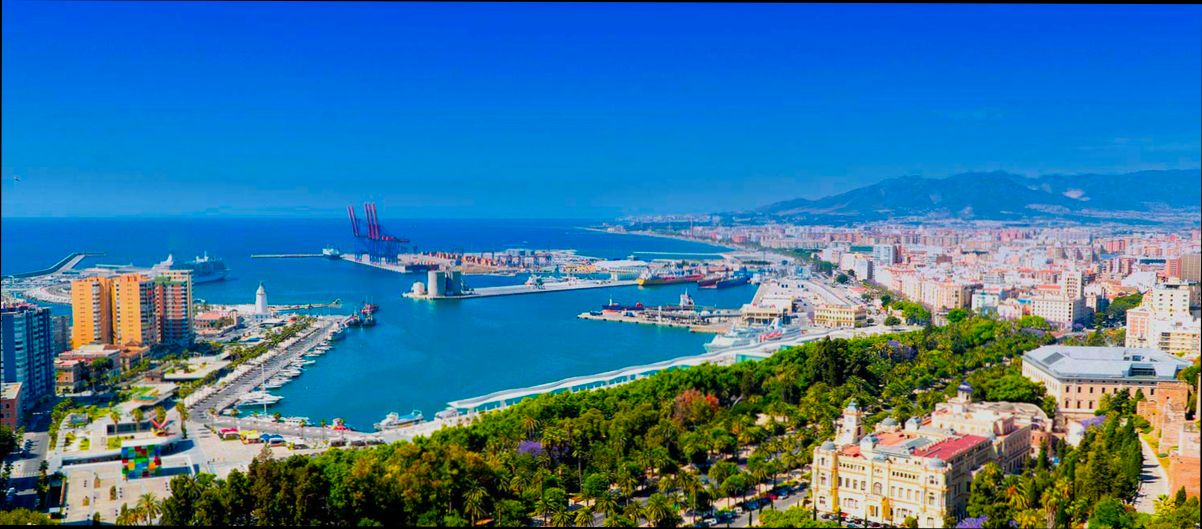
Moving to Málaga Guide dives straight into one of Spain’s most enchanting coastal cities. With over 300 days of sunshine a year and an average temperature of 20°C, Málaga isn’t just about stunning beaches like La Malagueta; it’s a place where culture and modern life seamlessly blend. Picture yourself wandering through the historic Alcazaba or grabbing tapas in the bustling Atarazanas Market, where fresh seafood and local produce mingle. The city also boasts a thriving expat community, with around 37% of its population coming from abroad. It’s a friendly, vibrant hub that offers something for everyone.
When it comes to lifestyle, you’ll find that Málaga isn’t just a pretty face. The cost of living is surprisingly affordable—about 30% lower than in cities like Barcelona or Madrid—while still providing easy access to top-notch healthcare and education. You can savor a delicious lunch for under €10 while enjoying local delights like fried fish or gazpacho. With a convenient public transport system and an international airport just a short drive away, exploring both Andalucía and other European destinations becomes a breeze. Living here isn’t just a dream; it’s an accessible reality waiting to unfold.
Cost of Living in Málaga
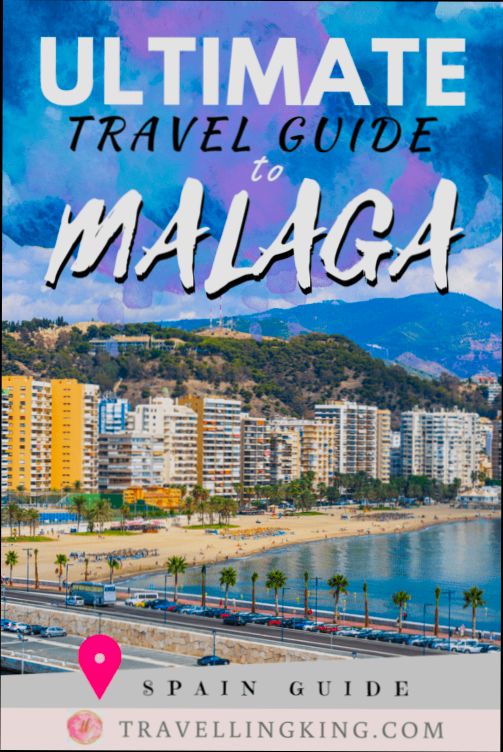
Moving to Málaga involves understanding its cost of living. This vibrant city offers a mix of affordability and lifestyle benefits, making it an attractive destination for many. Here, I’ll share some specific details you should know.
Key Costs to Consider
1. Housing Costs: Renting an apartment in Málaga can vary depending on location, but on average, you’ll find prices around €800 to €1,200 for a one-bedroom in the city center.
2. Utilities: Monthly utility bills (electricity, heating, cooling, water, and garbage) typically hover around €130 for an average-sized apartment.
3. Food Prices: Grocery shopping is relatively affordable. A liter of milk costs about €1.10, while a loaf of bread averages €1.20. Eating out can also be economical, with a meal at an inexpensive restaurant costing around €12.
4. Transportation: Public transport is budget-friendly. A monthly public transport pass is roughly €40, which grants you access to buses and the metro.
Cost Comparison Table
| Item | Cost in Málaga (€) | Cost in Madrid (€) | Cost in Barcelona (€) |
|---|---|---|---|
| 1-bedroom apartment | 800 - 1,200 | 1,200 - 1,800 | 1,200 - 1,600 |
| Utilities (monthly) | 130 | 150 | 140 |
| Meal at inexpensive bar | 12 | 15 | 15 |
| Public transport pass | 40 | 60 | 54 |
Real-World Examples
Many expats share their living situations in Málaga. For instance, Sarah, a graphic designer, recently moved to the La Malagueta area. She pays €950 for a sunny one-bedroom apartment with sea views and finds her monthly expenses manageable, spending around €300 on groceries and dining.
Another expat, John, lives just outside the city center. He pays only €650 for a spacious one-bedroom. He enjoys commuting via the local bus system, which costs him about €30 a month, making it easy to explore the city without the need for a car.
Practical Considerations
If you are planning to move, here are some actionable insights specific to the cost of living in Málaga:
- Budget Wisely: Aim for a budget of around €1,500 to €2,000 a month, which should cover rent, utilities, food, and leisure activities.
- Explore Local Markets: Save on groceries by shopping at local markets rather than supermarkets; fresh produce is often cheaper and of higher quality.
- Consider Location: Find accommodation outside the city center for significant savings. Areas like Teatinos or Ciudad Jardín offer lower rent while still providing good public transport options.
Familiarizing yourself with the costs associated with living in Málaga can greatly enhance your relocation experience. Always keep your budget flexible to account for unexpected expenses.
Navigating the Málaga Housing Market
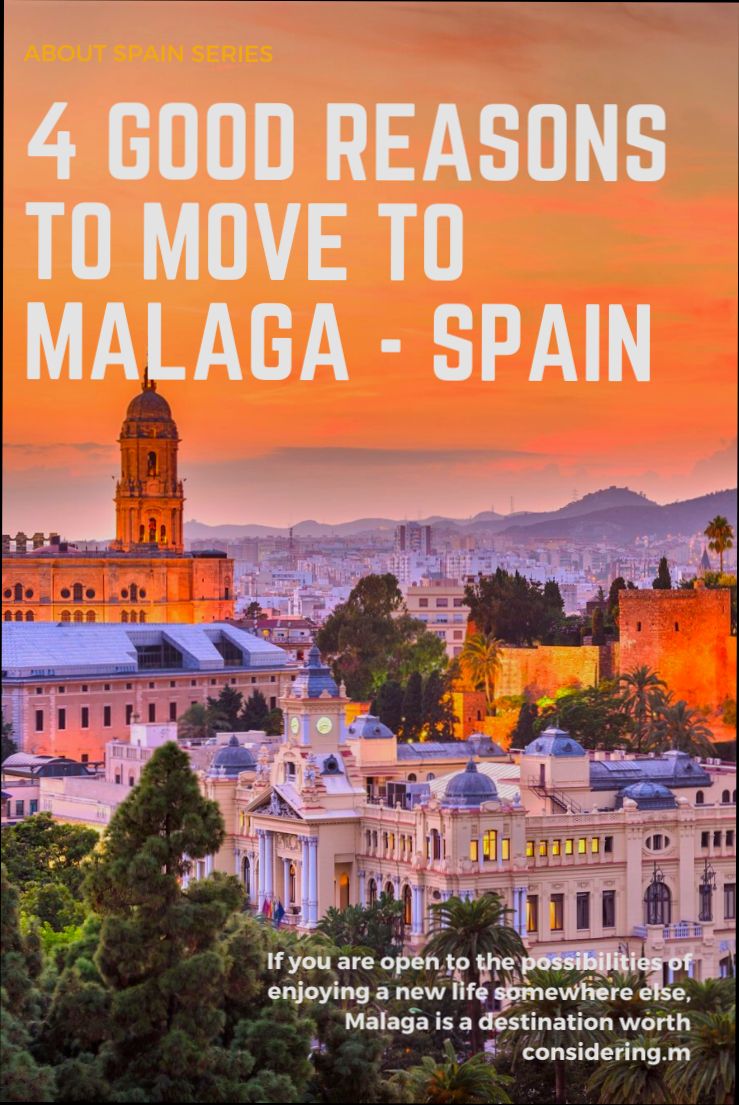
Moving to Málaga? Understanding the housing market is crucial. The city presents diverse options, but knowing where to start can be overwhelming. Let’s break down the essentials to help you navigate this vibrant market effectively.
Understanding Market Trends
Málaga’s housing market has been characterized by rapid growth. In 2022, property prices rose by approximately 7%, and predictions suggest a similar trend going into 2023. You’ll want to keep an eye on these patterns:
- Urban areas like Centro and La Malagueta experience higher demand, often driving prices up to €3,000 per square meter.
- Suburbs like Teatinos or Ciudad Jardín offer more space at around €2,000 per square meter, appealing to families looking for affordability.
- The rental market has seen a dramatic increase, with average monthly rents rising by 10% year-on-year, making understanding rental agreements essential.
Comparative Market Overview
| Neighborhood | Average Price per Square Meter | Average Monthly Rent | Rental Yield (%) |
|---|---|---|---|
| Centro | €3,000 | €1,500 | 5.5 |
| La Malagueta | €3,200 | €1,600 | 4.8 |
| Teatinos | €2,200 | €1,200 | 6.0 |
| Ciudad Jardín | €1,800 | €1,000 | 7.5 |
Real-World Examples
Consider this practical example: Sarah, a digital nomad, moved to Málaga and found a studio apartment in Teatinos for €1,200 per month. After researching, she discovered that similar apartments in Centro would cost her €1,800 or more. Her choice to explore less central areas allowed her to enjoy more space and a better lifestyle while enjoying proximity to amenities.
Another case is James and Clara, who sought a family home. They opted for Ciudad Jardín, purchasing a three-bedroom house for €240,000, taking advantage of a rental yield higher than the average. This decision not only provided them with a permanent residence but also set them up for potential investment opportunities.
Practical Insights
Here’s how to navigate the Málaga housing market effectively:
- Research Thoroughly: Utilize online platforms like Idealista and Fotocasa to keep up with listings and market trends continuously.
- Understand Local Regulations: Familiarize yourself with the rights of tenants and landlords, especially in terms of lease agreements and deposits.
- Engage Local Agents: Working with a local real estate agent familiar with Málaga’s neighborhoods can save you time and help you find hidden gems.
- Consider Community Needs: Look for neighborhoods that best fit your lifestyle. Areas with good schools, walkability, and public transport often maintain property value better.
- Stay Flexible: The housing market can change rapidly. Being open to different neighborhoods or types of homes can lead to better deals.
Specific Facts
- The average time to rent an apartment in Málaga is typically two to three weeks.
- As a foreign buyer, you may need a NIE (Número de Identificación de Extranjero) for legal transactions related to property purchase or rental.
- Investigate community fees (gastos de comunidad), which can affect overall living costs depending on the type of property you choose.
By utilizing these insights and resources, you can navigate Málaga’s housing market with confidence, ensuring you find the right home that meets your needs and lifestyle.
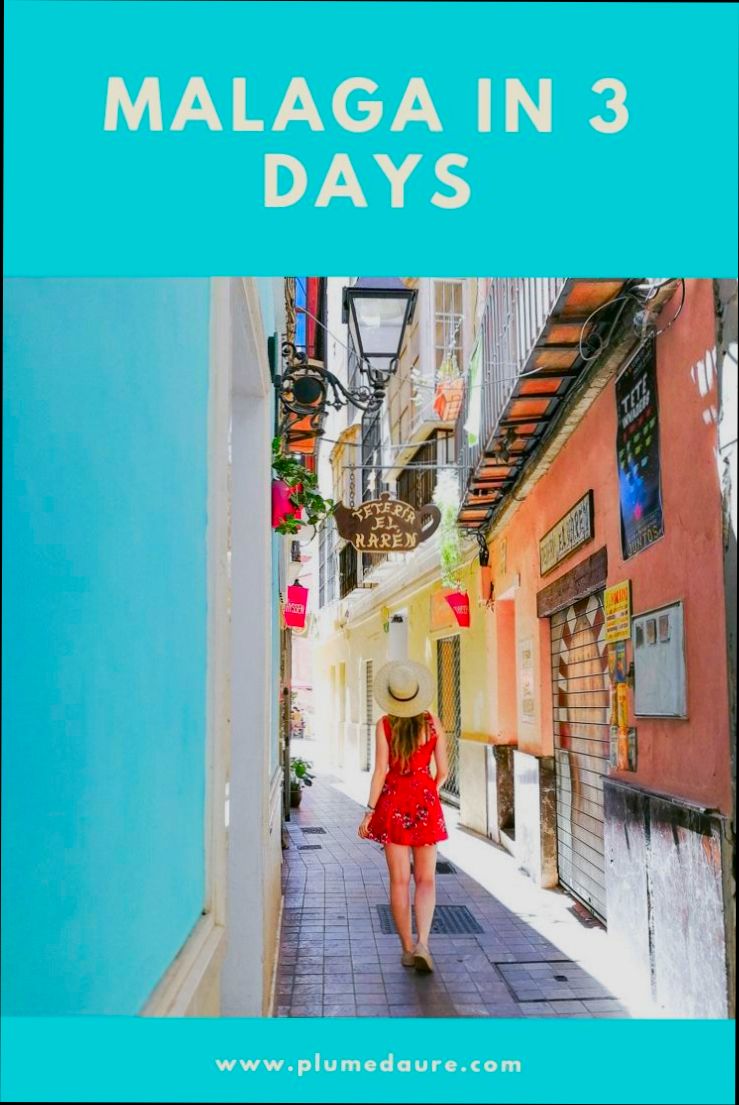
Cultural Benefits of Relocating to Málaga
Relocating to Málaga offers a vibrant cultural experience that enriches daily life in numerous ways. From its historical treasures to its modern artistic expressions, the city serves as a dynamic canvas for anyone interested in culture, arts, and community.
Rich Historical Background
Málaga is steeped in history, with its roots stretching back over 2,800 years, making it one of the oldest cities in Europe. You can explore remnants from various civilizations, including the Phoenicians, Romans, and Moors. Here are a few highlights that showcase its rich heritage:
- Alcazaba of Málaga: This stunning Moorish castle offers breathtaking views and deep insights into the city’s Islamic past, attracting over 1 million visitors annually.
- Roman Theatre: Located at the foot of the Alcazaba, this ancient structure is still used for performances, blending the past with the present.
Thriving Arts Scene
Málaga is not only rich in history; it’s also a contemporary art hub. The city houses several museums and galleries that elevate its cultural profile:
- Museo Picasso Málaga: Celebrating the birthplace of Pablo Picasso, this museum holds a collection of over 200 works by the artist. It welcomes roughly 370,000 visitors yearly.
- Centro Pompidou Málaga: A branch of the famous Paris institution, this center showcases modern art and attracts millions of art lovers interested in innovative exhibitions.
Festivals and Celebrations
The local calendar is dotted with colorful festivals, which are fantastic opportunities to immerse yourself in the culture:
- Feria de Agosto: A week-long city fair held in August featuring flamenco, music, food, and street parades. It attracts around 1 million visitors.
- Semana Santa: Malaga’s Holy Week celebrations are among the most recognized in Spain, with elaborate processions that showcase religious artistry and local devotion.
| Festival | When | Key Highlights |
|---|---|---|
| Feria de Agosto | August | Food, music, and parades |
| Semana Santa | March/April | Elaborate processions |
| Festival de Cine Español | September | Spanish film premieres |
Case Studies in Cultural Engagement
Mark, a retired teacher who moved to Málaga, has embraced the rich cultural life by participating in local art classes. He frequently visits galleries, attends art festivals, and has even hosted an exhibition of his works. His experience exemplifies how relocating can enhance your cultural engagement.
Similarly, Sarah and Tom, a young couple, joined a local flamenco group and now perform at various cultural events. Their involvement has not only strengthened their community ties but has also deepened their appreciation for Spanish traditions.
Practical Implications
Investing time in local cultural pursuits can enhance your quality of life significantly. Consider these actionable insights:
- Visit local museums and galleries regularly to stay updated on exhibitions and events.
- Join community groups or workshops to learn traditional crafts, cooking, or language.
- Attend festivals to meet locals and immerse yourself in the community spirit.
In Málaga, cultural experiences abound and offer a fantastic opportunity to enrich your life in new ways. Engaging with the local culture can help you build lasting friendships while gaining a deeper understanding of the region’s vibrant heritage.
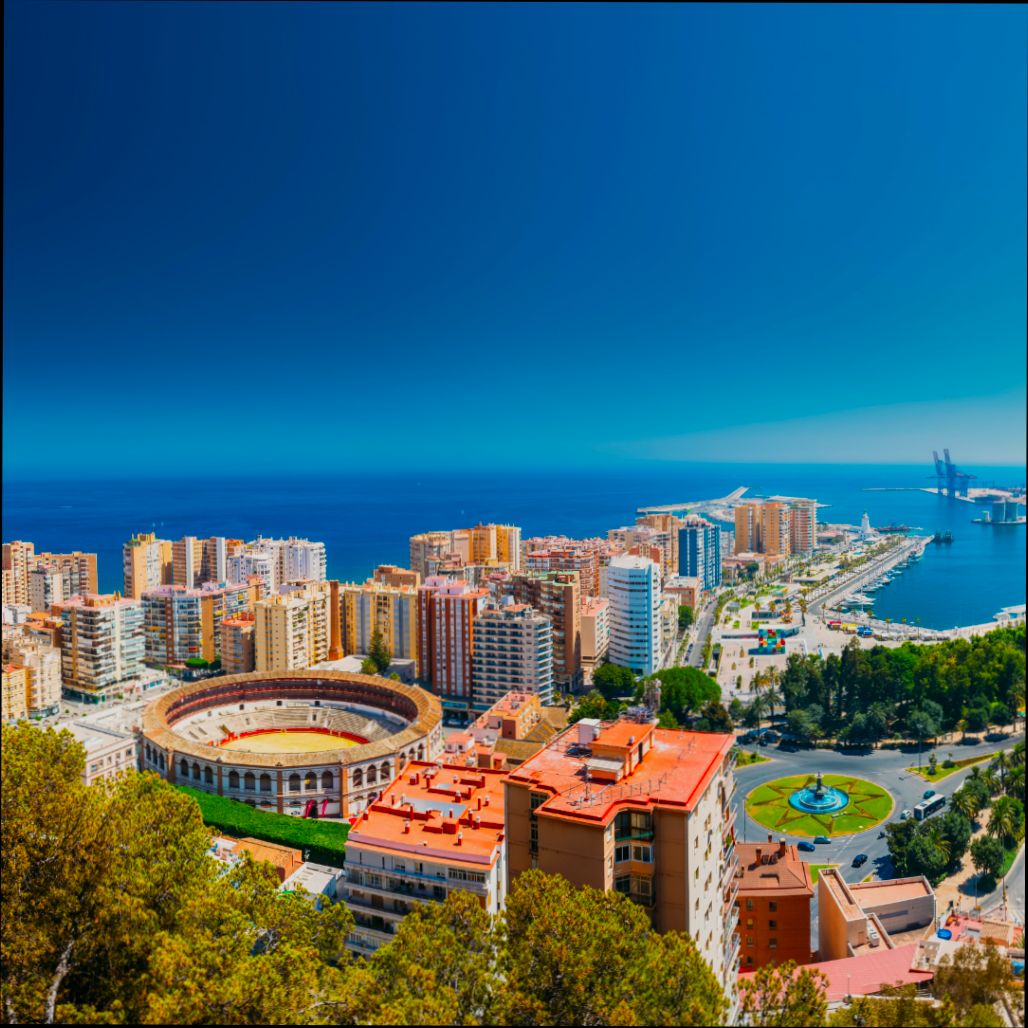
Essential Services for New Residents
Moving to a new city can be both exciting and overwhelming. As you settle into Málaga, understanding the essential services available to you will help make your transition smoother and more enjoyable.
Key Services to Establish
When relocating, several essential services are vital to ensuring a seamless move. Here are some key services you should prioritize:
1. Healthcare Services
- Register with a local doctor (Centro de Salud) to access public healthcare, which is renowned for its quality. You can expect to wait about two weeks for an initial appointment.
- Málaga has both public and private hospitals. The average wait time in public hospitals for non-emergency services is around 30 days.
2. Utility Services
- Setting up utilities such as water, electricity, and gas is crucial. Many residents report that it takes between 1 to 2 weeks to have these services activated.
- Ensure you compare providers; for example, electricity providers can impact your monthly costs by as much as 15%.
3. Internet and Mobile Services
- Opt for one of the major providers like Movistar or Vodafone, which offer packages starting at around €40 per month. Speeds can reach up to 1Gbps in urban areas.
- Many expats recommend using local providers for the best customer service and support in English.
4. Public Transportation
- The Málaga public transport system, including buses and the metro, is efficient and user-friendly. You can get a monthly pass for about €35, which allows unlimited trips within the city.
- Consider getting a “Tarjeta Multi” card for discounts on bus fares and train services.
Essential Services Comparison Table
| Service Type | Average Setup Time | Monthly Cost Estimate | Provider Options |
|---|---|---|---|
| Healthcare | 2 weeks | Depends on coverage | Public (SNS), Private |
| Electricity | 1-2 weeks | From €50 | Endesa, Naturgy |
| Internet | 1 week | From €40 | Movistar, Vodafone |
| Public Transport | N/A | €35 for monthly pass | EMT Málaga |
Real-World Examples
One new resident, Sarah, shared her experience with enrolling in the healthcare system: “I went to the local Centro de Salud with my NIE (Número de Identificación de Extranjero) and was registered the same day. It made me feel at ease knowing I had access to medical care.”
Another example comes from John, who temporarily relied on public transport: “Getting the Tarjeta Multi was a game-changer. I could explore the city without worrying about the fares, and it’s so convenient!”
Practical Implications
Make sure to keep essential documents handy when registering for services, including identification and proof of residence, which will streamline the process. For those preferring private healthcare, consider looking into policies that cover international travel as well, enhancing your medical care options while living in Málaga.
Actionable Advice
Research at least three options for each essential service you’ll need, and don’t hesitate to reach out to fellow expats for recommendations. Being proactive about these services will minimize delays and help you settle into Málaga life more confidently.
Safety Statistics for Málaga Expats
When considering a move to Málaga, safety is often a top concern for expats. The city stands out as a safe destination, particularly in comparison to other popular Spanish cities. In this section, we’ll delve into specific safety statistics for expats living in Málaga, actionable tips, and real-world examples to ensure you feel secure in this beautiful city.
Key Safety Statistics
Málaga boasts an impressive safety index, which indicates a low incidence of crime. Based on Numbeo’s latest data for 2024:
- Safety Index: 71.0
- Crime Index: 29.0
These figures reveal that Málaga is not only relatively safe but also ranks favorably for crime levels across Spain. When evaluated against other cities, Málaga comes in with a significantly lower crime rate, making it an attractive option for expats.
Visitor Safety Tips
To navigate your new environment safely, consider these proactive steps:
- Avoid Crowded Areas: Although Málaga is generally safe, keep your belongings close, especially in crowded tourist hotspots. Using an anti-theft bag can be particularly helpful.
- Hydrate Responsibly: Always carry a water bottle, such as the LifeStraw Go 2-Stage Water Filter Bottle, to ensure you stay hydrated while navigating the sunny streets.
- Sun Protection: Always apply sun protective lotion (SPF 50) to guard against the intense rays, especially during peak summer hours.
Safety Comparison Table
| Metric | Málaga | Other Major Spanish Cities |
|---|---|---|
| Safety Index | 71.0 | Varies (typically lower) |
| Crime Index | 29.0 | Often above 30.0 |
| Common Scams | Minimal | More frequent |
| Petty Theft Incidents | Low | Higher in tourist areas |
Real-World Examples
While the overall safety statistics are promising, it’s worth noting that incidents can happen. For example, some expats have reported feeling uncomfortable when approached by strangers trying to sell them rosemary, claiming it brings good luck. This practice, while not as prevalent in Málaga as in other cities, serves as a reminder to remain vigilant and not engage in such interactions.
Also, ensure that you do not walk alone at night in poorly lit areas. Instances of being approached by individuals seeking companionship do occur, even if they don’t have malicious intent. Always politely decline any offers and prioritize your comfort and safety.
Practical Implications
As an expat in Málaga, your safety can be further ensured by adhering to local advice:
- Accommodations: Always book accommodation through reputable websites to mitigate the risk of potential scams. If your experience does not match the portrayal in photos, you have avenues for complaint.
- ATM Safety: To avoid becoming a target for theft, carry only what you need. Utilize ATMs in well-lit, busy areas, preferably located within banks or large retail outlets, for added security.
Actionable Safety Advice
- Always opt to travel with a trusted friend or fellow expat, especially during nighttime outings.
- Refrain from accepting drinks from strangers in bars or clubs; ensure you see your drink prepared firsthand.
- Keep emergency contacts handy, and familiarize yourself with local emergency services.
By being informed and taking proactive steps, you can enjoy all that Málaga has to offer while minimizing potential safety risks.
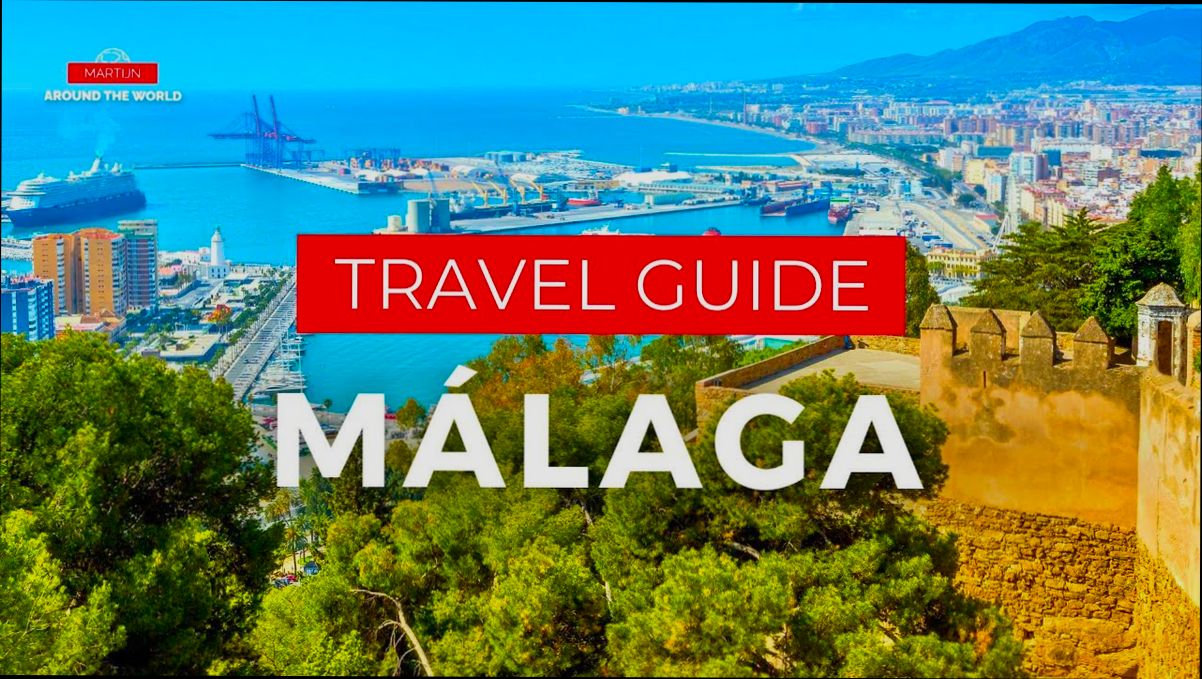
Integrating into Málaga’s Community Life
Moving to Málaga offers a fantastic opportunity to immerse yourself in a community that is warm, vibrant, and culturally rich. Integrating into the local life doesn’t just mean settling into your new home; it’s about engaging with the people, traditions, and activities that truly define Málaga.
Embrace Local Events and Festivals
Málaga hosts numerous events throughout the year that are great for meeting locals and getting a taste of Spanish culture. Here are some popular events worth participating in:
- Feria de Málaga: This annual fair in August lasts for a week and features music, dancing, food, and parades. Up to 500,000 visitors participate, providing a perfect chance to mingle.
- Semana Santa (Holy Week): From Palm Sunday to Easter Sunday, the city comes alive with religious processions attracting both locals and tourists. Engaging in these traditions can help you connect deeply with the community.
Join Local Clubs and Organizations
Getting involved in local clubs or organizations is an excellent way to make friends and establish a sense of belonging. Here’s how you can start:
- Language Exchange Groups: Many local expats participate in language exchanges. This helps improve your Spanish while allowing you to meet fellow residents.
- Social Clubs: Consider joining clubs like the Málaga cultural association, which hosts events focusing on local art and history, fostering a sense of community among newcomers and long-time locals alike.
Attend Workshops and Classes
Málaga has plenty of workshops and classes that cater to various interests—ideal for meeting those with similar passions:
- Culinary Classes: Spanish cooking classes offer a delicious way to learn about local cuisine while meeting fellow food enthusiasts. Many classes culminate in communal dining, enhancing the experience.
- Art and Craft Workshops: Local artists typically host sessions where you can learn everything from pottery to painting while connecting with the artistic community.
| Activity Type | Benefits | Frequency |
|---|---|---|
| Local Festivals | Cultural immersion, community bonding | Annual |
| Language Exchanges | Language skills, new friendships | Weekly |
| Culinary Classes | Hands-on cultural experience | Monthly |
| Art Workshops | Creativity, local networking | Bi-Monthly |
Real-World Examples
- Case Study: Sarah’s Pottery Learning: After moving to Málaga, Sarah joined a pottery workshop. Not only did she learn new skills, but she also formed friendships with locals, which led to invitations to traditional family gatherings.
- Case Study: Javier’s Culinary Journey: Javier signed up for a cooking class where he not only mastered paella but also met a diverse group of people, sparking new friendships and more shared meals in the future.
Practical Tips for Integration
- Participate Actively: Attend local events, workshops, and meet-ups. The more you engage, the more connections you’ll create.
- Be Open and Approachable: Start conversations with locals at cafes, markets, or communal events. A friendly smile can go a long way in fostering new friendships.
- Learn the Language: While many locals may speak English, making the effort to learn Spanish can significantly enhance your interactions and relationships.
Actionable Advice
- Make a list of local events and workshops you’d like to attend in your first month.
- Reach out on social media or expat forums about local clubs that match your interests.
- Consider setting a weekly goal to meet someone new, whether through a language exchange, cooking class, or by simply striking up a conversation in a local café.
Integrating into Málaga’s community life is all about participation and being proactive. Embrace the local culture, engage with residents, and watch your new life in Málaga flourish.
Transportation Options for Newcomers
When you move to Málaga, navigating your new city can initially feel overwhelming. However, there are various transportation options available that can help you quickly settle in and explore. From public transport to private vehicles, newcomers have numerous choices that cater to different needs and budgets.
Public Transportation
Málaga’s public transportation is both extensive and user-friendly. The city boasts a reliable bus system run by the Málaga City Bus Service, which offers fixed routes and paratransit services. It’s used by approximately 5,000 residents and is a great way to get familiar with the city without needing a car. The buses typically run every 15 to 30 minutes, and you can easily check schedules online or via apps.
Airport Access
Upon arriving in Málaga, one convenient transportation option is the Málaga-Costa del Sol Airport, which is just 8 kilometers from the city center. You can:
- Fly to Málaga from various international locations.
- Use car rentals, trains, or buses to reach your final destination within the city.
Taxi Services
Taxis are readily available throughout the city, providing a flexible option for newcomers. Taxi fares are determined by meters, which means that rates are fixed and non-negotiable. The displayed amount at the end of your trip will reflect your total fare, so you won’t have to worry about guessing costs. Consider tipping your driver for good service, especially if they assist with your luggage.
Rural Transportation Options
For those who wish to explore beyond the city, the Rural Shuttle Program offers door-to-door service in surrounding areas. With around 200 participants, this option is particularly helpful for newcomers living in more remote locations. It’s a great way to reach local attractions that are not accessible via public buses.
Comparative Table of Transportation Options
| Transportation Mode | Coverage | Cost | User Base |
|---|---|---|---|
| City Bus Service | Urban areas | Affordable | 5,000 |
| Rural Shuttle Program | Rural areas | Varies | 200 |
| Taxi | City-wide | Metered | N/A |
Real-World Examples
Consider Maria, who recently moved to Málaga. She initially relied on the city bus system to navigate her daily commute to work. After a few weeks, she became comfortable with the schedules and even made friends with fellow passengers. For weekend outings, she and her family utilized the Rural Shuttle Program to visit the stunning countryside, making the most of their new home.
Practical Implications
As a newcomer, you should familiarize yourself with the public transportation apps and websites available to streamline your commuting experience. These platforms provide real-time updates, allowing you to plan your journeys efficiently.
- Don’t hesitate to ask locals for advice on the best routes and travel times; they can offer invaluable insights.
- If you plan to rent a car, research local parking laws to avoid fines, as street parking can be competitive.
Actionable Advice
Before fully settling in, take a couple of days to explore all transportation options in Málaga. Whether it’s mastering the bus routes or trying out local taxis, understanding the transport landscape will make your transition smoother and more enjoyable. Also, keep your identification handy, as it may be necessary for various travel-related services.