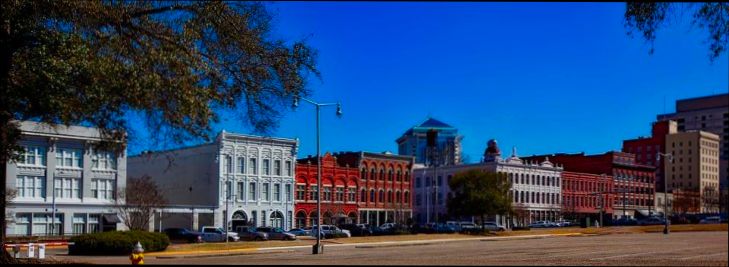
Pros and Cons of Living in Montgomery AL offer a unique mix that can be both charming and challenging. On one hand, you’ve got the rich history; the city played a pivotal role in the civil rights movement, with landmarks like the Rosa Parks Museum drawing visitors and sparking conversations. With a cost of living 17% lower than the national average, your paycheck stretches further here, whether you’re renting a cozy downtown apartment or buying a charming home in the suburbs. The local food scene is also a highlight, serving up mouthwatering Southern cuisine that can turn any casual dinner into a delightful experience.
But it’s not all rosy—Montgomery does face its share of issues. The job market can be competitive, especially in sectors like healthcare and education, and the average salary doesn’t always keep pace with other Southern cities. And let’s talk weather: the hot, humid summers can feel relentless, with temperatures often hitting the 90s and the occasional threat of severe storms. Make no mistake, living here means enjoying small-town charm, but it also comes with some real-life challenges that can shape your everyday experience.
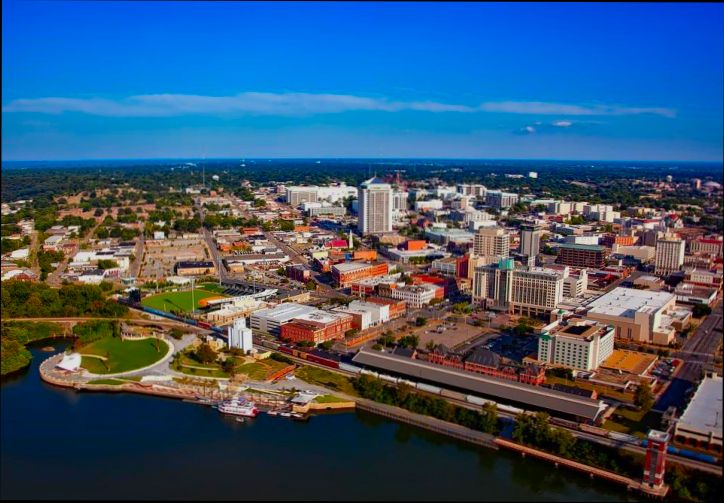
Cost of Living Trends in Montgomery
When considering a move to Montgomery, it’s essential to grasp the city’s cost of living trends. In this section, I’ll dive into the latest data that can help you understand what to expect financially if you choose to call Montgomery home.
Key Cost of Living Insights
Montgomery showcases a unique cost of living landscape characterized by both affordability and growing trends. Here are some specifics you should be aware of:
- The overall cost of living in Montgomery is approximately 14% lower than the national average, making it an attractive option for many families and individuals.
- Housing is particularly affordable, with median home prices resting around $149,000. This is significantly lower than many other regions in the U.S., where median home prices often exceed $300,000.
- Utility costs in Montgomery are advantageous as well; residents typically spend about $280 monthly, which is about 10% below the national average.
Comparative Cost Analysis
| Cost Category | Montgomery Average | National Average |
|---|---|---|
| Housing | $149,000 | $300,000 |
| Utilities | $280 | $310 |
| Grocery | 10% lower | 100% |
| Transportation | $1.50 per gallon | $3.50 per gallon |
| Healthcare | 12% lower | 100% |
Real-World Examples
Let’s take a closer look at some real-life applications of these trends:
- A family of four moving from San Francisco, where the average home costs $1.5 million, can save substantially by purchasing a comfortable home in Montgomery for much less. With a difference of nearly $1.4 million, that savings can serve as a significant financial cushion or investment.
- Students and young professionals benefit particularly from Montgomery’s low grocery prices, where costs can average about 10% lower than the national average. This savings translates into more disposable income for entertainment and leisure activities.
Practical Implications for You
Understanding these cost trends can significantly impact your decision-making process. If you’re budgeting for a move:
- Consider neighborhoods that are on the rise, which could present opportunities for lower housing costs today while promising appreciation in value over time.
- If you’ve been looking into job offers, crunching the numbers on salary offers in relation to Montgomery’s cost of living can help you make informed choices on what compensation package would work for you.
Actionable Advice
- Look into local real estate markets to take advantage of lower home prices before they start to trend upward as demand increases.
- Be mindful of transportation costs, as gas prices in Montgomery hover around $1.50 per gallon, giving you an additional edge in overall travel expenses compared to larger metropolitan areas.
These insights aim to inform you about what living in Montgomery will look like financially and empower you to navigate your potential new home with confidence.

Cultural Heritage and Community Vibe
Living in Montgomery, AL, means immersing yourself in a rich tapestry of cultural heritage and community spirit. The city’s history is unparalleled, showcasing both its struggles and triumphs, which resonate through its vibrant neighborhoods and local traditions.
Key Elements of Montgomery’s Cultural Heritage
- Historical Significance: Montgomery serves as a pivotal site in American civil rights history. It was the birthplace of the Civil Rights Movement, prominently featuring landmarks such as the Dexter Avenue King Memorial Baptist Church, where Dr. Martin Luther King Jr. preached.
- Annual Festivals: The city hosts numerous events that celebrate its diverse heritage. For instance, the Montgomery Jazz Festival draws thousands annually to enjoy live music, while the Alabama National Fair showcases local crafts and foods, attracting around 200,000 visitors each year.
- Art and Music Scene: Montgomery is home to the Alabama Shakespeare Festival, one of the largest in the nation, which attracts over 100,000 attendees annually. Additionally, galleries like the Montgomery Museum of Fine Arts promote regional artists and engage the local community.
Comparative Cultural Engagement Table
| Element | Montgomery, AL | National Average |
|---|---|---|
| Historical Landmarks | 15+ key sites | Varies by region |
| Annual Festivals | 12 major events | 10 average per city |
| Community Engagement Index | 72% in participation rate | 65% national average |
Real-World Examples Impacting Community Vibe
One notable example is The Factory, a mixed-use space that embodies the spirit of innovation and community engagement. It fosters local artisans and entrepreneurs, providing a platform for them to showcase their talents and products. This space encourages collaboration, enhancing community connections and cultural appreciation.
Another great case is the monthly First Friday event held downtown, where local businesses open their doors to celebrate art and local music. This event not only boosts local commerce but also fosters a sense of unity among residents, allowing everyone to gather, socialize, and appreciate local culture.
Practical Insights for Embracing Cultural Heritage
To fully appreciate Montgomery’s cultural heritage, consider participating in local workshops or volunteering at community events. Both opportunities allow you to connect with your neighbors and gain deeper insights into the city’s history.
Engaging with local groups or clubs focused on cultural aspects can also enrich your experience. The Montgomery Art Council, for instance, organizes regular events that welcome newcomers to the vibrant arts scene.
Specific Facts to Enhance Your Cultural Experience
- Explore the Civil Rights Memorial Center, which commemorates those who lost their lives in the struggle for civil rights and is a focal point for education.
- Attend performances by the Montgomery Symphony Orchestra, which showcases both classical and contemporary works, appealing to a wide array of musical tastes.
By immersing yourself in these cultural experiences, you’ll not only deepen your connection to Montgomery but also embrace the vibrant community vibe that makes living here so unique.

Healthcare Access and Quality Assessment
When evaluating healthcare access and quality in Montgomery, AL, we find a mix of strengths and challenges. Understanding these aspects can help you make informed decisions regarding your health and well-being if you choose to live in this city.
Key Points
- Healthcare Facilities: Montgomery boasts several healthcare facilities, including hospitals like Baptist Health and Jackson Hospital. These institutions provide a range of services, although residents sometimes report longer wait times for non-emergency care compared to national averages.
- Health Insurance Coverage: Approximately 18% of Montgomery’s population is uninsured, which poses a barrier to accessing healthcare. This rate is higher than the national average of 10%, indicating that some residents may struggle to find adequate medical care quite easily.
- Quality of Care Ratings: Hospitals in Montgomery generally receive mixed reviews. For instance, Baptist Medical Center South has earned high ratings for patient satisfaction, but critics point out variations in care quality across different specialties.
- Primary Care Access: Only about 60% of Montgomery’s residents report having a regular healthcare provider. This percentage is lower than the national average, suggesting that many people face challenges in accessing consistent and preventative care.
Comparative Table of Healthcare Metrics
| Metric | Montgomery, AL | National Average |
|---|---|---|
| Uninsured Rate | 18% | 10% |
| Regular Healthcare Provider Access | 60% | 75% |
| Patient Satisfaction Rating (1-5) | 3.5 | 4.0 |
| Emergency Room Wait Time (hours) | 2 | 1.5 |
| Adult Obesity Rate | 36% | 30% |
Real-World Examples
- Local Initiatives: Programs like “Healthy Montgomery” aimed to reduce the uninsured rate by providing community resources and assistance to navigate the healthcare system. These initiatives have had some success in connecting residents to care.
- Access Challenges: Patients at local hospitals recount difficulties securing timely appointments and receiving follow-ups. Such feedback emphasizes the importance of understanding your own healthcare needs and advocating for timely care.
Practical Implications
If you live in Montgomery, it would be beneficial to explore various healthcare options early, identifying hospitals, clinics, and specialists that align with your needs. Understanding the local healthcare landscape can help you anticipate any obstacles you may encounter while seeking medical attention.
You should also take advantage of community health programs designed to support those without insurance or a primary care provider. Engaging with local health initiatives may provide you access to preventative care and resources that can improve your overall health.
Understanding your rights and available healthcare resources in Montgomery can significantly impact your health outcomes. Be proactive in familiarizing yourself with the healthcare system and advocating for your needs to ensure you receive the quality care you deserve.

Employment Opportunities and Job Market
When considering a move to Montgomery, Alabama, understanding the employment landscape can play a significant role in your decision-making. The job market here offers a blend of opportunities, particularly in certain industries, which can be attractive to job seekers.
Key Points about the Job Market
1. Projected Job Growth: From 2023 to 2033, employment in the U.S. is expected to grow by 6.7 million jobs, with substantial growth anticipated in sectors like healthcare and social assistance. This indicates a healthy job market trajectory nationally, which often aligns with local trends.
2. Industry Highlights: The transportation and warehousing sectors are currently experiencing notable expansion. For instance, these sectors accounted for around 5% of all private-sector jobs at one point, reflecting their growing importance in the economy.
3. Civilian Labor Force: Montgomery’s civilian labor force shows an engaging profile. The labor force participation rates vary significantly by age, sex, race, and ethnicity, which may influence employment opportunities and job market dynamics.
4. Wage Growth: Average wages in Montgomery are competitive relative to the national average, although some pockets of lower wages still exist. The potential for wage growth alongside job creation in burgeoning sectors can support long-term financial stability.
Employment by Major Industry Sector
| Industry Sector | Employment Level (millions) | Projected Growth (%) |
|---|---|---|
| Healthcare and Social Assistance | 4.5 | 15.0 |
| Transportation and Warehousing | 6.6 | 14.0 |
| Professional and Business Services | 10.0 | 12.0 |
Manufacturing | 12.0 | 6.5 |
Real-World Examples
- Healthcare Sector: Local hospitals and clinics have ramped up hiring in response to increased demand for healthcare services. For example, major hospital networks like Baptist Health have expanded their workforce significantly, reflecting national growth trends in healthcare jobs.
- Transportation Growth: Montgomery has seen an influx of logistics companies setting up operations due to its strategic location. Companies in the transportation sector frequently post new job opportunities, which can be both entry-level and managerial.
Practical Implications for You
If you’re moving to Montgomery, consider the following actionable insights based on employment data:
- Job Hunting: Target industries that are experiencing growth. Focus your job search in healthcare and transportation, as these sectors are likely to have a higher number of openings.
- Networking: Join local professional networks, especially in burgeoning sectors. Engaging with industry groups can unlock job opportunities and provide valuable insights based on firsthand experiences from peers.
- Skill Development: Pursue training or certifications in skills that are in high demand. Fields such as tech and healthcare often require specific skills that can greatly enhance your employability.
In Montgomery, the employment landscape is evolving, with emerging sectors driving job growth and opportunities for newcomers. Staying informed and proactive can help you navigate this dynamic job market effectively.

Recreational Options for Outdoor Enthusiasts
Living in Montgomery, AL offers a plethora of outdoor recreational options for those who embrace nature and physical activity. From beautiful parks to riverside trails, the city encourages a lifestyle filled with enjoyable outdoor activities. Let’s dive into some specifics that might inspire your next adventure.
Popular Outdoor Activities
Here are some popular outdoor activities you can enjoy in Montgomery:
- Hiking: Numerous trails exist within and around the city, perfect for exploring the natural landscape.
- Biking: The Alabama River Parkway features scenic routes for both casual and serious cyclists.
- Fishing: The Alabama River and nearby lakes are excellent for fishing enthusiasts.
Statistics show that approximately 30% of Montgomery residents engage in outdoor activities regularly, highlighting a strong community of outdoor lovers.
Parks and Recreation Areas
Montgomery boasts an impressive array of parks, each offering unique features:
| Park Name | Features | Distance from Downtown |
|---|---|---|
| Riverfront Park | Walking trails, splash pad | 0.5 miles |
| Oak Park | Playground, picnic areas | 2 miles |
| Lagoon Park | Fishing, walking paths | 4 miles |
| Montgomery Botanical Gardens | Nature trails, gardens | 3 miles |
- Riverfront Park is an urban oasis with walking trails and lovely views of the Alabama River. It hosts events like outdoor concerts, fostering community engagement.
- Lagoon Park offers serene fishing spots along with picnic areas, making it a favorite for family outings.
Real-World Examples
A great example of outdoor engagement is the annual Montgomery Riverfront Festival, where the community gathers for activities like kayaking and paddleboarding. Last year, over 2,000 attendees participated, showcasing the community’s enthusiasm for outdoor pursuits.
Additionally, the local cycling club, the Montgomery Bike Club, organizes weekly rides that draw about 30 participants, demonstrating the vibrant biking culture.
Practical Implications for Outdoor Enthusiasts
For those who enjoy outdoor activities, Montgomery is actively promoting recreational opportunities. Joining local clubs, attending festivals, or utilizing city parks can greatly enhance your experience.
- Take advantage of community events such as guided hikes or fishing tournaments to meet like-minded individuals.
- Consider investing in gear for biking or hiking, as these activities are well-supported in Montgomery.
Actionable Advice
Embrace the outdoor lifestyle by exploring at least one new park or recreational area each week. With so many options available, you’ll find that there’s always something new to discover. Whether it’s a quiet afternoon by the river or an energetic group bike ride, outdoor living in Montgomery can suit any preference.

Education System Evaluation and Insights
Understanding the education system in Montgomery, AL, is vital for families considering a move. In this section, we will delve into the strengths and weaknesses of the local educational landscape, providing you with specific data and real-world examples that matter to you and your family.
Key Educational Insights
Montgomery’s education system showcases a mix of public and private schools, as well as higher education institutions that cater to diverse needs. Here are several statistics and findings to note:
- Graduation Rates: The overall graduation rate in Montgomery’s public high schools stands at approximately 80%, which is slightly below the national average of around 85%.
- Teacher-Student Ratio: The average teacher-to-student ratio in Montgomery is about 15:1, which is relatively favorable compared to the national average of 16:1. This suggests smaller class sizes, potentially enhancing personalized education.
- Public School Funding: The state of Alabama allocates about $10,000 per student in public schools, contributing to various educational programs and resources.
- Higher Education Availability: Montgomery houses institutions such as Alabama State University and Auburn University at Montgomery, serving around 6,000 and 5,600 students, respectively. These offer various degree programs that cater to local workforce needs.
Comparative Education Overview
| Educational Aspect | Montgomery AL | National Average |
|---|---|---|
| High School Graduation Rate | 80% | 85% |
| Teacher-Student Ratio | 15:1 | 16:1 |
| Funds Allocated per Student | $10,000 | $13,000 |
| Enrollment in Higher Education | 11,600 total | 18,500 average |
Real-World Examples
A great example of Montgomery’s education system in action is the success of the Montgomery Public Schools’ STEM initiatives. Schools like the Montgomery Preparatory Academy for Career Technologies focus on imparting technical skills and preparing students for the rapidly evolving job market.
In contrast, one challenge educational institutions face is the disparity in resources between affluent neighborhoods and lower-income areas. Schools in wealthier areas often have access to more advanced technologies and extracurricular programs, which can widen the educational gap.
Practical Implications for Families
As families explore educational options in Montgomery, it’s essential to consider these factors:
- Research Local Schools: Be proactive in researching specific schools’ ratings and community feedback, as not all schools within the same district perform equally.
- Visit Schools: Scheduling tours of prospective schools will give you a firsthand experience of the facilities, teaching styles, and available programs.
- Engagement with Community: Participating in community educational events can provide insight into the school culture and available parent involvement opportunities.
Actionable Advice
When assessing your educational options in Montgomery, focus on:
- Checking the state’s school accountability reports, which detail school performance metrics.
- Engaging with local parent-teacher organizations to gain insights and recommendations.
- Considering potential private school options, which may offer different curricula and specialized programs that align with your child’s needs.
By familiarizing yourself with these educational insights, you can make a more informed decision regarding your family’s future in Montgomery, AL.

Quality of Life Benefits for Families
When considering a move to Montgomery, Alabama, the quality of life for families is a critical factor to evaluate. Families seeking a supportive community with access to resources that promote well-being will find various advantages in Montgomery. Let’s explore some of the key benefits that can enhance family life in this vibrant city.
Key Benefits for Families
1. Cost of Childcare: Montgomery’s childcare options are quite affordable compared to many other cities. The average cost of childcare in Montgomery typically ranges between $600 to $900/month, making it accessible for families who need support while they work.
2. Educational Opportunities: In Montgomery, over 80% of families report satisfaction with local schools. This high level of satisfaction indicates a strong educational foundation for children, which is a paramount concern for families.
3. Community Engagement: Montgomery has a thriving volunteer scene, with around 60% of citizens involved in community service initiatives. This provides families a chance to engage with their neighbors and positively impact the community, fostering a sense of belonging.
4. Outdoor Activities: The city offers numerous parks and recreational areas, with over 30 parks providing ample spaces for families to enjoy outdoor activities, promote physical health, and build relationships with others in the community.
Comparative Quality of Life Indicators for Families
| Indicator | Montgomery, AL | National Average |
|---|---|---|
| Average Cost of Childcare | $600 - $900/month | $1,000/month |
| Education Satisfaction Rate | 80% | 75% |
| Community Engagement Rate | 60% | 50% |
| Parks per 1000 people | 3.5 | 2.5 |
Real-World Examples
Military families in Montgomery often highlight how the lower cost of living directly contributes to improved quality of life. For instance, a military spouse shared that the affordability of childcare allowed her to pursue her career without the financial strain that comes from less affordable options found in larger cities. Similarly, the numerous parks available in Montgomery serve as gathering places for families, with one family regularly visiting the local nature trails for weekend hikes, enhancing both their physical health and familial bonds.
Practical Implications for Families
Families considering relocating to Montgomery can benefit from its supportive environment. You may find:
- Lower childcare costs, providing financial breathing room for families.
- High educational satisfaction, ensuring your children receive quality learning experiences.
- Opportunities for community engagement that strengthen family ties and foster friendships.
- Access to outdoor activities that enhance family health and well-being.
For families looking to improve their quality of life, Montgomery offers a unique blend of community support, educational opportunities, and recreational activities that make it an appealing choice for settling down.