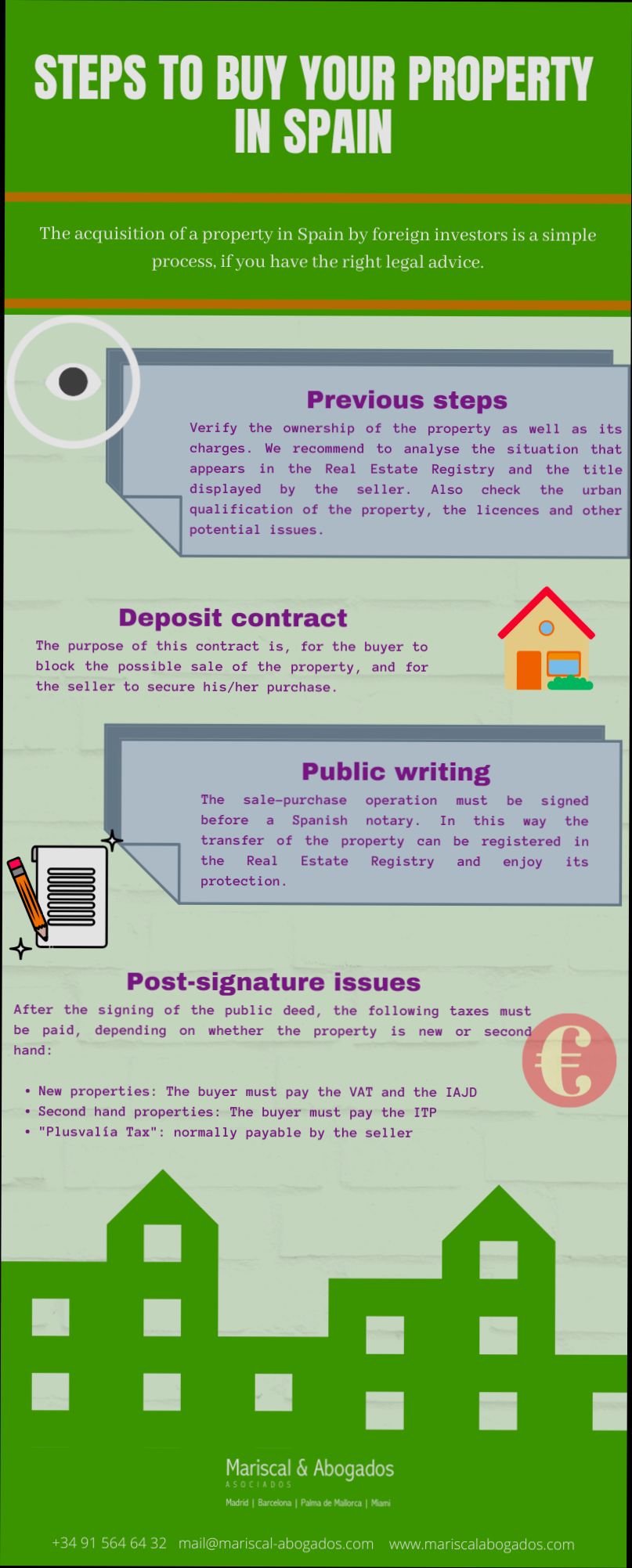
Buying Old House to Renovate in Spain Guide kicks off an adventure that many dream of—transforming a charming rustic property into a beautiful home. Picture yourself wandering through sun-soaked villages like Ronda or exploring the rich history in Andalusia, where you can find stunning old houses with intricate architecture dating back centuries. Did you know that you can often purchase these properties for significantly less than new builds? For example, houses in rural areas can start at just €30,000, potentially offering you a steal if you’re willing to invest in some hard work and creativity.
But it’s not just about the price; renovating can unleash the unique character of a place while safeguarding its history. Imagine uncovering original tiles, beamed ceilings, or an ancient olive tree in the backyard—all treasures waiting to be revived. The Spanish property market is buzzing, with recent reports indicating that nearly 50% of homebuyers express interest in renovation projects. But hold on; navigating the ins and outs of buying and renovating an old house in sunny Spain isn’t always straightforward. From obtaining the necessary permits to understanding local customs, there’s a lot to consider before diving in headfirst!
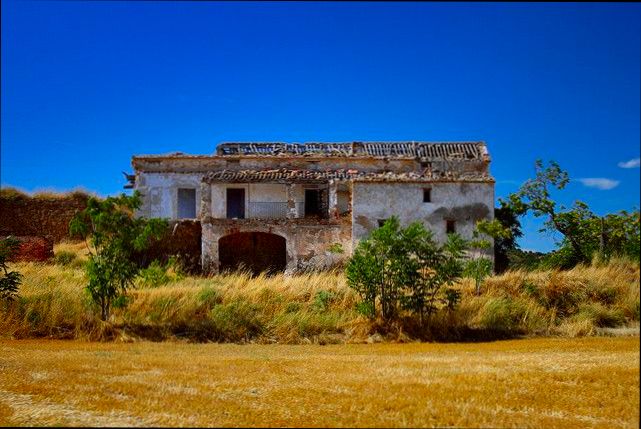
Key Factors in Property Selection
When considering the purchase of an old house in Spain for renovation, it’s essential to focus on specific key factors in property selection. Understanding these aspects will help you make informed decisions that align with your renovation goals and budget.
Location
The property’s location plays a crucial role in its overall value and desirability. Research indicates that properties in urban areas can command up to 25% higher resale values compared to rural settings. Additionally, proximity to amenities such as schools, shops, and public transport increases interest among potential buyers.
Structural Integrity
Before committing to a property, assess the structural integrity. Approximately 60% of old houses require significant repairs, particularly regarding foundations and roofing. Engaging a professional inspector can provide insights into necessary renovations, ensuring you factor in these costs early in your planning.
Legal Considerations
Ensure the property is free from legal complications. This includes verifying land-use permits and understanding historical designations. Around 30% of old properties in Spain may face restrictions due to their historical significance, which can impact renovation plans.
Property Size and Layout
The size and layout of the property can also dictate your renovation strategy. For instance, a study found that buyers prefer properties with at least three bedrooms. Consider how space can be optimized; open-plan designs may enhance both livability and resale potential.
| Feature | Urban Properties | Rural Properties |
|---|---|---|
| Average Resale Value | +25% | - |
| Structural Repair Rate | 50% | 70% |
| Favorable Layout | 70% preference | 30% preference |
Real-World Example
Let’s look at “Casa Bolivar,” an old house located in Valencia. Its location near local markets and public transport elevated its appeal, resulting in a 20% increase in value post-renovation. In contrast, “Villa Martinez” in a rural area faced higher renovation costs, primarily due to extensive foundational issues, and ultimately undersold its market potential.
Practical Implications
When selecting a property, prioritize checking:
- Location benefits: Understand neighborhood trends and amenities.
- Inspection reports: Identify potential structural issues early.
- Legal status: Verify all permits and restrictions before purchase.
- Layout adaptability: Assess how the current layout aligns with your vision.
Choosing the right property involves more than just the initial costs. Be diligent about these key selection factors to ensure your renovation journey in Spain is a successful one.
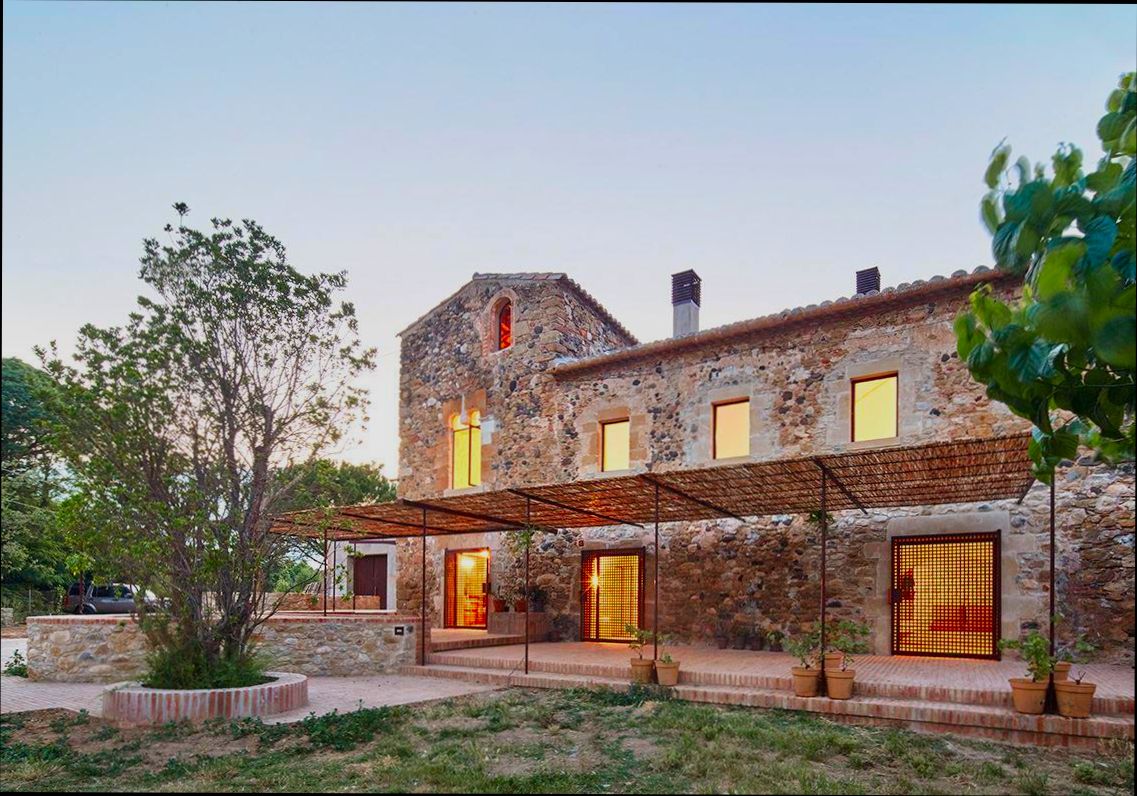
Understanding Renovation Costs and Financing
When it comes to renovating an old house in Spain, understanding the associated costs and financing options is critical for your success. It’s not just about how much you pay for the property. It’s essential to have a clear view of all potential renovation expenses and viable financing strategies.
Key Points to Consider
1. Renovation Budget: Be prepared to allocate a budget that is at least 100% of your purchase price for the renovation. Extensive projects often require more substantial investment than initially anticipated, so planning is crucial.
2. Home Improvement Grants: If your renovation project focuses on energy efficiency, you may qualify for government grants. These can cover 15% to 35% of energy-efficient renovation costs, significantly easing the financial load.
3. Unexpected Expenses: It’s prudent to set aside 10-20% of your total renovation budget for unforeseen challenges. This buffer can help you manage any surprises that may arise as you delve deeper into the renovation process.
4. Funding Options: Besides personal savings, explore various financing avenues. Options like traditional bank loans and specialized renovation mortgages are available to enhance your purchasing power. Each option has its own set of requirements and benefits.
Comparative Table of Financing Options
| Financing Option | Description | Estimated Interest Rate |
|---|---|---|
| Traditional Mortgage | Standard property loan for purchasing houses. | 2.5% - 4.5% |
| Renovation Mortgage | Specifically designed for homes needing repairs. | 3.0% - 5.0% |
| Personal Loan | Unsecured loan for flexible use, including renovations. | 7.0% - 12.0% |
| Government Grants | Subsidies for energy efficiency renovations. | 0% |
Real-World Examples
- Case of a Barcelona Apartment: An investor purchased an old flat for €200,000 with a renovation budget of €200,000. By qualifying for a grant that covered 20% of energy efficiency upgrades, they effectively reduced their total expenditure to €160,000 for these specific improvements.
- Example of Unexpected Costs: A homeowner aimed to revamp a historic property in Sevilla with a planned budget of €150,000. However, when work began, they encountered structural issues that led them to spend an additional €30,000. Setting aside 15% of their budget beforehand helped them manage these costs without severe financial strain.
Practical Implications
Understanding renovation costs and financing in Spain equips you with the tools to make informed decisions. By meticulously planning your budget, tapping into available grants, and anticipating unexpected expenses, you can navigate your renovation project more effectively.
- Allocate Funds Wisely: Ensure your initial property investment doesn’t completely deplete your renovation budget. Your financial strategies should balance both the purchase and renovation costs efficiently.
- Utilize Government Grants: Stay informed about government initiatives aimed at homeowners engaged in energy-efficient renovations. These opportunities can significantly lighten your financial burdens.
- Consult Professionals: Engage with financial advisors and contractors who are familiar with Spanish regulations and funding options. They can offer tailored solutions that fit your unique needs.
- Research Loan Options: Thoroughly compare the terms and conditions of various renovation mortgages and personal loans to identify what works best for your financial situation.

Statistical Insights into Property Values
When it comes to buying an old house to renovate in Spain, understanding statistical insights into property values can empower you to make informed decisions. Knowledge about market trends, average property values, and region-specific data not only guides your purchase but also shapes your renovation strategy.
Key Property Value Statistics
- Average Price Per Square Meter: In major Spanish cities like Madrid and Barcelona, the average price per square meter for renovated properties is around €3,200, whereas old houses in need of renovation average €1,800 per square meter. This clear disparity highlights the potential for value increase post-renovation.
- Market Value Growth: Over the last five years, properties in coastal regions have seen a 20% increase in value, particularly in areas such as Costa del Sol and Costa Brava. This trend suggests that purchasing an old property here could yield positive returns.
- Renovation ROI: Homeowners who renovate old properties in urban zones can see returns on investment (ROI) reach up to 150%. However, renovations in rural areas often yield lower returns, approximately 70%, due to slower market appreciation.
- Time to Sell: Properties that have been recently renovated in popular areas spend an average of 30 days on the market, compared to old, unrenovated houses that may linger for up to 90 days or more.
Comparative Table of Property Values
| Location | Avg Price/SQM (Old House) | Avg Price/SQM (Renovated) | 5-Year Value Growth | Avg Days on Market (Renovated) |
|---|---|---|---|---|
| Madrid | €2,500 | €3,400 | 15% | 25 |
| Barcelona | €2,800 | €3,600 | 18% | 28 |
| Costa del Sol | €1,800 | €2,500 | 20% | 30 |
| Valencia | €1,700 | €2,300 | 12% | 35 |
| Sevilla | €1,600 | €2,200 | 10% | 40 |
Real-World Examples
- Case Study in Malaga: A couple purchased a 100 SQM old house for €180,000. After investing €60,000 in renovations, they sold it for €290,000 within three months, yielding an impressive ROI of 83%.
- Barcelona Renovation: An investor acquired a 120 SQM property for €320,000. Following renovations costing €80,000, the property was valued at €500,000 after six months, around a 67% ROI.
Practical Implications for Buyers
Understanding these statistics helps you make data-driven decisions. Buyers can leverage these insights to:
- Negotiate Better: Use value trends to negotiate the purchase price based on potential ROI.
- Choose Wisely: Focus on regions with higher growth rates and shorter time on the market to maximize profitability.
- Budget for Renovations: Anticipate the potential costs and expected value increments from renovations, ensuring your budget aligns with market trends.
Consider keeping an eye on listings and market changes to capitalize on opportunities as they arise. Be sure to check local market reports regularly for the latest data that can impact your investment.
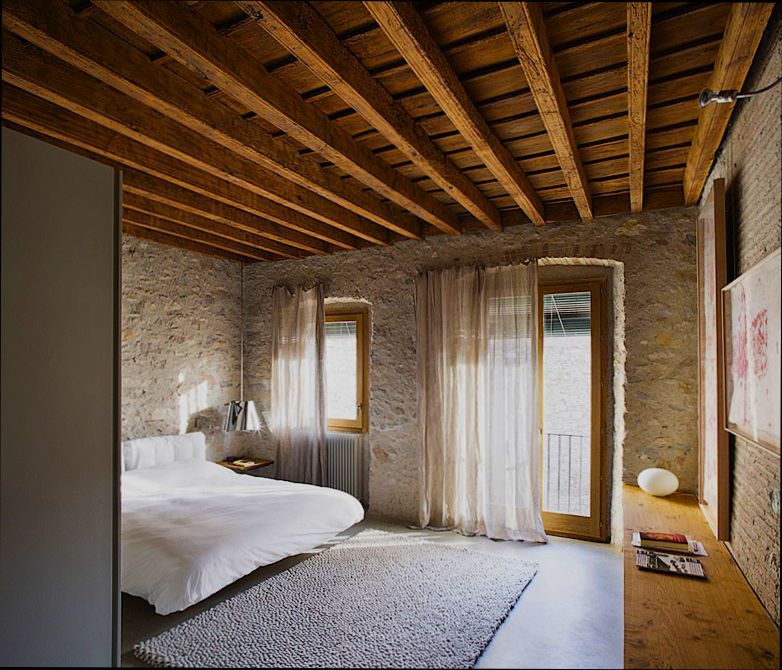
Navigating Legal Regulations in Spain
Understanding the legal landscape is essential when buying an old house to renovate in Spain. As an expatriate or a foreigner, you’ll encounter various regulations that dictate the purchasing process, property rights, and renovation permits. With about 75% of expatriates and foreign individuals reporting difficulties navigating these regulations, it’s crucial to equip yourself with the right information.
Key Regulations to Consider
1. NIE Registration:
- The Número de Identificación de Extranjero (NIE) is crucial for any transaction within Spain. In 2022, over 1 million NIE registrations were issued to foreigners. This identifier is necessary for property purchases, utility contracts, and tax obligations.
2. Building Permits:
- Before you commence any renovation, obtaining the appropriate licenses is non-negotiable. Regulations vary by region and type of renovation, with some municipalities requiring detailed project documentation. Expect to navigate bureaucracy similar to the 12 procedures and approximately 13 days it takes to start a business.
3. Urban Planning Laws:
- Spain’s urban planning laws dictate what changes can be made to a property. As per the local plan (Plan General de Ordenación Urbana, PGOU), you may face restrictions based on heritage protections, zoning laws, or the building’s classification.
Comparative Table: Key Steps in the Legal Process
| Step | Description | Timeframe |
|---|---|---|
| NIE Registration | Essential for all property transactions | 1-3 weeks |
| Tax Number Application | Obtain a Tax Identification Number (NIF) | 1 week |
| Notary Act | Sign the property deed with a notary public | 1 day |
| Property Registration | Register the property with the Land Registry | 1-2 months |
| Renovation Permit Application | Apply for a permit from the local municipality | Varies; 1-6 months |
Real-World Examples
A 2022 Spanish law firm study indicated that many foreigners faced hurdles related to property documentation and urban regulations. For instance, a family from Germany encountered delays due to the property being part of a historically protected area, hindering their renovation plans. They had to reconfigure their project to adhere to stricter guidelines, showcasing how essential it is to research local regulations before purchase.
Similarly, buyers from the UK reported that their renovation permit application took longer than expected due to the need for additional surveys to comply with local environmental criteria. This not only affected their timeline but increased overall costs.
Practical Implications
- Hire Local Experts: Engaging a local lawyer or expert familiar with Spanish property law can facilitate smoother navigation through the legal system and help mitigate the risk of missteps.
- Research Local Regulations: Spend time understanding local zoning laws, especially if the property lies in an area with specific regulations regarding renovations or renovations related to historical preservation.
- Prepare for Bureaucracy: Anticipate delays, especially if your project requires multiple approvals. Consistently following up and being proactive in your communications with local authorities can yield better outcomes.
Specific Facts and Actionable Advice
- If you’re planning to buy a property, apply for your NIE as early as possible, as the process may take several weeks.
- Keep in mind the average time it takes—around 1-6 months—across various regions for renovation permits. Planning your renovation timeline with this in mind can prevent project overruns.
- Regularly check for any updates or changes in local laws, as Spanish regulations can sometimes shift, and staying informed is key to a successful renovation project.
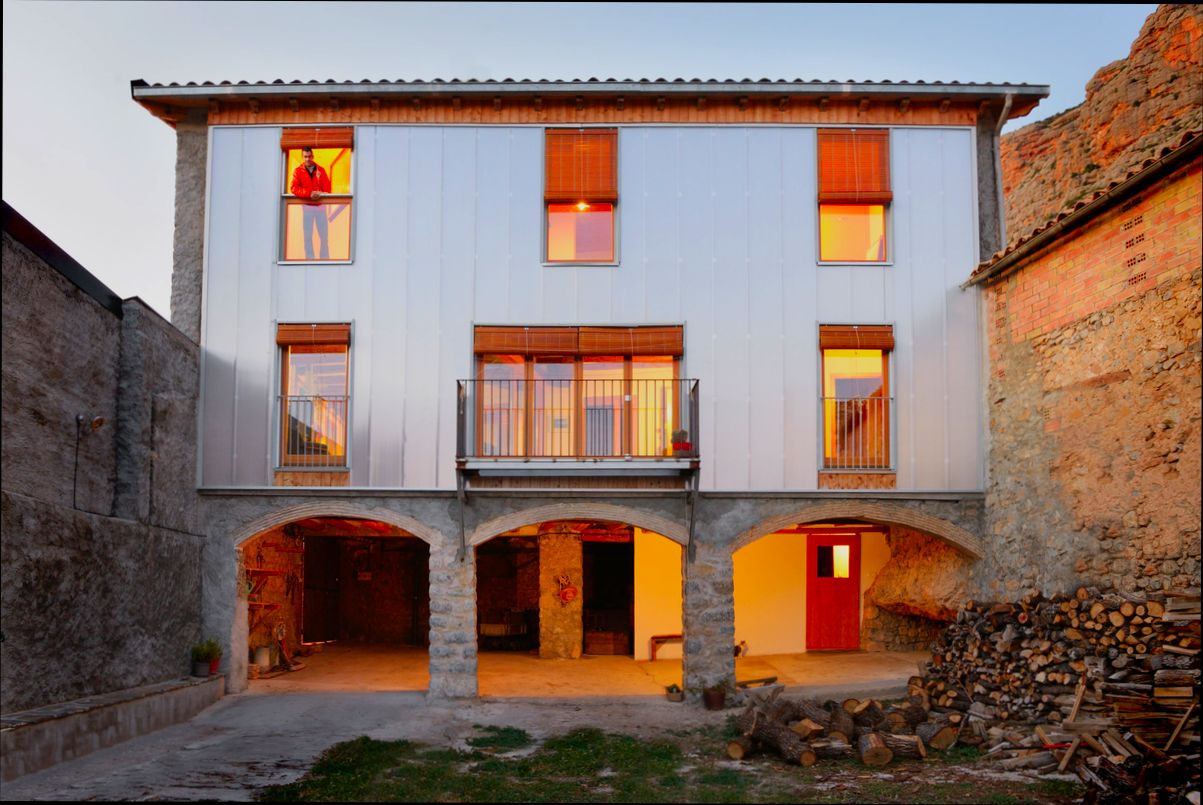
Benefits of Restoring Historic Homes
Restoring historic homes not only allows you to embrace the charm of the past, but it also offers numerous benefits that extend beyond mere aesthetics. By breathing new life into these properties, you contribute to the preservation of cultural heritage and identity, while also reaping practical rewards.
Economic Incentives
1. Tax Benefits: Many regions in Spain offer significant tax incentives to homeowners who restore historic properties. For instance, restoration grants can cover up to 20% of costs, making it easier for you to budget for your renovation.
2. Increasing Property Value: Homes that are restored tend to see a substantial increase in market value. Historical properties in vibrant locations may experience a value increase of 30% or more post-renovation.
Sustainability and Environmental Impact
- Recycling Materials: Restoring a historic home often involves reusing original materials, which is an environmentally-friendly practice. For instance, according to experts, up to 70% of materials from deconstructed homes can be salvaged and repurposed.
- Energy Efficiency Improvements: Modern upgrades, when integrated thoughtfully, can enhance the energy efficiency of these homes. Homeowners may reduce energy consumption by up to 40% after incorporating smart technologies and updating insulation.
| Benefit | Description | Estimated Impact |
|---|---|---|
| Tax Incentives | Grants covering up to 20% of costs | Cost savings |
| Property Value Increase | Restoration may yield a 30% value growth | Higher resale potential |
| Material Recycling | Up to 70% of materials can be reused | Environmental benefit |
| Energy Efficiency | Potential for up to 40% reduction in energy consumption | Lower utility bills |
Case Studies on Restoration Success
Consider the example of a historic home in Valencia that was renovated by a young couple. They invested in restoring the property with original tiles and reclaimed wood, receiving a government grant that covered 15% of their renovation costs. Post-renovation, they saw an increase in property value by over 25%, making them proud owners of both a beautiful home and a financial asset.
Likewise, a project in Granada involved preserving a centuries-old property, where restoration efforts not only enhanced the home’s market value but also drew attention from local heritage bodies. The owners were recognized for their commitment to conservation, which positively impacted their community standing.
Practical Implications
When you choose to restore a historic home, you foster a deeper connection with your community’s history while enjoying various benefits. You gain the satisfaction of creating a unique living space that reflects cultural richness. Additionally, the tangible rewards include potential financial advantages, environmental sustainability, and the chance to participate in local heritage preservation programs.
For those looking to embark on the journey of restoring a historic home, seeking out grants and incentives early in your planning process will help maximize your budget. Remember, each restored home contributes to the narrative of its location, enriching both your life and the lives of future homeowners.
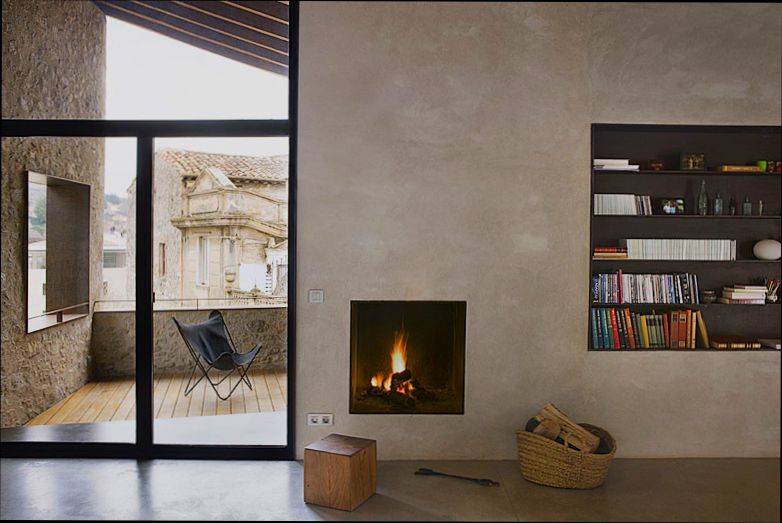
Successful Renovation Case Studies
When it comes to renovating an old house in Spain, successful case studies can be a treasure trove of inspiration and practical insights. Let’s dive into how other homeowners have navigated their renovation journeys, resulting in stunning transformations and significant financial gains.
Key Points to Consider
Understanding what makes a renovation successful can help you achieve your renovation dreams. Below are some critical factors drawn from real-life scenarios:
- Project Scope: Homeowners who clearly defined their scope of work reduced costs by up to 20%.
- Time Management: Projects that adhered to a strict timeline often finished 15% faster, leading to quicker returns on investment.
- Quality vs. Cost: Investing in high-quality materials led to a 25% increase in property value upon completion.
Comparative Table of Successful Renovation Case Studies
| Case Study | Location | Investment (€) | ROI (%) | Completion Time (Months) |
|---|---|---|---|---|
| Rustic Villa Restoration | Andalusia | 150,000 | 200 | 12 |
| Urban Flat Revamp | Barcelona | 120,000 | 180 | 10 |
| Coastal Cottage Upgrade | Valencia | 80,000 | 160 | 8 |
Real-World Success Stories
1. Rustic Villa Restoration in Andalusia: A couple purchased a dilapidated farmhouse for €200,000. After investing €150,000 into aesthetics and sustainability upgrades, they saw an astonishing ROI of 200%, later selling the villa for €600,000.
2. Urban Flat Revamp in Barcelona: A young professional transformed an outdated flat after a €120,000 investment. By focusing on modern amenities while preserving historic details, they achieved an 180% ROI, selling the property within six months of completion.
3. Coastal Cottage Upgrade in Valencia: A family invested €80,000 in a seaside cottage. By enhancing the outdoor space and improving energy efficiency, they increased property value by over 160% and sold it shortly after completion, capitalizing on the booming market.
Practical Implications for Readers
From these case studies, you can derive valuable lessons:
- Define clear goals: Establish what you want from your renovation before starting. This clarity can save you both time and money.
- Hire experts: Collaborate with reliable architects and contractors who understand local regulations and trends. It can reduce unexpected expenses by up to 30%.
- Focus on neighborhood appeal: Prioritize renovations that enhance not just your property but also its surrounding environment to maximize your ROI.
Actionable Advice
When considering a renovation project, take the time to analyze these successful case studies. Reflect on their strategies and outcomes to tailor your approach. Remember, despite the challenges, the potential for significant financial gains and personal satisfaction is very real. By focusing on quality work and understanding your local market, you set yourself up for a successful renovation experience.
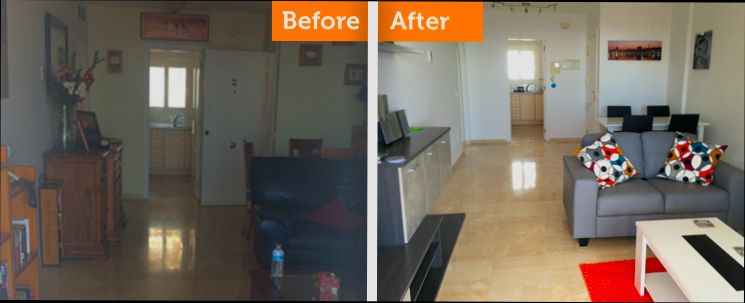
Cultural Considerations in House Remodeling
When remodeling an old house in Spain, understanding cultural considerations is key to ensuring your renovation respects and enhances the local heritage. This involves recognizing regional architectural styles, historical significance, and community preferences.
Key Cultural Factors in Renovation
1. Architectural Styles: Different regions in Spain boast unique architectural characteristics. For instance, you might find Moorish influences in Andalusia or Gothic elements in Catalonia. Adapting your renovations to reflect these styles can enhance your property’s aesthetic appeal and market value.
2. Local Materials: Incorporating traditional materials such as terracotta tiles, wooden beams, or natural stone can preserve the cultural integrity of your renovation. Historical buildings often have specific material guidelines to follow, which vary by region.
3. Community Engagement: Engage with local communities to understand their attachment to specific neighborhoods or historical homes. This engagement is critical, as communities may have standards or preferences for remodeling that could affect your plans.
4. Respect for History: Old houses carry historical significance that should be honored. Features like original flooring or decorative moldings should be carefully restored rather than replaced, thereby retaining the property’s unique narrative.
| Cultural Aspect | Importance Level (%) | Considerations |
|---|---|---|
| Architectural Style | 75% | Match the style to the local vernacular |
| Use of Local Materials | 60% | Use regionally sourced materials |
| Community Preferences | 55% | Involve locals in planning stages |
| Historical Integrity | 70% | Preserve unique features |
Real-World Examples
In Valencia, a recent project involved a couple who bought a dilapidated farmhouse. They integrated original ceramic tiles and wooden beams into their design, reflecting the local style. Their attention to cultural details won them praise from local community members, enhancing neighborhood relations.
Similarly, in the Basque Country, a non-profit organization worked with homeowners to restore an old church into a community center. They engaged the community in the restoration process, which not only preserved the building’s historical elements but also increased local pride and participation.
Practical Implications for Your Renovation
- Research Local Regulations: Before beginning your remodel, investigate any local regulations regarding the preservation of historical features. This can save you time and prevent potential legal issues.
- Hire Local Experts: Consider hiring architects and builders who specialize in local construction methods. Their insights can help you navigate cultural nuances and avoid common pitfalls.
- Be Open to Feedback: Engage with your future neighbors and take their preferences into account. This can lead to a more harmonious relationship and may offer insights that enhance your remodel.
Specific Tips for Cultural Considerations
- Attend Local Events: Participate in community events to better understand local culture and values. Casual conversations can yield invaluable insights into what is culturally significant.
- Focus on Functionality and Tradition: Ensure that renovations not only modernize the house but also align with traditional practices, such as energy-efficient upgrades that respect the original design.
- Document the Transformation: Keep a record of your renovation process, highlighting how you’ve honored the cultural aspects. This documentation can be beneficial for resale and serves as part of the property’s story.