What are the Costs Involved When Renting a House in France? Let’s dive into the nitty-gritty of what to expect. First off, you can’t overlook the rent itself, which can vary wildly depending on where you’re looking. For instance, a cozy studio in Paris might run you around €1,000 a month, while a similar space in Lyon could be closer to €600. And don’t forget about the security deposit; it typically equals one month’s rent and can add a hefty chunk to your upfront costs.
But that’s just the beginning! Once you’ve signed the dotted line, you’ll also face monthly utilities, which can range from €100 to €300, depending on the size of the house and your usage habits. Plus, internet and home insurance usually come out of your pocket too—think about an additional €50 to €100 each month. All these expenses can quickly add up, transforming an exciting move into a financial puzzle.
Understanding Rental Agency Fees
When contemplating renting a property in France, understanding rental agency fees is crucial. These fees directly impact your budgeting and choice of rental method. Let’s dive into what these fees entail and how they can vary.
Key Points About Rental Agency Fees
In France, rental agency fees apply primarily when you opt for the assistance of a real estate agency. Here’s what you should know:
- Only 35% of rental property owners choose to use a real estate agency for property management. This indicates that many prefer managing their properties independently to avoid agency fees.
- Average fees typically amount to 4.5% excluding VAT, but when VAT is included, anticipate around 9% of the rental income for full management services. Remember, the VAT often cannot be reclaimed by landlords, which makes these fees particularly impactful on rental income.
- Agencies charge fees based on various factors such as property type, location, surface area, and the number of managed properties, leading to significant fee discrepancies between agencies.
Rental Agency Fee Structure
| Service Description | Typical Cost | Fee Type |
|---|---|---|
| Inventory of the Condition (L’état des lieux) | Around €100-€200 | Variable depending on property size |
| Drafting of Lease Document | Approximately €500 | Fixed fee |
| Tenant Search and Setup | Usually equivalent to 1 month’s rent | Service fee |
| Full Property Management | Average 4.5%-9% including VAT | Percentage of rent |
Real-World Examples
Consider Jean-Marc Le Prado, a landlord who utilizes a full property management service, paying around 9% including VAT. He appreciates this comprehensive service because it covers essential tasks like collecting rent, handling maintenance, and tenant communication. However, he’d likely have a different experience if he managed the property himself, potentially saving on agency fees entirely but assuming more responsibility.
On the flip side, if you are renting a property through an agency, you may encounter costs for essential services. For instance, if visiting a property incurs a fee, it’s good practice to clarify this to avoid surprises.
Practical Implications
Understanding these costs will help you make informed decisions. When selecting a rental agency, consider the following:
- Request multiple quotes to compare management costs before choosing an agency. This can help you negotiate better rates.
- Familiarize yourself with the legal obligations regarding fee disclosure. In person, fees should be clearly displayed; online, you should find them within two clicks.
Actionable Insights
- Always factor in VAT when budgeting for agency fees as it can significantly inflate costs.
- If you own multiple properties, leverage this to negotiate lower agency fees, as many agencies are willing to offer discounts for higher volumes.
- Be proactive in asking about all potential costs associated with rental agency services to ensure transparency in your financial planning.
Analyzing Average Rental Prices in France
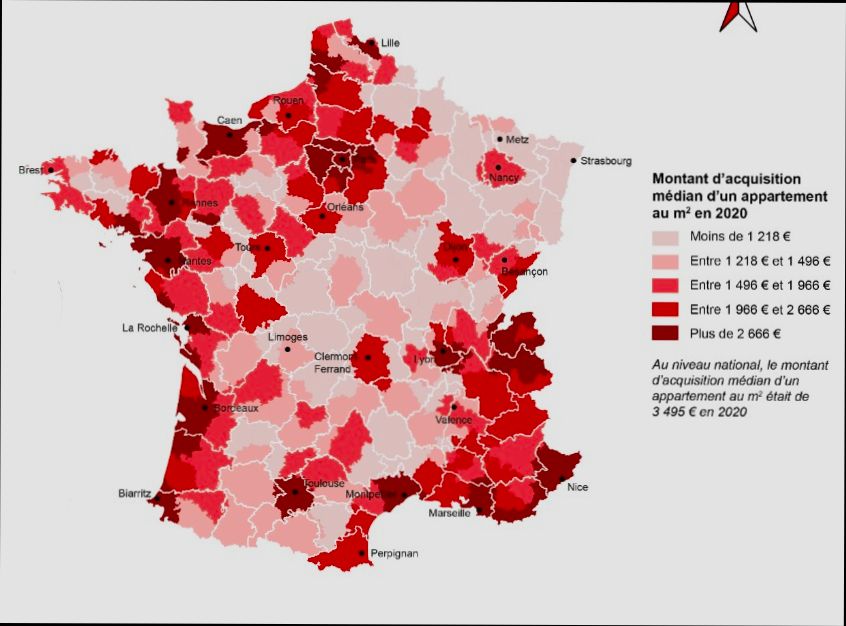
Understanding the average rental prices in France can help you make informed decisions when renting a property. Depending on the location and type of dwelling, prices can vary significantly across regions, providing you insight into what you might expect to pay.
Key Points on Average Rental Prices
- In France’s capital, Paris, average rental prices can reach as high as €1,450 per month for a one-bedroom apartment in the city center. This figure underscores Paris’s reputation as one of the most expensive cities in Europe.
- Conversely, smaller cities such as Lyon and Marseille offer more affordable options, with average monthly rents for one-bedroom apartments at around €800 in Lyon and €700 in Marseille.
- Data indicates that rental prices have increased by an average of 2.4% annually across France, reflecting broader economic trends and local market dynamics.
- Notably, rural areas see dramatically lower rental prices, with some regions offering monthly rents below €500 for similar properties, demonstrating a stark contrast to urban settings.
| City | Average Monthly Rent (1-Bedroom) | Annual Price Increase (%) |
|---|---|---|
| Paris | €1,450 | 2.4 |
| Lyon | €800 | 2.1 |
| Marseille | €700 | 2.3 |
| Bordeaux | €900 | 1.8 |
| Rural Areas | €400 | 1.5 |
Real-World Examples
Let’s consider two different case studies to highlight rental price dynamics.
- A young professional moving to Paris for a tech job might find a compact studio in the Marais district for about €1,600. However, they could explore the less central 19th arrondissement, where rents drop to an average of €1,200 for similar accommodations.
- A family relocating to Lyon may stumble upon a three-bedroom apartment in a suburban area priced around €1,200. This is a stark contrast to the central districts where prices soar to approximately €2,400 for larger family spaces.
Practical Implications
Renters need to be strategic about their choices based on average prices. Here are some actionable insights:
- Research Areas: Focus on up-and-coming neighborhoods, especially in larger cities, where rents may not yet reflect the potential increase in value. Areas like the 12th arrondissement in Paris or Villeurbanne in Lyon could provide good options.
- Consider Property Type: If you are flexible, consider different types of dwellings. For instance, a shared apartment can significantly reduce your overall monthly rent.
- Timing Your Move: Early spring or late fall often provides a more favorable rental market with lower prices compared to peak summer months when demand spikes.
Renting in France can vary widely, and getting familiar with these average prices will empower you to navigate your options effectively.
Hidden Costs of Renting a House
Renting a house in France can come with unexpected expenses that can catch you off guard. Understanding these hidden costs is key to budgeting effectively and ensuring a smooth rental experience. Let’s delve into the less obvious financial aspects of renting, so you can plan accordingly.
Common Hidden Costs
1. Utility Set-Up Fees:
- You might assume that utilities come included, but often they don’t. There are initial set-up fees for electricity, gas, and water that can range from €50 to €100 each.
2. Home Insurance:
- Many landlords require tenants to have renter’s insurance, typically costing between €150 and €300 per year depending on the coverage.
3. Maintenance and Repair Costs:
- While the landlord is often responsible for major repairs, tenants may be saddled with some maintenance expenses, especially for minor issues. It’s wise to budget around €50-€100 monthly for unforeseen repairs.
4. Agency Fees on Renewals:
- Even if you managed to avoid agency fees at the start, some agencies charge a fee for lease renewals, ranging from €100 to €300.
Breakdown of Hidden Costs
| Cost Type | Estimated Range |
|---|---|
| Utility Set-Up Fees | €50 - €100 each |
| Home Insurance | €150 - €300 annually |
| Maintenance Expenses | €50 - €100 monthly |
| Agency Fees on Renewals | €100 - €300 |
Real-World Examples
- Electricity and Gas: A friend of mine rented a cozy apartment in Lyon and faced a daunting €240 utility set-up fee, which she hadn’t factored into her moving budget. It was a surprise that left her scrambling for cash the first month.
- Home Insurance: A colleague learned the hard way that not having renter’s insurance left him exposed when a pipe burst. The repairs set him back over €500, emphasizing the importance of that initial policy cost.
Practical Implications
When you start budgeting for renting a house, consider these hidden costs as essential line items in your financial planning. Here are some actionable tips:
- Ask the landlord or property management for a list of additional costs before signing the lease. This can include utilities, maintenance, and any other applicable fees.
- Shop around for home insurance to find a more affordable option. Some companies offer competitive rates for renters.
- Allocate a monthly fund for unexpected repairs. Setting aside a small amount every month will alleviate financial pressure when emergencies arise.
Important Takeaways
Planning for hidden costs helps you budget more accurately for your rental. By accounting for utilities, insurance, and potential maintenance, you’ll have a more realistic financial roadmap, ensuring that you avoid unpleasant surprises after you’ve moved in.
Practical Considerations for Security Deposits
When renting a house in France, it’s crucial to understand the ins and outs of security deposits, as they can greatly affect your finances. A security deposit acts as a safety net for landlords against potential damages or unpaid rent, but knowing how much to prepare and what to expect can make the renting process smoother for you.
Key Points to Consider
- Deposit Amounts: Security deposits in France typically range from one to two months’ rent. However, for furnished rentals or in high-demand areas, landlords might ask for up to three months’ rent. This range can vary depending on local market conditions and individual landlord preferences.
- Return Policies: According to French law, landlords must return the security deposit within one month after you vacate the property, provided there are no damages. If deductions are to be made, landlords must specify those deductions in writing, creating transparency in the process.
- Deposit Alternatives: A growing trend in rental markets is the introduction of deposit alternatives. Research indicates that about 56% of landlords now offer at least one option, such as deposit insurance or guarantees, which can ease the upfront costs of moving in.
| Rent Type | Typical Security Deposit | Considerations |
|---|---|---|
| Unfurnished Rent | 1 month’s rent | Commonly accepted in most areas. |
| Furnished Rent | 1.5 to 3 months’ rent | Higher risk of potential damages requires more security. |
| High-Demand Areas | Up to 2 months’ rent | Competitive markets may lead to higher deposit requests. |
Real-World Examples
Imagine you find a lovely two-bedroom apartment in the heart of Paris. The monthly rent is €1,200, so you might expect a security deposit anywhere from €1,200 to €3,600 if it’s a furnished rental. This significant range is a common challenge for renters, particularly if financial flexibility is a concern.
One tenant shared that upon moving into a furnished apartment, the landlord required a deposit of €2,400, citing the quality and value of the furnishings as justification. Understanding deposit trends in your desired area can help you prepare for such scenarios.
Practical Implications
- Preparation: Make sure you have the funds available for both the deposit and the first month’s rent. This upfront financial requirement can be significant, so budgeting appropriately is essential.
- Documentation: Ensure that you receive a rental agreement detailing the security deposit, the amount, and the conditions for its return. This document can protect you from unexpected deductions later on.
- Negotiate if Possible: If you encounter a high-security deposit demand, don’t hesitate to discuss it with your landlord. Some landlords may be willing to negotiate down, especially if you have a good rental history and references.
- Check Local Laws: Laws regarding security deposits can differ significantly by region. Familiarize yourself with local regulations to ensure full compliance and understanding of your rights as a tenant.
By keeping these practical considerations in mind, you can navigate the complexities of security deposits in France more easily, ensuring a smoother transition into your new rental experience.
Comparing Utilities Expenses for Renters
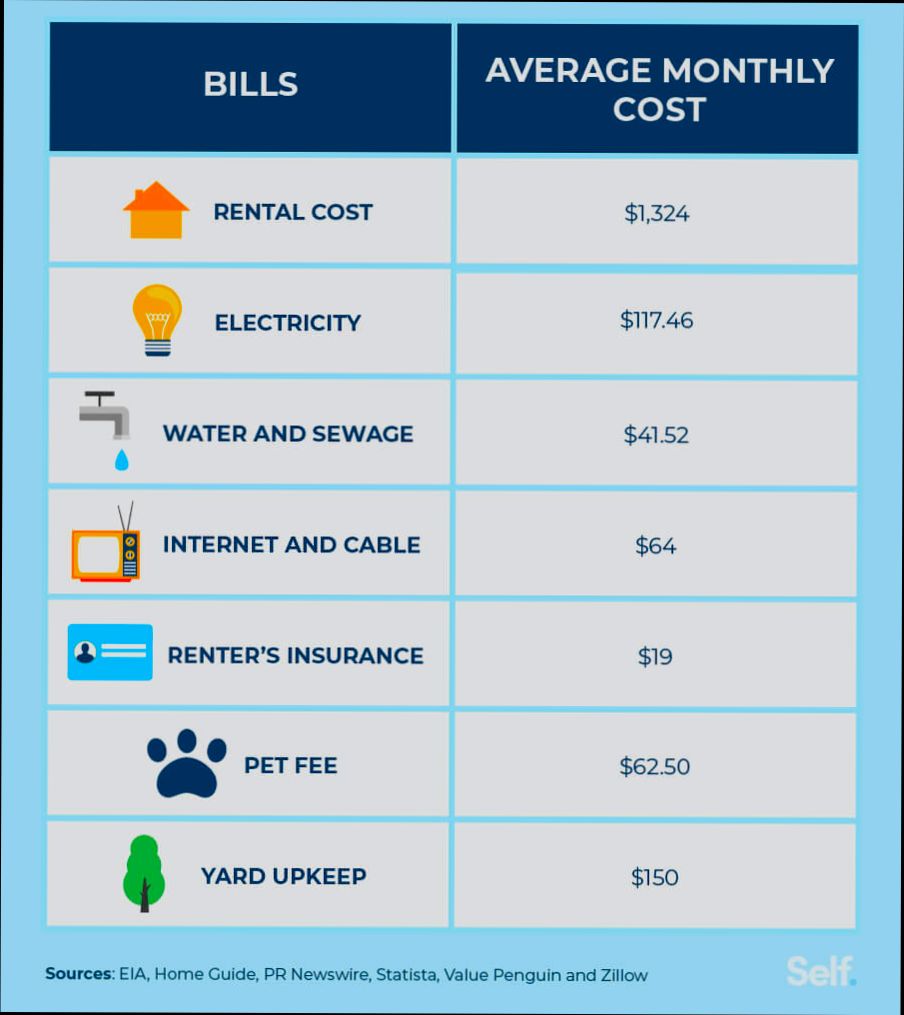
When renting a home in France, comparing utilities expenses can significantly impact your budget. Understanding the components and average costs of essential services allows you to plan better for your overall monthly expenses.
Key Points on Utilities Expenses
- Renters often overlook utilities when estimating living costs. Essential services such as electricity, water, heating, and internet can vary widely between properties and regions.
- On average, tenants can expect to pay around €120 to €200 per month for utilities, depending on the size of the home and the number of occupants.
- According to recent surveys, 81% of renters indicate that fluctuating utility costs significantly affect their monthly budgeting, highlighting the importance of thorough research.
- The most considerable utility expense typically stems from heating, which can average about €80 per month in a standard apartment.
Average Utility Costs Breakdown
| Utility Type | Average Monthly Cost (€) |
|---|---|
| Electricity | €50 - €90 |
| Water | €30 - €50 |
| Heating | €80 - €120 |
| Internet | €30 - €50 |
Real-World Examples
Consider a one-bedroom apartment in Marseille where the utility costs are notably different than in rural areas. A tenant reported spending approximately €180 per month on electricity and heating during the winter months, contrasted with a moderate €70 per month for water and internet in a different region during the summer.
Additionally, in a shared accommodation scenario in Lyon, three renters collectively pay about €210 monthly for all utilities, showing that costs can be more manageable when expenses are divided among multiple occupants. Such variations reinforce the need to investigate local utility prices based on location and context.
Practical Implications for Renters
- Before signing any lease, always inquire about typical utility costs from current tenants or property managers to get a realistic view of monthly expenses.
- Utilize online tools to compare local service providers. This way, you might find significant savings by switching providers for services like electricity and internet, available for as low as €25 per month from budget providers.
- Keep in mind that energy efficiency can profoundly impact your costs. Properties with double glazing or better insulation can provide savings on heating bills, making them more economical in the long run.
Take careful note of these utility expenses when planning your renting journey. By doing so, you can create a more accurate financial framework for your new home in France.
Benefits of Renting in Different Regions
When considering renting a home in France, the region you choose can greatly influence your experience and financial situation. Each area offers unique benefits that cater to various lifestyles, budget constraints, and personal preferences.
Location-Specific Perks
1. Diverse Lifestyle Choices:
- In urban centers like Marseille or Lyon, you’ll find a vibrant social scene, rich cultural offerings, and ample job opportunities. This can be particularly appealing if you thrive in dynamic environments.
- Conversely, renting in quieter regions such as Normandy or Provence allows you to enjoy a slower pace of life, beautiful landscapes, and a strong sense of community.
2. Cost Variability:
- Rental prices vary significantly by region. For example, you can rent a charming two-bedroom apartment in Strasbourg for approximately €900 per month, whereas similar spaces might cost around €1,500 in Paris.
- According to recent data, 30% of renters in rural areas find that their rental costs are substantially lower than in major cities, which allows for more disposable income and a better quality of life.
3. Access to Amenities:
- Coastal towns, such as Nice, provide proximity to beaches and water activities, fosters an enjoyable lifestyle. Renting here can mean having leisure activities practically at your doorstep.
- On the other hand, renting in areas known for historical significance, like Avignon, offers unique educational and recreational experiences.
Regional Rental Price Comparison
| Region | Average Monthly Rent (2-Bedroom) | Key Attractions |
|---|---|---|
| Paris | €1,500 | Cultural sites, nightlife |
| Lyon | €1,200 | Culinary scene, festivals |
| Marseille | €1,100 | Mediterranean coast |
| Strasbourg | €900 | European parliament, charm |
| Nice | €1,400 | Beaches, art galleries |
Real-World Examples
- Lyon is celebrated for its food scene and offers renters lower prices compared to the capital. Many culinary enthusiasts opt for Lyon, where they can find a two-bedroom apartment near the city center for around €1,200, making it an attractive option for gastronomes.
- Provence, known for its stunning natural beauty, attracts renters seeking a tranquil environment. Individuals often relocate from the bustling cities to find charming villages for prices starting at €800 per month, providing a peaceful yet culturally rich lifestyle.
Practical Implications
- Consider what lifestyle best fits your needs. For example, families may benefit from larger spaces and better schooling options in suburban or rural regions, while young professionals might prefer the energy of city life.
- Explore the amenities each region offers. Are you drawn to outdoor activities? Do you prefer a vibrant nightlife? Identifying these preferences can narrow down your rental options significantly.
In summary, the benefits of renting in different regions of France encompass a range of lifestyle choices, costs, and amenities. Each region has its unique allure, and understanding these differences can greatly enhance your renting experience.

Real-World Examples of Rental Agreements
When renting a house in France, understanding the variety of rental agreements can significantly impact your experience as a tenant. Each type of rental agreement comes with its own set of rules, expectations, and potential costs. Let’s explore some key examples and statistics that highlight how these agreements function in real-world scenarios.
Key Points on Rental Agreements
- Types of Agreements: Approximately 59.6% of rental agreements are fixed-term leases, predominantly lasting 12 months. On the other hand, 31.8% are month-to-month agreements, providing flexibility for renters who may not wish to commit long-term.
- Diverse Lease Durations: Beyond the common 12-month leases, some renters opt for variations, such as 24-month (29.9%), 13-month (14.8%), and even shorter terms like 6 months (12.4%). This diversity allows tenants to choose based on their specific life circumstances.
- State Variances: Different regions in the U.S., such as California, exhibit over 62.7% of leases as month-to-month, contrasting sharply with states like Colorado, where only about 7.1% of leases fall into this category. This suggests that locality can vastly influence your rental agreement options.
Comparative Table of Lease Types
| Lease Type | Percentage of Total Leases |
|---|---|
| 12 months | 59.6% |
| Month-to-month | 31.8% |
| 24 months | 29.9% |
| 13 months | 14.8% |
| 6 months | 12.4% |
| Other terms | 8.6% |
Real-World Examples
1. Standard 12-Month Lease: A couple in Lyon signed a standard 12-month lease for a two-bedroom apartment. This type of agreement provided them with a fixed rental price and allowed them to focus on their work without worrying about sudden rental increases.
2. Month-to-Month Lease: An expat in Paris chose a month-to-month lease because of an anticipated job transfer. This agreement enabled quick relocation without the penalties associated with breaking a long-term lease.
3. Shorter Terms: A family looking to live in a seaside town during the summer months opted for a 6-month lease. This arrangement allowed them to enjoy their time at the beach without committing to a full year.
Practical Implications
When considering a rental agreement, it’s essential to match your lease type with your personal or financial situation. Here are some practical insights:
- Flexibility: Month-to-month leases offer great flexibility if you anticipate job changes or moving soon.
- Security: A longer lease can provide stability and protect you against rising rents during your tenancy.
- Policy Awareness: If you opt for a shorter lease, be aware of policies regarding lease renewals and notice periods, as these can vary significantly.
- Actionable Tip: Review the lease terms carefully, especially regarding renewal clauses and potential penalties for early termination. Always make sure these align with your future plans to avoid unexpected costs.
With a clear understanding of the different types of rental agreements available, you can make informed decisions that suit your needs and preferences when renting in France.