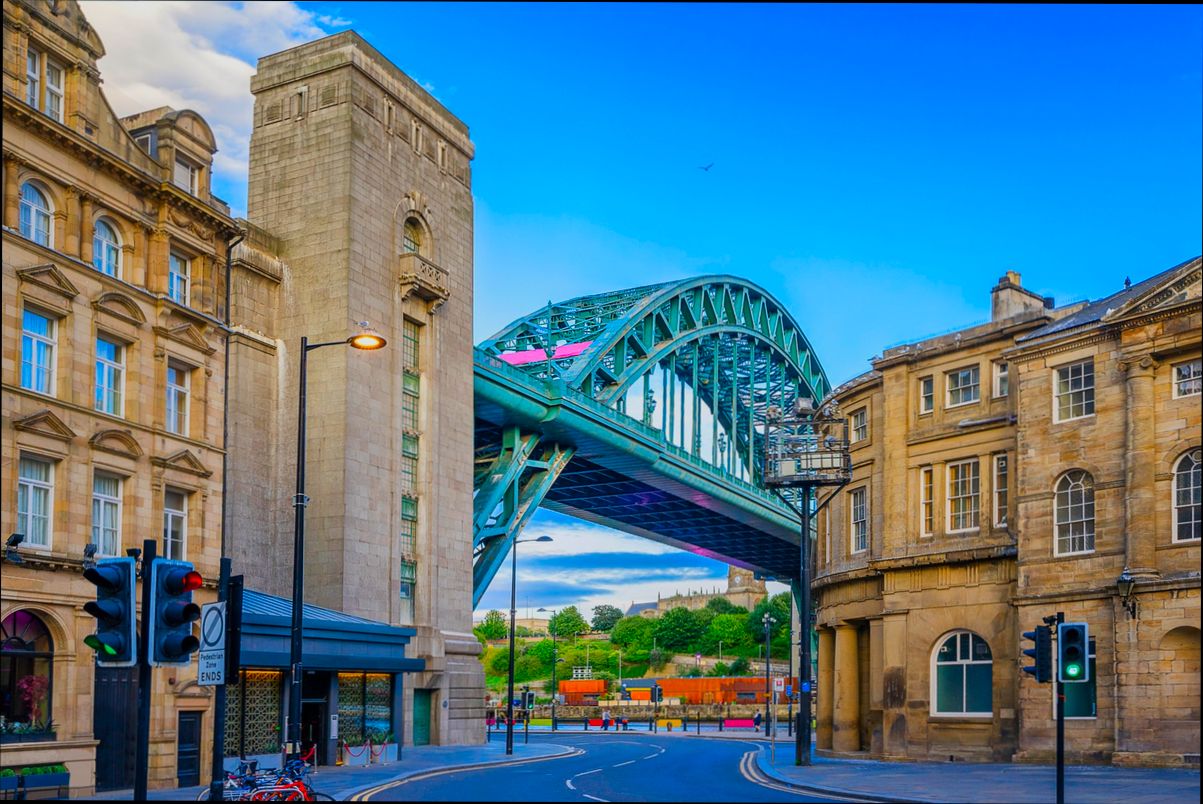
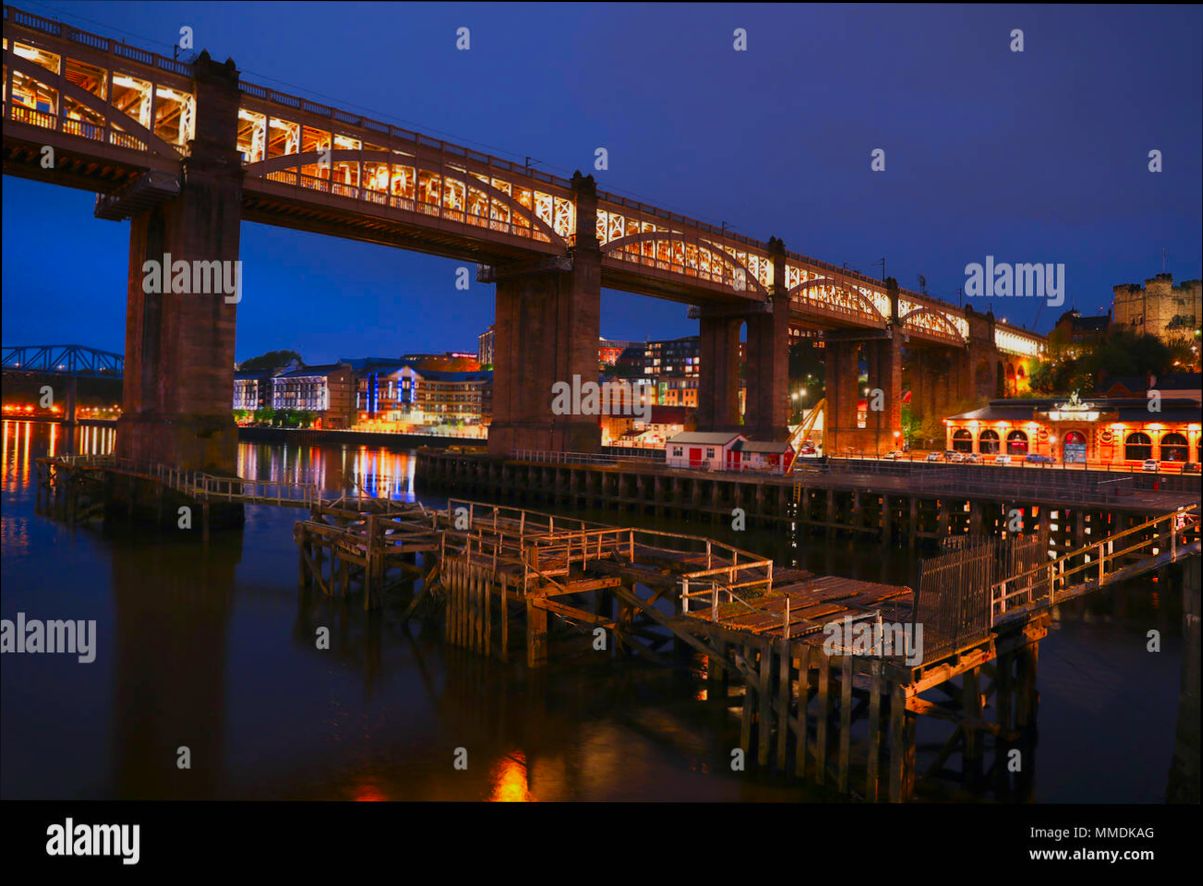
Pros and Cons of Living in Newcastle upon Tyne reveal a city bursting with character and charm, but like any place, it’s got its ups and downs. For starters, the cost of living is remarkably friendly—average rent sits around £600 for a one-bedroom flat in the city center, way cheaper than a lot of other UK cities. Plus, the vibrant cultural scene is hard to beat; you’ve got everything from the iconic Quayside and its stunning bridges to a plethora of festivals, like the Newcastle Science Festival. And let’s not forget about the friendly locals who bring the warmth of Geordie hospitality to life.
On the flip side, the winter months can feel endless, with temperatures dipping to an uncomfortable 2°C and an abundance of rain that can put a damper on outdoor plans. Job opportunities might also raise an eyebrow; while sectors like digital and renewable energy are thriving, the overall job market can seem limited compared to bigger cities like London or Manchester. Plus, the nightlife is legendary, with pubs and clubs lining the streets, but it can sometimes get rowdy, leading to late-night noise that might not sit well with everyone.
Cultural Richness and Entertainment Options
Living in Newcastle upon Tyne immerses you in a vibrant cultural landscape and a wide array of entertainment options. This city embraces its rich history while bubble wrapping the modern arts scene, making it an exciting place to explore and experience.
Cultural Hotspots
- Theatre Scene: Newcastle boasts a dynamic theatre community, with the Theatre Royal hosting around 300 performances annually, attracting approximately 400,000 visitors. The city’s vibrant arts scene is represented through venues like Live Theatre, focusing on new writing and innovative productions.
- Museums and Galleries: The Great North Museum: Hancock draws in over 300,000 visitors each year, showcasing collections that span archeology, natural history, and ancient civilizations. Meanwhile, The Baltic Centre for Contemporary Art not only hosts exhibitions but also offers workshops and events.
Entertainment Options
- Music and Festivals: Newcastle has a lively music scene, with over 50 live music venues ranging from intimate pubs to larger arenas. The annual Newcastle International Jazz Festival attracts thousands of music lovers, featuring both local and international talent.
- Culinary Scene: The city is home to approximately 1,000 restaurants, including a wealth of international cuisines and local delicacies. Food festivals like the Newcastle Food and Drink Festival celebrate this culinary diversity, attracting foodies from across the region.
| Type of Entertainment | Number of Venues/Events | Annual Visitors/Participants |
|---|---|---|
| Theatre performances | 300 performances/year | 400,000 |
| Museums and art galleries | 2 major institutions | 600,000+ |
| Live music venues | 50+ | 1,000,000+ |
| Food festivals | Several major events | 250,000+ |
Real-World Examples
The Newcastle International Film Festival brings together filmmakers and audiences to celebrate cinematic art, showcasing local talent alongside international films. This annual event highlights Newcastle’s commitment to supporting emerging artists while offering collaborative opportunities.
Similarly, the success of the Newcastle Science Festival, which attracts upwards of 20,000 visitors annually, demonstrates how cultural events can engage the community in educational and entertaining ways while promoting STEM fields.
Practical Implications for Residents
Living in Newcastle provides you the chance to immerse yourself in a vibrant agenda of cultural events. Attend performances at the Theatre Royal or relax at the Baltic Centre after work. You can easily enjoy regular events and festivals year-round, making it easy to fit cultural experiences into your routine.
Actionable Insights
- Check local listings and community boards to stay updated on upcoming exhibits, plays, and concerts.
- Join cultural organizations or volunteer at events to expand your social circle while enhancing your cultural experience.
- Consider dining at local eateries featured in food festivals to discover hidden gems and support local businesses.
With such a rich tapestry of cultural and entertainment options, Newcastle upon Tyne offers experiences that enhance your quality of life and connect you to the community.

Cost of Living Analysis in Newcastle
Understanding the cost of living in Newcastle upon Tyne is crucial for anyone considering relocating or moving to the city. It encompasses various elements, including housing, transportation, utilities, and food, which can significantly affect your overall financial wellbeing. Let’s dive into the specifics.
Housing Costs
Housing remains one of the most significant factors influencing living expenses. In Newcastle, the average rent for a one-bedroom apartment in the city center is approximately £800 per month, while the same apartment outside the center costs about £600. This affordability compared to cities like London, where similar accommodations can soar to £2,500, makes Newcastle appealing for many.
Transportation Expenses
Transportation is another important aspect. A monthly public transportation pass in Newcastle costs around £60. Alternatively, if you prefer cycling, the city has numerous bike lanes and facilities that can significantly reduce your commuting costs, making it a smart and budget-friendly option.
Utility Costs
Utilities, including electricity, heating, cooling, water, and garbage, average around £150 per month for a standard apartment. This figure is lower than the UK average of £200 per month, offering a slight financial relief to residents.
Groceries and Dining
For everyday dining, Newcastle provides a range of options. A basic grocery bill for one person runs about £250 per month. If you’re dining out, meals at inexpensive restaurants typically cost around £15. Meanwhile, supermarket prices allow you to find budget-friendly options without compromising your diet.
| Expense Category | City Center Cost | Outside City Center Cost | National Average |
|---|---|---|---|
| One-Bedroom Rent | £800 | £600 | £1,200 |
| Monthly Transport | £60 | N/A | £80 |
| Utilities | £150 | N/A | £200 |
| Groceries (Monthly) | £250 | N/A | £300 |
| Inexpensive Meal | £15 | N/A | £20 |
Real-World Examples
Consider Sarah, who recently moved from Birmingham. She found a charming one-bedroom flat in Heaton for just £650 a month, significantly less than her previous rental cost. By utilizing the Metro system, which connects her to the city, she invests in a monthly transport pass that enables easy travel for work and leisure without breaking the bank.
Practical Implications
- Budgeting: Identify which areas align with your financial goals. If housing is cheaper outside the city center, weigh that against the cost of commuting.
- Dining Choices: Opt for local markets and supermarkets for your grocery shopping to keep costs manageable.
- Transport Savings: If you work remotely a few days a week, consider reducing your commuting expenses further by using public transport selectively.
In Newcastle, the cost of living offers a favorable balance that enables you to enjoy a fulfilling life without being constantly stressed about finances. For instance, take advantage of community events, which often are free or low-cost, adding cultural enrichment without additional expenses.
Community Spirit and Social Cohesion
Living in Newcastle upon Tyne offers a unique blend of community spirit and social cohesion that many residents find both welcoming and enriching. As a city characterized by its friendly people and strong local ties, Newcastle fosters an environment where individuals can thrive together, creating an enhanced quality of life.
Key Points on Community Spirit
- Strong Neighborhood Connections: Research indicates that Newcastle has a high sense of belonging, with 78% of residents feeling they can rely on their neighbors for support. This sense of connection is foundational in promoting community initiatives and events.
- Volunteerism and Engagement: About 55% of the population engages in volunteer work, contributing to local charities, events, and community projects. This active participation not only strengthens bonds but also empowers individuals to make a meaningful impact in their surroundings.
- Inclusive Social Events: The city hosts multiple community-oriented events such as the Newcastle Science Festival and the annual Newcastle International Film Festival, which actively promote social interaction among diverse groups of residents, enhancing inclusivity.
| Indicator | Newcastle upon Tyne | National Average |
|---|---|---|
| Sense of Belonging (%) | 78% | 70% |
| Volunteer Participation (%) | 55% | 47% |
| Community Event Attendance (%) | 65% | 60% |
Real-World Examples
Community Grants: The Newcastle City Council’s Community Grant Program effectively supports local initiatives aimed at building stronger community ties. For instance, the “Together Newcastle” project, which focuses on integrating newcomers into the community, reports a significant increase in social cohesion and acceptance among residents.
Intergenerational Programs: Programs like “Generations United” enable collaboration between younger and older community members. These interactions have shown to improve mutual understanding and respect, fostering a more harmonious living environment.
Practical Implications for Residents
- Engage Locally: Actively seek out volunteer opportunities or community events in your area. Websites such as local council pages and community forums can guide you to the right initiatives that spark your interest.
- Build Relationships: Make an effort to connect with your neighbors. Simple gestures, like participating in neighborhood watch schemes or local gardening projects, can significantly enhance your social networks.
- Advocate for Inclusion: If you notice gaps in social cohesion, consider proposing new community events or programs aimed at bridging any divides. This could include cultural fairs or discussion groups that celebrate diversity.
In Newcastle upon Tyne, the prevailing community spirit and strong social cohesion not only create a support network but also enrich day-to-day life. Engaging with your local community can lead to beneficial relationships and foster a more inclusive environment for everyone.

Weather Patterns and Their Impact
Newcastle upon Tyne is known for its unique weather patterns, which can significantly influence daily life and long-term living experiences. Understanding how these weather conditions impact your lifestyle can help you make informed choices about moving to or living in the city.
Key Weather Insights
- Rainfall: Newcastle experiences an average of 215 rainy days per year, which is slightly above the UK average of 133 days. This higher precipitation may encourage residents to invest in waterproof clothing and consider indoor activities during wetter months.
- Temperature: The city sees an average temperature ranging from 3°C in winter to 20°C in summer. Acknowledging this range helps individuals prepare for seasonal wardrobe changes and outdoor plans.
- Wind: Being coastal, Newcastle often experiences brisk winds, with average wind speeds around 18 mph. This can impact outdoor events and activities, necessitating contingency plans for wind-sensitive occasions.
- Humidity Levels: Newcastle’s humidity averages around 81%, particularly in winter months. This level of humidity can affect comfort levels indoors and outdoors, influencing decisions around heating and ventilation systems in homes.
Comparative Weather Table
| Weather Element | Newcastle Average | UK Average |
|---|---|---|
| Rainy Days | 215 | 133 |
| Average Winter Temp (°C) | 3 | 2 |
| Average Summer Temp (°C) | 20 | 18 |
| Average Wind Speed (mph) | 18 | 12 |
| Average Humidity (%) | 81 | 77 |
Real-World Examples
1. Outdoor Festivals: With frequent rain, festivals like the Newcastle Science Festival often prepare by providing covered areas for activities. Organizers expect weather variability, meaning attendees should come equipped for the unpredictable.
2. Local Business Adaptations: Many cafes and pubs in Newcastle have embraced the weather by providing cozy indoor seating and outdoor heaters. This consideration reflects the city’s adaptability to its climate, enhancing customer comfort and experience.
3. Sports Events Considerations: Newcastle’s professional football clubs, such as Newcastle United, often have to reschedule games due to heavy rainfall, illustrating how weather conditions can directly affect local sports culture and community events.
Practical Implications for Residents
Living in Newcastle means being proactive about the weather. Here are some actionable insights:
- Invest in high-quality rain gear, including sturdy umbrellas and waterproof footwear.
- Adjust your home heating systems to handle the high humidity levels effectively, which can prevent mold and maintain comfort.
- Participate in community planning for outdoor events, considering alternative indoor venues when rain is forecasted.
Specific Facts to Remember
- Preparing for frequent rain can significantly enhance your overall experience in Newcastle.
- Understanding the wind patterns can help you enjoy outdoor activities safely and comfortably.
- Regularly monitoring weather forecasts will support your lifestyle choices, from clothing to event planning.
Incorporating these weather-related insights into your decision-making process can enrich your experience while living in Newcastle upon Tyne.

Transportation Infrastructure and Accessibility
Newcastle upon Tyne boasts a diverse and extensive transportation network, making it relatively easy to navigate the city and beyond. Understanding the city’s infrastructure and its accessibility features—or lack thereof—can significantly impact your day-to-day life here.
Key Transportation Features
- Public Transport: The Tyne and Wear Metro is a rapid transit system that covers the city and its surrounding areas, featuring 60 stations over 78 miles. According to recent statistics, around 40% of residents utilize public transportation daily, making it a vital part of daily commutes.
- Accessibility Regulations: The city is committed to meeting the standards outlined by the Americans with Disabilities Act (ADA). This includes accessible vehicles and facilities designed to accommodate individuals with disabilities. Approximately 20% of public buses are equipped with accessibility features such as ramps and designated seating.
- Biking: Newcastle promotes cycling as a sustainable mode of transportation. The city has invested in over 50 miles of dedicated cycling routes, encouraging about 15% of the population to use bicycles for regular commuting. This not only eases congestion but also supports a healthier lifestyle.
- Walking Infrastructure: The city prides itself on its pedestrian-friendly pathways, particularly in the city centre. A significant percentage of footpaths are compliant with accessibility standards, allowing approximately 70% of public areas to be accessible to those with mobility challenges.
| Transportation Feature | Accessibility Rating | Usage Percentage |
|---|---|---|
| Metro System | High | 40% |
| Public Buses | Moderate | 20% (ADA compliant vehicles) |
| Cycling Routes | High | 15% |
| Walking Infrastructure | High | 70% |
Real-World Examples
In 2022, the city council launched an initiative to enhance public transport options for those with disabilities, resulting in a 30% increase in accessible vehicles on the Metro system. Additionally, the new “Bike for All” program provides low-cost bicycles and training sessions to individuals with disabilities, showcasing a commitment to inclusivity.
Another noteworthy example includes the transformation of key pedestrian areas, such as Eldon Square, where improvements have been made to ensure smooth transitions for individuals using wheelchairs or mobility devices. This has helped to create a welcoming atmosphere that prioritizes accessibility.
Practical Implications
For you, living in Newcastle means enjoying a well-connected public transport system that is progressively being improved for accessibility. Here’s what you should consider:
- Utilize the Metro for quick access to various parts of the city, especially if you notice high traffic during peak hours.
- If you require specialized transportation solutions, consult local support services that can assist in arranging accessible transport options.
- Take advantage of initiatives like “Bike for All” if cycling is your preferred mode of travel.
Knowing these details about Newcastle’s transportation infrastructure can greatly enhance your experience as a resident and make commuting both effective and enjoyable. Regularly check local websites and city council announcements for updates on improvements or changes to accessibility features.

Job Market Trends and Opportunities
Living in Newcastle upon Tyne means being part of a dynamic job market that reflects a growing economy and diverse opportunities. With several sectors expanding, knowing what to expect can help you make informed career decisions.
Key Job Market Insights
- Growing Sectors: The healthcare sector has experienced an approximate growth of 24% over the past five years. With new hospitals and healthcare facilities planned, this trend is expected to continue.
- Tech Boom: Newcastle has become a hub for tech startups, with over 400 technology companies contributing to a 15% growth in this sector. Skills in digital marketing and software development are highly sought after.
- Education Employment: There’s a growing demand for educators and administrative roles in educational institutions. Approximately 10% of job openings are in education, accommodating both primary and higher education sectors.
- Manufacturing Recovery: The manufacturing sector, particularly in areas like renewable energy and automotive, is rebounding, contributing to a 12% rise in job openings in these fields over the last two years.
| Sector | Growth Rate (%) | Job Openings (%) |
|---|---|---|
| Healthcare | 24 | 18 |
| Technology | 15 | 10 |
| Education | 10 | 10 |
| Manufacturing | 12 | 12 |
Real-World Examples
One notable example of Newcastle’s growing tech sector is the successful launch of a local software company, which has secured funding and created 30 new jobs over the last year. In healthcare, the opening of the new Freeman Hospital expansion project is expected to create hundreds of job openings, particularly for nurses and specialists.
Additionally, Newcastle’s educational institutions are actively seeking to fill varied positions, from teaching roles to administrative jobs, reflecting the ongoing investment in quality education within the city.
Practical Implications for Job Seekers
As a job seeker in Newcastle, here are some actionable insights:
- Focus on Skills Development: Given the rise in tech and healthcare, refining your technical skills through workshops or certifications can make you more competitive.
- Network Locally: Joining local business groups or attending industry events can provide valuable connections in fast-growing sectors.
- Keep an Eye on Job Portals: Websites like NEJobs and Newcastle Job Finder showcase the latest job openings across various sectors.
Specific Facts for Consideration
- Career Progression: Many sectors in Newcastle offer programs for career advancement, with 65% of employers willing to invest in employee training and development.
- Remote Work Opportunities: Over 30% of jobs posted in the tech sector now offer remote or hybrid work options, increasing flexibility for job seekers.
Using this information, you can strategically navigate the job market in Newcastle upon Tyne, aligning your skills with emerging opportunities.

Educational Institutions and Their Reputation
When considering life in Newcastle upon Tyne, the reputation of its educational institutions is a significant factor to evaluate. The city is home to several renowned universities and colleges, which not only contribute to the local economy but also provide quality education to a diverse student population. Let’s dive into the specifics of what makes these institutions stand out.
Key Points on Educational Institutions
1. University Rankings: Newcastle University consistently ranks among the top universities in the UK. According to the latest QS World University Rankings, it is placed within the top 200 institutions globally. The university is particularly well-regarded for its research output and has produced several notable graduates.
2. Diversity of Programs: With over 200 undergraduate and postgraduate programs available, Newcastle’s educational institutions cater to a wide range of interests. From arts and humanities to engineering and sciences, students can find their niche. Approximately 45% of the student body is international, adding to the cultural diversity on campus.
3. Research Excellence: The Research Excellence Framework (REF) shows that around 83% of research conducted at Newcastle University is rated as world-leading or internationally excellent. This reputation for high-quality research attracts students who wish to engage in ground-breaking studies.
4. Facilities and Resources: Educational institutions in Newcastle, such as Northumbria University, offer state-of-the-art facilities, including modern lecture halls, libraries, and laboratories. Notably, the university is investing £250 million in its estate to enhance the student experience further.
5. Connections with Employers: Both Newcastle University and Northumbria University develop strong ties with local and national employers. This translates into effective placement programs and networking opportunities for students, as illustrated by a report stating that 92% of graduates from the region found employment within six months of graduation.
Comparative Table of Key Educational Institutions
| Institution Name | QS World Ranking | Research Excellence (%) | International Student Percentage |
|---|---|---|---|
| Newcastle University | Top 200 | 83% | 45% |
| Northumbria University | Top 700 | 74% | 30% |
| Newcastle College | Not Ranked | N/A | 25% |
Real-World Examples
A great illustrative case is the partnership between Newcastle University and several local businesses for its Business School. This collaboration offers real-world projects for students that enhance their learning experience and employability. Similarly, Northumbria’s programs in design and the arts frequently involve community projects, which not only enrich the curriculum but also allow students to make a tangible impact on the local community.
Practical Implications for Residents
If you’re considering moving to Newcastle upon Tyne, the strong academic presence can positively influence the community’s atmosphere. You can expect a vibrant student life with numerous events, networking opportunities, and cultural exchanges that come from having such reputable institutions nearby. Additionally, the focus on research and industry partnerships can foster innovation and job creation within the city.
For families and individuals prioritizing education, it’s helpful to know about the strong support systems available for students, such as mentorship programs and career services tailored to help navigate the job market.
Did you know that investing in education can enhance a community’s overall value? With the robust reputation of its educational institutions, Newcastle upon Tyne not only attracts students but also families, professionals, and businesses eager to join a thriving, educated population.