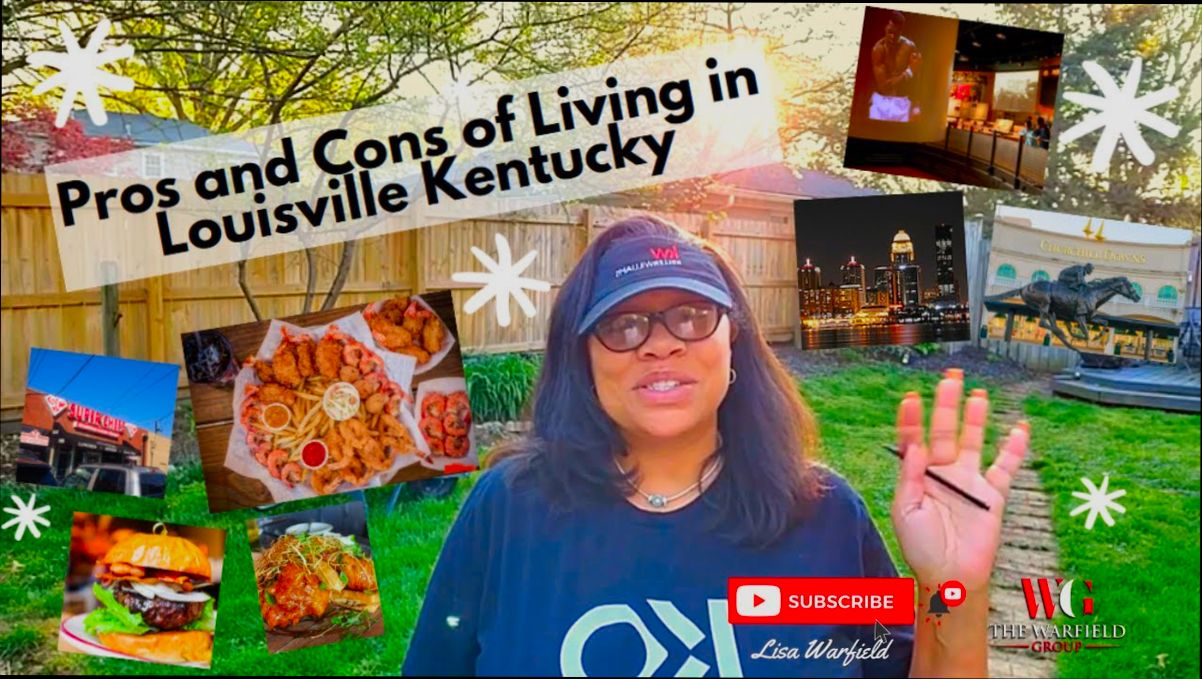
Pros and Cons of Living in Louisville KY can be quite the mixed bag. On one hand, you’ve got the iconic Kentucky Derby, delicious hot chicken, and a vibrant arts scene that keeps things lively. With a cost of living that’s about 6% lower than the national average, your paycheck stretches a bit further here. Plus, neighborhoods like NuLu and The Highlands boast trendy cafes, shops, and a sense of community that gives you that warm, fuzzy feeling. You can even spend your weekends strolling through the beautiful Waterfront Park or catching a game at the KFC Yum! Center.
On the flip side, it’s essential to consider the not-so-glamorous parts. Louisville does experience its fair share of tornadoes and severe storms, so if you’re not used to unpredictable weather, you might find that a bit unnerving. The city also grapples with higher crime rates in certain areas—reports show some neighborhoods have crime rates nearly double the national average. And while the local music scene rocks, it sometimes feels overshadowed by nearby cities like Nashville. All in all, living in Louisville is full of unique experiences, but it definitely comes with its pros and cons.

Cost of Living Insights in Louisville
Understanding the cost of living in Louisville is essential if you’re considering making this vibrant city your home. With a mix of affordable housing, reasonable transportation costs, and access to entertainment, let’s delve into the specific insights that can help you make informed decisions.
Affordable Housing Options
Louisville’s housing market is relatively affordable compared to national averages. According to recent data, the median home price in Louisville stands at around $220,000, which is beneficial for first-time homeowners or those looking to downsize.
- Renting can also be budget-friendly:
- The average rent for a one-bedroom apartment is approximately $1,100.
- If you’re considering a two-bedroom unit, expect to pay about $1,300.
Transportation Costs
Transportation is another vital aspect of living costs in Louisville. The city’s public transportation system, TARC (Transit Authority of River City), offers economical options:
- A monthly TARC pass costs about $75, which is quite manageable compared to cities like New York, where it can be over $130.
- Gas prices in Louisville typically hover around the national average, ensuring that commutes via personal vehicles remain affordable.
Daily Essentials and Food
When it comes to daily needs, Louisville provides a balanced mix of costs.
- Grocery prices are about 1% lower than the national average. Here’s a quick breakdown:
- A gallon of milk: $3.25
- A dozen eggs: $2.50
- A pound of chicken breasts: $4.00
Here’s a comparative table that highlights how Louisville stacks up against some other cities in terms of cost of living:
| Expense Category | Louisville | Nashville | Chicago |
|---|---|---|---|
| Median Home Price | $220,000 | $330,000 | $350,000 |
| Average Rent (1BR) | $1,100 | $1,500 | $2,200 |
| Monthly TARC Pass | $75 | $90 | $120 |
| Cost of Groceries (monthly) | $300 | $350 | $420 |
Real-World Examples
For instance, Jessica, a young professional, found that moving to Louisville allowed her to purchase a home with a backyard - something she couldn’t afford in nearby Nashville. Additionally, she used TARC for commuting, saving her approximately $50 monthly compared to her previous commuting costs.
Another example is Mark and Amy, who moved with their family. They noted that by choosing a suburban neighborhood in Louisville, they were able to save up to $500 monthly on housing costs alone while still enjoying access to urban conveniences.
Practical Implications for Readers
If you’re weighing the decision to move to Louisville, consider these actionable insights:
- Explore neighborhoods like St. Matthews or Germantown for housing that fits within budget.
- Factor in transportation savings by utilizing TARC and minimizing car-related expenses.
- Pay attention to local markets for groceries to maximize savings on food.
Specific Facts to Consider
- The overall cost of living in Louisville is about 10% lower than the national average.
- Planning for seasonal activities can save you money; outdoor summer activities in local parks are often free or low-cost.
- Budget for utilities, as they average around $200 per month, which is still reasonable given the space in most homes.
By keeping these cost insights in mind, you can navigate your move to Louisville with a clearer understanding of what your budget will require.
Cultural Vibrancy and Community Spirit
Louisville, Kentucky, is a city that pulsates with cultural vibrancy and a strong sense of community spirit. From local arts initiatives to lively festivals, the city’s commitment to arts and culture showcases its rich heritage and fosters connections among residents. Let’s delve into what makes Louisville culturally unique and how it engenders a lively community atmosphere.
Arts and Cultural Scene
Louisville’s arts scene is thriving, ranking impressively in various assessments of arts vibrancy. Interestingly, an Enrichment Ordinance mandates that 2% of gross construction costs for civic building projects fund art initiatives, ensuring sustainable investment in local creativity. This policy reflects a dynamic commitment to fostering artistic expression and community engagement.
Key data points that highlight Louisville’s arts vibrancy include:
- The city ranks in the top 2% nationally for arts dollars, celebrating both public and private support for arts organizations.
- It has one of the highest concentrations of independent artists per capita in the country, demonstrating a robust creative community.
Community Events and Festivals
Louisville hosts numerous annual events that strengthen bonds among residents and showcase its cultural assets. Notable examples include:
- The Kentucky Derby Festival, attracting visitors and locals alike, is a month-long celebration featuring parades, live music, and art exhibits.
- The Forecastle Festival, which combines music, art, and activism, promotes environmental awareness while bringing together diverse populations of the city.
These events not only highlight local talent but also encourage community participation and pride.
Table of Arts Vibrancy in Louisville
| Criterion | Louisville, KY | National Average |
|---|---|---|
| Arts Funding Rank | Top 2% | N/A |
| Independent Artists Rank | Top 4% | N/A |
| Community Events Count | 100+ annually | Varies by City |
| Public Art Projects | 50+ funded annually | N/A |
Case Studies of Community Spirit
One striking example of cultural vibrancy is the Speed Art Museum, which actively engages the community through educational programs, exhibitions, and events. This museum exemplifies how cultural institutions can serve as gathering places that promote inclusivity and artistic dialogue.
Additionally, the Louisville Visual Art organization plays a crucial role in local arts education. It provides workshops and programs targeting underserved communities, showing that engagement in the arts can drive social change and foster community cohesion.
Practical Implications for Residents
Living in Louisville offers you the opportunity to connect with a diverse range of cultural expressions. Here are several actionable points:
- Explore local galleries and art shows. Attending openings is a fantastic way to support independent artists and make new connections.
- Participate in community workshops and events. Look for offerings from local non-profits that focus on art accessibility and engagement.
- Connect with neighbors by attending festivals. Join in on the celebrations, as these events often bring diverse groups together, fostering a sense of belonging and shared experiences.
Specific Facts to Enhance Community Engagement
- Collaborate with local artists; consider commissioning artwork for your space or participating in community art projects.
- Utilize resources like local arts directories to discover ongoing events and exhibitions. Engaging with your city’s vibrant cultural landscape can deepen your appreciation for its uniqueness and foster positive relationships within your community.
- Volunteer with a local arts organization. This involvement not only enriches your understanding of the arts but also nurtures community bonds, making Louisville feel even more like home.

Public Safety Considerations for Residents
As a potential resident of Louisville, it’s essential to immerse yourself in the public safety landscape of the city. Understanding crime rates, community resources, and safety initiatives can greatly impact your experience living here. Let’s delve into the specifics of public safety considerations that may influence your decision to call Louisville home.
Understanding Crime Rates
When evaluating the public safety in Louisville, it’s helpful to look at the overall crime rates. According to recent data, Louisville has a crime rate approximately 15% higher than the national average. However, it’s worth noting that crime rates can vary significantly by neighborhood.
- The neighborhoods of Old Louisville and the West End tend to report higher crime rates.
- Conversely, areas like the Highlands and St. Matthews show much lower crime statistics, indicating a safer environment.
Community Policing and Safety Initiatives
Louisville’s law enforcement agencies actively engage with residents through community policing initiatives. This approach aims to build trust and open lines of communication between police and the communities they serve.
- Neighborhood Watch Programs: Louisville provides resources and support for starting or joining neighborhood watch programs. Such programs have proven to reduce crime rates by up to 30% in participating communities.
Public Safety Resources
The city offers various resources to enhance your safety, including:
- Emergency Services: Louisville’s emergency response times average around 5 minutes, which is efficient compared to national benchmarks.
- Crime Mapping: Tools such as crime mapping websites help residents track recent incidents in their area, enabling proactive safety measures.
Comparison of Crime Rates in Popular Neighborhoods
| Neighborhood | Violent Crimes per 1,000 Residents | Property Crimes per 1,000 Residents |
|---|---|---|
| Old Louisville | 12 | 30 |
| Highlands | 4 | 15 |
| St. Matthews | 3 | 10 |
| Downtown Louisville | 8 | 25 |
Real-World Examples
In the past few years, the Louisville Metro Police Department has worked diligently to reduce crime in higher-risk areas. Initiatives like “Safe Streets,” focusing on community involvement and youth outreach, have reported a significant drop in youth-related violence.
For instance, a partnership with local schools resulted in a 20% decrease in gang-related incidents over two years. Such local efforts present valuable opportunities to engage and contribute to community safety.
Practical Implications for You
If you’re considering a move to Louisville, familiarize yourself with the crime statistics in your desired neighborhood. It’s beneficial to connect with community organizations or attend city council meetings to understand local crime trends and safety initiatives.
- Consider joining local forums or social media groups focused on neighborhood safety information.
- Be proactive by utilizing crime mapping tools and engaging with nearby residents.
Actionable Advice
Before moving, visit neighborhoods at different times of the day to gauge the atmosphere and sense of security. Engaging with local residents can provide firsthand insight into safety and community resources. Additionally, maintain an awareness of local news and updates regarding safety developments, which can help you stay informed and make sound decisions.

Educational Opportunities and School Quality
When considering a move to Louisville, KY, understanding the educational landscape is crucial. The quality of schools not only affects children’s learning experiences but also influences local property values and community engagement. Let’s delve into the opportunities and quality of education available in this vibrant city.
School Districts and Ratings
Louisville is served by several school districts, each offering varying levels of educational quality and resources. Notably:
- Jefferson County Public Schools (JCPS) is the largest district, educating over 100,000 students.
- JCPS high schools have a graduation rate of around 80%, which is on par with the national average.
- Schools such as duPont Manual High School and Ballard High School consistently rank among the top in the state, boasting higher ACT scores and college readiness metrics.
Diverse Educational Programs
The city offers diverse educational programs, including STEM initiatives, arts integration, and specialized academies. Some notable features include:
- Over 40 magnet schools focusing on unique curricula, such as science, technology, and the arts.
- Programs for gifted students that foster advanced learning opportunities.
- A focus on inclusivity with resources for special needs education in most districts.
| School Name | Type | Graduation Rate | Average ACT Score | Notable Programs |
|---|---|---|---|---|
| duPont Manual High | Public Magnet | 94% | 30.1 | IB Program, Arts & Humanities |
| Ballard High | Public | 86% | 27.5 | Advanced Placement, STEM Focus |
| Assumption High School | Private | 100% | 29.5 | College Prep Program |
Real-World Examples
One shining example in Louisville is the Academy @ Shawnee, which has implemented robust programs aimed at underrepresented students, helping boost their graduation rates significantly over the past five years. The school has seen an increase in SAT readiness due to its collaborative curriculum with local universities.
Another standout is the Arts and Media High School on the campus of the University of Louisville, which allows students to earn college credits while focusing on their artistic talents, creating a unique blend of high school education and college experience.
Practical Implications
If you’re looking for a community with strong educational opportunities, consider the following actions:
- Research School Ratings: Utilize online resources like GreatSchools or niche.com to compare schools in different neighborhoods.
- Visit Schools: Take the time to visit potential school districts. Meeting with teachers and administrators can provide insight into their educational philosophies and community engagement.
- Explore Special Programs: Look into schools that offer specialized programs that align with your child’s interests and career aspirations.
Facts to Consider
- The average classroom size in Louisville public schools is approximately 25 students, which can affect the level of individual attention a student receives.
- Many schools in the area partner with local businesses and colleges, providing students with internships and hands-on learning experiences.
- The city also has several private and charter schools, offering various educational philosophies and potentially smaller class sizes.
In your search for the right school, these points can serve as a guide to ensure your family is in an educational environment that promotes success and well-being.
Employment Trends and Job Market Analysis
The employment landscape in Louisville, KY, is evolving rapidly, influenced by technology, economic factors, and changing worker expectations. As you think about what it means to work and live in this vibrant city, understanding the job market trends can provide actionable insights for your career or business.
Current Employment Trends
1. Remote Work Adoption: More organizations in Louisville have embraced flexible working arrangements, with a notable 43% of companies adopting a hybrid schedule. This reflects a broader trend where employees, particularly Millennials and Gen Z, favor jobs that offer flexibility alongside competitive pay.
2. Skill Mismatches: A significant challenge in today’s job market is the mismatch between the skills workers have and those employers are seeking. According to the World Economic Forum’s Future of Jobs Report 2025, 39% of core job skills are expected to change significantly by 2030, highlighting a critical need for continuous learning and upskilling.
3. Talent Acquisition Trends: Strategies for attracting skilled talent are increasingly centered around showcasing company culture and values. The emphasis is shifting toward offering more than just a salary, as nearly 89% of Millennials prioritize work-life balance over pay.
Job Market Comparisons
| Job Factor | Louisville, KY | National Average |
|---|---|---|
| Remote Work Adoption | 43% | Varies by sector |
| Millennials Seeking Flexibility | 89% | 80% |
| Core Skills Changing by 2030 | 39% | 37% |
| Job Vacancies (2024) | 5,000+ | 7,200+ |
| Unemployment Rate (2024) | 4.1% | 4.5% |
Real-World Examples
The effects of these employment trends can be seen in local businesses adapting to the changing market. For instance, several tech firms in Louisville have started offering comprehensive training programs. They focus on skills such as AI and data analytics, which are in high demand. This proactive approach helps bridge the skills gap and aligns the workforce with future job requirements.
Additionally, the retail and hospitality sectors, significant contributors to Louisville’s economy, are now reshaping their entry-level roles. Many employers are enhancing their training and onboarding processes to meet the new expectations for flexibility and development opportunities.
Practical Implications
For job seekers in Louisville, the current trends signify the importance of being adaptable. Consider these actionable insights:
- Upskill Regularly: Engage in continuous learning to stay relevant, particularly in tech-related skills and soft skills that corporations are increasingly valuing.
- Highlight Flexibility Needs: When applying for jobs, clearly communicate your need or preference for flexible work arrangements, as this is becoming a strong selling point.
- Target Growth Industries: Focus on sectors trending upwards in Louisville, such as healthcare, technology, and logistics, which continue to show robust hiring patterns.
In light of these trends, it’s essential to remain informed and proactive in your career strategy. As the job market continues to adapt to new challenges and opportunities, being equipped with the right skills and a flexible approach will significantly enhance your chances of success.

Access to Parks and Outdoor Activities
Living in Louisville, KY, offers residents fantastic access to parks and outdoor activities that enhance quality of life. With over 120 parks, ranging from sprawling green spaces to intimate community gardens, you’re bound to find a place to enjoy nature, exercise, or relax.
Abundant Park Options
Louisville is home to several extensive parks that cater to various recreational activities. For instance:
- Cherokee Park: This gem spans over 400 acres and is perfect for hiking, picnicking, or enjoying scenic views.
- Iroquois Park: Another expansive area boasting hills and trails, inviting joggers and nature lovers alike.
Availability of Outdoor Activities
Outdoor enthusiasts can explore numerous activities facilitated by these parks. Here are some statistics to illustrate this:
- 77% of people use parks for walking or jogging, which is a testament to the city’s commitment to promoting a healthy lifestyle.
- Approximately 60% of residents participate in outdoor family activities during weekends, facilitated by diverse park offerings.
Table of Major Parks in Louisville
| Park Name | Size (acres) | Main Attractions |
|---|---|---|
| Cherokee Park | 409 | Hiking trails, Scenic overlooks |
| Iroquois Park | 725 | Golf course, Nature trails, Picnic areas |
| Louisville Waterfront Park | 85 | Events, Festivals, River access |
Real-World Examples
One shining example of community engagement is the Parkland Neighborhood Association, which regularly organizes outdoor events in local parks. They host yoga classes and community clean-up days that foster both fitness and a sense of belonging among residents.
Additionally, the “Louisville Bike and Pedestrian Program” promotes cycling through organized rides and maintenance stations across various parks, enhancing enjoyment of outdoor biking activities and improving access.
Practical Implications for Residents
If you’re a nature lover, take full advantage of the city’s parks by:
- Joining local fitness groups that meet in these outdoor spaces for group exercise like yoga or running.
- Participating in events that often take place in parks, such as concerts or farmers’ markets, which can help you discover more about your community.
- Utilizing parks as venues for family gatherings or weekend picnics.
For an exhilarating experience, consider exploring one of the many trails, like the Louisville Loop, which connects several parks and spans over 100 miles. This not only promotes physical activity but also allows you to experience the rich biodiversity Louisville parks have to offer!
Impact of Weather on Daily Life
Weather significantly affects our daily lives, influencing everything from our mood to our activities and even our health. In Louisville, Kentucky, where weather patterns can shift dramatically throughout the seasons, understanding this impact can help you better navigate daily routines and lifestyle choices.
Temperature Effects
- Comfort Levels: In Louisville, summers can often reach temperatures over 90°F, leading to discomfort and reduced outdoor engagement. Conversely, winter temperatures can dip below freezing, making outside activities less appealing.
- Mood Influence: Studies show that sunny days tend to boost our mood while dark, rainy weather can lead to feelings of sadness or lethargy. This seasonal affective disorder is a reality for many residents who experience the gray winter months in Louisville.
Humidity and Health
- Humidity Levels: The summer months can also bring high humidity, which not only contributes to the muggy feel but can also cause health issues like dehydration or heat exhaustion if you’re not careful.
- Weather-Related Illnesses: Increased humidity can lead to a higher prevalence of certain health problems, such as asthma or allergies, especially in spring when pollen counts soar.
Precipitation and Activity Choices
- Rainfall Patterns: Louisville experiences an average of about 50 inches of rain annually, which can disrupt outdoor plans. On rainy days, residents might choose to stay indoors, impacting social interactions and physical activity levels.
- Seasonal Activities: Snow during winter can hinder travel plans, affecting everything from commute times to how you choose to spend your weekends. Skiing or snowshoeing might be enticing, but icy roads can keep many indoors.
| Weather Factor | Impact on Daily Life | Note |
|---|---|---|
| High Temperatures | Reduced outdoor activities, increased lethargy | Typical in summer months |
| Humidity Levels | Increased health risks like heat exhaustion | Common in late spring/summer |
| Rainfall | Disrupted plans, increased indoor activities | Average of 50 inches/year |
| Snow/Ice | Hindered travel and commuting difficulties | Occasional in winter |
Real-World Examples
Consider how weather influences local industries and community activities. For instance, during Louisville’s annual Derby Festival, which typically occurs in late April, weather can dictate the success of outdoor events. Unfavorable conditions like thunderstorms can lead to cancellations or reduced attendance, impacting local businesses reliant on tourism during that time.
Additionally, when heavy rain hits, you might notice an uptick in sales at local coffee shops as residents seek indoor venues to relax, highlighting how weather can shift consumer behavior and activity preferences effectively.
Practical Implications
Understanding the nuances of weather in Louisville can help you:
- Plan Accordingly: Be aware of the forecast to better choose clothing and activities for the day. Utilize apps like AccuWeather and Weather.com for real-time updates.
- Prepare for Emergencies: Given the possibility of severe weather, having a NOAA Weather Radio can aid in staying informed about potential storms or extreme weather alerts.
- Engage with Community: Seek out seasonal events that take place outdoors and plan to attend them on forecasted pleasant days. You might find that your social life and general happiness improve with weather-appropriate planning.
Actionable Advice
- Keep an eye on the humidity levels if you’re prone to allergies or heat-related illness during summer.
- Don’t let rainy days keep you from enjoying life; explore indoor activities or check out local museums for shaded fun!
- Create a weather preparedness plan for winter, ensuring you have the necessary supplies to deal with snow and ice.