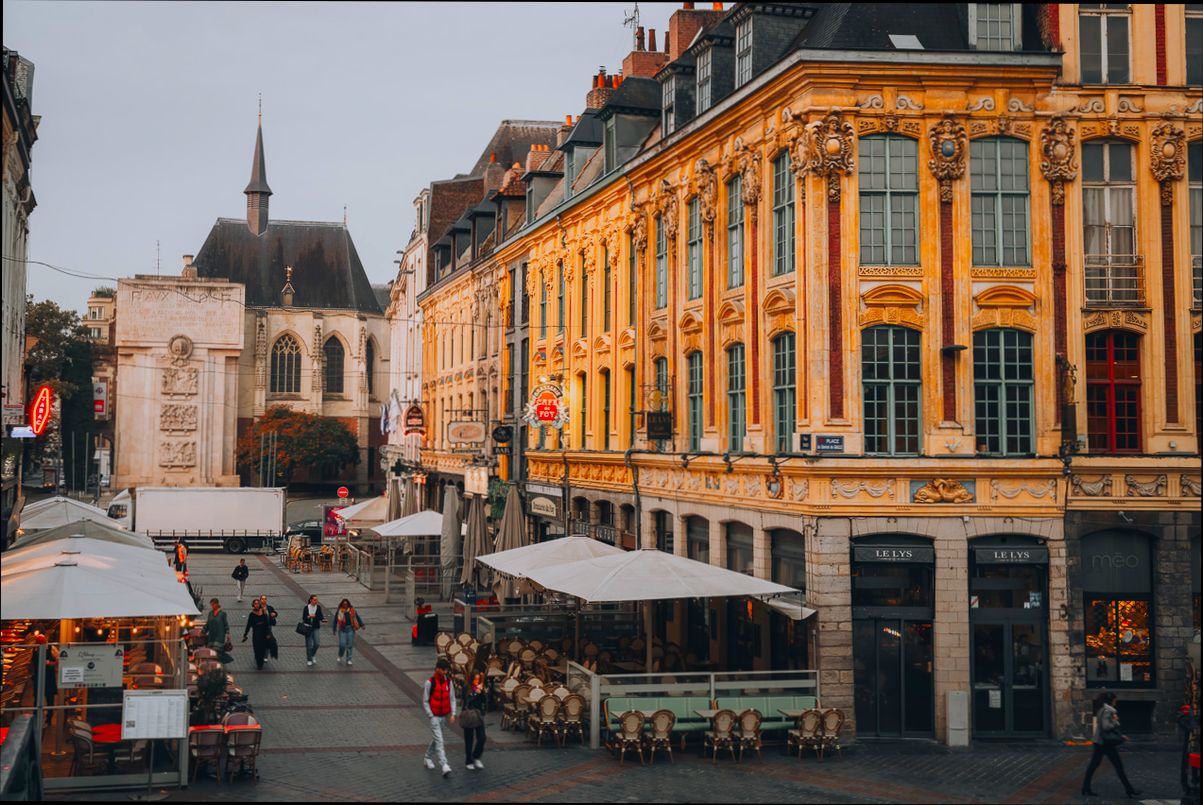
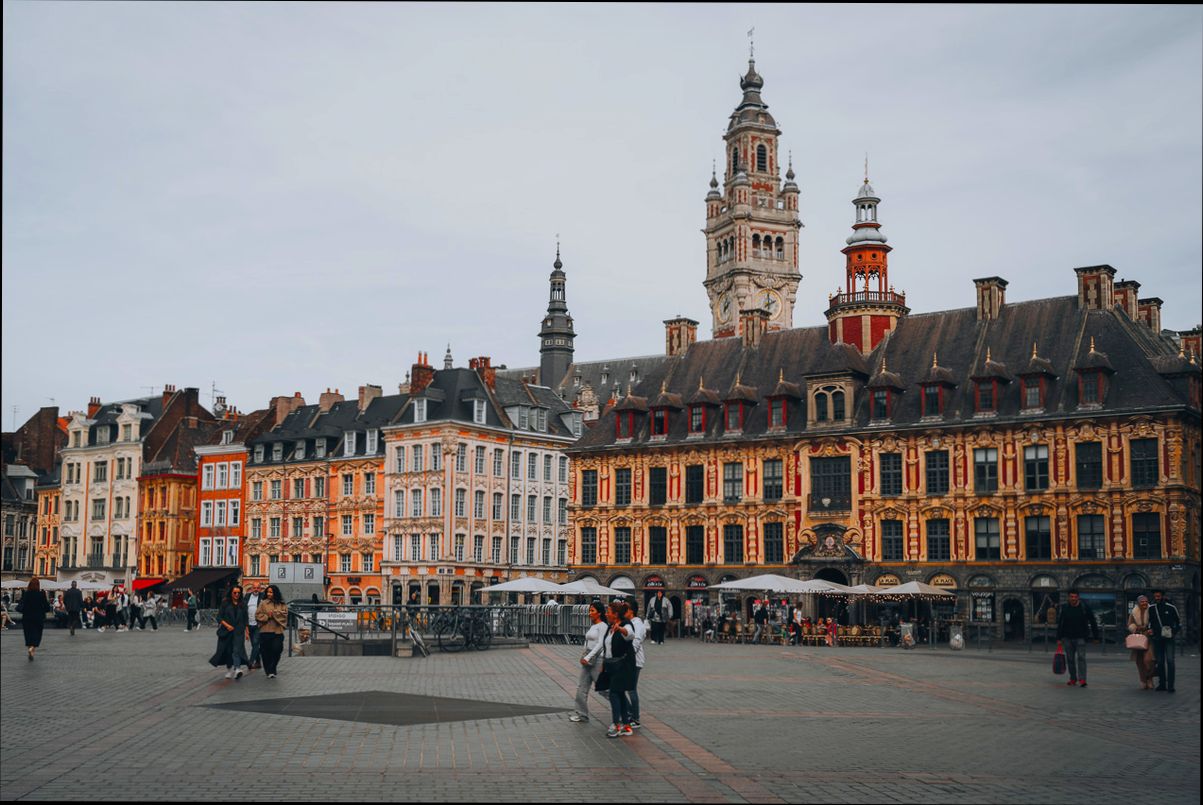
Pros and Cons of Living in Lille France as an Expat. Now, Lille isn’t the first city that comes to mind when you think of moving to France, but it’s definitely worth a look. With its vibrant mix of Flemish and French culture, the city boasts stunning architecture and a lively arts scene. Take, for example, the Place du Général de Gaulle, where you can sip a café while soaking in the beauty of the historic Vieille Bourse, a reminder of Lille’s rich trading past. The average expat salary here is around €2,500 a month, which can give you a pretty comfortable lifestyle, especially when you consider that you can snag a cozy loft in the city center for about €800 in rent.
However, life in Lille isn’t without its quirks. The weather can be quite unpredictable, with gray skies and rain making frequent appearances; you might find yourself reaching for that umbrella more often than you’d like. Plus, while the foodie scene is bustling, navigating the local bureaucracy can feel like a taxcode maze—think long waits at government offices. Language can be another hurdle, especially if your French isn’t up to par. Many locals speak English, but immersing yourself requires some effort and persistence. Balancing these ups and downs can make your experience in Lille both enriching and challenging.
Cultural Richness and Community Engagement
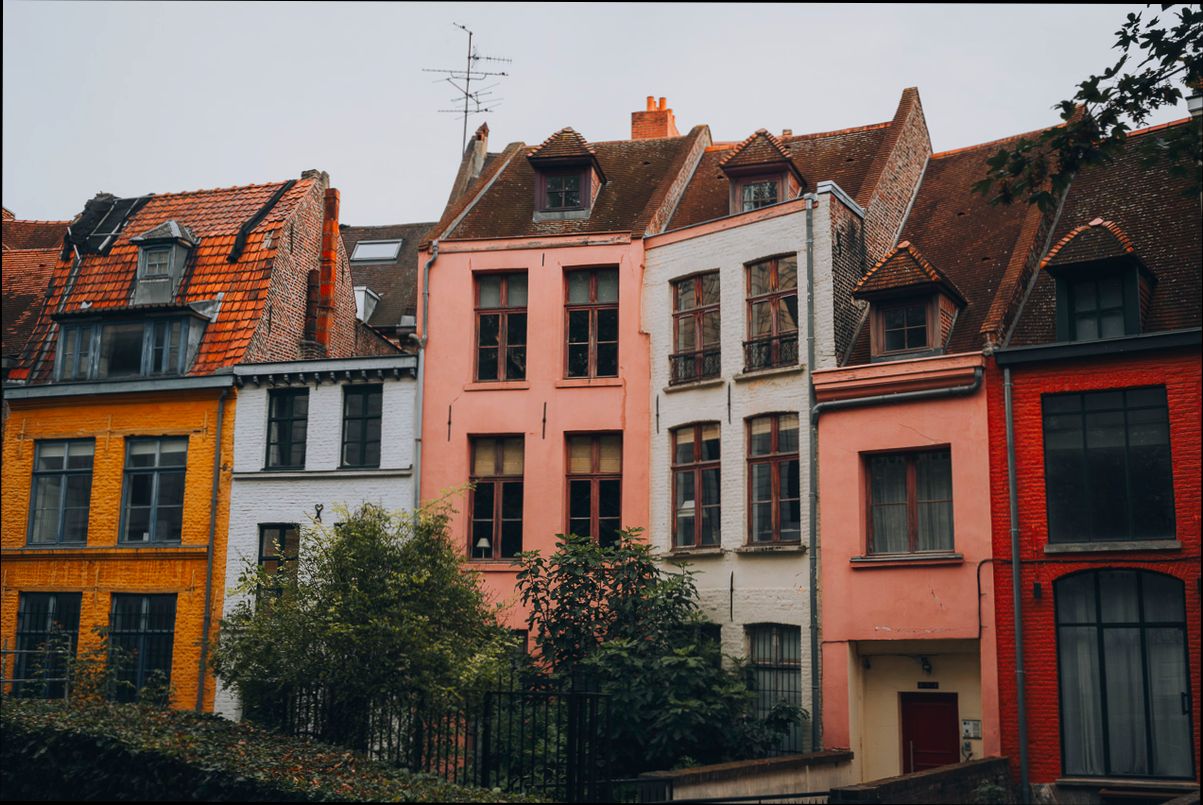
Living in Lille as an expat means immersing yourself in a vibrant tapestry of culture and active community life. The city offers a unique blend of historical charm and modern-day engagement opportunities that makes it a delightful place to call home.
Key Points on Cultural Richness
- Diverse Artistic Scene: Lille hosts over 100 festivals each year, showcasing everything from film to music. This offers a fantastic opportunity to experience local and international talent firsthand.
- Culinary Adventures: With its rich gastronomical heritage, Lille has more than 1,500 restaurants featuring regional specialties. You can partake in local cooking classes, enhancing your culinary knowledge and connecting with your community.
- Cultural Institutions: The city boasts over 25 museums, including the Palais des Beaux-Arts, which is one of the largest fine arts museums in France. Regular exhibitions often invite the participation of local artists, creating a dynamic cultural exchange.
- Multicultural Celebrations: Approximately 30% of Lille’s population is comprised of expatriates and immigrants. The integration of various cultures is celebrated through events like the annual “Semaine de la Mixité,” promoting equality and understanding.
| Aspect | Data |
|---|---|
| Number of Festivals | Over 100 annually |
| Restaurants | 1,500+ featuring local cuisine |
| Museums | 25+ cultural institutions |
| Immigrant Population | 30% of total residents |
Real-World Examples
- Lille3000: This biennial event celebrates contemporary art and culture, attracting thousands of visitors. It features installations from local and international artists, uniting the community in creativity.
- The Wazemmes Market: This vibrant weekly market not only offers local products but also acts as a social hub. You can find everything from fresh produce to unique crafts, where locals and expats blend seamlessly.
- Community Workshops: Organizations like “Les Petits Frères des Pauvres” engage members of the community by hosting workshops that connect seniors with young people, fostering a spirit of solidarity and cooperation.
Practical Implications for Engaging with the Community
- Dive into Local Events: Actively participating in local festivals not only enhances your understanding of the culture but also helps you meet people and establish a network.
- Join Clubs or Classes: Whether it’s dance, art, or cooking, find groups that resonate with your interests. These can be great ways to make friends and deepen your cultural understanding.
- Volunteer Opportunities: Consider getting involved with local charities or healthcare initiatives, which often welcome the diverse skills of expats and encourage community bonding.
By engaging with the rich cultural landscape and community activities in Lille, you can create a fulfilling expat experience. Don’t hesitate to explore local traditions and flavors that will deepen your connection to the city and its people.
Cost of Living and Housing Trends
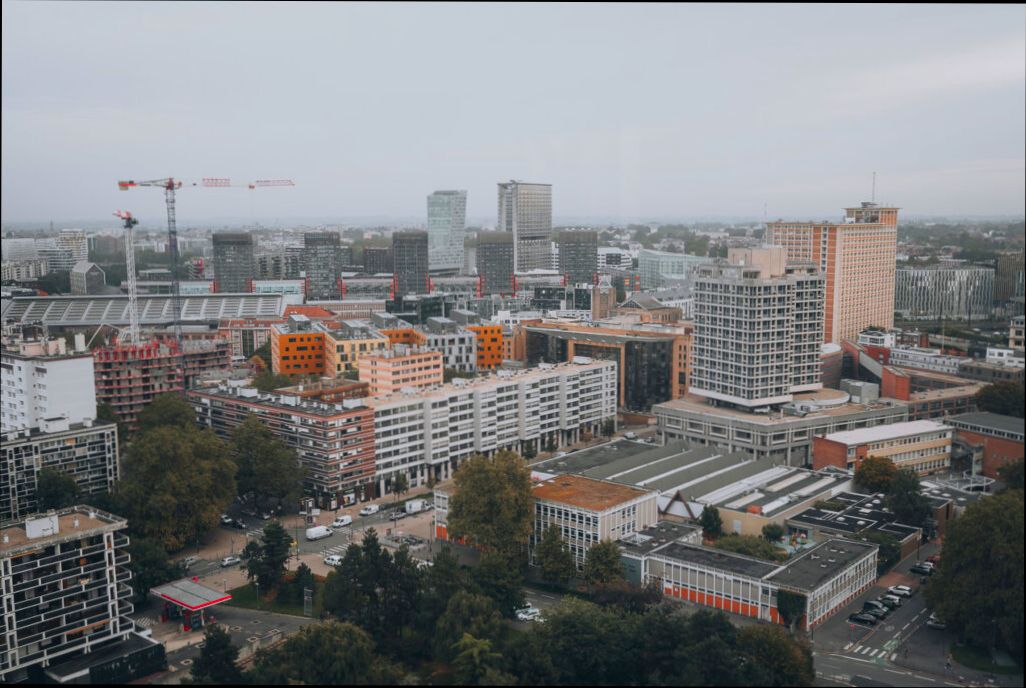
Living in Lille offers a unique perspective on affordability in France, particularly when it comes to housing and everyday expenses. As an expat in this vibrant city, understanding the cost of living and current housing trends can significantly impact your financial well-being and overall experience.
Cost of Living Overview
Lille’s cost of living is generally lower than that of larger French cities like Paris and Lyon. Here are some key insights:
- Affordable Groceries: The average monthly grocery bill for one person in Lille is around €200, which is quite reasonable compared to other French urban centers.
- Dining Out: Enjoying a meal at a mid-range restaurant will typically cost about €20-€30 per person, giving you access to local cuisine without breaking the bank.
Housing Market Insights
When it comes to housing, several neighborhoods stand out for expats due to their affordability and accessibility.
- Place Gilleson: A central location known for its charm, average rent for a one-bedroom apartment here is approximately €800 per month.
- Rue de Weppes: This area offers slightly lower rent prices, averaging around €700 for a similar apartment, making it attractive for those on a budget.
- Place aux Oignons: Renowned for its picturesque scenery, expect to pay around €750 monthly for housing.
- Rue des Vieux Murs: Further out from the city center, this neighborhood offers more space for less, with rents hovering around €650.
| Neighborhood | Average Rent (1-Bedroom) | Features |
|---|---|---|
| Place Gilleson | €800 | Central, vibrant atmosphere |
| Rue de Weppes | €700 | Affordable, family-friendly |
| Place aux Oignons | €750 | Scenic views, historic charm |
| Rue des Vieux Murs | €650 | Quiet, suburban feel |
Market Trends
The housing market in Lille has shown some notable trends recently:
- Rising Demand: Due to increasing interest from expats and young professionals, housing demand in Lille has been steadily rising, resulting in a moderate increase in rental prices by about 5% over the past year.
- Vacancy Rates: The city’s vacancy rate is relatively low at around 4%, indicating a strong rental market where competition for desirable units can be fierce.
Practical Considerations
If you’re planning to move to Lille, here are some practical implications:
- Negotiable Rent: While prices are generally fixed, it’s common to negotiate lease terms, especially in the current market climate.
- Additional Costs: Factor in utilities, which can add an extra €100-€150 to your monthly expenses, depending on the size of your apartment and usage.
- Public Transport: Lille has a robust public transport system, mitigating some costs related to car ownership, which can be especially high due to fuel and parking fees.
Actionable Advice
- Explore Neighborhoods: Spend time visiting neighborhoods to understand what living there feels like before committing.
- Check Lease Terms: Always read contracts carefully to understand what’s included and what isn’t, especially regarding maintenance and utility costs.
- Consider Shared Housing: If you’re looking to save, consider shared accommodations. Room rentals can range from €350 to €500, allowing you to spread costs while making new local friends.
Key Statistics on Expat Life in Lille
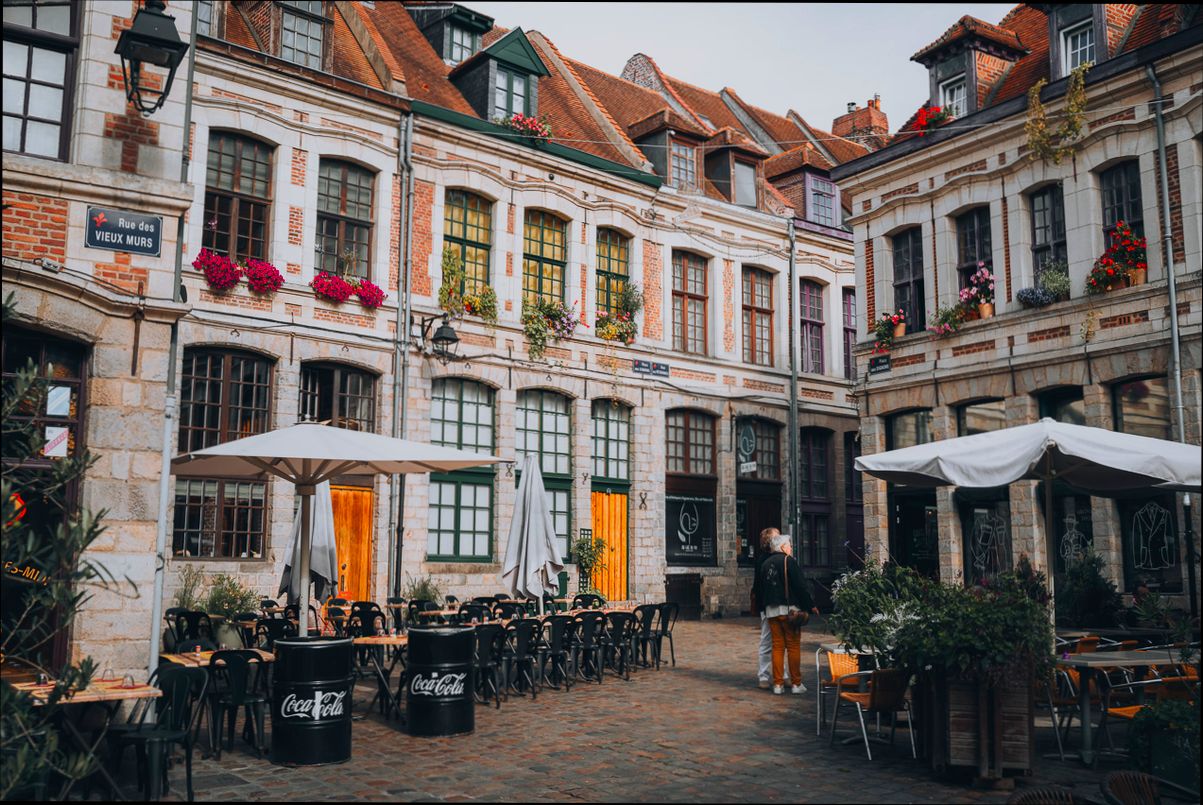
Understanding the statistics around expat life in Lille can help you navigate your new environment more smoothly. With a growing expat community and a unique lifestyle, Lille offers insights that are both interesting and practical.
Population and Demographics
- Approximately 18% of Lille’s population consists of expats, making it a welcoming city for newcomers from various backgrounds.
- The city is home to around 1,200 international students each year, highlighting Lille’s appeal as an educational hub.
Employment and Economic Factors
- The unemployment rate in Lille is about 8.6%, which is slightly higher than the national average in France, but opportunities do exist, particularly in sectors like technology and education.
- The average salary for expats in Lille ranges between €28,000 to €35,000 annually, depending on the industry and experience level.
Housing and Rental Prices
- The average monthly rent for a one-bedroom apartment in the city center is approximately €650, which tends to be more affordable compared to other major French cities.
- When renting outside the city center, the average drops to about €500 per month, making it an attractive option for many expats.
| Aspect | Data |
|---|---|
| Expat Population | 18% of total population |
| International Students | 1,200 per year |
| Average Salary | €28,000 - €35,000 annually |
| City Center Rent | €650 per month |
| Outside City Center Rent | €500 per month |
Real-World Example
Let’s consider Anna, an IT professional who recently moved to Lille from Germany. She quickly integrated into the local community and was pleasantly surprised to find affordable housing options, spending €600 on a comfortable apartment in the city center. Reflecting on her experience, she noted the ease of finding a job in the tech sector despite the city’s slightly high unemployment rate.
Practical Implications
If you’re planning to move to Lille as an expat, it’s crucial to understand how these statistics can impact your experience. The expat community is sizable, providing a support network that can make your transition easier. The employment market offers competitive salaries, especially for skilled positions but be prepared for some variability in job availability.
You might want to consider neighborhoods that fit your budget and lifestyle, and take advantage of the opportunities for international students if you are here for educational purposes. This mix of demographics and economic factors can truly enhance your expat life in Lille.
Public Transport: Efficiency and Accessibility
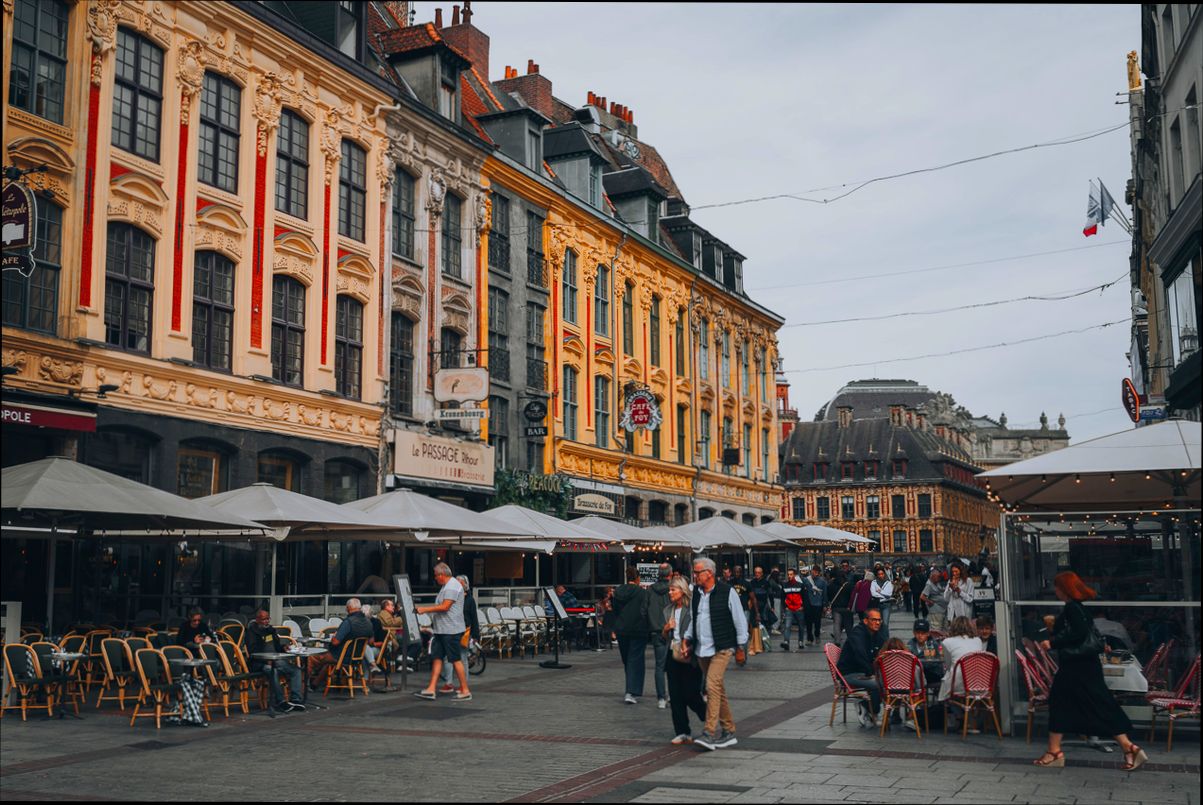
When living in Lille, you’ll quickly discover how vital public transport is to daily life. With a well-connected network and a focus on accessibility, getting around the city becomes a breeze, whether you’re commuting to work or exploring the local area.
Key Points on Public Transport Efficiency
- Network Options: Lille boasts a comprehensive public transport system that includes buses, trams, and the metro. This integrated approach means you can easily transfer between different modes of transport without hassle.
- Frequency and Timing: Trams in Lille operate every 10 minutes during peak hours, allowing you to plan your journeys with confidence. This frequency makes it convenient to get around without long wait times.
- Public Transport Coverage: The transport network covers not just Lille but also the surrounding metropolitan area, giving you the flexibility to reach nearby towns and suburbs effortlessly.
- Accessibility Features: Many public transport stations and vehicles are equipped with features for individuals with reduced mobility, showcasing Lille’s commitment to inclusivity. Approximately 75% of bus stops are accessible, ensuring everyone can make the most of the public transport options available.
Comparative Table of Public Transport Options in Lille
| Transport Type | Coverage Area | Average Frequency | Accessibility Features |
|---|---|---|---|
| Metro | City center & suburbs | Every 5-10 minutes | Yes |
| Tram | Major action points | Every 10 minutes | Yes |
| Bus | City & surrounding areas | Every 15-20 minutes | Yes |
Real-World Examples of Public Transport Use
Commuters often rely on Lille’s metro for daily travel. For instance, the line connecting the city to the European business district enables quick and efficient access to workplaces. Users appreciate the time saved and reduced stress compared to driving, especially considering the traffic in peak hours.
Moreover, expats frequently report using the tram system to visit popular destinations like the Palais des Beaux-Arts. The reliable intervals and straightforward connections often lead to names being recommended for their ease of access, contributing to a more enjoyable cultural experience.
Practical Implications for Using Public Transport
- Cost-Effective Travel: Purchasing a monthly transport pass is a worthwhile investment for frequent users. The prices are competitive, and a pass can cover all forms of transport, making budgeting easier.
- Integration Apps: Utilize mobile apps that provide real-time updates and route planning features to enhance your commuting experience. These apps can help you navigate changes in schedules and identify the best routes quickly.
- Cycling Options: In addition to public transport, consider Lille’s bike-sharing initiatives, which complement the public transport network and offer another layer of accessibility for getting around.
- Plan Your Journey: Always check the transport schedules in advance, especially during public holidays when services may be less frequent.
- Engage with the Community: If you’re new to the area, joining local social media groups focused on expat life can provide valuable insights into transport nuances and tips for efficient travel.
By understanding Lille’s public transport system, you can navigate the city more effectively, enjoying the benefits of both efficiency and accessibility as you settle into your new life as an expat.
Language Barriers and Communication Challenges
Living in Lille, as an expat, comes with its own set of language barriers and communication challenges. While French is the primary language, various accents and dialects may add complexity to your interactions. Understanding these challenges can empower you to navigate daily life more smoothly.
Key Points on Language Barriers
- Official Language Proficiency: About 60% of locals only speak French fluently. This means that in many social and professional settings, French will be your primary mode of communication.
- Limited English Usage: Although Lille is a significant city, only about 30% of residents can converse in English, likely leading to misunderstandings, especially in casual interactions.
- Cultural Nuances in Communication: French communication style can vary significantly from what you might be used to. For instance, the French often favor directness, which can feel abrupt to those used to more indirect styles.
| Barrier Type | Percentage of Impacted Expat Population | Suggested Solutions |
|---|---|---|
| Limited French Skills | 45% | Language classes or meetups |
| Poor English Proficiency | 30% | Engage in community language exchange |
| Cultural Misunderstandings | 60% | Participate in cultural orientation sessions |
Real-World Examples
Expats like Sarah, who moved to Lille from Canada, reported struggling with conversations at local cafes, where staff primarily spoke French. After taking a series of French classes, she found it not only easier to order but also quickly made friends with locals who appreciated her efforts to speak their language.
Another expat, Marc, noted that during business meetings, he often faced challenges due to the lack of English comprehension among some of his colleagues. By taking the initiative to prepare bilingual documents, he found a way to bridge the gap between his French and English-speaking coworkers.
Practical Implications
- Embrace Language Learning: Investing time into learning French can significantly enhance your experience. Consider enrolling in local language schools or online courses tailored for beginners.
- Utilize Technology: Apps like Duolingo or Babbel can help you practice everyday phrases and vocabulary, making a noticeable difference in your day-to-day interactions.
- Join Expat Communities: Engaging with fellow expats through local groups often provides not just social opportunities but also language exchange chances. Many take on roles as informal language buddies, helping each other navigate linguistic hurdles.
Actionable Advice
- Attend local language exchange events or workshops to practice conversational French in supportive environments.
- Make a habit of labeling household items in French to build your vocabulary effectively at home.
- Don’t hesitate to ask locals to slow down or repeat themselves; this will show your willingness to engage while also helping you understand better.
Job Market Insights for Expats
Understanding the job market in Lille can be crucial for your success as an expat. Given the vibrant economy and diverse opportunities, there are plenty of insights to navigate your career path effectively.
Key Job Market Facts
- Approximately 7.5 to 8.5 million expats live in France, making it the 7th most popular expat destination in the world. This represents about 11-12% of the national population.
- As of recent years, about 54% of the global expat population consists of workers and professionals, highlighting the significance of employment opportunities for those relocating abroad.
- While 15% of expats find jobs on their own, many others rely on international recruitment strategies or are sponsored by their existing employers, which can significantly streamline your transition.
Job Market by Industry
| Industry | Potential Growth Rate | Notable Sectors |
|---|---|---|
| Technology | 6% | IT, Fintech |
| Healthcare | 4.5% | Medical professionals, nursing |
| Education | 5% | Teaching, language instruction |
| Hospitality & Tourism | 3% | Restaurants, travel services |
| Engineering | 4% | Construction, environmental services |
Real-World Examples
In Lille, sectors like technology and engineering are thriving, attracting many expats with specialized skills. For instance, the local tech hub has numerous startups emerging in IT and fintech, often seeking international talent. Meet Anna, an expat from Germany, who secured a position in a local tech firm by participating in a networking event tailored specifically for international job seekers.
Similarly, the healthcare sector has seen a rise in opportunities due to the demand for skilled medical professionals. This trend benefits expats like Mark, a qualified nurse from the UK, who moved to Lille after being recruited by a local hospital specializing in patient care innovations.
Practical Implications
- When searching for work in Lille, consider leveraging local job boards that focus on expat placements. Websites like Expatica and LinkedIn can provide tailored job opportunities in industries that are expanding.
- Attend networking events and workshops that are particularly aimed at professionals relocating to Lille. This can enhance your connections and provide insights into industry trends.
- Language skills can elevate your chances of securing a job; while many companies seek English-speaking candidates, proficiency in French can be a significant asset.
Actionable Advice
Stay informed about growth sectors in Lille and focus your job search in those areas. Make connections with industry professionals through networking events or social media groups for expats. Additionally, don’t hesitate to explore remote work opportunities that allow you to maintain flexibility while integrating into Lille’s job market.
Local Cuisine: A Culinary Adventure
Living in Lille presents an exciting culinary adventure that invites you to explore the rich flavors and unique dishes of the region. The local cuisine reflects a blend of French tradition and Flemish influence, making it a delightful experience that is sure to tantalize your taste buds.
Key Points on Local Cuisine
- Specialty Dishes: Lille is famous for its ‘carbonnade flamande,’ a beef stew cooked in beer, usually served with fries. You’ll also want to try ‘potjevleesch,’ a delightful terrine made of meats, which showcases the area’s culinary heritage.
- Cheeses and Pastries: The region is home to exceptional cheeses like ‘Maroilles’ and ‘Cancoillotte.’ Additionally, you can’t miss pastries such as ‘gâteau au maroilles,’ a local cake featuring its namesake cheese for a rich and unique dessert.
- Local Markets: With over 100 markets held weekly, there’s always a chance to experience fresh, locally-sourced products. The main market, ‘Wazemmes,’ is a vibrant spot where you can find everything from artisanal bread to gourmet sausages.
Local Cuisine Comparisons
| Dish Type | Traditional Lille Dishes | Other French Region Dishes |
|---|---|---|
| Main Courses | Carbonnade, Potjevleesch | Coq au Vin, Bouillabaisse |
| Cheeses | Maroilles, Cancoillotte | Camembert, Roquefort |
| Desserts | Gâteau au Maroilles | Tarte Tatin, Crème Brûlée |
Real-World Examples
One delightful experience is visiting the Braderie de Lille, a massive flea market held annually, where you can sample local dishes as you shop. It’s an excellent way to engage with the community while indulging in local flavors. Restaurants around Lille, such as La Petite Syrah and Chez la Vieille, often feature seasonal menus that spotlight the finest local produce and specialties.
Practical Implications
- Experiment with Home Cooking: Try cooking local dishes at home. Look for ingredients like ‘Maroilles cheese’ or local beers to recreate authentic Lille recipes. Websites and cooking classes may offer insights into preparing these traditional meals.
- Join Culinary Tours: Consider joining a food tour to immerse yourself in Lille’s culinary scene. Experience local eateries while learning about the history and significance of each dish you try.
Exploring Lille’s cuisine will undoubtedly enrich your experience as an expat and deepen your connection to the city. Don’t hesitate to embrace the local specialties and perhaps even bring a taste of Lille into your own kitchen!