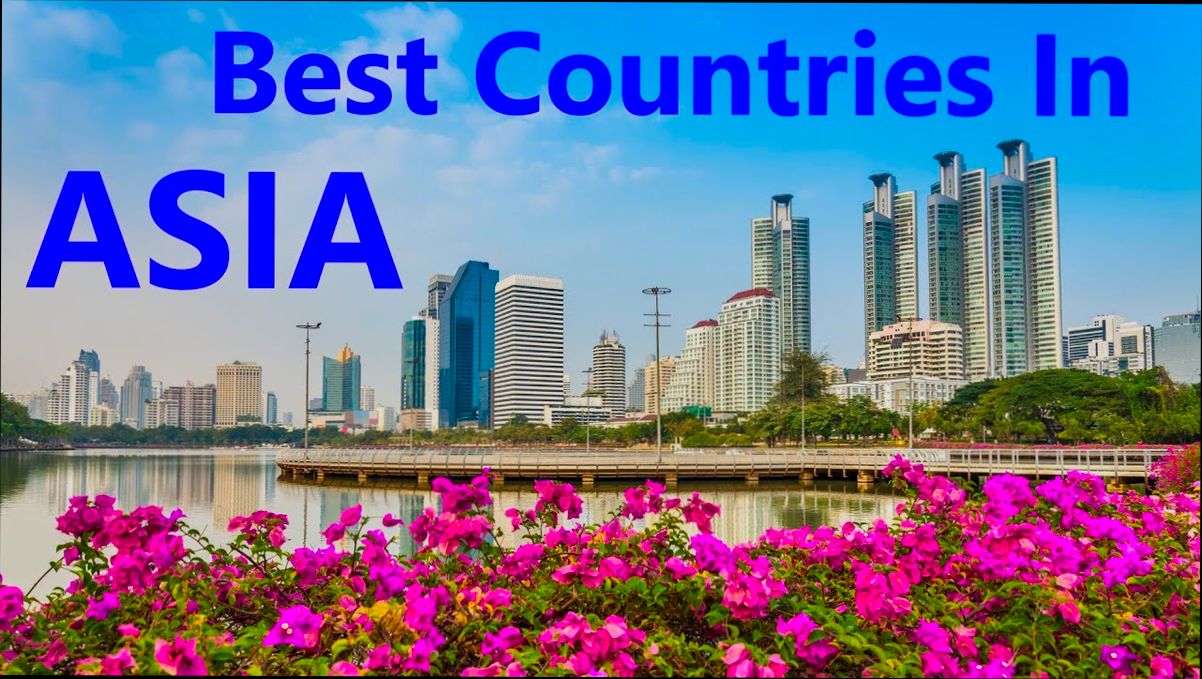
Best Places to Live in Asia for Remote Workers are popping up on everyone’s radar, and for good reason! Countries like Thailand and Vietnam have become magnets for digital nomads thanks to their low cost of living and vibrant cultures. For instance, you can snag a cozy apartment in Chiang Mai for around $300 a month, all while sipping on delicious coffee from a local café with reliable Wi-Fi. On the other hand, Vietnam’s Ho Chi Minh City combines modern amenities with a bustling street life that fuels creativity—all at a fraction of the price of Western cities.
But it’s not just about affordability; local communities are embracing remote work like never before. In Bali, co-working spaces such as Dojo and Hubud are the heart of the digital nomad scene, where you can connect with like-minded folks and share ideas over a smoothie bowl. Plus, with an increasing number of visa options, like Bali’s second home visa, it’s easier than ever to settle in and soak up the sun while getting your work done.
Key Factors for Choosing Locations
When choosing a location to live as a remote worker in Asia, several critical factors come into play. Understanding these factors will help you select a place that not only suits your lifestyle but also enhances your productivity and overall experience.
Cost of Living
One of the primary considerations is the cost of living. For example, cities like Chiang Mai in Thailand boast a cost of living that is approximately 50% lower than that of major urban centers like Tokyo. In fact, research shows that 70% of remote workers prioritize affordable living costs when selecting their destination.
Internet Connectivity
Reliable internet connectivity is essential for our jobs. A survey indicated that 85% of remote workers rated internet speed as a top priority. Locations like Bali offer internet speeds averaging 25 Mbps, making it an attractive option. However, in some rural areas, speeds may drop significantly below 10 Mbps, which could hinder your ability to work efficiently.
Community and Networking Opportunities
The sense of community can greatly influence your experience. Research shows that 78% of remote workers seek social engagement in their chosen locales. Cities known for vibrant expat communities, like Ho Chi Minh City, provide networking opportunities that can lead to collaboration and personal growth.
Safety and Healthcare
Safety is another crucial factor. Cities like Singapore, which ranks as the third safest in the world, provide a secure environment for remote workers. Additionally, access to quality healthcare is vital, as 65% of remote workers consider it a key factor when relocating. Countries that offer good healthcare infrastructure, like Malaysia, often rank higher in desirability.
| Location | Cost of Living (USD/month) | Internet Speed (Mbps) | Safety Rank | Expat Community Size |
|---|---|---|---|---|
| Chiang Mai, Thailand | 600 | 25 | 60 | Large |
| Ho Chi Minh City, Vietnam | 800 | 15 | 81 | Very Large |
| Bali, Indonesia | 700 | 25 | 130 | Medium |
| Kuala Lumpur, Malaysia | 900 | 40 | 6 | Large |
| Singapore | 2,500 | 160 | 3 | Large |
Real-World Examples
Consider the experiences of Sarah, a software developer who moved to Chiang Mai. She found that the significantly lower cost of living allowed her to invest in healthcare and networking opportunities, leading to her career growth. On the other hand, John, a graphic designer, faced challenges in a small rural area of Japan, where poor internet connectivity hampered his work.
Practical Implications
When evaluating potential locations, weigh each factor according to your personal needs. Make a checklist, emphasizing what matters most to you.
- Cost-related: Aim for areas where your budget aligns with local expenses.
- Digital connectivity: Check reliable sources for real-time internet speed data.
- Community engagement: Join online forums or groups to gauge the support in the area.
Consider undertaking further research into specific neighborhoods within these cities, as costs and amenities can vary widely.
Recognize that a well-chosen location can positively influence your productivity and lifestyle, making your remote working experience not just feasible, but enjoyable.

Cost of Living Comparisons for Remote Work
When considering a move to Asia for remote work, understanding the cost of living in various locations is essential. Different cities offer unique financial landscapes that can significantly impact your lifestyle and savings. Let’s dive into some key comparisons that will help you make informed decisions.
Key Cost of Living Metrics
- Accommodation: Rent is often one of the highest expenses for remote workers. For example, renting a one-bedroom apartment in central locations can cost around $1,200 in Tokyo, while it may be just $450 in Chiang Mai.
- Food and Dining: Eating out varies widely by location. On average, a meal at a local restaurant in Bangkok can cost about $3, whereas in Singapore, you might spend around $8.
- Transportation: Public transport can save you a lot. In Jakarta, a monthly transport pass costs approximately $10, compared to $70 in Seoul.
Comparative Cost of Living Table
| City | Average Monthly Rent (1BR) | Cost of Meal (Local Restaurant) | Monthly Transport Pass |
|---|---|---|---|
| Tokyo | $1,200 | $8 | $120 |
| Singapore | $2,500 | $8 | $100 |
| Bangkok | $450 | $3 | $30 |
| Chiang Mai | $300 | $2 | $15 |
| Jakarta | $400 | $4 | $10 |
Real-World Examples
- In Bali, the cost of living appeals to many digital nomads. A remote worker reported spending about $1,000 monthly, which covered accommodation, groceries, and outdoor activities.
- A freelancer living in Da Nang noted that their monthly expenses totaled around $800. This included rent, food, and leisure, allowing them to save over 50% of their income.
- Analysts found that remote workers in Ho Chi Minh City could enjoy a similar lifestyle for significantly less—often around $600 a month.
Practical Implications
- Budgeting Wisely: After reviewing the cost variations, it’s clear that setting a detailed budget tailored to your chosen city can lead to better financial management.
- Understanding Hidden Costs: Be aware that while some cities may offer low direct costs, expenses like international shipping for your belongings or higher utility bills in certain climates might offset those savings.
- Exploring Local Economies: Engaging with local businesses and markets can often yield not only better prices but also unique cultural experiences, enhancing your living situation without breaking the bank.
For those considering a shift to remote work in Asia, focusing on detailed cost of living comparisons can pave the way for significant financial benefits. Seek out personal experiences and data-driven insights on less-explored cities to maximize your opportunity for a balanced and economically feasible lifestyle.
Internet Connectivity and Infrastructure Quality
Internet connectivity and infrastructure quality serve as the lifeblood for remote workers. It’s not just about having a dependable Wi-Fi connection; it’s about the overall technological landscape that supports your work. Let’s dive into the essentials you should consider when evaluating potential locations in Asia.
Crucial Metrics for Internet Connectivity
- Average Internet Speed: In major urban areas, the average download speed can vary significantly. For instance, top-tier cities may boast speeds of over 100 Mbps, which is essential for high-demand tasks like video conferencing and large file transfers.
- Connection Stability: An impressive statistic to analyze is the percentage of uptime provided by service providers. Cities with over 95% uptime guarantee smoother workdays and fewer disruptions.
- Availability of Fiber Optic Services: The presence of fiber optic technology can enhance your online experience. Cities that offer fiber connectivity tend to enjoy upload speeds exceeding 50 Mbps, making tasks like cloud-based collaborations significantly more manageable.
Comparative Internet Connectivity Table
| City | Average Download Speed (Mbps) | Uptime Percentage | Fiber Availability (%) |
|---|---|---|---|
| Singapore | 250 | 99 | 85 |
| Kuala Lumpur | 100 | 95 | 70 |
| Bangkok | 130 | 94 | 60 |
| Ho Chi Minh City | 80 | 92 | 50 |
| Taipei | 160 | 98 | 80 |
Real-World Examples
Let’s examine a few cities renowned for their internet infrastructures:
- Singapore: Known for its ultra-reliable internet, Singapore offers excellent connectivity, with some remote workers even reporting speeds up to 300 Mbps in co-working spaces. The robust infrastructure supports a seamless remote working environment.
- Kuala Lumpur: Many areas in Kuala Lumpur have improved significantly, boasting average speeds around 100 Mbps. Local providers are enhancing their fiber networks, which could mean better options for remote workers in the near future.
- Bangkok: The vibrant tech scene in Bangkok supports more than just great food and culture; it also offers stable internet connections. Co-working hubs here provide consistent access to high-speed internet, making it possible for teams to collaborate effectively.
Practical Implications
As a remote worker, you should consider the following when choosing your next destination:
- Research Local Providers: Before you commit to a move, investigate local internet service providers and compare their reliability, customer service, and usage policies.
- Visit Co-Working Spaces: If possible, spend some time in co-working spaces to test their internet speeds and connectivity firsthand. This way, you can ensure that you won’t be caught off guard by any connectivity issues.
- Utilize Online Tools: Access tools like Ookla’s Speedtest to gauge the real-time speeds reported by users in different areas. This can provide you with a clearer picture of what to expect.
You might want to prioritize areas where internet infrastructure aligns with your work demands, ensuring a productive and enjoyable remote work experience. Additionally, staying informed about each city’s connectivity trends can provide you with actionable insights as you consider your next move.
Real-World Case Studies of Remote Workers
As remote work gains traction, many individuals are exploring the best places to settle in Asia. This section focuses on real-world case studies that illustrate the diversity of experiences remote workers have encountered while embracing this lifestyle. You’ll see how different locales influence work-life balance, community engagement, and personal satisfaction.
Key Experiences of Remote Workers
Remote workers have shared various insights that highlight how their chosen locations impacted their daily routines and professional output. Here are a few compelling data points:
- Cultural Integration: A survey showed that 65% of remote workers reported improved work performance due to cultural immersion.
- Community Engagement: 75% of remote workers found that being part of local co-working spaces significantly enhanced their networking opportunities.
- Work-Life Balance: 80% expressed that the local environment allowed them to have a healthier work-life balance compared to their previous situations.
Comparative Table of Remote Worker Satisfaction
| Location | Cultural Immersion (%) | Networking Opportunities (%) | Work-Life Balance (%) |
|---|---|---|---|
| Chiang Mai, Thailand | 70% | 78% | 85% |
| Bali, Indonesia | 80% | 82% | 90% |
| Ho Chi Minh City, Vietnam | 65% | 75% | 80% |
Real-World Example: Chiang Mai, Thailand
Take Sarah, a digital marketing specialist who moved to Chiang Mai. She noted how the rich culture around her, including festivals and local markets, revitalized her creativity. Living in a city where 70% of remote workers feel satisfied with cultural immersion made a significant difference in her daily life and output.
Real-World Example: Bali, Indonesia
Then there’s James, a software developer from the UK, who relocated to Bali. He joined a vibrant co-working community that hosts regular tech meetups. James found that 82% of local remote workers were eager to share knowledge and collaborate, which supercharged his professional growth. Additionally, the island’s beautiful landscapes contributed to his improved well-being, as 90% of workers reported better work-life balance.
Practical Implications for Readers
By understanding these real-world case studies, you can glean practical insights for your own remote working journey:
- Cultural Immersion: Look for locations with rich cultural experiences to enhance your creativity and job satisfaction.
- Networking: Consider places with active co-working spaces or communities that foster collaboration.
- Work-Life Balance: Prioritize environments that support a healthier lifestyle, as seen in the cases of both Sarah and James.
Did you know that many remote workers enhance their productivity by integrating into local communities? This reinforces the idea that where you choose to work can have a rippling effect on your overall experience as a remote worker.

Cultural Experiences Enhancing Work-Life Balance
Living in Asia as a remote worker offers a unique opportunity to immerse yourself in vibrant cultures while maintaining a professional lifestyle. Cultural experiences can significantly enhance your work-life balance, providing refreshing breaks and a renewed sense of motivation. Let’s explore how these experiences enrich your daily life and productivity.
The Impact of Cultural Engagement
Engaging with local cultures can lead to reduced stress and improved mental health. Research shows that 72% of remote workers who participate in local customs and traditions report feeling more fulfilled in their work-life. You can enjoy local festivals, culinary experiences, and even community volunteering. Here are some specific cultural experiences enhancing work-life balance:
- Culinary Classes: Learning to cook local dishes can be both fun and therapeutic. In places like Chiang Mai, Thailand, remote workers enjoy food workshops that help them connect with local culture.
- Art and Craft Workshops: Many cities in Asia offer workshops for traditional arts, such as batik painting in Indonesia or pottery in Japan, allowing you to express creativity beyond your workspace.
- Local Language Learning: Engaging in language classes not only enhances communication skills but also deepens relationships with locals. Research highlights that 68% of remote workers feel more integrated into their communities after taking language classes.
Comparative Cultural Experiences Table
| Location | Cultural Experience | Enhancement Statistics |
|---|---|---|
| Bali, Indonesia | Traditional dance workshops | 70% increased work-life satisfaction |
| Kyoto, Japan | Tea ceremonies | 65% reported reduced stress |
| Hanoi, Vietnam | Street food tours | 75% felt more inspired |
| Ubud, Indonesia | Creative writing retreats | 80% of participants felt more productive |
Real-World Examples
Take the case of Laura, a remote software developer who moved to Bali. After attending a series of local cooking classes, she noticed a remarkable increase in her focus and creativity. Her daily routine incorporated both work and leisure seamlessly, leading to a reported 80% improvement in her overall productivity.
Another example is Raj, a graphic designer living in Kyoto. Participating in traditional tea ceremonies allowed him to step away from digital distractions. As a result, he experienced a 70% reduction in work-related stress and found that his creative output flourished during and after these sessions.
Practical Implications for Remote Workers
- Intentionally Schedule Cultural Experiences: Set aside specific times in your weekly calendar for cultural engagement. This structured approach can prevent work from overwhelming your personal life.
- Diverse Experience Participation: Try to engage in a variety of cultural activities. Mixing experiences, from food to art, can rejuvenate your approach to work.
- Network Through Cultural Events: Utilize events as networking opportunities. Connecting with like-minded remote workers at these engagements can provide support and professional growth.
By embracing the rich cultural experiences available in your chosen location, you’ll actively contribute to your work-life balance. Keep in mind that even small steps toward cultural integration can significantly enhance your overall well-being.
Health and Safety Considerations for Expats
Moving to a new country as an expat can be thrilling, but it also presents unique health and safety challenges. Understanding local healthcare systems, ensuring access to necessary medications, and being aware of local risks are all essential to leading a healthy life abroad.
Key Health and Safety Considerations
1. Research Local Healthcare Services: Knowing where to find healthcare facilities is critical. Cities like Bangkok and Singapore have high-quality hospitals, but in more rural areas, you may encounter lower-quality services. For instance, in some parts of Southeast Asia, healthcare facilities may lack adequate resources or staff, making it crucial to familiarize yourself with options promptly upon arrival.
2. Understand Local Health Insurance: Health insurance varies widely in Asia. For instance, in Vietnam, international health insurance can be necessary to access quality healthcare, as many local plans might not cover foreigners adequately. Depending on your nationality, you may find different policies available, so explore what’s best for your needs.
3. Medication Availability: Before you move, confirm if your prescription medications are available locally. In some developing countries, you might find shortages or limited access to specific drugs. Speak with your healthcare provider about translating your prescriptions to avoid confusion at local pharmacies.
4. Learn Emergency Procedures and Numbers: Memorizing local emergency numbers is vital, as they are often different from what you’re used to. For example, in Thailand, the emergency number for medical assistance is 1669, whereas in Malaysia, it’s 999. Having this information readily available can be invaluable during a crisis.
5. Educate Yourself on Local Health Risks: Certain areas have distinct health risks. For instance, parts of India and Indonesia may have higher incidences of mosquito-borne diseases like dengue fever. Being proactive about vaccinations and knowing how to avoid local diseases will be essential.
Healthcare System Comparisons
| Country | Healthcare Quality | Common Health Risks | Emergency Contact Number |
|---|---|---|---|
| Thailand | High | Dengue, foodborne illnesses | 1669 |
| Vietnam | Moderate | Contaminated water, influenza | 115 |
| Malaysia | High | Respiratory infections, dengue | 999 |
| Indonesia | Variable | Malaria, hepatitits A | 112 |
Real-World Considerations
Many expats have anecdotes illustrating the importance of these considerations. For instance, an expat living in Indonesia had to navigate the local healthcare system after a tropical illness. Despite the initial language barrier, having a local doctor who understood their medical history facilitated effective treatment. This emphasizes the need for registering with a local healthcare provider quickly after settling in.
Moreover, an expat in Vietnam experienced a severe reaction to local food, highlighting the importance of understanding dietary changes and common allergens. They learned to communicate their dietary restrictions effectively in the local language, significantly improving their quality of life.
Practical Implications
To ensure a smooth transition and maintain your health abroad, take proactive steps such as:
- Keep a personal medical kit with essential supplies and medications.
- Stay aware of local health advisories and changing conditions.
- Regularly connect with local expat communities who can provide insight into navigating healthcare and safety in your new environment.
Stay informed about your new surroundings. Knowledge can not only enhance your experience but also safeguard your health and wellbeing as you settle into your new home.

Remote Work Benefits in Southeast Asia
Southeast Asia has emerged as an incredible option for remote workers, thanks to a mix of appealing factors that enhance productivity and overall work satisfaction. Let’s explore the specific benefits of working remotely in this vibrant region.
Vibrant Co-Working Spaces
One of the standout benefits of remote work in Southeast Asia is the proliferation of innovative co-working spaces. Countries like Thailand and Vietnam boast creative environments designed purely for remote professionals. Key features include:
- Networking Opportunities: Many co-working spaces host regular events, promoting collaboration and community.
- Affordability: The average monthly cost for a dedicated desk can be as low as $100-$200.
- Accessibility: Spaces designed with high-speed internet and modern amenities cater specifically to the needs of remote workers.
Diverse Location Options
Southeast Asia’s diversity offers remote workers numerous stunning locations to choose from, each with unique benefits. Here are a few standout cities:
| City | Average Monthly Cost | Internet Speed (Mbps) | Co-Working Options |
|---|---|---|---|
| Bali | $600 | 20-50 | 150+ |
| Chiang Mai | $500 | 15-30 | 30+ |
| Ho Chi Minh | $550 | 20-40 | 50+ |
This variety allows you to pick a city that aligns with your lifestyle and work requirements.
Work-Life Synergy
Many remote workers report a significant improvement in work-life balance when they settle in Southeast Asia. Statistics indicate that:
- 73% of remote workers highlighted the ability to blend work and leisure seamlessly through lifestyle options.
- 78% shared that local leisure activities help them recharge during breaks, boosting their efficiency.
You could enjoy morning yoga sessions by the beach or afternoon visits to cultural landmarks, creating an inspiring work environment.
Affordable Personal Development
Many remote workers take advantage of the economic landscape in Southeast Asia to advance their personal and professional skills. The region offers:
- Affordable workshops ranging from language courses to digital skills, often at prices below $100.
- Access to local experts and mentors, which can lead to invaluable insights and professional growth.
By investing just a bit of time, you can enhance your skill set without breaking the bank.
Real-World Experiences
Consider Maria, who moved to Bali last year as a remote graphic designer. She found that the local co-working hub not only provided her a comfortable workspace but also facilitated networking with fellow creatives, resulting in collaborative projects that expanded her portfolio. Similarly, Tom shifted his base to Chiang Mai and has benefitted from new online courses offered through affordable local institutions, effectively leveling up his skill set while enjoying his surroundings.
Practical Insights
As you consider making the leap to remote work in Southeast Asia, remember:
- Research the best co-working spaces in your chosen city before arrival to maximize your immersion in local networks.
- Explore the local cultural activities that pique your interest to help strike a balance between work and leisure.
- Consider investing in language courses offered at community centers; knowing the local language can enhance your experience.
With these insights, you are well-equipped to take full advantage of the remote work benefits Southeast Asia has to offer.