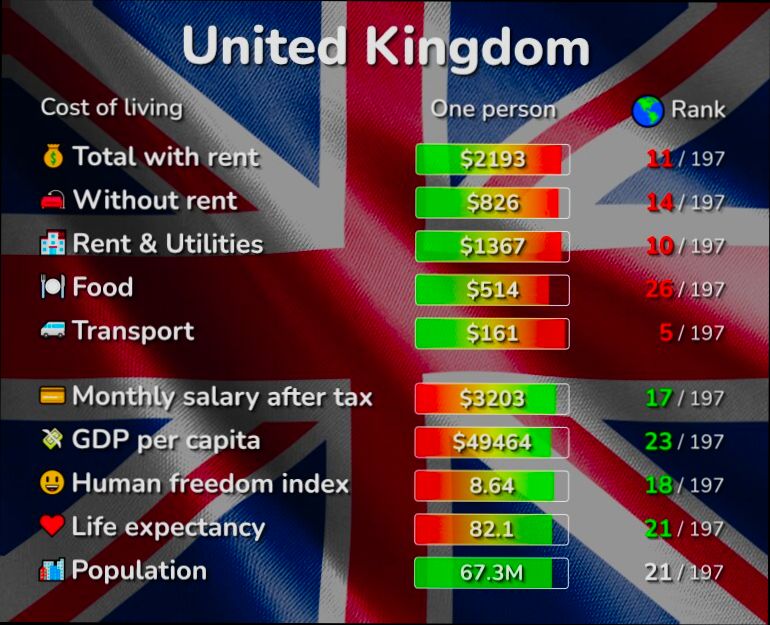
What is the Cost of Living in the United Kingdom? It’s a question that weighs on the minds of many, especially with rising prices throwing budgets into chaos. For instance, if you’re imagining a cozy flat in London, get ready to shell out an eye-watering average of £2,500 per month in rent for a two-bedroom place in central areas. If you fancy a pint after work, you’ll likely fork out around £6.50 at most pubs. Grocery bills can also be a shocker, with a weekly shop for a family of four nudging close to £100, depending on where you live.
But it’s not just London that’s feeling the squeeze; cities like Manchester and Birmingham are seeing costs rise too, though not quite as steeply. For example, a two-bedroom apartment in Manchester can set you back about £1,200 a month. Let’s not forget transportation—commuting can get pricey, with a monthly public transport pass in London hitting around £160. So, whether you’re moving for work or just curious about the day-to-day expenses, nuances in costs can shape your experience across the UK.
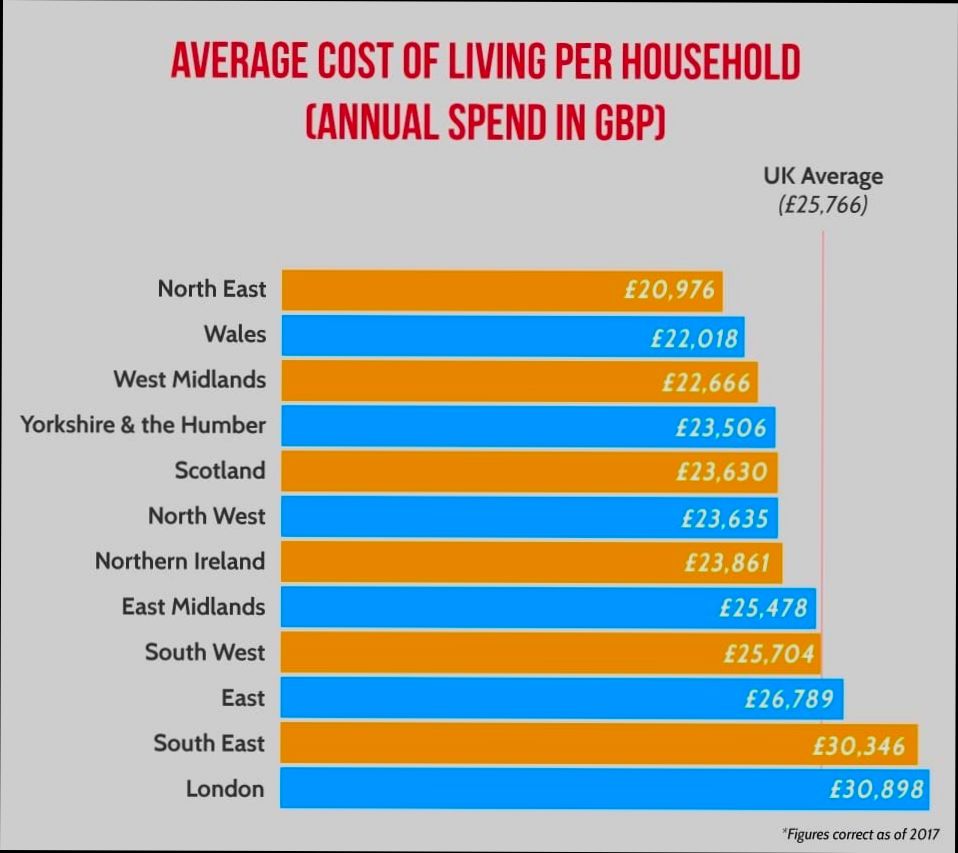
Understanding Regional Cost Variations
Understanding regional cost variations is essential for grasping the complex fabric of the cost of living in the United Kingdom. Different factors across various regions contribute to these variations, impacting everything from housing to everyday commodities.
Key Factors Influencing Regional Cost Variations
Several critical elements shape the cost landscape across the UK:
- Production Cost: Businesses may face higher operational costs in areas where resources, labor, or utilities are more expensive. For instance, companies in London may incur higher wages compared to those in Northern England, leading to elevated prices for goods and services.
- Market Demand: Areas with high consumer demand often see inflated prices. For example, home prices in popular cities like Brighton can skyrocket compared to nearby towns due to increased demand.
- Competition: In regions with saturated markets, companies might lower their prices to attract customers, illustrating how competition can lead to regional price adjustments.
- Economic Conditions: The general economic health of a region, including average income levels and inflation rates, can lead to differential pricing. Higher income areas tend to experience higher price levels.
- Regulatory Environment: Variances in local taxes and regulations can impact pricing strategies. For example, VAT rates can differ if local governments implement additional taxes, affecting overall pricing in specific regions.
Comparative Table of Regional Cost Variations
| Region | Average Home Price | Average Grocery Price | Unemployment Rate | Local Tax Rate |
|---|---|---|---|---|
| London | £500,000 | £60/week | 5% | 20% |
| Birmingham | £200,000 | £50/week | 7% | 20% |
| Manchester | £220,000 | £55/week | 6% | 20% |
| Glasgow | £175,000 | £45/week | 8% | 20% |
| Cardiff | £250,000 | £53/week | 6% | 20% |
Real-World Examples
- During recent economic shifts, home prices in London rose by approximately 10%, leading to a significant disparity with regions like Wales where prices increased by only 3%. Such examples highlight how location affects real estate affordability.
- A study revealed that local coffee shop prices in London averaged £3.50, whereas a similar establishment in Newcastle charged around £2.50. This difference reflects the higher cost of living and consumer spending power in the capital.
Practical Implications for Understanding Regional Cost Variations
Recognizing these dynamics can aid consumers and businesses alike:
- For consumers: Knowing that prices can differ significantly based on region helps in budgeting. It’s essential to research local costs before relocating or making significant purchases.
- For businesses: Understanding these variations can inform pricing strategies, allowing companies to adjust prices according to local market conditions. Utilizing data on local production costs and demand can boost competitiveness.
Actionable Insights
- Keep abreast of local economic indicators such as unemployment rates and average income levels, as these greatly influence pricing in your region.
- If you’re a business owner, consider local regulations when setting prices, ensuring compliance while maintaining profitability.
- Analyze competitor pricing within your region frequently to stay aligned with market trends and consumer expectations, adapting your strategies as necessary.
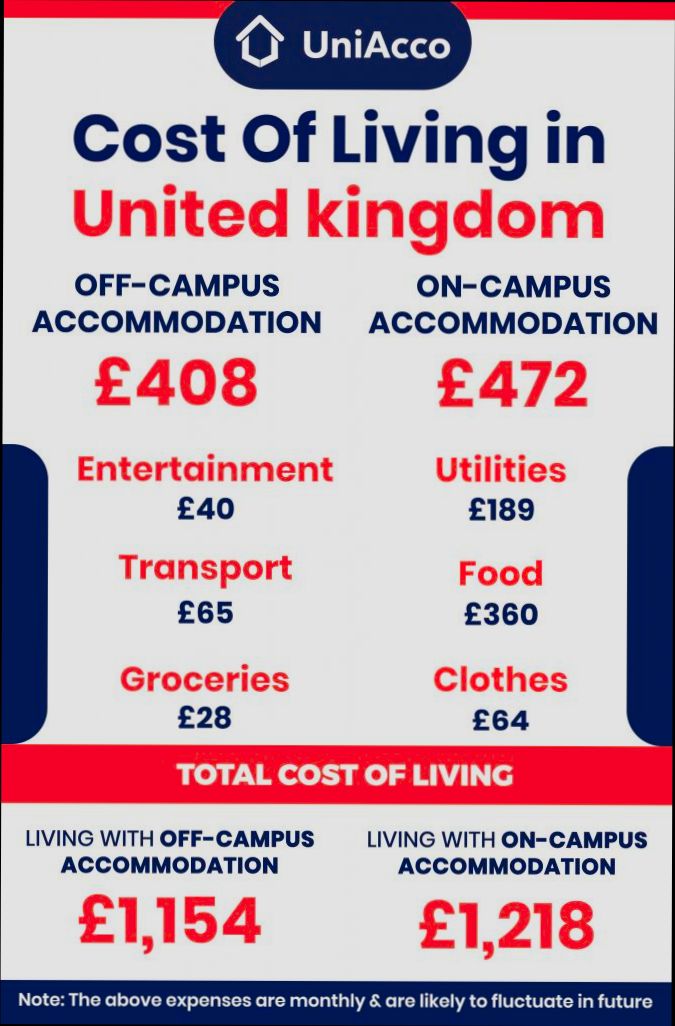
Analyzing Cost of Living Statistics
Analyzing cost of living statistics plays a crucial role in understanding the economic landscape of the United Kingdom. By diving into these figures, we can discern patterns, identify trends, and make informed decisions about our finances based on factual data.
Key Considerations in Cost of Living Analysis
When you analyze the cost of living, it’s essential to look beyond just the numbers. Here are some key considerations:
- Average Rent Prices: For instance, in 2023, the average monthly rent in London was reported at £2,200, whereas the average across the UK was only £960, highlighting a stark contrast.
- Consumer Price Index (CPI): As of last year, the annual change in the CPI was around 6.7%, indicating inflation’s impact on everyday expenses.
- Disposable Income Statistics: In 2022, the average disposable income per household was £30,200, which means that after taxes and living costs, households have this amount to spend or save.
Cost of Living Statistics Table
| Category | Average Amount | UK National Average |
|---|---|---|
| Monthly Rent | £2,200 (London) | £960 (UK Average) |
| Annual CPI Change | 6.7% | 5% |
| Average Disposable Income | £30,200 | £27,000 |
Real-World Examples of Cost Analysis
Let’s take a closer look at some real-world applications. For example, if you live in Manchester, where the average rent is around £1,000, this gives you a wider margin for how you allocate your disposable income compared to London. Families in smaller cities typically report less financial strain, allowing them to save approximately 15% more compared to urban areas.
Another compelling case is the rise in transportation costs. With public transport fares increasing by up to 10% over the past year in several cities, budget-conscious individuals need to factor these adjustments into their monthly financial plans.
Practical Implications
Understanding these statistics empowers you to make better financial choices. Here are some implications to consider:
- If you’re relocating, use the average rent prices to negotiate better lease terms based on regional differences.
- Keep an eye on the CPI; understanding future inflation trends can help you adjust your savings strategy effectively.
- Consider the figures for disposable income to evaluate whether your current job provides enough financial stretching room or if it’s time to explore additional income avenues.
Actionable Insights
To enhance your financial literacy regarding the cost of living, regularly track these statistics. Bookmark government resources such as the Office for National Statistics (ONS) for updated CPI figures and area-specific rent analysis. By maintaining a pulse on these numbers, you are better positioned to navigate personal finances and make informed decisions.

Impact of Housing Prices on Budgets
Understanding how housing prices affect our daily budgets is crucial for anyone living in the United Kingdom. As housing costs continue to climb, they impose significant financial strain on households, reshaping how we allocate our resources.
Rising Housing Costs and Their Burden
The stark reality is that housing prices in the UK have outpaced wage growth over the past two decades. Many households are now allocating larger portions of their incomes to cover housing-related expenses, which can have serious repercussions for their overall financial health. Here are some key insights:
- Budget Allocation: Around 30% of households in the UK spend over one-third of their income on rent or mortgage payments, marking the threshold of housing affordability.
- Income Disparity: Households with annual incomes below £20,000 often spend more than 50% of their income on housing, leaving little for necessities like food or healthcare.
Comparative Analysis of Housing Costs
To illustrate the impact of rising housing costs, consider the following table outlining the relationship between average income and housing expenses in major cities across the UK.
| City | Average Income per Year | Average Monthly Rent | Percentage of Income Spent on Rent |
|---|---|---|---|
| London | £38,000 | £2,200 | 69% |
| Birmingham | £30,000 | £1,000 | 33% |
| Manchester | £34,000 | £1,150 | 40% |
| Edinburgh | £32,000 | £1,200 | 45% |
| Leeds | £29,000 | £850 | 35% |
Real-World Examples
In London, the scenario is particularly pronounced. With average rent costs soaring to £2,200, a typical household may find itself exhausting a whopping 69% of its income just on housing. This drastic financial layout limits their ability to afford other essentials such as child care or retirement savings.
In contrast, in Birmingham, where the average monthly rent stands at £1,000, households only allocate about 33% of their income towards housing. While still significant, this comparatively lower percentage allows for more flexibility in budgeting.
Practical Implications
The impact of high housing prices means that people may have to make tough choices regarding their life goals and needs. Here’s how you can navigate these challenges:
- Reassess Your Budget: Regularly review your monthly expenses to see where you can cut costs.
- Community Resources: Explore local government or community funding options for housing assistance if you’re feeling the strain.
- Consider Alternatives: Look into lower-cost living areas or shared housing arrangements to alleviate financial pressure.
Specific Advice
If you’re grappling with high housing costs, aim to set a strict limit on your housing budget—ideally no more than 30% of your income. Engage with local housing authorities to understand what support is available, and don’t hesitate to negotiate your rent or seek better deals. Taking proactive steps can help you regain financial stability in a challenging housing market.
Comparative Analysis of Grocery Expenses
When it comes to understanding the cost of living in the United Kingdom, grocery expenses play a significant role. Analyzing these costs can illuminate how various factors influence what you spend on food and essentials, ultimately shaping your budget.
Key Insights on Grocery Expenses
1. Average Weekly Grocery Spend: On average, households in the UK spent approximately £60-£80 per week on groceries in 2023. However, this figure varies significantly based on family size and dietary preferences.
2. Regional Disparities: Areas such as London exhibit grocery costs that are roughly 10-15% higher than the national average due to higher demand and operating costs.
3. Inflation Impact: The UK saw a spike in food inflation, with reports indicating rates as high as 9% in 2023. This impacts staple items like bread, milk, and meat, leading to increased overall grocery bills.
4. Organic vs. Conventional Products: Organic food items can cost up to 30% more than their conventional counterparts, which can be a crucial consideration for budget-conscious shoppers.
5. Discount Retailers’ Influence: The rise of discount supermarkets has introduced a competitive edge in grocery pricing, leading to a reduction in prices at traditional grocers by about 5-7%.
Grocery Expenses Comparison Table
| Item | Average Price (Conventional) | Average Price (Organic) |
|---|---|---|
| Milk (1 liter) | £1.00 | £1.30 |
| Bread (500g) | £0.90 | £1.20 |
| Chicken (1kg) | £5.00 | £6.50 |
| Apples (1kg) | £2.00 | £2.80 |
| Eggs (dozen) | £3.00 | £3.50 |
Real-World Examples
- A family of four living in Birmingham reported spending about £70 weekly on groceries, with a preference for fresh produce from local markets which saved them approximately 15% compared to larger supermarket chains.
- On the other hand, a couple in London noted their weekly grocery bill peaked at £90 due to higher prices at their nearest supermarket, highlighting the significant cost pressure urban dwellers face.
Practical Implications for Grocery Expenses
Understanding grocery costs is vital for effective budgeting. Here are a few actionable strategies:
- Shop Smart: Identify local discount stores which may offer substantial savings on staples. Consider purchasing in bulk to lower unit costs.
- Seasonal Produce: Opt for fruits and vegetables in season, as they tend to be cheaper and fresher. Check local markets for deals on seasonal items.
- Meal Planning: Developing a weekly meal plan helps to avoid impulse shopping and can reduce waste, thus saving you money in the long run.
Specific Insights on Grocery Expenses
Keep in mind that grocery expenses not only reflect your dietary choices but also your location and shopping habits. Being aware of price fluctuations and available discounts can enhance your purchasing power and help you manage your budget more effectively. Remember, conscious shopping today lays the foundation for a more manageable financial tomorrow.

Benefits of Living in Urban Areas
Living in an urban area offers a unique set of benefits that can enhance your quality of life. From convenient access to diverse amenities to vibrant cultural experiences, urban living provides a rich, dynamic backdrop for personal and professional growth. Let’s explore the key advantages of residing in these bustling hubs.
Access to Employment Opportunities
Urban areas typically boast a higher concentration of job opportunities across various sectors compared to rural regions.
- Employment Rate: The employment rate in urban centers is significantly higher, with cities like London, Manchester, and Birmingham reporting over 75% employment.
- Diverse Job Market: You can find roles in finance, technology, arts, and more, catering to nearly every skill set.
Robust Public Transport Systems
Living in urban settings gives you access to extensive public transport networks.
- Transport Coverage: For example, London has over 1,000 miles of public transport routes, making it easier to navigate the city without needing a personal vehicle.
- Savings on Commuting: Residents often save money on transportation; studies show urban dwellers spend about 15% less on transport costs compared to those in suburban areas.
Thriving Cultural Scene
Cities are cultural melting pots, offering a range of experiences you might not find elsewhere.
- Events and Festival Participation: Urban residents attend cultural festivals and events, with cities hosting over 100 major cultural events throughout the year.
- Variety of Entertainment Options: You’ll find an array of museums, theaters, and art galleries—London alone has over 200 museums, many of which are free to enter.
Educational Advantages
Urban areas often provide access to numerous educational institutions, making them ideal for families and individuals pursuing education.
- Higher Education Institutions: For instance, cities like London have over 40 universities and colleges, offering a vast selection of courses.
- Community Learning Opportunities: Urban centers often feature adult education classes and workshops that can enhance your skills or introduce new hobbies.
| Benefit | Urban Areas | Rural Areas |
|---|---|---|
| Employment Opportunities | 75% employment rate on average | Generally lower job availability |
| Public Transport Coverage | 1,000+ miles of transport routes | Limited transport options |
| Cultural Events | Over 100 major events yearly | Fewer cultural events |
| Higher Education Institutions | 40+ universities in major cities | Limited higher education options |
Case Studies Highlighting Urban Benefits
Consider the case of a young professional named Sarah, who moved from a small town in the UK to London. She found immediate employment in a high-paying tech role, had access to the London Underground for seamless commuting, and spent her weekends exploring a variety of art exhibitions and cultural festivals. Her experience showcases the vast opportunities urban living can provide.
Or take James, who is a father of two and relocated to Manchester. He enrolls his children in one of the city’s top-rated schools and joins community workshops, broadening both his professional network and personal interests. This illustrates how urban environments foster community connections and educational benefits.
Practical Implications for Urban Dwellers
If you’re considering urban living, think about how to maximize its benefits:
1. Utilize Public Transport: Familiarize yourself with local transit options to reduce commuting costs and time.
2. Engage with Local Culture: Attend community events to meet new people and immerse yourself in the cultural fabric of the area.
3. Explore Continuous Learning: Look for workshops and classes that allow you to grow both personally and professionally.
Specific Insights for Urban Living
- Embrace the vibrant cultural life: Participate in local events to expand your social circle.
- Consider commuting alternatives: Walking or cycling can enhance your overall city experience while promoting health.
- Stay informed about educational offerings: Leverage the proximity to universities for lifelong learning opportunities.
By taking advantage of these benefits, urban living can be a rewarding experience that enhances your lifestyle in various aspects.
Real-World Examples of Monthly Expenses
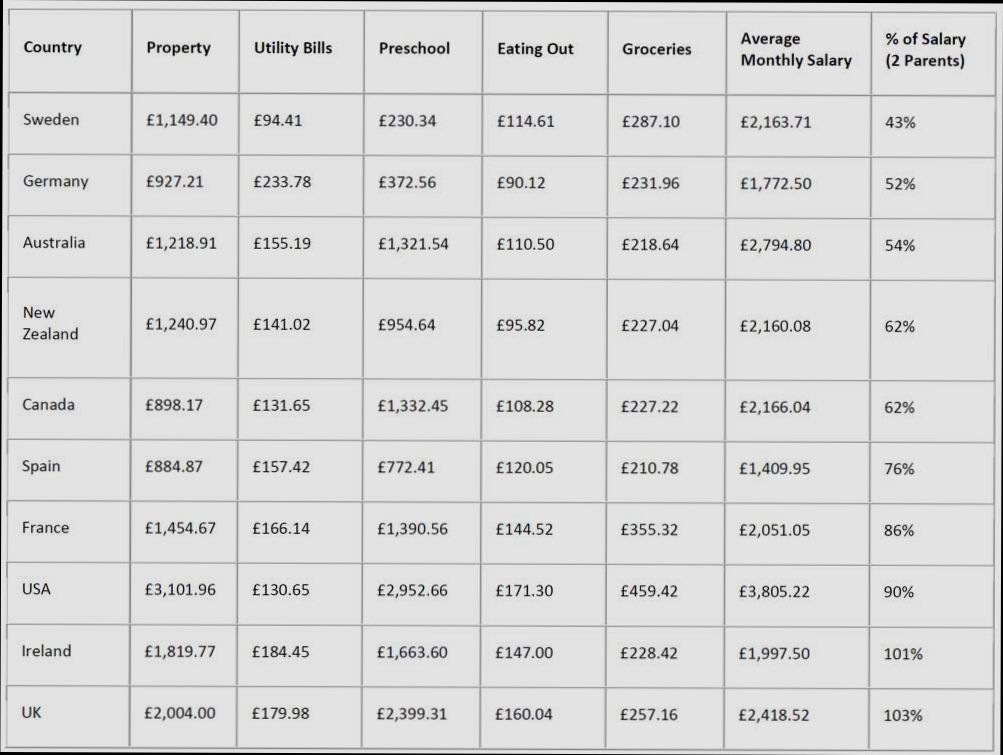
When evaluating the cost of living in the United Kingdom, understanding real-world monthly expenses is vital. This helps you budget effectively and make informed decisions about where to live and how to allocate your finances. Here, I’ll break down specific examples of common monthly expenses to offer a clearer picture of what you might encounter in daily life.
Key Monthly Expenses and Averages
Several daily expenses can significantly impact your budget. Here are some real-world examples of what you might typically spend:
- Transportation Costs: In cities like London, a monthly travel card for zones 1-2 costs around £150. In contrast, a similar travel card in Manchester can be about £115.
- Utility Bills: On average, you might be looking at about £150 for energy bills (electricity, heating, water, and garbage) in a household of two. But in colder climates or larger homes, this could rise to approximately £200 or more.
- Internet & Mobile Plans: Monthly internet costs average around £30, while a mobile phone plan can set you back by about £40, depending on data and contract duration.
| Expense Type | City | Average Monthly Cost |
|---|---|---|
| Transportation | London | £150 |
| Transportation | Manchester | £115 |
| Utilities | Average UK | £150 |
| Utilities | Larger Home | £200 |
| Internet | Average UK | £30 |
| Mobile Plan | Average UK | £40 |
Real-World Examples
Taking these averages further, let’s look at some practical examples that embody these expenses:
- If you live in a shared flat in London, you might split rent, utility bills, and internet costs among housemates. So say you pay £800 in rent, £75 for utilities, and £25 for internet; that totals around £900 each month just for housing-related expenses.
- In a suburban area like Reading, you might face lower costs. If you rent a one-bedroom flat for £1,000, add about £120 for utilities, and £30 for internet, your total housing expenses would be approximately £1,250.
- For frequent travelers, public transport adds up significantly. Someone commuting daily from a suburb into London can expect their transport costs alone to be around £200 per month when combining train and underground fares.
Practical Implications
Understanding the spectrum of monthly expenses can guide your financial planning. If you know that transportation will take up a substantial part of your budget, you might reconsider your location or working to negotiate remote work options.
- Always check if you’re eligible for discounts, like student fares or off-peak travel cards, which can save you money.
- Consider energy providers carefully, as switching can save you a decent amount each month if you find a plan that better meets your average usage.
By dissecting these expenses, you’ll better grasp the financial landscape in your prospective neighborhood, allowing you to plan your budget according to your specific needs.
Transportation Costs Across the United Kingdom
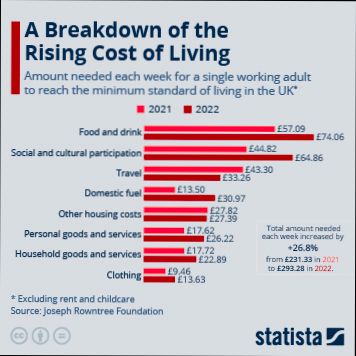
When we think about the cost of living in the United Kingdom, transportation often plays a pivotal role. Understanding how much you’ll spend on getting around can help you budget effectively. Transportation costs can vary widely depending on whether you opt for public transit or if you’re considering owning a car.
Key Transportation Expenses
- Public Transportation: In major cities like London, a monthly public transport ticket can set you back around £107. This price can vary by location; for example, in Birmingham, monthly transport fares are typically lower but still significant.
- Fuel Costs: If driving is your mode of choice, the average price of petrol in the UK stands at £1.43 per liter. This ongoing expense can significantly impact your overall transportation budget, especially if you have a long daily commute.
- Vehicle Purchase and Maintenance: Owning a car can come with its own set of costs. For instance, a new Volkswagen Golf averages around £28,289. Besides the initial purchase, you should factor in insurance, maintenance, and parking, which can add up quickly in urban areas.
- Parking Charges: Parking can be another major expense, particularly in cities. In central London, you can expect hourly rates ranging from £4 to £8, depending on the location.
Transportation Costs Breakdown
| Expense Type | Cost |
|---|---|
| Monthly public transport ticket | £107 |
| Average price of petrol (per liter) | £1.43 |
| Cost of a new Volkswagen Golf | £28,289 |
| Average parking charge (per hour) | £6 |
Real-World Examples
- In London, using an Oyster card can help reduce travel costs, offering discounted fares compared to paper tickets. This is especially beneficial for students, where fares are reduced by 30%.
- A commuter traveling from Manchester to London may spend approximately £35 daily on a return train ticket, emphasizing how transportation costs can escalate depending on your travel habits.
Practical Implications for You
Considering transportation costs is crucial when calculating your overall living expenses in the UK. If you’re living in a city with a robust public transit network, it could be more economical than owning a vehicle. Conversely, for those residing in rural areas where public transport is limited, car ownership may be necessary.
- Budget Wisely: Always factor transportation costs into your monthly budget. Estimate your public transport expenses based on your commuting needs and check for any available discounts.
- Consider Alternatives: Look into cycling or walking for shorter distances. Many cities increasingly invest in bike lanes and pedestrian-friendly areas, which can cut costs and promote a healthier lifestyle.
In summary, transportation plays a vital role in the cost of living across the United Kingdom. Keep in mind the various options available to ensure you manage your expenses effectively.