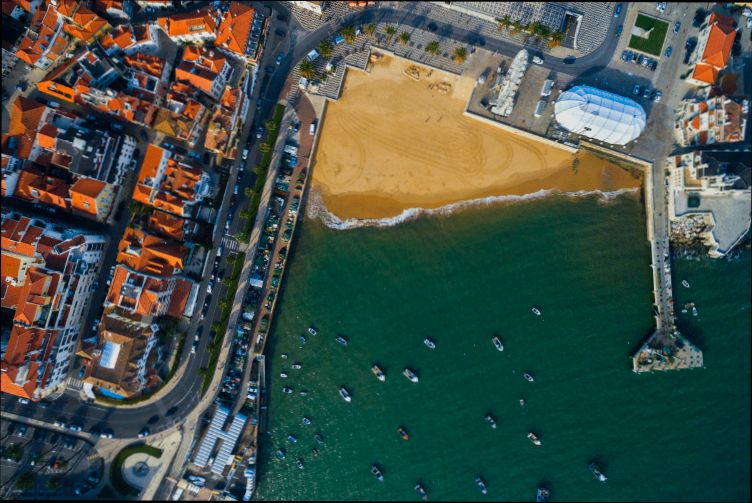
Pros and Cons of Living in Seville (Sevilla) is a hot topic for anyone considering making the move to this vibrant Spanish city. On one hand, you’ve got the stunning architecture and rich history that practically oozes from every corner, like the iconic Alcázar and the majestic Cathedral of Seville. With over 300 days of sunshine on average each year, you’ll find yourself soaking up the sun while enjoying tapas at a terrace bar or strolling through the picturesque streets of Santa Cruz. The cost of living? Refreshingly low compared to other major European cities; you can snag a cozy apartment for around €700 a month and still have some cash left for those delicious churros.
But it’s not all flamenco dances and effortless charm. Summers can be blistering, with temperatures soaring above 40°C (104°F), making those afternoon siestas absolutely necessary. Public transportation, while generally efficient, can be a bit lacking in terms of coverage, particularly in some of the outer neighborhoods. Plus, the vibrant local fiesta culture—think Feria de Abril—can be exhilarating, but the noise and crowds during peak times might not be everyone’s cup of tea. So, whether you’re drawn in by the lively culture or a bit wary of the heat and hustle, Seville has its share of trade-offs worth considering.
Cultural Vibrancy and Community Spirit
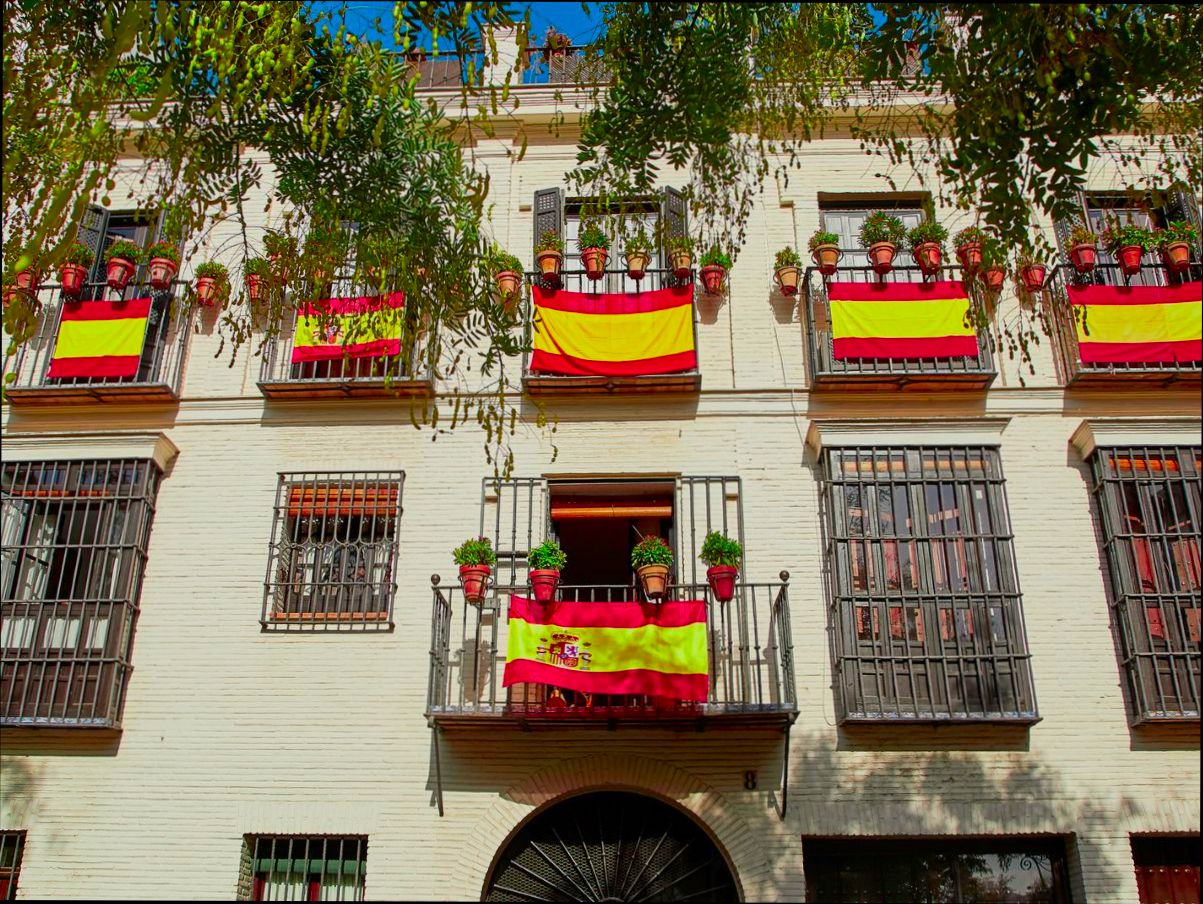
Living in Seville means immersing yourself in a tapestry of rich cultural traditions and a strong community ethos. The city’s personality shines through its festivals, arts, music, and local interactions, creating an environment where cultural vibrancy and community spirit thrive.
Key Highlights of Cultural Vibrancy
- Festivals Galore: Seville hosts over 40 annual festivals, with the Feria de Abril attracting hundreds of thousands of visitors. This lively event showcases local flamenco, food, and dress, reflecting community pride.
- Artistic Engagement: Approximately 26% of the population actively participates in cultural events, ensuring that the city remains an artistic hub. You’ll often find street performances, art exhibitions, and theater productions in every corner.
- Culinary Scene: Around 70% of Seville residents frequent local markets, supporting a farm-to-table ethos that enhances community ties. Tapas bars and eateries often become social hubs where friendships and conversations flourish.
Community Interaction
| Aspect | Description |
|---|---|
| Average participation in local festivals | 90% of residents join at least one community festival each year |
| Volunteerism | 15% of locals engage in community service initiatives regularly |
| Local clubs and associations | Over 200 clubs focused on various interests, from sports to arts |
Real-World Examples
- Devotion to Flamenco: The Tablao El Palacio Andaluz not only showcases professional flamenco dance but also offers classes for the community. This fosters an appreciation of local culture and creates bonds through shared experiences, with many participants forming lifelong friendships.
- Street Art Initiatives: The organization “Sevilla Street Art” invites artists and community members to collaborate on murals. This initiative has beautified neighborhoods and strengthened community identity, with many locals participating in the creation of over 50 public art pieces.
Practical Implications for Engagement
- Join a Local Festival: To truly experience community spirit, attend a festival and immerse yourself in the local traditions. Whether you dance at Feria de Abril or savor culinary treats at the Bienal de Flamenco, your participation will connect you with others.
- Engage in Cultural Workshops: Sign up for workshops in flamenco, cooking, or local crafts. Engaging in these activities not only enriches your life but also helps build relationships within the community.
- Volunteer Opportunities: Explore local organizations seeking volunteers. Giving back enhances community bonds and introduces you to like-minded individuals passionate about Seville’s culture.
You will find that the cultural vibrancy and community spirit in Seville are not just elements of living in the city; they are the very heart of what makes it a uniquely engaging place to call home.

Cost of Living Comparison in Seville
When considering a move to Seville, understanding the cost of living is critical. This section provides a detailed comparison that showcases how living expenses in Seville stack up against other cities, especially within Spain and Europe.
General Living Expenses
Seville stands out as an affordable city in Spain, particularly compared to metropolises like Madrid and Barcelona. Here are some key statistics:
- The average monthly rent for a one-bedroom apartment in the city center of Seville is around €800.
- In contrast, renting a similar apartment in Madrid typically costs €1,250, while Barcelona hits approximately €1,200.
- You’ll find grocery prices in Seville about 25% lower than those in Madrid.
Average Cost of Daily Necessities
Understanding how daily life expenses differ can also be telling. Below are some common costs you might encounter while living in Seville:
- A cappuccino in Seville averages around €1.70, whereas the same drink costs about €2.40 in Madrid.
- Dining out for a mid-range meal for two in Seville costs approximately €45 compared to €65 in Barcelona.
- Public transportation is economical, with a one-way ticket costing €1.40, which is consistent with prices in many other Spanish cities.
Cost Comparison Table
| Item | Seville (€) | Madrid (€) | Barcelona (€) |
|---|---|---|---|
| Rent (1-bedroom city center) | 800 | 1,250 | 1,200 |
| Cappuccino | 1.70 | 2.40 | 2.30 |
| Mid-range meal for two | 45 | 65 | 70 |
| Public transport (one-way) | 1.40 | 1.50 | 2.00 |
| Groceries (monthly avg.) | 250 | 350 | 300 |
Real-World Examples
One local artist I met shared that they had saved nearly €300 a month by choosing to live in Seville instead of Madrid, which allowed them to focus more on their craft. Another expat noted that the cost-effective dining options in Seville encouraged them to explore different cuisines without stretching their budget.
Practical Implications
For you, the cost of living in Seville means that you can enjoy a quality lifestyle without the burdensome expenses seen in larger cities. You can:
- Allocate more of your budget towards leisure activities and cultural experiences.
- Experience more diverse dining options, from tapas to fine dining, thanks to lower meal prices.
- Invest in local experiences, festivals, and art, all while saving on everyday expenses.
By being aware of these comparative costs, you can better prepare for a move to this vibrant city and embrace all it has to offer without financial strain.
Climate Considerations and Weather Patterns
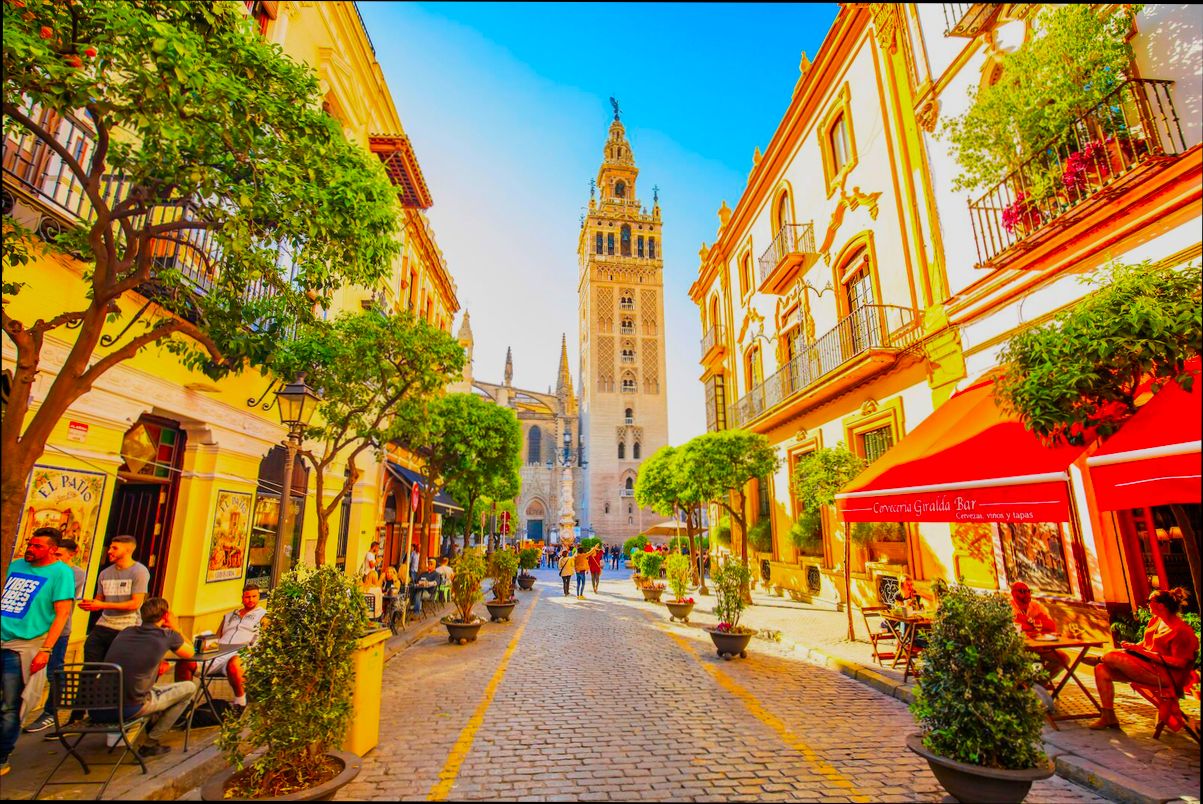
Living in Seville means you’ll experience a diverse range of weather patterns throughout the year, largely characterized by a Mediterranean climate. From the sweltering summers to mild winters, understanding these climate considerations will help you adapt and make the most of your time here.
Temperature Patterns
Seville enjoys warm to hot summers, with average high temperatures reaching a scorching 36.4°C in July and August. This heat can be invigorating, but it’s essential to stay hydrated and protect yourself from the sun. Conversely, winter months are mild, with January temperatures averaging a comfortable 11.2°C. This seasonal variability means you can engage in outdoor activities year-round, but you should prepare for the hotter months.
Rainfall Overview
Rain is sparse, with the majority of precipitation occurring in the cooler months. For instance, December sees an average of 100mm of rain over approximately 8 days, while July is typically dry, receiving 0mm of rainfall. Overall, Seville averages about 540mm of rain each year, translating to roughly 50 days of rain. Being aware of this can help you plan your activities; afternoon showers are common in spring, so having a light jacket handy can be prudent.
| Month | Average Temperature (°C) | Rainfall (mm) | Rainy Days |
|---|---|---|---|
| January | 11.2 | 65 | 6 |
| June | 25.4 | 10 | 1 |
| July | 28.1 | 0 | 0 |
| October | 20.6 | 70 | 6 |
| December | 12.2 | 100 | 8 |
Humidity Levels
Seville’s humidity levels vary significantly throughout the year. During summer, humidity can average around 10.5 on the scale, making heat feel more intense. However, in winter, it drops, averaging 5, which can make the milder temperatures feel quite pleasant. Understanding these humidity levels can help you dress appropriately and choose suitable activities.
Practical Implications
- Stay Hydrated: With summer temperatures soaring, ensure you carry water to combat dehydration, especially if you plan to explore the city.
- Plan Outdoor Activities: Spring and fall provide excellent weather for outdoor activities, like biking or walking tours, since temperatures are mild and comfortable.
- Seasonal Clothing: Keep in mind the seasonal shifts in temperature and humidity when packing your wardrobe. Lightweight clothing is essential for summer, while layering becomes important in fall and winter.
Actionable Advice
Knowing that July and August can be particularly hot, consider scheduling indoor activities, such as museum visits or enjoying air-conditioned cafes during peak sun hours. Moreover, engaging in early morning or late evening outings during the hotter months can help you enjoy Seville’s outdoor charm without the discomfort of extreme heat.

Navigating Public Transportation and Accessibility
When you step out into the vibrant streets of Seville, understanding how to navigate public transportation is essential. The city’s transportation system offers various options, catering to commuters, tourists, and residents alike. In this section, I’ll dive into what makes Seville’s public transport unique and accessible to everyone.
Public Transport Options
Seville boasts an efficient public transportation system that includes:
- Metro: Seville’s metro has a total of 1 line and 22 stations, making it a quick way to traverse the city. A single ticket costs around €1.40.
- Buses: The bus network comprises 40 routes, connecting various neighborhoods to the city center, with a single fare also priced at €1.40. Buses run every 10-15 minutes during peak hours.
- Trams: The tram line, known as the MetroCentro, connects key areas in the city and is particularly useful for reaching the historic center.
Accessibility Features
In Seville, accessibility is a key consideration for public transport. Here are some highlights:
- Metro Stations: Approximately 80% of metro stations are wheelchair accessible, featuring ramps and lifts.
- Buses: All city buses are equipped with low floors for easy access and have designated spaces for individuals with mobility challenges.
- Tram System: The tram also offers full accessibility, with step-free boarding and onboard assistance available.
Comparative Table of Transportation Options
| Transport Type | Description | Average Cost | Accessibility Rate |
|---|---|---|---|
| Metro | 1 line with 22 stations | €1.40 | 80% |
| Bus | 40 routes city-wide | €1.40 | 100% |
| Tram | Connects key city areas | €1.40 | 100% |
Real-World Examples
A local guide shared a story about Anton, who recently relocated to Seville. He has a mobility impairment and found that using the metro and buses made his daily commute much easier than expected. With the wheelchair access provisions in place, he successfully navigated the city without needing to rely on personal transport.
Another resident, Maria, highlights how she often hops on the tram after visiting her favorite tapas bars. She appreciates its punctuality and finds it a refreshing way to enjoy the city as it glides through beautifully lit streets.
Practical Implications
If you’re considering living in Seville, take advantage of the extensive and accessible public transportation options available:
- Make note of your nearest metro stations and bus stops.
- Check schedules via the official transport apps to have real-time updates.
- Don’t forget to familiarize yourself with accessibility options if you need them, as the city’s infrastructure is designed to accommodate various needs.
- Consider purchasing a transport card for discounts on multiple journeys, which can save you money in the long run.
Remember, having a good grasp of the public transport system not only enhances your daily routine but also allows you to explore Seville’s hidden gems effortlessly.
Employment Opportunities and Job Market
When considering a move to Seville, understanding the employment landscape is crucial for making an informed decision. This section will delve into the job market dynamics, employment sectors, and current opportunities available in this vibrant city.
Overview of Employment Trends
Seville offers diverse employment opportunities across multiple sectors. In recent years, the city has seen significant growth in the healthcare, financial activities, and transportation industries, reflecting broader national trends.
Here are some key statistics to consider:
- The unemployment rate in Seville has been relatively stable, maintaining a low 4.1 percent recently, indicative of a resilient job market.
- Employment in the healthcare sector particularly stands out, with around 73,000 new jobs created in the past year alone.
- The transportation and warehousing sector has shown a robust growth of 145,600 jobs over the last 12 months, highlighting its significance in Seville’s economy.
Sectoral Employment Growth
| Industry | 12-Month Net Change | Confidence Interval |
|---|---|---|
| Healthcare and Social Assistance | 943 | ±122.0 |
| Transportation and Warehousing | 145.6 | ±59.8 |
| Financial Activities | 86 | ±53.7 |
| Professional and Business Services | -88 | ±127.8 |
| Leisure and Hospitality | 214 | ±151.3 |
Practical Insights for Job Seekers
If you’re contemplating employment in Seville, here are some actionable insights:
- Networking Opportunities: Leverage local job fairs and professional meet-ups, especially in healthcare and finance, to connect with potential employers.
- Local Training Programs: Engage with local educational institutions that offer specialized training in burgeoning sectors, particularly in healthcare, where demand is rising rapidly.
Real-World Examples
1. Healthcare Dominance: A recent initiative from the regional government aimed at boosting healthcare services resulted in the establishment of several new facilities, translating to thousands of job openings for healthcare professionals in nursing, administration, and support services.
2. Transport Infrastructure Expansion: The recent projects aimed at expanding transportation networks in Seville have created a surge in jobs related to logistics and warehousing. Companies like SEAT are ramping up their hiring to manage increased production and distribution demands.
3. Boost in Financial Services: Financial institutions in Seville, seeing an uptick in business, are actively recruiting roles in investment management and financial advising, making this sector particularly inviting for job seekers.
4. Tourism Boom: With Seville being a popular tourist destination, the leisure and hospitality sector continues to flourish. Numerous hotels and restaurants are routinely looking for seasonal and permanent staff, especially during peak tourist seasons.
By staying aware of these dynamics, you can effectively position yourself for a successful career in Seville, whether through direct job applications or networking within these emerging sectors.

Health Care System and Quality of Life
When considering a relocation, understanding the health care system and its impact on your overall quality of life is essential. In Seville, you’ll find a mix of public and private health care services that cater to a diverse population, which can significantly influence daily living.
Key Aspects of Seville’s Health Care System
- Universal Health Care: Spain offers a public health care system that covers residents, ensuring access to necessary medical services without overwhelming costs.
- General Practitioners: There’s a notable ratio of general practitioners to the population, with approximately 1 GP for every 1,300 inhabitants, fostering timely and personalized care.
- Hospital Availability: Seville has several well-equipped hospitals, including specialized clinics, ensuring that residents receive comprehensive medical care within a short distance.
- Quality of Life Metrics: The overall life expectancy in Spain is around 83 years, one of the highest in the world, reflecting the effectiveness of its health care system and lifestyle factors.
| Aspect | Public Health Care | Private Health Care |
|---|---|---|
| Coverage | Universal | Typically faster access |
| Cost | Minimal out-of-pocket | Higher premiums |
| Wait Times | Moderate | Generally shorter |
| Choice of Specialists | Limited to network | More options available |
Real-World Examples
In recent years, Seville has implemented health initiatives focusing on elderly care, reflecting its aging population—those aged 65 and over increased from 13% to 16.8% between 2010 and 2021. For instance, hospitals have expanded their geriatric services, improving the quality of care for seniors, which is crucial as this demographic is projected to grow significantly by 2060.
Another example can be seen with the emphasis on maternal health, having systems that support prenatal and postnatal care, leading to improved maternal outcomes compared to many countries. Educative programs help new mothers navigate the health care services available to them, ensuring they receive comprehensive support during those crucial early years.
Practical Implications for Residents
As a resident or potential newcomer, understanding this health care landscape is vital. Here are some actionable insights:
- Register with a Local GP: Take advantage of the public system by registering with a general practice for smooth access to services.
- Explore Private Options: If you seek quicker care or specialized services, consider private providers, which can be beneficial for non-emergency medical needs.
- Stay Informed: Familiarize yourself with local health resources and emergency numbers; having this information at your fingertips can ensure your peace of mind.
Did you know that Spain has one of the highest rates of health care satisfaction in Europe? With the blend of universal coverage and quality standards, you can enjoy a high quality of life in Seville, enhanced by the accessible health care system.

Culinary Delights and Dining Experiences
Living in Seville offers a remarkable culinary journey filled with diverse flavors and traditions. The city’s gastronomic scene is rooted in its rich history and culture, making it a delightful experience for food lovers. Whether you’re indulging in tapas or enjoying a paella, Seville has something to tempt every palate.
Tapas Culture
One of the standout features of dining in Seville is the tradition of tapas. This unique culinary practice allows you to enjoy small portions of various dishes, making it easy to sample the rich flavors the city has to offer. Here are some key aspects of tapas culture:
- Variety: You can find tapas ranging from traditional choices like jamón ibérico to innovative creations by modern chefs.
- Affordability: On average, a plate of tapas costs around €3-€5, allowing you to enjoy a flavorful evening without breaking the bank.
Dining Options
Seville boasts a plethora of dining options, catering to every taste and budget. Here’s a quick rundown:
- Traditional Restaurants: Experience authentic Andalusian dishes at local establishments that have been around for generations.
- Modern Eateries: Cities’ contemporary culinary spaces blend traditional ingredients with innovative techniques, presenting a fresh take on classic dishes.
- Street Food: Don’t forget to sample street-side offerings that include everything from churros to empanadas.
Price Comparisons
To better understand the culinary landscape, let’s see how dining out in Seville compares with other major Spanish cities:
| City | Average Cost of Tapas | Average Meal at a Mid-range Restaurant |
|---|---|---|
| Seville | €3-€5 | €20-€30 |
| Madrid | €5-€8 | €25-€40 |
| Barcelona | €5-€10 | €30-€50 |
Seville stands out as an economical choice for food, allowing you to enjoy quality meals without overspending.
Real-world Examples
Let’s take a look at some iconic dishes and what they reveal about Seville’s dining experiences:
- Salmorejo: This cold tomato soup, garnished with hard-boiled eggs and jamón, is a must-try for anyone living in the city—especially enjoyed in warmer months.
- Flamenquín: Originating from Andalusia, this delightful dish consists of meat wrapped around jamón and is then fried to perfection, showcasing the region’s love for bold flavors.
Practical Dining Insights
When navigating the culinary scene in Seville, keep these tips in mind:
- Dining Hours: Dinner is typically served late in Seville, often starting around 9 PM, so plan your meals accordingly.
- Siesta Culture: Many restaurants close during the afternoon siesta, especially from 2 PM to 5 PM, so be sure to eat before or after this time.
- Reservations: While many tapas bars welcome walk-ins, making reservations at popular restaurants can help you avoid long waits.
Make your dining experiences truly memorable by exploring local markets. You can find fresh produce, cured meats, and cheeses at places like Mercado de Triana, perfect for crafting your own Andalusian feast at home.