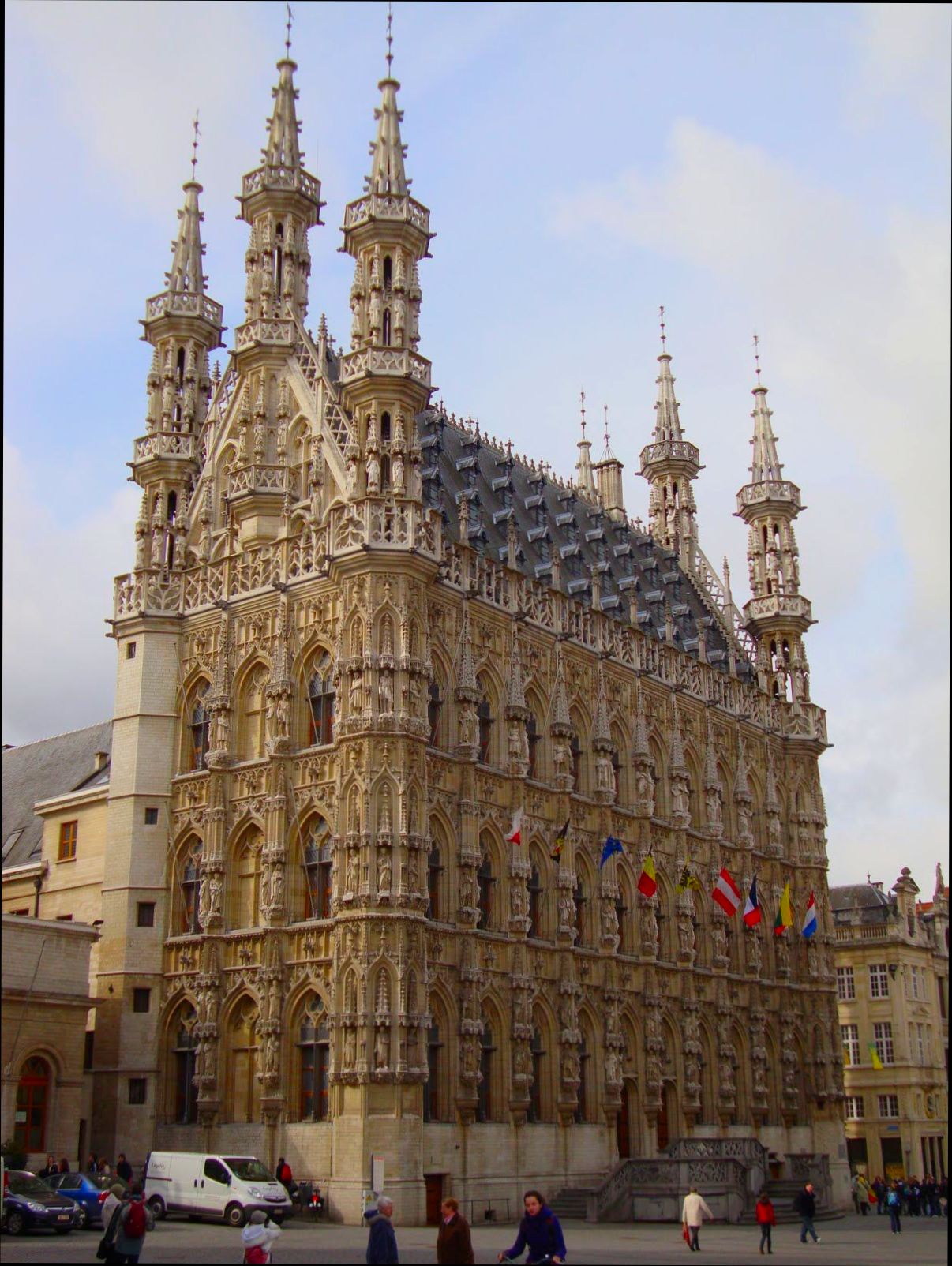
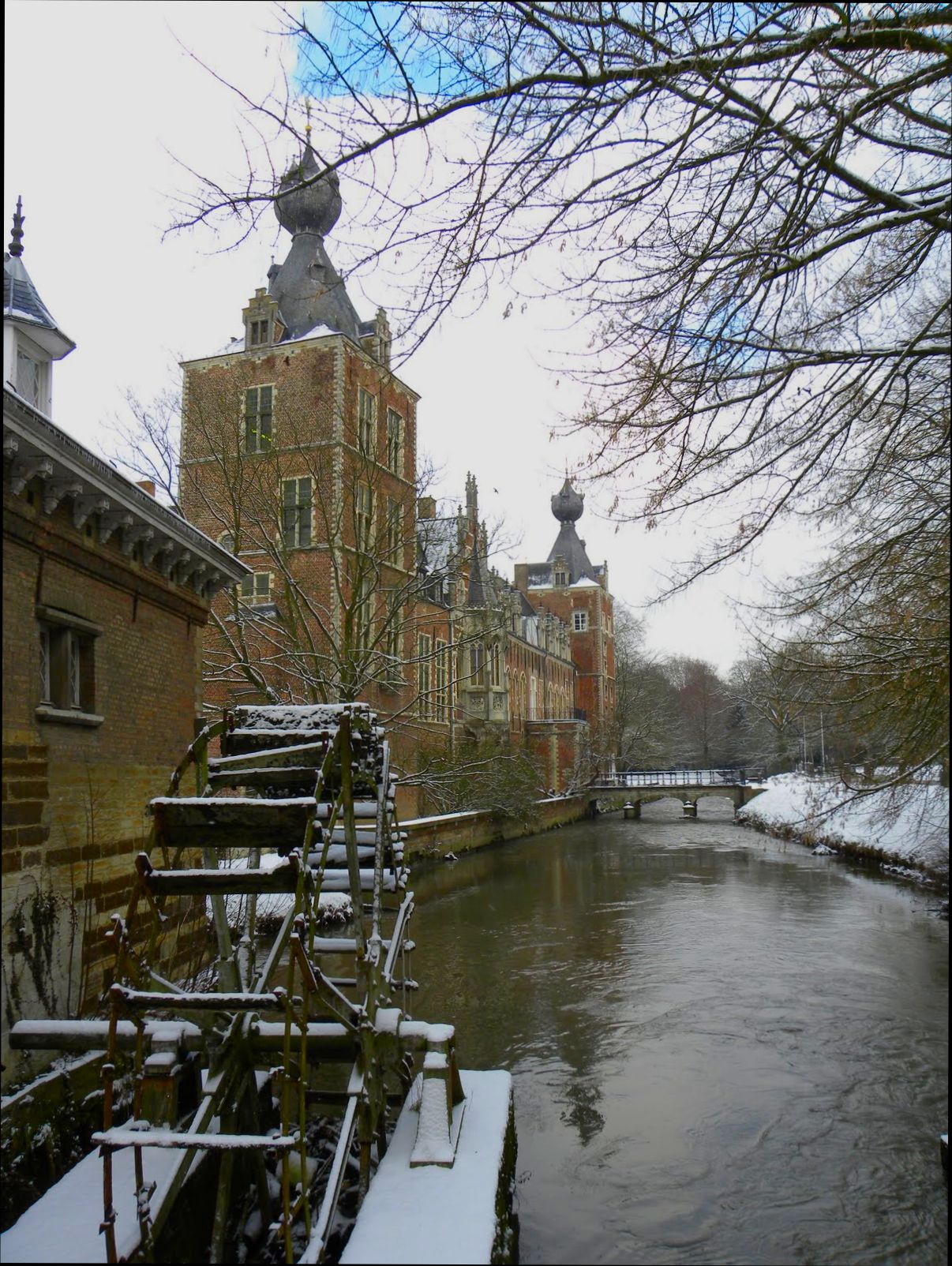
Pros and Cons of Living in Leuven come into play as you navigate this charming Belgian city that’s known for its vibrant student life and rich history. With a population of around 100,000, it’s buzzing with energy, thanks in large part to the prestigious KU Leuven, one of the oldest and most recognized universities worldwide. Picture yourself strolling through the cobblestone streets, soaking in the stunning architecture, from the iconic Town Hall to the historic university libraries, all while enjoying the café culture at pint-sized espresso bars. The city’s compact size means you can easily bike to class or work, with over 200 kilometers of cycling paths available.
On the flip side, living in Leuven isn’t all sunshine and rainbows. If you’re not a student, you might find the constant flow of young energy a tad overwhelming, especially during the academic year. Rents can be steep, too, with average prices for a one-bedroom apartment hovering around €750 per month, which can stretch your budget. Plus, if you’re a fan of big-city amenities, you might miss the shopping diversity and nightlife options of larger cities like Brussels or Antwerp. Balancing pros like the bustling atmosphere with cons such as high living costs creates a unique tapestry that characterizes life in Leuven.
Cultural Richness and Historical Legacy
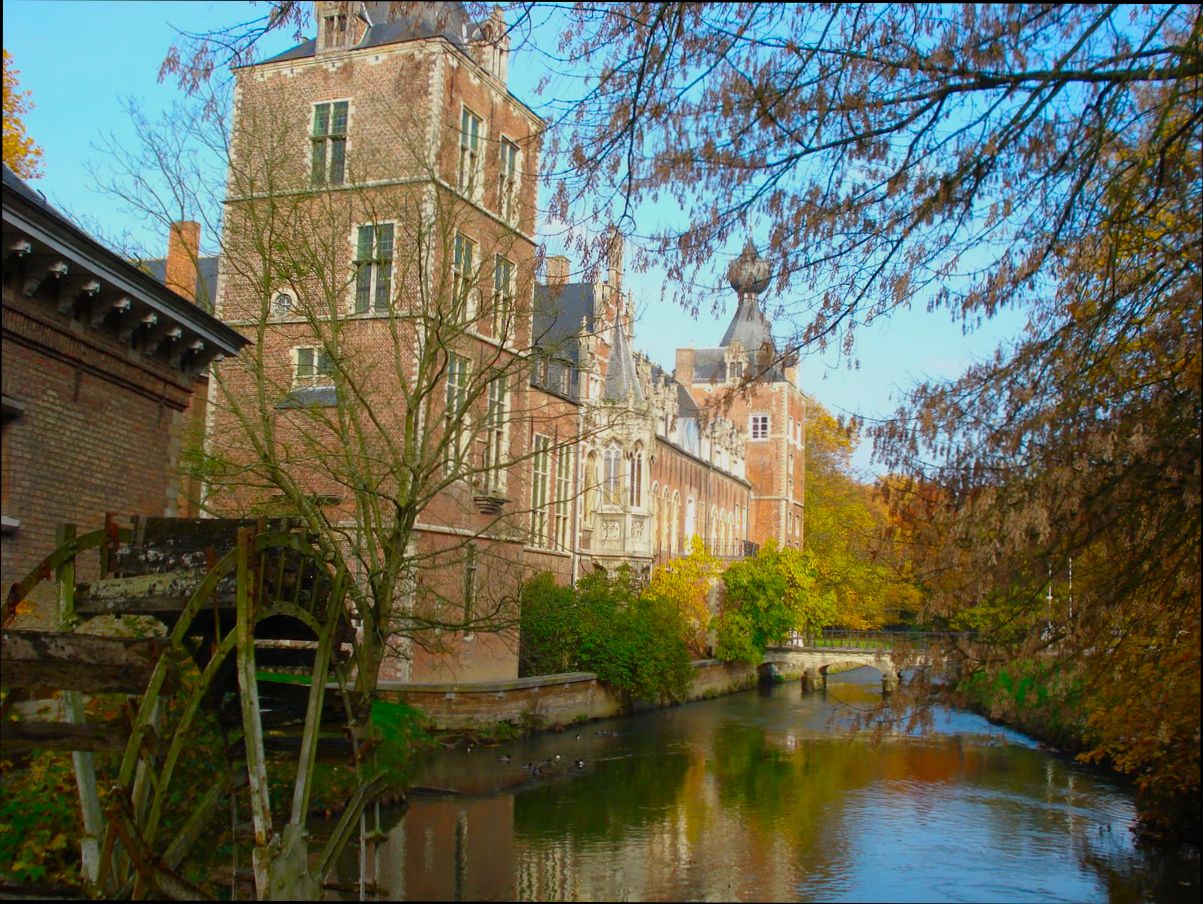
Living in Leuven offers you a unique opportunity to immerse yourself in a tapestry of cultural richness and a profound historical legacy. The city is not just a place to live but a vibrant canvas showcasing Belgium’s architectural and artistic achievements throughout the ages.
Key Points on Cultural and Historical Significance
- Diverse Heritage: Leuven boasts historic building styles ranging from Gothic to Baroque architecture, with prominent landmarks like the ornate Town Hall dating back to 1439.
- Cultural Tourism: In 2019, cultural tourism represented 40% of all European tourism, generating over 319 million jobs. This underscores the significance of cultural heritage in Leuven as a magnet for both local and international visitors.
- Economic Impact: The cultural sector is a powerhouse for Leuven, contributing more than 30 billion euros in revenues annually, creating a thriving environment for arts, history, and tourism enthusiasts.
Comparative Cultural Heritage Impact
| Aspect | Leuven | Other Flemish Cities |
|---|---|---|
| Architectural Diversity | Renaissance, Gothic | Mainly Gothic |
| Cultural Events Per Year | Over 100+ | Approximately 75 |
| UNESCO World Heritage Sites | 1 (Beau Vallon) | Multiple (e.g. Bruges) |
| Museums | 15 | 10 (on average) |
Real-World Examples of Cultural Richness
- Leuven’s University Library: This iconic building, reconstructed after World War I, is not just an architectural gem but also stands as a symbol of resilience and scholarship, attracting thousands of visitors each year.
- M-Museum: Known for contemporary art, M-Museum hosts rotating exhibitions that engage both locals and tourists, emphasizing the importance of modern artistic expression within a historical context.
Practical Implications for Residents
As a resident of Leuven, you have the chance to:
- Engage with Local Festivals: Participate in events like the Leuven Beer Week, which celebrates the city’s brewing history as an integral part of its cultural heritage.
- Explore Historical Tours: Take advantage of guided tours that illuminate the history of Leuven, its landmarks, and its significant role in European culture.
Embracing the culture and historical legacy of Leuven means becoming part of a rich narrative that has shaped not just the city, but broader European contexts as well. Whether you are wandering through historic streets or attending a local art exhibition, you actively contribute to the preservation and celebration of this vibrant cultural heritage.
Cost of Living and Economic Insights
Living in Leuven presents a unique economic landscape that can significantly impact your budgeting whether you’re a student, a young professional, or a family. Understanding the cost of living and the economic factors in this vibrant city is crucial for making informed decisions.
Key Economic Insights
When considering making Leuven your home, it’s important to examine specific cost factors:
- Housing Costs: The average cost of renting a one-bedroom apartment in Leuven is around €800 per month. This is competitive compared to other Belgian cities, but it’s crucial to factor in varying neighborhood prices.
- Utilities: On average, basic utility costs (electricity, heating, cooling, water, and garbage) for an 85m2 apartment can add up to about €150 per month.
- Groceries: The food shopping experience can also vary. You can expect to spend approximately €250 to €350 monthly on groceries for one person, which is in line with the national averages in Belgium.
- Public Transport: Leuven has a well-connected public transport system. A monthly pass costs approximately €50, making it affordable for most residents, especially students or people who rely on public transport for commuting.
- Dining Out: Eating out can be a delightful experience, but budget-wise, you should anticipate paying around €15 for a meal at a mid-range restaurant.
Cost Comparison Table
| Expense Category | Average Monthly Cost (€) | Notes |
|---|---|---|
| Rent (1-bedroom) | 800 | Varies by neighborhood |
| Utilities | 150 | For 85m2 apartment |
| Groceries | 250 - 350 | Depends on personal dietary choices |
| Public Transport | 50 | Monthly pass for commuters |
| Dining Out | 15 | Average meal at a mid-range restaurant |
Real-World Examples
Let’s take a look at some particular examples that illuminate the economic landscape of Leuven:
- Student Life: Many students in Leuven share apartments to split costs, making it cheaper to live near the university. A shared four-bedroom apartment can be rented for around €1,600, averaging €400 per person. This arrangement helps students save money and fosters a sense of community.
- Family Living: A family of four might focus on larger accommodations and the associated costs can rise significantly. They might spend around €1,200 for a three-bedroom apartment and can expect higher grocery bills, averaging €600 monthly for a family.
Practical Implications
As you navigate the costs associated with living in Leuven, consider the following actionable tips:
- Shop Smart: Utilize local markets and grocery stores for fresh produce, as prices can be significantly lower than larger chains.
- Public Transport vs. Car: If you’re thinking about maintaining a car, calculate insurance, parking, and maintenance costs against the affordability of public transport to determine the best option for your lifestyle.
- Negotiation: When searching for housing, don’t hesitate to negotiate rent. Many landlords may be open to lowering prices or offering benefits to secure a tenant.
Specific Facts
- The cost of living in Leuven is roughly 10% lower than in Brussels, making it an attractive destination for both students and professionals.
- Local salaries in Leuven have shown resilience, with an average salary hovering around €3,000, which helps offset living costs compared to other cities in Belgium.
- Students can tap into student housing options, which sometimes include utilities, resulting in potentially lower overall monthly expenses.

Vibrant Student Life and Community
Living in Leuven means immersing yourself in a lively student community that thrives on interaction and diversity. With its rich academic environment, social events, and various extracurricular activities, Leuven offers an energetic backdrop for students to build connections and create lasting memories.
Key Points on Student Life
- Diverse Student Population: Leuven is home to over 60,000 students, with around 25% of them coming from international backgrounds. This diversity enriches your experience and opens doors to different cultures and perspectives.
- Active Student Organizations: There are more than 300 student organizations and associations in Leuven. Whether you’re interested in sports, arts, or community service, you’ll find like-minded peers ready to share in your passions.
- Events and Festivals: The student calendar is packed with numerous events throughout the year, such as the “Leuven Student Festival,” drawing thousands of attendees and showcasing local talent and culture.
Student Life Statistics
| Aspect | Data |
|---|---|
| Total Number of Students | 60,000 |
| Percentage of International Students | 25% |
| Number of Student Organizations | 300+ |
| Average Student Event Attendance | 5,000+ per event |
Real-World Examples
One fantastic student-driven initiative is “The Student House,” a community-focused hub where students can gather to work on collaborative projects, attend workshops, or simply unwind. This space reflects the community spirit and enhances student engagement through shared experiences.
Every year, the “KULeuven Futsal Cup” engages students from various faculties, showcasing not only competitive sportsmanship but also the camaraderie that forms through friendly rivalry. Students unite, supporting their teams while simultaneously fostering relationships that often extend beyond their university years.
Practical Implications for Students
- Network Building: Engage with student organizations that interest you. This is your chance to make valuable connections which can help in both your personal and professional life.
- Event Participation: Stay informed about upcoming festivals and activities. Not only are these events fun, but they also serve as excellent networking opportunities.
- Utilize Community Spaces: Use spaces like “The Student House” for both study and social interaction, benefitting fully from the communal aspects of student life.
By diving into the vibrant student life and community in Leuven, you’re setting yourself up for a rich and fulfilling experience that goes beyond academics.
Transportation Accessibility and Convenience
Transportation plays a pivotal role in our daily lives, influencing how easily we can navigate our surroundings. In Leuven, residents benefit from a well-integrated public transit system that enhances overall accessibility and convenience, making it easier to explore this vibrant city.
Key Points on Transportation Accessibility
- Public Transit Options: Leuven offers a variety of public transportation options including buses and trains. The local bus network operates 50 routes, ensuring that most neighborhoods are well-connected.
- Train Connectivity: The central railway station connects Leuven to major Belgian cities like Brussels, Antwerp, and Ghent, with trains running every 15 minutes during peak hours. This makes it simple for commuters and travelers alike to get to work or leisure destinations quickly.
- Cycling Infrastructure: With over 87 kilometers of cycling paths, Leuven promotes an eco-friendly mode of transport. In fact, approximately 40% of residents use bicycles as their primary form of transportation, illustrating its convenience and popularity.
Comparative Transportation Accessibility Table
| Transportation Mode | Availability | Average Commute Time to Brussels | Cost of Monthly Pass |
|---|---|---|---|
| Bus | 50 routes, frequent | 30 minutes | €50 |
| Train | Every 15 minutes | 25 minutes | €70 |
| Bicycle | Extensive bike paths | Varies (2-20 minutes depending on location) | N/A (one-time cost) |
Real-World Examples of Transportation Convenience
Living in Leuven allows you to enjoy seamless transfers between different modes of transportation. For instance, if you live near the train station, you can catch a train to Brussels in just 25 minutes, allowing for efficient day trips or commutes. Additionally, the integration of bus services with train schedules means less waiting time and more convenience.
Leuven’s cycling culture is supported by numerous bike-sharing programs, making it easy for residents and visitors to utilize bicycles for short trips around the city. The initiative not only promotes health and reduces traffic but also enhances accessibility to local attractions.
Practical Implications for Residents
When considering your transportation options in Leuven, think about using a combination of modes. For example, if you work in Brussels, you might find that taking the train is both cost-effective and time-efficient compared to driving.
With the strong push for bike usage, investing in a good quality bicycle can enhance your mobility around Leuven while contributing to a greener environment.
As you navigate your daily routines, take advantage of the reasonably priced monthly transport passes that can save you money over time, especially if you use public transit frequently.
Leveraging these transportation options will not only make your life in Leuven more convenient but will also immerse you in the local culture and environment.

Job Market Opportunities in Leuven
Leuven’s job market presents a myriad of exciting opportunities across various sectors, making it an attractive option for job seekers. With its strong educational infrastructure, particularly the presence of KU Leuven, the city fosters a dynamic environment ripe for innovation and employment.
Key Employment Sectors
- Technology and Innovation: Leuven is renowned for its vibrant tech scene, hosting numerous startups and established companies in IT, biotech, and engineering.
- Research and Development: The city is a hub for R&D, supported by both the university and private sector investments. This concentration drives demand for researchers and scientists.
- Healthcare: With several leading hospitals and health institutions, job opportunities in healthcare, particularly nursing and medical research, are plentiful.
- Education: The educational sector thrives with a constant need for educators and administrative roles at institutions like KU Leuven.
Job Market Statistics
- The unemployment rate in Leuven is approximately 5%, significantly lower than the national average of around 8%.
- Over 30% of the workforce is employed in highly skilled occupations, indicating a demand for professionals with advanced degrees.
- Approximately 20% of jobs are in the technology and service sectors, showing a steady growth trajectory in these fields.
| Sector | Percentage of Workforce | Notable Companies |
|---|---|---|
| Technology | 20% | imec, Barco, and Voodoo Technologies |
| Healthcare | 15% | UZ Leuven, and various biotech firms |
| Education | 30% | KU Leuven, Syntra, and adult education centers |
| Research & Development | 35% | Life Sciences Research Center, and various R&D labs |
Real-World Examples
- imec is a prime example of Leuven’s thriving tech sector, specializing in nanoelectronics and digital technologies, which has continually hired graduates from local universities.
- UZ Leuven, being one of Belgium’s largest hospitals, offers numerous roles for healthcare professionals and supports ongoing education through partnerships with KU Leuven.
- Numerous startups in the city, particularly those incubated within initiatives such as Start it @KBC, contribute to an entrepreneurial ecosystem that is always on the lookout for fresh talent.
Practical Implications for Job Seekers
If you’re considering moving to Leuven or are already here, leveraging the city’s strong educational institutions can enhance your employability. Networking events, job fairs, and workshops hosted by KU Leuven and local organizations are excellent avenues to connect with potential employers.
- Engage with local startups and tech meetups to stay updated on job openings.
- Utilize platforms such as LinkedIn to expand your professional network in Leuven.
- Explore internship opportunities through university connections to gain experience and potentially secure a full-time position.
For those looking to enter the job market in Leuven, it’s essential to tailor your CV and cover letter to highlight relevant skills, particularly in areas such as technology and healthcare, where demand is high.

Public Services and Healthcare Quality
Living in Leuven presents a mixed bag when it comes to public services and healthcare quality. While the medical services available are generally high, certain aspects of public service accessibility could influence your day-to-day life.
Healthcare System Efficiency
The healthcare system in Leuven is known for its efficiency, with hospitals and clinics providing timely treatments. For instance, over 90% of patients report satisfaction with the hospitals in the region, especially regarding the speed of emergency services. Here are some additional insights:
- Emergency Services: The average response time for emergency medical services is around 8 minutes, which is considered excellent.
- Insurance Coverage: Approximately 97% of residents have access to health insurance, ensuring that most healthcare expenses are covered.
Availability of Specialized Services
Leuven is home to several specialized healthcare facilities, catering to a range of medical needs, such as:
- University Hospitals: These provide cutting-edge treatments and attract patients for their specialized care, particularly in oncology and orthopedics.
- General Practitioners: There are about 1.5 GPs available per 1,000 residents, making it relatively easy to access primary care.
Public Service Accessibility
While healthcare is solid, accessing other public services can be a challenge:
- Public Transport to Healthcare Facilities: Approximately 75% of residents live within a 10-minute walk from a hospital, which is highly beneficial. However, late-night public transport may be limited, potentially complicating urgent visits.
- Online Services: Roughly 60% of city services can be accessed online, which simplifies bureaucratic processes but may require digital literacy for all citizens.
| Service Type | Percentage of Residents Accessing | Average Response Time | Satisfaction Rate |
|---|---|---|---|
| Emergency Medical Services | 100% | 8 minutes | 92% |
| Specialist Appointments | 80% | 10 days | 88% |
| General Practitioners Access | 90% | N/A | 90% |
Real-World Examples
Leuven University Hospitals (UZ Leuven) offers advanced medical research opportunities and serves as a teaching hospital, which means the quality of service is continually improving due to the latest medical knowledge. The hospital has received accolades for its patient-centered approach and contributes to the university’s extensive clinical research programs.
Another positive example is the local health campaigns organized by the city. These campaigns focus on preventive healthcare, resulting in a significant increase in vaccination rates among children by up to 25% over the last five years.
Practical Implications
As you settle in Leuven, familiarizing yourself with the healthcare facilities available and the public services can greatly enhance your experience. Make sure to register for a local GP to ensure you have access to quick healthcare services. Additionally, consider exploring online resources for city services to take advantage of the efficiency offered.
When you need urgent care, keep in mind the excellent response rates of emergency services, which can be vital in critical situations. Overall, taking advantage of the robust healthcare options and understanding public service accessibility will help you make the most of living in Leuven.
Leuven’s healthcare environment is characterized by high standards and a focus on patient satisfaction. Engaging with local health initiatives can also provide added benefits for your family and community.

Green Spaces and Recreational Activities
Living in Leuven provides an abundance of green spaces and recreational activities that cater to both nature lovers and active individuals. With its mix of parks, sports facilities, and community events, you’ll find there’s always something to do outdoors, making it an appealing option for residents of all ages.
Key Points on Green Spaces
- Parks and Gardens: Leuven boasts over 12 main green areas, including the beautiful Ladeuzeplein and the sprawling Park Belle Vue. These parks not only enhance the city’s aesthetic but also serve as venues for various community events throughout the year.
- Community Engagement: Approximately 35% of residents actively participate in local outdoor activities, showcasing the community’s engagement with nature and recreational programs.
- Sports Facilities: The city offers numerous sports facilities, including cycling paths and public sports fields. Cycling is particularly popular, with over 70 kilometers of dedicated bike paths throughout the city.
Green Spaces Comparison Table
| Feature | Leuven | Other Cities in Belgium |
|---|---|---|
| Total Green Spaces | 12+ | 8-10 |
| Percentage of Residents in Parks Weekly | 35% | 30% |
| Bike Path Availability | 70 km | 50 km |
| Community Events Annually | 50+ | 30-40 |
Real-World Examples
One popular spot for recreational activities is the Oude Markt, often called the “longest bar in the world.” Here, you can enjoy open-air events and social gatherings, especially during summer. Additionally, the Kessel-Lo park is known for its tranquil walking paths and picnic areas, providing a perfect escape for families and nature enthusiasts alike.
Sports and Group Activities
In Leuven, community members often come together for organized sports such as soccer, basketball, and even yoga classes in the parks. With around 25 local sports clubs, the options are plentiful. For instance, the Leuven Rugby Club invites newcomers to join practice sessions, fostering a spirit of camaraderie and fitness.
Practical Implications for Residents
Creating a routine around outdoor activities can significantly enhance your quality of life in Leuven. By engaging in local sports leagues or simply taking leisurely strolls in the parks, you can expand your social circle and improve your physical well-being. Moreover, participating in events hosted in the parks can keep you informed about new activities and foster connections within the community.
- Join Local Clubs: Look for local sports clubs or community groups to find like-minded people and stay active.
- Plan Outdoor Activities: Make use of Leuven’s extensive bike paths for weekend rides or explore nearby nature reserves for hiking.
- Participate in Events: Keep an eye out for seasonal events in parks where you can enjoy food, music, and community engagement.
Leuven’s extensive green spaces and recreational offerings present numerous opportunities for healthy living and social interaction. With various options at your disposal, it’s easy to integrate outdoor activities into your daily life.