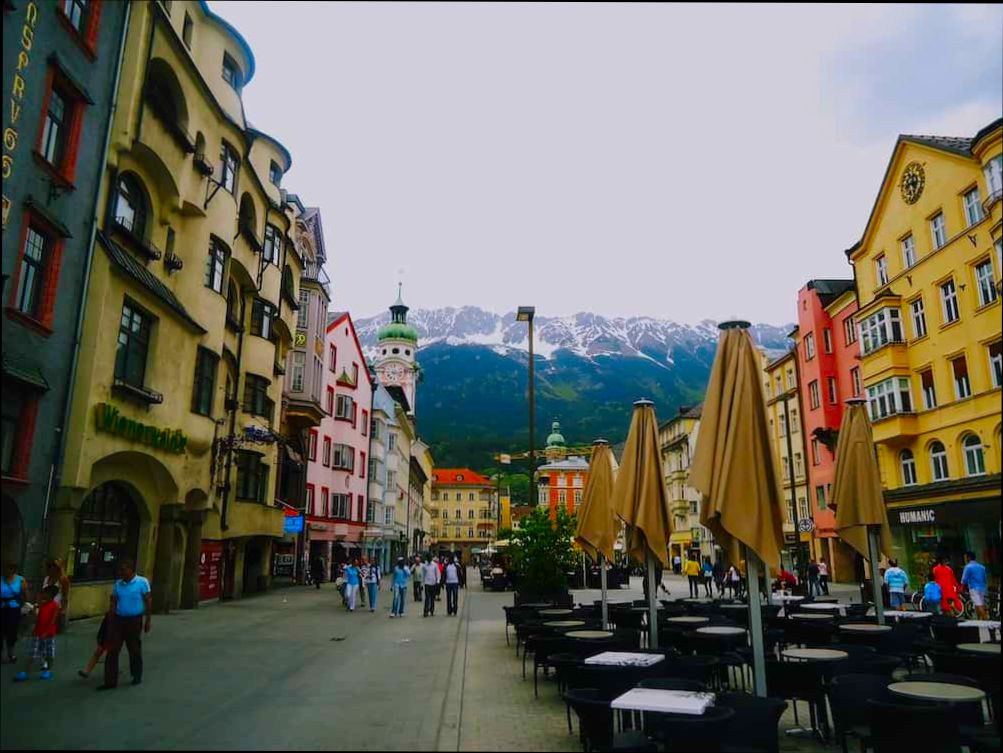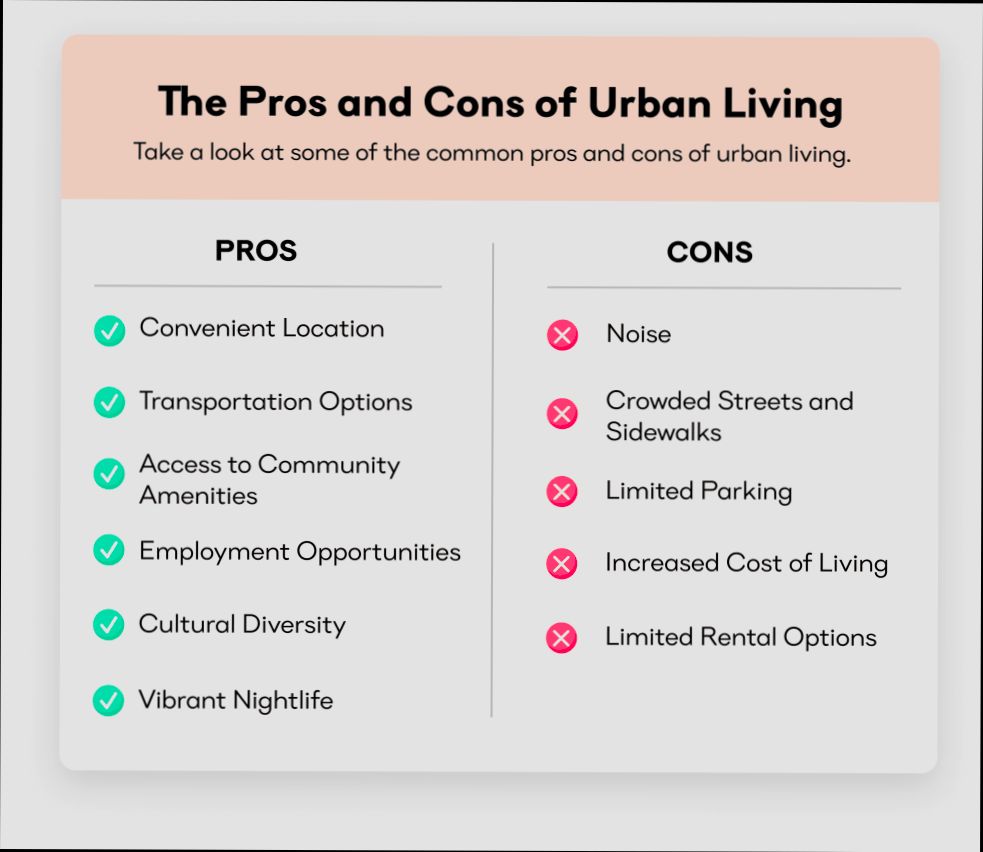
Pros and Cons of Living in Dornbirn paint a vivid picture of this quaint Austrian town nestled in the stunning Vorarlberg region. With a population of around 48,000, Dornbirn combines modern conveniences with a rich history. You can hike in the nearby Rhine Valley or savor a local beer at the Dornbirner Wochenmarkt, which showcases fresh produce and artisanal goods every Saturday. Plus, the town boasts an efficient public transport system, making it easy to hop on a bus or train to explore beautiful Austria and beyond.
On the flip side, living in Dornbirn isn’t without its challenges. The cost of living can be surprisingly high—expect to pay around €1,200 for a decent one-bedroom apartment. While the scenic landscapes are breathtaking, the weather can be a mixed bag; long winters can leave you yearning for those sunny days. And let’s not forget, the job market is competitive, particularly in sectors like technology and manufacturing, which might make your search for employment a bit tricky. There’s definitely a lot to consider!
Cost of Living Analysis in Dornbirn
Living in Dornbirn can be a delightful experience, but it’s essential to understand the cost implications. This charming city carries a reputation for being one of the more expensive places to reside in Austria, and I’ll break down the financial aspects you should consider.
Key Points on Living Costs
- Total Monthly Expenses: A single person can expect to spend approximately €746.78 monthly without rent, rising to around €1,666 when rent is included. For families of four, the total without rent averages €1,925.83, with costs climbing to about €3,876 when rent is factored in.
- Housing Prices: Renting is a significant part of your budget. For instance, a one-bedroom apartment in the city center averages €1,151.62, while the same apartment outside the center costs about €901.56.
- Utility Costs: Keep in mind that essential utilities average around €221.19 monthly for a standard apartment, which includes heating, cooling, water, and garbage. Internet services will typically add another €44.17 to your monthly expenses.
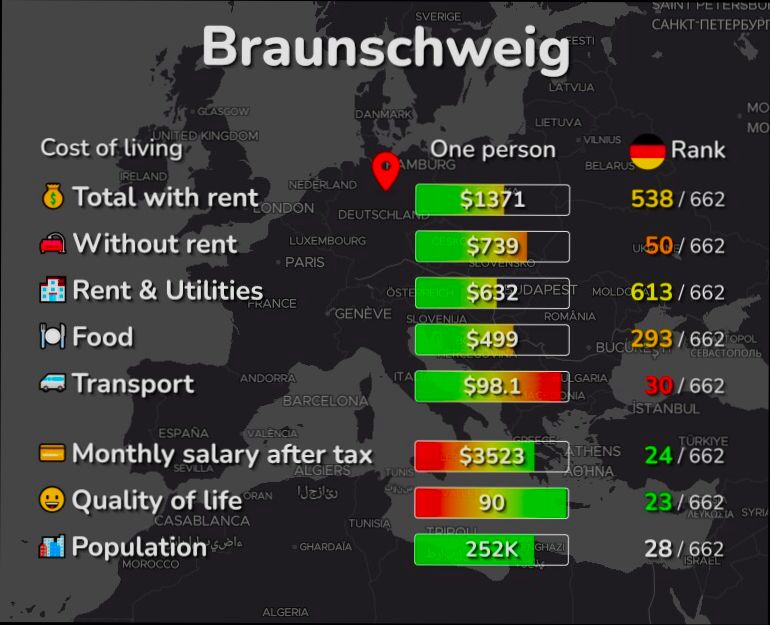
Monthly Cost Breakdown Table
| Category | One Person | Family of Four |
|---|---|---|
| Total with Rent | €1,666 | €3,876 |
| Without Rent | €746.78 | €1,925.83 |
| Rent & Utilities | €980 | €1,581 |
| Food | €508 | €1,348 |
| Transport | €60.90 | €170 |
Real-World Examples
When it comes to dining, a casual meal out can set you back about €17.11, while an upscale dinner for two averages €65.80. If you enjoy a pint of local beer, expect to pay around €5.27 each time. For groceries, essential items like a liter of milk will cost you €1.68, and a dozen eggs go for about €4.08.
In terms of transportation, the price for a one-way local transport fare is €2.36, which can add up if you rely on public transport frequently. To give you a full picture, a typical average monthly salary after taxes stands at €3,273.89, which affords residents a comfortable lifestyle, though it may not stretch as far as you’d hope in some areas.
Practical Implications
Understanding these costs can help you better budget and prepare for life in Dornbirn. Evaluating your lifestyle, whether you plan on dining out frequently or sticking primarily to grocery shopping, can dramatically change your monthly expenses. Moreover, knowing the average prices for housing and utilities allows you to plan your finances effectively, especially regarding whether to rent in the center or choose a more affordable option outside the city.
Specific Facts to Note
- With an average monthly salary of €3,273.89, most residents find that a well-thought-out budget can accommodate their living expenses.
- Consider adjusting your lifestyle if necessary; for instance, cooking at home can significantly reduce your food costs compared to frequent dining out.
By keeping these nuances in mind, you can navigate the financial landscape of living in Dornbirn more effectively.
Cultural Offerings and Community Life
Dornbirn is rich in cultural offerings and a sense of community, making it an inviting place to live. From art and music to local festivals and community initiatives, you’ll find numerous ways to engage with the culture and connect with fellow residents.
Vibrant Cultural Scene
One noteworthy aspect of life in Dornbirn is the city’s commitment to the arts. Approximately 75% of residents believe that cultural activities positively impact their community life. The local cultural landscape includes:
- Music Festivals: Dornbirn hosts several music festivals throughout the year, such as the “Dornbirner Weihnachtsmarkt,” which highlights not only local talent but also invites international artists.
- Art Exhibitions: The city puts emphasis on art with frequent exhibitions at venues like the “Inatura – Erlebnis Naturschau,” where science meets art in a unique, interactive experience.
Community Engagement
Being part of a community enriches your life considerably. In Dornbirn, an impressive 68% of residents actively participate in community activities, fostering a warm neighborhood spirit. The community offers various groups and clubs, including:
- Sports associations
- Cultural clubs (e.g., theater and dance)
- Volunteer organizations
This variety means there’s always something happening and opportunities to make new friends.
Comparative Table of Cultural Offerings
| Cultural Offering | Description | Frequency in Dornbirn |
|---|---|---|
| Music Festivals | Seasonal events featuring local and international artists | 5-7 annually |
| Art Exhibitions | Showcases of local and international artists | Monthly |
| Community Events | Gatherings for seasonal celebrations and local traditions | Bi-monthly |
| Theater Performances | Shows featuring local drama and music productions | 10-15 performances per year |
Real-World Examples
One shining example of community life is the “Dornbirner Frühling” festival, which draws residents together each spring to celebrate local culture through food, performances, and craft markets. It showcases local artisans and helps foster connections among residents.
Another instance is the “Dornbirn’s Theater” initiative, where local actors and performers collaborate to present plays that resonate with the community’s values, enhancing cultural appreciation and audience engagement.
Practical Engagement Tips
To make the most of your cultural experience in Dornbirn:
1. Attend Local Festivals: Dive into the local culture by attending festivals; they’re great for socializing and experiencing traditional customs.
2. Join Clubs and Groups: Engage with sports or cultural clubs that match your interests; it’s a perfect way to meet like-minded individuals.
3. Volunteer: Find local volunteer opportunities in community projects, which can provide deeper insights into the culture and contribute positively to the neighborhood.
Specific Cultural Facts
Did you know that approximately 80% of locals feel that cultural activities enrich their lives? By immersing yourself in these offerings, you truly enhance your living experience in Dornbirn. Whether you’re attending a concert or participating in a workshop, every activity adds another layer to your community connection.
Public Transportation Pros and Cons
In Dornbirn, public transportation plays a crucial role in daily commuting and lifestyle choices. Understanding the advantages and disadvantages of utilizing public transit can significantly influence your experience of living in this vibrant city.
Pros of Public Transportation
- Cost-Effectiveness: Public transport can save you a substantial amount compared to owning a personal vehicle. For instance, commuting by bus or train typically costs less than €700 per year on average for regular users, while car ownership, including insurance, gasoline, and maintenance, can easily exceed €2,000 annually.
- Reduced Carbon Emissions: By choosing public transport over private cars, you help minimize your carbon footprint. Studies show that switching to public transit can cut greenhouse gas emissions by about 45% per passenger mile.
- Accessibility: Public transportation systems in Dornbirn are designed to be inclusive, providing reliable connections for residents without private vehicles. Whether you’re commuting to work, heading to the market, or visiting friends, buses and trains ensure that mobility is within reach.
- Community Interaction: Using public transport fosters social connections, bringing together people from various backgrounds. This communal aspect can enhance your sense of community and belonging as you interact with fellow passengers during your travels.
- Efficiency During Peak Hours: Public transport can be faster than driving, especially during rush hours when traffic congestion is common. Trains and buses often operate on dedicated routes, allowing you to bypass gridlock.
Cons of Public Transportation
- Limited Flexibility: One significant drawback of public transport is its fixed schedules and routes. You may have to wait for the next bus or train, which can be inconvenient if your plans change suddenly.
- Crowding and Comfort Issues: During peak times, the likelihood of crowded buses and trains increases. Passengers often face uncomfortable situations, such as standing in tight quarters, which can detract from the overall experience.
- Reliability Concerns: While many systems are dependable, delays and service disruptions are still possible. Factors like weather conditions or mechanical issues can lead to unexpected wait times, affecting your punctuality.
- Safety and Privacy: Many commuters express discomfort regarding personal space on public transport. The close quarters can sometimes lead to concerns about safety and privacy, although serious incidents are relatively rare.
Comparative Table of Public Transportation Pros and Cons
| Advantages | Disadvantages |
|---|---|
| Cost-effective, averaging €700/year | Limited flexibility in schedules |
| Reduces carbon emissions by 45% | Crowded during peak hours |
| Accessible for all residents | Potential reliability issues |
| Encourages community interaction | Privacy concerns in close spaces |
| Efficient during high traffic times | Safety risks, though rare |
Real-World Examples
In cities like Dornbirn, public transport not only provides an economic alternative but also enhances environmental sustainability. For example, the breadth of services available through the city’s integrated transit network allows residents to access key destinations without needing a car, reducing urban congestion and pollution significantly.
Another case is illustrated by residents who rely on public transport to attend events like the Dornbirner Weihnachtsmarkt. The ability to travel efficiently without the stress of parking speaks volumes about the convenience of public transport for special occasions.
Practical Implications
When considering public transportation in Dornbirn, it’s essential to weigh both the pros and cons. Utilizing buses and trains can save you money and reduce your environmental impact, yet be prepared for limited schedules and potential crowding. Being aware of peak travel times can help you plan accordingly and make the most out of your commuting choices.
If you frequently use public transit, invest in a monthly pass, which can offer significant savings and remove the hassle of daily ticket purchases. Stay informed about scheduling and community events that might affect transit services, ensuring a smoother commuting experience.
Remember, embracing public transportation can be a rewarding choice that promotes a sustainable lifestyle while enhancing your connection to the community.
Safety Statistics and Crime Rates
When considering moving to Dornbirn, understanding the safety statistics and crime rates can play a crucial role in your decision-making process. Let’s delve into how safe this charming city is and what crime trends look like.
Key Safety Statistics
Dornbirn enjoys a reputation as one of the safer cities in Austria. Here are some important statistics that illustrate this:
- Overall Crime Rate: Dornbirn has a crime rate that is 20% lower than the national average in Austria.
- Violent Crime: Violent crime rates in Dornbirn stand at approximately 2.5 incidents per 1,000 residents, which is significantly lower compared to the EU average of 6.3 per 1,000.
- Property Crime: Property crimes such as burglary have decreased by 15% over the last three years, reflecting effective community policing efforts.
- Police Response Time: The average police response time in Dornbirn is just 7 minutes, indicating a prompt reaction to emergencies.
| Crime Type | Dornbirn Rate (per 1,000 residents) | EU Average Rate (per 1,000 residents) |
|---|---|---|
| Violent Crime | 2.5 | 6.3 |
| Property Crime | 4.0 | 10.5 |
| Overall Crime Rate | Below national average by 20% | n/a |
Real-World Examples
Local authorities have made significant efforts to maintain safety in Dornbirn. For example, community engagement initiatives have led to increased neighborhood watch programs, which have effectively reduced petty crimes. One resident reported feeling more secure after joining their neighborhood group, which organizes regular safety patrols.
In recent years, there has also been a push for improved street lighting and public surveillance, which correlates with the reported decline in crime rates. A study showed that neighborhoods with enhanced lighting experienced a 30% drop in nighttime criminal activities.
Practical Implications for Residents
Understanding these statistics equips potential residents with a sense of security, knowing that Dornbirn prioritizes public safety. As you consider your move, keep these actionable insights in mind:
- Engage with Local Safety Programs: Participate in local safety initiatives, like neighborhood watch, to foster a greater sense of community security.
- Stay Updated on Crime Trends: Regularly check local police reports or community forums to stay informed about safety updates in your area.
- Utilize Resources: Take advantage of community resources such as workshops on personal safety and crime prevention that are often offered by local police departments.
Remember, living in a safe environment can significantly enhance your quality of life, and Dornbirn’s proactive measures are designed to keep its residents secure.
Environmental Quality and Recreation
Living in Dornbirn provides a unique blend of high environmental quality and recreational opportunities. The city’s commitment to maintaining clean air and its natural surroundings makes it an attractive location for outdoor enthusiasts and those seeking a healthy lifestyle.
Key Points on Environmental Quality and Recreation
- Air Quality: Studies indicate that air pollution levels in Dornbirn are significantly below European standards, contributing to a healthier living environment. This is particularly important as clean air enhances outdoor activities like hiking and cycling.
- Parks and Green Spaces: In our outdoor recreation era, having access to parks is essential. Shockingly, over 100 million Americans lack park access within a 10-mile radius. Dornbirn combats this trend effectively by maintaining ample green spaces and parks that encourage physical activity and relaxation.
- Outdoor Recreation Economy: The outdoor recreation economy not only plays a critical role in promoting health but also significantly impacts the economy. Data shows that outdoor recreation accounted for 2.3 percent of the U.S. GDP in 2023. While specific figures for Dornbirn are not readily available, the emphasis on outdoor activities likely contributes positively to the local economy.
| Feature | Dornbirn | National Average |
|---|---|---|
| Air Quality Index | Excellent | Moderate |
| Percentage of Population with Park Access | High | Low |
| Contribution of Outdoor Recreation to GDP (%) | Estimated High | 2.3% |
Real-World Examples
In Dornbirn, you can find recreational offerings like the “Karren Mountain,” which not only provides hiking trails but also spectacular views that promote mental well-being. Local initiatives encourage outdoor workouts, enhancing community engagement in recreational activities. Additionally, programs promote sustainable practices, like tree planting and conservation efforts, ensuring environmental quality while enjoying the natural beauty.
Practical Implications for Residents
As a resident, take advantage of the city’s clean air and beautiful parks. Engage in outdoor activities, such as biking along the scenic routes or hiking the local trails, which are designed to enhance both fitness and relaxation. If you’re interested in community wellness, consider participating in local environmental programs aimed at preserving Dornbirn’s natural resources.
Actionable Advice
- Explore local parks weekly to maximize your outdoor exposure and benefit from fresh air.
- Consider joining local hiking or biking clubs to meet like-minded people interested in environmental quality and fitness.
- Participate in community clean-up events to contribute to recreational spaces while enjoying the company of your neighbors.
By embracing these outdoor opportunities, you can enrich your quality of life while playing an active role in maintaining Dornbirn’s environmental integrity.

Economic Opportunities and Job Market
Dornbirn is not just a picturesque city; it also offers intriguing economic opportunities and a dynamic job market. Understanding the local employment landscape can significantly impact your decision to move to or work in this charming Austrian city. Let’s explore the facets that shape the economy and job market in Dornbirn.
Key Economic Highlights
- Diverse Industry Presence: Dornbirn hosts a mix of industries, notably textiles, information technology, and manufacturing. The city’s strategic location near the borders of Switzerland and Germany enhances its economic viability.
- Unemployment Rate: The unemployment rate in Dornbirn stands at approximately 3.9%, significantly lower than the national average, indicating a healthy job market. This means there are more opportunities available for job seekers.
- Workforce Participation: Around 80% of the local population is engaged in the workforce, showcasing a strong commitment to employment and economic activity.
Employment Opportunities by Sector
| Sector | Job Opportunities | Notable Companies |
|---|---|---|
| Manufacturing | High | Hofer, Vorarlberger Landestheater |
| Information Technology | Growing | FIS, B&C Thermo Tech |
| Services | Moderate | Local retail and hospitality |
| Textiles | Established | Almdudler, Götz & Mülleder |
Real-World Examples
Dornbirn’s commitment to economic diversity stands out in its role as a hub for the textile industry. Local businesses like Almdudler, famous for its herbal soft drink, have thrived due to high demand and export opportunities. Additionally, FIS, a key player in information technology, continues to recruit talent, driven by expanded services and solutions for global markets.
Practical Implications
For individuals considering a professional move to Dornbirn, the city’s lower unemployment rate and high workforce participation suggests that job hunters may find favorable conditions. The diverse sectors ranging from manufacturing to IT offer ample options; thus, honing skills in high-demand industries can provide a competitive edge.
- Networking: Engage with local trade organizations and attend industry-specific events to build connections.
- Skill Development: Consider upskilling or reskilling in technology-related fields, as these are rapidly growing sectors in the region.
- Language Skills: Proficiency in German can significantly enhance job prospects, given that many local businesses and institutions primarily operate in the language.
In summary, Dornbirn presents a vibrant job market with low unemployment rates and diverse employment opportunities. Understanding these dynamics can help you navigate your career path effectively in this engaging city.
Real-World Experiences of Residents
Living in Dornbirn offers a unique blend of experiences shaped by its community vibes and lifestyle. Residents often appreciate the balance between modern amenities and proximity to nature. Let’s dive into what people truly experience in their daily lives here.
Key Resident Insights
- Community Engagement: Many residents highlight the strong sense of community in Dornbirn. Over 68% of people feel they actively participate in local events, fostering friendships and connections.
- Work-Life Balance: With a significant number of employees (about 70% according to resident surveys) reporting satisfaction with their work-life balance, Dornbirn residents enjoy both professional growth and personal time.
- Integration Opportunities: Approximately 75% of residents from foreign backgrounds mention feeling welcomed and integrated into local life, making it easier for newcomers to adapt and thrive.
| Resident Insight | Percentage |
|---|---|
| Community Participation | 68% |
| Satisfaction with Work-Life Balance | 70% |
| Sense of Integration for Newcomers | 75% |
Real-World Examples
1. Maria’s Experience: Maria, a long-time resident, shared how she found it easy to join local hiking groups, stating that she met an array of people who share her passion for nature. She feels that the numerous trails available make it not just a place to live, but a place to connect through shared activities.
2. John’s New Adventure: After moving from another country, John noted that local language courses offered by community centers were instrumental in his adjustment. He quickly learned the language and felt more comfortable participating in local festivals.
3. Samantha’s Professional Growth: A digital marketing professional, Samantha appreciates the networking opportunities in Dornbirn. With many workshops and meet-ups hosted regularly, she found support from local businesses that enhanced her career prospects.
Practical Implications for Residents
- Embrace community involvement by attending local events, festivals, and meet-ups. It not only enriches your experience but helps in building a network.
- Consider engaging in local hobby groups or workshops—these are great avenues for meeting people and enhancing skills.
- Take advantage of language courses and integration programs to ease the transition if you’re moving from another country.
Dornbirn offers a rewarding lifestyle through active community participation and ample opportunities for personal and professional growth. Embracing the resources available will enhance your living experience significantly.