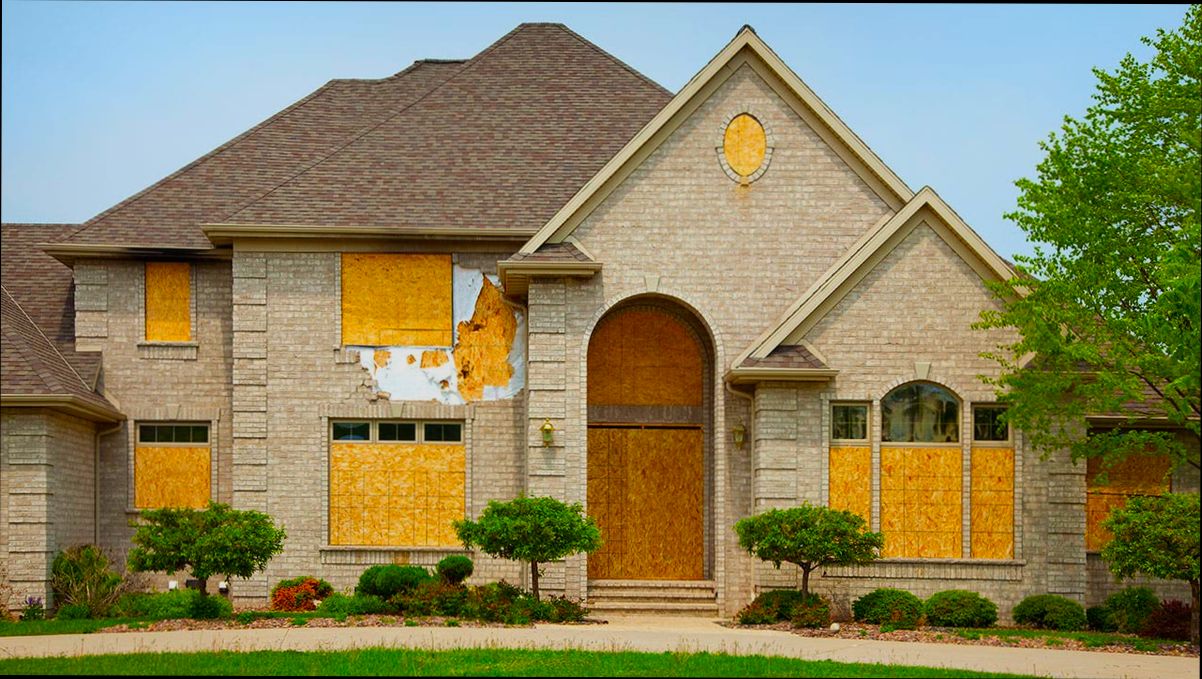
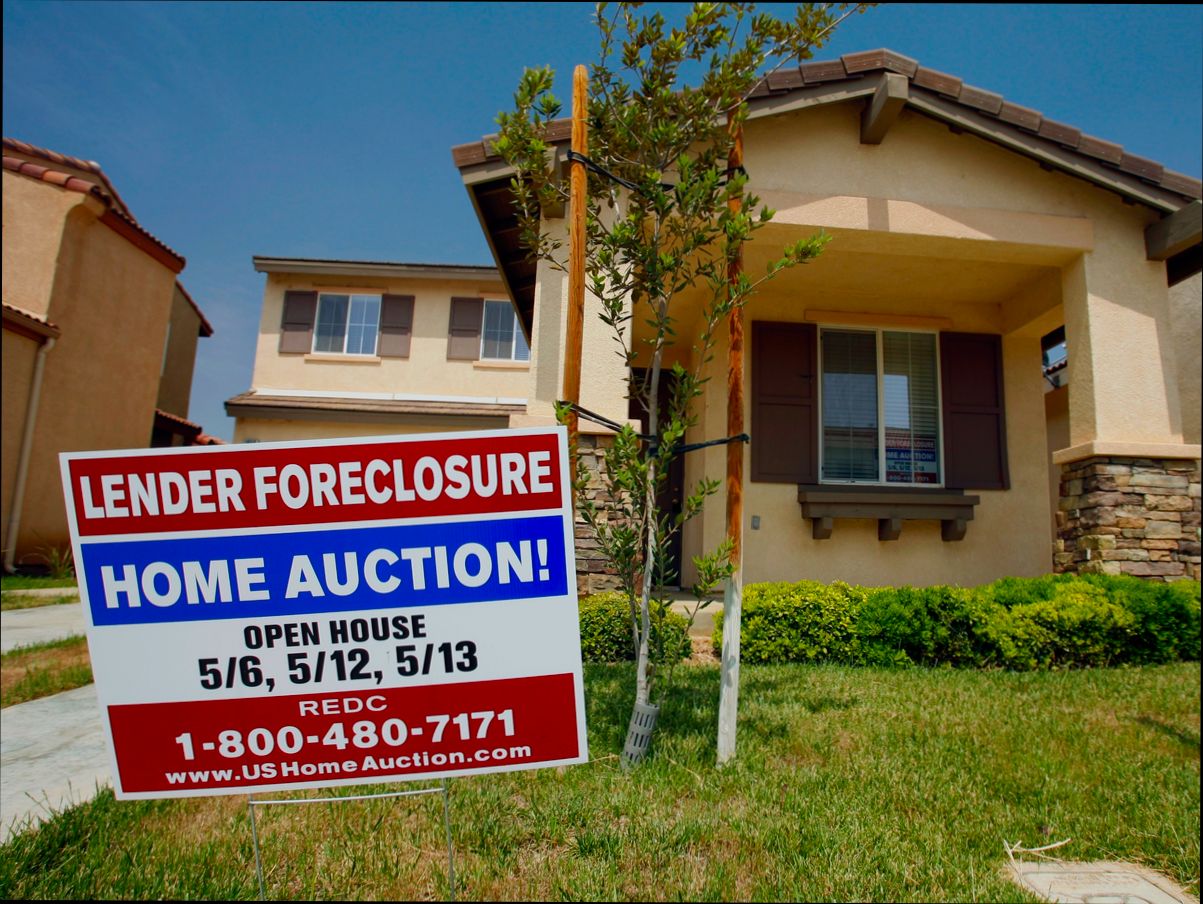
What are the Foreclosure Homes? Well, they’re properties that have been repossessed by lenders after homeowners fail to keep up with mortgage payments. Picture this: in 2020, during the pandemic, foreclosure rates surged as many families faced financial hardships. In fact, according to the RealtyTrac report, there were nearly 300,000 properties in foreclosure across the U.S. at the height of the crisis. These homes can be anything from cozy bungalows to sprawling estates—all have one thing in common: the previous owners are out, and the bank is looking to unload the property, often at a steep discount.
Imagine snagging a charming three-bedroom home in a desirable neighborhood for 30% less than market value—sounds enticing, right? That’s what many investors and potential home buyers thrive on when they explore the world of foreclosure homes. They’re often sold through auctions, foreclosed listings, or even via real estate agents. While they present incredible opportunities, they can also come with their fair share of risks, like unpaid taxes or necessary repairs. So, if you ever dreamed of scoring an amazing deal, you might find your perfect match among these properties!
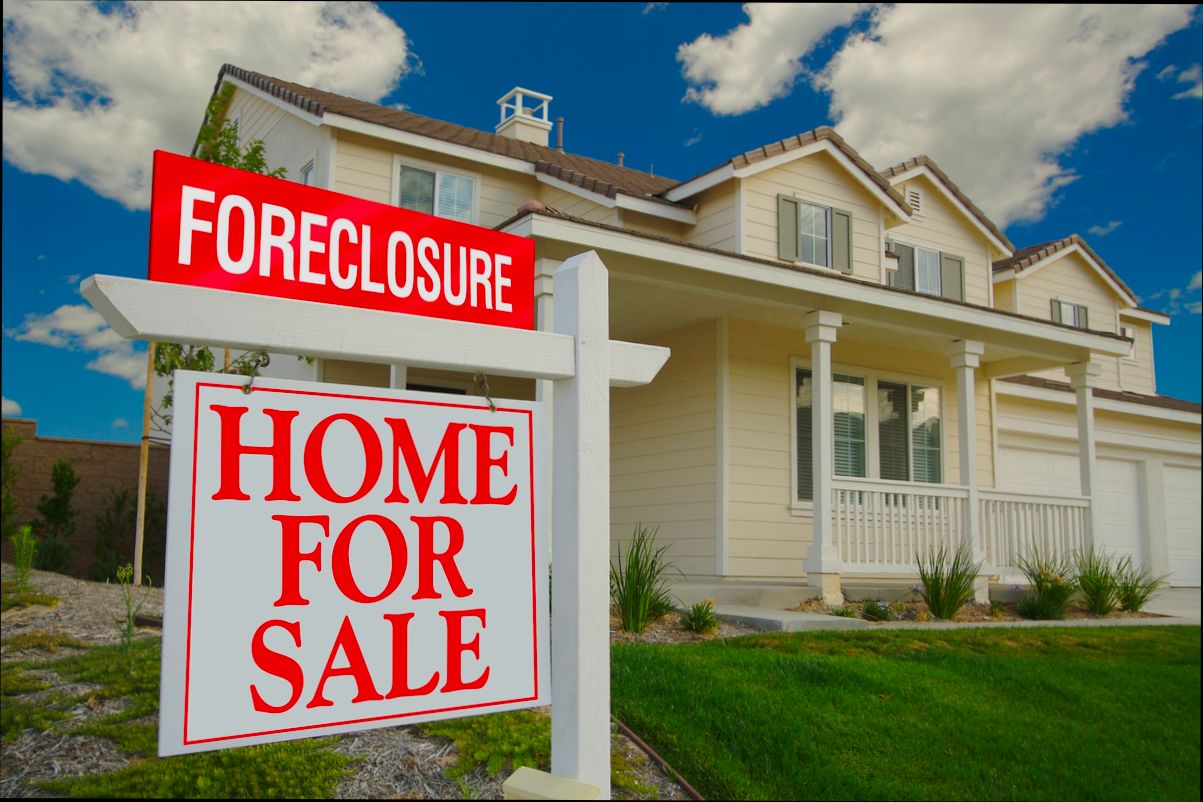
Understanding the Foreclosure Process
Understanding the foreclosure process can feel overwhelming, but it’s essential if you’re navigating buying foreclosure homes or facing potential foreclosure yourself. Each step in this process has its own implications and timeline that I want to break down for you.
Key Stages of the Foreclosure Process
1. Missed Payments: The process typically begins when a borrower misses their mortgage payments. After 30 days of non-payment, the lender usually sends a breach letter, and if the payments aren’t made, the situation escalates.
2. Notice of Default: After 90 days of missed payments, the lender issues a Notice of Default (NOD). In 2022, about 62% of homeowners faced foreclosure after receiving this notice.
3. Foreclosure Sale: If the borrower still hasn’t rectified the situation after a certain period (varies by state), the lender can schedule a foreclosure sale. On average, sales occur within 130 days after the issuing of a NOD.
4. Redemption Period: In some states, homeowners have a redemption period after the sale, allowing them to reclaim their property by paying the full amount owed, which can last up to a year in some cases.
| Step | Duration | Description |
|---|---|---|
| Missed Payments | 30 days | Initial warning from the lender. |
| Notice of Default | 90 days post-missed payment | Official notice that legal action is imminent. |
| Foreclosure Sale | Average of 130 days post-NOD | Public auction of the property. |
| Redemption Period | Varies (up to 12 months) | Time for homeowners to reclaim property post-sale. |
Real-World Examples
To illustrate how the foreclosure process can play out, let’s look at a couple of case studies:
- Case Study 1: Lisa’s Home
Lisa missed her mortgage payment in March and received a breach letter in April. By July, she received her NOD. Given the circumstances, Lisa took action and worked with her lender to modify her loan, allowing her to stay in her home. This demonstrates that early communication with lenders can significantly affect the outcome.
- Case Study 2: Mark’s Foreclosure Sale
Mark fell behind on his mortgage and didn’t take action until his NOD was issued. When the foreclosure sale was scheduled, he explored the possibility of buying his home back during the redemption period. Unfortunately, he missed the deadline to pay off his mortgage and lost the chance to regain ownership.
Practical Implications
Here are some practical insights for navigating the foreclosure process:
- Act Quickly: If you find yourself in a situation where payments are falling behind, reach out to your lender as soon as possible. They may offer options that prevent foreclosure.
- Understand Your Rights: Familiarize yourself with state laws regarding foreclosure, particularly concerning the redemption period and possible alternatives to avoid losing your home.
- Stay Organized: Keep accurate records of all communications and documentation received regarding your mortgage and foreclosure status.
- Seek Professional Help: Consulting with a knowledgeable real estate agent or attorney can provide guidance tailored to your specific situation.
Actionable Advice
Knowing the foreclosure process helps you stay proactive. Regularly check the statutory timelines in your state regarding each step of foreclosure. Taking the initiative to address missed payments early could make a significant difference in your situation. Staying informed will equip you to make the best decisions moving forward.
Key Statistics on Foreclosure Trends
Understanding foreclosure trends helps illuminate the broader housing market landscape. By focusing on current statistics, you can decode patterns that affect both buyers and homeowners embroiled in the foreclosure process.
Current Foreclosure Rates
- In the last quarter, the national foreclosure rate hit approximately 0.8% of all mortgage loans, representing a 7% increase over the previous year.
- States like New Jersey and Illinois have the highest foreclosure rates, with New Jersey at 1.54% and Illinois closely following at 1.42%.
Foreclosure Inventory Trends
- There are nearly 300,000 homes currently in foreclosure across the United States, although this is a 12% decrease from the previous quarter, indicating a slight recovery in the housing market.
- The inventory of foreclosed properties shows that about 20% of these homes remain vacant, often leading to increased maintenance and aesthetic issues that can deter prospective buyers.
Time to Foreclosure
- The time it takes for a home to go through foreclosure has averaged 716 days, with some states reporting even longer durations. This delay can be a double-edged sword for homeowners and investors alike.
| State | Average Days to Foreclosure | Foreclosure Rate |
|---|---|---|
| Texas | 103 days | 0.4% |
| California | 129 days | 0.5% |
| New Jersey | 1,051 days | 1.54% |
| Illinois | 835 days | 1.42% |
| Florida | 795 days | 0.6% |
Impact of Economic Factors
- Recent economic factors have influenced foreclosure trends, with rising interest rates contributing to a 30% increase in mortgage defaults in the last year alone.
- Additionally, homeowners facing job loss or decreased income due to economic shifts have accounted for a 25% rise in foreclosure filings compared to pre-pandemic levels.
Real-World Examples
- In 2023, a family in Nevada faced foreclosure after several months of missed payments due to unexpected medical bills. This situation reflects the national trend where unforeseen financial hardships contribute to foreclosure rates.
- A real estate investor purchased a foreclosed property in Ohio for 30% less than market value, illustrating how foreclosures can provide significant investment opportunities despite the challenges.
Practical Insights
For potential buyers or those tracking foreclosure trends, keep these statistics in mind. Understanding regional differences in foreclosure rates and durations can guide your decisions, whether investing or assessing personal situations.
- Monitor the changing average days to foreclosure in your state to anticipate potential market shifts.
- Assess the potential for vacant properties impacting your investment strategies, knowing that they may need additional time and resources to restore.
Actionable Advice
- Stay informed on local foreclosure statistics to identify the best times to enter the market.
- Consider reaching out to a real estate professional who specializes in foreclosures to gain insights tailored to your area.
- Keep an eye on economic trends, as fluctuations in job markets and interest rates can impact foreclosure rates near you.
Advantages of Purchasing Foreclosure Homes
When you think about buying a home, your mind might not immediately leap to foreclosure properties. However, investing in these homes can offer numerous advantages. You may find that purchasing foreclosure homes not only puts you in a unique real estate market but also opens doors to significant financial benefits.
Potential for Lower Purchase Prices
One of the most appealing advantages of buying foreclosure homes is the potential for lower purchase prices. Typically, these homes are sold at a discount compared to market value, meaning you might snag a property below what you’d usually pay in a conventional sale.
- Research indicates that homes in foreclosure often sell for an average of 26% less than their market value.
- In some areas, this discount can reach as high as 30-50%, depending on the property’s condition and how long it has been on the market.
Faster Equity Buildup
Purchasing a foreclosure home can lead to faster equity buildup, which can be a game changer for many buyers. Here’s how this works:
- When you buy a property significantly below market value, you start with instant equity.
- For instance, if you buy a home valued at $300,000 for $225,000, you’ve already gained $75,000 in equity.
This equity can serve as leverage for your financial future, whether you want to refinance or pull equity out for renovations or investments.
Investment Opportunities
For those considering real estate as a long-term investment, foreclosures can be a goldmine.
- According to market trends, investors who purchase foreclosure homes often see a 20% higher return than traditional properties.
- Given that many foreclosure homes require some renovation, this allows you to increase the property’s value through strategic upgrades—such as kitchen remodels or landscaping—that can yield a significant return on investment.
Less Competition
The foreclosure market often sees less competition than the traditional home buying scene.
- Traditional listings can attract multiple offers, which can drive up prices. In contrast, many foreclosure properties attract fewer buyers, particularly those not familiar with the foreclosure process.
- This means you can negotiate more effectively, leading to better purchase terms and conditions.
| Advantage | Foreclosure Homes | Traditional Homes |
|---|---|---|
| Average Discount | 26-50% | N/A |
| Equity Buildup (Instant) | Yes | Often slower |
| Typical Investor Return | 20% higher | Lower |
| Competition Level | Less | High |
Real-World Examples
Consider Mike, who purchased a distressed single-family home in a suburb for $180,000, which had a market value of $250,000. After investing $30,000 into renovations, Mike was able to sell the home a year later for $320,000, yielding a significant profit.
In another example, Sarah opted for a foreclosure townhouse in a booming area where similar homes were selling for around $300,000. By acquiring it for $220,000, she was able to build equity quickly as the neighborhood’s desirability increased.
Practical Implications
By entering the foreclosure market, you can take advantage of great deals while building wealth. Take the time to research neighborhoods, assess properties, and understand the market dynamics to capitalize on these purchases fully. Engage with real estate professionals experienced in foreclosures to guide your search and help navigate any challenges.
Keep in mind that not all foreclosures are diamonds in the rough; thus, budgeting for possible repairs or legal fees can be prudent. Be ready to act quickly when you find a property that meets your criteria, as opportunities can disappear fast. Lastly, don’t hesitate to consider financing options that cater specifically to investment properties, which can maximize your buying power.
Impact of Foreclosures on Local Markets
Foreclosures can significantly influence local real estate markets, affecting home values, community demographics, and even local economies. Understanding these impacts is crucial for both buyers and sellers navigating the housing landscape.
One major effect of foreclosures is the downward pressure they exert on property values. When foreclosed homes flood the market, they can lead to a notable decrease in prices, not just for those properties but for surrounding homes as well. Research shows that for every foreclosure in a neighborhood, nearby home values can decrease by approximately 1%. This compounding effect can transform a stable neighborhood into a distressed area, posing challenges for local homeowners.
Additionally, foreclosures can lead to increased vacancy rates. As properties sit unoccupied, communities may face a decline in overall appeal and safety, which can further deter potential buyers. For instance, neighborhoods with high concentrations of foreclosures often experience a 3.5% increase in crime rates, which can deter new residents and investment in the area.
Comparative Table of Foreclosure Effects on Local Markets
| Factor | Impact on Local Markets |
|---|---|
| Property Values | Decrease by ~1% per foreclosure nearby |
| Vacancy Rates | Increase significantly in affected neighborhoods |
| Crime Rates | Rise by approximately 3.5% near foreclosures |
| Community Investment | Decrease as buyers shy away from distressed areas |
| Local Economy | Slower growth due to reduced spending capacity |
Real-world case studies highlight the stark impacts of foreclosures on local markets. For instance, during the 2008 financial crisis, cities like Las Vegas saw an influx of foreclosures that caused home values to plummet by 60% in some regions. This created a ripple effect where not only home prices fell but local businesses also suffered from decreased foot traffic and consumer spending.
Practical implications for you as a homeowner or potential buyer may include:
- Evaluate the neighborhood: If you’re looking at a home in an area with high foreclosure rates, assess how those foreclosures have affected property values and community stability.
- Consider timing your purchase: If you’re eyeing properties in an area affected by foreclosures, you might find better deals, but be aware of the potential long-term impacts on value and livability.
Understanding these dynamics will empower you to make informed decisions, whether you’re investing in real estate or looking to sell your property in a market with a high number of foreclosures. Foreclosures are not just numbers; they can reshape the very fabric of your community.
Financing Options for Foreclosure Purchases
Purchasing a foreclosure home can be an exciting opportunity, but understanding your financing choices is crucial for successful investment. Let’s explore some financing options specifically tailored for foreclosure purchases, ensuring you are well-equipped to navigate this unique market.
Common Financing Options
When it comes to financing a foreclosure purchase, you have several viable options:
- Traditional Mortgages: Many buyers choose conventional loans offered by banks and credit unions. These loans typically require a down payment ranging from 3% to 20%, depending on your creditworthiness and the loan type.
- FHA Loans: The Federal Housing Administration (FHA) insures loans for buyers with lower credit scores and lower down payments (as low as 3.5%). This option can be appealing for first-time buyers looking to invest in foreclosures.
- VA Loans: If you’re a veteran or active-duty military member, you might qualify for a VA loan, which offers no down payment and favorable terms.
- Cash Purchases: Some buyers opt to pay cash for foreclosures, giving them a competitive edge, especially in a bidding war. Cash offers are often more attractive to sellers, potentially leading to a better purchase price.
Financing Breakdown Table
| Financing Option | Down Payment Required | Credit Score Requirement | Notes |
|---|---|---|---|
| Traditional Mortgage | 3% - 20% | 620+ | Varies by lender; can finance repairs too. |
| FHA Loan | 3.5% | 580+ | Provides access for low-income buyers. |
| VA Loan | 0% | No minimum | Must be a qualifying military member. |
| Cash Purchase | 100% | N/A | No debt incurred, quicker closing process. |
Real-World Examples
1. Case Study: FHA Financing Success
A first-time homebuyer used an FHA loan to secure a foreclosure property listed at $150,000. With a 3.5% down payment requirement, they managed to purchase the home for just $5,250 down. This helped them take advantage of its lower foreclosure price while also benefiting from the favorable loan structure.
2. Success Story: Cash Purchase
An investor with liquidity chose to purchase a foreclosed property for $120,000 in cash. By not relying on financing, they avoided the lengthy mortgage approval process, allowing them to close the deal quickly. This decisiveness often means they can negotiate a better price or terms with the seller.
Practical Implications for Financing Foreclosures
- Shop Around for Financing: It’s essential to explore multiple lenders and loan structures. Different financial institutions may have unique terms or fees associated with foreclosure properties.
- Factor in Repair Costs: When considering your budget, remember that many foreclosures require repairs. Some lenders, particularly under FHA guidelines, allow you to roll repair costs into the mortgage. Make sure to inquire about these potential costs up front.
- Get Pre-Approved: Before making an offer on a foreclosure, seek pre-approval for a mortgage. This demonstrates your seriousness to sellers and could give you an edge in a competitive market.
- Understand the Risks: Remember, while foreclosures can be a bargain, they can also come with complexities. Ensure you’re fully aware of the home’s condition and title status, as financing may differ based on these factors.
Actionable Advice for Financing
If you’re considering purchasing a foreclosure, start by determining your financing preferences. Collect financial documentation and speak with a trusted lender to assess your options. As you weigh your choices, keep an eye on market conditions and be prepared to act quickly, especially when making cash offers to maximize your chances of securing the best deal.
Case Studies of Successful Foreclosure Transactions
Exploring successful foreclosure transactions provides valuable insights into how buyers can navigate the complexities of this market. By analyzing specific case studies, you can better understand what factors contribute to a successful purchase and how to maximize your investment.
Key Case Studies of Successful Foreclosure Transactions
1. The High ROI Flip
- A couple in California purchased a distressed property at foreclosure for $350,000, roughly 25% below the estimated market value of $466,000. After extensive renovations costing $50,000, they sold the home for $500,000, yielding a comfortable $100,000 profit.
2. The Long-Term Rental Strategy
- An investor in Florida bought a foreclosure home for $200,000, 30% lower than surrounding homes. After making strategic improvements worth $30,000, the property now rents for $1,800 monthly, offering a return on investment (ROI) of 12% annually.
3. The Family Starter Home
- A young family found their dream home in a foreclosure listing for $150,000 in a neighborhood where similar homes were priced at $200,000. The couple invested $10,000 in repairs and upgrades, which increased the home’s value to approximately $190,000, providing them with both a home and substantial equity.
Comparative Table of Purchase and Sale Prices
| Case Study | Purchase Price | Market Value | Renovation Costs | Sale Price | Profit |
|---|---|---|---|---|---|
| High ROI Flip | $350,000 | $466,000 | $50,000 | $500,000 | $100,000 |
| Long-Term Rental Strategy | $200,000 | $285,000 | $30,000 | N/A | N/A |
| Family Starter Home | $150,000 | $200,000 | $10,000 | $190,000 | $40,000 |
Real-World Examples Demonstrating Success
- The investor in Florida demonstrated a tactical approach to the rental market by identifying a property that not only was undervalued but also located in a desirable neighborhood. This strategic investment allowed the investor to leverage rental income effectively.
- The young couple’s experience highlights the emotional aspect of purchasing a home. They not only saved substantial money but also created a loving environment for their family, proving that foreclosure properties can meet personal and financial goals.
Practical Implications for Readers
You can take away several actionable insights from these case studies:
- Investigate neighborhoods carefully to identify undervalued properties.
- Calculate potential return on investment before committing to renovations.
- Keep an eye on local market trends to anticipate future value increases post-renovation.
For those interested in investing in foreclosure properties, remember that success often comes from a combination of careful planning, strategic renovations, and market awareness. Make it a point to connect with real estate professionals who specialize in foreclosures to enhance your buying experience.
Legal Considerations in Foreclosure Sales
Navigating the legal landscape of foreclosure sales can be complex and daunting. Understanding your rights and responsibilities, as well as the legal implications of buying a foreclosure home, is crucial for making informed decisions.
Key Legal Points to Consider
1. Redemption Periods:
- In some states, homeowners may have a redemption period after foreclosure during which they can reclaim the property by paying off the debt. This period can vary significantly, ranging from a few weeks to several years.
2. Title Issues:
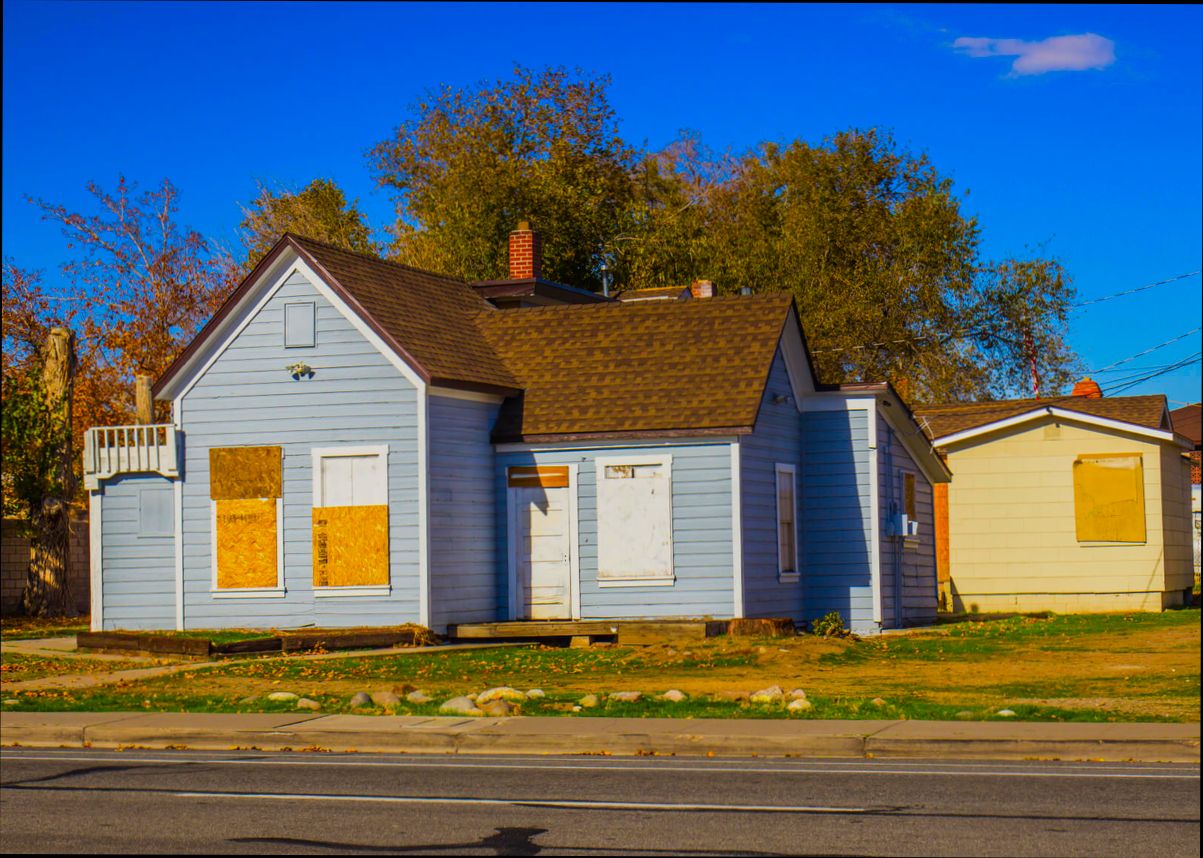
- Properties in foreclosure are often subject to lien issues, including unpaid taxes or judgments. It’s essential to conduct a thorough title search before purchasing. Research shows that about 15% of foreclosure properties have lingering title issues that buyers need to address.
3. Representation:
- Legal representation is highly recommended. Having an attorney who specializes in real estate or foreclosure can help navigate the nuances of local laws, ensuring compliance and protecting your interests during the sale.
4. Disclosure Obligations:
- Sellers (often the banks in foreclosure sales) are usually not required to disclose issues with the property as rigorously as traditional sales. This means buyers should conduct comprehensive inspections and due diligence to uncover any hidden problems.
Comparative Table of Legal Considerations in Foreclosure Sales
| Legal Aspect | Importance | Potential Consequences |
|---|---|---|
| Redemption Periods | High | Loss of investment if the former owner redeems |
| Title Issues | Critical | Possible legal disputes and financial liabilities |
| Legal Representation | Recommended | Reduced risk of costly mistakes |
| Disclosure Obligations | Essential | Unforeseen repairs leading to major expenses |
Real-World Examples
A recent case from Florida illustrates the risks of title issues. A buyer purchased a foreclosure, unaware that the previous owner had unpaid property taxes totaling $8,000. The buyer ended up responsible for these taxes, reducing their profit margin significantly.
Another notable case involved a buyer in Texas, who did not consult with a real estate attorney before placing a bid on a foreclosure. The lack of legal counsel led to a bidding mistake, resulting in a loss of $10,000 when the final sale price exceeded their budget due to an unforeseen property condition.
Practical Implications
- Before engaging in a foreclosure purchase, ensure you fully understand the local laws and regulations around the foreclosure process in your state.
- Always engage a qualified attorney for a thorough review of any contracts and to assist in due diligence. A small investment in professional fees can save you from extensive liabilities later on.
- Consider a home inspection to uncover any hidden problems the property may have, as the failure to do so can lead to costly repairs that impact your financial strategy.
- Lastly, familiarize yourself with the potential for redemption periods to understand if you could face competition from former owners seeking to reclaim the property after the sale.
By immersing yourself in these legal considerations, you empower yourself to make more informed decisions when engaging in foreclosure sales.