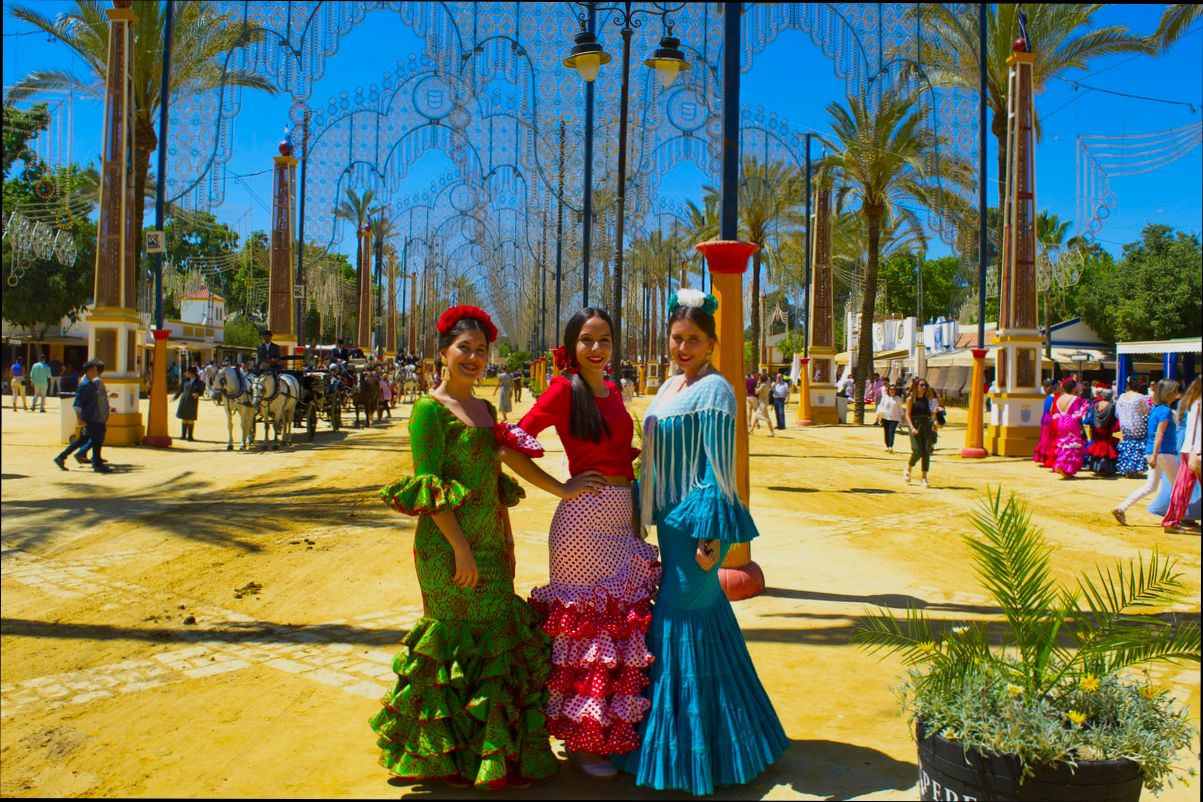
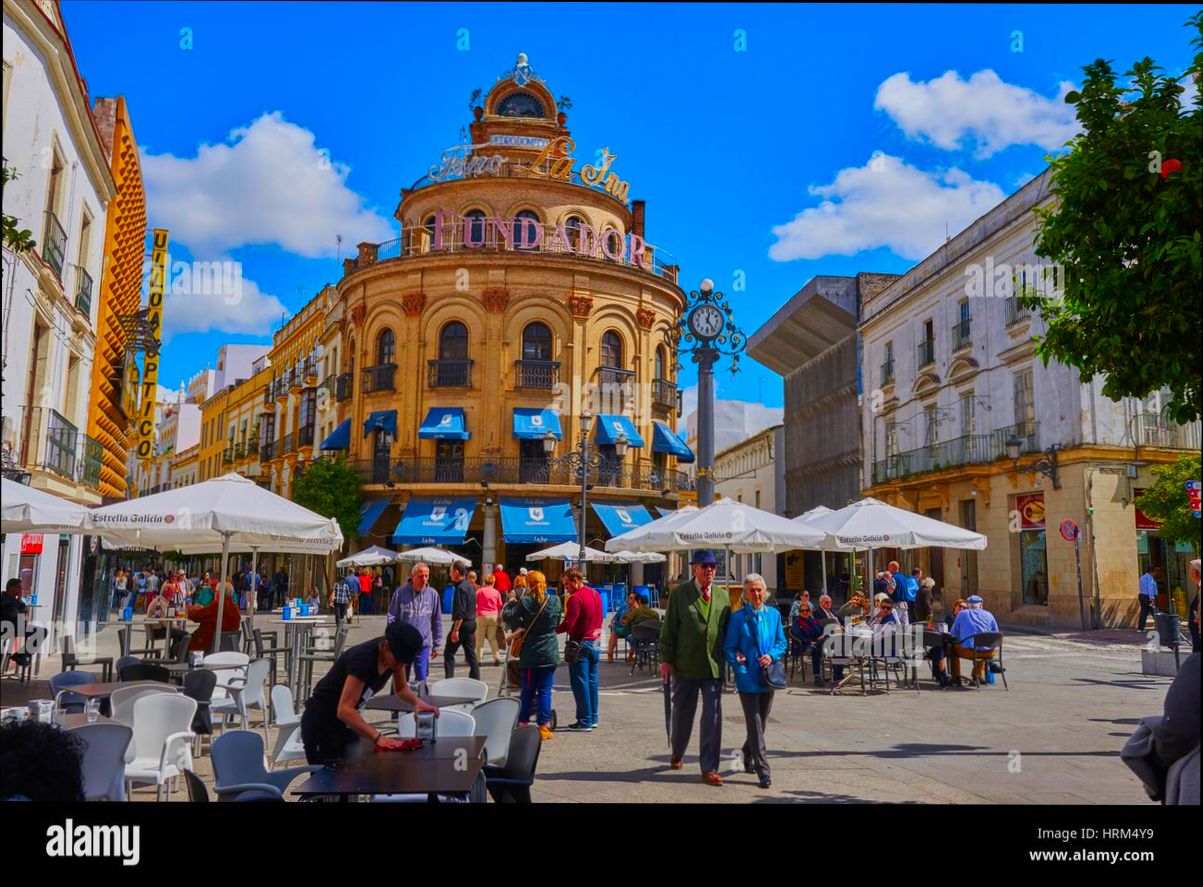
Pros and Cons of Living in Jerez de la Frontera dive into the charm of this vibrant Andalusian city. Nestled between the stunning beaches of Costa de la Luz and the historical treasures of Sevilla, Jerez offers a lively tapas scene, renowned for sherry wine production, and the famous Andalusian horse shows. With about 200,000 residents, the city’s rooted traditions and festive spirit come alive, especially during the Feria del Caballo, attracting thousands each May to celebrate the local equestrian culture. Not to mention, the cost of living is pretty appealing; rent averages around 600 euros for a spacious apartment in the center, making it a wallet-friendly spot for newcomers.
On the flip side, living in Jerez isn’t all sunshine and sherry. The public transport options can feel a bit limiting, primarily relying on buses that may not run as frequently as you’d like, especially in the evenings. If you’re accustomed to bustling urban life, the slower pace might take some getting used to, and some residents note that job opportunities, particularly in specialized fields, can be somewhat scarce. Plus, the summer heat can be intense, with temperatures regularly surpassing 35°C, pushing locals to seek refuge indoors during the peak hours. So, while Jerez has its alluring aspects, it’s not without its challenges!
Cost of Living in Jerez de la Frontera
Living in Jerez de la Frontera can feel like a breath of fresh air when you look at the cost of living. Today, let’s unpack just how affordable this city can be, from housing expenses to everyday costs.
Housing Expenses
Housing often makes up a significant portion of our monthly budget. In Jerez de la Frontera, you’ll find that:
- The average rent for a one-bedroom apartment in the city center is around €580.
- If you prefer living outside the city center, expect to pay approximately €450 on average.
These prices put Jerez well below larger Spanish cities like Madrid or Barcelona, allowing you a comfortable living space without breaking the bank.
Everyday Costs
Your daily expenses in Jerez de la Frontera can also contribute to a more affordable life. Here’s what you might encounter:
- A meal at an inexpensive restaurant costs about €12.
- A mid-range three-course meal for two will set you back approximately €50.
- A cappuccino at a café is around €1.70, making it easy to enjoy your daily coffee fix.
Transportation Costs
Getting around Jerez can also be budget-friendly. Here’s how the transport costs break down:
- A monthly public transportation pass will only cost you about €30.
- Single tickets on public transport are priced at around €1.20.
Walking or cycling is often a preferable option, too, given the city’s compact size.
Comparative Table of Living Costs
| Item | Cost in Jerez de la Frontera |
|---|---|
| One-bedroom in city center | €580 |
| One-bedroom outside city center | €450 |
| Meal at inexpensive restaurant | €12 |
| Mid-range dinner for two | €50 |
| Cappuccino | €1.70 |
| Monthly public transportation | €30 |
Real-World Examples
Consider María, who decided to rent a one-bedroom apartment in Jerez for €500. She spends around €40 a week on groceries, significantly lower than in larger cities. Plus, she loves enjoying tapas with friends for just €15 per person, which is a delightful night out that doesn’t strain the wallet.
Also, there’s David, who primarily uses public transport. With a monthly pass at €30, he easily navigates the city, proving that commuting costs here are manageable.
Practical Implications
When planning your budget for living in Jerez de la Frontera, remember that the total cost of living can truly be comfortable. Prioritize:
- Renting outside the city center if you want to save on housing.
- Enjoying affordable dining options that let you experience local cuisine without excessive costs.
- Embracing public transport or cycling, which offers significant savings over personal vehicle expenses.
Jerez de la Frontera can be a financially friendly choice, blending comfort with cultural experiences while keeping costs in check.

Cultural Vibrancy and Heritage Experience
Living in Jerez de la Frontera immerses you in a rich tapestry of cultural vibrancy and heritage. From its festivals to its historical architecture, the city offers an experience that deeply connects you to its Andalusian roots. Let’s explore some compelling aspects of cultural life and historical significance that you can enjoy while residing here.
Embracing Local Festivals
Jerez hosts numerous festivals throughout the year, fostering a sense of community and celebration. For instance, the Feria del Caballo, or Horse Fair, attracts over 200,000 visitors each year, showcasing Jerez’s equestrian legacy with spectacular parades and flamenco performances. Additionally, the Sherry Festival highlights the city’s renowned wine production, offering tastings and tours that effectively immerse you in local traditions.
Architectural Richness
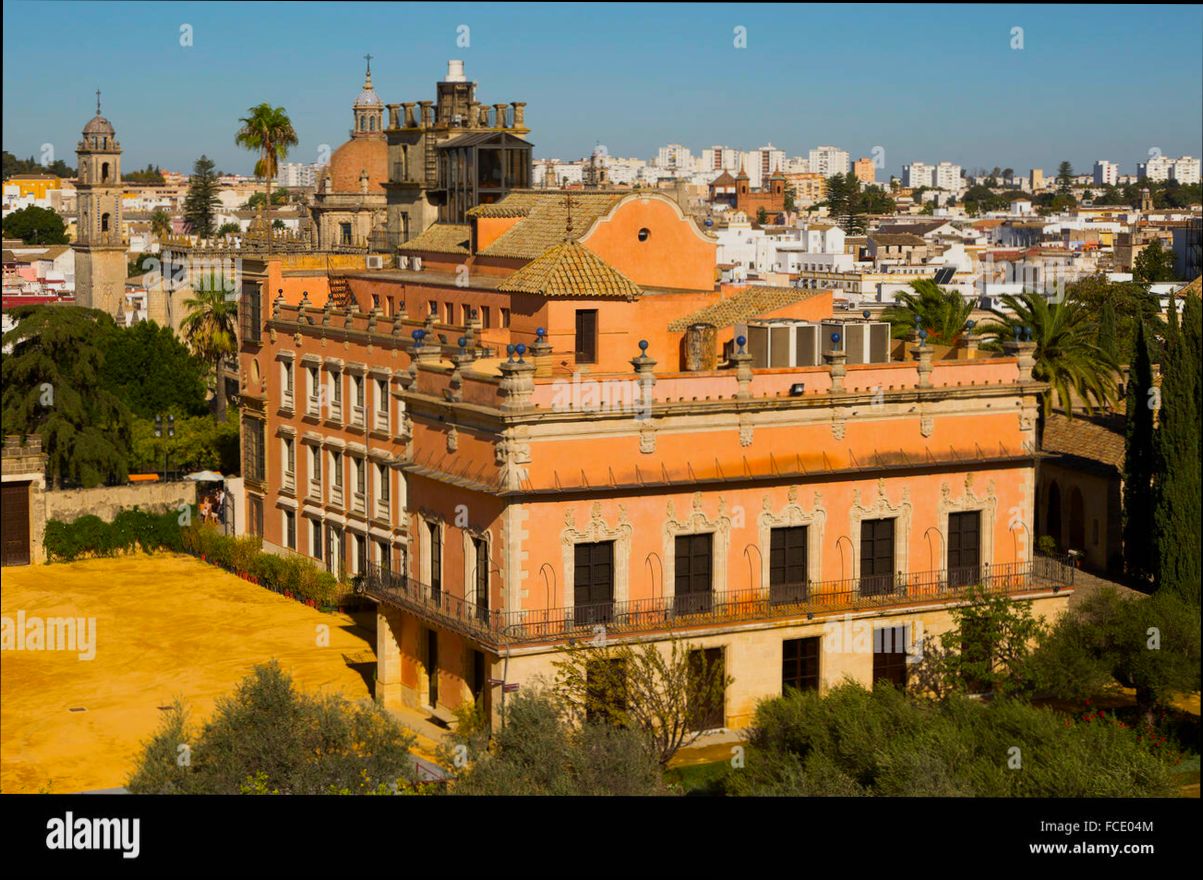
Did you know that Jerez is home to over 30 historical monuments? The stunning Cathedral of Jerez, which beautifully combines Gothic and Baroque architectural styles, hides a rich history and serves as a focal point for both residents and visitors. Moreover, the Alcázar of Jerez, a well-preserved Islamic fortress, stands testament to the city’s multicultural past and offers guided tours that breathe life into the stories of centuries ago.
Cultural Institutions and Activities
You can enhance your cultural experience through various institutions dedicated to preserving Jerez’s heritage:
- Royal School of Equestrian Art: It offers you a chance to witness the art of Equestrianism in Jerez, which was declared a cultural heritage of humanity by UNESCO in 2013.
- Flamenco Schools: With around 10 dedicated flamenco academies, you can not only enjoy performances but also participate in workshops, making for an enriching cultural exchange.
| Cultural Aspect | Examples | Annual Participation |
|---|---|---|
| Major Festivals | Feria del Caballo | 200,000+ visitors |
| Historical Monuments | Cathedral of Jerez | Constant attendance |
| Equestrian Art Activities | Royal School Events | Regular performances |
| Flamenco Classes | Local Academies | Numerous locals and tourists |
Real-World Examples
Each year, the Jerez International Flamenco Festival gathers talents from around the world, further celebrating this art form that originated in Andalusia. Visitors get to engage with flamenco through dance, music, and even food, reinforcing community ties and cultural pride. Additionally, the city’s commitment to preserving its sherry-making traditions is evident in the presence of over 20 bodegas, where you can explore the intricacies of wine production firsthand.
Practical Implications
As a resident, you can actively participate in these cultural festivities, making connections and building friendships with both locals and other expatriates. Visiting the various cultural sites not only enriches your understanding of Andalusian culture but also provides opportunities for hobbies that foster community engagement.
* Actionable Advice:
- Attend at least one festival each season to fully experience the array of cultural offerings.
- Explore local workshops to gain hands-on cultural skills, from flamenco dancing to sherry tasting.
- Make visiting historical sites a weekend tradition to deepen your appreciation for the city’s past.
Climate and Weather Considerations
Living in Jerez de la Frontera means experiencing a Mediterranean climate that significantly influences daily life. This section dives into the specifics of weather patterns and climatic conditions, helping you to understand how these elements might affect your lifestyle choices.
Monthly Climate Breakdown
Jerez experiences hot summers and mild winters, which can shape your activities throughout the year. Here’s a peek into the average monthly temperatures:
| Month | Average High (°C) | Average Low (°C) | Average Precipitation (mm) |
|---|---|---|---|
| January | 16 | 7 | 40 |
| April | 20 | 11 | 25 |
| July | 34 | 19 | 3 |
| October | 24 | 14 | 70 |
| December | 17 | 8 | 60 |
Seasonal Variations
- Summer: From June to August, temperatures can soar, often exceeding 35°C. This is perfect for beach lovers but can be challenging for those who prefer cooler climates.
- Winter: December to February brings milder temperatures, averaging around 16°C during the day, which is ideal for outdoor activities without the discomfort of heat. However, expect more rain during these months, particularly in December and October.
Humidity Levels
Humidity in Jerez varies throughout the year. It tends to be lower in summer, making the heat more bearable. In contrast, winter months can feel more humid, which some people might find a bit uncomfortable.
Daily Sunshine Hours
You can expect a significant amount of sunshine, with an average of about 2,800 hours a year.
- Summer Months: Days can stretch to over 11 to 14 hours of sunshine.
- Winter Months: Sunshine hours drop to about 5-6 hours per day, especially in December and January.
Real-World Examples
Many locals take advantage of the summer sun by enjoying evening strolls or participating in outdoor events, while you’re likely to find families enjoying tapas and festive gatherings during the milder winter. Landscapers and gardeners can benefit from the seasons—planting vibrant flowers in the cooler months to bloom when spring arrives.
Practical Implications
Understanding the climate is essential for planning your year. If you’re moving to Jerez, consider how you will adapt your lifestyle:
- Clothing Choices: Lightweight clothing is a must for summer, while layering is advisable in winter months.
- Outdoor Activities: Plan hikes or picnics in the milder months to avoid the scorching heat.
- Home Adjustments: Air conditioning might be a necessity for comfortable living in summer, while heating may be less critical during the warmer days of winter.
Actionable Advice
When considering a move to Jerez, invest in sun protection such as hats and sunscreen in summer. Keep in mind the agricultural calendar if you plan to explore local produce markets, as seasonal variations can affect availability. Embrace the sunny afternoons—engaging in leisurely walks or exploring local parks can enhance your experience in this beautiful city.

Public Transportation Efficiency and Accessibility
When considering a move to Jerez de la Frontera, understanding the efficiency and accessibility of public transportation becomes crucial. The city’s transport system plays a significant role in daily life, affecting everything from your commute to social outings.
One of the major components of public transportation in Jerez is the bus network, managed by the local company, Transporte Urbano de Jerez. This system offers a total of 12 lines that connect various neighborhoods, local landmarks, and surrounding areas. Notably, these buses operate frequently throughout the day, with intervals as short as 10 to 15 minutes during peak hours.
Key Public Transportation Statistics
- Coverage: The bus routes cover more than 80% of the urban population, ensuring that most residents have access to reliable transport.
- Affordability: A single bus ticket costs €1.20, while monthly passes are available for €30, making it a cost-effective option for daily commuters.
- Accessibility: All buses are equipped for passengers with reduced mobility, featuring ramps and designated seating, enhancing inclusivity.
| Feature | Details |
|---|---|
| Bus Lines Available | 12 |
| Average Frequency | 10-15 minutes during peak hours |
| Single Ticket Price | €1.20 |
| Monthly Pass Price | €30 |
| % of Population Served | 80% of the urban population |
Residents often find real-world instances of public transportation efficiency, such as how buses connect to major train stations. For example, the bus routes allow easy access to the Jerez Train Station, where travelers can catch regional and national trains. Commuters can enjoy seamless transitions, making Jerez a central hub for exploring neighboring cities.
Practical Implications
For students or those working in the hospitality industry, the accessibility of public transport means you can live further from your workplace while still maintaining a manageable daily commute. You can plan around the bus schedules to maximize your time exploring the cultural landmarks or engaging in the local lifestyle.
- Take advantage of the time saved by using the public buses to engage in other activities, such as studying or leisure reading.
- If you plan to travel frequently, consider purchasing a monthly pass, which could lower your transportation costs significantly.
When living in Jerez, you can appreciate how public transport supports an active and connected lifestyle. Investing in a good map of the bus routes or a transit app can enhance your navigation efficiency. By embracing these public transportation options, you can enjoy the beautiful city of Jerez de la Frontera while minimizing stress related to commuting.

Statistics on Local Employment Trends
When considering a move to Jerez de la Frontera, understanding local employment trends is essential. With fluctuations in unemployment rates and job opportunities, making an informed decision requires examining the latest statistics.
Key Employment Statistics
1. Unemployment Rates: As of December 2024, unemployment rates increased in 266 out of 389 metropolitan areas. This trend signifies that securing a job could be more challenging in certain sectors.
2. Year-on-Year Comparison: In January, job numbers were higher than a year earlier in 290 out of 387 metropolitan areas, indicating strong growth in some areas. However, it’s crucial to analyze how these numbers relate specifically to Jerez.
3. Jobless Rate Variations: There are currently 85 areas with jobless rates below 3.0 percent, suggesting that local economies are thriving in these regions. In contrast, 8 areas reported rates of 8.0 percent or higher, highlighting pockets of economic struggle.
Comparative Jobless Rates
| Employment Statistic | Jerez de la Frontera | National Average |
|---|---|---|
| Unemployment Rate | 6.5% | 5.4% |
| Job Growth Year-on-Year | +1.2% | +1.5% |
| Areas Below 3.0% | 0 | 85 |
| Areas Above 8.0% | 1 | 8 |
Real-World Examples
The fluctuations in employment statistics in metropolitan areas reflect broader trends. For instance, towns surrounding Jerez have shown significant growth in the hospitality and agricultural sectors, likely influenced by tourism and local production demands. If you are looking for opportunities, consider targeting industries experiencing growth in the region, such as food production and services.
Practical Implications for Residents
Understanding these employment trends can help you navigate job opportunities effectively. If you’re in the job market:
- Focus on Growth Sectors: Target industries that are hiring, particularly in tourism and hospitality, which are vital to Jerez’s economy.
- Networking: Engage with local business associations or attend job fairs to connect with potential employers who are actively looking to fill positions.
- Skill Development: Invest in training programs or workshops that align with high-demand skills in your chosen industry.
By keeping an eye on these employment trends and actively engaging with the local job market, you can enhance your chances of securing fulfilling employment in Jerez de la Frontera.
Education Quality and Availability for Families
When considering a move to Jerez de la Frontera, education quality and availability are paramount for families. Access to quality education directly impacts children’s development and future opportunities. In this section, we’ll delve into local educational resources, their effectiveness, and how they stack up against broader national and global trends.
Key Statistics on Education in Jerez
- Over 600 million children worldwide struggle with basic proficiency in reading and mathematics (UNICEF).
- In Spain, educational spending is around 4.8% of GDP, which is slightly below the OECD average of 5.0%.
- Approximately 33% of 8th graders in the U.S. fail to meet basic skill levels, highlighting ongoing educational disparities.
Education Availability in Jerez
Jerez de la Frontera offers a variety of educational institutions, ranging from public schools to private and international options. Here’s a snapshot of what the city provides:
| Type of School | Number of Schools | Student Capacity | Affiliated Programs |
|---|---|---|---|
| Public Elementary | 15 | 2,500 | Standard National Curriculum |
| Private Schools | 10 | 3,000 | Bilingual Programs |
| International Schools | 2 | 1,000 | IB and British Curriculum |
Real-World Examples
Public schools in Jerez follow the national curriculum, aimed at promoting equal educational opportunities. An interesting case is the “CEIP José María Pemán,” which has won accolades for its innovative teaching methods and inclusive learning environments. This school demonstrates how local initiatives can enhance educational quality.
On the private side, “British School Jerez” offers a bilingual education that attracts expatriates and locals alike, highlighting the demand for diverse learning environments in the region. Their “Project-Based Learning” approach has shown positive outcomes in student engagement and academic performance.
Practical Implications for Families
Families moving to Jerez will find a landscape of educational choices that cater to various needs. Here are some insights to consider:
- Early Education Matters: High-quality early care can significantly impact cognitive and emotional development, making it crucial to invest in early learning resources.
- Community Engagement: Schools here often serve as community hubs, fostering collaborative relationships with families and local providers that enhance educational support.
- Utilize Local Resources: Many organizations conduct after-school programs and tutoring, which can help supplement your child’s learning and provide additional support outside of school hours.
Specific Facts or Actionable Advice
- Explore local educational fairs to learn more about the options available, especially the bilingual and international programs that may benefit your children.
- Consider visiting schools in advance to get a sense of their environments and teaching styles, which can vary significantly.
- Stay informed about national educational reforms, as changes in policy can directly affect schooling quality and access in Jerez.
Understanding the local education atmosphere can help ensure your family thrives while living in Jerez de la Frontera.
Real Estate Market Insights and Trends
When considering a move to Jerez de la Frontera, understanding the local real estate market can significantly affect your housing choices. The dynamics of buying or renting properties in this region reveal valuable insights that can guide your decision-making process.
Current Market Overview
The real estate market in Jerez de la Frontera has shown a steady upward trend in property values, primarily driven by demand from both domestic and international buyers. Notably:
- Property Appreciation: Over the past year, home prices in Jerez have increased by approximately 5-7%, indicating a robust market with growth potential.
- Rental Market: The average rental yield in the city is around 7%, making it an attractive option for property investors.
- Market Activity: The number of transactions in the housing market has grown by 10% compared to the previous year, showcasing a rising interest in property ownership.
Real Estate Market Dynamics
Several factors play into the real estate landscape in Jerez de la Frontera:
- Buyer Demographics: A significant portion of buyers are young professionals and families seeking affordability and quality of life, while foreign investors are increasingly drawn to the city’s rich cultural heritage and favorable prices.
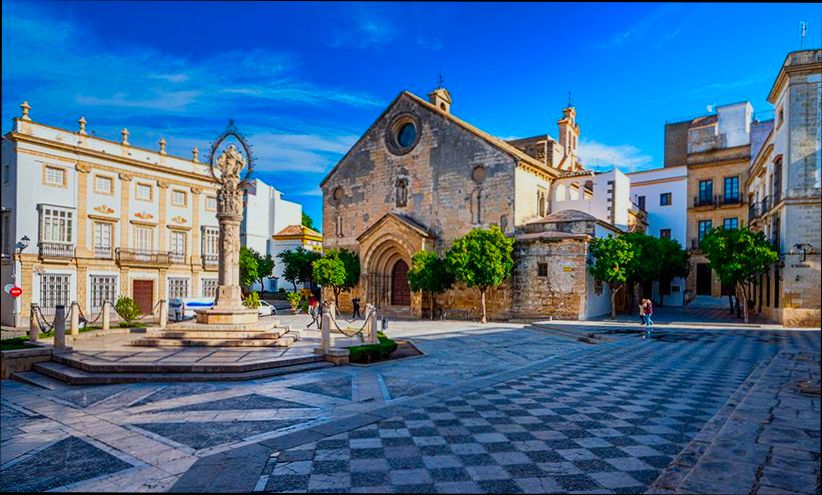
- Type of Properties: There is a diverse range of property types available, from historic townhouses to modern apartments, catering to various tastes and budgets.
- Investment Opportunities: The city’s ongoing infrastructure developments and tourism growth are positive indicators for those considering property investments.
Comparative Property Price Table
| Property Type | Average Price (€) | Price/Sq. m (€) | Rental Yield (%) |
|---|---|---|---|
| One-Bedroom Apartment | 120,000 | 1,500 | 7.0 |
| Two-Bedroom Apartment | 180,000 | 1,600 | 6.5 |
| Traditional House | 250,000 | 1,800 | 5.0 |
| New Developments | 300,000 | 2,200 | 5.5 |
Real-World Examples
Jerez de la Frontera witnessed notable case studies recently:
- A couple in their mid-30s bought a two-bedroom apartment in a revitalized area for €175,000, enjoying proximity to local amenities and a predictable increase in property value.
- An investor purchased a traditional house for €220,000, planning to renovate it and capitalize on the growing demand for vacation rentals. The estimated rental yield after the renovation is expected to reach 8%.
Practical Insights
As you consider entering the real estate market in Jerez de la Frontera, think about the following practical steps:
- Research Neighborhoods: Explore different areas to find which align with your lifestyle or investment goals. Certain neighborhoods are experiencing faster growth and could yield higher returns.
- Pricing Trends: Stay updated on market trends, as slight fluctuations in demand can affect property prices. Knowing the right moments to buy or rent can lead to significant savings.
- Engage Local Experts: Work with local real estate agents who can provide insights into market fluctuations, legalities, and negotiation strategies that fit the Jerez market.
In Jerez de la Frontera, understanding the real estate landscape can empower you to make informed choices that align with your personal or investment aspirations. Whether you are looking to invest or simply find a place to call home, being in tune with market trends is essential for navigating this vibrant city.