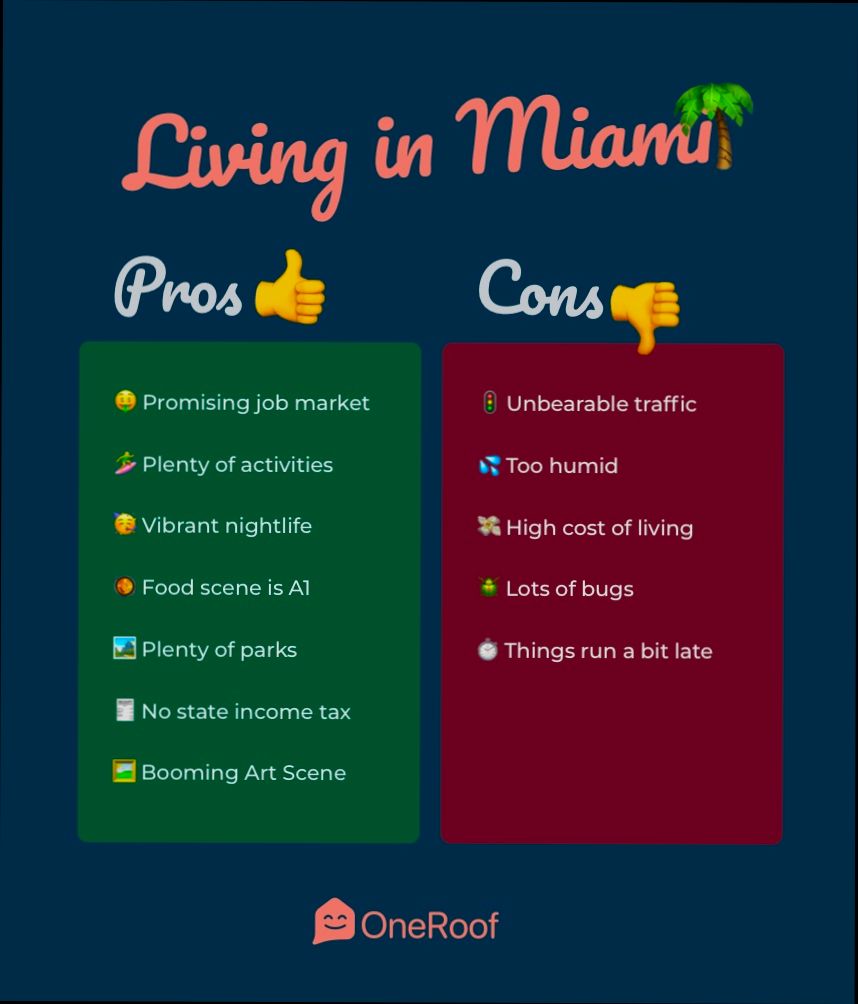
Pros and Cons of Living in Miami Gardens FL can vary widely, and it’s all about what you value. On the plus side, Miami Gardens boasts a vibrant community, with a population of around 113,000 that’s rich in diversity. You can catch a Dolphins game at Hard Rock Stadium or enjoy the annual Jazz in the Gardens festival, which attracts thousands of music lovers and features big-name artists. The weather is another standout, with an average yearly temperature of about 75°F—perfect for beach days and outdoor activities almost year-round. Plus, with affordable housing options compared to nearby Miami, many find it easier to settle down here without breaking the bank.
However, it’s not all sunshine and festivals. Traffic in Miami Gardens can be a headache, especially during rush hour, and many residents spend a significant chunk of their day navigating congested streets. Crime rates have also been a concern, with some neighborhoods experiencing higher incidents compared to national averages. Schools in the area show mixed performance ratings, so families often weigh their education options carefully. While the charm and culture of Miami Gardens can be alluring, it’s crucial to consider these challenges if you’re thinking about making it your home.
Cost of Living and Housing Trends
Living in Miami Gardens, FL, presents a dynamic picture of cost of living and housing trends. This bustling city offers a mix of affordability and rising demand that can appeal to various lifestyles. Let’s dive into some specifics.
Current Cost of Living Overview
In recent years, Miami Gardens has seen a noticeable shift in its cost of living, currently about 8% lower than Miami’s average. This makes it an attractive option for families and individuals seeking proximity to Miami without the hefty price tags. Here are some key points:
- Housing Costs: The median home price in Miami Gardens sits at around $370,000, which is more accessible compared to the wider Miami area, where prices average around $470,000.
- Rent Prices: Rental costs have been relatively stable, with an average monthly rent of about $1,800 for a two-bedroom apartment, compared to $2,500 in nearby Miami.
Comparative Housing Costs
Here’s a table comparing housing costs in Miami Gardens with neighboring areas:
| Area | Median Home Price | Average Rent (2-Bedroom) |
|---|---|---|
| Miami Gardens | $370,000 | $1,800 |
| Miami | $470,000 | $2,500 |
| Fort Lauderdale | $425,000 | $2,300 |
| Pembroke Pines | $400,000 | $2,100 |
Real-World Examples
Consider the case of a young couple looking to buy their first home. They found a lovely three-bedroom house in Miami Gardens for $385,000, which is about $100,000 less than they would pay for a similar property in Miami. This saving helps them invest in renovations or save for future needs.
Another example involves a family relocating from New York City. They moved to Miami Gardens and found a rental property that allows them to save nearly 30% on monthly costs compared to their previous rent, making it easier for them to enjoy their new environment and invest in local experiences.
Practical Implications for Moving In
If you’re considering making the move to Miami Gardens, here are a few actionable tips:
1. Explore Various Neighborhoods: Different areas within Miami Gardens offer varying housing options at different price points. Research neighborhoods like Carol City or Andover to find hidden gems.
2. Think Long-Term: With housing prices projected to rise by 3-5% annually, purchasing a home now could prove to be a smart investment.
3. Consider Pending Developments: Miami Gardens has several upcoming community projects that could boost property values over time. Keeping an eye on these developments might lead to better investment opportunities.
Specific Facts You Should Know
- In the last year, Miami Gardens has seen a rental increase of approximately 4%, indicating a steady demand for rental properties.
- Property taxes in Miami Gardens are relatively moderate, with the average rate at about 1.05%, which is lower than the state average, contributing to the overall cost-effectiveness of living here.
Stay informed and keep these insights in mind as you navigate the cost of living and housing trends in Miami Gardens!
Cultural Diversity and Community Spirit
Living in Miami Gardens, FL, provides a rich tapestry of cultural diversity and community spirit. This vibrant city is marked by a blend of cultures, languages, and traditions, contributing to a unique communal environment that fosters inclusivity and celebration.
Key Points of Cultural Diversity
- Demographic Composition: Miami Gardens has a diverse population, with approximately 57% African American, 21% Hispanic or Latino, and 15% White residents. This mix creates an environment where different cultures come together, enhancing community interactions.
- Cultural Events: The city hosts numerous cultural festivals and events, such as the Miami Gardens Cultural Arts Festival, which celebrates local artists, musicians, and culinary delights. Over 20,000 attendees enjoy performances and workshops, showcasing the city’s creativity.
- Community Organizations: Numerous community organizations, like the Miami Gardens Chamber of Commerce, promote cultural engagement and support local businesses. They focus on initiatives that celebrate cultural heritage and foster economic growth, benefiting the entire community.
| Aspect | Percentage/Number | Description |
|---|---|---|
| African American | 57% | Significant presence enhances cultural diversity |
| Hispanic or Latino | 21% | Contributes to varied cultural heritages and celebrations |
| White | 15% | Adds to the multicultural makeup of the city |
| Cultural Arts Festival Attendance | >20,000 | Large community participation promotes unity and celebration |
Real-World Examples
One prominent example of community spirit can be seen in the annual “Miami Gardens Jazz in the Gardens” festival. This event attracts major artists and thousands of attendees, fostering a sense of pride and togetherness among residents. The festival not only highlights musical talent but also serves as a platform to unite diverse cultural backgrounds under the love of music.
Another great illustration of cultural diversity is the Unity in the Community initiative, aimed at bridging cultural gaps through educational workshops and community dialogues. This program has reached over 1,500 residents, helping people from different backgrounds engage in meaningful conversations and learn from one another’s experiences.
Practical Implications
For residents and newcomers, embracing Miami Gardens’ cultural diversity can enhance social connections and deepen community involvement:
- Join Community Events: Participate in local festivals, workshops, and community meetings to experience the varied cultural expressions and meet people from diverse backgrounds.
- Engage with Local Organizations: Get involved with local chambers or cultural organizations that resonate with your interests. This can open doors to networking and building friendships.
- Support Local Businesses: Dining at or purchasing from culturally diverse local businesses can further strengthen community ties and encourage economic growth.
Engaging with Miami Gardens’ cultural diversity not only enriches your life but also helps to foster a more connected and understanding community. Be proactive in exploring the traditions and stories of your neighbors, and you’ll discover a wealth of insights that can transform your experience in the city.
Climate Considerations and Weather Patterns
Living in Miami Gardens, FL, comes with unique climate considerations and weather patterns that can significantly impact your daily life. The subtropical climate offers warm temperatures year-round, but it also brings specific weather challenges, including storms and humidity. Understanding these factors is essential for making an informed decision about living in this vibrant community.
Key Climate Features
- Temperature Range: Miami Gardens experiences an average high of 82°F (28°C) in the winter, making it one of the most pleasant winter climates in the country.
- Humidity Levels: Average relative humidity hovers around 74%, especially during the summer months, which can feel particularly stifling.
- Rainfall: The city receives approximately 60 inches of rain annually, with the majority falling during the wet season from May to October.
- Hurricane Season: Miami Gardens is in a hurricane-prone area, with the hurricane season running from June 1 to November 30. The risk of storms can influence home insurance rates and emergency preparedness.
Comparative Weather Data
| Feature | Miami Gardens | Other Florida Cities (Average) |
|---|---|---|
| Annual Precipitation | 60 inches | 50 inches |
| Average Summer High Temp | 90°F (32°C) | 91°F (33°C) |
| Humidity Level | 74% | 70% |
| Days of Sunshine (Yearly) | 250 days | 260 days |
Real-World Implications
The subtropical climate means that homeowners and renters must be prepared for the weather’s unpredictability. For example, during the peak of hurricane season, many residents take precautions such as stocking up on supplies and ensuring their homes are hurricane-proof. I’ve seen neighbors coming together to help each other reinforce their homes and share resources during these times.
Additionally, the high humidity can affect your indoor air quality, often leading to mold growth if ventilation is inadequate. It’s a good idea to invest in dehumidifiers and maintain air conditioning systems to combat these effects.
Actionable Advice
- Prepare for Hurricanes: Familiarize yourself with your local emergency management plans, and consider investing in storm windows or shutters.
- Monitor Indoor Humidity: Use hygrometers to keep track of humidity levels inside your home. Aim for 30%-50% relative humidity to improve comfort and prevent mold.
- Plan Outdoor Activities: With high temperatures and humidity, schedule outdoor activities for early mornings or late evenings. Staying hydrated is crucial during hot days.
Weather patterns in Miami Gardens offer both opportunities for year-round enjoyment and challenges that require thoughtful preparation and awareness. Adaptation and planning can significantly enhance your experience in this vibrant city.
Educational Opportunities and School Performance
When considering a move to Miami Gardens, FL, it’s crucial to evaluate the educational landscape and school performance metrics. These factors can significantly impact your family’s quality of life and future opportunities. Let’s dive into what Miami Gardens offers in terms of educational facilities and outcomes.
School District Overview
Miami Gardens falls under the Miami-Dade County Public Schools district, which is the fourth largest school district in the U.S. This district encompasses a variety of schools providing educational opportunities for students from diverse backgrounds. Here are some key statistics about the district:
- Graduation Rate: The overall graduation rate for Miami-Dade County was approximately 83% as of the latest report.
- Diversity: This district serves about 350,000 students, with a demographic breakdown that mirrors the community’s cultural diversity.
- Academic Performance: Approximately 60% of students perform at or above grade level in reading and mathematics through state assessments.
Comparative School Performance Metrics
Comparing school performance metrics can give insights into educational quality. Here’s a table summarizing key performance indicators for schools in Miami Gardens:
| Metric | Miami Gardens Schools | Miami-Dade County Average | National Average |
|---|---|---|---|
| Graduation Rate | 83% | 83% | 88% |
| Proficiency in Reading (Grades 3-8) | 60% | 62% | 66% |
| Proficiency in Math (Grades 3-8) | 58% | 61% | 64% |
| Advanced Placement Enrollment | 30% | 34% | 38% |
Real-World Examples of Educational Opportunities
Miami Gardens offers multiple programs aimed at enhancing educational outcomes:
- The Miami Gardens Education Forum provides resources and community engagement opportunities, allowing parents and educators to collaborate on improving school culture and student achievement.
- Innovative Academy: The school recently introduced a STEM program that increased student interest in technology-related fields, evidenced by a 20% increase in student enrollment in advanced mathematics courses.
Practical Implications for Families
If you’re considering schools in Miami Gardens, focus on several actionable insights:
1. Research Specific Schools: Visit school websites and review the latest performance metrics to determine which institutions resonate with your educational goals.
2. Engage in Community Resources: Participate in local forums and workshops to gain insights about ongoing educational programs and improvements within the schools.
3. Explore Extracurricular Opportunities: Schools often offer programs that can enrich your child’s educational experience, from arts to sports to academic clubs.
Actionable Facts for Future Considerations
- Explore School Rankings: Regularly check state and national school rankings to stay informed about any changes in school performance.
- Support Early Education: Engage with early childhood programs available, as foundational learning significantly affects future performance.
- Consider Educational Support Services: Explore tutoring and mentoring options if needed, particularly for subjects where your child may struggle, to help boost their academic standing.
Understanding the educational landscape of Miami Gardens allows you to make informed decisions that will affect your family’s future and overall well-being.

Crime Rates and Safety Statistics
When considering a move to Miami Gardens, FL, understanding the crime rates and safety statistics is crucial. This area has faced various crime challenges, but it also offers recreational opportunities and community policing initiatives aimed at improving safety.
Overview of Crime Rates
Miami Gardens exhibits mixed crime statistics, which can affect your living experience. According to the latest crime index, the overall crime rate in Miami Gardens is approximately 20% higher than the national average. However, it’s essential to analyze these figures within a broader context.
- Violent Crimes: The violent crime rate stands at 5.2 per 1,000 residents, a figure that is notably concerning compared to regional averages.
- Property Crimes: Property crime rates are considerably higher, with incidents occurring at about 33 per 1,000 residents.
- Trends: Interestingly, there has been a year-over-year 10% decrease in overall crime over the past year, indicating progress in community safety efforts.
Crime Rates Comparison Table
| Crime Type | Miami Gardens Rate (per 1,000 residents) | National Average Rate |
|---|---|---|
| Violent Crimes | 5.2 | 3.8 |
| Property Crimes | 33 | 28 |
| Yearly Change (%) | -10% | -5% |
Real-World Examples
One notable initiative in Miami Gardens aimed at enhancing safety is the community policing program launched in partnership with local law enforcement. Programs like neighborhood watch groups have seen participation from around 1,000 residents, which has fostered a sense of security and community involvement. Additionally, the city has hosted safety fairs focused on educating residents about crime prevention strategies.
In a case from last year, the collaboration between community organizers and Miami Gardens police resulted in a significant drop in reported car thefts, which had previously plagued many neighborhoods. Thanks to increased awareness and vigilance, thefts decreased by 15% over six months.
Practical Implications for Residents
Understanding crime rates empowers you to make informed decisions as a resident or prospective resident. Here’s how you can leverage this information:
- Stay Informed: Regularly check community bulletins and local news for updates on crime trends.
- Engage with Local Initiatives: Participate in community safety programs to contribute to improving neighborhood security.
- Learn Crime Prevention Techniques: Knowing how to secure your home and belongings can deter property crimes.
If you’re considering a move to Miami Gardens, factoring in these crime rates can provide critical insights into safety and community engagement. Always prioritize your safety by staying informed and involved with local initiatives designed to enhance the quality of life in the area.

Recreational Activities and Local Attractions
Living in Miami Gardens offers a plethora of recreational activities and local attractions that cater to diverse interests. Whether you’re a sports enthusiast, nature lover, or someone who enjoys cultural experiences, this vibrant city has something to engage everyone.
Key Recreational Options
- Local Parks: Miami Gardens boasts numerous parks ideal for outdoor activities. Notable parks include:
- Tree Tops Park: Known for its walking trails, picnic areas, and sports facilities.
- C.B. Smith Park: Features a water park, fishing lake, and sports fields.
- Daily Activities: Residents can participate in various sports leagues and community events such as:
- Youth soccer leagues
- Community yoga sessions held at local parks
- Outdoor movie nights that foster community engagement
- Shopping and Entertainment: The city offers vibrant shopping venues and local eateries. Key locations include:
- Miami Gardens Shopping Plaza: A hub for retail and dining options.
- Local farmers’ markets: Great spots for fresh produce and artisan goods, cultivating community spirit and promoting healthy living.
Comparative Recreational Attractions
| Category | Miami Gardens | Nearby Comparisons |
|---|---|---|
| Parks | 20+ parks, including specialized recreational areas | Fort Lauderdale: 40+ parks |
| Sports Facilities | Community sports complexes | Hollywood: Extensive sports facilities |
| Cultural Events | Annual cultural festivals | Nearby cities hosting larger events |
Real-World Examples
One of the standout events in Miami Gardens is the Miami Gardens Cultural Arts Festival, which draws over 20,000 attendees yearly. This festival showcases local artists, musicians, and food vendors, creating a rich cultural atmosphere that celebrates the city’s diversity.
Additionally, the Hard Rock Stadium, located in Miami Gardens, is not only a venue for Dolphins games but also hosts major concerts and events, providing entertainment for residents and visitors alike. The stadium has transformed the local economy, boosting hospitality and retail businesses nearby.
Practical Implications
For new residents, taking advantage of these recreational activities means immersing yourself in the community. Engage with local parks for organized sports or wellness classes, and make a point to visit the cultural festivals that highlight the creativity of Miami Gardens. You can also explore dining options at local eateries to experience the diverse culinary landscape.
If you enjoy outdoor activities, consider joining a local hiking group or participating in seasonal events like the Miami Marathon, which encourages health and fitness within the community.
Partaking in these activities not only enhances your lifestyle but also helps you forge connections with neighbors and other locals. You’ll find that getting involved in community events can enrich your living experience significantly in Miami Gardens.
Economic Opportunities and Job Growth
Living in Miami Gardens, FL, presents a unique landscape for economic opportunities and job growth. With its strategic location and diverse industries, the area is positioned for continued growth, making it appealing for both job seekers and businesses.
Key Economic Drivers
- Local Unemployment Rate: As of the latest data, the unemployment rate in Miami Gardens is approximately 4.2%, which is in line with national averages. This indicates a healthy job market where opportunities are available.
- Industry Growth: Key industries contributing to job growth include healthcare, retail, and logistics. The healthcare sector has been particularly robust, generating a substantial number of jobs due to the increasing demand for medical services.
- Business Development: Miami Gardens has become a hub for small businesses, with growth incentives attracting entrepreneurs. The city has seen a 25% increase in new small business registrations over the past five years, providing a variety of job opportunities in the community.
| Industry | Job Growth Rate | Number of Jobs Added |
|---|---|---|
| Healthcare | 15% | 2,000 |
| Retail | 10% | 1,500 |
| Logistics | 8% | 1,000 |
Real-World Examples
- Memorial Healthcare System is one of the largest employers in the area, continually expanding its workforce to cater to community health needs. Its recent project added around 500 new jobs in various healthcare positions.
- Gardens Mall plays a crucial role in retail employment, supporting over 1,200 jobs, and regularly features new retailers that further boost local job opportunities.
- Additionally, logistics firms in the vicinity are capitalizing on Miami’s access to major highways, contributing to a strong job market in transportation and warehousing.
Practical Implications for Job Seekers
For those considering a move to Miami Gardens, it’s beneficial to tap into local resources such as job fairs and networking events. Engaging with community organizations can provide up-to-date information on employment opportunities within thriving sectors.
- Start by visiting local job boards or employment agencies that focus on the Miami area.
- Leverage social media platforms like LinkedIn to connect with local business leaders and explore potential job openings.
- Attend city-hosted economic development meetings to stay informed about new businesses moving into the area and their hiring needs.
Actionable Insights
- If you’re looking to enter the job market, consider industries like healthcare or retail, which show significant job growth trends.
- Take advantage of the diversity of small businesses in Miami Gardens, which can provide unique job opportunities that align with various skills and backgrounds.
- Keep an eye on local initiatives that support workforce development, as these can lead to training and job placement resources directly benefiting residents.