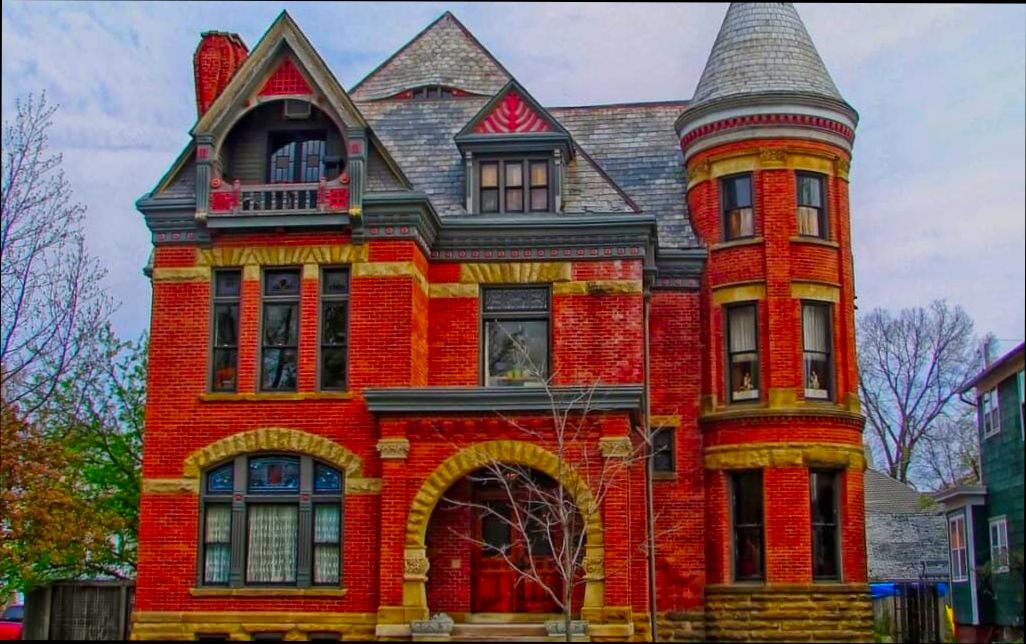
Pros and Cons of Living in Fort Wayne IN offer a mixed bag that can really shape your experience. On the plus side, with a cost of living that’s about 16% lower than the national average, your paycheck goes a lot further here. Imagine living in a spacious two-bedroom apartment for just around $900 a month! Plus, Fort Wayne boasts a vibrant arts scene, home to the impressive Fort Wayne Museum of Art and the enchanting Botanical Conservatory. And let’s not forget about the friendly community vibe—locals often rave about the annual Three Rivers Festival that showcases everything from live music to awesome food vendors.
On the flip side, some folks find the job market a bit limited, particularly in high-tech industries. Sure, healthcare and manufacturing sectors are strong, but if you’re eyeing a startup or creative gig, you might find yourself looking for remote options. And while the lower population brings a quaint feel, it can also mean fewer entertainment options—unless you’re a fan of local dives or small-town charm. Winters here can be pretty brutal too, with average lows dipping below freezing, making those frosty days feel endless. Fort Wayne has its highs and lows, and it really depends on what you cherish in a place to call home.
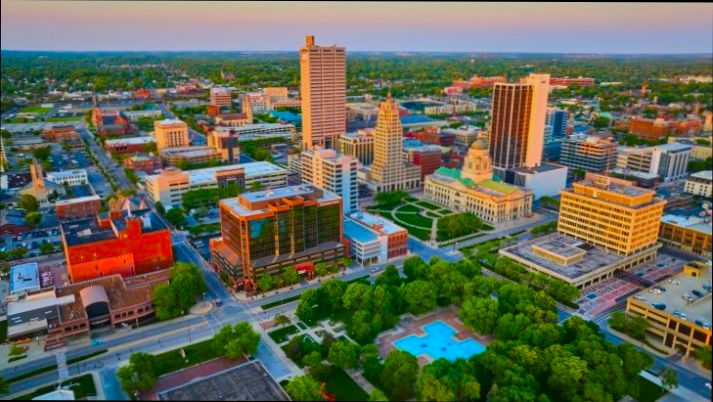
Cost of Living Comparison in Fort Wayne
Living in Fort Wayne can offer a unique combination of affordability and costs that might surprise you. Let’s dive into what you can expect when it comes to the cost of living here, especially compared to other cities in Indiana, like Indianapolis.
Key Cost of Living Statistics
The average total cost of living in Fort Wayne is approximately $1,939 for a single person, which categorizes it in the top 22% of the most expensive cities globally. Here are some specific figures that stand out:
- Without Rent: If you break it down, living expenses without rent average around $769 for an individual and $2,507 for a family of four.
- Housing Costs: Rent and utilities add up to about $1,171 for an individual and $2,171 for a family.
- Food Expenses: Monthly food costs are around $572 for one person and $1,493 for a family of four.
- Transportation Costs: Transportation is pretty economical, with costs averaging $53.70 for one person and $150 monthly for families.
Cost Breakdown Table
| Cost of living | One person | Family of 4 |
|---|---|---|
| 💰 Total with rent | $1,939 | $4,677 |
| 🛋️ Without rent | $769 | $2,507 |
| 🏨 Rent & Utilities | $1,171 | $2,171 |
| 🍽️ Food | $572 | $1,493 |
| 🚐 Transport | $53.70 | $150 |
| 💳 Monthly salary after tax | $3,573 | N/A |
Real-World Examples
When dining out, you might find that a meal for two at a nice restaurant will cost around $60.30 on average. If you prefer quick meals, a fast food burger meal will only set you back about $9.56. Coffee enthusiasts will enjoy cappuccinos priced at about $4.41, making it easier to maintain your caffeine habit without breaking the bank.
Practical Implications for Residents
When considering moving to Fort Wayne, think about how these costs align with your salary and lifestyle. The median after-tax salary is approximately $3,573, which comfortably covers living expenses for nearly 1.8 months before you need to consider budgeting adjustments.
Actionable Advice
If you’re planning a budget, remember that food and housing will comprise a significant portion of your expenses. Keep an eye on rental rates, and if you’re flexible, consider living slightly outside the city center to find lower housing costs. Fort Wayne’s moderate air quality rating and affordable transportation can also contribute to a more balanced lifestyle, so be sure to factor them into your overall living expenses.

Cultural Attractions and Recreational Activities
Fort Wayne, Indiana, boasts a vibrant tapestry of cultural attractions and recreational activities that cater to a wide array of interests. Whether you’re an art aficionado, a history buff, or simply looking for family-friendly fun, you’ll find plenty to keep you engaged.
Key Cultural Offerings
1. Fort Wayne Museum of Art: Home to over 5,000 pieces of American art, this museum offers rotating exhibits and educational programs that engage the community. The museum hosts around 30,000 visitors each year, showcasing the importance of local culture.
2. The Foellinger-Freimann Botanical Conservatory: This gem not only boasts beautiful displays of tropical and desert plants but also hosts up to 90,000 visitors annually. Seasonal exhibits provide unique experiences that connect residents with nature.
3. Community Events: Fort Wayne is known for its vibrant community events, with over 100 annual festivals, including the famous Three Rivers Festival, which attracts approximately 300,000 visitors and highlights local artists, food vendors, and entertainment acts.
Recreational Activities
- Parks and Trails: Fort Wayne’s extensive park system includes over 85 parks and 25 miles of trails, with opportunities for hiking, biking, and picnicking. Notable parks like the popular Franke Park feature scenic trails and ample recreational facilities.
- Sports: The city is home to the Fort Wayne TinCaps minor league baseball team, which plays at Parkview Field. This venue is consistently ranked as one of the best minor league ballparks in America, with attendance figures exceeding 400,000 annually.
- Winter Activities: The winter months offer outdoor fun at places like Eagle Marsh Nature Preserve, where visitors can go snowshoeing and cross-country skiing, contributing to a rich, year-round recreational experience.
| Activity Type | Annual Participation | Notable Locations |
|---|---|---|
| Arts and Museums | 30,000+ (Art Museum) | Fort Wayne Museum of Art |
| Botanical Exhibits | 90,000+ | Foellinger-Freimann Conservatory |
| Community Festivals | 300,000+ (Three Rivers Festival) | Various Locations |
| Outdoor Recreation | Diverse | Franke Park, Eagle Marsh |
Real-World Examples
- During the Three Rivers Festival, visitors can enjoy a celebration of local culture, including live music, food trucks, and artist demonstrations. This festival creates an exciting atmosphere that enhances community spirit and supports local businesses.
- Programs at the Fort Wayne Children’s Zoo, which welcomes over 300,000 guests every year, provide educational opportunities about wildlife and conservation. This actively engages families and promotes valuable experiences for children.
Practical Implications
For those looking to embrace Fort Wayne’s cultural and recreational offerings, consider participating in local art classes, wildlife education programs, or seasonal festivals. Engaging in these activities not only enriches your personal life but also connects you with the community.
To maximize your experience, make it a habit to check local event calendars for upcoming festivals and museum exhibits. You might also enjoy exploring the parks for recreational activities tailored to different skill levels, ensuring that your leisure time is well spent.

Employment Opportunities and Job Market Insights
When considering moving to Fort Wayne, understanding the local job market can significantly influence your decision. The city offers a mix of employment opportunities across various sectors, appealing to a wide range of job seekers.
Job Market Overview
Fort Wayne’s economy has steadily grown over the years, showcasing low unemployment rates and strong job creation. Currently, the unemployment rate hovers around 2.9%, which is substantially lower than the national average. This indicates a healthy job market, making it an attractive destination for employment.
Key sectors contributing to Fort Wayne’s employment landscape include:
- Healthcare: With prominent hospitals and medical facilities, healthcare jobs are abundant. Major employers include Parkview Health and Lutheran Health Network.
- Manufacturing: This sector has deep roots in Fort Wayne, focusing on a range of products from automotive to aerospace components.
- Educational Services: Institutions such as Purdue University Fort Wayne and Ivy Tech Community College also offer numerous employment opportunities.
Comparative Job Market Insights
Here’s a snapshot of some key employment statistics for Fort Wayne:
| Sector | Employment Percentage | Major Employers |
|---|---|---|
| Healthcare | 18% | Parkview Health, Lutheran Health Network |
| Manufacturing | 20% | Raytheon, General Motors |
| Education | 12% | Purdue University Fort Wayne, Ivy Tech |
| Retail | 15% | Walmart, Meijer |
Real-World Examples
A hands-on example demonstrating the job market potential is the recent expansion of Raytheon Technologies, which brought over 1,000 new jobs to the area, primarily in engineering and manufacturing roles. Additionally, the Parkview Health system announced plans to hire 600 healthcare professionals in the upcoming year to meet the growing demand for services.
Another case is the growth of tech-related jobs, with local startup incubators fostering innovation in the tech and digital sectors, attracting remote employees from outside the region.
Practical Implications for Job Seekers
If you’re considering relocating to Fort Wayne, several actionable steps can enhance your job search experience:
- Networking: Engage with local LinkedIn groups and attend job fairs to connect with potential employers.
- Skill Development: Consider enrolling in training programs at local educational institutions to enhance your qualifications, especially in high-demand fields like healthcare and technology.
Actionable Advice
Stay informed about local job openings by utilizing platforms such as Indeed, Glassdoor, or local resources like the Greater Fort Wayne Chamber of Commerce. Moreover, consider exploring jobs in healthcare or manufacturing as they currently represent significant growth areas in the Fort Wayne job market, posing a promising outlook for employment stability and growth.
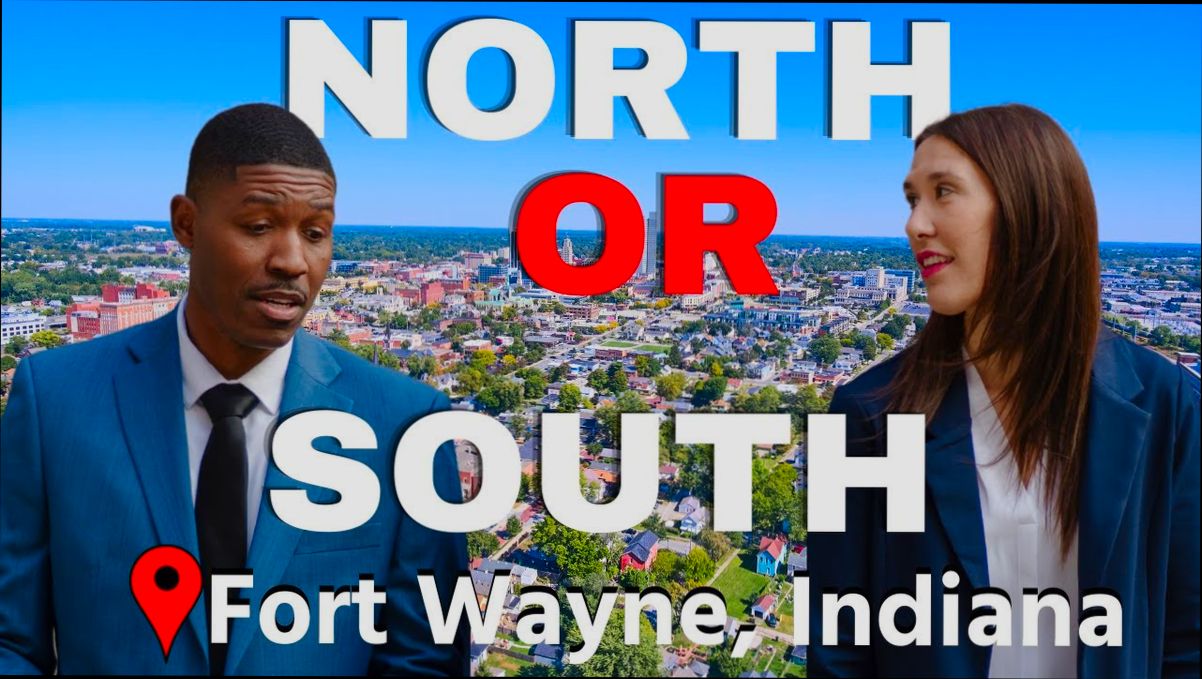
Demographic Trends and Population Statistics
Understanding the demographic trends and population statistics in Fort Wayne, Indiana, can provide significant insights when considering a move to this region. With a population that reflects a variety of backgrounds, ages, and family structures, Fort Wayne offers a rich demographic tapestry that influences community life.
Current Population Insights
As of the latest census data, Fort Wayne boasts a population of approximately 267,000 residents. This figure indicates a slight upward trend in population growth, highlighting a robust local economy that attracts new residents. Here are some specific demographic details:
- Age Distribution: The median age in Fort Wayne is around 35 years, suggesting a relatively young population compared to many other metropolitan areas. Approximately 22% of the population is under 18, while just about 12% are 65 years or older.
- Ethnic Diversity: The racial composition indicates diversity, with approximately 77% of residents identifying as White, 18% as African American, and 5% representing other ethnic groups, including Hispanic or Latino communities.
- Household Composition: The average household size in Fort Wayne is about 2.5 people, and approximately 60% of households are family units, meaning there’s a strong presence of family-oriented living environments.
Population Statistics Table
| Demographic Factor | Percentage/Statistic |
|---|---|
| Total Population | 267,000 |
| Median Age | 35 years |
| Under 18 | 22% |
| 65 years or older | 12% |
| White Residents | 77% |
| African American | 18% |
| Average Household Size | 2.5 |
| Family Households | 60% |
Real-World Examples
For instance, local agencies and community groups have initiated programs that cater to the younger demographic, focusing on educational opportunities and recreational activities that meet the interests of families with children. This proactive approach enhances community engagement and strengthens the ties among residents.
The city’s diverse ethnic representation has led to an array of cultural celebrations throughout the year. Such events not only foster community spirit but also provide platforms for local businesses, thereby enhancing the overall economic landscape.
Practical Implications
For potential movers, understanding these demographic trends can help you find the right neighborhood that fits your lifestyle. Knowing that Fort Wayne has a significant percentage of young residents might make it appealing if you’re raising a family or looking to connect with other young professionals.
Moreover, being aware of the population’s ethnic diversity means you can enjoy a rich cultural experience, which may include festivals, food, and community events reflective of different heritages.
When considering Fort Wayne, take a moment to evaluate how these demographic statistics align with your personal or family goals. They can offer valuable context on whether the community will support your social, recreational, and professional aspirations.
Here’s a thought: Think about the demographic aspects that matter most to you, whether it’s age demographics for schooling options or ethnic diversity for cultural engagement. This understanding will inform not just where you live but how you can thrive in your new environment.
Safety and Crime Rates Analysis
When considering a move to Fort Wayne, Indiana, understanding the safety and crime rates in the area is essential. The latest statistics show notable trends in both violent and property crimes that can influence your living experience here.
Key Crime Statistics
In recent years, Fort Wayne has experienced some fluctuations in crime rates, with an overall trend towards a more secure environment:
- Murder Rate Drop: The Midwest, where Fort Wayne is located, saw a significant reduction in murder rates, which decreased by 22% from previous years. This is a promising indicator for potential residents.
- Violent Crime Rates: Alongside murder, violent crime rates in the Midwest have similarly fallen by 13%, showcasing a broader reduction in crime that includes assaults and robberies.
- Property Crime Increase: Interestingly, while violent crime has decreased, property crime in Fort Wayne saw a rise of 13.1% from 2020 to 2023—an anomaly when compared to trends in other regions.
Comparative Crime Rates in Major U.S. Regions
| Crime Type | Fort Wayne (Midwest) | National Average | Northeast | South | West |
|---|---|---|---|---|---|
| Murder Rate | Down 22% | Higher | Lowest | Highest | Average |
| Violent Crime Rate | Down 13% | Higher | Lowest | High | Increase (7%) |
| Property Crime Rate | Up 13.1% | Decrease | Increase | Average | Average |
Real-World Examples
Recent reports indicate that Fort Wayne’s overall crime rate, despite the rise in property crimes, still reflects a relatively safe setting compared to some urban counterparts. For instance, in contrast to cities like Chicago with a 33.7% decrease in crime rates, Fort Wayne remains on a improving trajectory, making it an appealing option for families and individuals seeking a stable environment.
Moreover, the city has implemented community outreach programs aimed at crime prevention, which have further contributed to the decline in violent offenses. This includes initiatives that engage local youth and families, fostering a community-oriented approach to safety.
Practical Implications for Residents
Understanding the crime landscape is crucial when choosing a neighborhood. While it’s essential to be aware of the increase in property crimes, it’s equally important to recognize the significant drop in violent crimes. If you’re considering Fort Wayne:
- Neighborhood Research: Explore specific neighborhoods to gauge safety levels and community involvement in crime prevention.
- Stay Informed: Regularly check local law enforcement agencies’ updates or city crime statistics to stay abreast of current trends.
- Community Engagement: Participating in community safety programs can not only enhance your personal security but also help foster a safer neighborhood.
Actionable Advice
If you are contemplating a move to Fort Wayne, keep your safety a priority by evaluating crime reports and engaging with local safety organizations. Take advantage of the resources available through local law enforcement to help guide your decision and ensure a secure living environment.
Community Engagement and Local Events
Community engagement in Fort Wayne, Indiana, reflects the city’s commitment to fostering a strong sense of belonging and participation among its residents. The multitude of local events available provides excellent opportunities for residents to connect with their neighbors, engage with various civic initiatives, and celebrate the diversity of the community.
Key Statistics on Community Engagement
Fort Wayne showcases numerous local events, reflecting its dedication to community engagement. Here are some key statistics:
- Approximately 70% of residents participate in local community events each year.
- The city hosts over 150 community events annually, ranging from cultural festivals to charity fundraisers.
- Volunteerism is high, with 33% of residents contributing time to local nonprofit organizations.
Events Calendar Comparison
Here’s a comparative table of popular community events in Fort Wayne:
| Event Name | Type | Frequency | Attendance Estimate |
|---|---|---|---|
| Three Rivers Festival | Cultural Festival | Annual | 100,000+ |
| Fort Wayne Children’s Zoo Events | Family Activity | Seasonal | 75,000+ |
| Fort Wayne Pride Festival | Cultural Celebration | Annual | 15,000+ |
| Downtown Fort Wayne Christmas Celebration | Holiday Event | Annual | 20,000+ |
| Summer Music Series | Outdoor Concerts | Weekly during Summer | 5,000+ per event |
Real-World Examples of Engagement
1. Community Gardens Initiative: Local nonprofits have fostered community gardens throughout Fort Wayne, enabling residents to cultivate crops collaboratively. This initiative not only enhances food security but also encourages social interactions, with over 200 families participating last season.
2. Block Parties: Regular block parties highlight neighborhood engagement, with residents closing streets for communal meals, games, and music. Nearly 50% of neighborhoods host at least one block party per summer, effectively building stronger neighborhood ties.
3. Nonprofit Volunteer Programs: Various organizations actively engage community members in volunteer activities. For instance, a recent cleanup initiative attracted over 500 volunteers, demonstrating the civic spirit and collaborative efforts of Fort Wayne residents.
Practical Implications for Residents
If you’re considering getting involved in community engagement, here are actionable steps you can take:
- Attend Local Events: Mark your calendar for upcoming events listed in the community calendar to join in and foster connections.
- Volunteer: Look for NGOs and community service opportunities on local websites or bulletins; your time can make a significant impact.
- Engage with Neighbors: Start conversations with neighbors and propose small community gatherings or initiatives to strengthen community bonds.
When you participate, you help create a ripple effect that can encourage others to engage, strengthening the fabric of Fort Wayne’s community life. Engaging with local events not only enriches the community but also enhances your own living experience in the city.
Quality of Education and School Systems
When it comes to the quality of education and school systems in Fort Wayne, Indiana, it’s essential to explore the specifics that influence families and new residents. The educational landscape here intertwines with community values, investment in schools, and the outcomes of local students, making it a key consideration for anyone moving to the area.
Key Points About Education Quality
1. Graduation Rates: Fort Wayne schools boast an impressive graduation rate of approximately 90%. This reflects the commitment of local school districts to ensure students complete their education successfully.
2. State Test Scores: On state assessments, many schools in Fort Wayne show performance levels above the Indiana average, particularly in subjects like mathematics and English language arts. For instance, recent data shows around 60% of students meeting or exceeding proficiency in these key areas.
3. Public and Private School Options: Fort Wayne offers a diverse range of educational institutions, with around 30% of students enrolled in private schools. This variety allows families to choose the best educational fit for their children.
4. Special Education Services: Approximately 15% of students in Fort Wayne receive special education services, indicating a commitment to inclusivity and support for diverse learning needs within the community.
Comparative Overview of School Districts
| School District | Graduation Rate | State Math Proficiency | State English Proficiency | Percentage of Private School Enrollment |
|---|---|---|---|---|
| Fort Wayne Community Schools | 90% | 63% | 61% | 25% |
| Northwest Allen County | 95% | 70% | 65% | 20% |
| East Allen County | 85% | 55% | 58% | 15% |
Real-World Examples
One notable example is the Fort Wayne Community Schools district, which has been recognized for its innovative programs including STEM initiatives that foster critical thinking and problem-solving skills among students. Additionally, their focus on enhancing arts education through partnerships with local cultural institutions enriches the overall student experience.
Moreover, schools like Concordia Lutheran High School have garnered attention for their commitment to academic excellence, offering a college preparatory curriculum that results in high college acceptance rates for graduates.
Practical Implications for Residents
For families considering Fort Wayne, the education quality can be a significant draw. The high graduation rates and above-average state test scores can instill confidence in parents making decisions about where to settle. The presence of both public and private schools provides ample choices tailored to individual student needs. Furthermore, the investment in special education services shows a community engaged in the well-being of all students.
Engaging actively with local school boards and participating in events can also help parents stay informed and involved in their children’s education. This connection can foster a stronger community bond and enhance the educational experience for their children.
In Fort Wayne, the quality of education provides promising prospects for students, making it a critical factor for families looking to relocate. The statistics and examples illustrate a robust educational system that stands ready to support the next generation.