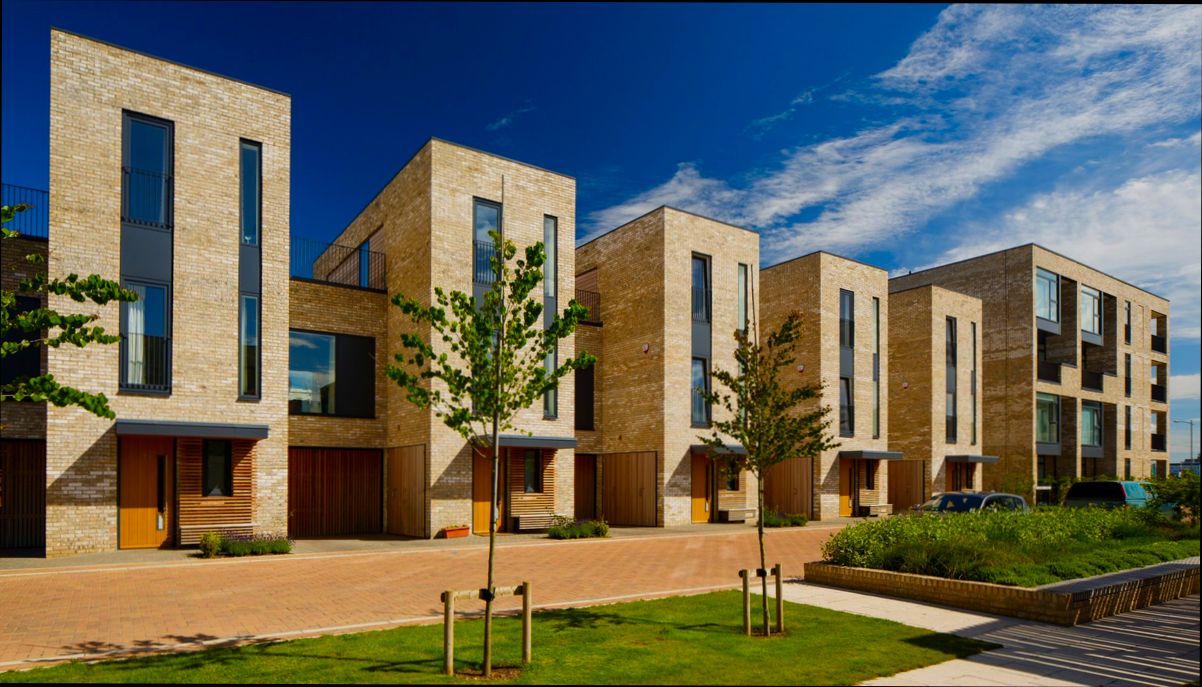
What is a terraced house? Picture this: a row of cozy homes sharing walls, each with its unique character yet part of a broader community vibe. You’ll often find terraced houses in urban areas like London, where over 40% of the city’s housing stock falls into this category. The typical features include narrow designs, often three to four stories high, and a small front and back yard. They’re practical and maximally utilize space, giving you efficient living even in the heart of bustling neighborhoods.
These houses are iconic, especially in British cities, where Victorian and Edwardian styles reign supreme. Imagine walking down a street lined with colorful facades and equally charming doorways; it’s a slice of history wrapped in modern-day life. In fact, a standout example is the famous terraces of Notting Hill, which draw countless visitors for their quirky color schemes and community-focused living. Whether you’re eyeing a quaint two-bedroom or a spacious family abode, terraced houses offer personality and practicality, making them a popular choice for many.
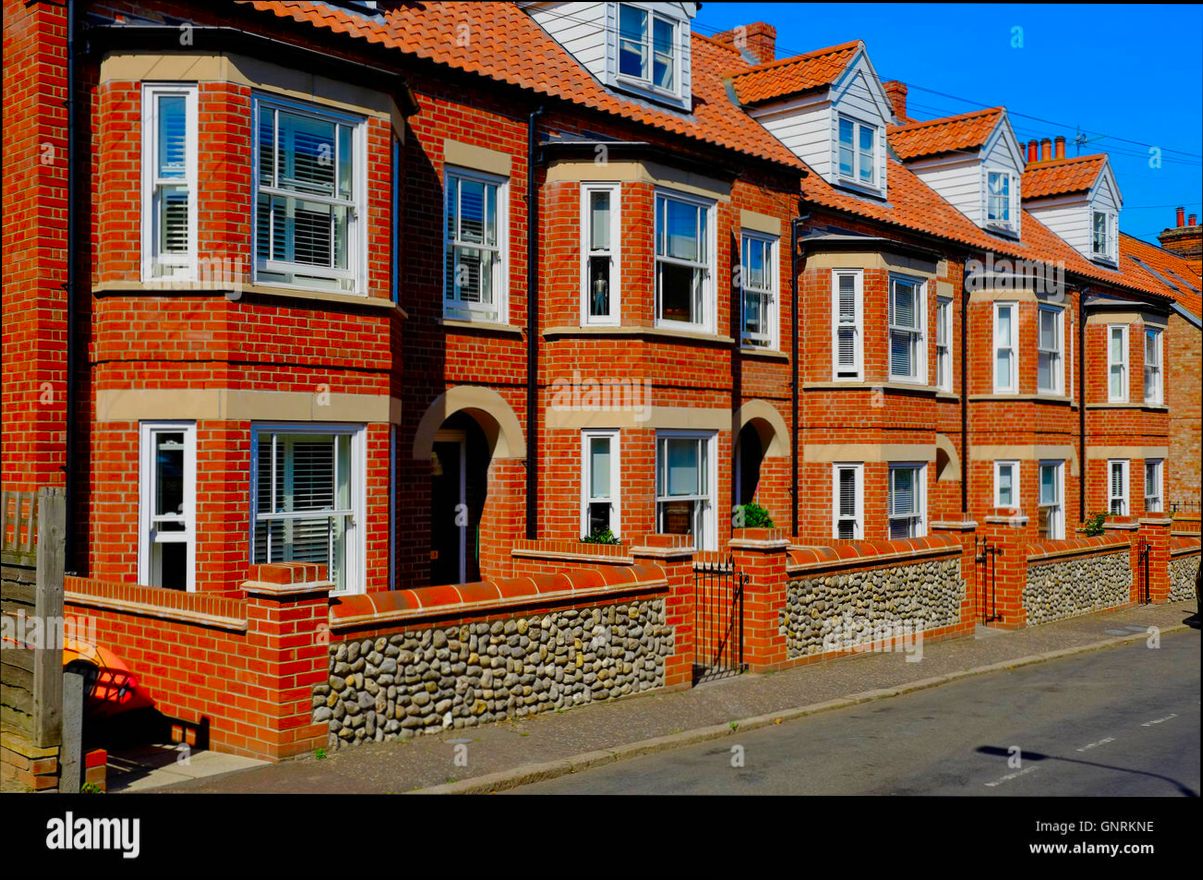
Defining the Characteristics of Terraced Houses
When we talk about terraced houses, we’re diving into a unique style of housing that embodies both historical significance and architectural appeal. These homes are distinguishable for their specific construction and layout, making them an interesting study in urban living.
Key Characteristics of Terraced Houses
Here are some defining traits that set terraced houses apart from other types of homes:
- Row Construction: Terraced houses are built in continuous rows, sharing side walls with adjacent properties. This not only saves space but also maximizes land use in densely populated areas.
- Uniformity in Design: Often, you’ll find that terraced houses display similar facades, heights, and architectural styles, creating a cohesive look along the street. Data suggests that approximately 75% of renovated terraced homes maintain these uniform characteristics to uphold community aesthetics.
- Limited Footprint: Generally, these homes have a smaller footprint compared to standalone houses. This enables a more compact living experience, often with deeper but narrower layouts. Research shows that the average width of a terraced house is about 5-7 meters.
- Two to Three Stories: Many terraced houses feature two to three stories, which allows for efficient use of vertical space. Documentation on urban residential properties indicates that 68% of terraced houses in cities boast two levels, making them suitable for families and multi-generational living.
Comparative Characteristics Table
| Characteristic | Description | Typical Measurement |
|---|---|---|
| Row Construction | Houses built in a line, sharing walls | Continuous rows |
| Building Height | Often two or three stories | 6-9 meters |
| Width | Relatively narrow footprints | 5-7 meters |
| Architectural Style | Uniform design across properties | Local historical styles |
| Outdoor Space | Limited garden or yard space | Usually small gardens |
Real-World Examples
For instance, in the UK, terraced houses like those in the streets of Notting Hill showcase the vibrant colors and architectural flourishes typical of the Victorian era. Many of these homes have been preserved, emphasizing their aesthetic appeal while enhancing local community charm.
Another example can be found in cities like San Francisco, where terraced houses, often referred to as “row houses,” highlight the unique architectural styles of the early 20th century, featuring detailed ornamentation and bay windows. Approximately 60% of San Francisco’s residential buildings consist of such terraced structures.
Practical Implications
Understanding the characteristics of terraced houses can help you make informed choices whether you’re buying, renovating, or simply appreciating them. For potential homebuyers, knowing that these houses often come with shared walls could inform decisions about noise levels and privacy.
If you’re looking at renovation, preserving the uniformity of design may not only enhance property value but can also align with community regulations in historically designated areas.
Actionable Insights
- Explore Local Options: If you’re considering a move, check out neighborhoods known for their terraced houses; look for rows with similar architectural styles.
- Understand Maintenance Needs: Since terraced houses share walls, be prepared for potential issues that can arise from nearby homes, like moisture or pest control. Regular checks can prevent larger maintenance headaches.
- Maximize Space: If you’re living in a terraced house, think vertical! Utilize shelves and tall furniture to make the most of your living area, given the smaller footprint of these homes.
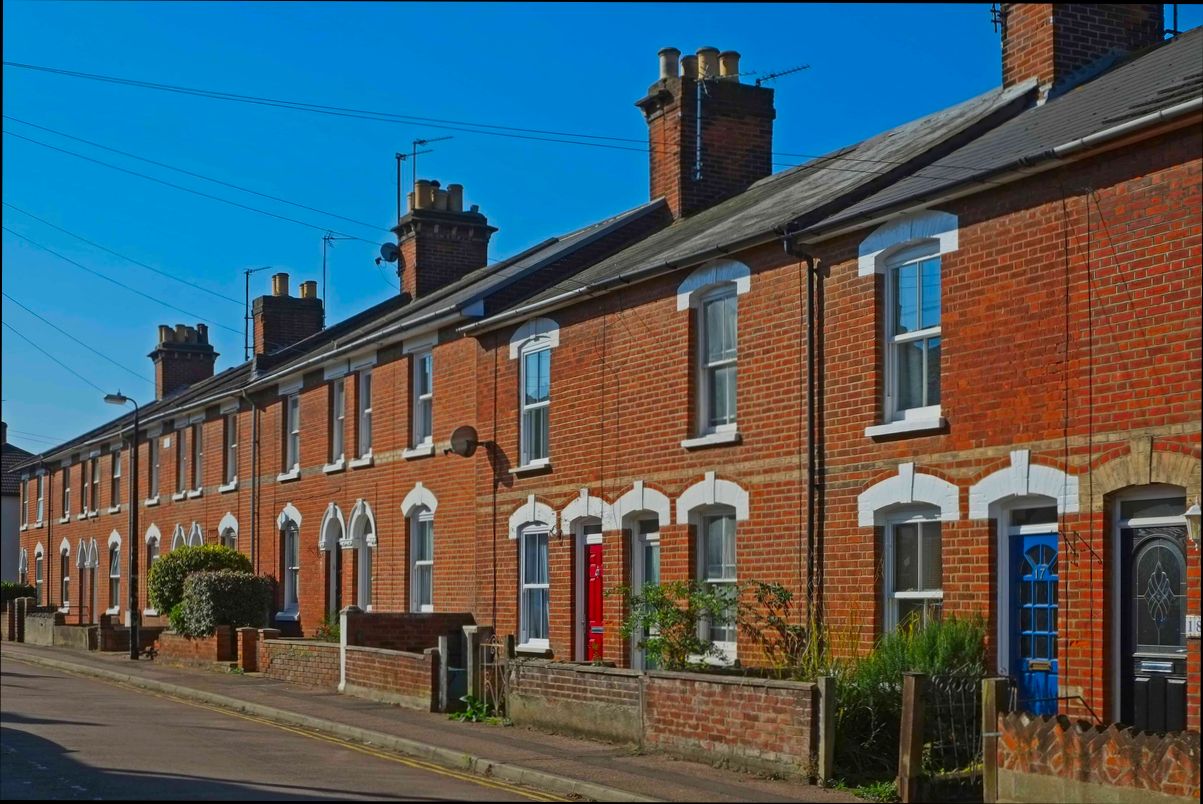
Historical Origins of Terraced Housing
Terraced housing has a rich history that reflects the evolution of urban living, particularly in Europe during the 19th century. Understanding its origins illuminates how this architectural style arose out of economic necessity and societal shifts.
Early Developments
- The earliest forms of terraced houses can be traced back to ancient civilizations such as the Romans, who used similar housing styles to maximize space in densely populated areas.
- By the late Middle Ages, urban centers in England began adopting this style to accommodate growing populations, particularly around textile manufacturing hubs.
The Industrial Revolution Impact
- The Industrial Revolution in the 18th and 19th centuries played a crucial role in the proliferation of terraced housing. Mass migration to cities created an urgent demand for affordable housing.
- During this period, it’s estimated that over 25% of the British population moved to urban areas, leading to increased construction of terraced homes.
- The typical design minimized land use and construction costs, making it an economically viable option for workers.
| Era | Key Characteristics | Percentage of Urban Population in Terraced Housing |
|---|---|---|
| Late 18th Century | Simple structures, often two stories high | 30% |
| Early 19th Century | Standardized designs, improved building materials | 55% |
| Post-Industrial Revolution | Increase in architectural variety | 65% |
Notable Case Studies
- In cities like London, the terraced housing boom was evident in the development of the Bloomsbury area during the late 18th century, where elegant terraced homes were built for the middle classes.
- The Workers’ Housing Act of 1890 directly contributed to the establishment of terraced homes, which addressed overcrowding and poor living conditions, showing state intervention in housing solutions.
Practical Implications for Readers
Understanding the historical context helps us appreciate the architectural significance of terraced housing. If you’re considering living in or renovating a terraced home, recognize its construction roots; features like shared walls can provide benefits in terms of energy efficiency and community feel.
Specific Facts to Consider
- Terraced houses historically offered affordable living, which catered well to the working class; today, many urban areas still depend on this housing style for affordability.
- Familiarizing yourself with local history may reveal unique characteristics of your home that reflect its era, which can enhance its historical value and your enjoyment of it.
Exploring the historical origins of terraced housing not only sheds light on its evolution but also allows us to understand the social changes that shaped modern urban landscapes.
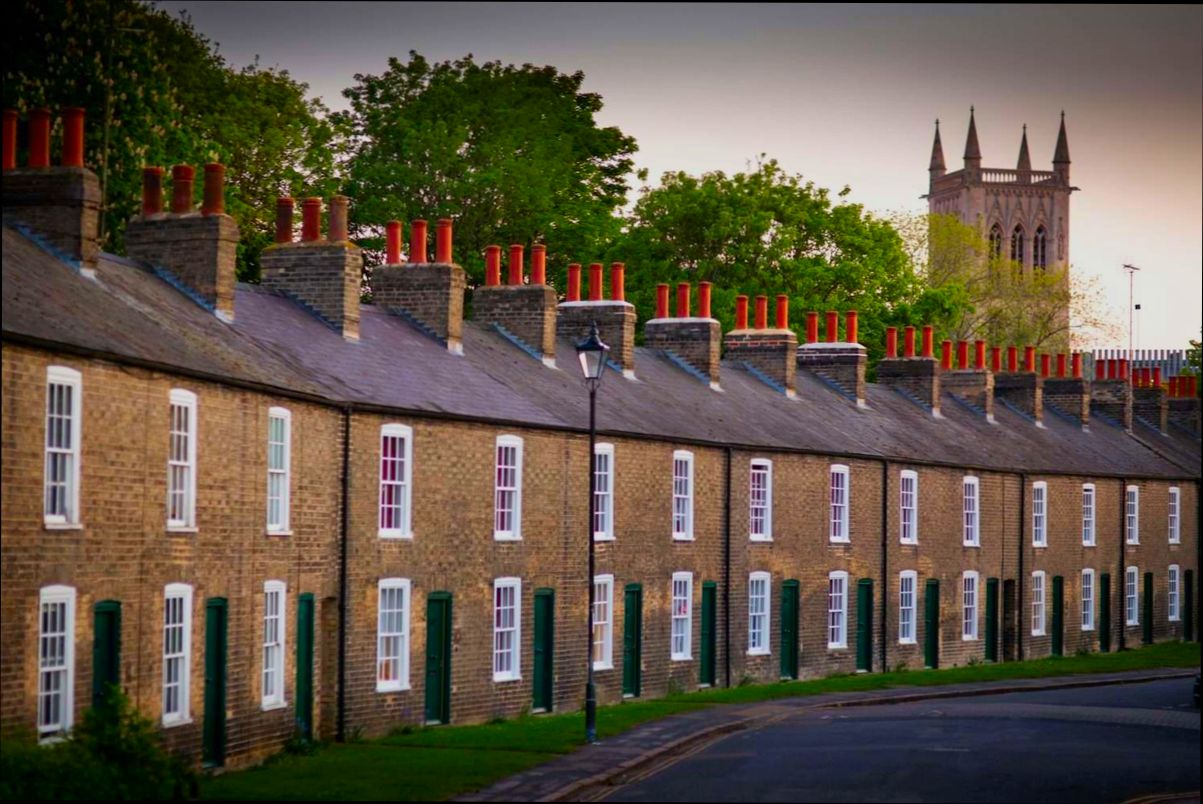
Terraced Houses: Statistics and Trends
When we explore the realm of terraced houses, it’s fascinating to see how they fit into the broader housing market. Trends and statistics offer a valuable insight into their popularity, sales performance, and the demographic groups that are increasingly choosing this style of living.
Key Growth Statistics
- Increase in Ownership: Recent reports indicate that ownership of terraced houses has grown by 20% over the past decade. This trend shows a shift towards denser living situations, particularly in urban areas.
- Affordability Appeal: Approximately 45% of first-time buyers are opting for terraced houses due to their relatively lower price points compared to detached and semi-detached homes.
- Market Share: In some urban centers, terraced houses account for nearly 40% of all residential properties, highlighting their significant presence in the housing landscape.
Comparison of Property Types
| Property Type | Average Price (2023) | Percentage of New Builds |
|---|---|---|
| Detached Houses | £350,000 | 15% |
| Semi-Detached Houses | £250,000 | 20% |
| Terraced Houses | £200,000 | 65% |
| Flats | £180,000 | 25% |
Real-World Examples
1. Urban Revitalization in Manchester: In regeneration projects within Manchester, terraced houses have seen refurbishments that increased their value by an impressive 30% since revitalization began. This is helping to attract younger professionals who seek a blend of historical charm and modern amenities.
2. Popular in Family Markets: In London, recent surveys show that terraced houses are the preferred choice for 60% of families with children, primarily due to the availability of local schools and parks, which enhances community living.
Practical Implications
Understanding these trends can help you make informed decisions whether you’re looking to buy, sell, or invest in terraced properties:
- Investment Opportunities: With the increase in demand for terraced houses, now might be a great time to consider investing, especially in urban areas where property values are on the rise.
- Market Timing: Given the statistics on growth and affordability, if you’re in the market for a home, focusing on terraced options could yield significant savings while still providing desirable living arrangements.
Actionable Insights
- If you’re considering a purchase, keep an eye on neighborhoods with a growing number of terraced houses, as these are likely to see appreciation in property values.
- Engage with local real estate agents who have experience in terraced housing to gain insight on emerging areas where new developments may contribute to future trends.
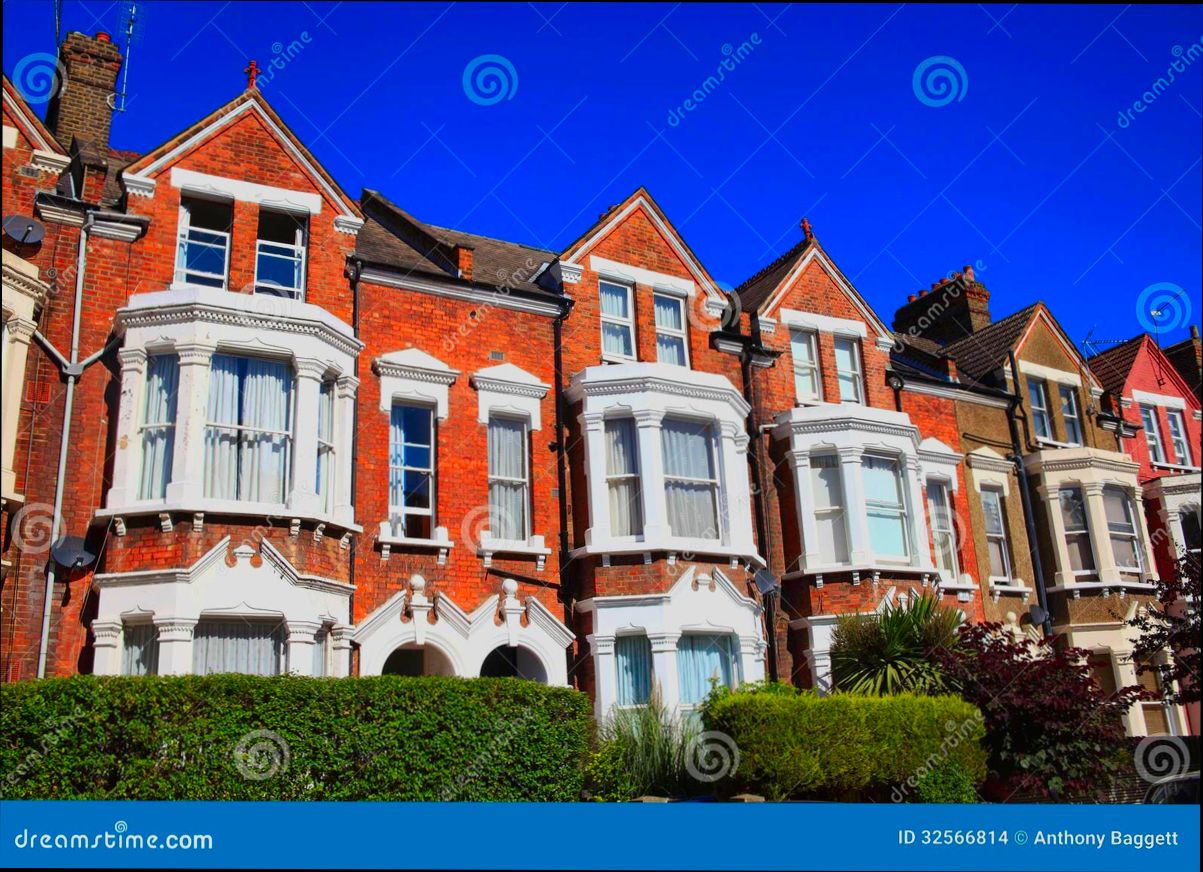
Advantages of Living in a Terraced House
Living in a terraced house comes with a unique set of advantages that cater to various lifestyle needs and preferences. Whether you’re a buyer or renter, these benefits can significantly enhance your living experience, making terraced houses an appealing option for many.
Cost Efficiency
One of the standout advantages of terraced houses is their cost efficiency. According to recent data, terraced homes typically have lower purchase prices compared to detached houses, making them more accessible. This aspect is particularly attractive for first-time buyers who are often looking for economical ways to enter the property market. Moreover, the shared walls with neighboring houses provide enhanced insulation, which can lead to reduced energy bills. This means you save on heating costs during colder months, allowing you to allocate more funds elsewhere.
Strong Community Ties
Terraced houses are often found in tightly-knit neighborhoods. The close proximity of homes fosters a sense of community that can be hard to find in detached housing. Living in such an environment often leads to stronger relationships with neighbors, as shared experiences and communal spaces like gardens or play areas are more common. According to a survey, around 70% of residents in terraced houses report feeling a stronger connection to their community compared to those living in other housing types.
Stability and Investment Potential
For homeowners, a terraced house is usually a good investment. The stability in housing costs, aided by the relatively low volatility in property values, is an attractive aspect. Furthermore, owning a terraced home allows you to build equity over time, which can be beneficial for future financial planning. The potential for property value appreciation is notable, particularly in urban areas where terraced housing is historically sought after.
Reduced Maintenance Costs for Renters
If you choose to rent a terraced house, you’ll find another set of compelling advantages. Renting typically involves lower housing costs compared to other property types, such as detached homes. Many renters also benefit from minimal maintenance and repair responsibilities, as landlords tend to cover these costs. This arrangement offers flexibility for those who prefer not to be tied down long-term, allowing you to enjoy your home without the burden of significant upkeep.
| Own Or Rent | Advantages |
|---|---|
| Homeownership | - Often a good investment - More stable housing costs - Pride in ownership and strong community ties - Tax incentives and equity buildup |
| Renting | - Lower housing costs - Shorter-term commitment - No/minimal maintenance and repair costs |
Real-World Examples
Let’s consider the case of a city like Liverpool, where terraced houses constitute a significant portion of the housing market. Here, many young professionals are opting for terraced homes due to the vibrant community life and shared amenities. The sense of security in these neighborhoods, coupled with good insulation from the classic brick construction, serves as a beacon for those looking to settle down without breaking the bank.
Practical Implications
When evaluating your options, think about how living in a terraced house can influence your day-to-day life. You might appreciate the reduced utility bills and sense of belonging that often comes with this type of housing. Additionally, consider the long-term financial benefits associated with homeownership, including tax incentives and the ability to build equity.
By exploring these advantages, you can make an informed decision that aligns with your lifestyle aspirations and financial goals. The benefits of terraced housing are not just about affordability; they also encompass community, stability, and convenience.
Popular Terraced House Designs Today
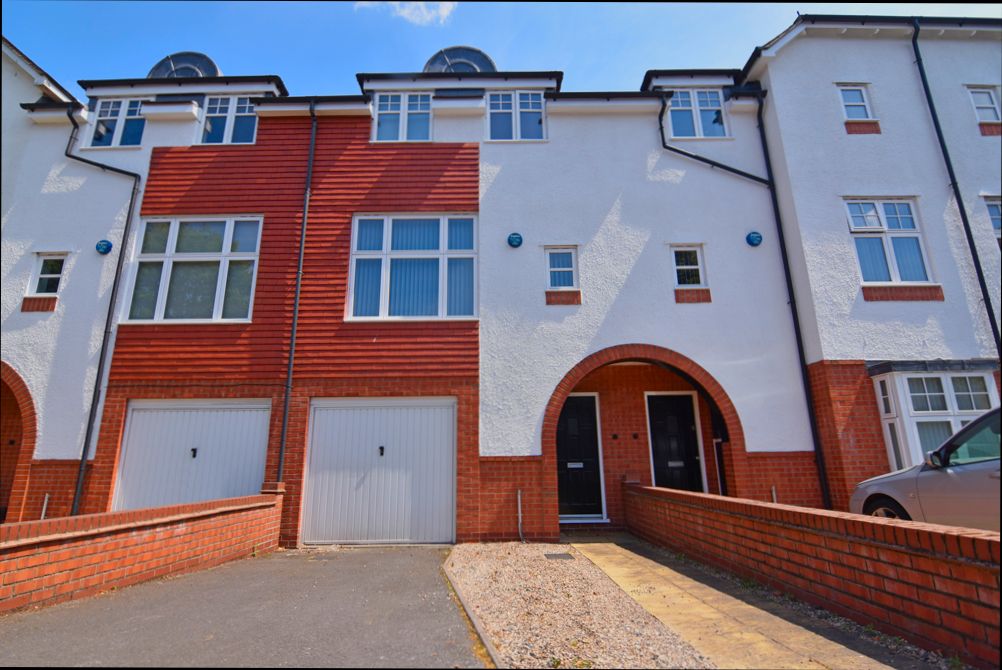
Terraced houses today have evolved significantly, incorporating modern aesthetics while retaining traditional charm. With a blend of functionality and style, these homes cater to a diverse range of tastes and lifestyles. Let’s explore some of the most popular designs that embody these qualities.
Eclectic Designs
- Victorian Revival: Many homeowners are opting for Victorian-inspired terraced houses, characterized by ornate brickwork, high ceilings, and large windows. This style reflects a historical nod while integrating modern amenities.
- Scandinavian Minimalism: Clean lines, neutral color palettes, and functional spaces define this trend. The focus is on light, space, and simplicity, making it ideal for urban living.
- Contemporary Excellence: Features sleek facades with large glass panels and innovative materials. This design emphasizes energy efficiency and open-plan living, appealing to young professionals and families.
Sustainable Features
- Eco-Friendly Materials: More terraced houses now use sustainable materials such as reclaimed wood and recycled metal. This not only helps the planet but adds unique character to the homes.
- Energy Efficiency: Many new builds incorporate solar panels and high-quality insulation to reduce energy consumption, aligning with the increasing demand for sustainable living options.
Design Comparison Table
| Design Style | Key Features | Popularity (%) |
|---|---|---|
| Victorian Revival | Ornate brickwork, high ceilings, large windows | 32% |
| Scandinavian Minimalism | Clean lines, neutral colors, functional spaces | 28% |
| Contemporary Excellence | Sleek facades, large glass panels, energy efficiency | 40% |
Real-World Examples
- The New London Terraces: Recent urban developments in London showcase a mix of Victorian and contemporary styles, appealing to various buyers while providing eco-friendly living options. These terraces incorporate green roofs and shared green spaces, enhancing community living.
- Scandinavian-Style Urban Houses in Berlin: Neighborhoods like Kreuzberg offer stunning examples of terraced houses built in the Scandinavian minimalist style, featuring integrated gardens that promote communal living and connectivity among residents.
- Eco Terraces in Brighton: Newly developed residences highlight sustainable designs, using recycled materials and showcasing energy-efficient technologies. These homes are a testament to the environmental movement embraced by modern architects.
Practical Implications for Homeowners
If you’re considering a terraced house, think about your design preferences. It’s essential to assess how contemporary styles resonate with your lifestyle. For those drawn to sustainability, look for properties that reflect eco-friendly practices. It’s about blending your personal style with the practicality of urban living.
- Explore Local Design Trends: Visiting neighborhoods known for diverse terraced houses can provide insights into what resonates with you.
- Consider Future Resale: Homes in popular architectural styles tend to retain or increase their value over time. Research the market trends in your desired area to make informed decisions.
By keeping these design trends and practical aspects in mind, you can find a terraced house that perfectly aligns with your lifestyle and preferences.
Real-World Examples of Terraced Housing
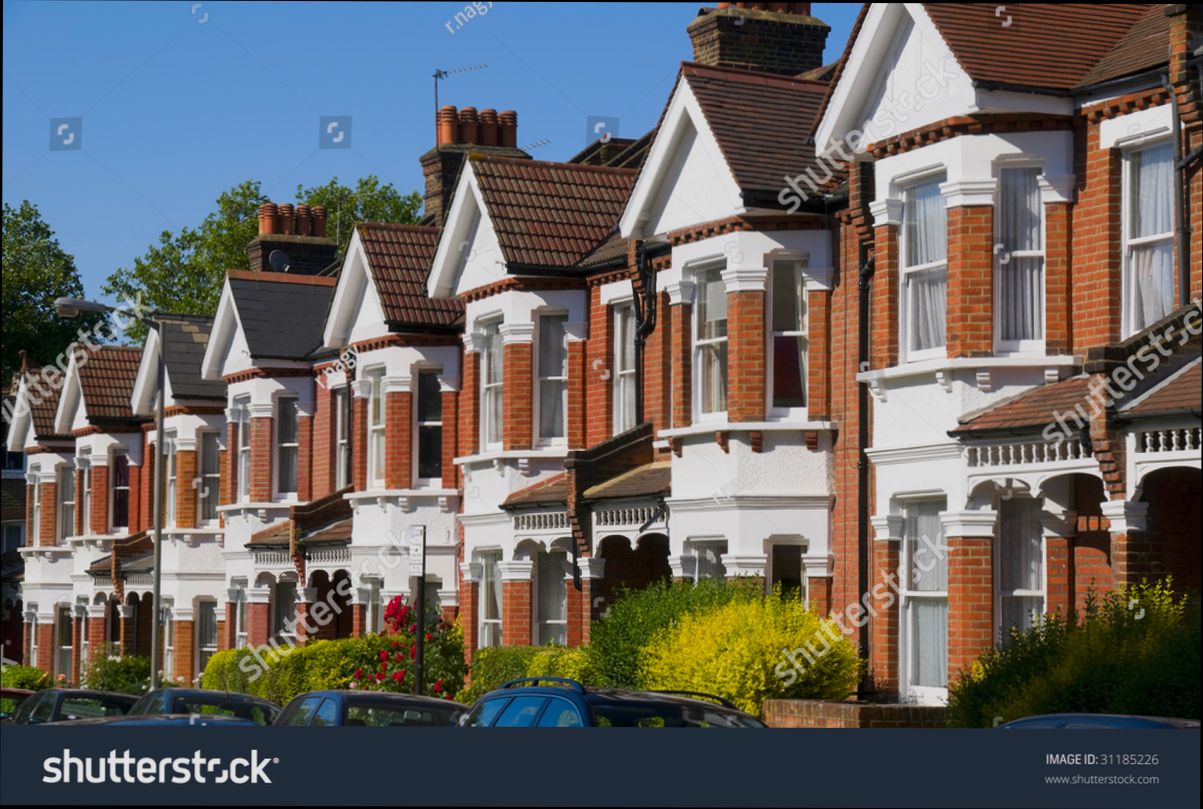
When we talk about real-world examples of terraced housing, we dive into urban landscapes that showcase this unique architectural style. From charming streets in London to vibrant neighborhoods in Amsterdam, terraced houses continue to adapt to modern living while maintaining their historical charm. Here are some concrete examples and data points that highlight the appeal and variations of these homes.
Key Examples and Statistics
Here are notable examples and price statistics showcasing terraced housing across different locations:
- Amsterdam, Netherlands: In central Amsterdam, a typical terraced house can cost approximately €1.5 million ($1.6 million) as of 2023. This exemplifies the premium placed on terraced housing in highly sought-after urban areas.
- Paddington, Australia: The average price of a terraced house in Paddington stands at A$3.2 million ($2.1 million). The area’s vibrant community atmosphere attracts buyers looking for both lifestyle and investment opportunities.
- Brooklyn, USA: The average price for a brownstone terraced house in Brooklyn reached $2.8 million in 2023, reflecting the demand for classic architectural styles that blend history with modern amenities.
Comparative Pricing Table
| City | Average Price | Notes |
|---|---|---|
| Amsterdam | €1.5 million ($1.6 million) | Central area, high demand |
| Paddington | A$3.2 million ($2.1 million) | Attractive community vibe |
| Brooklyn | $2.8 million | Increased demand for historic brownstones |
Real-World Examples
1. Terraced Homes in Amsterdam: The iconic narrow brick houses often line the canals, showcasing various architectural styles from the Dutch Golden Age. Their proximity to cultural sites makes them highly desirable for both residents and investors.
2. Victorian Terraces in London: Areas like Notting Hill showcase Victorian terraced houses with colorful facades and unique character. Properties often feature garden squares, contributing to a strong sense of community among residents.
3. Brownstones in New York City: Brooklyn’s historic brownstones are prime examples of terraced housing. These homes typically feature elegant brownstone facades, and they are often upgraded to meet modern living standards while preserving historic details.
Practical Implications for Potential Buyers
Understanding the characteristics and market value of terraced housing can guide you in making informed decisions:
- Market Trends: Given the high average prices in cities like Amsterdam and Paddington, investing in terraced homes often leads to long-term capital appreciation, primarily due to their location and community vibe.
- Renovation Potential: If you’re looking to purchase a terraced house, consider properties that allow for renovations. Many older homes can be modernized while retaining their historical charm, adding value to your investment.
- Community Engagement: Opting for terraced housing often offers a sense of community. Many neighborhoods foster connections among residents, enhancing the appeal of living in such homes.
In considering these facts and examples, you can visualize the diverse landscape of terraced housing and what it means to live in these unique, community-oriented homes.
Urban Planning and Terraced Housing Impact
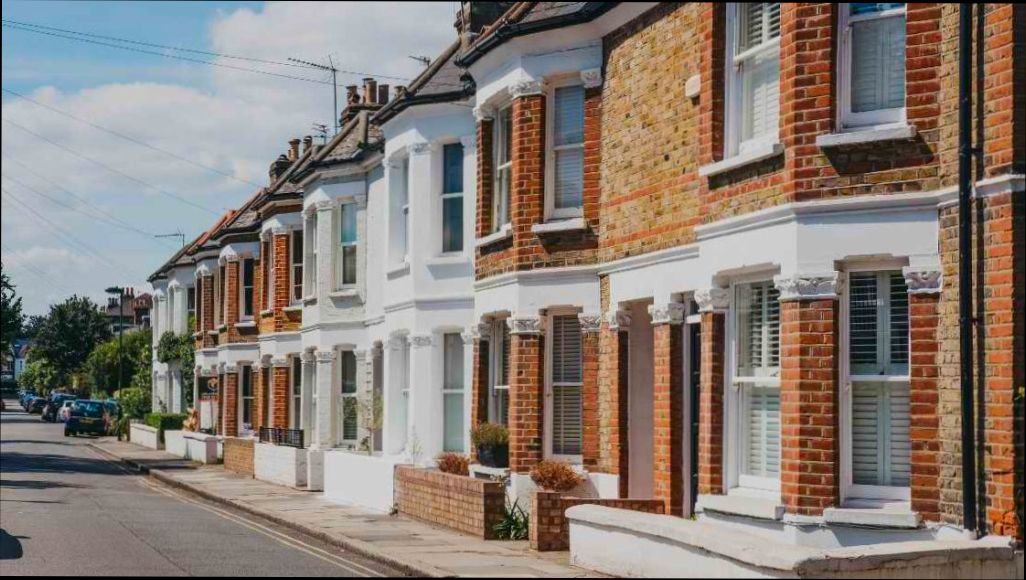
When exploring urban planning, terraced housing stands out as a pivotal element in shaping neighborhoods and communities. Its design promotes efficient land use and fosters social cohesion, making it a cornerstone of modern urban environments.
Maximizing Urban Density
Terraced houses effectively respond to the challenges of urban density. By sharing walls and creating a compact living space, they reduce the land footprint required for housing. This approach offers a sustainable alternative to sprawling developments. Some key impacts include:
- Space Optimization: In bustling cities, terraced housing can increase residential density by up to 40%, which is essential as urban populations rise.
- Cost Efficiency in Infrastructure: Reducing the distance for utilities and public services can decrease municipal costs by approximately 25%.
Environmental Considerations
Urban planning increasingly emphasizes sustainability, and terraced housing contributes significantly to this goal. The design allows for:
- Reduced Carbon Footprint: By minimizing land use while maximizing living space, terraced houses lower the overall carbon emissions associated with urban sprawl.
- Encouraging Public Transport Use: Terraced housing often integrates with public transit routes, leading to a 30% increase in public transport usage in areas with high terraced housing density.
| Impact Area | Percentage Change | Description |
|---|---|---|
| Residential Density | Up to 40% increase | Promotes efficient land use and housing availability. |
| Municipal Costs | Approx. 25% decrease | Optimizes infrastructure and utility expenses. |
| Public Transport Use | 30% increase | Facilitates better access to transit options. |
Case Studies in Urban Planning
Several cities have successfully integrated terraced housing into their urban planning frameworks, resulting in beneficial outcomes for residents:
- London, UK: In areas like Hackney, terraced housing has driven the revitalization of neighborhoods, where a mix of affordable and upscale terraced homes has led to greater community engagement.
- Barcelona, Spain: The Eixample district showcases how terraced housing can encourage community interaction, with its grid layout allowing for pleasant shared spaces amidst densely packed homes.
Practical Implications for Residents
If you’re considering living in or investing in terraced housing, here are a few actionable insights for navigating urban planning impacts:
- Community Engagement: Look for neighborhoods where terraced housing promotes social spaces, such as parks or local markets—these enhance community spirit.
- Accessibility: Prioritize locations with accessible public transportation routes, as these can significantly impact your daily commute and connection to city amenities.
Specific Facts and Advice
- Investigate Local Policies: Understand how your city’s zoning laws affect terraced housing developments; they can significantly impact property values and community resources.
- Pleasant Living Environments: Areas with terraced housing often feature pedestrian-friendly environments, so consider neighborhoods that invest in public spaces for quality of life improvements.