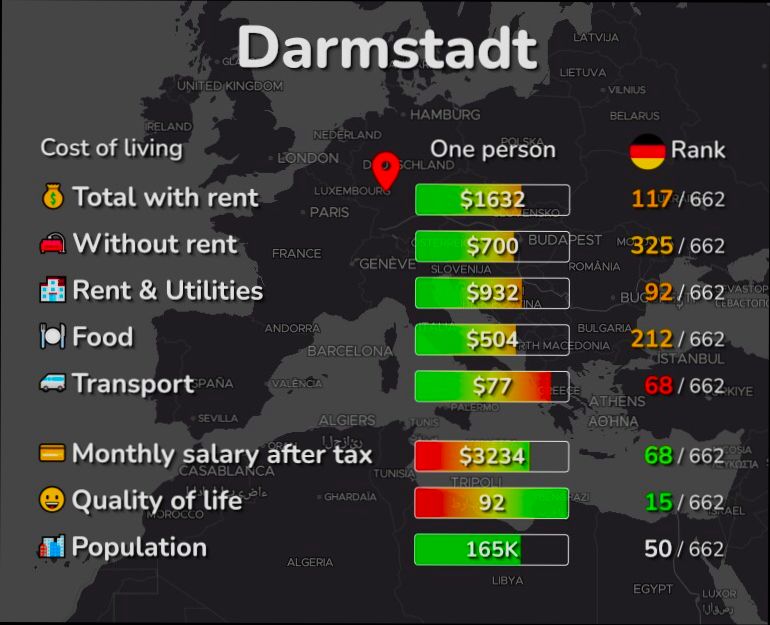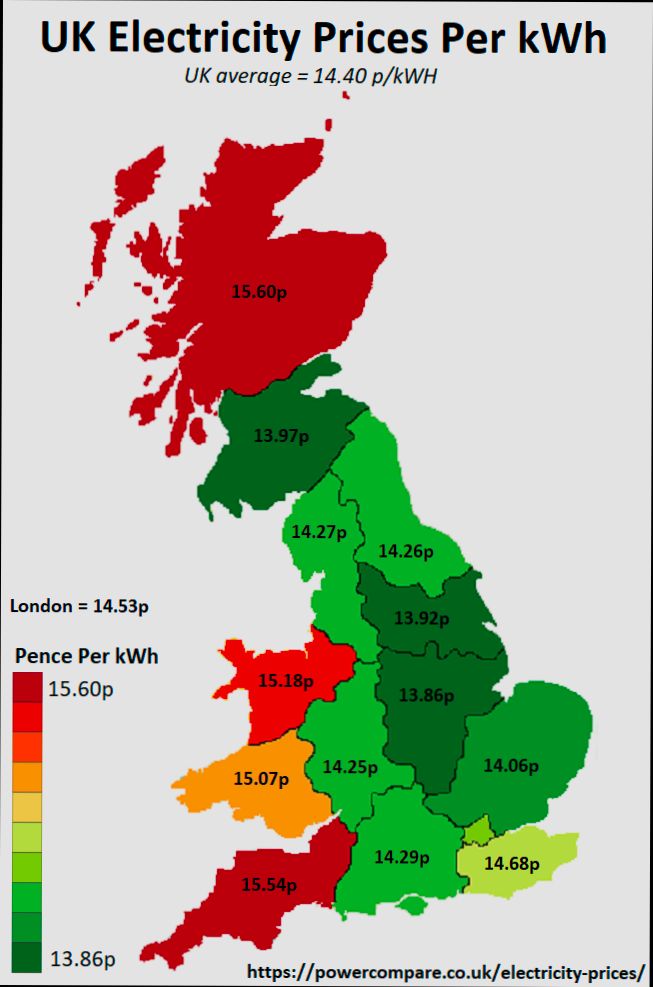
How Much Are Utilities in UK? Well, if you’re living in cities like London or Manchester, you might want to sit down for this. On average, a typical household spends anywhere from £150 to £300 a month on utilities, which includes electricity, gas, water, and internet. That’s quite a chunk of change! For example, energy prices have skyrocketed in recent years, with average monthly energy bills hitting around £150, and they were expected to rise even more. It’s enough to make anyone double-check their last statement.
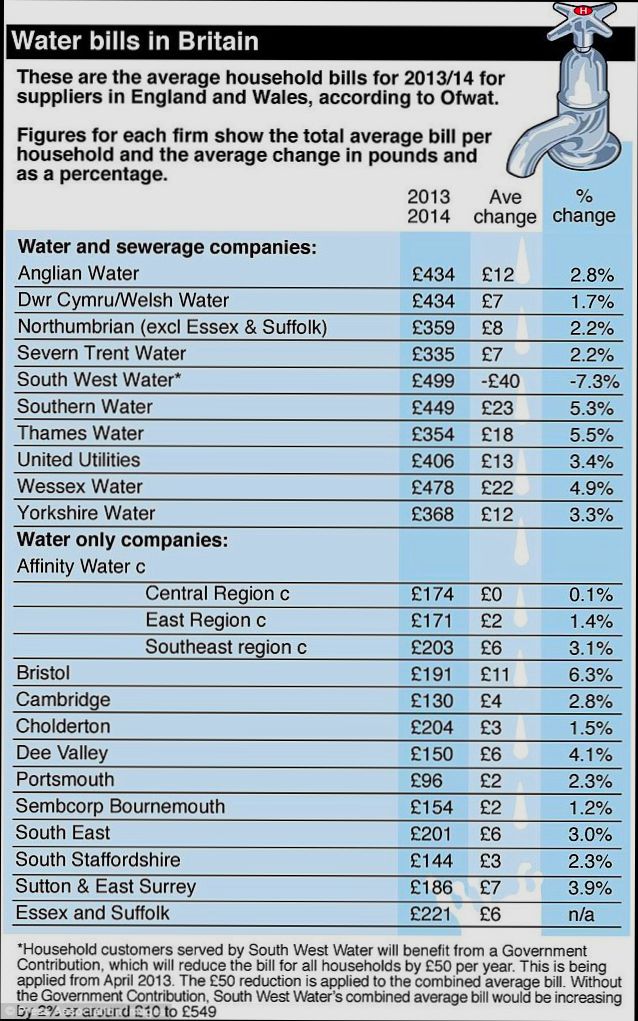
Now, let’s talk water—most people shell out about £40 to £50 monthly, depending on their usage and whether they’re on a meter. And don’t forget about your internet and phone bills, which can vary wildly. A basic broadband package might cost around £25 a month, but if you’re streaming or gaming, you might find yourself opting for faster speeds at a higher price, pushing your bill closer to £50. With all these costs adding up, it’s easy to see why many folks feel the pinch when it comes to managing household expenses in the UK.
Current Average Utility Costs in the UK
When we talk about average utility costs in the UK, we’re diving into essential monthly expenses that impact your budget significantly. These include electricity, gas, water, and internet services. Understanding these costs can help you better manage your finances.
Key Utility Cost Statistics
1. Electricity: The average monthly electricity bill now stands at approximately £100. This reflects an increase of around 20% from previous years due to rising energy prices.
2. Gas: Gas costs hover around £77 per month, with fluctuations depending on seasonal usage patterns, particularly in winter.
3. Water: On average, your water bill may reach about £40 monthly, although this can vary by region.
4. Broadband: The cost for a standard broadband package is roughly £30 per month, with higher-speed options available at increased rates.
Average Utility Costs Comparison Table
| Utility Type | Average Monthly Cost (£) | Year-on-Year Change (%) |
|---|---|---|
| Electricity | 100 | +20 |
| Gas | 77 | +15 |
| Water | 40 | +5 |
| Broadband | 30 | +10 |
Real-World Examples
Let’s explore a few practical scenarios that highlight how these utility costs affect typical households:
- Small Family Home: A family living in a 3-bedroom home in Manchester reported their utility expenses as follows:
- Electricity: £110
- Gas: £80
- Water: £45
- Broadband: £32
This family spends around £367 monthly, illustrating how costs can easily accumulate.
- Single Occupant Flat: A student residing in a 1-bedroom flat in London mentioned their monthly utilities as:
- Electricity: £90
- Gas: £65
- Water: £38
- Broadband: £28
Totaling £221, this example showcases that even a smaller living situation can incur substantial utility costs.
Practical Implications for You
Understanding the average utility costs can greatly influence your budgeting decisions. If you’re planning to move or are currently managing expenses, consider the following tips:
- Shop Around: Different providers offer varying rates, especially for broadband and energy. Taking the time to compare could save you money.
- Monitor Your Usage: Using smart meters can help you keep track of your electricity and gas consumption, enabling you to identify ways to save.
- Consider Bundling Services: Some companies offer package deals for broadband, phone, and TV services, which can lower overall costs.
Actionable Advice
To better manage your utility costs:
- Regularly review your bills to spot any discrepancies.
- Consider energy-efficient appliances that can lower your electricity usage.
- Join loyalty programs or referral bonuses which many providers offer to reduce costs further.
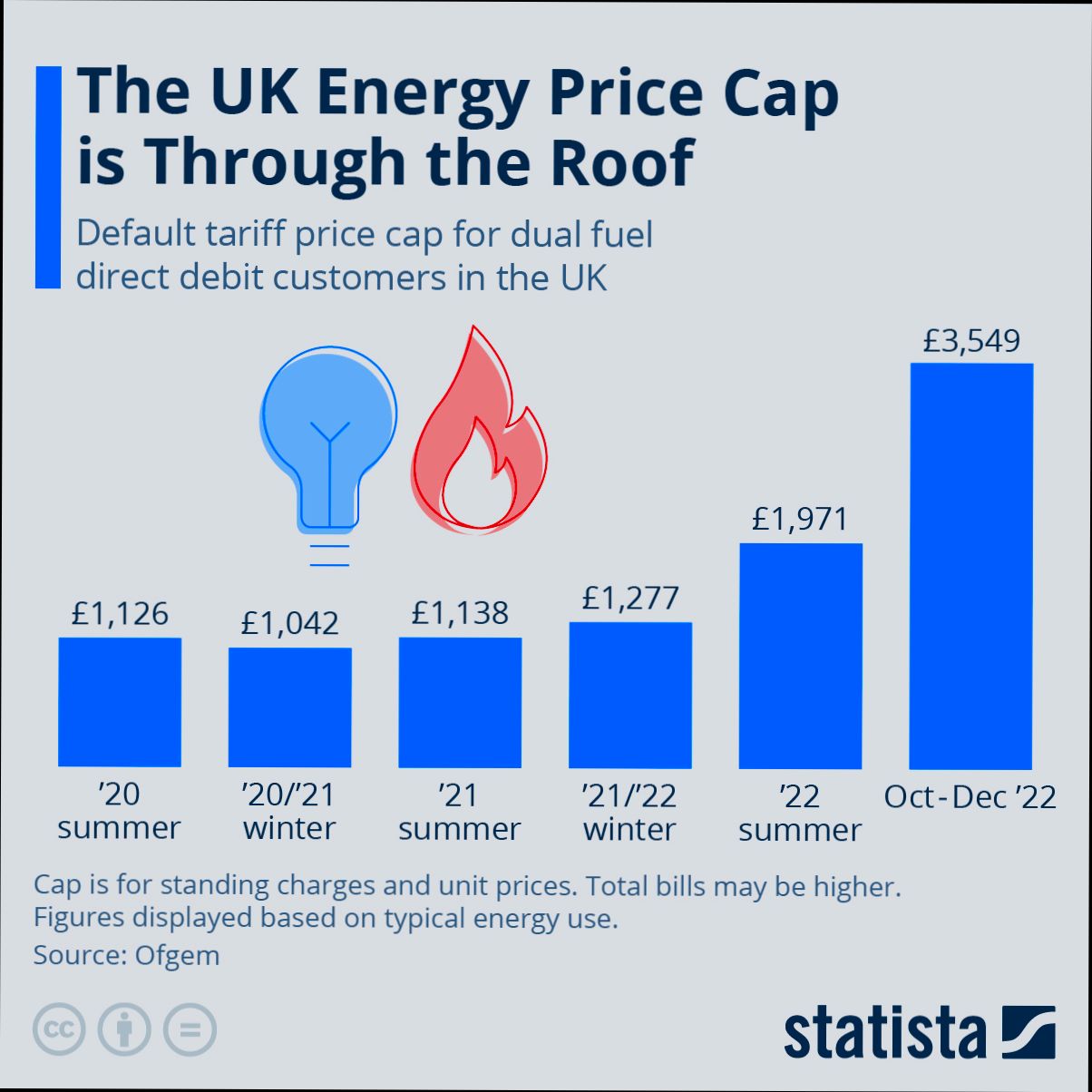
Regional Variations in Utility Pricing
Understanding how utility pricing varies across regions can empower you to make more informed decisions about budgeting and energy consumption. The fluctuating prices can significantly impact your monthly expenses, highlighting the importance of being aware of your local utility costs.
Key Points on Regional Variations
- Income Impact: Households with annual incomes below $50,000 face a substantial burden, spending approximately 6.8% of their earnings solely on natural gas and electricity costs. This percentage illustrates the financial strain on low-income families, especially in higher-cost areas.
- State Differences: A stark contrast exists in utility costs across states. For example, regions like Hampshire, Rhode Island, and Vermont generate over 50% of their power from natural gas, leading to varying electricity prices compared to states relying more heavily on coal or renewables.
- Average Monthly Bills: The highest average utility bills are observed in states such as Hawaii and Connecticut, where costs can soar due to local supply constraints and reliance on imported fuels. In stark contrast, states like Utah, New Mexico, and Colorado offer much lower average utility bills, benefitting from diverse energy sources and local initiatives for energy efficiency.
- Influence of Weather and Infrastructure: Regions prone to extreme weather face increased utility costs due to the investment needed to strengthen infrastructure. These factors can lead to higher rates for consumers in vulnerable areas, complicating local pricing dynamics.
| State | Average Monthly Utility Bill | Main Energy Source | Impact on Pricing |
|---|---|---|---|
| Hawaii | Highest | Oil/Petroleum | High due to imports |
| Connecticut | High | Natural Gas | Infrastructure costs |
| Alabama | Moderate | Coal/Nuclear | More stable pricing |
| Utah | Lowest | Renewable Energy | Cost-effective generation |
| Colorado | Moderate | Diverse (Renewables) | Helps mitigate increases |
Real-World Examples
In Hawaii, residents grapple with the highest utility costs, paying approximately 190% more than the national average. The reliance on imported oil significantly affects pricing, leading to a steep financial impact on consumers.
Conversely, Colorado showcases a successful transition towards renewable energy sources, which has helped to moderate the cost increases seen in other states. This shift not only improves prices but also contributes positively to environmental sustainability.
Practical Implications for You
Being aware of regional utility pricing can aid you in making strategic decisions. If you live in a high-cost area, consider the following:
- Switch Providers: Investigate if alternative energy suppliers are available in your region. Sometimes, switching can lead to lower prices.
- Energy Efficiency Programs: Take advantage of local programs aimed at improving energy efficiency. Many states offer rebates or incentives for upgrading appliances or insulation.
- Budget Planning: Knowing the average costs in your area can help you better plan and manage your monthly expenses. Adjust your budget accordingly based on your local utility rates.
Paying attention to local prices and energy sources can significantly influence your utility expenses, helping you take actionable steps to lower costs based on the regional variations you face.
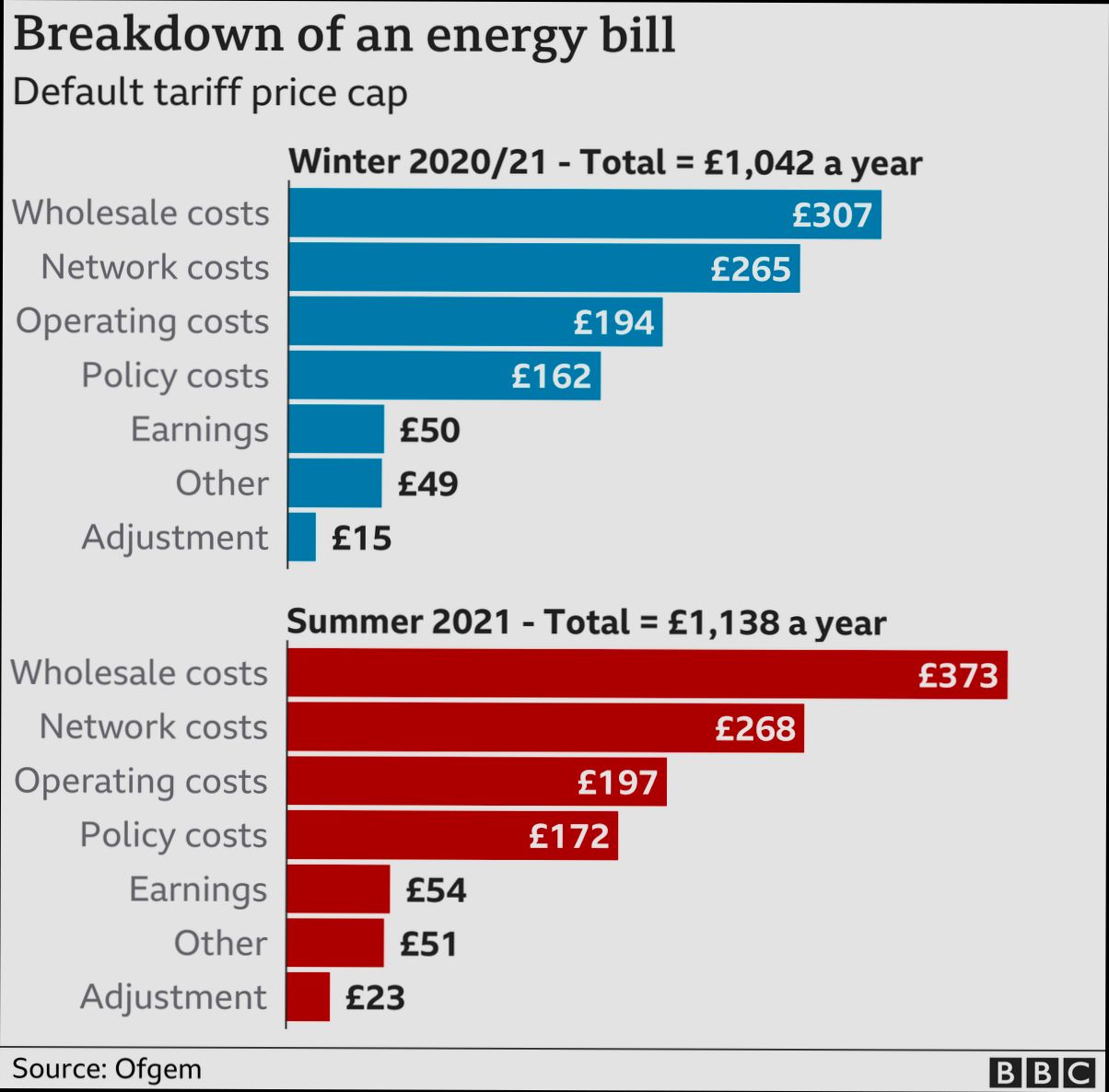
Understanding Utility Bill Breakdown
Understanding your utility bill is crucial for managing your monthly expenses more effectively. It empowers you to pinpoint areas where you can reduce costs, thereby improving your overall budget. Let’s dive into the components that make up your utility bill in the UK.
Key Components of Utility Bills
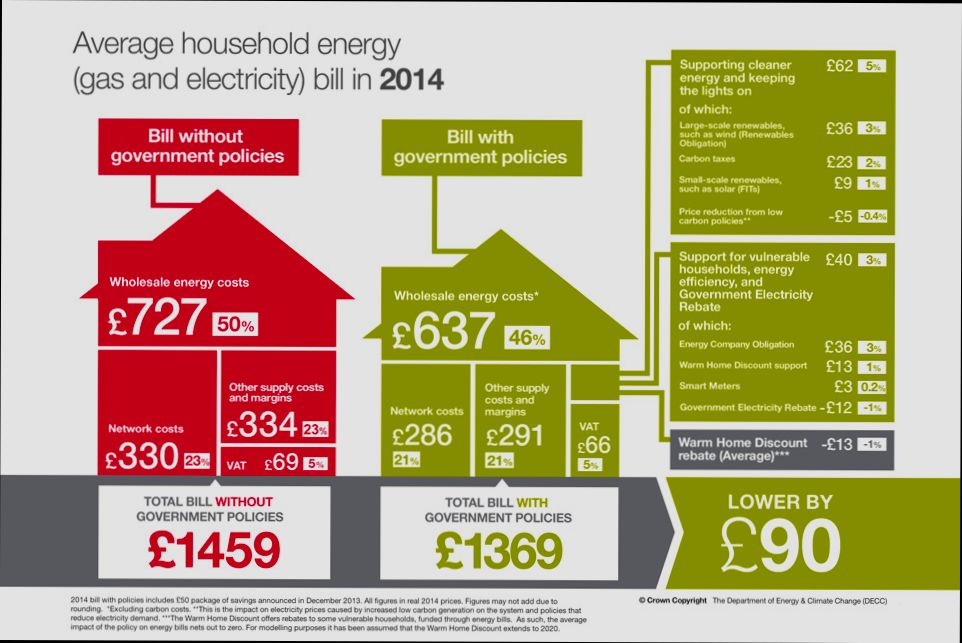
Utility bills typically consist of several key components that contribute to the total amount you owe each month. Recognizing these elements helps you understand where your money is going.
1. Energy Usage: This is often the largest component of your utility bill. Your energy usage is measured in kilowatt-hours (kWh), and rates can fluctuate based on market conditions.
2. Supply Charges: A fixed cost to ensure that energy is delivered to your home is included in your bill. It remains constant regardless of your energy consumption.
3. Taxes and Levies: You’ll typically find taxes such as VAT and government-imposed levies, which can contribute to around 5-10% of your total bill.
4. Service Charges: This may cover the maintenance of energy infrastructure or any extra services you may have signed up for, such as additional customer service support.
| Component | Estimated Percentage Contribution |
|---|---|
| Energy Usage | 60-70% |
| Supply Charges | 10-20% |
| Taxes and Levies | 5-10% |
| Service Charges | 5-10% |
Real-World Examples
To illustrate how these components affect your bill, consider the following scenarios:
- Household A: A three-bedroom home consuming around 300 kWh monthly might see their bill breakdown as follows:
- Energy Usage: £45
- Supply Charges: £10
- Taxes and Levies: £5
- Total Bill: £60
- Household B: A larger family home consuming around 500 kWh might lead to a total bill of £100, with a breakdown of:
- Energy Usage: £75
- Supply Charges: £15
- Taxes and Levies: £10
Practical Implications for Readers
Understanding each part of your utility bill can motivate you to become proactive about your energy consumption. Here are some actionable insights:
- Track Your Usage: Consider using smart meters or tracking apps to monitor your monthly usage. This can lead to smarter energy-saving habits.
- Evaluate Contracts: Regularly review your energy provider’s contracts, as switching can yield significant savings if you’re on a tariff that is no longer competitive.
- Consider Energy Efficiency: Upgrading to energy-efficient appliances can reduce your energy usage, effectively lowering the ‘energy usage’ portion of your bill.
Facts to Consider
- Approximately 20% of UK households report being unaware of the breakdown of their utility costs.
- Taking steps to understand your utility bill can lead to savings of up to 15% through mindful consumption and by switching providers consistently.
By breaking down your utility bill and understanding the various charges, you’re better equipped to take control of your energy expenses and find savings along the way.
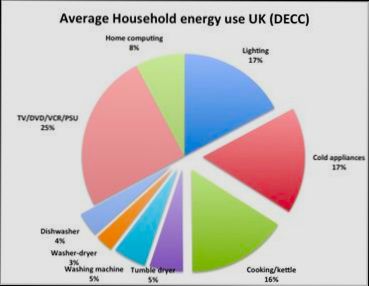
How to Reduce Your Utility Expenses
Reducing utility expenses doesn’t just lighten the load on your wallet; it also contributes to sustainable living. By making a few informed choices and adjustments, you can significantly decrease your monthly utility bills.
Simple Steps to Cut Costs
1. Review Your Tariffs: Start by examining your energy provider’s tariffs. Switching to a fixed-rate plan might save you money if prices rise. According to recent data, households that shop around can save an average of 10% on energy bills by switching suppliers.
2. Optimize Appliance Use: Use energy-efficient appliances that consume less energy. Look for items with an Energy Star rating. For instance, households that replace older appliances with energy-efficient models save, on average, up to 20% on their electricity bills.
3. Smart Thermostats: Installing a smart thermostat can help manage heating and cooling costs. Data shows that homes with smart thermostats can save around 10-15% on heating and cooling costs annually.
| Cost-Reducing Action | Estimated Savings |
|---|---|
| Switching Energy Suppliers | 10% |
| Using Energy-Efficient Appliances | 20% |
| Installing Smart Thermostats | 10-15% |
Real-World Implementation
Consider the case of the Brown family, who replaced their 15-year-old refrigerator with an energy-efficient model. They reported a 25% reduction in their monthly electricity bill, translating to an extra £30 saved each month. They also decided to switch energy suppliers after discovering they were on an outdated tariff, yielding a further 12% savings.
Practical Tips for Everyday Savings
- Turn Off Unused Devices: Unplug electronics when not in use. This simple step can prevent phantom energy drain, potentially saving you 5-10% on your electricity bill.
- Water-Saving Fixtures: Installing water-saving showerheads or faucets can reduce water consumption by up to 30%, providing significant savings on your water bill.
- Energy Audits: Conduct an energy audit of your home. You can do this yourself or hire professionals. This assessment can identify problem areas where energy is wasted, leading to targeted savings strategies.
Actionable Advice
- Look at your monthly usage and identify spikes. Adjust your habits accordingly.
- Set reminders to turn off lights in unoccupied rooms.
- Regularly clean your heating and cooling systems to improve efficiency, saving up to 15% on energy costs.
Implementing these strategies can lead to noticeable reductions in your utility expenses, helping you to spend your hard-earned money more wisely.
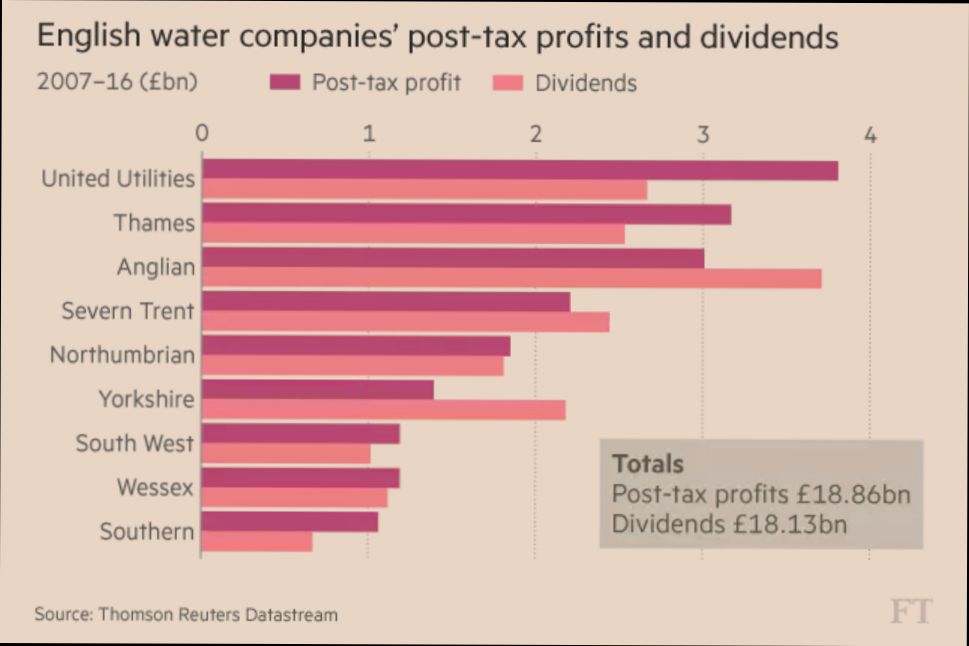
Impact of Energy Efficiency on Costs
Understanding how energy efficiency impacts costs is essential for anyone looking to manage their utility bills more effectively. By improving energy efficiency, you not only lower your own expenses but also contribute to the broader goal of energy conservation. This section will explore the specific ways energy efficiency can reduce costs for consumers in the UK.
Key Points on Energy Efficiency and Cost Reduction
- According to research, implementing energy-efficient measures can lead to an average cost reduction of 15-30% on utility bills. This significant savings can greatly enhance your budget over time.
- The installation of energy-efficient appliances often results in a return on investment (ROI) of about 20% when considering energy savings, showcasing that upfront costs can lead to longer-term savings.
- Additionally, homes that utilize energy efficiency upgrades can see increases in property value by approximately 5-10%, providing a dual benefit for homeowners.
Comparative Savings from Energy Efficiency
| Efficiency Measure | Average Annual Savings (£) | ROI (%) |
|---|---|---|
| LED Lighting Replacement | £60 | 25% |
| Smart Thermostats | £75 | 20% |
| High-Efficiency Boiler | £150 | 15% |
| Insulation Improvements | £200 | 30% |
Real-World Examples of Impact
- A case study detailed in the EPA report highlights a family in Scotland that replaced their old heating system with a high-efficiency boiler. As a result, they saved approximately £150 annually on their heating bills, demonstrating the tangible benefits of efficient appliances.
- Another example involves a small business in Manchester that implemented smart lighting and energy management systems. They reported reductions in their energy costs by about 25%, illustrating how commercial establishments can also benefit from energy-efficient strategies.
Practical Implications for Readers
When you consider energy efficiency from a cost perspective, the implications are clear. Investing in energy-efficient technologies can lead to substantial savings on your monthly utility bills while also enhancing the comfort of your living space. Here’s what you can do:
- Assess your current energy use and identify areas for improvement that could save you the most money.
- Consider the long-term savings versus the upfront costs of energy-efficient upgrades.
- Take advantage of government grants or incentives aimed at improving energy efficiency, as these can significantly reduce initial costs.
Being proactive about energy efficiency not only eases financial strain but also supports larger environmental goals by reducing overall energy consumption.
Specific facts to keep in mind include that households can benefit from a 30% reduction in energy costs by making a few simple changes and improvements around the home.
Statistics on Utility Usage Trends
When exploring utility usage trends in the UK, we see a landscape characterized by rising energy demands and evolving consumption patterns. Understanding these statistics is key for managing future utility costs and adapting to energy consumption needs.
Rising Electricity Demand
Electricity consumption is on a steady upward trajectory. The Energy Information Administration (EIA) projects that power demand will increase significantly, reaching:
- 4,101 billion kilowatt-hours (kWh) in 2024
- 4,185 billion kWh in 2025
This represents a rise from 4,000 billion kWh in 2023 and shows a remarkable recovery from the previous year’s record of 4,067 billion kWh in 2022.
Utilization of Renewable Energy Sources
The trend towards renewable energy sources continues, with large-scale power generation from renewables reaching approximately 3,287 billion kWh, a 3% year-over-year increase. This signifies a growing shift in energy generation sources that could impact overall utility costs in the coming years.
Natural Gas and Its Role
Natural gas plays a crucial role in the UK’s electricity generation, accounting for about 43% of total electricity production. There was a notable 4.1% increase in natural gas usage this year, which has implications for future energy pricing and availability.
| Year | Total Electricity Demand (billion kWh) | Renewable Generation (billion kWh) | Natural Gas Contribution (%) |
|---|---|---|---|
| 2022 | 4,067 | 3,190 | 43 |
| 2023 | 4,000 | 3,200 | 43 |
| 2024 | 4,101 | 3,287 | 43 |
| 2025 | 4,185 | 3,385 (projected) | 43 |
Adoption of Electric Vehicles
Electric vehicle (EV) adoption is accelerating, with 8% of new car sales accounted for by electric vehicles in the first three quarters of 2024. This trend not only drives up electricity demand but also reflects a broader shift towards sustainable energy use.
Practical Implications
1. Monitor Demand Trends: As you plan your energy consumption, keep an eye on projections for electricity demand, especially as they relate to your household or business’s energy needs.
2. Consider Renewable Options: With increasing renewable generation statistics, explore options for greener energy sources, which may lead to long-term savings and lower your carbon footprint.
3. Stay Informed on Natural Gas Prices: Since natural gas plays a critical role in energy generation, staying updated on its price trends could help you anticipate changes in utility costs.
By recognizing these trends and adapting accordingly, you can make informed decisions about your energy usage and potential costs.
Real-Life Examples of Utility Savings
When it comes to saving on utilities, real-life examples can provide a powerful insight into effective strategies. Here, I’ll delve into some specific instances where individuals and households have successfully reduced their utility expenses through various methods and changes.
Key Points on Utility Savings
- Appliance Upgrades: Upgrading to energy-efficient appliances has proven to deliver significant savings. For example, replacing a standard refrigerator that uses 700 kWh/year with an energy-efficient model that uses only 400 kWh/year results in a saving of 300 kWh/year. If this translates to an average electricity cost of $0.15 per kWh, that’s an annual saving of approximately $45.
- Lighting Changes: Switching from incandescent to LED bulbs can lead to dramatic savings. For instance, if you replace 10 incandescent bulbs with LED bulbs, your energy cost per year drops from $120 to just $30. Over a decade, this switch means saving around $900.
- Washing Methods: The choice of washing method can also greatly impact utility costs. Washing a load with hot water consumes about 2.5 kWh and costs approximately $0.38 per load, while using cold water only requires 0.5 kWh and costs just $0.08. If you wash 10 loads per month, switching to cold water could save you nearly $36 annually.
Comparative Table of Utility Savings
| Appliance | Standard Model (kWh/Year) | Energy-Efficient Model (kWh/Year) | Savings (kWh/Year) | Dollar Savings/Year ($0.15/kWh) |
|---|---|---|---|---|
| Refrigerator | 700 | 400 | 300 | $45 |
| Washing Machine | 900 | 500 | 400 | $60 |
| Dishwasher | 500 | 300 | 200 | $30 |
| Incandescent Bulbs | N/A | N/A | N/A | $900 over 10 years |
| LED Bulbs | N/A | N/A | N/A | $900 over 10 years |
Real-World Examples of Utility Savings
One family in the UK decided to replace their old washing machine with a more energy-efficient model, saving 400 kWh/year and translating to around $60 in annual savings. They noted that not only was their electricity bill reduced, but the machine also cleaned their clothes more effectively.
Another household tackled their lighting expenses by switching all their incandescent bulbs to LED bulbs. Originally facing an annual lighting cost of $120, their bill plummeted to just $30 a year. This swap led to an impressive decade-long saving of about $900, allowing them to reinvest that money into home improvements.
Practical Implications for Readers
Consider that even small changes can lead to useful savings. Upgrading your appliances and making smart choices about how you use them can accumulate to substantial annual savings.
- If you’re in the market for new appliances, opt for energy-efficient models. Not only will you save on utility bills, but you may also benefit from government incentives in some regions.
- Evaluate your washing habits: switching to cold water for laundry can cut costs significantly with minimal impact on cleanliness.
Taking calculated steps can lead to significant savings, contributing positively to both your wallet and the environment.