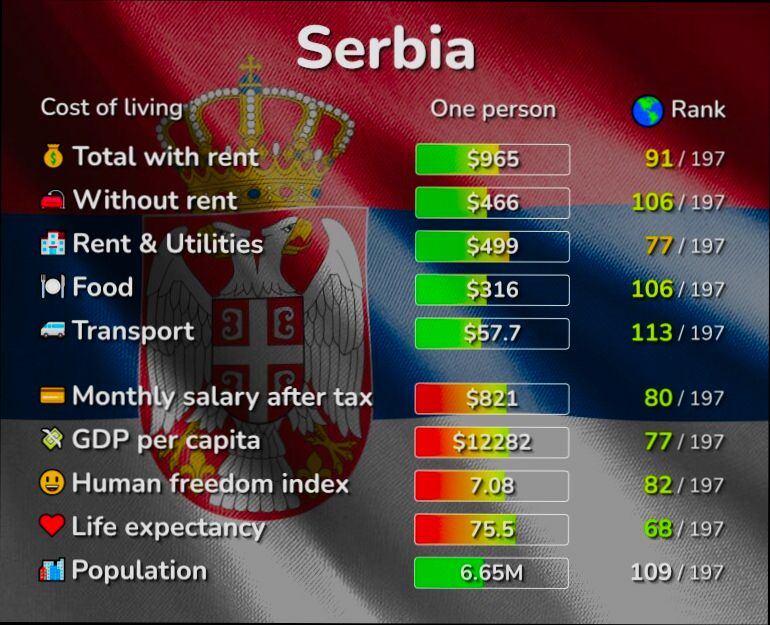
What is the cost of living in Serbia? If you find yourself dreaming of vibrant cities, rich history, and delicious cuisine—all without breaking the bank—Serbia might be your next destination. For instance, in Belgrade, you can snag a one-bedroom apartment in the city center for around $400 a month, while a hearty meal at a local restaurant might set you back just $10. Groceries are also pretty friendly on the wallet; a loaf of bread costs about 50 dinars, and a liter of milk is around 100 dinars.
But it’s not just the essentials that impress; leisure activities remain affordable too. Catching a movie at the cinema will only cost you about $5, and a monthly public transport pass is around $30. You’ll often find yourself exploring cafes, sipping coffee that averages only a dollar, while absorbing the city’s lively atmosphere. Whether you’re thinking of living like a local or just planning a visit, Serbia’s cost of living offers a pleasant surprise.
Housing Costs and Rental Market
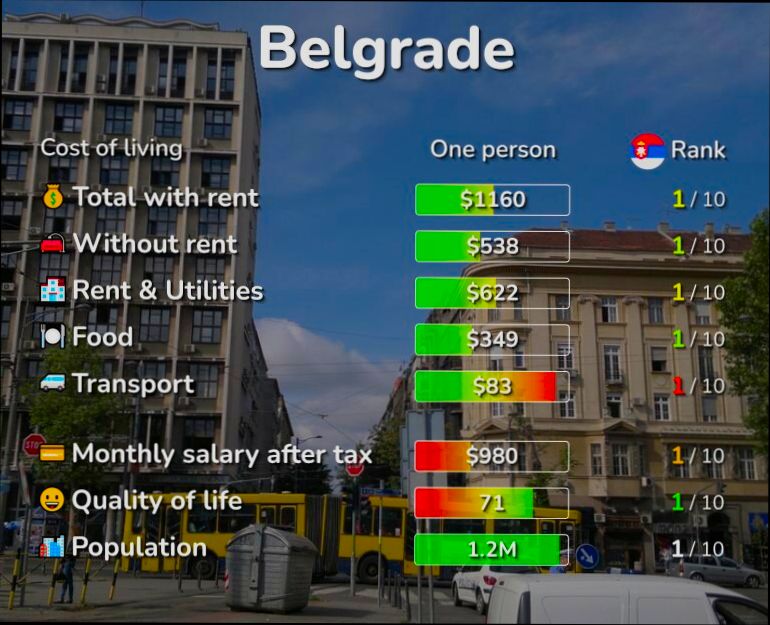
When diving into the housing costs and rental market in Serbia, you’ll quickly notice substantial differences, particularly between its two largest cities, Belgrade and Novi Sad. Understanding these nuances can significantly impact your decision-making process if you’re considering moving.
The rental market shows that Belgrade tends to be pricier across numerous apartment types compared to Novi Sad. For example, renting a one-bedroom apartment in Belgrade’s city center averages around $787, while in Novi Sad, it’s more budget-friendly at $498—a striking 58% difference. If you look at larger apartments, such as three-bedroom units in the city center, expect to pay at least $1,410 in Belgrade, compared to $969 in Novi Sad, marking a 45% difference.
Rental Price Comparison
| Apartment Type | Novi Sad (USD) | Belgrade (USD) | Difference (%) |
|---|---|---|---|
| 1-Bedroom (City Center) | $498 | $787 | +58% |
| 1-Bedroom (Outside Center) | $399 | $500 | +25% |
| 3-Bedroom (City Center) | $969 | $1,410+ | +45% |
| 3-Bedroom (Outside Center) | $685 | $900 | +31% |
You’ll find that renting outside the city center can offer substantial savings as well. A one-bedroom apartment outside Belgrade’s core is approximately $500 compared to $399 in Novi Sad, which is a 25% increase. This saving can attract families looking for reasonable prices while still wanting access to urban amenities.
Real-World Insights
Many expats have chosen Novi Sad for its appealing rental options. For instance, a family looking to rent a three-bedroom apartment may find comfortable living at a significantly lower rate than what they’d experience in Belgrade. The market here also offers larger spaces for families, which is a critical aspect for those considering long-term stays or relocations.
Additionally, buying property in Serbia remains an attractive investment, with average prices per square meter reaching around $3,000 in Novi Sad and around $4,200 in Belgrade. This pricing variability illustrates the potential for capital growth depending on location and the type of property you’re considering.
Practical Implications for Your Move
- Budget Wisely: If you are moving to Serbia, consider your rental options. Budget for differences in locations, especially between Belgrade and Novi Sad.
- Prioritize Space: For families, prioritizing larger apartments in Novi Sad could be a cost-effective choice while still providing ample living space.
- Explore Buying: If you’re looking to invest rather than rent, analyze property prices in both cities, as the long-term gains could outweigh immediate rental costs.
Keep these insights at the forefront as you navigate the housing costs and rental market in Serbia. Understanding the financial landscape will empower you to make informed decisions suited to your lifestyle and financial goals.
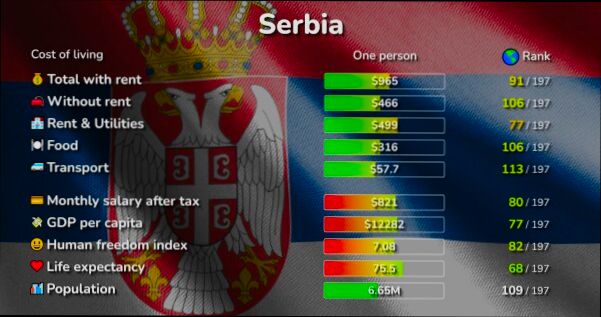
Food Prices and Grocery Expenses
When evaluating the cost of living in Serbia, food prices and grocery expenses play a crucial role. You might be surprised to learn how affordable everyday staples can be while enjoying locally sourced products. Let’s dive into what you can expect in terms of grocery costs and food prices in Serbia.
Grocery Costs Overview
On average, a monthly grocery bill for one person can range from $180 to $250, depending on personal preferences and eating habits. Below are some common grocery prices that reflect this range:
- Bread (500g): $0.50
- Milk (1L): $1
- Eggs (12): $2.50
- Chicken Breast (1kg): $5
- Potatoes (1kg): $0.70
These prices indicate that staple foods remain reasonably priced, making it accessible for both locals and expats.
Comparative Price Table
Here’s a snapshot of various food items and their prices in Serbia, especially helpful when budgeting for your grocery expenses.
| Grocery Item | Average Price (USD) |
|---|---|
| Rice (1kg) | $1.20 |
| Apples (1kg) | $0.90 |
| Local Cheese (1kg) | $4.50 |
| Tomatoes (1kg) | $1.00 |
| Cucumber (1kg) | $0.80 |
As you can see, fruits and vegetables are generally affordable, encouraging a healthy diet rich in local produce.
Real-World Examples
If you choose to shop at local markets, you’ll discover even lower prices. For instance, countless residents opt for farmers’ markets where fresh produce can be found much cheaper—apples might be available for just $0.50 per kilogram! A family of four reported spending about $400 monthly by shopping at these markets instead of supermarkets.
Additionally, many expats have found that purchasing items like cheese and meats in bulk can reduce costs significantly. One couple noted saving approximately $50 by buying chicken in larger quantities rather than by the piece.
Practical Implications for Readers
As you plan your budget in Serbia, consider these tips for managing your grocery expenses:
- Shop Locally: Visit farmers’ markets for the freshest produce at a lower price.
- Buy in Bulk: Purchase staple goods like rice and pasta in larger quantities to save money over time.
- Check Weekly Discounts: Local supermarkets often have weekly promotions—staying informed can lead to considerable savings.
Specific Facts and Actionable Advice
Don’t overlook seasonal changes; during harvest seasons, fruits and vegetables can drop even further in price. For example, tomatoes might cost around $0.60 per kg during peak season compared to $1.00 at other times. By planning your meals around in-season products, you can optimize your grocery budget and enjoy diverse culinary experiences while living in Serbia.
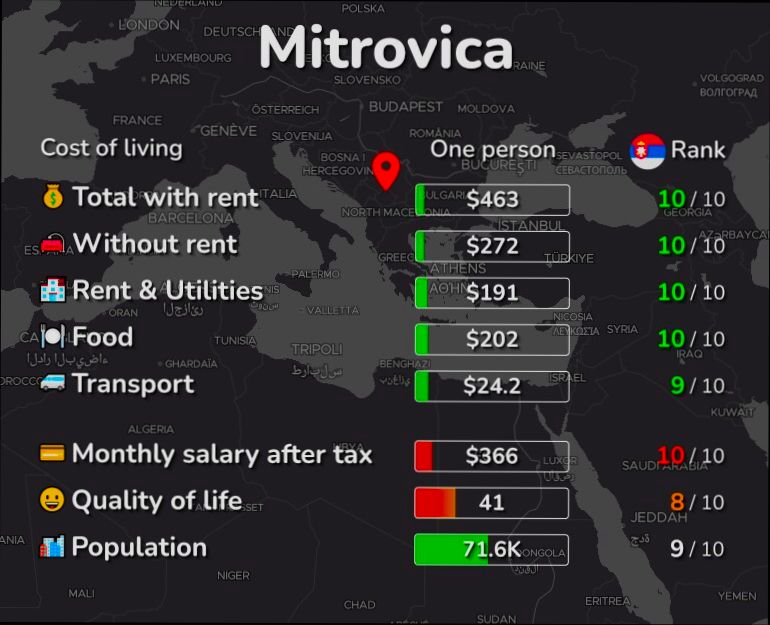
Transportation and Commuting Options
When moving to Serbia, understanding the transportation and commuting landscape is essential for effectively managing daily expenses and routines. Serbia boasts a variety of options for getting around, from public transport to ridesharing services, making it convenient for locals and expatriates alike.
One of the standout features of transportation in Serbia is its affordability. For example, a one-way bus ticket in urban areas typically costs around $0.80, while a monthly pass averages about $25. This price point makes commuting by public transport incredibly economical compared to many Western countries.
Public Transport Overview
Serbia’s public transport includes buses, trams, and trolleybuses, particularly prevalent in Belgrade. The extensive network allows for efficient navigation across the city. Here are some specific details:
- Frequency and Coverage:
- Public transportation operates frequently, with buses arriving every 8-15 minutes during peak hours.
- Major urban centers like Belgrade and Novi Sad ensure wide coverage, connecting suburban areas with city centers.
- Transportation Costs:
- A single ride on a tram or bus typically costs around $0.80.
- An average monthly pass for all public transport forms can cost approximately $25.
Comparative Transportation Costs
| Transport Type | Average Cost (USD) | Description |
|---|---|---|
| One-way Bus/Tram Ticket | $0.80 | Standard fare for a ride |
| Monthly Public Transport Pass | $25 | Unlimited rides for a month |
| Taxi Start Fare | $1.50 | Base fare for taxi rides |
| Cost per Kilometer (Taxi) | $0.60 | Charged after the starting fare |
Real-World Examples
Netherlands native Sarah moved to Belgrade for work and found public transport easy to use. She uses the tram to get from her apartment in New Belgrade to her office downtown, spending less than $30 a month. She reports that while taxis are available, she prefers trams due to their reliability and cost-effectiveness.
In Novi Sad, John, a university student, enjoys the city’s bike-sharing program. He pays just $2 a day for access, which allows him to explore the city with ease without incurring any hefty transport costs.
Practical Implications for Residents
- Embrace Public Transport: With its affordability, utilizing buses and trams can substantially cut your monthly commuting costs.
- Consider Biking: If you enjoy cycling, many cities are investing in bike lanes and rental services, providing a green and economical way to commute.
- Keep Apps Handy: Using ridesharing apps like Bolt or Uber can sometimes be more beneficial than taxis in terms of fare and convenience.
When budgeting for your living costs in Serbia, factoring in these transportation options can lead to significant savings. Understanding the available commuting methods not only enhances your daily experience but also allows you to travel economically throughout this vibrant nation.
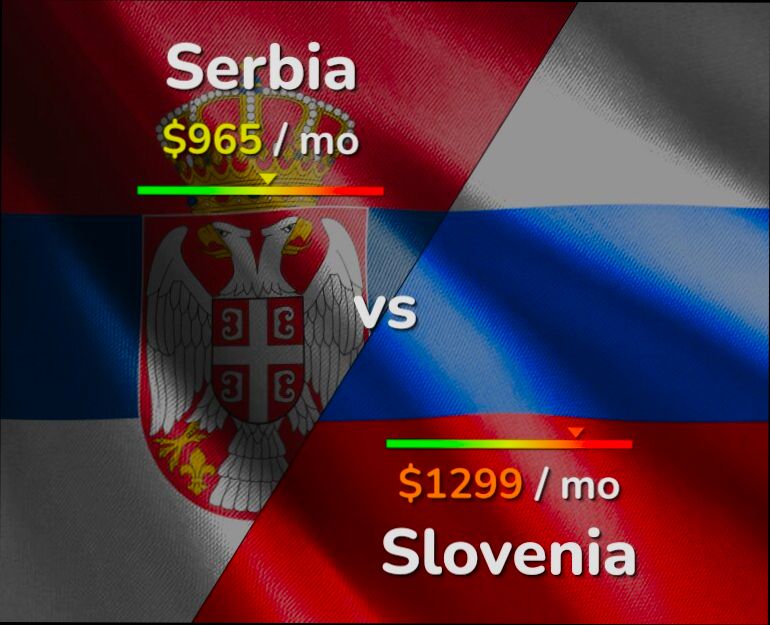
Cost of Living Statistics in Serbia
When looking at the cost of living in Serbia, you’ll find a rich tapestry of prices that vary significantly by category and region. Understanding these statistics can be pivotal in budgeting your expenses, whether you’re planning to move, travel, or even just curious about the local economy.
General Cost Overview
The estimated monthly costs for a family of four in Serbia stand at around 250,846 Дин (approximately €2,149.8) without rent. For a single person, the figures drop to about 73,601 Дин (€630.8) without rent. This stark difference highlights how family dynamics can impact overall costs.
Salary Context
The average monthly net salary in Serbia is approximately 90,925 Дин. To put this in perspective, a family of four’s estimated costs comprise nearly 276% of the average salary, while a single person’s estimated costs make up around 81% of the average salary. This information is essential if you’re considering moving to Serbia, as it gives you insight into wage relative to living expenses.
Breakdown of Costs
Here’s a detailed breakdown of key expenses you can expect in Serbia:
| Expense Category | Estimated Cost (Дин) | Notes |
|---|---|---|
| Meal, Inexpensive Restaurant | 1,000 | Range: 600 - 1,500 |
| Domestic Beer (0.5L Draught) | 300 | Range: 200 - 400 |
| Monthly Pass (Public Transport) | 2,300 | Range: 0 - 3,200 |
| Basic Utilities (85m²) | 19,303 | Range: 13,357 - 30,000 |
| Internet (60 Mbps or More) | 3,100 | Range: 2,000 - 4,500 |
Real-World Examples
- If you enjoy dining out, a meal for two at a mid-range restaurant may set you back around 4,500 Дин, with variations depending on the establishment—this is a reasonable expense compared to many Western European countries.
- For those who enjoy their daily caffeine fix, a cappuccino typically costs about 230 Дин, making it an affordable luxury.
- Public transportation is notably inexpensive, with a one-way ticket priced at roughly 75 Дин. For regular commuters, a monthly pass averages 2,300 Дин, making transit costs manageable.
Practical Implications
Understanding these cost statistics is crucial if you’re planning to budget effectively. Here are some actionable tips:
- Use local supermarkets and markets for grocery shopping; milk costs about 148 Дин per liter, and you can find a loaf of fresh bread for around 85 Дин. Purchasing locally can significantly cut down your monthly grocery bill.
- If you’re considering recreational spending, memberships at fitness clubs average around 3,520 Дин monthly, which could fit into a moderate leisure budget.
- Be sure to keep utility costs in mind; budgeting approximately 19,303 Дин for a standard apartment’s monthly utilities will help you avoid surprises.
Familiarizing yourself with these statistics allows you to tailor your financial plans effectively while enjoying all that Serbia has to offer.
Healthcare Costs and Accessibility
Understanding healthcare costs and accessibility is crucial when evaluating the cost of living in Serbia. As you navigate through options for health services, knowing how much you’ll pay and how easily you can access care can significantly impact your budget and well-being.
Healthcare System Overview
Serbia has a dual healthcare system, offering both public and private services, which influences costs and accessibility. The public healthcare system is funded by mandatory health insurance contributions, making basic medical services accessible to anyone with insurance coverage. However, those opting for private healthcare often experience faster services and enhanced comfort, but at a higher price point.
- Public Healthcare Costs: If you have public insurance, consultations with general practitioners typically cost around $8 (or the equivalent in dinars), while specialist consultations can range from $10 to $15.
- Private Healthcare Costs: On the other hand, private consultations may start from $25 and can go upwards depending on the specialist and location.
Access to Services
When it comes to accessibility, services can vary based on your location. Larger cities tend to have a more developed infrastructure, and patients often find a higher density of healthcare providers.
- In urban areas like Belgrade and Novi Sad, most specialists and clinics have shorter waiting times and improved facilities compared to rural settings.
- Nevertheless, those living in remote regions might experience delays and fewer available treatment options.
Cost Comparison Table
Here’s a comparative table showcasing typical costs of healthcare services in Serbia:
| Service Type | Public Healthcare (USD) | Private Healthcare (USD) |
|---|---|---|
| General Practitioner Visit | $8 | $25 |
| Specialist Consultation | $10-$15 | $25-$50 |
| Dental Check-up | $10 | $40 |
| MRI Scan | $55 | $100-$150 |
Real-World Examples
Many residents opt for private healthcare due to the quicker access to specialists. For instance, a resident in Belgrade shared that while her public health insurance covered most of her basic needs, she chose to go private for a critical surgery to avoid long waiting times. This choice, although pricier, provided her not only quicker treatment but also a more comfortable environment and personalized care.
Practical Implications
For anyone considering moving to or living in Serbia, it’s important to:
- Evaluate Insurance Options: Consider acquiring a supplementary private health insurance plan to cover potential gaps in public services.
- Research Local Facilities: If you live outside major cities, make sure you know where your nearest healthcare facilities are located and their availability.
- Budget for Healthcare: Factor in potential out-of-pocket expenses, especially if you require frequent specialist visits or have specific health needs.
By being informed and proactive regarding healthcare costs and accessibility, you can navigate Serbia’s health services more effectively, ensuring both your health needs and finances are well managed.
Real-World Examples of Daily Expenses
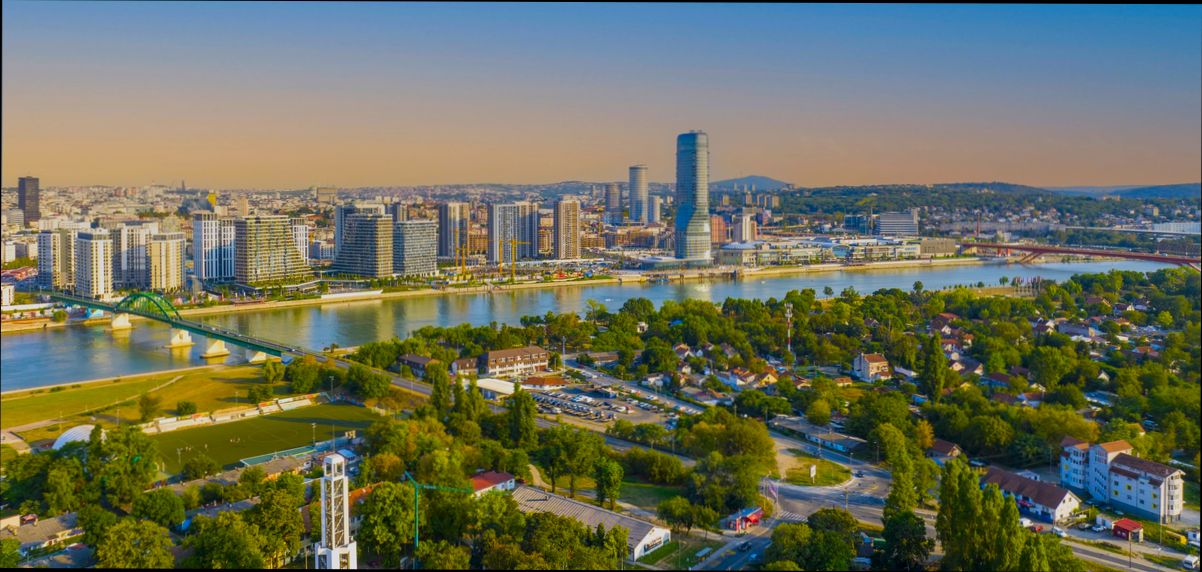
When considering the cost of living in Serbia, understanding real-world examples of daily expenses can provide valuable insights. From dining out to grocery shopping and leisure activities, the prices can vary widely but generally remain affordable compared to many Western countries.
In the realm of dining, a meal at an inexpensive restaurant usually costs around 1,000 Дин (approximately $8). If you decide to treat someone to a three-course meal at a mid-range restaurant, expect to pay about 4,500 Дин ($37). Fast food establishments also offer budget-friendly options; a combo meal at McDonald’s will set you back 1,000 Дин (about $8).
Restaurant Expenses Summary
| Item | Price (Дин) | Price (USD) |
|---|---|---|
| Meal, Inexpensive Restaurant | 1,000 | 8.00 |
| Meal for 2, Mid-range Restaurant (Three-course) | 4,500 | 37.00 |
| McMeal at McDonald’s | 1,000 | 8.00 |
Moving on to grocery shopping, let’s take a look at some typical items you might purchase during your weekly grocery run. A liter of milk costs approximately 148 Дин ($1.00), while a loaf of fresh bread (500g) is around 85 Дин ($0.60). For ongoing meals, chicken fillets are priced at 738 Дин ($5.80) per kilogram, making them a staple in many households.
Here’s a brief breakdown of some essential grocery items:
| Grocery Item | Price (Дин) | Price (USD) |
|---|---|---|
| Milk (1 liter) | 148 | 1.00 |
| Bread (500g) | 85 | 0.60 |
| Chicken Fillets (1kg) | 738 | 5.80 |
Transportation and Utility Costs
Transportation proves to be another area where daily expenses remain low. A one-way ticket for local transport is just 75 Дин ($0.60), making commuting fairly inexpensive. If you’re considering a taxi, the initial fare is around 200 Дин ($1.60) plus 100 Дин ($0.80) for each additional kilometer.
When it comes to utilities—this includes electricity, heating, cooling, water, and garbage collection—monthly costs for a standard apartment can range from 13,357 Дин ($108) to roughly 30,000 Дин ($240).
Practical Examples and Insights
- If you enjoy coffee, a cappuccino in a local café costs about 230 Дин ($1.80). You could treat yourself to coffee while still keeping your daily budget in check.
- For leisure, a ticket for an international cinema release averages around 700 Дин ($6), allowing for a fun night out without breaking the bank.
By integrating these cost examples into your daily budgeting, you can maintain a comfortable lifestyle in Serbia. Remember that prices can change based on your location within Serbia, with urban areas like Belgrade being slightly more expensive than smaller towns.
Ultimately, keeping an eye on these daily expenses can help you effectively manage your budget while enjoying the vibrant culture and lifestyle Serbia has to offer.
Benefits of Living Affordably in Serbia
Living affordably in Serbia offers numerous advantages that extend beyond just saving money. From a comfortable lifestyle to enhanced quality of life, a more cost-effective living arrangement can lead to increased personal freedom and opportunities. Let’s explore some of these benefits.
Enhanced Financial Flexibility
Living affordably allows you to allocate your budget towards other meaningful experiences. With a lower cost of living, you can enjoy:
- Travel Opportunities: You’ll have more disposable income to explore both local attractions and international travel.
- Savings: Lower living costs mean more room for savings, allowing you to invest in your future, whether it’s for retirement or a home.
- Leisure Activities: You can indulge in hobbies and activities you enjoy without the constraint of high expenses.
Increased Quality of Life
An affordable lifestyle in Serbia doesn’t just mean financial stability; it often translates to a better overall quality of life. Consider these aspects:
- Affordable Entertainment: A movie ticket in Serbia generally costs about $4, enabling you to engage in cultural experiences without breaking the bank.
- Dining Out: Many dining options remain budget-friendly; enjoying a meal at an inexpensive restaurant averages only about $8.
- Social Activities: With lower expenses, you’re more likely to socialize and make connections, contributing to a rich social life.
Comparative Living Costs
Here’s a look at how living affordably can stack up against living expenses in Western Europe:
| Expense Category | Serbia (USD) | Western Europe (USD) | Savings (%) |
|---|---|---|---|
| Meal at Inexpensive Restaurant | $8 | $20 | 60% |
| Public Transport Ticket | $1.25 | $3 | 58% |
| Movie Ticket | $4 | $15 | 73% |
This table highlights the stark savings available in Serbia compared to Western Europe, making it clear how your overall living experience can greatly improve financially.
Real-World Examples
To illustrate the benefits of living affordably in Serbia, consider the following:
- Community Events: Many cities host free cultural events and festivals. By participating, you can enjoy entertainment without financial strain.
- Shopping: Local markets offer fresh produce at prices significantly lower than in larger European cities, encouraging you to eat healthy while saving money.
- Wellness Options: Fitness classes are often available for lower fees, promoting a healthier lifestyle without the costly gym memberships typical in many parts of the world.
Practical Insights for Living Affordably
Here are a few actionable insights to help you maximize the benefits of living affordably in Serbia:
- Budget Wisely: Allocate a portion of your income for leisure and entertainment; prioritize experiences that enrich your life.
- Seek Local Services: Embrace local businesses for goods and services, often offering better prices than larger chains.
- Utilize Public Transport: Save more by adopting public transport, which is not only cost-effective but also environmentally friendly.
By understanding and taking advantage of the benefits of living affordably in Serbia, you can significantly enhance your lifestyle while keeping your expenses in check.