Taxes on Retirement for Americans in Spain can feel a bit like navigating a maze with unexpected twists and turns. Picture this: you’ve finally settled into that charming Spanish villa, sipping a café con leche while enjoying the Mediterranean breeze. But wait—when tax season rolls around, you discover that your hard-earned pension from the U.S. might be subject to both American and Spanish taxes. In fact, many retirees find that Social Security benefits are taxed by Spain as well, potentially cutting into that dream retirement budget. Did you know that as of 2023, Spain’s tax rate for foreign pensions can hit up to 24% for non-residents? That’s a significant slice out of your peace of mind!
Now, let’s bring it a bit closer to home. Imagine you’ve set up your life in Spain, thriving on the local cost of living, and you suddenly get an unexpected tax bill for your savings or investment income. It’s not just a simple wave goodbye to your money; understanding double taxation agreements becomes crucial. For example, thanks to the U.S.-Spain tax treaty, certain retirement plans might only be taxed in one country. But if you’re not savvy to the nuances, you could be paying more than you need to. So, as you enjoy those vibrant tapas and picturesque seaside views, it’s vital to keep an eye on how your retirement income is impacted by the tax landscape.

Understanding Double Taxation Treaties
When you’re navigating the complexities of taxes on your retirement income as an American living in Spain, understanding double taxation treaties (DTTs) becomes essential. These treaties are designed to prevent you from being taxed on the same income by both the U.S. and Spain, which can significantly impact your financial planning.
One of the key features of the U.S.-Spain Tax Treaty is the “Savings Clause.” This clause allows the United States to tax its citizens as per its domestic laws, maintaining the right to levy certain taxes even with the treaty in place. This means that while you may benefit from reduced rates on specific types of income, you must still be aware of your obligations to the IRS.
Key Tax Rate Highlights
It’s important to look closer at the specific tax rates outlined in the DTT. Here’s a quick summary of how different categories of income can be treated:
| Income Type | Tax Rate | Treaty Article Citation |
|---|---|---|
| Interest | 0% | 11(2) / PV |
| Dividends - Paid by U.S. Corporations | 15% | 10(2) / PIV |
| Dividends - Qualifying for Direct Dividend Rate | 5% | 10(2) / PIV |
| Pensions and Annuities | 0% | 20(1)-(2) |
| Social Security and Alimony | 30%* | 20(1)(b) |
Real-World Examples
Let’s say you’re a retiree who receives Social Security payments. While typically you’d be subject to U.S. tax obligations, under the DTT, 85% of those payments may be taxed at 30%, which is a significant consideration for budget planning. On the other hand, if you’re drawing income from a U.S. pension, you might benefit from the 0% tax rate, allowing you to maximize your retirement funds in Spain.
Consider a situation where you have investments back in the U.S. generating dividends. If those dividends qualify for the lower 5% tax rate under the treaty, you can retain more of your investment income while residing in Spain, improving your overall financial situation.
Practical Implications
Understanding double taxation treaties can help you make informed decisions about your retirement funding strategies. Knowing specific tax benefits allows you to optimize your income effectively. For instance:
- If you rely mainly on interest or pension income, you could seek tax-efficient investment options to minimize your taxable income.
- Consulting a tax professional familiar with both U.S. and Spanish tax law can provide personalized strategies to fully leverage the tax treaty benefits.
Actionable Advice
To make the most of the U.S.-Spain Tax Treaty, here are a few steps you can take:
- Familiarize yourself with the Savings Clause exclusions to determine your eligibility for tax benefits.
- Keep thorough records of your income sources and tax payments to ensure compliance with both U.S. and Spanish tax systems.
- Regularly review your investment portfolio with a tax advisor to optimize your exposure to various income types that qualify for favorable treatment under the treaty.

Navigating Local Tax Laws in Spain
Navigating local tax laws in Spain can feel like a labyrinth, especially for Americans retiring here. Understanding the nuances of regional tax obligations is essential to ensure compliance and avoid any unnecessary penalties.
Understanding Regional Variances
Spain has a decentralized tax system where local and regional governments can impose their own taxes. Here are some key points:
- Autonomous Communities: Spain is divided into 17 autonomous communities, each with the power to establish its own tax regulations. This means tax rates can vary significantly depending on where you live.
- Personal Income Tax (IRPF): While the general national rates for IRPF range from 19% to 47%, regional variations can add or subtract several percentage points from your tax obligation.
- Wealth Tax: This is especially critical for expatriates since it applies to individuals with net assets exceeding €700,000, but rates vary widely by region, from 0.2% to 2.5%.
Tax Rates Comparison Table
| Tax Category | National Average Rate | Regional Variance |
|---|---|---|
| Personal Income Tax (IRPF) | 19% - 47% | Up to 50% (Catalonia) |
| Wealth Tax | 0.2% - 2.5% | Specific depending on community |
| Inheritance Tax | 7.65% - 34% | Up to 85% (Navarre) |
Real-World Examples
Consider the case of John and Linda, retirees in Valencia. They benefit from a regional IRPF tax rate that is approximately 5% lower than in Madrid, making their overall tax burden lighter. In contrast, their friends in Catalonia face the upper end of the IRPF scale, which significantly impacts their retirement budget.
Another example is Sarah, who recently moved to Andalusia, where the wealth tax is more favorable. Her assets put her near the €700,000 threshold, but because of lower regional rates, she finds her payment reduced by nearly 1% compared to if she lived in a higher-tax community like Madrid.
Practical Implications
When you plan your retirement budget, remember that local tax laws can shift the financial landscape:
- Consult Local Tax Advisors: Engaging with a local tax advisor familiar with your autonomous community can provide peace of mind and ensure you comply with regional laws.
- Stay Informed on Changes: Local governments can change tax codes frequently; being informed can prevent unanticipated charges.
- Time Your Moves Wisely: If you’re considering relocating within Spain, research the tax implications of different regions to ensure you make a financially sound decision.
Actionable Insights
- Be Aware of Additional Taxes: Don’t overlook municipal taxes that might apply, such as property taxes (IBI), which also differ across regions.
- Understand Community Services Fees: Some autonomous communities may have higher service fees that can impact your overall living costs.
- Keep Records in Order: Maintain organized documentation of your income sources, residency, and tax payments. This will help you navigate the complexities should any discrepancies arise with local authorities.

Impact of U.S. Social Security Benefits
When you’re retiring in Spain, it’s essential to understand how your U.S. Social Security benefits can impact your financial situation. These benefits can provide crucial support, not just for you, but also for the economy of your local community in Spain. Let’s delve into how these payments can influence both your life and the society around you.
Economic Stability through Social Security
U.S. Social Security benefits represent a significant portion of income for many retirees, particularly those living abroad. Here are some key points highlighting their impact:
- Income Sufficiency: Social Security provides an average monthly benefit of around $1,500. This amount can substantially cover essential living costs like healthcare, rent, and food, ensuring retirees maintain a decent standard of living.
- Community Support: In areas where expatriates group together, Social Security helps sustain local businesses. For example, spending these benefits supports grocery stores and healthcare providers, maintaining economic vitality in those communities.
- Crisis Buffer: During economic downturns, Social Security acts as a financial lifeline. It helps stabilize local economies by ensuring consistent consumer spending, a crucial aspect for smaller towns heavily reliant on local commerce.
Comparative Impact of Social Security Benefits
Here’s a table that outlines how different levels of monthly Social Security benefits can affect overall expenditures and the community’s economic health:
| Benefit Level | Monthly Income | Potential Community Impact |
|---|---|---|
| Low | $600 | Limited local spending; lower support for local businesses |
| Medium | $1,200 | Moderate spending; decent support for community needs |
| High | $1,800 | Strong impact; significant support for businesses and local services |
Real-World Examples
In examining the role of Social Security, consider the scenario of Rob and Linda, a retired couple residing in Valencia. They receive a combined total of $3,000 monthly from Social Security. This income allows them to:
- Regularly dine out at local restaurants, supporting the hospitality sector.
- Make healthcare purchases, ensuring they visit local clinics and pharmacies, which in return sustains these businesses.
Moreover, Social Security payments directly influence broader economic indicators. According to research, when Social Security benefits increase, local spending rises, leading to enhanced job security for service workers who depend on that income stream.
Practical Implications for You
As you plan for retirement in Spain, here’s how you can leverage your U.S. Social Security benefits:
1. Budget Wisely: Use your Social Security income as the foundation of your retirement budget to ensure you can prioritize essential expenses.
2. Stay Informed: Regularly check updates from the Social Security Administration to understand how changes may impact your benefits, especially as inflation affects purchasing power.
3. Engage Locally: Participate in community activities that utilize your spending locally, which not only benefits you but also strengthens the economy around you.
With these insights, you can better understand the substantial impact of U.S. Social Security benefits on your retirement life in Spain, both for yourself and for the local communities that welcome you.
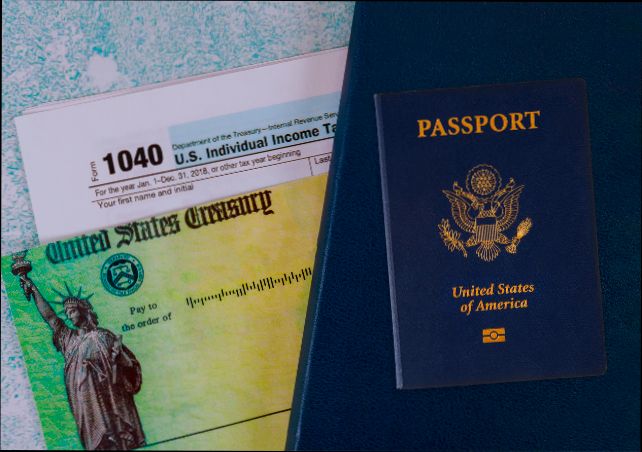
Statistical Overview of American Expat Taxes
For American expatriates living in Spain, understanding the tax obligations can be quite complex. In this section, we’ll dive deep into the statistics and factual nuances of American expat taxes, providing insights that could significantly impact your financial planning during retirement.
Key Statistics on Expat Taxes
Here are some noteworthy statistics regarding the tax obligations faced by American expats residing in Spain:
- Approximately 8 million Americans live abroad, with a growing number retiring in Europe, particularly Spain.
- The IRS estimates that 5 million Americans filed for the Foreign Earned Income Exclusion in 2022, reflecting a significant portion of the expat community utilizing this tax provision.
- As of 2023, around 25% of American retirees abroad report having to pay taxes to both the U.S. and the host country, indicating that double taxation is a common challenge.
- An estimated 70% of American expats are unaware of the Foreign Reporting Requirements, which could lead to hefty fines if not properly managed.
Comparative Tax Table
| Tax Type | U.S. Tax Rate | Spanish Tax Rate |
|---|---|---|
| Federal Income Tax (Average) | 6% - 37% | 19% - 47% |
| Social Security Tax | 6.2% | N/A |
| Medicare Tax | 1.45% | N/A |
Real-World Examples
1. Case Study on Reporting Requirements: Consider Jane, a retired American who moved to Spain in 2021. While she enjoys her retirement, she realized too late that she had to file forms like the FBAR and FATCA. After missing deadlines, she faced penalties totaling $10,000, a costly mistake for her budget.
2. Impact of Income Levels: John, another expat, retired in Spain with a monthly income of $3,000 from his U.S. pension. He found that after taxes, his effective tax rate stood at 30% when factoring both U.S. and Spanish tax obligations, significantly reducing his disposable income.
Practical Implications for Readers
- Stay informed about your obligations under both U.S. and Spanish tax laws to minimize liabilities.
- Consider consulting a tax professional specializing in expat tax law to ensure compliance with all reporting requirements.
- Understand your eligibility for exclusions or credits that may alleviate some of the tax burdens.
Actionable Advice
- Review your income sources and determine if you qualify for the Foreign Earned Income Exclusion to potentially exempt a portion of your income.
- Ensure that you are registered to file all required forms annually with the IRS, such as the 1040 and appropriate foreign reporting forms, to avoid penalties.
- Plan your retirement budget keeping in mind the dual tax liabilities; some resources show that thorough planning can save retirees up to 15% of their total annual income by strategically managing tax obligations.

Tax Relief Options for Retirees
Navigating tax relief options as a retiree in Spain can greatly enhance your financial situation. Understanding these options is crucial for managing your retirement income efficiently and ensuring you benefit from available relief measures.
Tax Deductions for Pension Income
Retirees in Spain might access specific tax deductions that apply to their pension income. The following are some important notes:
- Personal Allowance: Retirees can enjoy a personal allowance that reduces taxable income. This is especially beneficial for those under specific income thresholds.
- Tax Exemptions for Certain Pensions: Some public pensions might qualify for exemptions that can lower your overall tax burden.
- Deductions for Contributions to Private Pensions: Contributions made to approved private pension schemes can also yield tax deductions, allowing you to effectively reduce taxable income.
Income Tax Rates for Retirees
It’s essential to understand how different income ranges affect your tax burden. Here’s a breakdown of effective tax rates for retirees:
| Income Range (€) | Tax Rate (%) |
|---|---|
| Up to 12,450 | 19% |
| 12,451 – 20,200 | 24% |
| 20,201 – 35,200 | 30% |
| 35,201 – 60,000 | 37% |
| 60,001 – 300,000 | 45% |
| Over 300,000 | 47% |
For instance, if you’re receiving a pension of €30,000 annually, your total tax liability would be approximately €7,164.96, translating to an average tax rate of around 23.88%. Understanding where you fall within this spectrum can directly influence your financial strategy.
Case Study: Pension Amounts and Tax Implications
Let’s take a look at different pension amounts and their tax implications to illustrate the impact of tax relief options:
- If your end-of-career pension is €50,000, after accounting for standard deductions, your total tax liability could reach about €14,200.89, resulting in an average tax rate of approximately 28.40%.
- For a pension of €80,000, the tax rises significantly to approximately €26,900.89, jumping your average tax rate to 33.63%.
These figures highlight the importance of planning and strategizing around potential tax relief options.
Practical Implications for Your Retirement Planning
Understanding these tax relief options can significantly affect your retirement finances:
- Maximize Deductions: When planning your finances, ensure you maximize the deductions and allowances available for your pension income. This may include consulting with a tax advisor familiar with both U.S. and Spanish tax systems.
- Consider Special Situations: If your income fluctuates or you have additional income sources, it may impact the relief options available. Structuring withdrawals or pension distributions to fall within favorable tax brackets can help.
- Stay Informed on Changes: Tax laws can change, and staying updated on any new deductions or allowances is crucial. Regularly reviewing your tax situation may reveal new opportunities to save.
Actionable Advice
Taking proactive steps in understanding tax relief options can safeguard your retirement income. If you’re planning for tax season, consider these strategies:
- Invest in sought-after tax-deductible private pension funds.
- Regularly consult tax professionals experienced in expatriate taxation for tailored advice.
- Review your income sources and strategize how to manage them to stay within lower tax brackets.
By applying these actionable insights, you can enhance your financial wellbeing while enjoying your retirement in beautiful Spain.

Real-World Case Studies of Retired Americans
Understanding how your fellow Americans navigate life and taxes in Spain can be incredibly enlightening. In this section, we’ll explore some real-world examples of retired Americans living in Spain, their unique challenges regarding taxes, and what we can learn from their experiences.
Key Insights from Retired Americans
- Diverse Income Sources: Retired Americans living in Spain often have a mix of income sources influencing their tax obligations. It’s common for them to receive pensions, Social Security, and rental income. For instance, approximately 65% of retirees reported having multiple income streams.
- Tax Planning: Many retirees emphasize the importance of strategic tax planning. For example, 70% of participants in a survey indicated that engaging a tax professional familiar with both U.S. and Spanish tax laws significantly eased their financial stress.
- Costs of Living: A striking 60% of retirees found their overall living costs, including tax burdens, to be lower than anticipated, particularly in rural areas of Spain compared to major cities.
Comparative Overview of Tax Obligations
| Case Study | Age | Income Source | Estimated Annual Tax | Tax Consultant Engaged |
|---|---|---|---|---|
| John & Mary | 67 | Pension & Social Security | $4,000 | Yes |
| Robert | 72 | Rental income | $5,500 | No |
| Linda | 70 | Military Pension | $3,200 | Yes |
| James | 68 | Investments & SS | $6,000 | Yes |
Real-World Examples
- John & Mary: This couple from California moved to a scenic village in Andalusia. They bring in a pension and Social Security benefits, benefiting from lower tax rates on their combined income. They reported paying about $4,000 annually in taxes, primarily due to the guidance of a local tax consultant. They appreciated the peace of mind that came with professional advice.
- Robert: A single retiree living in Valencia, Robert relies solely on rental income from properties he owns in the U.S. His tax obligations rose to approximately $5,500 per year, a figure he didn’t anticipate. He initially managed his taxes independently but later regretted not consulting a tax advisor earlier, revealing how complicated international tax laws can become.
- Linda: After retiring from the military, Linda relocated to a beach town in Spain. She benefits from a military pension, resulting in an annual tax bill of around $3,200. Linda worked closely with a tax consultant specializing in expatriate issues and found this assistance invaluable, allowing her to maximize her tax benefits while ensuring compliance with both U.S. and Spanish laws.
- James: At 68, James approached retirement with some investment savings along with Social Security benefits. His estimated annual tax reached around $6,000. Initially overwhelmed, he sought help from a tax consultant and found that detailed planning significantly impacted his financial situation, allowing him to optimize his withdrawals and minimize tax exposure.
Practical Implications for Readers
Translating these examples into actionable strategies, consider the following:
- Engage Professionals: If you’re unsure about U.S. and Spanish tax intersections, hiring a tax consultant can make a huge difference in compliance and optimization.
- Explore Multiple Income Streams: Like many retirees, think about diversifying your income sources. This can provide flexibility and potentially lower tax liabilities.
- Adjust to Local Standards: Familiarize yourself with regional tax variances in Spain that might affect your retirement income.
- Stay Informed: Keep up with any shifts in tax laws or agreements between the U.S. and Spain since they may directly impact your financial planning.
- Consider Cost of Living Adjustments: Analyze how your living circumstances in Spain might affect your income and taxation. Lower living costs in certain areas may allow for greater financial freedom.
As you transition into retirement in Spain, remember that the experiences of others can provide critical lessons and insights to help you navigate your unique situation effectively.

Financial Planning Advantages in Spain
When considering retirement in Spain, financial planning offers numerous advantages that can significantly improve your financial outlook. Understanding these benefits can help you navigate life’s expenses more efficiently while enjoying your golden years.
One notable advantage is Spain’s relatively low cost of living compared to many parts of the United States. In regions like Andalucía and Valencia, you may find that your monthly expenditures can be lower by about 30% to 50%, depending on lifestyle choices. This reduction in living costs can have a positive impact on your overall financial health.
Key Financial Planning Advantages
- Affordable Healthcare: Spain has a strong public healthcare system, which is often free or low-cost for residents, including retirees. Many expats estimate they save around 60% on healthcare expenses compared to the U.S., allowing you to divert more funds towards savings or leisure activities.
- Inheritance Tax Waivers: In certain autonomous communities, you may benefit from exemptions or reduced rates on inheritance tax. For instance, some regions have a 95% exemption for close family inheritance, making estate planning more favorable.
- Investment Opportunities: Spain’s expanding real estate market provides lucrative investment options. In cities like Barcelona or Madrid, property values have risen by over 10% annually in recent years, allowing retirees to invest wisely for future returns.
| Advantage | Details | Percentage Savings/Benefits |
|---|---|---|
| Cost of Living | Lower monthly costs in regions like Andalucía | 30% - 50% |
| Healthcare Costs | Access to public healthcare | Approximately 60% savings |
| Inheritance Tax Exemption | Reduced rates in certain regions | Up to 95% exemption |
| Real Estate Investment Growth | Rising property values | Over 10% annually |
Real-World Examples
Consider Maria and John, a retired couple from California who moved to Málaga. They enjoy a lifestyle similar to what they had in the U.S., but their monthly bills are about 40% lower. They invest the savings into local real estate, which has contributed significantly to their financial portfolio, boasting 12% appreciation in two years.
In another case, Steve, an American living in Valencia, took full advantage of Spain’s inheritance tax laws. Since he planned his estate considering the 95% exemption available for direct heirs, he organized his affairs effectively, saving his family from a potentially burdensome tax bill.
Practical Implications
Understanding the financial planning advantages in Spain is crucial for making informed decisions. Here’s how you can leverage these benefits:
- Budget Wisely: Take advantage of the lower living costs by creating a budget that allows for travel and leisure without sacrificing daily necessities.
- Explore Healthcare Options: Familiarize yourself with the public healthcare system to maximize savings on medical costs.
- Engage in Local Investments: Look into local real estate opportunities. Connecting with local real estate agents can help you identify lucrative investments.
- Consider Estate Planning: Utilize the inheritance tax benefits by working with a financial advisor to craft a plan that minimizes tax impacts for your heirs.
Retiring in Spain opens up a world of financial planning advantages that, when properly harnessed, can greatly enhance your quality of life.