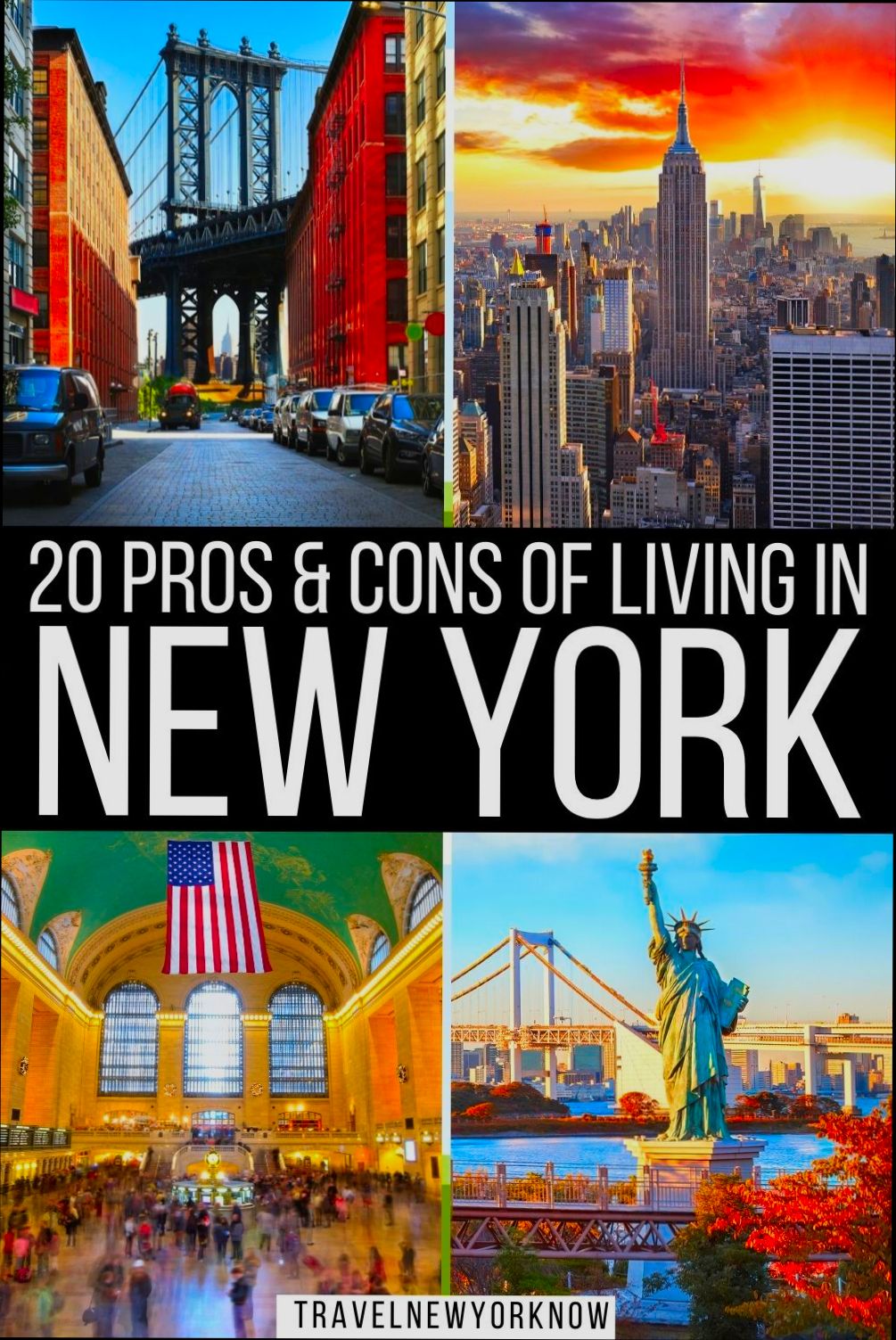
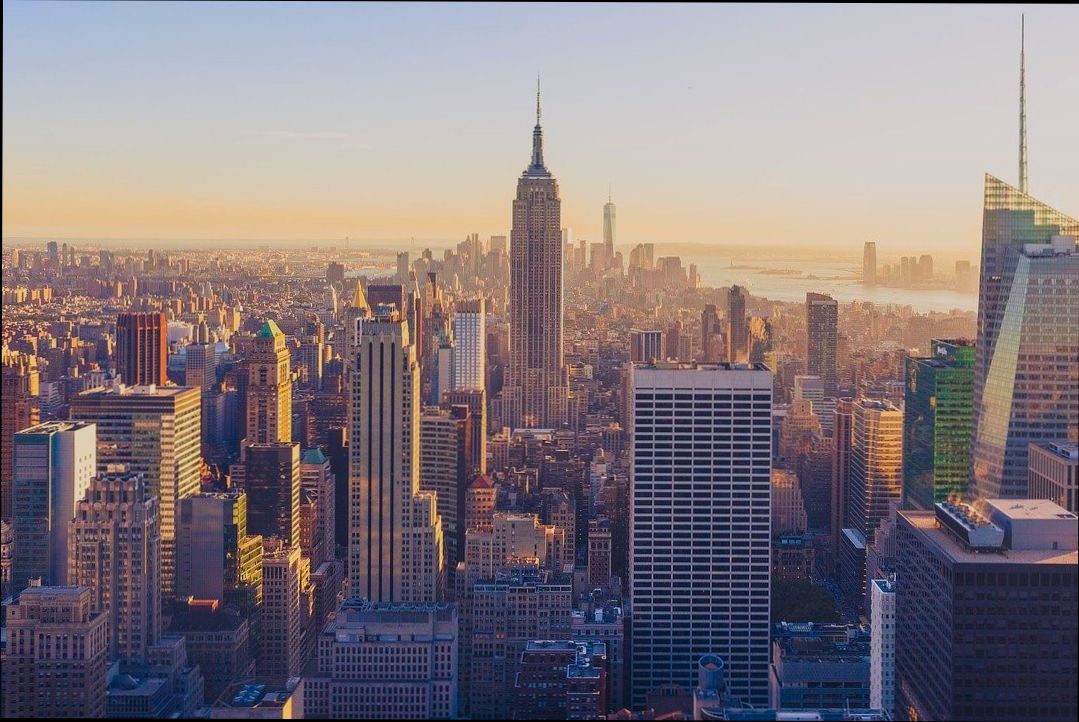
Pros and Cons of Living in New York NY is a rollercoaster ride that keeps you guessing. On one hand, you’ve got the unbeatable energy of the city that never sleeps. Just picture yourself grabbing a bagel from a street vendor at 6 AM, heading to your job in finance or the arts, with Central Park as your backyard. With over 800 languages spoken and countless neighborhoods to explore, diversity is woven into the fabric of everyday life. Plus, if you’re a sucker for culture, New York boasts 40 million annual visitors flocking to world-class museums, Broadway shows, and vibrant street festivals that make life a feast for the senses.
But it isn’t all glamorous. The cost of living here is wild—think rent prices starting at $3,500 for a one-bedroom in Manhattan. Many folks resort to sharing tiny apartments just to keep their heads above water. And let’s not even get started on the subway during rush hour; three million commuters squeezing into cars that smell like everything but roses. Between the noise, frenetic pace, and occasional moments of sheer chaos, life in New York can feel overwhelming. The city’s charm often comes with trade-offs that affect quality of life, and it’s essential to weigh both sides before diving in.

Cost of Living and Housing Dynamics
Living in New York City can be exciting, but it’s essential to understand the nuances of its cost of living and the dynamics of housing. With its diverse neighborhoods and vibrant culture, New York presents unique challenges when it comes to housing affordability and living expenses.
The cost of living in NYC can be daunting. Here are some realities to consider:
- Housing Expenses: The average rent for a one-bedroom apartment in Manhattan hovers around $3,600 per month, showcasing how steep housing can get in specific boroughs.
- Utility Costs: On average, monthly utility expenses (including electricity, heating, water, and garbage) amount to approximately $150 to $200, depending on the size of your apartment.
- Transportation: The monthly MetroCard for public transport costs about $127. This can add significantly to your monthly living expenses.
- Groceries: Food costs are about 20% higher than the national average, which means you could be spending around $400 a month on groceries for one person.
Comparative Housing Costs
To help visualize how New York’s housing market compares to other major U.S. cities, here’s a snapshot:
| City | Average Rent (1-Bedroom) | Average Utilities Cost | Transportation (Monthly Pass) | Grocery Costs (per month) |
|---|---|---|---|---|
| New York City | $3,600 | $175 | $127 | $400 |
| Los Angeles | $2,400 | $150 | $100 | $350 |
| Chicago | $2,200 | $120 | $100 | $300 |
| Houston | $1,500 | $140 | $70 | $250 |
Real-World Examples
- Neighborhood Variability: A friend of mine found a one-bedroom in Astoria for $2,600, which is still significant but lower than the Manhattan average. Exploring neighborhoods can lead to better deals without sacrificing too much on commute times.
- Roommate Dynamics: Many young professionals opt for shared living arrangements. By splitting a two-bedroom apartment in Williamsburg, you could pay around $2,500 monthly, decreasing your individual costs significantly.
Practical Implications
Understanding the cost dynamics can help you make informed decisions about where to live. Consider the following:
- Opt for neighborhoods further from Manhattan to find more affordable housing options.
- Factor in transportation costs when deciding where to live; sometimes a slightly longer commute can save you hundreds in rent.
- Budget for premiums on utilities and grocery shopping; they can significantly influence your overall monthly budget.
Actionable Advice
- Regularly check websites like StreetEasy or Zillow for housing trends in different neighborhoods.
- Use apps for budgeting your monthly expenses related to housing, transport, and food to track your overall cost of living.
- Consider relocating or downsizing if housing costs start to strain your budget; NYC is full of opportunities, but financial balance is key to enjoying the Big Apple!
Cultural Diversity and Community Benefits
Living in New York City offers a rich tapestry of cultural diversity, which significantly enhances the community experience. With over 800 languages spoken, this vibrant city serves as a melting pot of traditions, food, art, and beliefs that genuinely fosters a sense of belonging.
Key Highlights of Cultural Diversity
- Diverse Population: Approximately 37% of NYC’s population is foreign-born, contributing to a cultural mosaic that includes significant communities from Latin America, Asia, Europe, and Africa. This diversity enriches social interactions and creates a vibrant community fabric.
- Cultural Events: The city hosts over 30 annual cultural festivals, reflecting the various heritages of its residents. Whether it’s the Lunar New Year Parade in Chinatown or the West Indian Day Parade in Brooklyn, these events foster community bonding and cultural appreciation.
- Culinary Variety: Home to more than 25,000 restaurants representing cuisines from all corners of the globe, the dining landscape encourages culinary exploration. This culinary diversity not only satisfies different palates but also stimulates intercultural exchanges and business opportunities.
| Cultural Aspect | Impact on Community | Example |
|---|---|---|
| Festivals | Promotes intercultural friendship | Lunar New Year Parade |
| Culinary Diversity | Encourages business and economic growth | Over 25,000 diverse restaurants |
| Language Variety | Enhances communication and inclusivity | 800 languages spoken |
Real-World Examples
In neighborhoods such as Jackson Heights and Astoria, the cultural diversity manifests in daily life through vibrant local markets, bakeries, and shops run by immigrant families. These small businesses not only serve their immediate communities but also attract visitors eager to experience the city’s multicultural lifestyle.
For instance, during the NY Caribbean Carnival, participants from various backgrounds celebrate with food, music, and dance, showcasing their heritage while also inviting others to join in the festivities. This highlights how cultural events foster cooperation among diverse groups and promote understanding.
Practical Implications for Residents
You can actively engage with the community by attending local festivals or joining cultural clubs, which are often open to newcomers. By participating in these activities, you not only enjoy the diverse offerings but also build connections that can lead to lifelong friendships.
Additionally, consider dining at different ethnic restaurants or shopping in diverse neighborhoods to support local businesses and learn more about different cultures.
To enhance your experience in the city, look for workshops or classes (like cooking or language courses) that focus on cultural exchange. These opportunities not only enrich your understanding of different traditions but also allow you to contribute to a vibrant, inclusive community.
- Consider exploring cultural institutes or community organizations that celebrate different heritages.
- Participate in volunteer opportunities that promote cultural awareness and community development.
You’ll find that embracing New York’s cultural diversity brings unparalleled enrichment to your urban living experience.

Job Market Trends and Employment Statistics
Exploring the job market trends and employment statistics in New York City reveals a dynamic and competitive landscape. As a hub for various industries, NYC offers unique employment opportunities, but it also presents challenges that potential residents should grasp.
Key Employment Trends
- Unemployment Rate: As of late 2023, New York City’s unemployment rate stands at approximately 4.2%, a figure that reflects its gradual recovery from the impacts of the COVID-19 pandemic. This rate is slightly lower than the national average, indicating a resilient job market.
- Industry Growth: Tech, healthcare, and finance are leading sectors driving job growth in the city. The tech industry alone has seen a 25% increase in job postings compared to last year, highlighting a robust demand for skilled professionals.
- Remote Work Adaptation: A significant 30% of jobs in NYC now offer some form of remote work flexibility, which is reshaping the employment landscape and attracting a diverse workforce.
Comparative Employment Statistics
| Industry | Job Growth Rate (2023) | Average Salary ($) | Remote Work Opportunities (%) |
|---|---|---|---|
| Technology | 25% | 105,000 | 30% |
| Healthcare | 15% | 85,000 | 20% |
| Finance | 10% | 95,000 | 15% |
| Hospitality | 12% | 50,000 | 5% |
Real-World Examples
Within the tech sector, notable companies like Google and Amazon have expanded their presence in NYC, contributing to a surge in tech job openings. For instance, Google’s investment in its Hudson Yards campus created over 14,000 job opportunities in engineering and product management.
In healthcare, the demand for professionals surged with an increasing population and ongoing public health challenges. Institutions like NYU Langone Health have reported a 20% hiring increase for nurses and medical staff, reflecting a pressing need in this vital sector.
Practical Implications
As you analyze job opportunities in NYC, consider leveraging the city’s networking events and job fairs, particularly in sectors of interest. Engaging with local meet-ups or professional organizations can be a great way to connect with industry leaders.
Utilizing online platforms like LinkedIn can also enhance your job search, as many employers in NYC actively recruit through social media. Be prepared to negotiate salaries that reflect the competitive market.
Specific Facts and Actionable Advice
- Aim for industries with high growth trajectories like technology and healthcare to maximize job security.
- Explore networking opportunities in person or virtually to increase your profile within your desired field.
- Stay updated on labor market trends by following news from sources like the Bureau of Labor Statistics to keep your job search strategies proactive and informed.
Public Transportation: Efficiency versus Accessibility
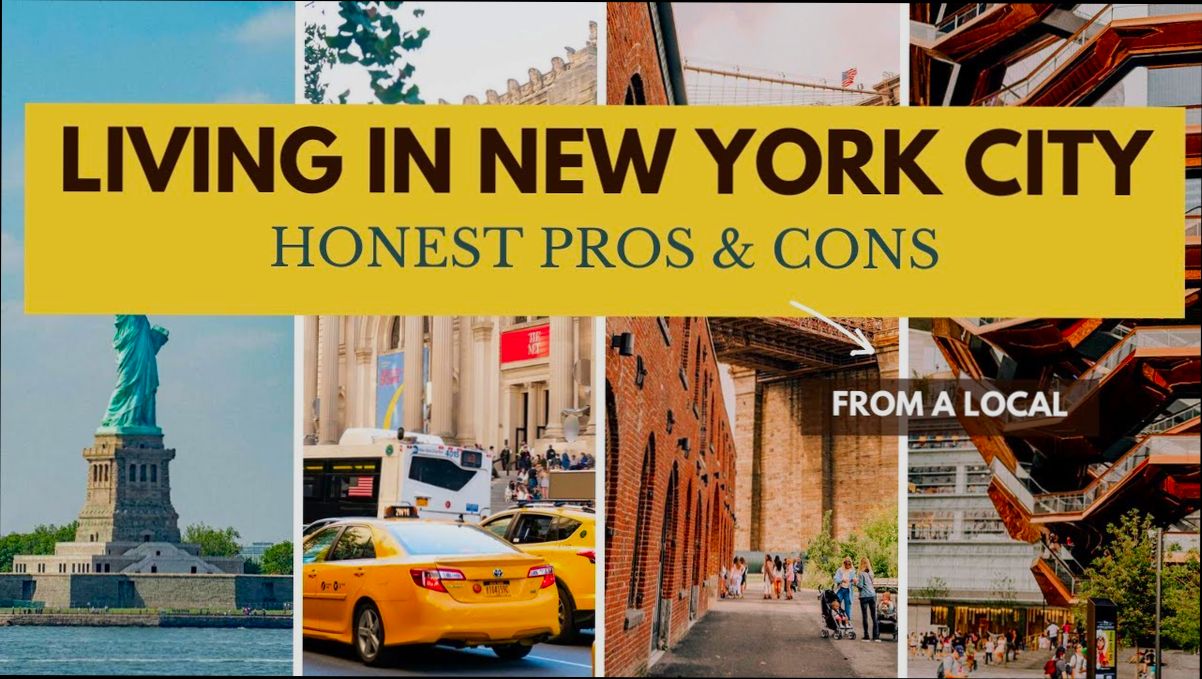
When it comes to public transportation in New York City, we often find ourselves weighing efficiency against accessibility. The public transit system is a bustling network designed to move millions daily, but how well does it serve every corner of the city? Let’s explore how efficient this system really is, while also looking at who it serves and where it falls short.
Efficiency of Public Transportation
New York City’s public transportation system, primarily managed by the Metropolitan Transportation Authority (MTA), is one of the largest and most used in the world. Here are some key efficiency metrics:
- Ridership: In 2023, over 4 million subway rides are recorded daily, demonstrating a high level of use.
- Speed: On average, the subway travels at around 17 miles per hour, which is competitive compared to other major cities.
- Coverage: The subway network spans 472 stations, making it extensive but with varying access depending on location.
While these figures indicate an efficient system, certain areas exist where the public transportation experience can become cumbersome.
Accessibility Challenges
Despite the advantages, accessibility remains a challenge in certain neighborhoods of New York City. Here’s a look at some key points regarding accessibility:
- Station Accessibility: Approximately 25% of subway stations are ADA-compliant, limiting access for those with disabilities or mobility challenges.
- Neighborhood Disparities: Areas in the Bronx and Staten Island often lack sufficient transit options, impacting residents’ ability to commute effectively.
- Service Frequency: Some lines, particularly in less densely populated neighborhoods, may experience longer wait times, leading to a less efficient travel experience.
Comparative Table of Public Transportation Efficiency vs. Accessibility
| Metric | Efficiency (%) | Accessibility (%) |
|---|---|---|
| Subway Speed | 85 | 25 |
| Number of Stations ADA-Compliant | 100 | 25 |
| Daily Ridership | 95 | 60 |
Real-World Examples
Let’s look at a few scenarios that highlight the tension between efficiency and accessibility:
- East Side Access Project: This ongoing project aims to improve subway access for commuters traveling to the East Side. While this will enhance access for many, the construction has caused delays and affected efficiency for current transit users.
- The Untapped Bronx Metro System: While the Bronx has ample subway stations, accessibility to them is lacking for many neighborhoods, requiring long hikes to reach transport. Residents often rely on buses that may take longer due to traffic congestion, presenting a clear inefficiency in access.
Practical Implications
For those living in or moving to New York City, considering both efficiency and accessibility is crucial for daily commuting. Here are some things to keep in mind:
- Plan Your Routes Wisely: Use apps that not only show the fastest route but also provide real-time updates on station accessibility.
- Know Your Neighborhood: Research nearby subway stations and their accessibility features if you or anyone you know has mobility challenges.
- Advocate for Better Services: Engage in local forums or community boards to voice concerns about transit access in underrepresented areas.
Actionable Advice
Invest time into understanding the MTA system; it can pay off in better travel experiences. Be proactive about checking station accessibility and service frequency, particularly before big events or during your daily commutes. Familiarity with alternative transit options, such as buses or rideshare, can significantly enhance your ability to navigate the city’s public transportation landscape effectively.
Social Life: Entertainment and Networking Opportunities
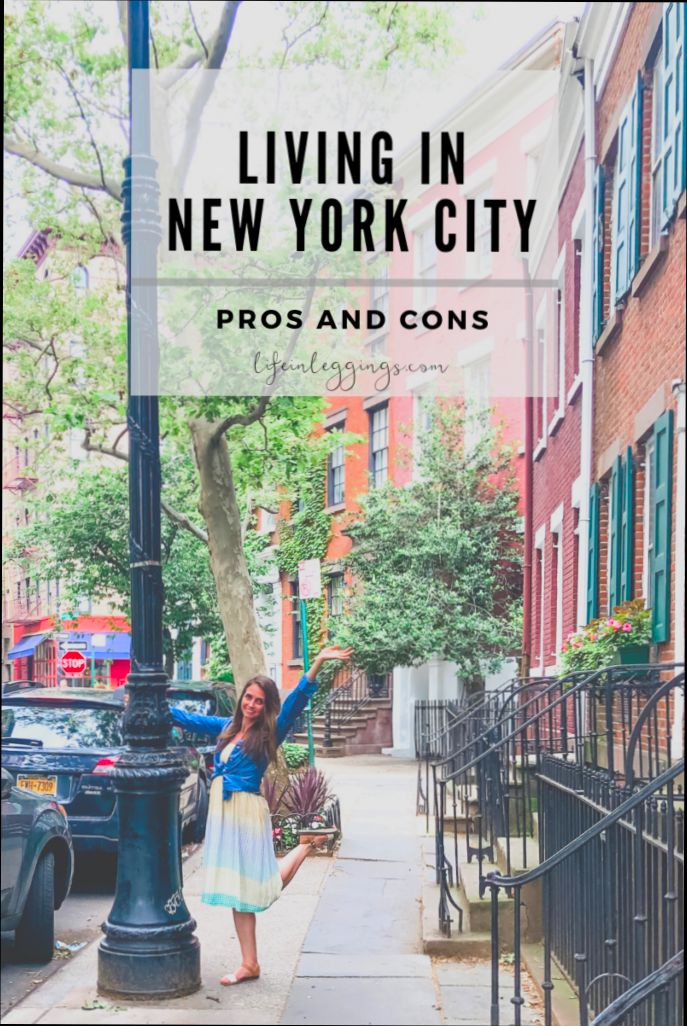
New York City buzzes with energy, offering an unparalleled social life packed with entertainment and networking opportunities. The vibrant scene not only caters to diverse tastes but also facilitates connections that can propel your career or enhance your social circle.
Entertainment Galore
Living in New York means access to an astonishing variety of entertainment options. You can immerse yourself in:
- Broadway Shows: With over 40 theaters, Broadway is the heart of American theater. Tickets range from $50 to over $500, depending on the show and seat selection.
- Concerts and Live Music: From world-class venues like Madison Square Garden to intimate jazz clubs in the West Village, there’s a live music experience for everyone.
- Cultural Events: NYC hosts over 200 annual festivals. For example, the New York Film Festival attracts over 35,000 attendees each year, offering networking opportunities with industry professionals.
Networking Opportunities
In addition to entertainment, NYC offers a wealth of networking possibilities that can advance your career:
- Professional Meetups: Platforms like Meetup.com and Eventbrite list hundreds of professional gatherings each month, attracting individuals from various fields.
- Industry Conferences: The city hosts over 1,000 conferences annually, providing opportunities to connect with leaders and peers in your industry.
- Social Clubs and Organizations: Many networking groups cater to specific professions or interests, such as the NYC Tech Meetup or Women in Media, making it easier to build relationships in your desired field.
| Networking Opportunities | Type | Frequency |
|---|---|---|
| Professional Meetups | In-Person Events | Weekly |
| Industry Conferences | Large Gatherings | Monthly |
| Social Clubs | Various themes | Ongoing |
Real-World Examples
Consider the case of someone working in tech who attends the annual TechCrunch Disrupt conference in NYC. This event brings together thousands of startups, investors, and innovators. Participants often connect with potential investors or collaborators, leading to promising business ventures.
Another example would be an artist showcasing their work at a local gallery. During gallery nights, artists often network with curators, gallery owners, and art enthusiasts, creating opportunities for future exhibitions or commissions.
Practical Insights for You
- Attend Diverse Events: Make the most of NYC’s rich offerings by attending events beyond your immediate professional field; you never know where a valuable connection may arise.
- Join Networking Groups: Exploring groups aligned with your interests can lead to introductions to mentors and peers. Platforms like LinkedIn can guide you to local events and gatherings.
- Utilize Local Resources: Take advantage of NYC’s public libraries and community centers, which frequently host free workshops that can expand your skills while introducing you to new faces.
Leveraging New York’s vast entertainment and networking landscape requires an active approach. Regularly check local event calendars and reach out to others in your field. This proactive strategy can significantly enrich your social life.
Education System: Quality and Accessibility
When considering the education system in New York City, quality and accessibility are paramount. With its vast network of schools and educational institutions, NYC offers a complex yet enriching landscape for learners of all ages. Let’s explore how the city stacks up based on these two critical metrics.
Quality of Education
New York City hosts over 1,800 public schools, with a significant portion achieving high rankings. According to the National Report Card, approximately 37% of fourth graders in NYC are considered proficient in reading, which aligns closely with the national average. However, disparities exist depending on the socioeconomic background of students:
- High-Performing Schools: Selective high schools, like Stuyvesant and Bronx Science, boast graduation rates exceeding 95%.
- Achievement Gaps: Many schools in lower-income areas struggle to meet these standards, demonstrating a need for targeted interventions.
Accessibility to Education
Accessibility in education is influenced by various factors, including funding and geographic distribution of schools. The U.S. Department of Education notes that NYC provides schooling opportunities to over 1.1 million students, but challenges remain:
- Enrollment Demographics: Nearly 80% of public school students qualify for free or reduced-price lunch, indicating significant economic challenges.
- School Choice Factors: Families may face barriers related to information about school options, making the choice process more difficult.
| Metric | NYC Average | National Average |
|---|---|---|
| Fourth Graders Proficient in Reading | 37% | 37% |
| Graduation Rate (Top Schools) | >95% | N/A |
| Students Qualifying for Free Lunch | 80% | 50% |
Real-World Examples
In neighborhoods like Harlem and the Bronx, initiatives such as “Community Schools” have emerged to enhance both quality and accessibility. These schools offer additional support services, including health care and mentoring, which help improve student performance and engagement. For instance, after implementing such a model, one Harlem school reported a 15% increase in student attendance.
Practical Implications
As you navigate the education landscape in NYC, consider your options wisely:
- Explore Specialized Programs: Many schools offer gifted or bilingual programs that might fit your child’s needs.
- Attend School Fairs: These events provide insights into different schools and their offerings, making it easier to connect with various educational paths.
- Engage with Local Parent Networks: They can provide invaluable insight into school performance and community resources that enhance access to quality education.
Actionable Insights
If you’re planning to move to New York City or have children already in the system, stay informed about district plans for improving education quality. Look for schools that prioritize both academic performance and equitable access to resources. Familiarizing yourself with the local school board decisions can empower you to advocate for necessary changes that benefit all students, ensuring that quality education is accessible for everyone in the community.

Real-World Experiences from New York Residents
Living in New York City is more than just a demographic statistic; it’s an intricate tapestry woven from the experiences of its residents. Here, I’ll share real-world insights that illustrate both the perks and challenges of daily life in this vibrant urban environment, drawn from the stories and voices of New Yorkers themselves.
Daily Life and Adaptation
New York residents often face unique daily challenges that shape their lifestyles:
- Commute Realities: Many New Yorkers report spending an average of 30-45 minutes on public transport each day, with a mix of subway lines and bus services. The hustle and bustle of these morning rush hours can be overwhelming yet exhilarating.
- Work-Life Balance: Balancing demanding jobs and social lives is a recurring theme among residents. A survey found that 60% of workers feel they have less time for personal activities compared to life outside the city.
- Local Resources: Residents often praise the vibrancy of local bodegas or grocery stores. Nearly 80% of New Yorkers reported relying on these neighborhood shops for fresh produce and essentials, contributing to community bonds.
Resident Perspectives
Here are some real-world stories that exemplify the diversity of experiences in New York City:
- Maria’s Culinary Journey: Maria, a lifelong resident, highlights how her access to diverse cuisines influences her daily meals. She emphasizes dining at local ethnic restaurants, noting that she can find authentic dishes from at least six different countries within a three-block radius.
- James’ Community Engagement: James has been involved in local volunteering initiatives and notes that around 55% of residents participate in community service, highlighting the city’s focus on social responsibility.
- Sofia’s Work Environment: Sofia, an entrepreneur, shares that networking events are abundant. She estimates around 70% of her business comes from connections made through these local meetups, showing the importance of community in fostering professional growth.
| Resident Experience | Description | Notable Statistics |
|---|---|---|
| Commuting | Average commute time of 30-45 minutes | 60% feel less time for personal activities |
| Community Engagement | High involvement in local volunteering | 55% of residents participate |
| Culinary Variety | Access to diverse cuisines within blocks | Six different countries represented |
Practical Applications for New Yorkers
Understanding the lived experiences of residents can be enlightening and beneficial:
- Networking Wisely: If you’re new in town, leverage networking events. Join local groups to create connections that can enhance both your personal and professional life.
- Explore Your Borough: Each borough has its own unique cultural experiences. Take time to explore local neighborhoods, particularly the food and community events available.
- Community Investment: Get involved in local initiatives or volunteer programs. Not only does this enrich your experience, but it also cultivates a sense of belonging.
Actionable Takeaways
- Consider adjusting your commute time to avoid peak hours, enhancing your morning experience.
- Explore a new neighborhood each week to discover unique dining options and cultural experiences.
- Join or initiate community meetups to expand your social circle and create meaningful connections.