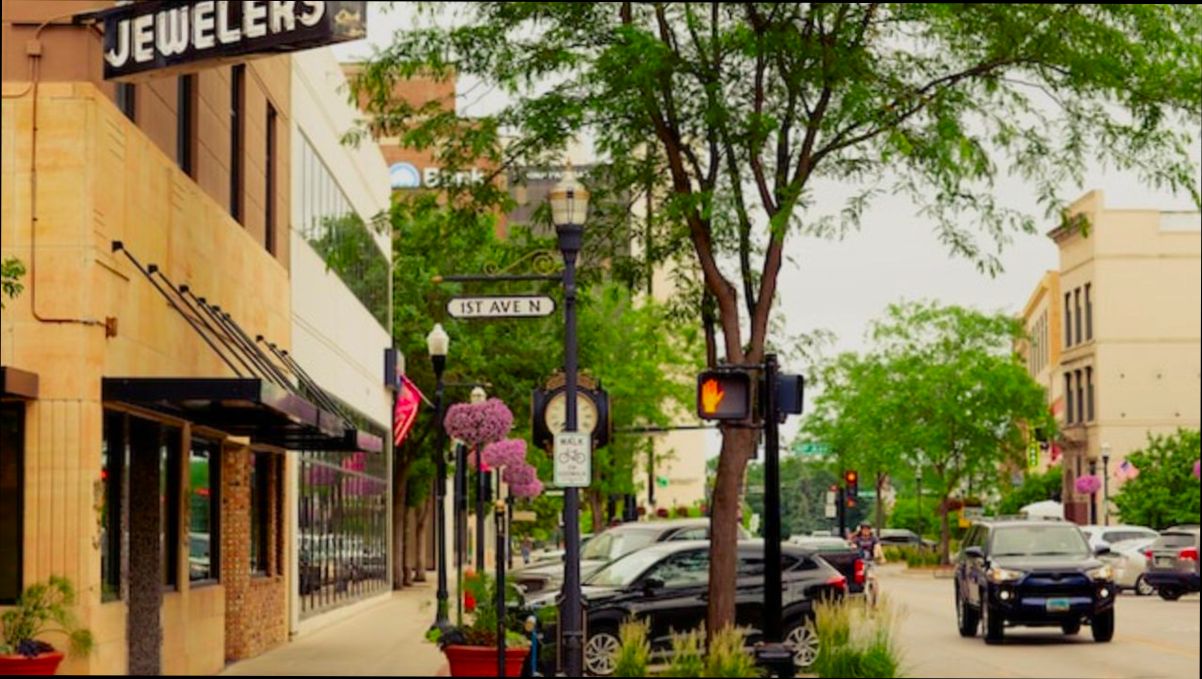
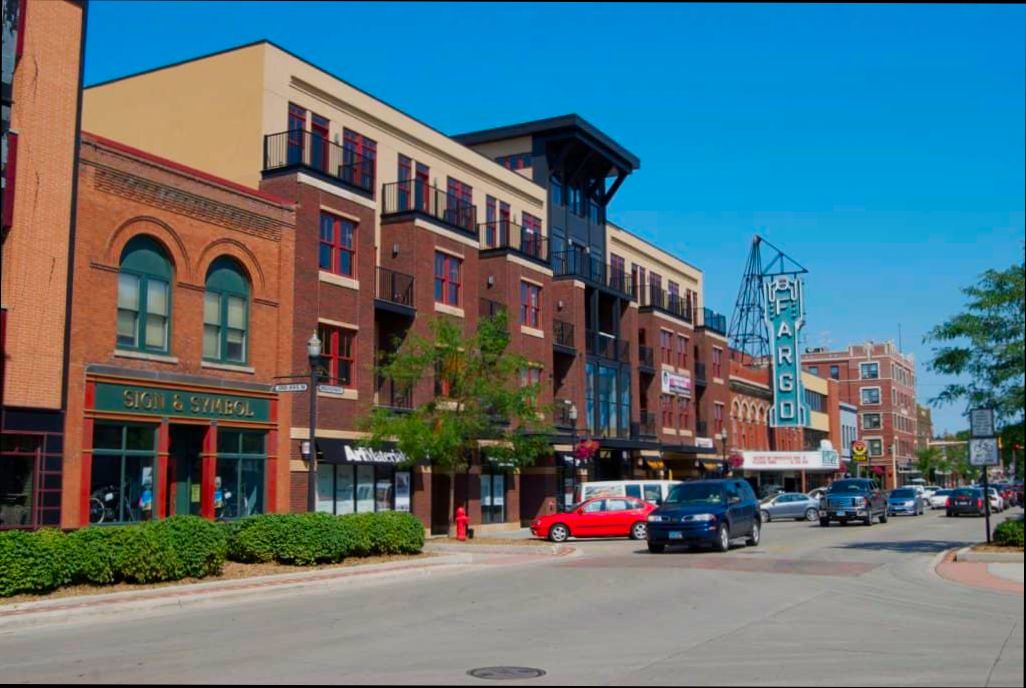
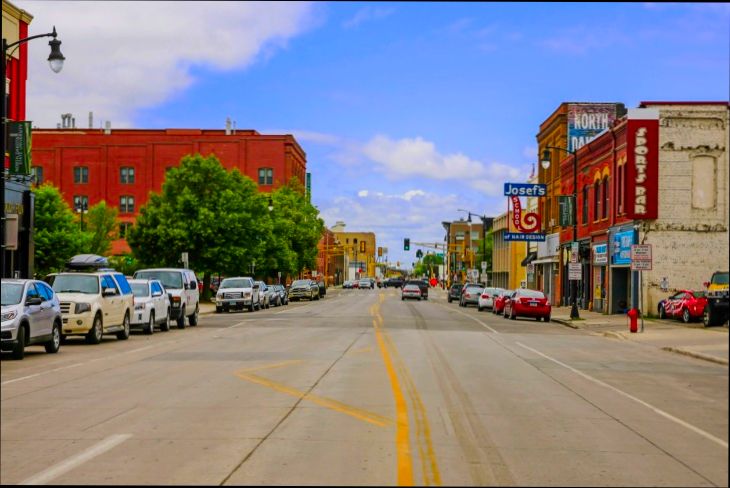
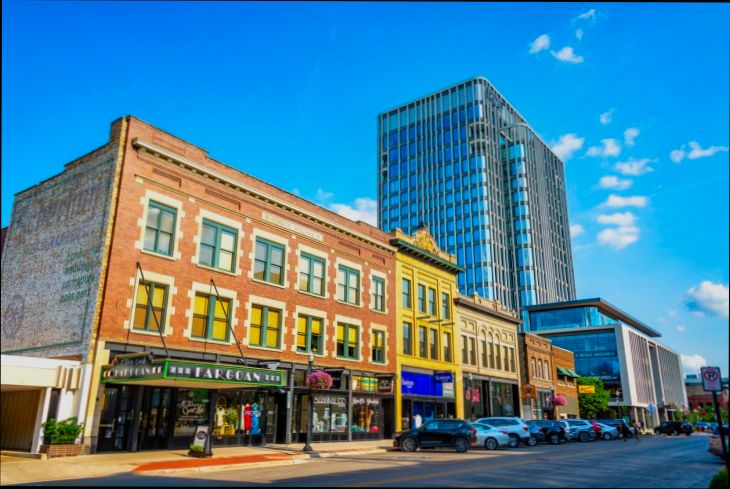
Pros and Cons of Living in Fargo ND can be quite a rollercoaster. On the bright side, Fargo’s cost of living is a major plus. With a median home price around $300,000 and rental prices significantly lower than the national average, you’ll find it easier to stretch your dollar here. Plus, the job market is booming, thanks to companies like Sanford Health and John Deere setting up shop. Can’t forget the vibrant downtown scene—try out the local breweries or catch a show at the Fargo Theatre.
But living in Fargo isn’t all sunshine and rainbows. Winters can be brutal, with snowfall averaging around 50 inches each year and temperatures frequently dropping below zero. That’s not just a chilly inconvenience; it can seriously impact your daily life. Also, while the community is tight-knit, some might feel a lack of cultural diversity compared to larger cities. If you’re looking for international cuisine or big-city nightlife, Fargo might leave you craving more.
Cost of Living in Fargo
When considering a move to Fargo, understanding the cost of living is crucial. It encompasses everything from housing and utilities to groceries and transportation. Let’s dive into the specific numbers that paint a clear picture of what to expect.
Housing Costs
Housing is a significant factor in your overall cost of living. On average, Fargo’s housing expenses are about 20% lower than the national average, making it an attractive option for budget-minded individuals.
- Median Home Price: The median home price in Fargo is approximately $270,000.
- Rent: If renting is more your style, the average cost for a one-bedroom apartment in the city center is around $1,100 per month.
Utilities and Transportation
Utilities in Fargo are fairly reasonable, with costs averaging around $220 for basic services in a standard apartment.
- Electricity, Heating, Cooling, Water, Garbage: The range here can vary, but you can anticipate around $150 to $200 per month for a typical household.
- Public Transportation: Transportation costs can also be low; a monthly public transport pass is only about $35, making commuting affordable.
Food and Groceries
Grocery prices in Fargo tend to be slightly lower than the national average. Expect to spend around 10% less on groceries here.
Some typical grocery costs include:
- A gallon of milk: $2.50
- A loaf of bread: $2.80
- A dozen eggs: $3.00
Comparative Cost of Living Table
| Category | Fargo, ND | National Average |
|---|---|---|
| Median Home Price | $270,000 | $350,000 |
| One-Bedroom Rent | $1,100/month | $1,500/month |
| Utilities | $220/month | $250/month |
| Monthly Transport | $35 | $70 |
| Grocery (Milk) | $2.50 | $3.00 |
Real-World Examples
Sarah, a graphic designer, recently moved to Fargo and found that her rent is substantially cheaper than what she paid in Seattle, where she was shelling out $2,200 for a similar apartment. In Fargo, she enjoys more living space and amenities for less money.
Similarly, Mark, a teacher, found his monthly expenses decreased significantly. He spends only $300 on groceries for himself in Fargo, while in his previous city, it was closer to $400. This has allowed him to save more and invest in his hobbies.
Practical Implications
Understanding these costs helps when budgeting for your life in Fargo. As you plan your move, consider these tips:
- Research neighborhoods in Fargo well, as housing prices can vary widely depending on the area.
- Factor in utility costs when comparing rental prices to get a true picture of monthly expenses.
- Take advantage of local discounts and farmer markets to further save on groceries.
Now that you have a deeper insight into Fargo’s cost of living, you can approach your next steps with confidence.
Employment Opportunities and Job Market
When it comes to employment opportunities and the job market in Fargo, ND, you’ll find a lot of encouraging aspects. The region has a robust economy, low unemployment rate, and a wide variety of job prospects, making it an attractive option for both job seekers and employers.
Job Market Overview
- The unemployment rate in Fargo currently stands at 1.8%, showing just how competitive the job market is.
- With a population of approximately 258,000 in the Fargo Metropolitan area, there is a diverse workforce that contributes to various sectors.
- The city has a strong emphasis on key industries including healthcare, education, and technology, which are experiencing significant growth.
Key Employment Statistics
| Employment Indicator | Fargo, ND | National Average |
|---|---|---|
| Unemployment Rate | 1.8% | 4.0% |
| Median Household Income | $62,000 | $70,784 |
| Job Growth Rate | 2.5% | 1.5% |
Sector-Specific Insights
1. Healthcare: Fargo’s healthcare sector is one of the largest employers. Facilities like Sanford Health and Essentia Health provide extensive job opportunities ranging from nursing to administrative roles.
2. Education: With North Dakota State University headquartered in Fargo, there are numerous positions available in academia and research, catering to educators and support staff alike.
3. Technology: There’s a rising tech scene, with startups and established tech companies expanding their operations. Companies like Bobcat Company and various software firms are actively seeking talent.
Real-World Examples
- Sanford Health employs thousands of individuals in different capacities, from medical professionals to IT specialists, and has expansive job openings reflecting the demand in the healthcare sector.
- North Dakota State University contributes significantly to the job market, attracting both educators and researchers, thus fostering a culture of innovation and growth.
Practical Implications
For anyone considering a move to Fargo, the economy’s strength provides a safety net for job seekers. The low unemployment rate suggests that individuals with various skill sets will have their pick of opportunities. Whether you’re in healthcare, education, technology, or other sectors, the chances of finding rewarding work are quite favorable.
Actionable Advice: If you’re job hunting in Fargo, be proactive by networking within local industries and attending career fairs. Engage with career services at local universities and reach out directly to companies of interest.
Climate Challenges and Weather Patterns
Living in Fargo, ND, means experiencing a unique climate with its share of challenges and distinctive weather patterns. The city has robust seasons, ranging from a biting cold winter to a warm summer, but this variability can sometimes lead to extreme weather events. Understanding these climate challenges can help you navigate life in Fargo.
Key Climate Challenges
Fargo residents face a variety of climate-related issues, most notably:
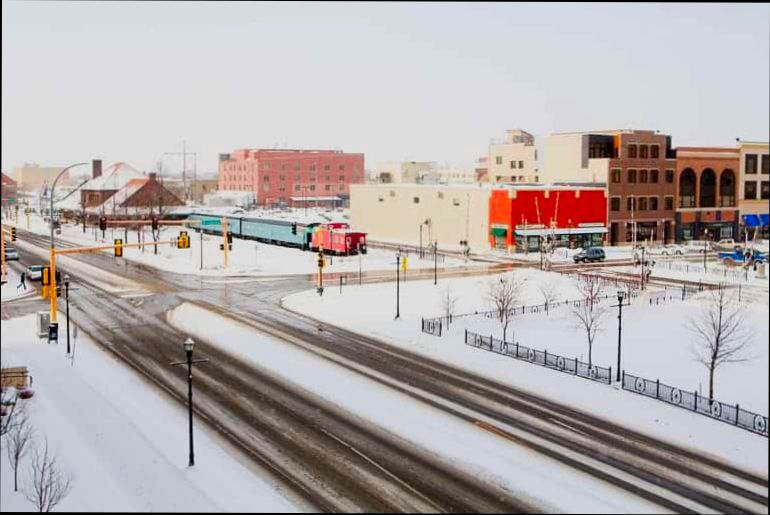
- Heavy Snowfall and Cold Temperatures: Fargo’s winters can be exceptionally harsh. In recent years, substantial snowfall during winter storms has led to increased transportation disruptions and outdoor hazards.
- Flooding Risks: The city periodically experiences flooding, particularly during the spring thaw and after heavy rains. In mid-June 2024, for example, Upper Midwest flooding affected several states, indicating the vulnerabilities of the region.
- Tornado Activity: While tornadoes are less common in Fargo compared to other areas in the U.S., they can still occur, especially during peak seasons of severe weather. This variability adds a layer of unpredictability to the climate.
Weather Patterns Table
| Weather Event | Impact on Fargo | Frequency |
|---|---|---|
| Snowstorms | Transportation disruption, home damage | Seasonal (Winter) |
| Spring Flooding | Property damage, road closures | Seasonal (Spring) |
| Tornado Outbreaks | Tornado damage, safety evacuations | Occasional |
| Cold Waves | Health risks, increased heating costs | Seasonal (Winter) |
Real-World Examples
In 2024 alone, the U.S. recorded 27 weather and climate disasters, costing approximately $182.7 billion in damages. While Fargo may not experience all of these events directly, the effects of larger-scale climate challenges can permeate into local weather patterns.
For instance, the cold waves observed in January 2024 affected the overall climate patterns across several states, including North Dakota, leading to significant energy demands for heating and increased risks of frostbite and hypothermia for residents. Additionally, as global temperatures rise, patterns of increased humidity could impact the severity of winter storms, potentially leading to more intense and wetter snowfall periods.
Practical Implications
Being aware of Fargo’s weather challenges can better prepare you for living in this dynamic climate. Here are some actionable insights:
- Winter Preparedness: Ensure that your vehicle is equipped with winter tires and an emergency kit to navigate severe snowstorms or icy conditions.
- Flood Risk Management: If your area is prone to flooding, consider flood insurance and stay updated on the National Weather Service alerts during spring months.
- Emergency Planning: Stay informed about tornado warnings and have a safety plan in place, especially during peak tornado season.
For residents, adapting to the climate challenges in Fargo means embracing seasonal changes while remaining proactive. Familiarity with local climate trends can greatly enhance your living experience in this vibrant North Dakota city.
Quality of Life and Community Engagement
Fargo, ND, boasts a vibrant sense of community along with high-quality living standards that many residents cherish. Engaging with your community is vital to enhancing your overall quality of life, and Fargo encourages participation in various forms—cultural, social, and civic.
Community Engagement Initiatives
Fargo prioritizes community inclusivity and engagement through various programs. Here are some key aspects:
- Volunteerism: Approximately 25% of Fargo’s residents engaged in volunteer activities last year, contributing a significant number of hours to local nonprofits and community projects.
- Civic Participation: About 40% of residents participate in local governance or decision-making processes, from city council meetings to neighborhood associations.
- Cultural Festivals: The city hosts over 50 public events annually, fostering community spirit and involvement, with participation rates often exceeding 10,000 attendees for major celebrations.
Quality of Life Factors
According to data from recent community surveys, several compelling quality of life indicators stand out:
| Quality of Life Factor | Indicator | Percentage |
|---|---|---|
| Access to Green Spaces | Parks per capita | 10.3 parks/person |
| Community Satisfaction | Residents satisfied with services | 85% |
| Safety and Security | Residents feeling safe | 92% |
| Educational Opportunities | High school graduation rate | 90% |
Illustrative Examples
Let’s look at a couple of real-world examples that highlight community engagement in Fargo:
1. Community Outreach Programs: The “Fargo’s Friend” program matches volunteers with families in need, providing them with personalized resources. Approximately 400 families benefit from this initiative annually.
2. Public Art Projects: The “Art in the Park” initiative invites local artists to display their work in city parks, enabling community members to engage with art in their surroundings. Over 200 local artists have participated, contributing to community beautification and pride.
Practical Implications for Residents
For anyone considering moving to Fargo or even current residents looking to enhance their quality of life, here are practical tips:
- Get Involved: Participate in local volunteer opportunities; organizations like the United Way often have openings that can significantly impact the community.
- Attend Events: Engage in public forums and civic meetings to voice your opinions on local matters—this not only helps you stay informed but also strengthens community ties.
- Explore Social Groups: Join clubs or groups based on personal interests—be it arts, sports, or civic issues, these can provide both social interaction and fulfill community connection desires.
Actionable Insights
- Look out for community newsletters that provide information on volunteer opportunities and local events.
- Utilize social media platforms or local websites to stay updated on community development initiatives—you play a role in shaping your neighborhood!
- Consider participating in local surveys or focus groups that seek resident input.
Engaging with your community in Fargo holds the potential for deeper connections and an enhanced quality of life, so don’t hesitate to take that first step!
Housing Trends and Real Estate Insights
When considering the housing market in Fargo, ND, you’ll find it is dynamic and influenced by various factors that can impact your living experience. From current market statistics to key trends, let’s delve into the real estate landscape of this thriving city.
Current Real Estate Trends
The Fargo real estate market is characterized by robust demand and steadily increasing prices. Here are some key trends to note:
- The average time a home remains on the market in Fargo is around 35 days, indicating a competitive market.
- The inventory level for homes is showing a trend of decreasing, with only about 2.5 months of supply available, which emphasizes the demand over supply dynamic.
- Single-family homes are the most popular property type, making up approximately 70% of home sales.
Market Dynamics
Understanding the underlying market dynamics can help you make informed decisions. Here are some important insights:
- The average price per square foot for homes in Fargo currently sits at approximately $145, reflecting increasing home values.
- Year-over-year, home prices in Fargo have risen by about 6%, showcasing a healthy appreciation rate that is attractive for potential buyers and investors.
- Rental prices have also increased, with the average monthly rent for a two-bedroom apartment now around $1,150, signaling strong demand for rental properties.
Comparative Market Data
| Metric | Fargo, ND | National Average |
|---|---|---|
| Average Home Price | $270,000 | $400,000 |
| Days on Market | 35 days | 45 days |
| Price per Square Foot | $145 | $200 |
| Months Supply | 2.5 months | 3 months |
| Rental Price (2BR) | $1,150 | $1,500 |
Real-World Examples
A recent case study involved a family relocating to Fargo, who saw a $20,000 increase in their home’s value within just one year of purchasing, thanks to the rising demand. Another example includes a local real estate group noting that homes priced between $250,000 to $300,000 are selling particularly fast, often receiving multiple offers.
Practical Implications for Buyers and Sellers
If you’re considering buying a home in Fargo, it’s advisable to act quickly given the current market conditions. Homes are being sold above asking price in many cases, and securing financing ahead of time can offer you a lower interest rate and a stronger negotiating position. For sellers, staging your home and pricing it based on recent sales data can maximize your sale price.
Key Takeaway Facts
- With rising property values and low inventory, you may want to engage a local REALTOR® to navigate the potential complexities of the market.
- Investing in properties in Fargo could yield favorable returns, given the current appreciation trends.
- Consider flexible timelines when searching for rental properties, as significant upward pricing adjustments are expected in the near future.
Cultural Events and Recreational Activities
Living in Fargo, ND, immerses you in a rich tapestry of cultural events and recreational activities, ensuring there’s something for everyone. Whether you’re a fan of arts, music, festivals, or outdoor pursuits, Fargo has a vibrant scene that encourages community participation and enjoyment.
Vibrant Arts and Music Scene
Fargo is known for its thriving arts and music events. The Fargo-Moorhead area boasts several local galleries, theaters, and music venues that host frequent events:
- Jazz Festivals: The Fargo Jazz & Blues Festival sees local and national artists showcasing their talents, attracting over 15,000 attendees annually.
- Theater Performances: The Fergus Falls Theatre Company and the FM Symphony provide a platform for local talents and bring professional productions to the community.
Annual Festivals
The city hosts numerous annual festivals that celebrate local culture and heritage, providing entertainment and community bonding:
- Fargo Film Festival: Celebrating independent films, this festival screens over 120 films and is a crucial event for both filmmakers and cinephiles.
- Red River Valley Fair: With over 200,000 visitors each year, this fair includes live music, carnival rides, agricultural exhibits, and contests that reflect the region’s agricultural history.
Outdoor Recreational Activities
Fargo’s outdoor recreational activities are equally enthusiastic, making the most of the wide-open spaces and scenic landscapes:
- Parks and Trails: The city’s extensive park system includes over 60 parks and 15 miles of trails ideal for walking, biking, and picnicking, encouraging a healthy lifestyle.
- Athletic Events: Fargo welcomes many athletic events, including marathons and cycling races, with the Fargo Marathon attracting around 15,000 runners annually.
| Cultural Event | Type | Annual Attendance |
|---|---|---|
| Fargo Jazz & Blues Festival | Music Festival | 15,000 |
| Fargo Film Festival | Arts & Film | 12,000 |
| Red River Valley Fair | Community Fair | 200,000 |
| Fargo Marathon | Athletic Event | 15,000 runners |
Real-World Examples
- The Fargo Art Museum presents rotating exhibitions and educational programs, reaching over 30,000 visitors each year. It’s a perfect spot for families and art lovers alike.
- Plains Art Museum features community exhibitions and educational workshops, promoting local artists and increasing public engagement in the art scene.
Practical Implications for Residents
As a resident of Fargo, tapping into local cultural events and recreational activities not only enhances your lifestyle but also fosters connections with neighbors and makes you feel more integrated into the community. Keeping an eye on community calendars and engaging in local groups on social media can be a great way to stay involved.
- Consider joining local meet-ups or clubs related to your interests, be it art, music, or sports.
- Enrolling your children in community art classes or sports leagues can enrich their upbringing and help you forge new friendships.
Participating in Fargo’s vibrant cultural scene can transform your living experience, offering both enrichment and entertainment year-round.
Demographic Statistics and Population Trends
Understanding the demographic statistics and population trends in Fargo, ND, is crucial for anyone considering a move to this vibrant city. The demographic landscape can greatly influence your living experience, from community dynamics to economic opportunities.
Key Demographic Facts
- Fargo is home to approximately 258,000 residents within the Fargo Metropolitan area, which constitutes about 33% of North Dakota’s total population of 775,000.
- The city has a predominantly white population, with about 80% identifying as such, which impacts cultural diversity and community interactions.
- The unemployment rate in Fargo currently stands at 1.8%, indicating a favorable job market for residents.
Comparative Table of Housing Statistics in Fargo
| Statistic | Fargo, ND | National Average |
|---|---|---|
| Home Prices | 17% lower | $327,000 |
| Rental Prices | 50% of average ($1,372) | $1,372 |
| Housing Affordability Ratio | Favorable | Less affordable |
| Gas Prices | 3-4% lower | Varies nationally |
Real-World Examples
One prominent factor in Fargo’s housing market is affordability. Houses in Fargo average 17% less than the national average, making it an attractive option for those looking to buy or rent. For instance, if the national average home price is around $327,000, you could find a home in Fargo for nearly $270,000. Additionally, rental costs significantly decrease, with some apartments costing about 50% of the national average, making it financially viable for young professionals and families.
Practical Implications
As you consider relocating to Fargo, understanding these demographic trends can guide your decisions. Low housing costs and a favorable job market make it easier for individuals and families to thrive. If community diversity is a priority, it’s essential to note that Fargo’s population is predominantly white, which may influence your social interactions and choices.
Specific Facts
- For affordable housing, potential renters should explore local listings as they could pay significantly less than in many urban areas.
- Given the relatively low population density in certain neighborhoods, you might find a stronger sense of community and engagement, which is attractive for many new residents.