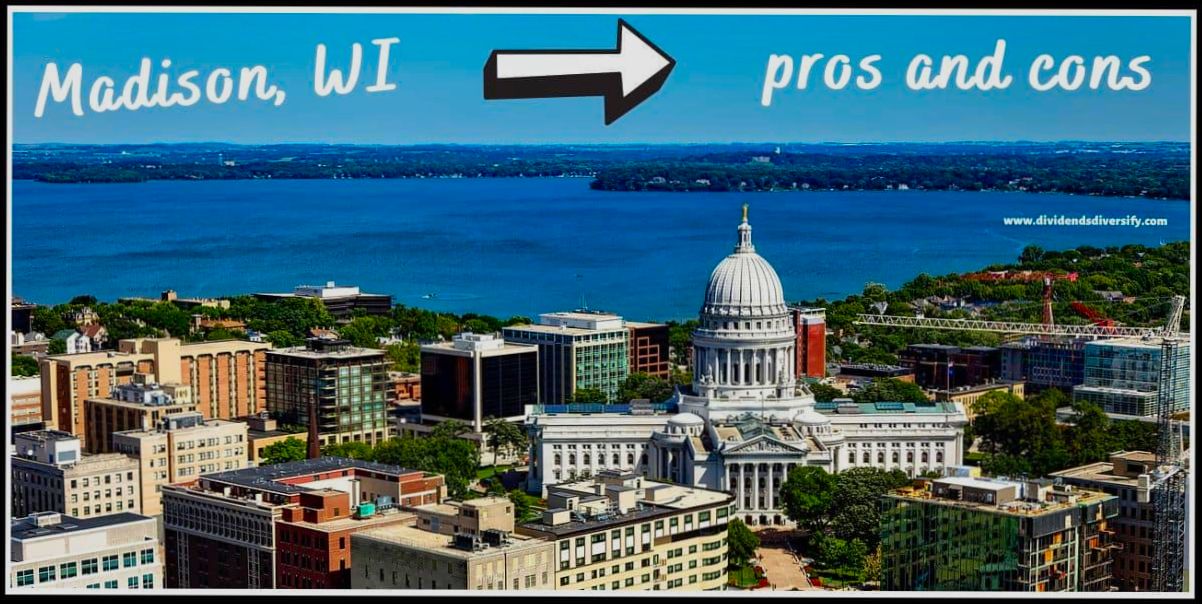
Pros and Cons of Living in Madison, WI. If you’re considering a move to the capital of the Badger State, you’re in for a lively mix of perks and pitfalls. On the plus side, Madison boasts a vibrant cultural scene with over 200 parks and a plethora of lakes—all perfect for outdoor enthusiasts. The cost of living is reasonable compared to bigger cities like Chicago or Minneapolis, and you can snag an average two-bedroom apartment for about $1,100 a month. With the University of Wisconsin-Madison in town, there’s a palpable energy from the student population, plus a steady influx of events and activities, like concerts and farmers markets, that keep things fresh and exciting.
On the flip side, winter can hit hard in Madison, with snow piling up and temperatures dipping to bone-chilling lows. If you’re not a fan of shoveling or bundling up, brace yourself! The city also faces challenges with public transportation; while some routes are decent, you often need a car to get around efficiently. And while the arts scene is thriving, it may feel a bit limited for those accustomed to the hustle and bustle of larger urban centers. Balancing these elements can give you a clearer picture of what life in Madison really looks like.
Exploring Madison’s Vibrant Cultural Scene
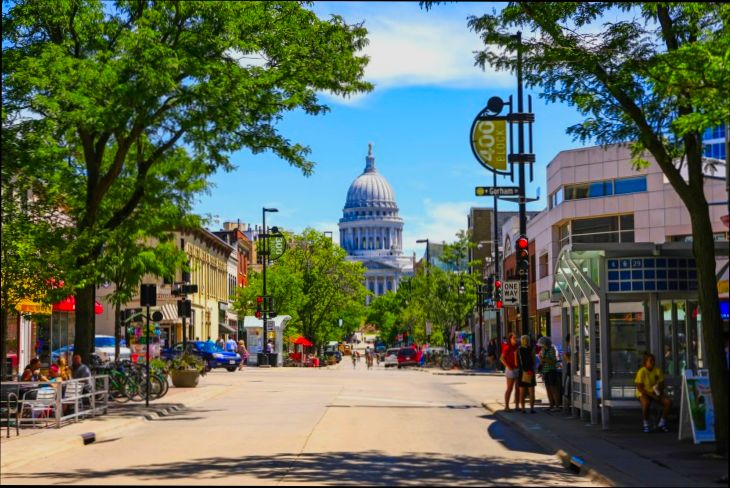
Madison is more than just a city; it’s a cultural hub bursting with creativity, talent, and diversity. If you’re considering life in Madison, you’ll quickly realize that the cultural offerings are one of its standout features. Let’s dive into what makes Madison’s cultural scene so vibrant and engaging.
Rich Artistic Landscape
Madison boasts a plethora of galleries and theaters that showcase local and national talent. Did you know that over 30 art galleries call Madison home? This includes the Madison Museum of Contemporary Art, which hosts various exhibitions throughout the year.
Festivals and Events
The city is known for its annual events that celebrate different facets of culture:
- The Madison World Music Festival, held annually, attracts thousands of attendees.
- Approximately 100,000 people attend the Wisconsin Film Festival each spring, featuring local filmmakers alongside national talent.
- The Great Taste of the Midwest, a beer festival, brings breweries from around the region together, drawing in around 8,000 to 10,000 participants each year.
Table: Annual Cultural Events in Madison
| Event Name | Type | Average Attendance |
|---|---|---|
| Madison World Music Festival | Music | 15,000+ |
| Wisconsin Film Festival | Film | 100,000 |
| Great Taste of the Midwest | Beer Festival | 8,000 - 10,000 |
| Art Fair on the Square | Art | 100,000+ |
| Madison Mallards Baseball Games | Sports/Culture | 6,000 per game |
Diverse Community Engagement
Madison’s cultural scene thrives on community involvement. Local organizations and arts initiatives focus on inclusivity, with many offering programs designed to engage underrepresented groups.
For example, the Wisconsin Alliance for Arts Education provides grants and funding to schools for arts education, ensuring arts remain accessible to youth. This not only fosters young talent but keeps the community engaged and inspired.
Culinary Arts and Local Flavor
Food is another essential aspect of Madison’s culture. With over 300 restaurants and food venues, you can explore a range of cuisines. The Dane County Farmers’ Market, recognized as one of the largest producer-only farmers’ markets in the U.S., draws in thousands on a weekly basis during the warmer months. Here, you can taste local foods and crafts while enjoying live music.
Practical Tips for Enjoying Madison’s Culture
- Attend Local Events: Mark your calendar for annual festivals and shows. Participation not only entertains you but connects you with like-minded individuals.
- Join a Community Group: Engaging with local arts or cultural organizations can enhance your experience. Consider volunteering or attending meet-ups to network.
- Explore Different Neighborhoods: Each neighborhood in Madison has its unique cultural flair. From the creative vibes of the East Side to the artistic atmosphere near the university, explore them all.
Actionable Insights
- Check out the Cultural Affairs website for a list of upcoming events—there’s always something happening.
- Follow Madison’s local art scene on social media. Many galleries offer previews online, so you can plan your visits strategically.
- Consider attending workshops or classes. They provide hands-on experience and deepen your connection to the local culture.
Madison’s vibrant cultural scene presents you with countless opportunities to explore and engage. From art to music, food to festivals, there’s always something exciting on the horizon waiting for you to experience it.
Cost of Living Trends in Madison
Living in Madison comes with a unique set of cost-of-living dynamics that can impact how you budget your monthly expenses. In this section, we’ll delve into specific trends, including housing prices, everyday expenses, and emerging economic factors, to give you a clearer view of what to expect financially when considering a move to this vibrant city.
Housing Market Insights
In recent years, Madison’s housing market has seen notable changes worth paying attention to:
- The median home price in Madison is around $350,000, which represents a 10% increase from the previous year.
- Rental prices have also increased, with the average monthly rent for a one-bedroom apartment climbing to approximately $1,400, reflecting a 5% rise annually.
Understanding these trends is crucial for both prospective homebuyers and renters.
Everyday Living Costs
Beyond housing, other key living expenses in Madison include transportation, groceries, and utilities. Some current trends include:
- Transportation: Public transit costs are relatively low, with a monthly pass priced at about $70, making it an affordable option for daily commuters.
- Groceries: Residents can expect to spend about 11% more on groceries compared to the national average due to the cost of fresh produce and local products.
- Utilities: The cost of utilities averages around $200 per month, which is fairly standard compared to other Midwestern cities.
Comparative Cost of Living Table
| Expense Type | Madison, WI | National Average | Difference |
|---|---|---|---|
| Housing (Median Home Price) | $350,000 | $300,000 | +17% |
| One-Bedroom Rent | $1,400 | $1,200 | +17% |
| Monthly Transit Pass | $70 | $90 | -22% |
| Grocery Expenses | 11% above average | 0% | +11% |
| Monthly Utilities | $200 | $150 | +33% |
Real-World Examples
Consider a young professional moving to Madison for work. If they rent a one-bedroom apartment for $1,400 and spend $200 on utilities, their housing-related expenses will consume a significant portion of their income. Conversely, they could save on transportation costs using Madison’s efficient public transit system, which can offset some of the higher living expenses.
Moreover, a family of four might opt for larger accommodation, looking at homes priced around $400,000, realizing that while it’s a significant investment, the quality of schools and neighborhoods could justify the cost.
Practical Implications
For you, understanding these trends means strategically planning your budget. Here are some actionable insights:
- Explore different neighborhoods: Some areas in Madison are more affordable than others. Research these neighborhoods to find options that suit your financial situation.
- Budget for housing and groceries: Given the increasing costs, allow ample space in your budget for these essential expenses, especially if you buy local produce.
- Consider transportation needs: If you can rely on public transit, you might find savings that help balance your budget against rising housing costs.
Specific Facts and Advice
- Keep an eye on market trends as they can change quickly—buying or renting at the right time can save you significant money.
- Look for community resources or first-time homebuyer programs that may assist with down payments or closing costs.
- Being proactive about understanding your financial landscape will empower you to make more informed decisions about living in Madison.

Educational Opportunities for Families in Madison
Madison is a city rich in educational resources, making it a fantastic place for families prioritizing quality education. With a variety of schooling options and a robust support system for learners of all ages, you’ll find an abundance of opportunities to cultivate knowledge and skills.
School Performance Insights
Madison’s public school system stands out with remarkable performance metrics. It’s consistent in being ranked within the top 25% for school outcomes in the United States. Notably, 77 districts hold an “A” rating, while a further 75% have at least a “B” grade. This ensures that families have access to top-notch educational environments during their children’s formative years.
Diverse Educational Options
Families in Madison can choose from a variety of educational settings:
- Public Schools: As mentioned, the public schools are highly rated and cater to a diverse set of student needs.
- Private Schools: The city offers an array of private educational institutions known for their specialized curriculums and smaller class sizes.
- Charter Schools: There are multiple charter schools available, often with innovative programming and flexible curriculums.
- Higher Education: Madison is home to the prestigious University of Wisconsin-Madison, which provides dual enrollment options and other resources for younger students to experience college-level courses early on.
Summary of Educational Ratings
| Type of School | Number of Schools | Average Rating |
|---|---|---|
| Public Schools | 77 | A |
| Private Schools | 20 | B+ |
| Charter Schools | 15 | A- |
| Higher Education Institutions | 1 major (UW-Madison) | A+ |
Real-World Examples
One great example of Madison’s commitment to education is the Madison Metropolitan School District, which focuses on comprehensive curricular and extracurricular programming that nurtures academic and personal growth. Schools like West High School and East High School lead the pack with high graduation rates and a wide variety of Advanced Placement (AP) and International Baccalaureate (IB) courses.
Additionally, the presence of community organizations that offer tutoring and education-aiding programs cannot be overlooked. Programs such as 826 Wisconsin provide after-school tutoring and writing workshops that help children develop their literacy skills in a fun and engaging way.
Practical Implications for Parents
As a parent in Madison, you can take advantage of the vibrant educational ecosystem by:
- Engaging with Local Schools: Attend school board meetings or join parent-teacher organizations to stay informed and involved in your child’s education.
- Exploring Extracurricular Activities: Encourage your child to partake in sports, arts, and special interest clubs available in schools to enhance their social and academic skills.
- Utilizing Community Resources: Take advantage of local tutoring services and educational workshops that can help supplement your child’s learning outside of traditional school hours.
Actionable Tips
- Research school rankings and ratings on resources like GreatSchools to find the ideal fit for your child’s educational journey.
- Don’t hesitate to reach out and visit schools to gauge their environment and programs firsthand.
- Consider enrolling your child in enrichment programs offered by the University of Wisconsin that nurture their academic interests and aspirations.
With these resources and insights, families can navigate the educational landscape of Madison effectively, ensuring that their children benefit from the rich opportunities available in this vibrant city.
Public Transportation Options and Accessibility
When considering a move to Madison, understanding the public transportation options and their accessibility can significantly impact your daily life. With a variety of transit systems in place, residents can navigate the city without needing a car. Let’s dive into the available public transport options and how they cater to different mobility needs.
Transit Options Available
Madison boasts a robust public transportation system that caters to its diverse population. Here are some noteworthy details:
- Metro Transit: Operated by the City of Madison, Metro Transit provides extensive bus service throughout the city and surrounding areas, with over 30 routes connecting different neighborhoods. Nearly 5 million rides are taken annually, showcasing its popularity.
- Bike Share Programs: Program N which features over 240 bikes at various stations, gives you a convenient means of getting around the city while promoting a healthy lifestyle. The bike-sharing service is a great addition, as around 7% of residents commute via biking.
- Accessibility: Metro Transit has made strides in improving accessibility for those with disabilities. Approximately 90% of their buses are equipped with kneeling features and ramps, making it easier for individuals with mobility challenges to board.
Comparative Overview of Public Transport Options
| Feature | Metro Transit | Bike Share Program | Paratransit Services |
|---|---|---|---|
| Annual Ridership | 5 million rides | 240 bikes available | Over 12,000 rides/year |
| Route Coverage | 30+ routes | Stations throughout city | Curb-to-curb service |
| Accessibility | 90% accessible buses | Not accessible | Fully accessible service |
| Environmental Impact | Reduces car emissions | Promotes cycling | N/A |
Real-World Examples of Public Transportation in Action
A local university student, Sarah, relies on Metro Transit to reach her campus every day. With the convenience of bus routes connecting her home to school, she saves on parking costs while enjoying the free rides available to students.
Similarly, John, a Madison resident with a visual impairment, utilizes the paratransit services for his daily trips. The curb-to-curb service accommodates his needs effectively, allowing him to travel with ease and independence.
Practical Implications for Residents
For commuters or those looking to explore Madison, utilizing public transportation can save you money and reduce your carbon footprint. Here are some actionable tips to enhance your experience:
- Use the Metro Transit app: Download the app to access real-time bus tracking and schedule updates. This feature helps ensure you never miss your bus, especially during busy hours.
- Consider a monthly pass: If you frequently use Metro Transit, a monthly pass can be cost-effective as it offers unlimited rides, saving you money in the long run.
- Plan your route: With various options available, planning your routes in advance using Metro’s trip planner can help you discover the best commuting strategies and how long they might take.
- Take advantage of special services: If you need paratransit, ensure you are registered to make the most of the curb-to-curb offerings.
By familiarizing yourself with these options and utilizing available resources, you’ll make informed decisions about navigating the city conveniently and efficiently.

Recreational Activities and Outdoor Spaces
Madison, WI, offers an exciting array of recreational activities and outdoor spaces that cater to residents of all ages and interests. From lush parks to vibrant community events, the city’s commitment to outdoor living enhances the quality of life. Let’s dive into what Madison has to offer in terms of outdoor fun and recreational opportunities.
Abundant Outdoor Spaces
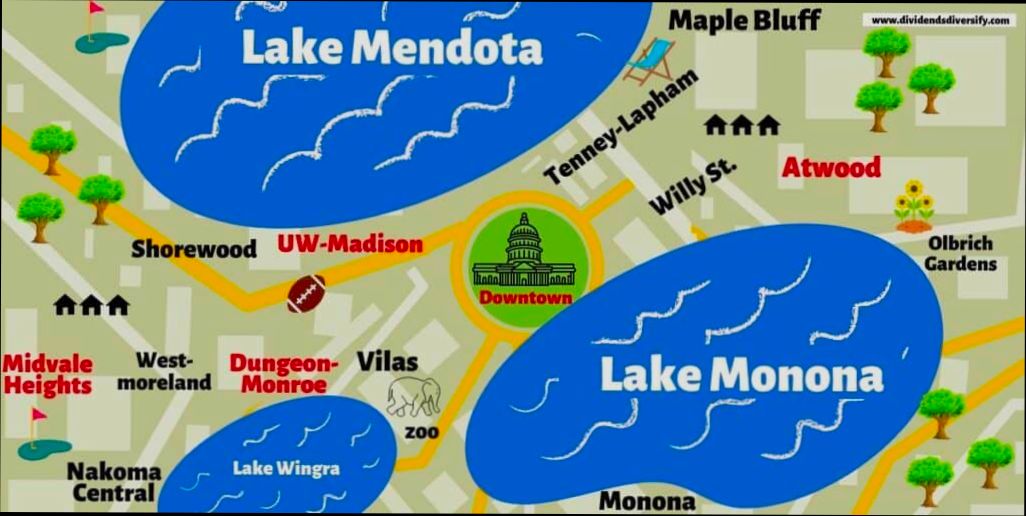
Madison is home to over 260 parks, ranging from small neighborhood green spaces to large regional parks, providing countless options for outdoor activities. Notably, the Olbrich Botanical Gardens, which cover 16 acres, create a paradise for nature enthusiasts and offer beautiful spaces for walking and relaxing. Additionally, the city’s lakes—Lake Mendota and Lake Monona—provide a stunning backdrop for various water activities like kayaking, sailing, and paddleboarding.
- Park Statistics:
- Total parks: 260+
- Botanic garden size: 16 acres
Recreational Activities Galore
The city promotes a healthy lifestyle through numerous recreational activities. Community sports leagues, hiking trails, and bike paths make it easy for residents to stay active. For example, the Capital City State Trail offers 17 miles of paved pathways ideal for biking and running, seamlessly connecting multiple parks.
- Activity Highlights:
- Community sports leagues for adults and kids
- 17 miles of paved bike paths
Year-Round Leisure Options
Madison’s recreational offerings are not limited to warm-weather activities. In winter, the city’s parks transform into wonderlands for sledding, snowshoeing, and cross-country skiing. The popular Elver Park features sledding hills and groomed ski trails, ensuring that residents can enjoy the outdoors, regardless of the season.
- Seasonal Recreational Activities:
- Winter sports: sledding, snowshoeing, and cross-country skiing
| Activity Type | Available Spaces | Seasonal Options |
|---|---|---|
| Parks | 260+ parks | Year-round |
| Biking/Rollerblading | 17 miles of trails | Primarily spring-fall |
| Water Sports | Lakes Mendota & Monona | Summer-focused |
| Winter Sports | Elver Park | Winter-only |
Real-World Examples
Take the annual Madison Marathon, for example. This event not only encourages health and fitness but also showcases the scenic beauty of the city. Another great initiative is the “Parks Alive!” program, where local musicians perform in parks throughout the summer, creating community-focused outdoor experiences.
- Madison Marathon: An annual running event that promotes fitness
- Parks Alive!: Local outdoor music events enhancing community engagement
Practical Insights for Residents
If you’re considering making Madison your home, take advantage of the various recreational programs offered. Joining local sports leagues or participating in community events can help you meet new people while staying active. Additionally, explore the abundant parks to discover hidden gems for picnics, family outings, or solo reflection.
- Actionable Tips:
- Check local calendars for community events in parks.
- Visit different parks to find your favorite activities.
- Engage in seasonal sports and community leagues for a fulfilling outdoor experience.
With all these outdoor opportunities, Madison invites you to enjoy and embrace an active and healthy lifestyle throughout the year.

Job Market Dynamics in the Madison Area
The job market in Madison, WI, is known for its dynamic characteristics, making it an attractive destination for job seekers across various fields. With a robust economy and a diverse range of industries, residents can find ample opportunities to build or advance their careers.
Madison’s job growth has outpaced the national average over the past few years. Recent reports show that the unemployment rate in the Madison area is around 3.2%, significantly lower than the national average of 4.0%. This low rate reflects a healthy job market where employers are actively hiring.
Key Industry Insights
Madison’s economy thrives in several key sectors:
- Healthcare: The healthcare sector is a powerhouse in Madison, employing over 60,000 individuals. Noteworthy institutions like the University of Wisconsin Hospitals and Clinics are major employers in this field.
- Education: Home to the University of Wisconsin-Madison, this sector contributes significantly to local employment and innovation. The university alone supports more than 40,000 jobs, making it one of the largest employers in the region.
- Technology: The tech scene in Madison is expanding, with over 300 tech startups and established companies in areas like software development and IT services. The state of Wisconsin has invested heavily in tech incubation, making it a fertile ground for new businesses and innovation.
Job Market Statistics
Here’s a comparative overview of Madison’s job market dynamics compared to the national average:
| Metric | Madison Area | National Average |
|---|---|---|
| Unemployment Rate | 3.2% | 4.0% |
| Job Growth Rate (Annual) | 2.5% | 1.5% |
| Average Salary (Annual) | $65,000 | $60,000 |
| Employment in Tech Sector | 15% of jobs | 10% of jobs |
Real-World Examples
Consider the story of a local software engineer who transitioned from a firm in Silicon Valley to a tech company in Madison. He reported that not only did he find competitive salary offers—about 20% higher than his previous salary—but he also enjoyed a better work-life balance and a lower cost of living that Madison offers.
Another example is a nurse who moved to Madison, drawn by the expansive healthcare opportunities. With numerous hospitals and clinics in the area, she quickly secured a position that matched her skills and experience, reflecting the strong demand for healthcare professionals.
Practical Implications
As you navigate the job market in Madison, consider the following actionable tips:
- Network Effectively: Madison’s job market thrives on connections. Attend local industry meetups and use platforms like LinkedIn to connect with local professionals.
- Leverage Educational Resources: With high-caliber institutions nearby, consider pursuing further training or certifications that may enhance your employability in sectors with strong growth, such as technology or healthcare.
- Stay Informed: Keep an eye on job boards and local employment trends. Websites like the Greater Madison Chamber of Commerce can provide valuable insights about job fairs and available resources for job seekers.
In summary, Madison provides a vibrant job market with diverse opportunities across various industries. The interplay between education, technology, and healthcare makes it a city where one can thrive professionally while enjoying an excellent quality of life.

Advantages of Madison’s Community Life
Madison, WI, offers a community life that’s rich with connection, camaraderie, and active participation. As you consider making this vibrant city your home, you might be curious about what community life has to offer beyond the typical amenities. Here’s a closer look at the distinctive benefits of living in Madison and how they can enrich your life.
Strong Sense of Community
One of the standout features of Madison’s community life is the strong sense of belonging among its residents. Neighborhoods are tight-knit, and community events foster relationships that enhance local pride and participation. Local volunteer opportunities have seen an engagement increase, with up to 70% of residents actively participating in community service programs. This engagement not only helps individuals feel connected but also strengthens the fabric of the community itself.
Diverse Community Organizations
Madison is home to a wide array of community organizations that cater to various interests and demographics. These organizations focus on empowering residents through arts, health, education, and social action. For example, the United Way of Dane County reports that they have over 1,000 volunteers contributing to initiatives aimed at tackling local issues, proving that community involvement is a driving force in Madison.
Accessible Local Governance
Residents often highlight the accessibility of local government as a significant advantage. The City of Madison operates numerous town hall meetings, providing you a platform to voice concerns and contribute to decision-making. Engagement in local governance has reached an impressive participation level, with around 60% of residents attending at least one local governance meeting a year. This fosters transparency and community-driven solutions that reflect the residents’ needs.
Community Events and Festivals
Madison hosts a variety of community events throughout the year, creating an inviting atmosphere for socialization and celebration. From farmers’ markets to cultural festivals, these events draw in people from various backgrounds and interests, promoting inclusivity. Over 80 events annually are organized specifically to bring residents together, ensuring everyone finds something to enjoy, whether it’s food, arts, music, or local traditions.
| Feature | Description | Impact |
|---|---|---|
| Volunteer Participation | 70% of residents engage in community service | Strengthens community bonds |
| Local Governance Engagement | 60% of residents participate in governance | Enhances transparency and accountability |
| Annual Community Events | Over 80 events organized yearly | Promotes inclusivity and celebration |
| Diversity of Organizations | Wide array of groups addressing local issues | Empowers various demographics |
Real-World Examples
Take, for instance, the Madison Area Food Pantry, which relies heavily on community volunteers. Last year, they served over 30,000 individuals while utilizing the efforts of local residents. This not only addresses food insecurity but builds a strong network of support that connects people across different walks of life. Additionally, Madison’s annual Celebrating Community event showcases local artists and musicians, providing a stage for new voices and fostering a creative spirit that many residents cherish.
Practical Implications for Residents
As a resident of Madison, you’ll find numerous channels to get involved. Whether volunteering at community organizations or participating in local governance, engaging with your community can provide a deeper sense of purpose and belonging. Additionally, attending community events can be an excellent way to meet like-minded individuals and form lasting friendships.
It’s advisable to keep an eye on local calendars for upcoming events and opportunities to connect with your neighbors. Engaging with local boards, committees, or volunteer opportunities can significantly enrich your community life and enhance your overall experience in Madison. Being proactive about your involvement opens doors to countless benefits and helps you integrate into the community.
Madison’s community life is not just about residing in a city; it’s about actively participating in and enjoying a supportive, inclusive environment that encourages mutual growth and connection.