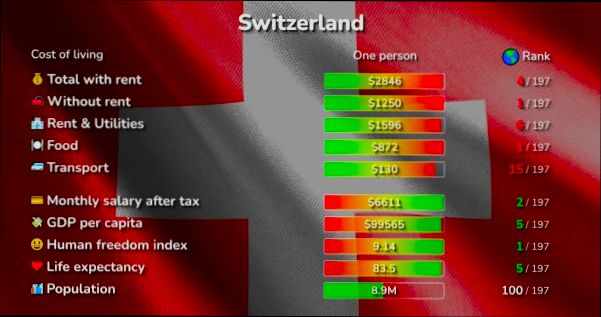
What is the Cost of Living in Switzerland? Let’s dive into the numbers that might just make your head spin. Imagine paying around CHF 2,000 for a one-bedroom apartment in Zurich, one of the world’s most expensive cities. If you’re craving a coffee while strolling along Lake Geneva, be prepared to shell out about CHF 5 for that caffeinated pick-me-up. Want some groceries? A loaf of bread could set you back CHF 2.50, and a dozen eggs about CHF 5. All this adds up quickly, especially when you consider that the average salary here is also higher than many places, sitting around CHF 6,500 per month.
Now, let’s talk health care and transportation. Switzerland boasts an excellent public transportation system, but a monthly pass can cost you around CHF 80 to CHF 120, depending on the city. And don’t forget about health insurance; it’s mandatory and can easily run CHF 400 or more monthly. Still, the quality of life is often touted as one of the best in the world, with stunning scenery and a robust social system. But if you’re thinking of making a move, these figures will definitely start to add up.

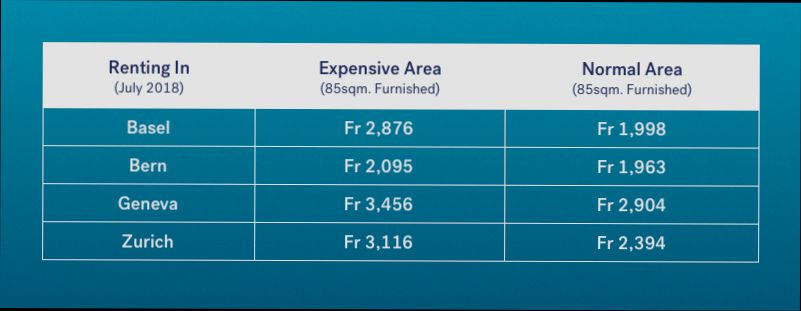
Housing Expenses and Rental Market Trends
When it comes to living in Switzerland, housing expenses play a significant role in the overall cost of living. Understanding the rental market trends is crucial for anyone considering moving to or investing in Swiss real estate.
Key Trends in Housing Expenses
Switzerland is notorious for its high living costs, particularly in urban areas. Here are some key insights into housing expenses and rental market trends in the country:
- Rising Rental Prices: Over the past few years, rental prices in major Swiss cities like Zurich and Geneva have surged. For example, average rents in Zurich increased by approximately 3% year-over-year, with a typical one-bedroom apartment costing around CHF 2,200.
- Urban vs. Rural Dynamics: While urban housing markets are tightening, rural areas are seeing slower growth. This disparity means you can find lower rental costs outside city centers, making them attractive for families or those wanting more space.
- Vacancy Rates: As of late 2023, the overall vacancy rate for rental properties in Switzerland stands at about 1.5%. This low availability can drive prices up, especially in sought-after neighborhoods.
Comparative Rental Market Trends
| City | Average Rent (1-Bedroom) | Year-over-Year Change | Vacancy Rate |
|---|---|---|---|
| Zurich | CHF 2,200 | +3% | 1% |
| Geneva | CHF 2,500 | +2.5% | 1.2% |
| Basel | CHF 1,800 | +2% | 1.8% |
| Lausanne | CHF 2,000 | +3.5% | 1.4% |
Real-World Examples
In Zurich, a recent case study showed a young professional moving from a smaller town to the city found that the rental market was competitive, with multiple listings receiving numerous applications. To secure an apartment in a desirable district, they had to offer above the asking price, reflecting the competitive nature of the rental market.
Similarly, in Geneva, an expatriate experienced difficulty in finding a decent apartment within their budget of CHF 2,300. The market was dominated by luxury properties, pushing less expensive options further from the city center. This emphasizes the impact of demand on pricing, especially in metropolitan hubs.
Practical Implications
For those looking to rent in Switzerland, you should consider:
- Shopping for apartments several months in advance due to high demand.
- Exploring neighborhoods slightly outside city centers for lower rental prices, as these areas often have good transport links.
- Being prepared to negotiate rental terms, as landlords may be open to discussions on lease length or rent amounts, especially in a competitive market.
Actionable Advice
Be proactive in your search by utilizing local rental platforms and connecting with real estate agents familiar with the Swiss market. Consider looking at properties during the off-peak season to increase your chances of securing a favorable rental arrangement without excessive competition. Additionally, keep a close eye on market trends, as understanding when prices rise or fall can lead to strategic rental decisions.
Essential Goods Pricing in Major Cities
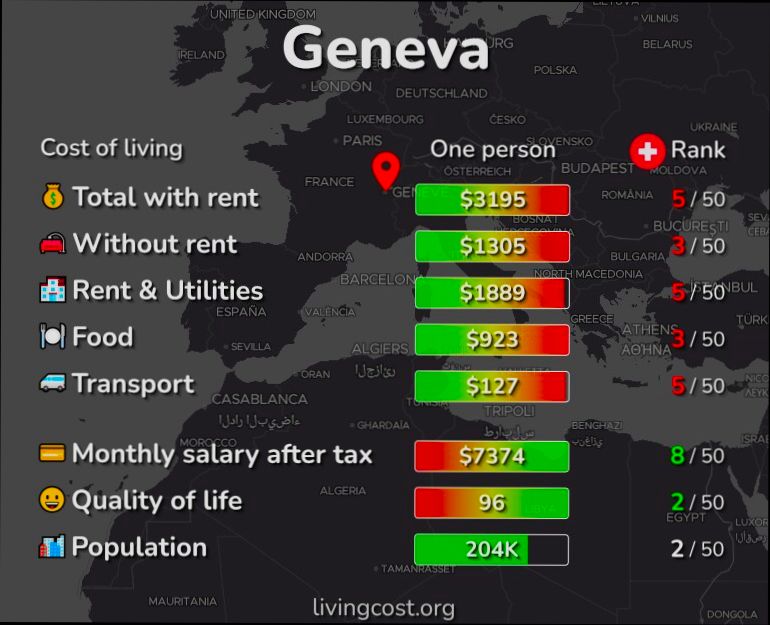
When considering living in Switzerland, essential goods pricing plays a fundamental role in shaping your budget. From grocery items to everyday necessities, understanding these costs can help you manage your finances better. Let’s dive into the prices you can expect in Switzerland’s major cities.
Key Prices to Know
- Groceries: A basic basket of groceries can vary significantly between cities. For instance:
- In Zurich, a typical monthly grocery bill averages around CHF 600.
- Geneva tends to be a bit higher, with estimates at CHF 650 for the same basket.
- Public Transport: While not a traditional “essential good,” transportation costs are crucial. A monthly pass for public transport can cost:
- CHF 85 in Zurich
- CHF 95 in Geneva
- Household Goods: Basic household supplies, including cleaning products, toiletries, and some personal care items, can also impact your budget:
- A bottle of shampoo costs about CHF 8 in Bern but can reach CHF 10 in Basel.
- Fast Food and Dining Out: Eating out frequently also accounts for monthly expenses:
- A meal at a fast-food restaurant averages CHF 15 in Lausanne, whereas in Zurich, it could be around CHF 20.
Comparative Pricing Table
| Essential Item | Zurich (CHF) | Geneva (CHF) | Bern (CHF) | Basel (CHF) | Lausanne (CHF) |
|---|---|---|---|---|---|
| Monthly Grocery Basket | 600 | 650 | 580 | 590 | 610 |
| Monthly Transport Pass | 85 | 95 | 80 | 83 | 87 |
| Bottle of Shampoo | 9 | 10 | 8 | 9 | 9 |
| Fast Food Meal | 20 | 20 | 18 | 19 | 15 |
Real-World Examples
Let’s take a closer look at specific cases that illustrate the cost of essentials:
- A recent survey revealed that residents in Zurich report spending approximately CHF 150 a month on personal care products alone, which includes skincare and hygiene items. Comparatively, those in Geneva noted their expenditure at around CHF 170.
- In Bern, many families prefer to shop at local markets for fresh produce, where a dozen eggs costs CHF 5 compared to CHF 6 in Geneva. This choice can make a significant difference over time, especially for larger households.
Practical Implications
When living in Switzerland, budgeting for essential goods is vital. Here are some actionable insights:
- Shop Seasonally: Purchasing seasonal fruits and vegetables can save you money. Local markets in each city often offer better deals than supermarkets.
- Explore Discounts: Many grocery stores offer loyalty cards that can provide discounts; this is especially helpful for frequently purchased items.
- Consider Bulk Buying: For items that don’t perish quickly, consider buying in bulk, as it usually results in lower prices per item, particularly in areas like Basel and Bern.
- Plan Your Meals: Meal planning can help minimize waste and control spending at restaurants. Preparing meals at home is generally more economical than dining out.
- Utilize Public Transport: If you plan to reside in a city with a high cost of essentials, investing in a public transport pass is a smart choice. It not only saves money but also provides access to various marketplaces for grocery shopping.
Being aware of essential goods pricing can significantly impact your financial planning while living in major Swiss cities. By leveraging these insights, you can navigate the cost of living more effectively.

Income Levels and Purchasing Power Comparison
When diving into the cost of living in Switzerland, understanding income levels and purchasing power is essential. These elements directly influence how far your salary will take you when living in this picturesque country. In this section, we will explore the key figures, comparisons, and practical insights that can help you navigate this unique financial landscape.
Income Levels in Switzerland
Swiss income levels are often considered substantial in comparison to many other countries. The average gross salary in Switzerland hovers around CHF 78,000 annually, translating to approximately CHF 6,500 per month. This figure can vary significantly based on the sector, with finance, technology, and healthcare typically offering higher salaries.
- High Earnings Potentials: Workers in the finance sector can expect salaries upwards of CHF 100,000 annually.
- Regional Variability: Income levels differ across regions, with urban centers like Zurich and Geneva offering higher salaries but also higher costs of living.
Purchasing Power Highlights
Purchasing power is crucial to understanding how much your income can really buy. While high salaries might be attractive, they must be weighed against living costs.
- In 2021, the purchasing power in Switzerland was measured at 124.5 on the OECD scale, significantly higher than the average across member countries at 100.
- This statistic suggests that, while expenses are higher, the purchasing capability of individuals in Switzerland is relatively strong compared to other nations.
| City | Average Salary (CHF/year) | Cost of Living Index | Purchasing Power Index |
|---|---|---|---|
| Zurich | 90,000 | 90 | 115 |
| Geneva | 85,000 | 92 | 112 |
| Basel | 80,000 | 85 | 110 |
| Bern | 75,000 | 80 | 108 |
Real-World Examples
Consider two professionals: one in Zurich earning CHF 90,000 and another in Basel earning CHF 80,000. While the Zurich resident has a higher salary, the cost of living index is also greater. The purchasing power index shows that despite earning slightly less, the individual in Basel can afford similar essentials, thanks to a lower cost of living.
Additionally, an expatriate working in Geneva may enjoy a higher salary but might find housing costs overwhelming. This real-life scenario emphasizes the critical balance between income, expenditures, and lifestyle choices.
Practical Implications for Residents
Understanding income levels and purchasing power can shape your financial planning:
- Budget Wisely: Use purchasing power indices to gauge where your salary might stretch further based on city living costs.
- Negotiate Salaries: If in a high-demand industry, consider negotiating based on the local cost of living and purchasing power.
- Explore Opportunities: Look outside major cities where salaries might be lower but purchasing power remains appealing with a reduced cost of living.
Facts and Actionable Advice
- Consider living in areas with lower living costs to stretch your salary further.
- Stay informed about salary trends in your industry, as they can vary based on location and demand.
- Use online cost of living calculators to tailor your budget based on precise purchasing power in your area.

Healthcare Costs and Insurance Considerations
Navigating healthcare costs in Switzerland can feel daunting, especially if you’re new to the country. The healthcare system combines high-quality services with significant expenses, making it essential to understand what you’ll need to budget for. Here’s a deeper look into the costs and insurance considerations you’ll face.
Monthly Health Insurance Premiums
In Switzerland, health insurance is mandatory, and monthly premiums can vary widely based on factors such as age, health, and the type of coverage selected.
- Average Monthly Premium: As of 2023, the average monthly premium for basic health insurance is approximately CHF 400, but it can range from CHF 250 to CHF 700 depending on personal circumstances.
- Young Adults: If you’re a young adult (18-25 years), you might pay around CHF 265 on average for basic coverage.
- Seniors: For older adults, the premiums can jump to around CHF 600 or more monthly, reflecting the increased health risks associated with age.
Out-of-Pocket Expenses
Even with insurance, you might face certain out-of-pocket costs. Here are key expenses to be aware of:
- Deductibles: Most health insurance plans have a deductible ranging from CHF 300 to CHF 2,500, which is the amount you must pay out-of-pocket before your insurance starts to cover costs.
- Co-payments: Typically, after you meet your deductible, you’ll be responsible for 10% of your medical expenses up to a maximum limit (often CHF 700 per year).
- Non-Covered Services: Some services, particularly alternative treatments, may not be covered by basic insurance. This can lead to additional costs depending on your health needs.
Comparative Overview of Insurance Premiums
| Age Group | Average Monthly Premium (CHF) | Average Deductible (CHF) |
|---|---|---|
| 0-18 years | 150-250 | 300 |
| 18-25 years | 250-400 | 500 |
| 26-45 years | 400-600 | 1,000 |
| 46-65 years | 600-800 | 1,500 |
| 66+ years | 800-1,200 | 2,500 |
Real-World Examples
Consider the case of Anna, a 30-year-old living in Zurich. She pays CHF 450 per month for her basic health insurance. In a year, after meeting her CHF 1,000 deductible and factoring in co-payments, she ends up spending about CHF 2,400 for healthcare. Conversely, her neighbor Paul, aged 65, pays CHF 900 monthly for his policy, resulting in a total of CHF 11,400 annually, including out-of-pocket expenses.
Practical Implications for You
Understanding your potential healthcare costs can help you budget effectively. Here are a few tips:
- Shop Around: Different insurers offer varying premiums and levels of coverage. Don’t hesitate to compare plans and switch insurers at the end of the year if you find a better deal.
- Consider Additional Coverage: If you anticipate needing specific treatments or prefer alternative therapies, you may want to look into supplementary insurance plans.
- Look Out for Discounts: Some insurers offer discounts for healthy lifestyles or if you opt for higher deductibles.
Specific Facts to Keep in Mind
- Switzerland has some of the highest healthcare costs in Europe, spending over 11% of its GDP on health.
- It’s advisable to review your health insurance options annually, as premiums can change and you might find plans that better suit your needs.
- Being aware of the differences in coverage can significantly reduce unexpected expenses and provide assurance for necessary treatments.
By staying informed and proactive about your healthcare choices, you can better manage the financial aspects of living in Switzerland.

Benefits of High Wages and Quality of Life
When considering the cost of living in Switzerland, it’s essential to highlight the benefits that come from high wages and a commendable quality of life. Swiss residents often enjoy elevated income levels that contribute to a better standard of living, impacting everything from housing to leisure activities.
Enhanced Economic Stability
High wages provide a cushion against the overall high cost of living. This economic stability allows individuals:
- Increased disposable income to allocate toward savings, investments, and leisure activities.
- The ability to maintain a comfortable lifestyle despite high expenses in urban centers, where the average net income can reach CHF 6,500 per month.
- Greater financial security, enabling more peace of mind regarding unexpected expenses.
Superior Work-Life Balance
In Switzerland, the emphasis on quality of life extends to work-life balance, closely connected to high wage levels. Employees benefit from:
- Average annual vacation days of 25, allowing ample time for relaxation and adventure.
- The intuition that higher salaries facilitate a lifestyle where working long hours is less necessary, thus contributing to overall well-being.
- Flexible working hours that promote better engagement with family and personal interests.
| Aspect | Impact on Quality of Life |
|---|---|
| Average Net Monthly Income | CHF 6,500 |
| Average Annual Vacation Days | 25 days |
| Percentage of Full-time Employees with Flexible Hours | 61% |
Real-World Examples
Consider a marketing professional in Zurich earning CHF 100,000 annually. With a net income upwards of CHF 7,500 per month, this individual can comfortably afford housing, healthcare, and social activities, while also saving for retirement or travel. Alternatively, a software engineer in Geneva with a similar salary can enjoy cultural events, outdoor activities, and fine dining, all part of Switzerland’s enriching lifestyle.
Additionally, residents in the healthcare sector find that high salaries enable them to access premium services, whether it’s wellness programs or regular fitness classes, which enhance their physical and mental health.
Practical Insights and Implications
For those moving to Switzerland or considering relocating within the country, it’s crucial to recognize how high wages cater to a superb quality of life. You might want to:
- Negotiate your salary effectively, given the competitive job market and high living standards.
- Research companies that offer not just a good salary but also benefits related to work-life balance and employee wellness.
- Explore regions within Switzerland that provide comparable wages along with a lower cost of living, optimizing your financial and personal satisfaction.
Here’s a noteworthy fact: Swiss households with high net incomes report a 90% satisfaction rate regarding their quality of life. This underscores the profound impact that financial stability can have on happiness and health in daily life.
Statistical Overview of Living Costs
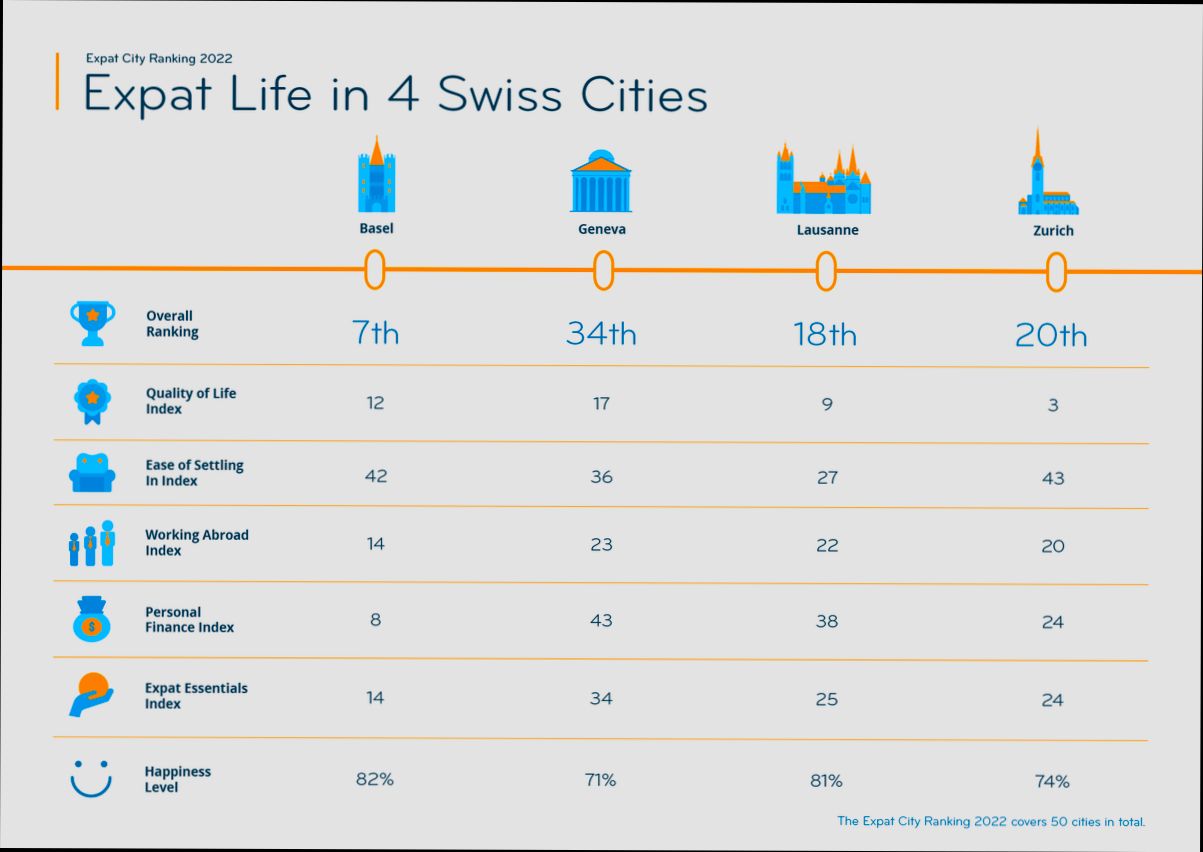
When assessing the living costs in Switzerland, it’s essential to look beyond just housing and groceries. This section provides a statistical glimpse into various elements that make up the financial landscape, giving you a clearer picture of what to expect.
Cost of Living Index
The cost of living index in Switzerland can be quite eye-opening. As of 2023, the average cost of living index score for Swiss cities stands at approximately 137, indicating that living expenses are 37% higher than the global average. This number reflects the general cost of goods, services, and the standard lifestyle you can maintain in Switzerland.
Tax Rates
Taxes also contribute significantly to your overall expenses. Here are some key statistics:
- The average personal income tax rate is around 24%.
- Corporate taxes can vary, but the average effective rate is approximately 16%, making it one of the higher brackets in Western Europe.
Utility Costs
Utility costs can add up quickly. Consider the following statistics:
- The average monthly cost for basic utilities (electricity, heating, cooling, water, and garbage) for a standard apartment is about CHF 250.
- Internet services typically cost around CHF 30 to CHF 90 monthly, depending on the provider and speed of connection.
Transportation Expenses
Transportation represents a notable portion of the cost of living:
- A monthly public transport pass can range from CHF 60 to CHF 100 depending on the city.
- In Zurich, for example, a single-ride fare is approximately CHF 2.40, and yearly transport expenses can accumulate to around CHF 1,000.
Comparative Living Costs Table
| Item | Monthly Cost (CHF) | Notes |
|---|---|---|
| Basic Utilities | 250 | Average for a medium-sized apartment. |
| Internet | 30 - 90 | Varies by provider and speed. |
| Public Transport Pass | 60 - 100 | City-dependent pricing. |
| Groceries (monthly average) | 800 | Basic basket for a single adult. |
| Personal Tax Rate | 24% | Average income tax rate |
Real-World Examples
Here’s how these statistics can manifest in real life:
- A worker in Zurich earning CHF 70,000 annually might find nearly CHF 17,000 chiseled away by taxes and basic living costs such as rent, utilities, and transportation.
- A family of four in Geneva might spend around CHF 3,500 to CHF 4,500 a month for rent alone, alongside additional expenses for groceries and healthcare.
Practical Implications
Understanding the statistical landscape of living costs in Switzerland is crucial for budgeting effectively. Keep these factors in mind:
- Factor in utility costs when negotiating any rental agreements, as they can significantly impact your monthly expenses.
- Commuting options might vary, but using public transportation can help save on costs compared to owning and maintaining a vehicle.
Actionable Advice
To navigate the high cost of living, consider these tips:
- Always compare different utility providers for the best deals on internet and energy services.
- Look into local transportation discounts or monthly passes to minimize transit costs if you frequently use public transport.
Real-Life Budgeting Scenarios for Expats
As an expat in Switzerland, budgeting can feel like a tall order with diverse costs that aren’t always predictable. It’s essential to understand how to manage your finances effectively to thrive in this stunning yet expensive country. Let’s dive into some real-life budgeting scenarios that will help you create a realistic financial plan.
Monthly Expenses Breakdown
To establish how much you should be budgeting, it’s helpful to visualize a typical monthly expense scenario for an expat family living in a medium-sized city. Below is a hypothetical breakdown:
| Expense Category | Monthly Cost (CHF) |
|---|---|
| Rent (2-bedroom apartment) | 2,500 |
| Groceries | 800 |
| Health Insurance | 400 |
| Public Transport | 150 |
| Utilities (electricity, water, internet) | 250 |
| Dining Out (2-3 times a week) | 500 |
| Miscellaneous (leisure, clothing, etc.) | 300 |
| Total | 5,050 |
This sample budget illustrates that while your salary may be relatively high, expenses can quickly add up, necessitating careful planning.
Real-World Scenario Examples
1. Single Professional Expat:
- Let’s look at Maria, a single software engineer who relocated from Spain. Her monthly fixed costs are approximately CHF 4,000, including a studio apartment in Zurich, health insurance premium of CHF 250, and a gym membership of CHF 80. She budgets extra for dining out and weekend trips, bringing her total monthly expenditure to CHF 5,500.
2. Family with Two Children:
- Consider the Wright family who moved from Canada. With two kids, their costs escalate to CHF 7,200 monthly due to increased grocery needs, child care expenses, and recreational activities. Their budget includes CHF 1,000 for education-related expenses and CHF 600 for family outings.
3. Dual-Income Households:
- Expats in dual-income situations, like the Khans, can leverage their combined salaries. Earning a total of CHF 15,000 monthly, they allocate CHF 2,800 for housing, CHF 900 for groceries, CHF 500 for childcare, and CHF 400 for health insurance. After usual expenses, they enjoy a good amount of discretionary income for savings and travel.
Practical Implications for Expats
- Adjusting Lifestyle: You may find yourself adapting your lifestyle based on your budgeting, such as dining out less frequently or opting for public transport over owning a car. Consider finding local markets and community events for affordable entertainment.
- Building an Emergency Fund: Aim to set aside at least 10% of your monthly salary for unexpected expenses and emergencies, which can arise more frequently than anticipated when living abroad.
- Utilizing Apps for Budget Tracking: Leverage budgeting apps like YNAB or Mint to keep a closer track of your expenditure. This practice will help you identify categories where you might be overspending.
Actionable Advice
- Start by creating an initial budget based on anticipated living expenses and adjust over time as necessary once you have actual spending data.
- Explore available expat groups in your area for shared insights and tips on saving, especially in relation to groceries and childcare.
- Consider side gigs or freelance opportunities, if appropriate, to supplement your income, especially given that many expats in Switzerland find themselves with a higher purchasing power relative to their previous location.
By proactively budgeting and understanding your financial territory, you can fully embrace the expat experience in Switzerland without financial stress weighing you down.