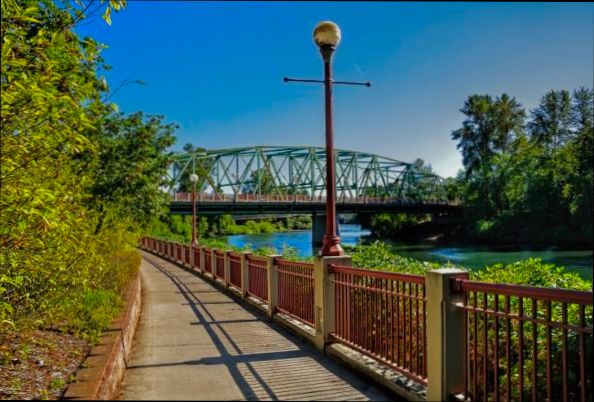
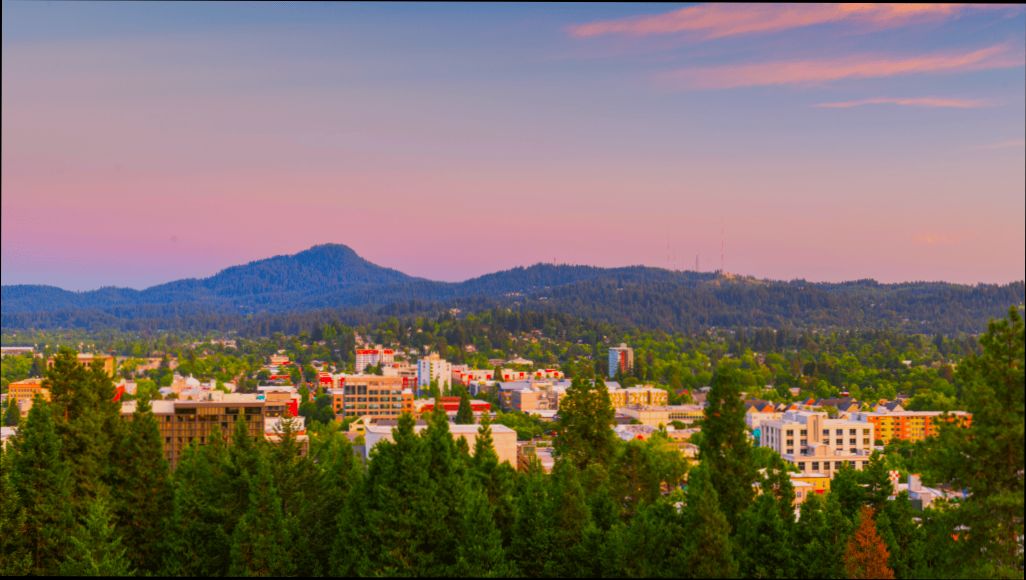
Pros and Cons of Living in Eugene OR present a unique mix of charm and challenge. On one hand, you’ve got the stunning natural backdrop of the Cascade Mountains and the gorgeous Willamette River, perfect for hiking, biking, or just soaking in the views. The city’s vibe is super laid-back and it boasts a thriving arts scene, with the annual Oregon Country Fair and events at the Hult Center attracting locals and visitors alike. Plus, with a population of around 175,000, Eugene offers a friendly, small-town feel while still providing plenty of restaurants, coffee shops, and local breweries to keep you entertained.
However, life in Eugene isn’t all sunshine and rainbows. The rainy season can be relentless, with over 45 inches of rain each year, which might not sit well with everyone. The job market has its ups and downs, especially for non-tech sectors, and housing prices have seen a steep rise, averaging around $450,000 for a home. Getting around can also be a hassle; while public transit is available, many find they need a car to truly enjoy all the outdoor activities and commuting options in and out of town.
Cost of Living Analysis in Eugene
Living in Eugene comes with its own unique cost profile that can greatly affect your budget. Understanding these financial aspects is crucial whether you’re moving here or considering staying long-term. Let’s break down the costs associated with living in this vibrant city.
Housing Costs
Housing is usually one of the largest expenses anyone faces, and in Eugene, the median home price is approximately $430,000. This figure has seen a steady increase over the past few years, making it essential to consider your budget carefully. Renters might find the average rent for a one-bedroom apartment around $1,300 per month, which can vary based on neighborhood.
Transportation Costs
Transportation expenses can also impact your wallet. The average monthly public transit pass costs about $50, and if you’re driving, the average gas price hovers around $4 per gallon. Car insurance in Eugene typically runs about $1,200 per year, slightly above the national average, so it’s smart to factor in these costs when planning your commute.
Grocery and Utility Costs
When it comes to everyday necessities, grocery costs are about 15% higher than the national average. This means budgeting for food can become a bit tricky, particularly if you’re used to shopping in areas with lower prices. Utilities can also add up, with average costs around $180 per month for electricity, heating, cooling, water, and garbage.
| Expense Type | Average Monthly Cost | Comparison to National Average |
|---|---|---|
| Rent (1-Bedroom) | $1,300 | 10% above |
| Transportation | $250 | 5% below |
| Groceries | $400 | 15% above |
| Utilities | $180 | Average |
Real-world Examples
Consider Sarah, who recently moved to Eugene. She found a cozy one-bedroom apartment for $1,350 per month. With her transportation and grocery costs, her total monthly expenses reached around $2,700, putting pressure on her budget as she had originally planned for around $2,300 monthly living costs.
Another example is Mark, a local who commutes about 15 miles to work each day. He spends around $250 monthly on gas plus a public transit pass. Despite owning a car, he recently switched to biking to save money and enjoy the outdoors.
Practical Implications
If you’re considering making Eugene your home, it’s wise to really analyze your finances. You may want to explore different neighborhoods, as some areas can offer lower rental prices and grocery costs. If you enjoy cooking, investing in meal planning can help offset grocery expenses significantly.
- Look for housing in neighborhoods like Santa Clara or Bethel for more affordable options.
- Utilize public transportation or biking to lower transportation costs.
Remember, every dollar counts when budgeting for life in Eugene, so keep a close eye on these living expenses to make sure you are prepared!
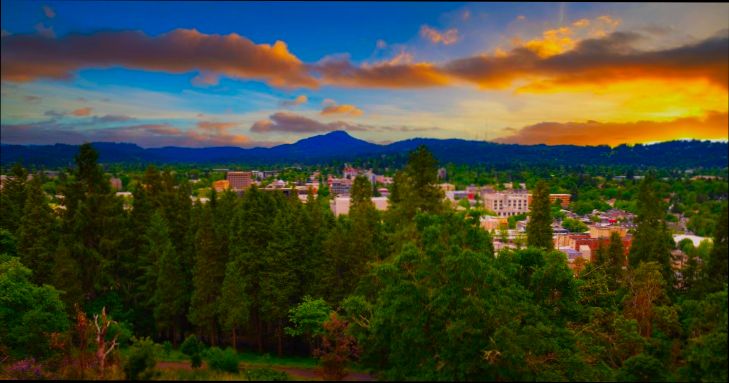
Recreational Opportunities in Eugene
Living in Eugene offers an abundance of recreational activities that truly set this city apart. Nestled in the heart of Oregon’s lush landscape, Eugene is perfect for nature lovers and adventure seekers alike. Whether you’re into cycling, hiking, or enjoying local arts, there’s something for everyone.
Outdoor Activities
Eugene boasts more than 100 miles of dedicated bicycle paths, making it one of the top cycling cities in the U.S. With a bike-friendly infrastructure, you’ll find it easy to explore scenic landscapes. The Willamette River and various parks provide ample opportunities for biking, hiking, and running, ensuring you stay active throughout the year. Here are some specific outdoor activities you can enjoy:
- Cycling and Mountain Biking: With trails such as the Fern Ridge Path and the charming McKenzie River Trail, you can bike at your own pace while soaking in stunning views.
- Hiking: Eugene’s surrounding areas feature great hiking spots, including Spencer Butte, which offers incredible vistas after a short, invigorating hike.
- River Activities: The Willamette and McKenzie Rivers are perfect for kayaking, canoeing, and paddleboarding, and you’ll often find people enjoying fishing or simply picnicking by the water.
Local Parks and Recreation
Eugene is home to many public parks, with the most notable being Alton Baker Park and Skinner Butte Park. Each park provides distinct recreational options:
| Park Name | Features | Size |
|---|---|---|
| Alton Baker Park | Trails, River Access, Pet Areas | 400+ acres |
| Skinner Butte Park | Hiking Trails, Scenic Views, Picnic Areas | 130 acres |
| Amazon Park | Children’s Playground, Sports Fields | 63 acres |
- Alton Baker Park is the largest park where you can enjoy magnificent river views, cycling paths, and areas for pets.
- Skinner Butte Park is particularly popular for its hiking trails and stunning views of the city and beyond.
Arts and Cultural Events
Eugene is not just about the outdoors; it also offers vibrant arts and culture scenes. With over 19 million visitors drawn to the area annually, many are lured by the unique blend of recreational and cultural activities. You can find events centered around local arts, food, and music throughout the year. For instance, festivals such as the Oregon Country Fair or the Eugene Celebration highlight local artists and provide excellent recreational opportunities combined with cultural immersion.
Personal Experience
Imagine spending a Saturday cycling along the Willamette River, stopping to enjoy a locally brewed beer at a nearby gastropub, and then heading to a public art installation. This scenario represents the typical weekend in Eugene, where recreation and community intertwine effortlessly. The local breweries not only enhance recreational outings but also attract a myriad of visitors, enhancing the vibrant community culture.
Practical Tips
To make the most of your recreational experience in Eugene, consider these tips:
- Invest in a good quality bicycle to explore the vast network of bike paths.
- Utilize local parks for family outings or picnics; each park features amenities that cater to children and adults alike.
- Join local outdoor clubs or attend classes focused on activities like kayaking or hiking; these are great ways to meet fellow outdoor enthusiasts and make new friends.
Eugene’s rich recreational landscape ensures that you’ll always have something to do, no matter your interests. Embrace the outdoors, connect with local art, and immerse yourself in the unique culture that Eugene has to offer!

Climate Considerations for New Residents
When you’re moving to Eugene, OR, understanding the local climate is crucial for adjusting to your new environment. Eugene’s weather can influence your daily life, from what to wear to how you spend your weekends. Let’s take a deep dive into the essential climate-related factors that new residents should keep in mind.
Temperature Ranges
Eugene experiences a temperate maritime climate characterized by mild, wet winters and warm, dry summers. On average, temperatures in the summer can reach the low to mid-80s °F (around 27°C), while winter temperatures generally hover around the high 30s to low 50s °F (3-10°C). This means you’ll want to be prepared for a variety of weather conditions throughout the year.
Rainfall and Humidity
Eugene is known for its rainfall, averaging about 46 inches per year. Most rain falls during the fall and winter months, contributing to the lush, green scenery the area is known for. Here are some key points to consider:
- Rainy Days: Expect about 150 rainy days annually, so investing in an umbrella and a good rain jacket is advisable.
- Humidity Levels: Humidity typically hovers around 70%-80% in the winter, which might feel quite damp to newcomers.
Snowfall
Though not as common, snowfall does occur in Eugene, averaging about 5 inches a year. It can disrupt daily life and school schedules if you’re not accustomed to snow. Be prepared for possible snow days, especially if you have children or commute on a regular basis.
| Season | Average Temperature Range | Average Rainfall | Average Snowfall |
|---|---|---|---|
| Winter | 35°F - 50°F | 16 inches | 5 inches |
| Spring | 40°F - 65°F | 12 inches | 0 inches |
| Summer | 55°F - 85°F | 3 inches | 0 inches |
| Fall | 40°F - 65°F | 15 inches | 0 inches |
Sunlight Exposure
If you enjoy sunshine, you’ll find Eugene offers an average of 145 sunny days per year. The summer months provide the best weather for outdoor activities, while you might find yourself longing for that sunshine during the rainy season. This emphasis on outdoor lifestyle in summer can push you to engage in community events, farmers’ markets, and seasonal festivals.
Real-World Example: Local Adaptations
Many Eugene residents embrace their climate through various initiatives:
- Gardeners: The rainy season provides ideal conditions for gardening, leading to a vibrant community of home gardeners and urban farms.
- Outdoor Enthusiasts: The mild summers encourage outdoor sports like cycling, running, and hiking, taking full advantage of the beautiful surrounding landscapes.
Practical Implications for New Residents
As a new resident, consider integrating local climate considerations into your lifestyle:
- Wardrobe: Ensure your wardrobe includes layers for the varying temperatures, sturdy rain gear, and appropriate athletic wear to enjoy outdoor activities year-round.
- Home Adaptations: Some homes may lack central air conditioning due to the mild summer temperatures; this can be a factor when looking for a residence.
- Community Engagement: Participate in local gardening clubs or outdoor sports teams—these offerings thrive in Eugene’s climate and can help you meet new people.
- Seasonal Activities: Explore local winter activities such as enjoying hot beverages in cafes or participating in winter sport events, which can enhance your experience of Eugene’s unique weather patterns.
By understanding these climate considerations, you can better adapt to life in Eugene and make the most of its beautiful, albeit variable, weather conditions.

Cultural and Artistic Vibrancy Explored
Eugene, Oregon, boasts a rich cultural tapestry that reflects its diverse community and strong support for the arts. With various artistic initiatives, the city is not only a hotspot for resident artists but also serves as a vibrant hub for cultural experiences.
Key Aspects of Eugene’s Cultural Landscape
- Public Art Funding: Under the Enrichment Ordinance, Eugene mandates that at least 1% of civic construction projects be dedicated to public art. This means that as new buildings rise in the city, they often include artistic elements that enhance public spaces.
- Per Capita Artist Engagement: According to national studies, Eugene ranks high in terms of independent artists per capita. This is particularly impressive as it places the city in the top 4% of arts-vibrant communities, highlighting a flourishing arts scene relative to its population size.
- Accessibility and Funding: Local arts organizations benefit from substantial public support. The city allocates significant resources toward cultural enrichment programs, ensuring that art remains an integral part of community life.
Comparative Arts Vibrancy Table
| City | Population | Arts Rank | Public Art Funding % |
|---|---|---|---|
| Eugene, OR | 168,916 | Top 4% | 1% |
| Nashville, TN | 1,930,961 | Top 2% | 1% |
| Portland, OR | 2,478,810 | Top Metro Area | 1% |
Real-World Artistic Initiatives
Eugene’s artistic vibrancy is exemplified through numerous projects and events:
- Maude Kerns Art Center: This local hub supports both established and emerging artists with exhibitions, classes, and community outreach, promoting arts education and engagement throughout the year.
- Eugene Celebration: An annual festival that brings together artists from various disciplines, celebrating local talent through performances, installations, and workshops that engage the community directly.
- The Lane Arts Council: This organization plays a vital role in fostering arts within Eugene, providing grants and resources to artists and cultural organizations, thus strengthening the local arts economy.
Practical Implications for Residents
As a resident or newcomer, engaging with Eugene’s rich cultural scene can greatly enhance your living experience:
- Attend Local Events: Explore various festivals and art walks that happen throughout the year, which not only showcase local talent but also provide opportunities for community connection.
- Participate in Classes and Workshops: Many local art centers offer programs for residents to learn new skills, from painting and photography to dance and theater, allowing you to nurture your own creativity.
- Support Public Art: Participating in civic discussions about new construction and public spaces can help ensure that art remains a focus in urban development, enhancing the community visually and culturally.
Eugene’s commitment to the arts not only enriches the community’s culture but also offers residents numerous opportunities to engage, support, and grow within this vibrant creative ecosystem.

Housing Market Trends and Insights
The housing market in Eugene, Oregon, showcases a dynamic landscape shaped by various economic factors. As we dive into the current trends and insights, we’ll highlight what you need to know if you’re considering buying, selling, or renting in this vibrant city.
Key Housing Market Statistics
1. Inventory Levels: Currently, around 30% of the housing inventory comprises newly constructed homes, addressing the shortage of existing homes that has been a significant issue over recent years.
2. Homeownership Rates: Approximately 86% of homeowners with mortgages have rates below current averages, which remain around 6% to 7%. This could provide leverage when considering buying or selling property.
3. Construction Trends: Housing starts experienced a notable increase, jumping from under 1.3 million in 2019 to over 1.5 million in 2022, although they have since stabilized.
4. Pent-Up Demand: Analysts estimate a pent-up demand for housing nationally, reaching up to 4.5 million homes. This demand is especially visible in markets like Eugene, where growth is evident.
5. Expected Changes: Over the next five years, home prices and rents are predicted to increase more slowly, likely providing a better balance for both buyers and renters.
| Year | Housing Starts (in millions) | Newly Built Homes % of Inventory | Median Home Price |
|---|---|---|---|
| 2019 | 1.3 | N/A | N/A |
| 2020 | 1.4 | N/A | N/A |
| 2021 | 1.5 | N/A | N/A |
| 2022 | 1.5 | 30% | $430,000 |
| 2024 Estimate | N/A | 30% | Expected stable growth |
Real-World Examples
Recent observations from Eugene’s housing market indicate a shift in buyer behavior as more people become accustomed to higher prices and mortgage rates. For instance, areas experiencing a robust influx of newcomers have seen demand sharply increase, resulting in quicker sales of existing homes.
In another scenario, newly built homes from local developers have successfully filled supply gaps, especially for first-time homebuyers looking to enter the market amid dwindling existing home inventories.
Practical Implications for Buyers and Sellers
As a potential buyer in Eugene, it’s important to consider the predominance of new constructions as a viable option, particularly if you are facing challenges with existing inventory. If current interest rates are a concern, keep in mind the opportunity for builders to buy down rates, making new homes more accessible.
For sellers, given that most homeowners have locked in lower rates, holding onto properties could be advantageous unless market conditions shift dramatically. Staying informed about neighborhood dynamics and pricing trends will be essential in making timely decisions.
Actionable Advice
When evaluating the housing market in Eugene, watch for these:
- Monitor Interest Rates: Fluctuations in mortgage rates can significantly impact buying power. Keeping an eye on trends will help you take action at the right time.
- Explore New Constructions: Given the current landscape, consider prioritizing newly built homes, as they meet many buyers’ needs and contribute to the overall inventory.
- Stay Updated: Regularly check market reports and local listings to gauge changes in home prices and availability – knowledge is key in making informed decisions.
By understanding these trends, you can navigate the Eugene housing market more effectively, whether you’re looking to establish roots or capitalize on selling opportunities.

Public Transportation and Accessibility Review
Public transportation in Eugene, OR, offers a mix of advantages and challenges that can significantly impact your daily commute and overall lifestyle. Understanding these aspects is crucial for anyone considering a move to this vibrant city. In this section, we’ll explore the public transit options available, their accessibility features, and what you can expect regarding convenience and costs.
Key Points on Public Transportation
1. Biking and Walking Integration: Eugene is known for its extensive network of bike paths and pedestrian-friendly streets. Over 100 miles of dedicated bicycle lanes make it easy for residents to integrate cycling into their daily lives alongside public transport.
2. Bus System: The local bus service, known as EMX, operates within Eugene, providing reliable and consistent options for navigating the city. EMX routes generally run every 15-30 minutes, enhancing accessibility and convenience for commuters.
3. Cost-Efficiency: Compared to owning a car, public transport can save you a significant amount of money. A monthly bus pass costs approximately $50, making it an economical choice, especially for students and low-income individuals.
4. Accessibility Features: Buses are equipped with features accommodating individuals with disabilities, including low floors for easy boarding and space for wheelchairs. Eugene’s public transportation aims to enhance accessibility for everyone.
5. Environmental Impact: Utilizing public transit reduces carbon emissions, contributing positively to Eugene’s environmental goals. In a city prioritizing sustainability, public transport plays a pivotal role in minimizing urban traffic congestion.
Comparative Table of Public Transportation Options in Eugene
| Transport Option | Cost (Monthly) | Service Frequency | Accessibility Features |
|---|---|---|---|
| EMX Bus | $50 | Every 15-30 mins | Low floor boarding, wheelchair space |
| Bike Rentals | Varies (~$25) | N/A | Bicycle lanes throughout city |
| Walking | Free | N/A | Wide sidewalks, crosswalks available |
Real-World Examples
- The EMX bus system is particularly popular among students and professionals who frequent the University of Oregon. A recent survey showed that about 40% of students utilize public transportation to commute daily.
- During the summer months, the city offers free biking classes that integrate with public transit routes, encouraging residents to combine biking with bus travel. This initiative has increased the number of cyclists by 20% in the past two years.
Practical Implications for Residents
If you choose to live in Eugene, embracing public transportation can enhance your overall experience. Here are a few actionable insights:
- Explore Monthly Pass Options: If you plan to rely on public transit, consider investing in a monthly pass to save on commute costs.
- Utilize Apps: Download local transit apps that offer real-time tracking of bus arrivals, allowing you to plan trips more efficiently and avoid long waits.
- Participate in Community Programs: Engage in programs aimed at promoting cycling and public transport use, which can help you connect with local environmental efforts and like-minded individuals.
Specific Facts and Advice
- Consider living near EMX bus routes to maximize access to public transport while minimizing wait times. This can significantly ease your daily commute.
- Leverage the existing bike lanes for a healthier lifestyle, integrating cycling into your public transport routine to improve your physical well-being while reducing your carbon footprint.
- Always check the latest updates on public transport schedules and routes, as Eugene frequently makes improvements and adjustments to meet community needs.
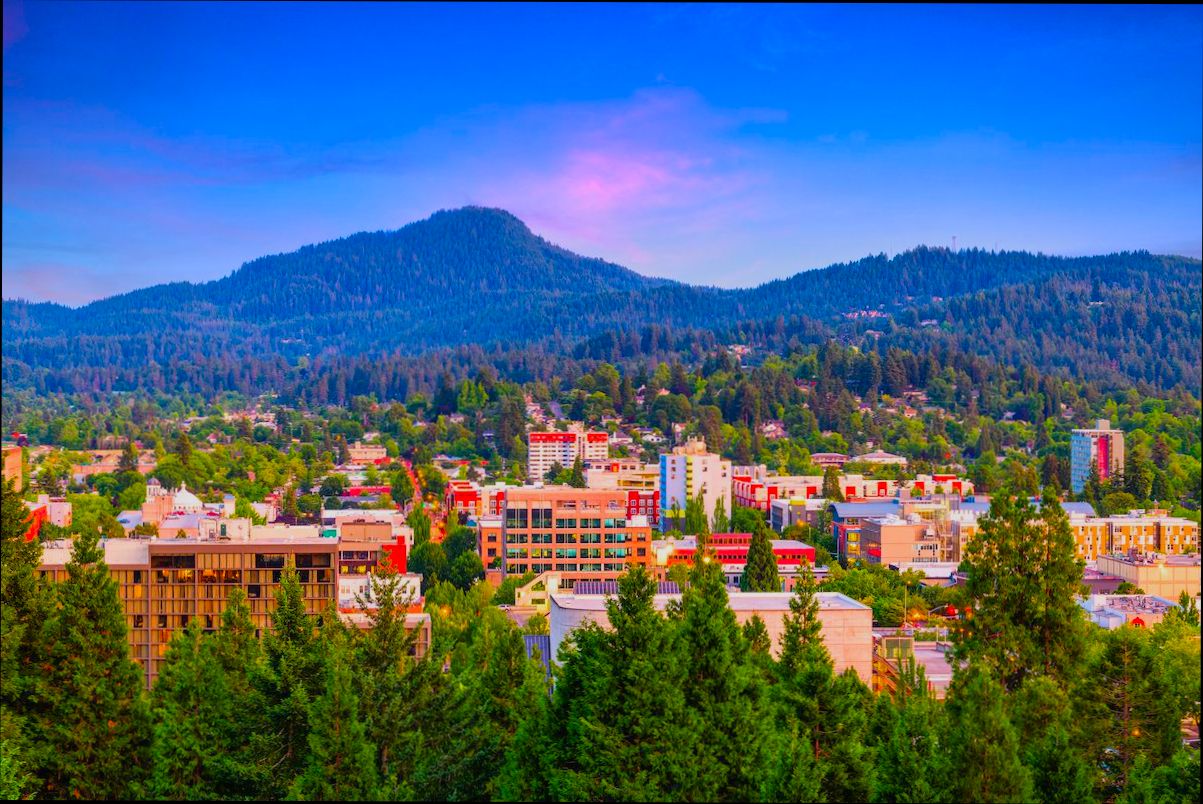
Health and Wellness Benefits of Living Here
Living in Eugene, Oregon, offers unique health and wellness benefits that can enhance your quality of life. From outdoor activities to a strong sense of community, the lifestyle you choose here can lead to significant improvements in both physical and mental health.
Key Health and Wellness Benefits
1. Mindful Eating Practices
- How to Practice: Start each meal by eating mindfully—without screens. Chew slowly and savor the taste of whole, unprocessed foods.
- Benefits: This leads to better digestion, a healthier relationship with food, and aids in weight management, promoting holistic wellness.
2. Active Lifestyle Opportunities
- How to Practice: Engage in activities that you enjoy, like yoga, biking, or team sports. Incorporate stretching, strength training, and cardio into your weekly routine.
- Benefits: Regular physical activity boosts mood, strengthens the body, and enhances mental clarity.
3. Daily Meditation
- How to Practice: Set aside 5-10 minutes daily to meditate, focusing on your breath. Gradually increase this time as you grow more comfortable.
- Benefits: Meditation helps reduce anxiety, improves focus, and fosters emotional balance, allowing residents to handle daily stressors more effectively.
4. Prioritized Sleep Hygiene
- How to Practice: Establish a sleep routine by going to bed and waking up at the same time daily. Limit screen exposure before bedtime to create a calming sleep environment.
- Benefits: Good sleep hygiene enhances energy levels, improves memory retention, and strengthens the immune system, making you more resilient to illnesses.
5. Natural Remedies for Wellness
- How to Practice: Consider incorporating herbal teas or natural supplements into your regimen after consulting with a healthcare professional.
- Benefits: Such practices can help reduce inflammation, improve digestion, and offer stress relief, all contributing to overall well-being.
| Practice | How to Practice | Key Benefits |
|---|---|---|
| Mindful Eating | Eat without screens and savor each bite | Better digestion, improved relationship with food |
| Active Lifestyle | Find enjoyable physical activities | Boosts mood, strengthens body |
| Daily Meditation | Meditate focusing on breath for 5-10 minutes | Reduced anxiety, better emotional balance |
| Prioritized Sleep | Set consistent sleep schedule, reduce screen time | Enhanced energy levels, improved memory |
| Natural Remedies | Add herbal teas or supplements after consultation | Reduced inflammation, stress relief |
Real-World Examples
Residents in Eugene have reported feeling more energized and focused after adopting mindful eating practices. Community centers host cooking classes emphasizing whole foods, allowing individuals to connect with the essence of nutrition. Local yoga studios emphasize not only physical strength but also meditation, thereby enhancing emotional well-being.
Practical Implications for You
By engaging in these holistic health practices available in Eugene, you can create a life filled with vitality and balance. Whether it’s participating in community wellness programs or simply taking time each day for meditation, the resources here support a healthier lifestyle.
Remember to start small. Incorporate one or two of these actionable health practices into your daily routine and observe how they positively impact your overall wellness. The community resources and natural surroundings of Eugene make it an ideal place to prioritize your health and well-being.