Blog
What are the Things that Landlord Cannot Do
What are the Things that Landlord Cannot Do? Let’s dive into some real nitty-gritty details that affect you as a tenant. For starters, landlords can’t just barge into your apartment whenever they feel like it. In most states, they need to give you at least 24 hours' notice before entering, except in emergencies. Imagine cooking dinner when suddenly your landlord swings the door open—no thanks! Plus, they can't retaliate against you for complaining about repairs. If you report a lack of heat in the winter and your landlord suddenly tries to evict you, that's illegal in many areas.

What Can I Do if My Landlord Enters Without Permission
What Can I Do if My Landlord Enters Without Permission? This scenario is more common than you might think—statistics show that nearly 20% of renters have experienced a landlord entering their unit without prior notice or consent. Maybe you were in the middle of a Zoom call when your landlord barged in for a scheduled maintenance check that didn't quite make it onto your calendar. Or perhaps they were just checking on something minor, but it felt invasive and disrespectful. Whatever the case, it’s essential to know you have rights in these situations.
What Can You Use Home Equity Loans For
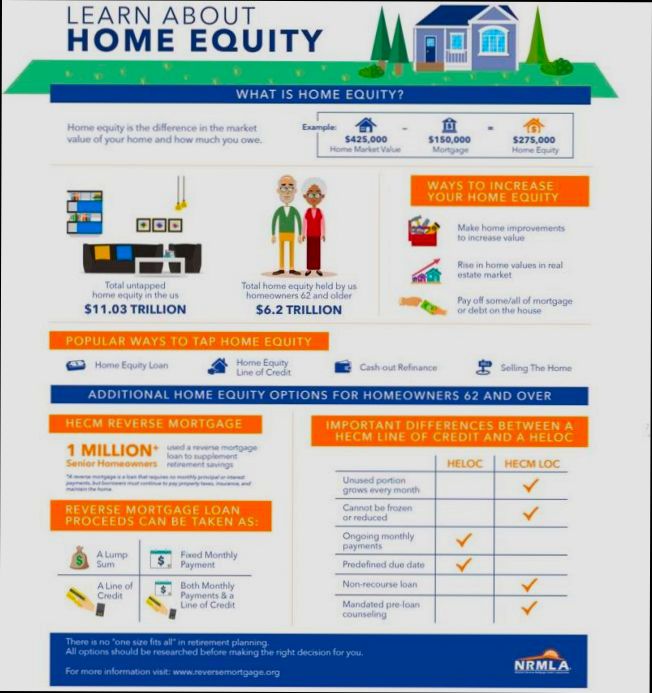
What Can You Use Home Equity Loans For? Well, imagine tapping into the financial reservoir of your home to fund your dreams and tackle real-life expenses. Home equity loans allow you to borrow against the value of your property, and since the average homeowner has gained about $50,000 in equity over the past decade, it’s no wonder these loans are gaining popularity. You might consider using those funds for a significant home renovation—an upscale kitchen remodel can yield a return of nearly 75% on your investment. Or maybe you're thinking of consolidating high-interest debt; using equity to pay off credit cards with average rates of 16% or more can save you a bundle in interest.
What Credit Score Do You Need to Rent a House
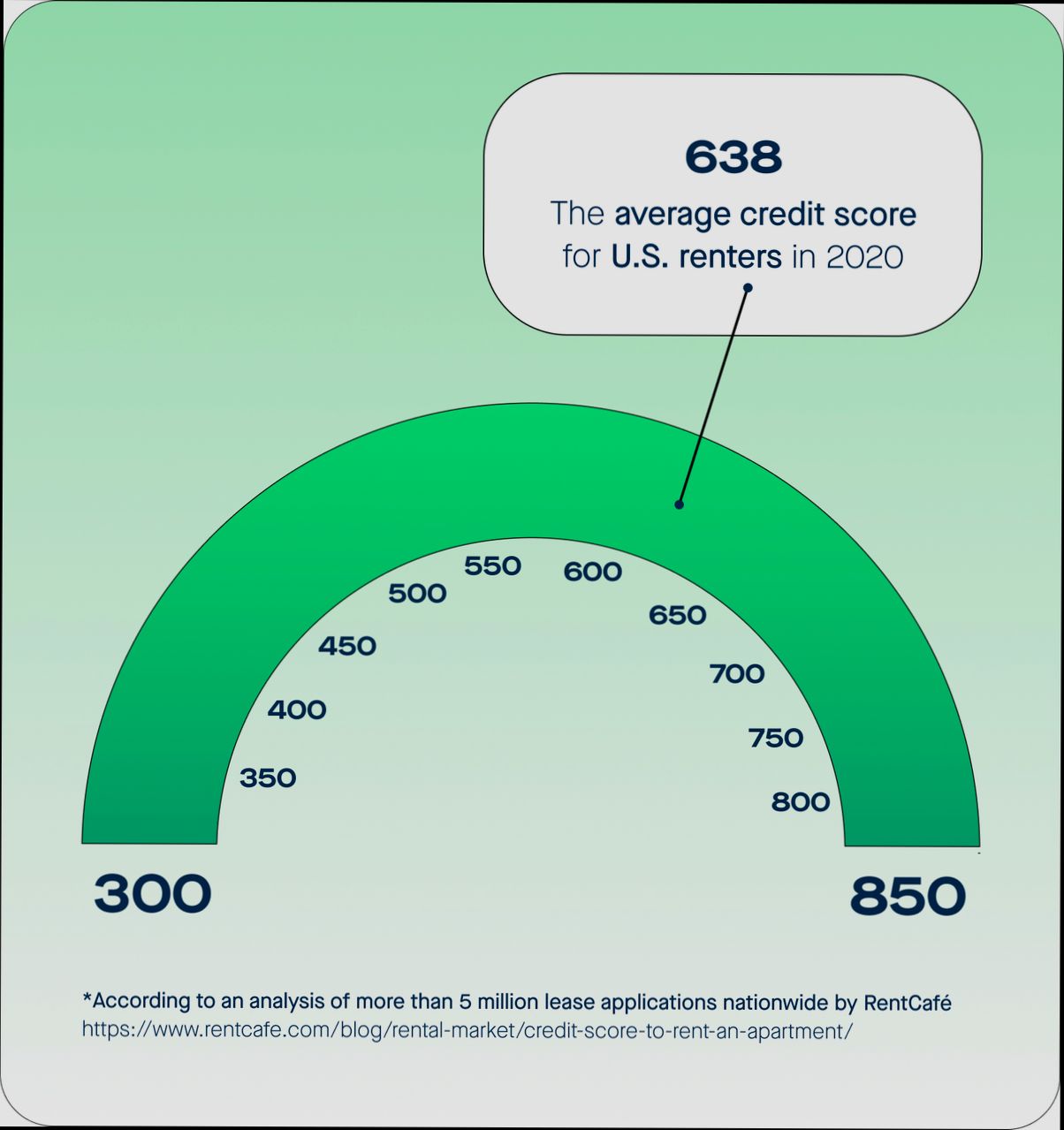
What Credit Score Do You Need to Rent a House? Well, it’s a bit of a mixed bag, but generally, you're looking at a score around 620 as a solid baseline. Landlords often use credit scores to gauge your reliability as a tenant. For instance, data from recent surveys shows that nearly 75% of property managers consider a score above 650 to be ideal, while only about 10% are willing to rent to tenants with scores under 580. This means if you’ve been keeping up with bills and managing your debts well, you're in a good place to snag that rental.

What Degree Do You Need to Become a Real Estate Agent
What Degree Do You Need to Become a Real Estate Agent? While you don’t necessarily need a college degree to get started in real estate, having one can definitely give you an edge in a competitive market. Many successful agents hold degrees in fields like business, finance, or marketing, which can help you understand the financial complexities of real estate transactions. For example, a degree in business can provide you with skills to craft effective marketing strategies or navigate economic trends, both crucial in this fast-paced industry.
What Do You Need to Buy a House
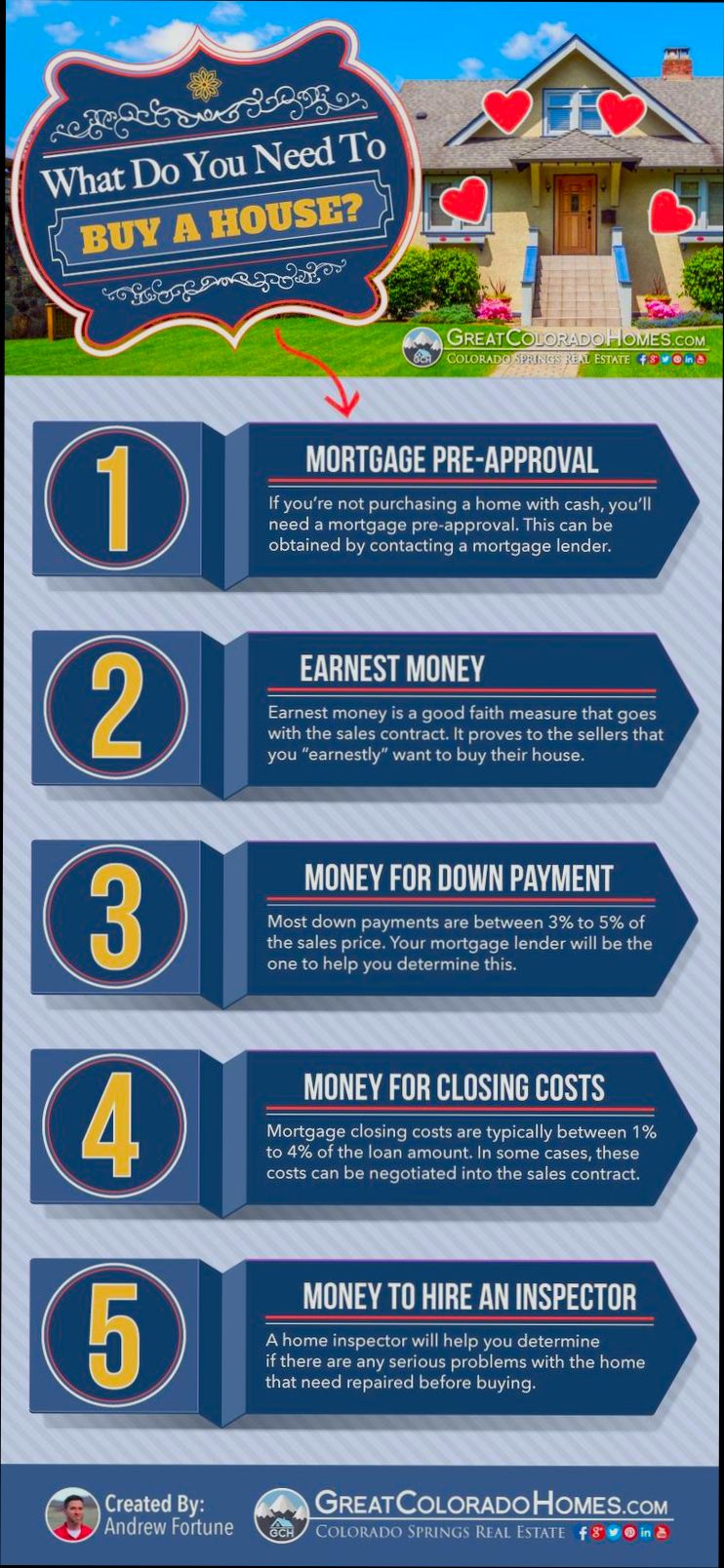
What do you need to buy a house? Well, let’s break it down. First off, you’re going to need some cash for a down payment, which typically ranges from 3% to 20% of the home's price. So, if you're eyeing a cozy $300,000 home, that means you could be looking at anywhere from $9,000 to $60,000 upfront. Ouch! But don’t forget your credit score plays a massive role, too. A score of 740 or higher usually gets you the best mortgage rates—saving you thousands over the life of your loan. Imagine paying less interest just because you’ve been diligent about your payments; it could mean the difference between affording that fancy new kitchen or settling for a fixer-upper.
What Does a Real Estate Agent Do
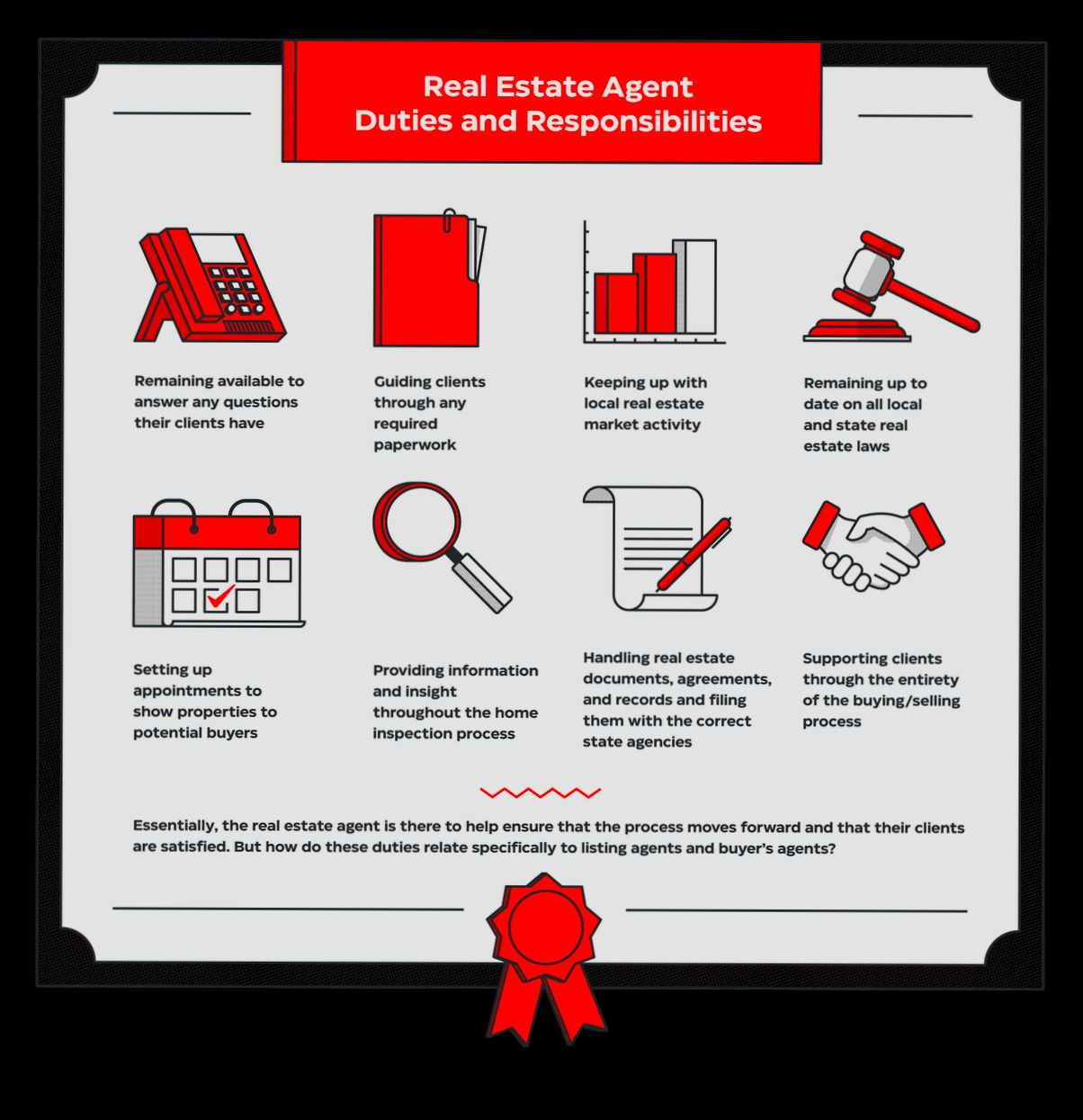
What does a real estate agent do? If you've ever bought or sold a home, you've likely interacted with one of these professionals, but the role goes far beyond just showing properties. Picture this: in 2021, nearly 6 million existing homes were sold in the U.S., according to the National Association of Realtors. That means countless buyers and sellers relied on agents to navigate a labyrinth of listings, financing options, and negotiations. When you decide to sell your home, an agent not only lists your property but also conducts a market analysis to price it competitively, uses their network to market it effectively, and harnesses negotiation skills to get you the best deal.
What Does Contingent Mean in Real Estate
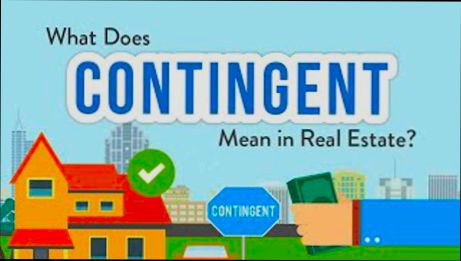
What Does Contingent Mean in Real Estate? Picture this: you’ve found your dream home and put in an offer, but right before you pop the champagne, you see the term contingent slapped on the listing. It means that the sale depends on certain conditions being met, like the buyer securing financing or the results of a home inspection. For instance, in 2022, nearly 65% of home buyers in the U.S. operated under contingent offers, showcasing just how common this scenario is. It’s like a big “hold your horses” sign that lets you know the deal isn’t sealed yet.
Tags