Blog

What are the Costs of Moving to Spain
What are the Costs of Moving to Spain? If you’re dreaming of sunny beaches, vibrant culture, and siestas, you might want to buckle up for the financial ride. Your first major expense is likely the airfare, which can run anywhere from $400 to over $1,200, depending on where you’re flying from and the time of year. Then, there's securing a place to live. Renting a modest apartment in cities like Barcelona or Madrid can set you back around €1,000 a month, while smaller towns might offer a cozy spot for €600. Don’t forget about the cost of getting your documents in order! It’s not uncommon to pay between €300 to €600 for visa applications, health insurance, and legal fees—those little details really add up.

What are the Costs of Moving to Tailand
What are the Costs of Moving to Thailand? Well, it’s not just about booking a flight and finding a place to crash. For instance, if you're eyeing cities like Bangkok or Chiang Mai, your budget can really take a hit. Monthly rent for a one-bedroom apartment in Bangkok averages around 600 to 1,200 USD, depending on the district. Meanwhile, Chiang Mai offers a more affordable range of 300 to 700 USD, but remember, utilities can add up quickly—expect to pay around 100 to 200 USD every month for electricity and internet.

What are the Costs of Moving to United Kingdom
What are the Costs of Moving to United Kingdom? If you're thinking about making the leap, get ready to dive into a sea of numbers and unexpected expenses. Let’s break it down. First off, you’ve got your visa fees. Depending on which visa you’re applying for, that can range from £625 to a whopping £2,400. Then there's the initial accommodation: a modest one-bedroom apartment in London will set you back around £1,700 a month, while something outside the city might be closer to £1,000. And don't forget the costs of shipping your belongings—international moving services can run anywhere from £1,000 to over £5,000 depending on how much junk you’re bringing along.
What are the Expenses for the Maintenance of Real Estate
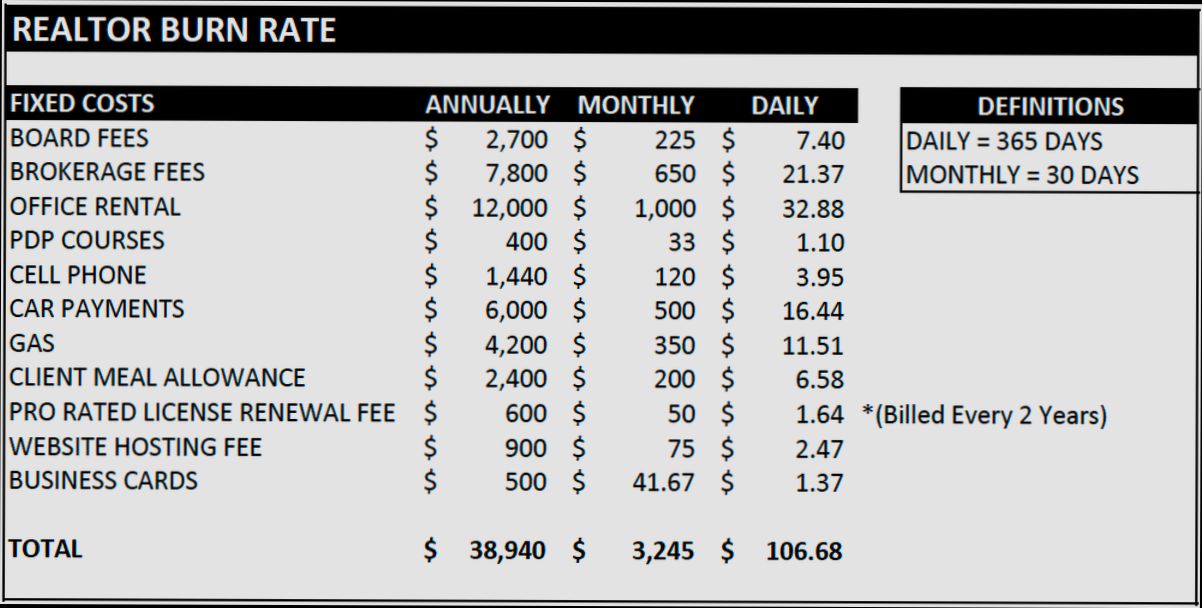
What are the Expenses for the Maintenance of Real Estate? Let’s dive straight into it! When you own property, you quickly realize that the costs go beyond just your mortgage or rent. For example, routine upkeep can easily set you back around 1% to 2% of the property value each year. If your home is worth $300,000, that’s anywhere from $3,000 to $6,000 annually just for general maintenance. This includes everything from lawn care to minor repairs, and trust me, those little projects add up.

What are the Fixtures in Real Estate
What are the Fixtures in Real Estate? They are those attachments to a property that you can't just pack up and take with you when moving day arrives. For example, think about that gorgeous chandelier hanging over the dining room table or the built-in bookshelves lining your living room walls. According to the National Association of Realtors, fixtures can greatly influence the sale of a home, with about 60% of buyers specifically looking for those little added bonuses that come with the property. It’s crucial to know which items qualify as fixtures because they affect both the value and the negotiation process when buying or selling a home.

What are the Foreclosure Homes
What are the Foreclosure Homes? Well, they’re properties that have been repossessed by lenders after homeowners fail to keep up with mortgage payments. Picture this: in 2020, during the pandemic, foreclosure rates surged as many families faced financial hardships. In fact, according to the RealtyTrac report, there were nearly 300,000 properties in foreclosure across the U.S. at the height of the crisis. These homes can be anything from cozy bungalows to sprawling estates—all have one thing in common: the previous owners are out, and the bank is looking to unload the property, often at a steep discount.

What are the Guarantees in Case of Purchasing a New or Primary Property in Spain
What are the Guarantees in Case of Purchasing a New or Primary Property in Spain? If you're thinking about buying a home in sunny Spain, you'll be happy to know there are solid protections in place for buyers. For instance, the Spanish legal system mandates a two-year warranty on any newly constructed properties. This means that if you discover any structural defects or significant issues, the developer is required to fix them at no cost. It’s a critical safeguard that gives you peace of mind knowing your investment is covered in those crucial early years.
What are the Interest Rates on Homes
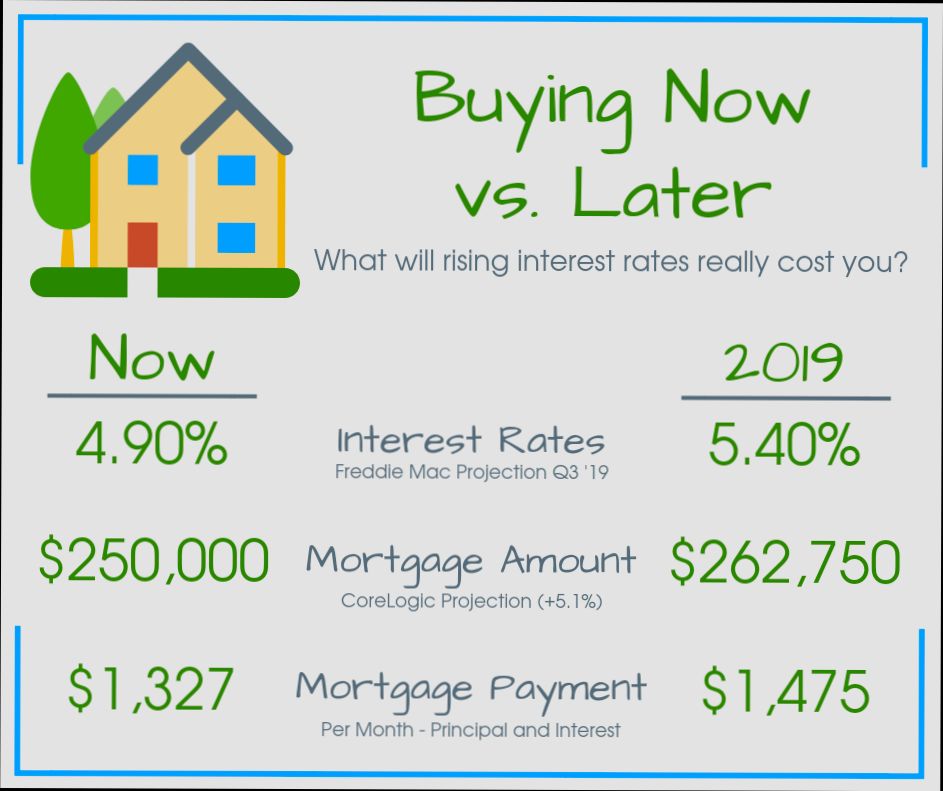
What are the Interest Rates on Homes? Well, it’s a hot topic, especially when you’re thinking about buying or refinancing. As of late 2023, average mortgage rates hover around 7.5%, a jump from the historical lows we saw a couple of years ago. Imagine you’re about to buy a $300,000 house; at that rate, your monthly payment could shoot up to about $2,100, not including taxes and insurance. And if you’re one of those lucky folks who snagged a rate below 3% a couple of years back, you're likely feeling pretty good right about now while many are left grappling with much higher payments.
Tags