What are the Property Taxes in Málaga? If you’re thinking of investing in a home or apartment in this sun-soaked Spanish city, understanding the local property taxes is essential. For starters, the IBI, or Impuesto sobre Bienes Inmuebles, is the main municipal tax you’ll encounter as a property owner. On average, this tax hovers around 0.4% to 1.1% of the property’s cadastral value, which isn’t necessarily what you paid for your home but a calculated value determined by the local government. So, if your lovely flat in El Palo has a cadastral value of €150,000, you might be looking at an annual IBI of around €600, give or take.
But wait, there’s more! You’ll also need to factor in the plusvalía municipal, a tax that hits when you sell your property, based on the increase in land value during your ownership. This can feel a bit like playing a game of financial roulette because the calculation varies widely, often reflecting how long you held onto the property and its location. For example, if you bought a cozy house in a vibrant neighborhood like La Malagueta, you might find yourself paying a hefty tax bill when it sells—especially if the market has been booming. So, as you dream about that terrace view of the Mediterranean, keep these taxes in mind; they’re crucial pieces of your financial puzzle in Málaga!
Understanding the Property Tax Framework
When navigating property taxes in Málaga, it’s essential to grasp the framework that guides these taxes. By doing so, you can make informed decisions about property ownership and investments in this beautiful region. Let’s dive into the details.
Key Points About the Property Tax Framework
1. Types of Property Taxes: In Málaga, there are primarily two types of property taxes you should be aware of: the Impuesto sobre Bienes Inmuebles (IBI) and the Impuesto sobre el Incremento de Valor de los Terrenos de Naturaleza Urbana (plusvalía municipal). The IBI is calculated based on the cadastral value of your property, while the plusvalía municipal pertains to any increase in the land value when you sell your property.
2. Tax Rates: The IBI rates can vary between municipalities, with an average range of 0.4% to 1.1% of the cadastral value. For instance, in Málaga city, the IBI rate is approximately 0.7%.
3. Cadastral Value: This value is crucial as it impacts both your IBI and other local taxes. It’s determined by the local government and is typically lower than the market value, affecting your overall tax burden.
4. Assessment Procedures: Property assessments occur periodically, and property owners can appeal their assessed values if they believe them to be inaccurate. It’s essential to stay updated on your property’s cadastral value to ensure you’re not overpaying.
5. Exemptions and Reductions: Certain properties, such as those owned by non-profit organizations or designated as historical heritage, may qualify for exemptions. This can significantly reduce your tax liability.
Comparative Table of Property Taxes in Málaga
| Property Tax Type | Rate or Basis | Application |
|---|---|---|
| IBI (Impuesto sobre Bienes Inmuebles) | 0.4% to 1.1% of cadastral value | Annual Tax |
| Plusvalía Municipal | Varies based on increase in land value | Upon Property Sale |
| Exemptions | Specific criteria for NGOs and heritage sites | Reduces tax liability |
Real-World Examples
Consider María, who owns a quaint apartment in Málaga with a cadastral value of €100,000. Her IBI tax, applying the average rate of 0.7%, would be €700 annually. If she decides to sell her apartment and the land value has increased by €20,000, her plusvalía municipal calculation will factor in this increase, adding to her financial considerations during the sale.
Another example is Carlos, who purchased a historical property. Due to its designation, he received a tax exemption on his IBI for the first five years, saving him substantial money that could be redirected towards renovations.
Practical Implications for Readers
Understanding the property tax framework in Málaga allows you to better anticipate costs associated with property ownership. Familiarizing yourself with IBI and plusvalía municipal rates, along with potential exemptions, can directly impact your financial planning. Make sure to review your cadastral value regularly and consider appealing if you believe it does not reflect current market conditions.
If you plan to invest in property, staying informed about the assessment procedures will help you navigate any discrepancies efficiently. Always consult a local expert or lawyer for tailored advice, particularly if you’re considering purchasing historical or exempt properties.
Specific facts to keep in mind include the potential for lower tax rates based on property type and the importance of the cadastral value in determining your overall tax duties. By paying attention to these factors, you can strategically manage your property tax obligations in Málaga.
Comparative Analysis of Málaga’s Rates
When we look at property tax rates in Málaga, it’s fascinating to see how they stack up against other regions in Spain and beyond. Understanding these rates helps homeowners and investors navigate their financial landscapes effectively. Let’s explore some vital comparative insights about Málaga’s property tax rates.
Key Points About Málaga’s Property Tax Rates
- Local Variations: In Málaga, municipalities differ significantly in their property tax implementations. For instance, while the average tax rate in urban areas hovers around 0.7%, some coastal towns may charge closer to 1.2%, primarily due to higher property values.
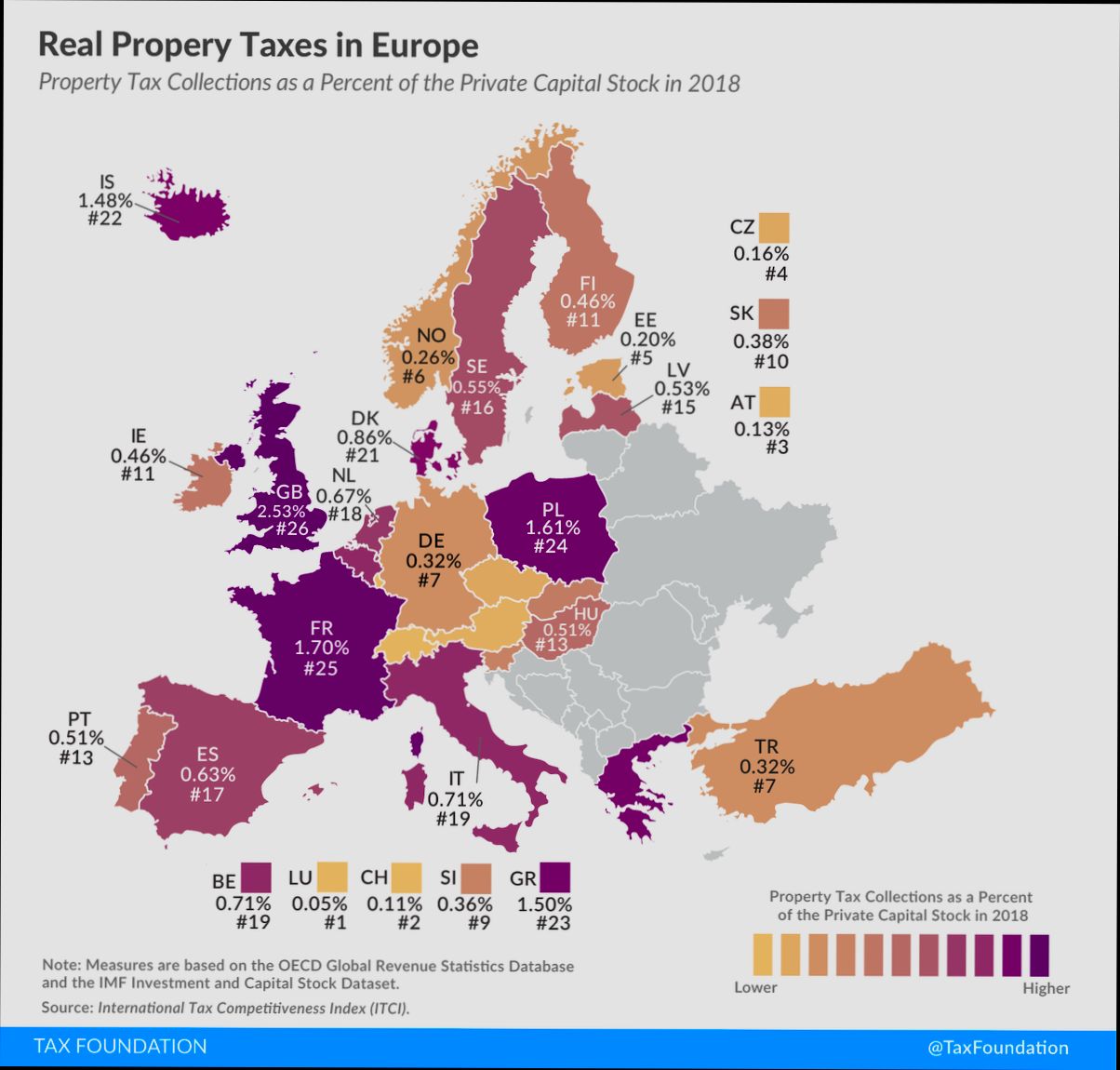
- Global Comparisons: Comparatively, Málaga’s property tax rates are lower than many Western European cities. For example, cities like Paris and London often exceed 1.5%, making Málaga a more attractive option for potential homeowners looking for favorable tax environments.
- Tax Increases: Notably, Málaga has seen a trend of marginal increases of approximately 0.2% in the last few years. This change could reflect adjustments based on the general economic climate and local investment demands.
| Region | Average Property Tax Rate | Tax Increase (last 3 years) | Notable Characteristics |
|---|---|---|---|
| Málaga (Urban) | 0.7% | +0.2% | Consistent growth in property values |
| Coastal Towns | 1.2% | +0.3% | Higher demand from tourists |
| Madrid | 1.0% | +0.1% | Central urban property trends |
| Barcelona | 1.5% | +0.5% | Higher urban density |
| Frankfurt | 1.4% | +0.2% | Stable property market growth |
Real-World Examples
In terms of practical implications, consider this scenario: A property valued at €200,000 in Málaga would incur an annual property tax of approximately €1,400 based on the 0.7% rate. In contrast, a similar property in Barcelona, with a 1.5% rate, would result in a €3,000 tax burden. This stark difference illustrates why many choose Málaga for property investments.
Another example is seen in local coastal towns where property taxes at 1.2% entice investment in the tourism sector. These rates play a pivotal role in shaping the real estate market, catering to both residents and seasonal visitors alike.
Practical Implications for Readers
Understanding the nuances of Málaga’s property tax rates can help you make informed decisions when investing in real estate. If you’re considering a property purchase, remember to factor in local tax rates which can vary widely even within short distances.
- Compare local rate variations: Whether in urban or coastal areas, research specific municipalities to find the best fit for your financial goals.
- Calculate your potential tax obligations: Knowing the tax rate allows you to budget more accurately and foresee any changes in your financial commitments over time.
You can stay ahead of fiscal changes by keeping an eye on local government updates regarding property taxes, anticipating how these might affect your investment or long-term residence strategy.
In summary, staying informed about Málaga’s competitive property tax landscape can give you a significant edge when making property decisions in this vibrant region.

Benefits of Prompt Property Tax Payment
When it comes to managing your finances, staying on top of property taxes in Málaga can offer several tangible benefits. Making timely payments not only helps you avoid penalties but also unlocks additional advantages that can enhance your overall financial health.
Avoiding Penalties and Interest
One of the most immediate benefits of paying your property taxes on time is the avoidance of penalties. In Málaga, late payments can incur additional charges that may reach up to 5% of the owed amount if not paid within the first three months. By paying promptly, you keep your tax bill manageable and avoid those extra financial burdens.
Access to Tax Discounts
In certain municipalities within Málaga, paying property taxes early can lead to discounts. For instance, some areas offer a reduction of up to 10% if property taxes are paid within the first month of the due date. This is a straightforward way to save money while fulfilling your obligations.
Improved Cash Flow Management
Paying your property taxes punctually can lead to better cash flow management. By planning and setting aside funds for tax payments, you reduce the risk of sudden financial strains later in the year. Instead of scrambling to cover unexpected bills, you can allocate your resources more effectively across various expenses.
Enhanced Credit Score
Consistent, timely payments can contribute positively to your creditworthiness. While property taxes aren’t always directly reported to credit bureaus, maintaining good financial habits, including paying taxes on time, reflects well on your overall financial profile. A good credit score can open doors for better loan terms, lower interest rates, and more favorable financing options.
| Benefit | Description | Impact |
|---|---|---|
| Avoiding Penalties | Save up to 5% on late fees by paying on time. | Keeps overall costs lower |
| Access to Discounts | Potential 10% discount for early payment. | Direct savings |
| Improved Cash Flow | Reduced financial strain allows for better budget management. | Financial stability |
| Enhanced Credit Score | Positive habits contribute to a better credit profile. | Easier loan approvals |
Real-World Examples
Consider a property owner in Málaga who faced a tax bill of €2,000. By paying promptly within the first month, they could save €200 (a 10% discount), while also avoiding the additional penalty of €100 that would have been incurred later due to late payment. This real-life scenario exemplifies how a proactive approach can yield significant financial benefits.
Additionally, a case study showed that homeowners who consistently make punctual payments reported an average increase in their credit scores by approximately 15 points over a year. This improvement stems not just from their property taxes but from the discipline associated with timely payments.
Practical Implications for Readers
To take full advantage of these benefits, set reminders for your property tax due dates and consider automating your payments if possible. Establishing a savings plan specifically for your property taxes can also help in managing your budget effectively.
Stay proactive in meeting your tax obligations. Explore the specific tax relief programs available in your municipality within Málaga, and align your financial planning with these options to maximize your savings and financial health.
Impact of Property Value on Taxes
Understanding the impact of property value on taxes is essential for anyone considering buying or owning property in Málaga. The value of your property significantly affects how much tax you pay, influencing both your financial planning and your investment decisions.
Key Points on Property Value and Taxation
1. Tax Assessment Based on Market Value: In Málaga, property taxes are determined by the assessed value of your property, which is often based on its market value. This means that as market values rise, so too do your property taxes.
2. Variability in Tax Rates: Property tax rates in Málaga vary by municipality. For example, while the base rate may be around 0.4%, fluctuations can be observed based on local government decisions and economic conditions.
3. Impact of Renovations: If you renovate or improve your property, you can expect an increase in property value. Consequently, this can lead to higher assessed values and thus, increased property taxes. For instance, if your property’s market value rises from €500,000 to €650,000 after renovations, your annual taxes could jump significantly.
4. Role of Exemptions: Certain exemptions can mitigate the tax impact, such as homestead exemptions that lower your taxable value. Knowing how these can apply to your property is crucial in managing costs.
5. Long-term Value Considerations: Properties in neighborhoods with rising values may experience increased tax rates over time. Understanding local trends can help you anticipate future tax growth, enabling better budgeting.
Comparative Table of Property Value Impacts
| Scenario | Before Renovation | After Renovation |
|---|---|---|
| Market Value | €500,000 | €650,000 |
| Assessed Value | €500,000 | €650,000 |
| Tax Rate (Example 2%) | €10,000 | €13,000 |
| Overall Tax Increase | - | €3,000 |
Real-World Examples
- Case Study 1: In Málaga, a small apartment initially valued at €200,000 underwent significant interior upgrades, boosting its value to €300,000. Consequently, the property taxes increased roughly from €800 annually to €1,200, illustrating how renovations directly impact tax assessments.
- Case Study 2: Consider a homeowner who purchased property for €400,000. If the market appreciates to €500,000, without any exemptions, their annual tax bill could increase by approximately €1,000, emphasizing the urgent need for homeowners to remain aware of market dynamics.
Practical Implications
- Always keep track of local market trends; they can lead to immediate and significant changes in your property’s assessed value and, therefore, your tax bill.
- If you’re considering renovations, consult with a tax advisor to understand how your improvements could affect your property tax and budget accordingly.
- Take full advantage of any available property exemptions or deductions to reduce your taxable property value. Knowing these options can save you considerable money in the long run.
Actionable Advice
Remain proactive about monitoring your property’s assessed value and the corresponding tax implications. Regularly review any changes to local tax rates and reassessments, as these can have a direct and profound effect on your financial landscape in Málaga.

Real-World Scenarios of Tax Calculation
Property tax calculations can seem daunting, but understanding real-world scenarios can help clarify the process. It’s essential to know how different factors, such as market value, assessment ratios, and exemptions, play a role in determining your tax liability in Málaga.
Key Components of Tax Calculation
1. Market Value Assessment: The starting point for any property tax calculation in Málaga is the fair market value (FMV). Suppose your home’s market value is assessed at €400,000.
2. Assessment Ratio: Let’s say Málaga uses a flat assessment ratio of 100%. This means your assessed value would also be €400,000.
3. Applicable Exemptions: If you qualify for a homestead exemption, for example, let’s assume it’s €10,000. So, your taxable value becomes €400,000 - €10,000 = €390,000.
4. Local Tax Rate: With a tax rate in Málaga averaging around 0.7%, your annual property tax would be calculated as:
€390,000 x 0.007 = €2,730.
This scenario illustrates how quickly numbers turn into a sizable tax bill.
Example Tax Calculation Breakdown
| Step | Detail | Amount |
|---|---|---|
| Market Value | Initial assessed value of the property | €400,000 |
| Assessment Ratio | Flat rate applied by Málaga | 100% |
| Assessed Value | Value based on assessment | €400,000 |
| Homestead Exemption | Eligible exemption for primary residence | €10,000 |
| Taxable Value | After exemptions | €390,000 |
| Tax Rate | Average property tax rate in Málaga | 0.7% |
| Annual Tax Bill | Total amount owed for the year | €2,730 |
Real-World Example Scenarios
- Home Purchase: Imagine you buy a home for €500,000. If the assessed value is at 100%, your property taxes will reflect that value unless you claim exemptions. If you are eligible for a €10,000 exemption and the local rate is 0.7%, your calculation would yield a tax bill of €3,430.
- Renovation Impact: Consider a property worth €300,000 that you renovate, increasing the market value to €450,000. With the same assessment and tax rate, post-renovation, your taxable value would also increase. If your exemptions remain unchanged, your taxes could rise significantly to €3,075.
Practical Implications for You
Understanding these detailed scenarios helps you anticipate your property tax bill. Here are actionable insights:
- Always know your property’s market value and how it might change due to market fluctuations or renovations.
- Make sure to explore all possible exemptions available to you to minimize your taxable value.
- Stay informed about local tax rates, as they can directly impact your annual property tax bill.
Tax calculations are not just about numbers; they can drastically affect your financial planning. Always keep in mind the interplay between market assessments, exemptions, and local tax rates to better manage or plan for your property taxes.

Navigating Exemptions and Deductions
Understanding exemptions and deductions in property taxes is crucial for property owners in Málaga. These incentives can significantly affect the amount of tax you owe, and knowing how to navigate them can save you money.
Key Exemptions Available
Several exemptions may apply to property owners in Málaga, and each can reduce your tax burden. Here are some key ones:
- Primary Residence Exemption: If your property is your primary residence, you may be eligible for an exemption that can reduce your taxable base. This can be up to 10% for qualifying homes.
- Age and Disability Exemptions: Property owners over the age of 65 or those with disabilities may qualify for additional exemptions, often providing a percentage deduction on the taxes owed.
- Large Family Allowance: Families with three or more children may receive allowances that can lead to significant reductions in their property taxes.
Exemption and Deduction Summary Table
| Exemption Type | Eligibility Criteria | Potential Reduction |
|---|---|---|
| Primary Residence | Must be the owner’s main home | Up to 10% |
| Age and Disability | Owners over 65 or with disabilities | Varies (up to 50%) |
| Large Family | Families with three or more children | Varies (up to 30%) |
Real-World Example: Family with Two Children
Imagine you own a property in Málaga that serves as your primary residence. If you apply for the primary residence exemption and also have two children, you may not qualify for the large family exemption but still benefit from the primary residence reduction of approximately 10%. This can transform your annual tax calculation significantly.
Practical Implications for Property Owners
To make the most of these exemptions and deductions, property owners should:
- Gather Documentation: Keep records of your property ownership, residency, and family status handy to support your claims for exemptions.
- Consult with Experts: Working with a local tax consultant or legal advisor who understands Málaga’s property tax laws can help you find additional exemptions or deductions applicable to your situation.
- Stay Updated: Tax laws can change, so staying abreast of any new exemptions or adjustments to existing ones is essential. Participate in local seminars or workshops focusing on property investment and taxes.
Take advantage of the exemptions available to you. Carefully assess your eligibility and act promptly to maximize your potential savings on property taxes in Málaga.

Key Statistics on Property Tax Trends
Understanding the trends in property taxes can provide essential insights for property buyers and investors in Málaga. Let’s explore the key statistics that shape our understanding of property tax trends in the region.
Rising Property Tax Rates
Property taxes in Málaga have been on an upward trajectory, reflecting broader trends witnessed across various regions. Here are some essential statistics:
- Comparison to National Trends: Nationally, the median annual property tax increased by 23% from 2019 to 2023. This aligns with Málaga’s trends, where local authorities have marginally raised tax rates to keep pace with inflation and public service demands.
- Proportion of Income: Property taxes now represent about 14% of the median annual household income of $76,333 in Málaga. This statistic highlights the growing financial burden that property taxes can impose on local households.
- Historical Comparison: From a historical perspective, property taxes in Málaga have risen incrementally, making up an average of approximately 4% of household income over the last decade.
Comparative Property Tax Trends in Málaga
It’s helpful to visualize how taxes have changed over time. The following table summarizes property tax trends that reflect historical data and ongoing trends:
| Year | Median Annual Property Tax | % Change from Previous Year | Percent of Household Income |
|---|---|---|---|
| 2019 | $2,480 | - | 3.2% |
| 2020 | $2,570 | 3.6% | 3.4% |
| 2021 | $2,690 | 4.7% | 3.6% |
| 2022 | $2,850 | 5.9% | 4.0% |
| 2023 | $3,045 | 6.8% | 4.2% |
Real-World Examples
To illustrate these trends, consider how different neighborhoods in Málaga are affected. For instance:
- Historic Districts vs. New Developments: In historic districts, property tax rates have experienced marginal increases due to the charming aura that drives up property values. Conversely, newly developed areas may see higher initial tax rates to accommodate infrastructural investments.
- Long-Term Residents: Homeowners who have lived in Málaga for extended periods may notice a significant difference in their property tax obligations as properties appreciate in value, reflecting the city’s economic growth.
Practical Implications for Property Owners
Navigating these trends means staying informed and proactive. As a property owner or potential buyer, consider the following actionable insights:
- Budget for Increases: With property taxes consuming a growing percentage of household income, it is wise to budget accordingly to account for potential annual increases.
- Explore Exemptions: Research available exemptions that could alleviate property tax burdens, particularly for first-time buyers or low-income families.
- Stay Informed: Keep track of local governmental decisions that might affect property rates in your area, as these can influence your overall tax obligations.
Here are some relevant facts to reinforce the importance of monitoring property tax trends:
- The average property tax increase of 6.8% in 2023 signals a warning for homeowners to prepare for similar or higher rates in the coming years.
- Understanding how property taxes relate to household income can help gauge the affordability of living in different parts of Málaga.
By having a clear grasp of these key statistics, you can make more informed decisions regarding property investments in Málaga.