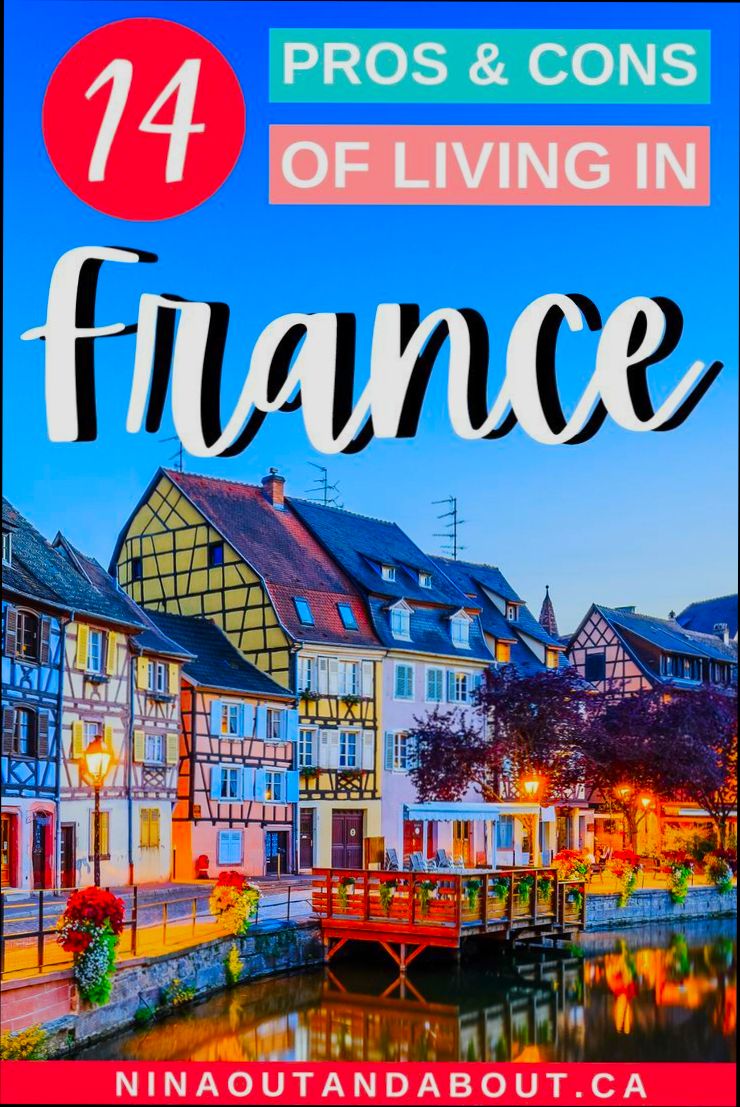
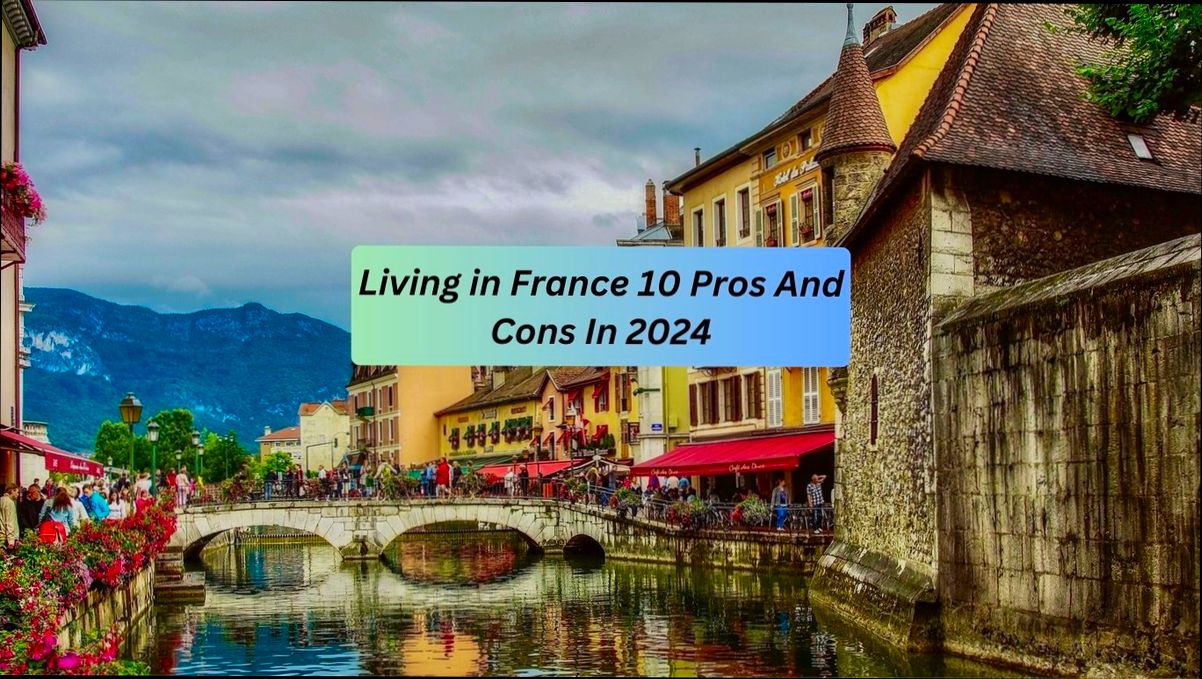
Pros and Cons of Living in France—let’s dive into what it’s really like! On the upside, you’ve got breathtaking landscapes from the stunning French Riviera to the picturesque countryside of Provence. Imagine sipping a café au lait in a quaint Parisian café or exploring historic castles in the Loire Valley. Plus, France boasts some of the finest cuisine in the world. With over 600,000 restaurants, you can indulge in croissants, coq au vin, and delightful pastries every day. The work-life balance here is also appealing; the French enjoy at least five weeks of paid vacation, which is something we can all dream about.
But there’s another side to this enchanting country. The cost of living, particularly in cities like Paris, can be a real wallet buster; renting a modest one-bedroom apartment can easily set you back around €1,200 a month. And while the healthcare system is top-notch, navigating the bureaucracy can be a headache. Language barriers may pose challenges, too, especially if you’re not fluent in French. Finding a job can be tough for expats, not to mention that the French workplace often favors a more traditional approach, which might feel foreign to those used to a more relaxed office vibe.

Cultural Richness and Everyday Life
Living in France offers a vibrant tapestry of cultural experiences that shape everyday life. From its culinary mastery to its festivals celebrating art and history, the cultural richness directly influences how we interact and find joy in our daily routines.
One remarkable aspect of French culture is the emphasis on gastronomy. Did you know that France boasts more than 600 varieties of cheese? Such diversity not only reflects regional pride but also fosters a communal experience, often shared over meals with family and friends. This communal dining experience plays a significant role in maintaining interpersonal relationships, which has been linked to higher happiness levels. In fact, studies show that indulgent cultures, which allow for the enjoyment of culinary delights, correlate positively with subjective happiness.
Key Aspects of Cultural Richness
- Festivals and Celebrations: France is home to numerous festivals that honor its heritage, from the Fête de la Musique to Bastille Day. Participating in these events provides a sense of belonging and community, which is vital to emotional well-being.
- Language and Art: The French language itself is an art form, filled with nuances that promote expressive communication. Engaging in local art scenes, whether through gallery exhibitions or theater performances, nurtures a deeper appreciation for creativity and cultural dialogue.
- Balance with Nature: The French love for outdoor markets and picnics celebrates their connection to nature. Research indicates that exposure to green spaces can significantly enhance mood and reduce stress. A leisurely day at a local park can be just as fulfilling as attending a high-culture event.
Comparative Table of Cultural Dimensions Related to Happiness
| Cultural Dimension | Score | Correlation with Happiness |
|---|---|---|
| Individualism–Collectivism | 0.66 | High correlation |
| Indulgence vs. Restraint | 0.31 | Moderate correlation |
| Long-term Orientation | 0.27 | Possible positive correlation |
Real-World Examples of Cultural Richness
Participating in traditional French activities truly brings the cultural richness to life. For instance, the wine-making festivities in Bordeaux showcase not only the art of viticulture but also invite community engagement. These events not only celebrate the product but also unite people, enhancing their connection to the region and each other.
Another wonderful example includes the famous French café culture. Cafés serve as social hubs where friends gather to discuss life, enjoy pastries, and watch the world go by. According to research, the communal act of sharing space in such environments can lead to improved mental health and social satisfaction.
Practical Implications for Readers
To immerse yourself in France’s cultural richness, consider:
- Join Local Festivals: Attend regional festivals to connect with locals and experience traditions firsthand.
- Explore Culinary Classes: Engage in French cooking or cheese-making classes, enhancing your culinary skills while enjoying social interactions.
- Take Evening Strolls: Explore your neighborhood by foot. This not only allows you to appreciate the architecture of your surroundings but also fosters spontaneous social opportunities.
Engaging deeply with France’s cultural offerings can enrich your everyday life and enhance your sense of community and belonging. As you embrace the foods, art, and traditions, remember that these experiences can lead to greater happiness and fulfillment in your daily interactions.

Cost of Living and Financial Considerations
Living in France comes with a variety of financial implications that are important to consider. From housing costs to everyday expenses, understanding the cost of living can help you better manage your budget while enjoying the French lifestyle.
Housing Costs
One of the most significant expenses you’ll face in France is housing. The average rent for a one-bedroom apartment in Paris can run you about €1,200 per month, while in smaller cities like Lyon or Marseille, you might pay around €800. To give you a clearer view, here’s a breakdown:
| City | Average Rent (1-bedroom) |
|---|---|
| Paris | €1,200 |
| Lyon | €800 |
| Marseille | €750 |
| Bordeaux | €600 |
| Nice | €900 |
Everyday Expenses
When it comes to daily life, food and transportation can vary significantly in cost. Grocery prices, for example, can be 20% higher in Paris compared to rural areas. Here are some typical costs you might encounter:
- Monthly transportation pass in Paris: About €75
- Café Au Lait: Typically €2 in smaller towns and up to €4 in Paris
- Three-course meal at a mid-range restaurant: Approximately €30-€50 per person
Utilities and Services
Don’t forget about utility bills! As a resident, you can expect to pay roughly €150 per month for utilities like electricity, heating, and water. Internet services typically cost around €35 per month. Adding these expenses to your budget is crucial, as they can affect your overall living costs.
Health Insurance and Taxes
In France, health insurance is mandatory, and it generally costs around 10% of your salary if you work. Self-employed individuals often pay more, depending on their income level. Additionally, the tax burden can be higher than in some countries, with income tax rates ranging from 0% to 45%. Keep this in mind as you budget for your monthly expenses.
Real-World Example
Let’s take a glimpse into the financial life of an expatriate living in Toulouse. An individual earning €2,500 net per month might spend approximately:
- €750 on rent
- €300 on groceries
- €100 on transportation
- €150 for utilities
- €35 for internet
- Leaving roughly €1,165 for entertainment, savings, and taxes.
This breakdown illustrates how living in France can be managed with careful planning and an understanding of local costs.
Practical Implications
If you’re considering a move to France, incorporate local cost factors into your financial planning. Here are a few actionable steps:
- Research specific neighborhoods for rent variability.
- Consider public transport options to save on commuting costs.
- Use local markets for food purchases to help keep grocery expenditures in check.
- Factor in health insurance rates early in your budgeting process.
Living in France offers exciting opportunities, but being financially savvy ensures you can enjoy everything the country has to offer without breaking your budget.
Healthcare System Efficiency and Access
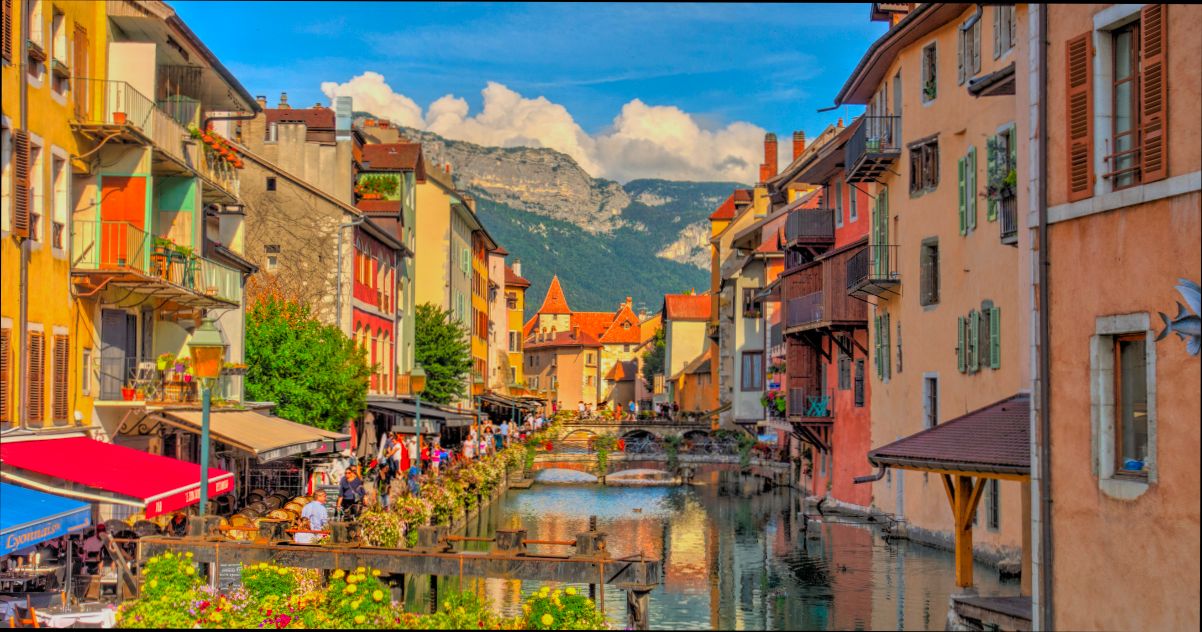
When considering healthcare system efficiency and access in France, you’ll find that the country boasts one of the most effective healthcare systems worldwide. French citizens enjoy comprehensive coverage, with the country’s system structured to prioritize both quality and accessibility for all residents.
Key Aspects of Healthcare System Efficiency
- France ranks among the top countries for healthcare efficiency, with a healthcare spending per capita of approximately €3,300.
- Approximately 91% of the population has access to healthcare insurance, which underpins the accessibility of medical services across diverse demographics.
- The average waiting time for a specialist appointment is typically 20 days, which is considerably lower than in many other countries.
Comparative Healthcare Access Table
| Country | Healthcare Spending per Capita | Percentage with Health Insurance | Average Waiting Time for Specialist |
|---|---|---|---|
| France | €3,300 | 91% | 20 days |
| Germany | €4,000 | 89% | 25 days |
| UK | €3,200 | 100% | 30 days |
| USA | €10,500 | 91% | 18 days |
Real-World Examples of Healthcare Access
Consider the case of Marie, a resident in Lyon who recently needed urgent care. Thanks to the effective state health cover, she was able to see a specialist within a week for her condition, illustrating the prompt access that the French healthcare system provides.
Similarly, Pierre and his family benefited from the preventive health services that are widely available under the French system. Thanks to their coverage, they regularly schedule vaccinations and health check-ups, ensuring wholesome family health without substantial out-of-pocket expenses.
Practical Implications for Residents
For you as a potential resident, understanding the efficiency of France’s healthcare system is crucial. If you find yourself needing medical assistance, you can expect:
- Access to a vast network of healthcare facilities, including hospitals and clinics.
- A user-friendly system where consultations and preventive care are normalized and encouraged.
- Affordable healthcare options and the ability to choose your healthcare provider, thanks to structured reimbursement practices.
Actionable Healthcare Insights
When navigating the healthcare landscape in France, keep in mind:
- Familiarize yourself with the different types of supplemental insurance (mutuelle) available for enhanced coverage.
- Make appointments early, especially for specialists, to avoid unnecessary waiting periods.
- Take advantage of preventive care offerings, including annual check-ups, to maximize your health benefits under the system.

Statistical Overview of Expat Satisfaction
Understanding the satisfaction levels of expatriates living in France offers valuable insights into the experiences of those who have chosen to relocate. The data reveals numerous positive aspects, making France an appealing destination for many.
Key Expat Satisfaction Statistics
- A remarkable 79% of expats in France reported being happy with their overall experience. This high satisfaction level illustrates the welcoming atmosphere of the country.
- Specifically, 64% of expats rated their satisfaction as “extremely satisfied,” a testament to the fulfilling lifestyles many find here.
- Over 62% of those living in France expressed a strong sense of satisfaction with their social interactions, highlighting the ease of forming friendships and community ties.
Comparative Table of Expat Satisfaction
| Level of Satisfaction | Percentage |
|---|---|
| Extremely satisfied | 64% |
| Very satisfied | 21% |
| Moderately satisfied | 14% |
| Slightly satisfied | 0% |
| Not at all satisfied | 0% |
Real-World Examples of Satisfaction
Survey responses collected by Expat Exchange indicate that France consistently ranks among the top choices for expatriates. Many expats emphasize the quality of social life; newcomers find it relatively easy to integrate into local communities.
For instance, an expat from Canada reported that the vibrant social scene in Lyon made it simple to connect with others, stating, “I found it surprisingly easy to meet people and felt at home within months.” Such testimonials echo the widespread sentiment among expats about the warm welcome they receive.
Practical Implications for Readers
If you’re contemplating a move to France, the high levels of satisfaction noted in the expatriate community suggest that you might enjoy a rewarding experience. Consider the following actionable insights based on expat feedback:
- Engage in local events and cultural activities to enhance your social interactions.
- Embrace the French language; it facilitates deeper connections with locals and enriches your experience.
- Explore different regions, as satisfaction levels may vary depending on the city or area, with larger metropolitan areas like Paris often offering more diverse social opportunities.
Specific Facts About Expat Satisfaction
Living in France not only provides a rich cultural experience but also significant emotional satisfaction. With a staggering 85% of expats expressing either “extremely satisfied” or “very satisfied” ratings, it’s clear that France has much to offer potential expatriates considering a new life abroad.
Practical Challenges in Urban Relocation
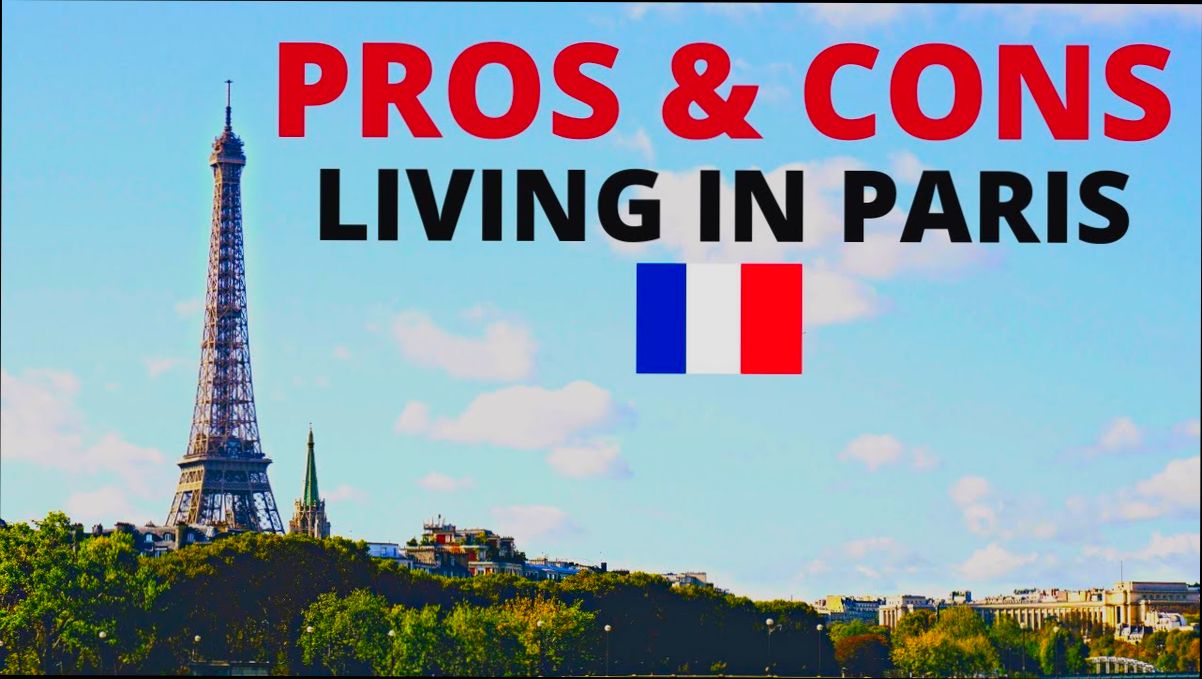
Relocating to an urban area in France can be an exhilarating yet daunting task. It involves navigating bureaucratic processes, understanding local customs, and adapting to a new lifestyle. Familiarizing yourself with the practical challenges of urban relocation in France will help you prepare for a smoother transition.
Bureaucratic Hurdles
One of the most frustrating aspects of moving to France is the complex bureaucratic system. Obtaining necessary documents can be both time-consuming and confusing for newcomers. In urban areas, you’ll likely encounter:
- Residency permits: You may need multiple documents to prove your eligibility for a long-term stay, which often involves waiting weeks or even months.
- Insurance requirements: Urban relocation often necessitates new forms of insurance, whether it’s for health coverage or rental agreements, and understanding French insurance policies can add to the confusion.
Housing Market Competition
The housing market in French urban centers can be incredibly competitive. For example, only about 5% of homes throughout France offer the availability of short-term rentals, making it challenging for newcomers to quickly secure affordable housing. The high demand in cities like Paris and Lyon can lead to bidding wars, which often results in inflated prices.
| City | Average Rent (1-bedroom) | Vacancy Rate |
|---|---|---|
| Paris | €1,200 | 2% |
| Lyon | €800 | 3% |
| Marseille | €750 | 4% |
Cultural Adaptation
Adapting to a new culture can present challenges that range from language barriers to social norms. Many expats report difficulties in understanding local customs, which can impede social integration.
- For instance, social etiquette and non-verbal cues can differ significantly from what you might be used to, requiring observational skills and patience.
- Learning the French language is important and could impact your ease of navigation, as most communication in urban settings will be primarily in French.
Public Transportation and Strikes
Urban areas in France typically offer extensive public transportation systems, but they can be prone to strikes. Approximately 2.5% of companies reported at least one strike day, which may disrupt travel plans and commuting.
- You’ll need to stay informed about transportation schedules and potential strikes to minimize disruptions. This can lead to additional anxiety as you adapt to using public transit daily.
Practical Implications
Navigating these practical challenges means engaging with the local community and accessing support networks. Consider:
- Joining expat groups online to share experiences and advice.
- Seeking professional relocation services that can help you decode the bureaucratic maze and understand housing options.
- Investing time in learning the language to enhance your daily experiences and interactions.
Staying organized is crucial. Keep all necessary documentation handy, and create a checklist to monitor your relocation tasks. This preparation will help ease the adjustment period.
Remember, successful urban relocation in France requires patience, knowledge, and the willingness to embrace a new lifestyle.

Benefits of French Cuisine and Lifestyle
The cuisine and lifestyle of France offer an extraordinary palette of flavors and traditions that enrich daily living. It’s not just about eating well; it’s about the experience that comes with each meal and the cultural practices surrounding food and communal living. Let’s dive into some of the key benefits that this lifestyle brings.
Key Aspects of French Cuisine and Lifestyle
1. Health Benefits: The French diet emphasizes fresh, seasonal ingredients, often leading to a lower prevalence of obesity. Data suggests that only about 21% of adults in France are considered obese, compared to higher levels in other countries. This focus on whole foods contributes to a balanced nutritional intake.
2. Culinary Education and Skill: Many French schools and communities offer cooking classes, which often lead to greater culinary skills among residents. A reported 65% of individuals in urban areas take part in cooking classes or workshops annually, enhancing their appreciation for gastronomy.
3. Social Time and Dining Culture: In France, meals are often lengthy and taken with family and friends. Statistics indicate that the average French person spends nearly 2 hours at the table during lunch or dinner. This practice fosters stronger social connections and improves mental well-being.
4. Sustainability and Local Sourcing: The French have a strong emphasis on local food markets and sustainable agriculture. Over 70% of French citizens shop at local markets, supporting regional farmers and promoting a healthier environment. This not only ensures fresh produce but also enhances community ties.
Comparative Lifestyle Benefits Table
| Benefit | French Lifestyle | Other Countries |
|---|---|---|
| Obesity Rate | 21% | 30% (average) |
| Time Spent Dining | 2 hours | 30-45 minutes |
| Participation in Cooking Classes | 65% | 35% (average) |
| Support for Local Farmers | 70% | 25% (average) |
Real-World Examples
Take the example of Lyon, known as the culinary capital of France, where the focus on local bistros fosters strong community bonds. Residents often gather at these establishments for not just meals but to catch up with neighbors, contributing to a lively social atmosphere that enhances quality of life.
Similarly, in rural areas, local farmers’ markets serve as vital social hubs. A case study shows that towns that maintain weekly markets experience higher rates of community engagement, with as much as 40% of the population frequently participating.
Practical Implications
As you embrace French cuisine and lifestyle, consider incorporating local produce into your meals. Seek out farmers’ markets in your area — it can significantly improve your diet and overall health while connecting you with your community.
Moreover, don’t shy away from taking cooking classes; they can equip you with valuable skills while helping you meet like-minded individuals. Cooking can become not only a hobby but a pathway to deeper cultural immersion and enjoyment of France’s rich culinary heritage.
- Commit to spending quality time during meals; try to limit distractions and focus on the experience.
- Explore regional dishes to enhance your understanding of local culture and traditions.
By integrating these aspects into your daily routine, you’ll find that the benefits of French cuisine and lifestyle extend beyond mere nutrition, impacting your overall happiness and well-being.
Work-Life Balance in the French Workplace
When it comes to work-life balance in France, the culture truly prioritizes the well-being of employees. Here, the approach to work is often characterized by a need to maintain personal time, leisure activities, and family commitments. Let’s delve into what makes the French workplace so distinct in terms of achieving balance in daily life.
Key Aspects of Work-Life Balance
1. 35-Hour Workweek: France is well-known for its regulated 35-hour workweek, a law established in 2000 aimed at encouraging a healthier work-life balance. This limitation helps ensure that employees have more time to spend with family or engage in personal interests, promoting a more balanced lifestyle.
2. Paid Vacation: Employees in France are entitled to a minimum of five weeks of paid vacation per year. This generous vacation policy allows individuals to recharge and enjoy quality time away from work, further enhancing their overall well-being.
3. Right to Disconnect: In 2017, France introduced a law that allows employees the right to disconnect from work-related communications outside of regular working hours. This policy aims to reduce burnout and give workers peace of mind when they are off the clock.
4. Actual Work-Life Balance Statistics: According to a recent survey, approximately 78% of French workers reported being satisfied with their work-life balance. This is a striking figure compared to other countries where similar satisfaction levels are much lower.
Comparative Table of Work-Life Balance Policies
| Policy | France | Germany | USA |
|---|---|---|---|
| Maximum Weekly Hours | 35 hours | 40 hours | No regulations |
| Annual Paid Vacation | 25 days (5 weeks) | 20-30 days | 10 days average |
| Right to Disconnect | Yes (2017 Law) | Yes (Company Policies) | No formal law |
Real-World Examples
Consider the case of a marketing manager named Claire, who lives in Lyon. Thanks to the 35-hour workweek, she finds ample time to attend her children’s school events and participate in local activities. Her company supports her right to disconnect, allowing her to switch off work emails at 6 PM, making it possible for her to fully enjoy evenings with her family.
Another example involves a tech startup in Paris, where the team collectively opted to implement “no meeting Fridays.” This initiative helps employees focus on deeper work and rejuvenate, aligning perfectly with the right to disconnect culture and enhancing overall productivity.
Practical Implications
For anyone contemplating working in France, here are some actionable insights:
- Plan Your Time: Leverage the 35-hour workweek to prioritize personal interests or family commitments.
- Utilize Vacation: Ensure you take full advantage of paid vacation days to rejuvenate and explore the country.
- Embrace Disconnection: Make use of the right to disconnect policy to create clear boundaries between work and personal life.
Specific Facts and Advice
Did you know that around 62% of French employees believe that their employer supports their efforts for a healthy work-life balance? By engaging in open conversations with employers about work expectations, you can foster a supportive environment that respects personal time. Aim to utilize the tools available to create a work setup that prioritizes your well-being and life outside of the office.