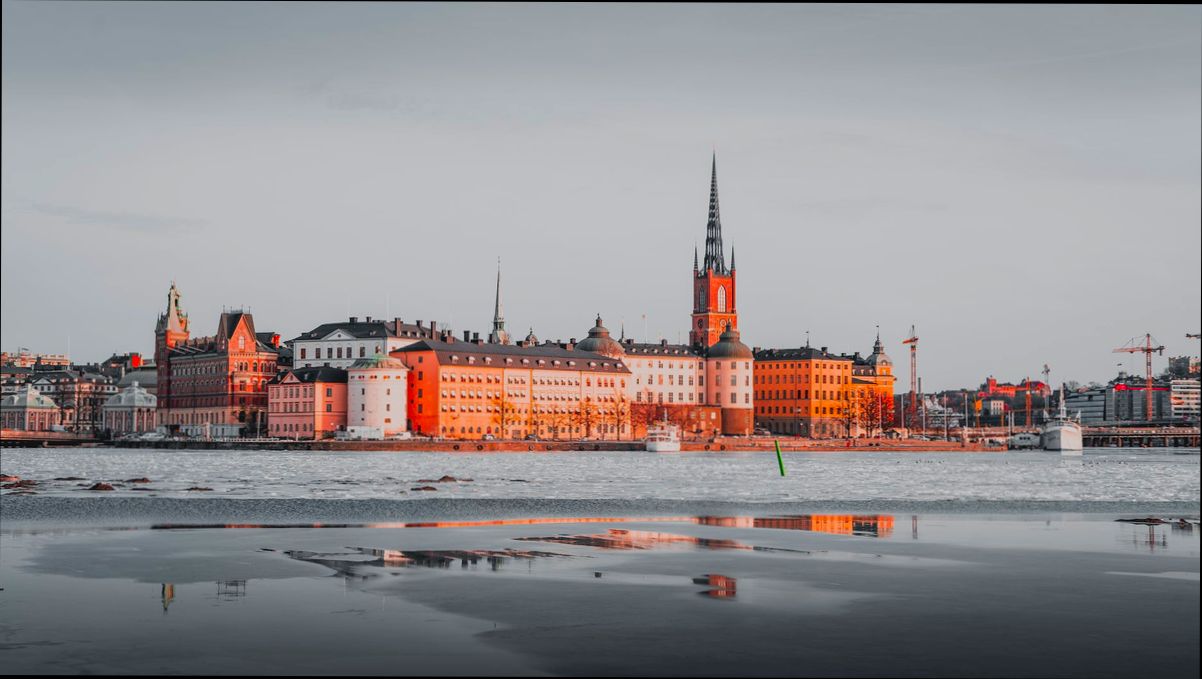
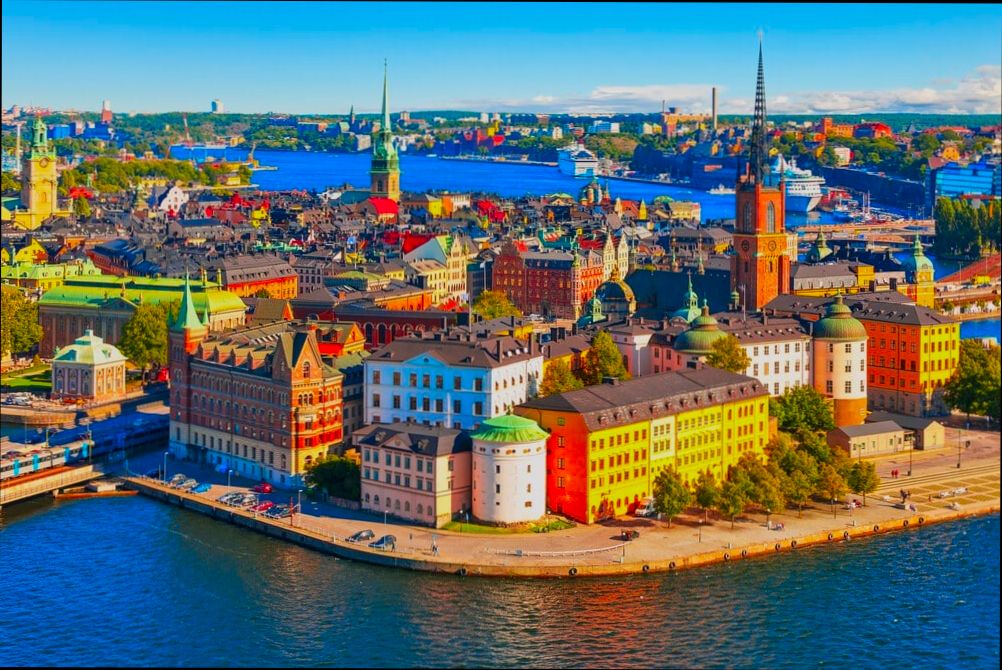
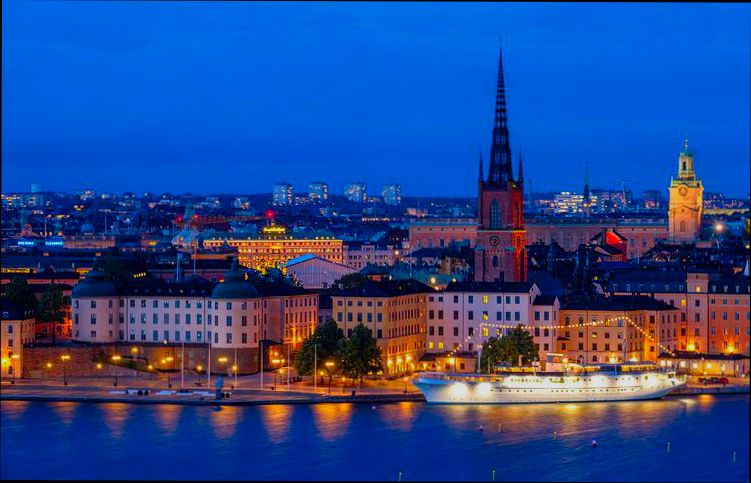
Pros and Cons of Living in Stockholm can often feel like a mixed bag, especially for those of us who crave the buzz of city life but also cherish natural beauty. Picture this: you wake up to the gentle sound of water lapping against the shores of the archipelago, with over 30,000 islands at your fingertips. The city’s beautiful design and eco-friendly initiatives put it consistently at the top of global livability rankings, yet the high cost of living can hit hard—think rent prices averaging around 20,000 SEK ($2,000) for a one-bedroom apartment in the city center. It’s a stunning place to live, but your wallet definitely feels the pinch.
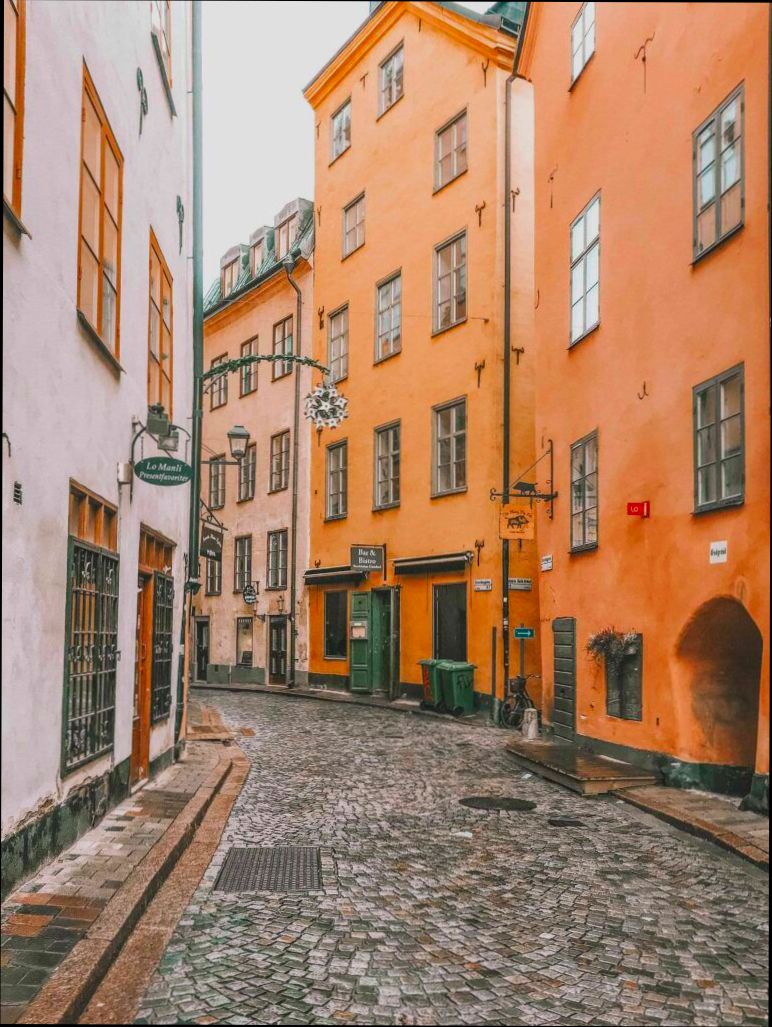
On the flip side, getting around is a breeze thanks to an efficient public transportation system that’s both reliable and affordable. You can zip from Gamla Stan’s charming cobblestone streets to the trendy cafes in Södermalm in no time. Plus, Balmy summers bring long, sun-filled days—a sharp contrast to the dark, cold winters that can leave you feeling a bit down. The city’s thriving cultural scene is a feast for the senses, with festivals, museums, and parks around every corner, but keeping up with social life can be challenging when the weather outside feels like a polar vortex. Living in Stockholm is an adventure of contrasts—easy to love and hard to measure.
Cost of Living in Stockholm
Living in Stockholm can be a financial adventure, requiring careful planning and budgeting. The prices for everyday items, rental costs, and transportation can quickly add up, influencing your overall experience in this vibrant city. Let’s delve into the key aspects of the cost of living here.
Monthly Expenses Breakdown
In Stockholm, a family of four typically spends about 43,154 kr (approximately €3,963) each month without factoring in rent. If you’re living solo, be prepared to shell out around 12,076 kr (about €1,109) monthly for your own expenses excluding rent.
Dining Out Costs
Eating out can be enjoyable but also comes with a hefty price tag. Here’s a quick overview of dining expenses:
| Item | Price (kr) |
|---|---|
| Meal at an inexpensive restaurant | 150.00 |
| Meal for two at a mid-range restaurant (three courses) | 1,000.00 |
| McMeal at McDonald’s | 110.00 |
| Domestic beer (0.5 liter) | 80.00 |
| Cappuccino | 48.62 |
Housing Expenses
Rent in Stockholm is quite significant. If you’re considering moving into an apartment, here are average rental costs:
| Apartment Type | Rent (kr) |
|---|---|
| 1-bedroom in city center | 16,346.15 |
| 1-bedroom outside city center | 10,513.52 |
| 3-bedroom in city center | 27,600.00 |
| 3-bedroom outside city center | 17,520.00 |
Transportation Costs
Getting around in Stockholm is efficient thanks to its robust public transportation network. Here are some key costs:
- A one-way ticket for local transport costs 43 kr.
- If you rely on public transport regularly, consider a monthly pass priced at 1,040 kr.
Real-World Examples
To visualize the living expenses better, let’s put this in context:
- You might spend around 1,000 kr for a meal out at a mid-range restaurant with your partner, which could be a common expense during the weekend.
- If you prefer a cozy coffee shop in the city for your morning latte, expect to pay about 48.62 kr for a cappuccino.
- Commuting to work? A monthly transport pass at 1,040 kr may become a vital part of your budget, especially if your job is in a different part of the city.
Practical Considerations
- When budgeting for the cost of living in Stockholm, start by determining your essential expenses such as rent, utilities, and food. Consider setting aside funds for dining out and leisure activities.
- Utilize public transport instead of owning a car, as costs can accumulate significantly with fuel and parking fees.
- Explore different neighborhoods as rental prices can vary drastically between the city center and outer areas.
Stay informed and plan your budget wisely to make the most of living in Stockholm without any unwelcome financial surprises!
Public Transportation Efficiency and Accessibility
When considering a move to Stockholm, one of the standout features is its public transportation system, which is renowned for its efficiency and accessibility. This section dives into how well the system operates and the extent to which it accommodates all residents.
Efficient Transit Network
Stockholm boasts an extensive and integrated public transport network that includes buses, trains, trams, and ferries. According to recent data, over 75% of Stockholm’s residents use public transport regularly, reflecting both its convenience and coverage. With approximately 1,500 buses and 100 metro stations, the system connects various neighborhoods efficiently. In addition, metro trains run every 6-10 minutes during peak hours, minimizing wait times and making commutes predictable.
Accessibility for Everyone
Accessibility is a core principle in Stockholm’s public transportation design. All metro stations are equipped with elevators and tactile guide paths, catering to individuals with mobility challenges. Aiming for inclusivity, over 95% of public transport vehicles, including buses and trams, are wheelchair accessible. This emphasis on making transit accessible means that people with disabilities can navigate the city with relative ease.
| Aspect | Detail |
|---|---|
| Percentage of public transport users | Over 75% of residents regularly use public transport |
| Metro station accessibility | 95% of public transport vehicles are wheelchair accessible |
| Service frequency | Metro trains run every 6-10 minutes during peak hours |
| Bus network size | Approximately 1,500 buses operate within the city |
| Total metro stations | The city has around 100 metro stations, enhancing connectivity |
Real-World Examples
- The new Citybanan rail tunnel, which opened in 2017, significantly increased capacity and efficiency for commuter services, allowing more trains to run simultaneously. This development has improved overall travel times for many daily commuters.
- The SL Access card offers easy access to all forms of public transport, enabling seamless travel across the city. You can load it with time-based tickets, single journeys, or monthly passes, providing flexibility in how you navigate the city.
Practical Implications for Readers
For those relocating to Stockholm, utilizing the public transport system can drastically reduce travel time and costs compared to owning a vehicle. With efficient routes connecting various neighborhoods, you can easily explore the city without the hassle of driving and parking. Moreover, the integrated transport cards streamline the payment process, allowing you to focus more on your commute rather than logistics.
- Consider familiarizing yourself with the SL app; it provides real-time updates on schedules and potential delays.
- If you’re new to the city, starting with public transit can help you acclimate and discover popular destinations efficiently.
Speaking of practical use, remember to check out discount options for students or seniors, which can make public transport even more budget-friendly. Whether you’re commuting to work or exploring leisure activities, the public transportation system in Stockholm presents a robust solution for efficient mobility.
Quality of Life and Health Benefits
When considering a move to Stockholm, the city not only enchants with its beautiful landscapes but also offers a high quality of life characterized by various health benefits. Understanding these aspects can significantly influence your decision, especially regarding your physical and mental well-being.
Health and Well-Being Statistics
Stockholm boasts several factors that contribute to a high quality of life:
- The city ranks highly on the OECD Better Life Index, scoring well in health, education, and overall life satisfaction.
- Studies show that 94% of Stockholm residents report being in good health, contributing to a strong sense of community and personal well-being.
- Access to green spaces, with over 30% of the city’s area dedicated to parks and nature, promotes physical activities and mental relaxation.
Health Promoting Environment
Living in Stockholm encourages a healthier lifestyle due to various available resources:
- Public Health Initiatives: The city invests significantly in public health campaigns that promote exercise and healthy eating, reducing lifestyle-related diseases.
- Access to Healthcare: Sweden provides universal healthcare, ensuring that every resident can access medical services without financial burden, leading to early detection and treatment of health issues.
| Benefit | Description |
|---|---|
| Green Spaces | Over 30% of city area dedicated to parks and recreational areas. |
| High Health Satisfaction | 94% of residents rate their health positively. |
| Universal Healthcare | Ensures access to medical care for everyone, promoting preventive health. |
Real-World Case Studies
Several studies illustrate the connection between urban living in Stockholm and quality of life:
- A research project highlighted that areas with higher greenery, such as Djurgården, correlate with decreased stress levels and higher rates of physical activity among residents.
- Additionally, interviews with local residents reveal that many feel a strong sense of safety and community, which significantly supports mental health and overall happiness.
Practical Implications for Residents
As you settle in or consider moving to Stockholm, here’s what you can focus on to enhance your quality of life:
- Take advantage of the abundant parks. Engage in outdoor activities such as running or picnicking to foster connections with nature.
- Participate in local community health programs to actively improve your physical health and make new friends.
- Utilize Stockholm’s comprehensive public transportation to explore the city’s diverse neighborhoods and social events further.
In summary, embracing the unique lifestyle in Stockholm can lead to noticeable improvements in both physical and mental health. By engaging with the community and enjoying the city’s natural beauty, you set yourself up for a healthier, more fulfilling life.
Cultural Diversity and Social Integration
Living in Stockholm offers a vibrant blend of cultures, contributing to a rich tapestry of social integration. The city is home to approximately 200 different nationalities, making it a melting pot of languages, traditions, and perspectives. This multicultural environment not only enhances daily life but also fosters a sense of belonging among residents.
Stats Highlighting Cultural Diversity
- Around 25% of Stockholm’s population has an immigrant background, enriching the city’s cultural landscape.
- More than 50% of Stockholm’s children speak a language other than Swedish at home, highlighting the linguistic diversity present in the city.
- The city hosts over 1,500 cultural organizations and associations reflecting various cultures, ensuring representation and support for diverse communities.
| Aspect | Data Point |
|---|---|
| Percentage of immigrants | 25% |
| Children with foreign languages | 50% |
| Cultural organizations | Over 1,500 |
Real-World Examples of Integration Efforts
Stockholm actively strives for social integration through various initiatives. For instance:
- The Welcome to Stockholm program: This initiative aids newcomers in settling in by providing essential information and community connections, thus facilitating smoother transitions into Swedish society.
- Cultural festivals: Events such as the Stockholm Culture Festival celebrate magical experiences from diverse backgrounds. This festival features performances, exhibitions, and workshops that draw participation from various cultural groups, promoting understanding and interaction.
- Diversity in local governance: Recent policies encourage representation in city councils, ensuring that voices from various cultural backgrounds are heard. For instance, various community representatives now sit on panels that address housing and social services.
Practical Implications for Residents
As you navigate your life in Stockholm, embracing cultural diversity and understanding social integration can enhance your experience. Here are some actionable insights:
- Engage with Cultural Events: Participate in festivals or community gatherings to broaden your understanding of different cultures while making local friends.
- Language Exchange Programs: Consider joining or organizing language exchange meetups. These not only promote linguistic skills but also foster connections across cultures.
- Volunteer Opportunities: Many organizations focus on integration efforts, providing avenues to contribute positively while immersing yourself in local cultures.
Quick Tips for Embracing Cultural Diversity
- Explore different neighborhoods: Each area reflects various cultural influences; discovering these can deepen your appreciation for the city’s multicultural fabric.
- Attend workshops and classes: Engaging in cooking classes or art workshops from different cultures can be a fun way to connect with others.
- Stay informed about local policies: Understanding how the city supports integration initiatives can help you navigate resources available to you as a resident.

Work-Life Balance in Stockholm
Achieving a harmonious work-life balance is essential for a fulfilling life, and Stockholm presents unique opportunities and challenges in this arena. With a strong emphasis on personal well-being, the city’s work culture greatly influences how residents manage their professional and personal lives.
Flexibility and Work Hours
One of the most compelling aspects of work-life balance in Stockholm is the flexibility afforded to employees.
- Approximately 50% of workers in Sweden report having flexible working hours.
- This flexibility can include options to work from home or shift work hours to accommodate family responsibilities.
This adaptability allows many to better balance careers with family life and personal interests. Additionally, many companies encourage a culture of trust where employees are empowered to manage their own schedules.
Vacation and Leave Policies
Sweden is renowned for its generous vacation policies, which also contribute to a healthier work-life balance.
- Employees in Sweden are entitled to 25 days of paid vacation per year, which is among the highest in the world.
- Parents receive 480 days of paid parental leave, which can be shared between parents.
Such extensive leave allows individuals to recharge, spend quality time with family, and pursue personal projects.
Employee Well-Being Initiatives
Many Stockholm-based organizations prioritize employee well-being, offering various initiatives that promote a balanced lifestyle.
- Over 80% of companies in Stockholm provide wellness programs, including gym memberships, health screenings, and mindfulness workshops.
- Workplaces often host social events and encourage team-building activities that foster a sense of community.
Challenges Faced
Despite these advantages, some challenges persist in achieving work-life balance.
- A survey indicated that about 30% of respondents felt that work-life integration became tough during peak work periods, such as project deadlines.
Awareness of these challenges is essential for devising strategies that promote better balance.
| Aspect | Stockholm Percentage | Global Average Percentage |
|---|---|---|
| Flexible Work Hours | 50% | 38% |
| Paid Vacation Days | 25 days | 20 days |
| Employee Well-Being Initiatives | 80% | 60% |
| Work-Life Integration Challenge | 30% | 45% |
Real-World Examples
Consider Anna, a project manager in Stockholm who balances her job with her passion for photography. Thanks to her company’s flexible work hours, she often manages to finish her tasks early and spend afternoons taking photos in the city – a practice that fuels her creativity and renews her energy.
Then there’s Johan, a tech start-up founder who actively encourages his team to take time off, knowing well that well-rested employees are more productive. His approach has led to a happier team, lower turnover, and increased overall satisfaction.
Practical Implications
For anyone considering a move to Stockholm, this city encourages a proactive approach to work-life balance. Here are some actionable tips:
- Take advantage of the flexible working arrangements by negotiating your hours during hiring.
- Make full use of the vacation days offered, planning holidays throughout the year.
- Participate in as many company wellness initiatives as possible to foster personal and professional development.
Here are some specific statistics reflecting the commitment to work-life balance in Stockholm:
- 90% of employers support a work environment that encourages balance.
- Only 20% of residents feel they can’t manage their work and personal commitments effectively.
Engaging actively in this culture can considerably enhance your quality of life in this beautiful city.
Statistical Overview of Housing Trends
When considering living in Stockholm, understanding the housing trends is essential for making informed decisions about your future. In this section, we’ll dive into various statistics that paint a picture of the residential real estate landscape in the city, helping you grasp the market dynamics.
Key Housing Statistics
The following statistics highlight the current state and trends in the housing market in Stockholm:
- Rental Market Growth: Stockholm has experienced a significant increase in rental demand, with rental prices rising by approximately 15% over the past five years. This trend indicates a tight rental market where demand outstrips supply.
- Homeownership Rates: As of 2023, the homeownership rate in Sweden stands at around 70%, illustrating a strong preference for buying rather than renting among residents.
- Construction Trends: The number of new residential units completed in Stockholm increased by about 10% from 2022 to 2023, reflecting the city’s efforts to meet growing housing demands.
- Affordability Index: A recent study showed that nearly 30% of households in Stockholm spend more than 35% of their income on housing, indicating potential affordability issues.
- Market Activity: In 2023, approximately 20,000 homes were sold in Stockholm, showcasing a vibrant market with active buyer interest despite rising prices.
Comparative Housing Trends in Major Cities
| City | Average Rent (1-bedroom) | Homeownership Rate | New Residential Units (2023) | Year-on-Year Price Change (%) |
|---|---|---|---|---|
| Stockholm | 16,000 kr | 70% | 22,000 | 5% |
| Gothenburg | 14,500 kr | 60% | 15,000 | 4% |
| Malmö | 13,000 kr | 65% | 8,000 | 3% |
Real-World Examples
One real-world case relates to the rapid increase in construction projects in districts like Hammarby Sjöstad. This area has witnessed the development of over 5,000 new apartments since 2020, catering to the rising influx of new residents.
On the more challenging side, the urban core of Stockholm has been facing criticism due to its increasing home prices, where a typical apartment now costs around 3 million kr, which is a 25% increase over the last five years. This reality reflects the intensity of price growth that could affect purchasing opportunities for potential homeowners.
Practical Implications for Potential Residents
Understanding these housing trends in Stockholm can significantly influence your living decisions. Here are some actionable insights:
- Budget Wisely: If you aim to rent, expect to allocate a significant portion of your income toward housing. Establish a budget that allows for potential rent increases.
- Keep an Eye on New Developments: If you’re considering buying, monitor new construction announcements. New units often come with less competition than established properties.
- Explore Emerging Neighborhoods: Areas outside the core, such as Söderort, offer more affordable living options while still providing access to central Stockholm.
Additional Facts
As you navigate the housing landscape, remember that trends can rapidly evolve. Stay updated with the latest market insights, especially if you are planning to buy or rent. Engaging with real estate agents can provide access to listings that may not be widely advertised, giving you a competitive edge in this dynamic market.
Recreational Opportunities and Outdoor Activities
When considering life in Stockholm, one of the standout features is the plethora of recreational opportunities available right at your doorstep. The city offers a stunning backdrop of nature combined with urban amenities, making it an outdoor enthusiast’s paradise. From lakes and parks to trails and winter sports, there is something for everyone.
Abundant Outdoor Activities
Engaging in outdoor activities promotes not just fitness, but also mental health and social connections. Here’s a quick breakdown of some key recreational activities you can enjoy in Stockholm:
- Biking: The city boasts over 760 kilometers of bike paths, encouraging residents to cycle as a sustainable mode of transport. Cycling not only enhances physical health, but it provides a fun way to explore the city and meet others.
- Hiking: Stockholm’s surrounding nature includes numerous hiking trails, with options ranging from beginner to advanced levels. Popular areas like Nacka Nature Reserve provide scenic views and opportunities for self-discovery.
- Water Sports: With over 30,000 islands in the archipelago, Stockholm is ideal for water activities such as kayaking, paddle-boarding, and fishing. This vast waterway system invites residents to uncover the beauty of the landscape from another perspective.
- Winter Sports: Each winter, the city transforms into a playground for activities like cross-country skiing and ice skating. There are numerous locations where you can rent equipment and take lessons.
Benefits of Outdoor Activities
Engagement in outdoor recreational activities yields a myriad of benefits:
- Physical Health: Regular participation lowers the risk of chronic diseases like heart disease and obesity. For example, studies show that residents who frequently bike or hike experience improved cardiovascular health.
- Mental Health: Activities such as hiking in the lush parks around Stockholm significantly reduce stress, anxiety, and depression. A hike in nature can uplift your mood and enhance overall well-being.
- Social Connections: Outdoor pursuits encourage community bonding. Group hikes or biking events create opportunities for making friends and deepening connections with others who share similar interests.
| Activity | Physical Benefits | Mental Benefits | Social Opportunities |
|---|---|---|---|
| Biking | Improves cardiovascular health | Reduces stress and boosts mood | Group rides and community events |
| Hiking | Enhances endurance and strength | Promotes relaxation and mindfulness | Hiking clubs and meetups |
| Water Sports | Builds core strength and stamina | Encourages a sense of freedom | Local clubs and peer groups |
| Winter Sports | Increases agility and fitness | Provides a fun outlet for stress relief | Seasonal group gatherings |
Real-World Examples
Many locals take advantage of the organized events throughout the year. For instance, the Stockholm Archipelago has kayaking tours that not only allow you to enjoy the scenic beauty but also connect you with other adventurers. Similarly, cross-country skiing competitions attract both seasoned athletes and beginners looking to join in the fun during winter months.
In addition, Stockholm’s commitment to environmental awareness often leads to community events that combine recreation with conservation efforts, like park clean-ups followed by picnics, emphasizing the relationship between outdoor activities and nature stewardship.
Practical Implications
As a resident, taking advantage of these recreational opportunities can significantly enhance your quality of life. Joining community groups or clubs focused on your interests—whether it’s biking, hiking, or water sports—will foster friendships while keeping you active.
Consider incorporating outdoor activities into your weekly routine, not just for health but also for the social and mental benefits they provide. For a truly immersive experience, seek out local events or guided tours that highlight Stockholm’s natural beauty while allowing you to meet new people and learn more about the areas you live in.