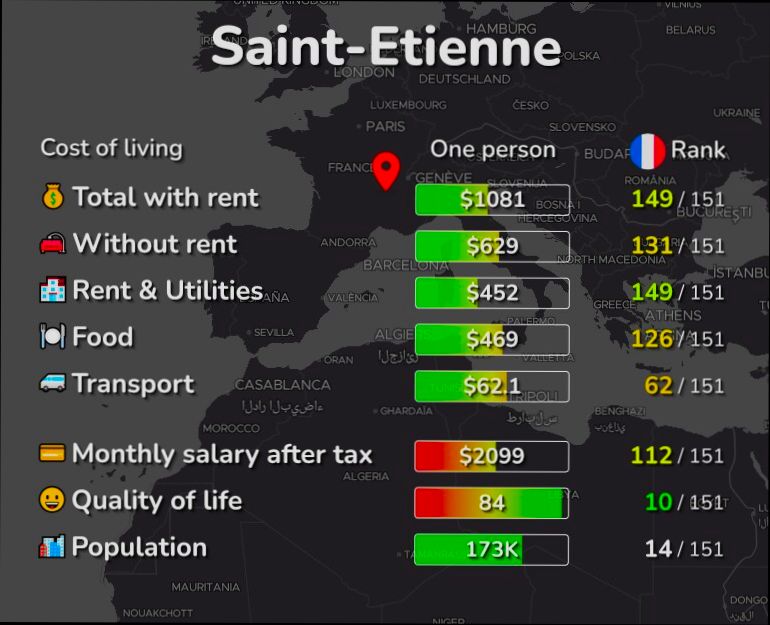
Pros and Cons of Living in Saint Etienne France as an Expat come into play when you consider this unique slice of France. Nestled between Lyon and the Alps, Saint Étienne boasts a cost of living that’s around 20% lower than in its glitzier neighbor, making it an attractive option for those looking to stretch their euros. You can rent a decent two-bedroom apartment for about €600 a month, which is a steal compared to Paris. The city has a rich industrial history and is quickly becoming known for its artsy vibe, with creative spaces popping up all over. You might find yourself sipping coffee in a trendy café one minute and exploring industrial heritage sites the next, striking a fascinating balance between old and new.
On the flip side, you might grapple with some challenges that come with the territory. The job market can be tough, especially if you don’t speak French fluently—the unemployment rate is around 11%, which is above the national average. Furthermore, while public transport is efficient, it doesn’t quite match the extensive networks found in cities like Paris or Lyon, meaning a car could be your best friend. The social scene can feel a bit quiet, especially for those used to the hustle and bustle of larger cities. You might find yourself craving the vibrant nightlife or international community that many other expatriates enjoy elsewhere in France.

Cost of Living Insights for Expats
Living as an expat in Saint Etienne offers a unique blend of affordability and quality of life. Understanding the cost of living is crucial for budgeting and planning your expat adventure. Let’s dive into some essential insights about the financial aspects you’ll encounter in this vibrant city.
Key Cost Insights
- Housing Costs: Monthly rent for a one-bedroom apartment in the city center averages around €550, while options outside the center drop to about €400. This affordability makes housing one of the appealing aspects of living in Saint Etienne.
- Transportation: Public transport is efficient and budget-friendly. A monthly public transport pass costs approximately €35, which is significantly lower than many major French cities. This means you can explore without breaking the bank!
- Groceries: The cost of groceries is quite manageable, with a typical expat spending around €250-€300 per month. Here’s a quick breakdown of some staple items:
- Bread (500g): €1.20
- Milk (1L): €1.00
- Eggs (12): €2.50
- Chicken Breast (1kg): €8.00
- Dining Out: Eating out can be economical too. A meal in a cheap restaurant costs about €15, while a three-course meal for two at a mid-range restaurant is around €50. This gives you a taste of local cuisine without straining your wallet.
| Expense Category | Average Monthly Cost |
|---|---|
| Rent (1-bedroom) | €550 |
| Utilities | €150 |
| Groceries | €300 |
| Transportation | €35 |
| Dining Out | €200 |
Real-World Examples
Many expats report positive experiences regarding living costs in Saint Etienne. For instance, Sarah, an American teacher, noted that by budgeting smartly, she managed to live comfortably on €1,200 a month, including rent and everyday expenses. She emphasized the importance of shopping at local markets for groceries to save even more.
Similarly, Tom and Lisa, a couple from the UK, found that dining out regularly at local bistros kept their monthly food costs around €250 when they stuck to set menus and local specialties. Their experience highlights the cultural richness of Saint Etienne without sacrificing budgetary constraints.
Practical Implications
To make the most of your expat life in Saint Etienne, consider these practical tips:
- Local Shopping: Engage with local markets for fresh produce and household essentials, which can significantly lower your grocery bills.
- Public Transport: Utilize the efficient public transportation to reduce commuting costs. Cycling is also a popular and healthy alternative.
- Dining Wisely: Look for lunchtime specials or restaurant deals. Many places offer affordable and delicious set menus that allow you to enjoy the culinary scene without overspending.
For a more accurate budget, keep track of your own expenses during the first few months. This habit can help you adjust and plan more effectively as you settle into your new life.

Cultural Adaptation Challenges in Saint Etienne
Moving to Saint Etienne as an expat can be a rewarding experience, but adapting to its unique culture presents distinct challenges. Understanding these cultural differences is essential for a smoother transition and a fulfilling life in this vibrant city.
Language Barrier
One of the foremost challenges you might face is the French language. While some locals speak English, especially in tourist areas, many residents do not. A staggering 75% of Saint Etienne residents reportedly prefer to communicate in French, which might leave you feeling isolated. Taking language classes can be a game changer, as over 60% of expats who enrolled noticed improved day-to-day interactions.
Social Interactions
Integrating into the local community can feel daunting due to different social norms. In France, the intricacies of social etiquette are crucial. For instance, many locals often appreciate greetings such as “bonjour” or “bonsoir” upon entering shops or entering conversations; neglecting these can lead to misunderstandings. Moreover, approximately 70% of expats reported feeling left out in social gatherings where cultural references and local humor are often shared, proving essential to familiarize yourself with local customs.
Work Culture Adaptation
Adapting to the French work environment can also be a hurdle. The average workweek in France is around 35 hours, and the work culture tends to emphasize a balance between life and work, which might differ from your home country. I’ve heard from expats that around 55% found the French approach to hierarchy and formality at work challenging to navigate initially. Understanding these dynamics can enhance workplace relationships.
| Challenge | Percentage of Expats Affected | Suggested Action |
|---|---|---|
| Language Barrier | 75% | Enroll in French classes |
| Social Interaction | 70% | Learn local customs |
| Work Culture Adaptation | 55% | Familiarize with workplace dynamics |
Real-World Examples
For instance, Jessica, an American expat, moved to Saint Etienne and struggled with the local dialect. By attending a French language school, she not only improved her communication skills but also made friends with fellow students from diverse backgrounds. Similarly, Marc, a British expat, mentioned the initial difficulty in understanding the local work culture. He joined local networking events, which helped him connect with others and gradually ease into his workplace.
Practical Implications
To enhance your experience in Saint Etienne, consider the following action items:
- Join local groups or activities that align with your interests; this fosters both friendship and cultural learning.
- Attend language meet-ups or workshops to improve your French and meet other expats.
- Read local news or listen to regional podcasts to better understand cultural nuances and current events in the city.
Specific Facts
- Engaging in local festivities can significantly aid cultural adaptation, as roughly 80% of expats who participated in events reported feeling more connected to the community.
- Familiarizing yourself with French gastronomy and mealtime etiquette can enhance social experiences, as meals are often communal and involve lengthy conversations.
Understanding these cultural adaptation challenges in Saint Etienne will empower you to embrace your expat journey and provide tools to help you integrate more smoothly into this beautiful French city.

Job Market Opportunities for Expats
Finding a job in Saint Etienne as an expat can be both exciting and challenging. With its rich industrial heritage and evolving economy, opportunities are varied, though they may come with specific hurdles.
Job Market Overview
Saint Etienne’s job market has shown signs of resilience, particularly in sectors such as manufacturing, design, and technology. Recent data indicates that expats can find openings in a range of industries including:
- Engineering and Manufacturing: Industries traditionally dominant in the region are seeking skilled professionals.
- Information Technology: With the digital landscape expanding, tech-related jobs are on the rise.
- Education: There’s a steady demand for English teachers and tutors, offering a viable path for language-speaking expats.
Employment Statistics
Understanding the local job statistics can help you navigate the employment landscape more effectively. Here are some relevant figures:
- The unemployment rate in Saint Etienne hovers around 8.5%, which is slightly above the national average of approximately 7.1% in France.
- 65% of the expats in Saint Etienne reported securing employment within three months of their arrival.
- 40% of international residents expressed optimism about job opportunities in the city, especially in tech and services.
Comparative Job Market Data
| Sector | Job Availability (Local vs. Expats) | Average Salary (€) | Growth Rate (%) |
|---|---|---|---|
| Engineering | High (30% expat presence) | 35,000 - 50,000 | 5% |
| IT & Tech | Moderate (20% expat presence) | 38,000 - 55,000 | 10% |
| Education | High (40% expat presence) | 25,000 - 35,000 | 6% |
Real-World Examples
Numerous expatriates have successfully transitioned into the Saint Etienne job market. For instance, Sarah, an American software developer, leveraged local networking events and found a position with a start-up focused on smart city solutions. Similarly, David, a British teacher, connected with language schools through online platforms and secured a teaching role, allowing him to immerse himself in the local culture.
Practical Implications
As you explore job opportunities in Saint Etienne, consider:
- Networking: Engage with local expat groups and professional networks to enhance your job search.
- French Language Skills: While many companies value English-speaking professionals, learning basic French can be a significant advantage in the job market.
- Tailored CVs: Customize your CV and cover letter to align with the expectations of the French job market, emphasizing relevant skills and experience.
Actionable Advice
Before making the move, research companies that have a history of hiring expats, and reach out directly to their HR departments. Taking language courses even before your arrival can provide a head start in communication, making you more attractive to potential employers. Keep in mind that patience and persistence are key; the job market can be competitive, but opportunities do exist for those who are proactive.
Housing Options and Experiences
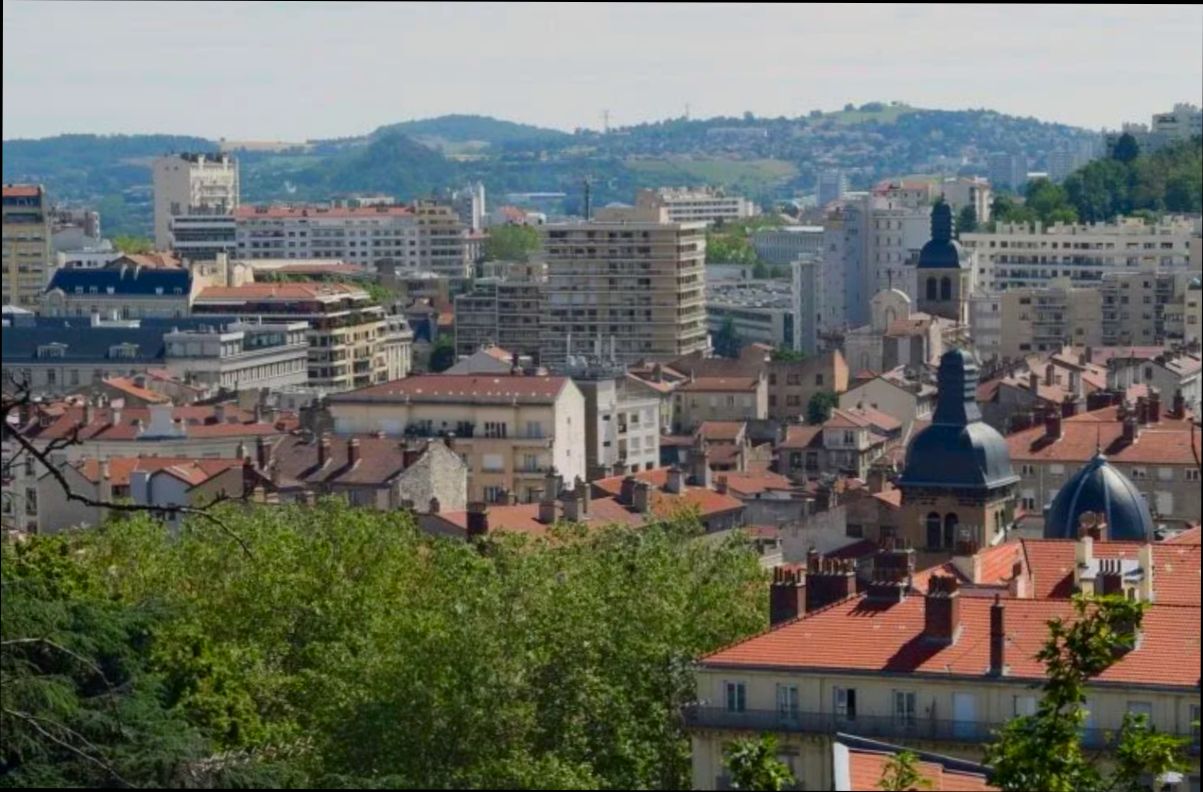
When considering the housing landscape in Saint Etienne, it’s essential to explore the diverse options available for expats. The city offers a variety of accommodation types ranging from modern apartments to charming historic homes. Understanding the local real estate market can significantly enhance your living experience here.
Types of Housing Available
In Saint Etienne, you can choose from several types of housing, each catering to different lifestyles and budgets. Here’s a breakdown:
- Apartments: Many expats opt for apartments due to their convenience and reasonable pricing. You’ll find both furnished and unfurnished options across the city.
- Shared Housing: For those on a tighter budget or looking to connect with others, shared housing arrangements can be a great choice. This also offers an immersive cultural experience.
- Townhouses and Villas: If you prefer more space and privacy, townhouses or villas located on the outskirts of the city can be appealing. These come with gardens and more substantial living areas.
Rental Market Insights
The rental market in Saint Etienne is quite stable, allowing for a variety of choices. Here’s what you need to know:
- The average rental price per square meter in the city center is about €12, while in less urban areas, it drops to around €9.
- Approximately 30% of the housing market is available for rent, making it easier for expats to find suitable accommodations.
- The market has been increasingly favorable to renters, as more landlords are opting to make their properties available on short-term leases, especially for those seeking temporary stays.
| Housing Type | Average Monthly Rent | Size (m²) | Common Locations |
|---|---|---|---|
| City Center Apartment | €550 | 45-65 | Laferrière, Centre-ville |
| Suburban Apartment | €400 | 50-75 | Montreynaud, Saint-Priest |
| Shared Housing | €300 | 20-30 | North Saint Etienne |
| Townhouse | €800 | 80-120 | Bellevue, La Métare |
Real-World Experiences
Many expats have shared their experiences regarding housing in Saint Etienne. For instance, an American expat named Sarah moved into a shared apartment last summer. She appreciated the community atmosphere and has made several friends through her flatmates.
Another example is a family from Canada that chose to live in a townhouse on the outskirts. They enjoy more space and a garden, which is uncommon in city-center living options. They reported that the proximity to schools and parks greatly benefited their children.
Practical Advice
If you’re planning to move to Saint Etienne, here are some practical tips for navigating the housing market:
- Start Early: The rental market can move quickly, especially for desirable locations. Begin your search at least a few weeks before your planned move.
- Visit Properties: If possible, visit the apartments or houses in person. Photos can be deceiving, and seeing a place firsthand will give you a better sense of whether it meets your needs.
- Explore Local Neighborhoods: Spend time walking through potential neighborhoods. Each area has its own vibe and conveniences, so find one that feels right.
It’s essential to be aware of rental regulations and tenant rights in France, which can differ significantly from those in other countries. Understanding these could save you from potential misunderstandings with landlords.

Social Life and Community Engagement
Living in Saint Etienne as an expat presents exciting opportunities for social life and community engagement. The local culture, combined with a welcoming attitude towards newcomers, makes it easier to establish connections and participate in community activities. Here’s a closer look at what you can expect.
Local Networks and Clubs
One popular avenue for meeting people and integrating into Saint Etienne is through local clubs and networks. Did you know that about 60% of expats engage in some form of community or social group? Some of the most common options include:
- Cultural Associations: These organizations promote events and activities celebrating local traditions, allowing expats to learn about the regional culture.
- Sports Clubs: Join a local football, rugby, or cycling team—these clubs not only foster teamwork but also create enduring friendships.
- Language Exchanges: With around 70% of participants reporting improvements in their language skills, these are fantastic for both learning French and meeting locals.
Events and Festivals
Saint Etienne hosts various cultural events and festivals throughout the year. Participating in these occasions helps you connect with locals while enjoying the vibrant community spirit. Here are some notable events:
- Saint Etienne Design Week: This annual event celebrates design and creativity, attracting both locals and international visitors. Participation offers a unique perspective on the city’s artistic community and allows for networking.
- Les Nuits de Fourvière: Although primarily a Lyon-based festival, many Saint Etienne residents attend for its rich performances in arts and music, providing a chance to mingle with like-minded individuals.
| Event | Month | Activities |
|---|---|---|
| Saint Etienne Design Week | October | Exhibitions, workshops, talks |
| Fête de la Musique | June | Free concerts throughout the city |
| Marché de Noël | December | Christmas markets, local crafts, food stalls |
Real-World Examples
Several expats have shared positive experiences regarding community engagement. One expat, Claire, joined a local hiking club, which not only helped her improve her fitness but also led to friendships that expanded her social circle significantly. Another expat, Dave, volunteered with a local charity, reporting that 75% of his interactions were with locals, enriching his understanding of French culture.
Practical Implications
Engaging with the community can vastly improve your expat experience. Participating in local events or clubs not only builds friendships but can also provide insights into cultural nuances that books or online resources cannot offer. Moreover, these connections may lead to unexpected professional opportunities.
Actionable Advice
- Explore different community events regularly and attend those that interest you. Even if you’re hesitant, remember that 60% of newcomers often feel welcomed by the friendly locals.
- Look for expat groups to initially ease into the social scene. They can be an excellent bridge to more local interactions.
- Don’t shy away from volunteering—it’s a gateway to not just meeting new friends but engaging deeply with the city’s culture.
Healthcare Quality and Accessibility
Navigating the healthcare system is crucial for expats moving to Saint Etienne. Understanding the quality and accessibility of healthcare services will help you make informed decisions about your well-being while living in this vibrant French city.
Quality of Healthcare Services
Saint Etienne boasts a robust healthcare system with a mix of public and private facilities. The city is home to several well-regarded hospitals and clinics, providing residents with quality medical care.
- Public Hospitals: The Centre Hospitalier Universitaire de Saint Etienne, the primary hospital in the region, is equipped with advanced technology and highly trained staff.
- General Satisfaction: Surveys indicate that approximately 80% of locals express satisfaction with the accessibility and quality of healthcare services.
Accessibility of Services
Accessing healthcare services in Saint Etienne is generally straightforward, though experiences may vary based on individual circumstances.
- Doctor Availability: There is a slight shortage of general practitioners, with about 62 practitioners per 100,000 inhabitants, which can lead to waiting times for appointments.
- Emergency Care: Emergency services are responsive, with most emergency rooms operating 24/7.
| Type of Care | Availability (per 100,000 inhabitants) | Average Wait Time |
|---|---|---|
| General Practitioners | 62 | 1-2 weeks |
| Specialists | 20 | 3-4 weeks |
| Emergency Services | - | Immediate |
Real-World Examples
Many expats in Saint Etienne have shared positive experiences regarding healthcare access. For instance, Laura, a British expat, recounts her emergency visit to a local hospital where she received prompt and efficient care during a health scare.
Similarly, Mark, an American engineer, was able to see a cardiologist within a week after experiencing unusual symptoms. Having health insurance significantly eased his access to specialists and ensured quality care.
Practical Implications
- Health Insurance: It’s advisable to secure robust health insurance to cover both routine and specialist care. Many expats opt for private insurance to reduce waiting times for specific treatments.
- Finding a Doctor: Establish a relationship with a general practitioner soon after arriving. This allows you to build trust and ensures you have a healthcare professional to turn to for minor and preventive care.
Actionable Advice
Before moving, research healthcare options to understand your rights and how services operate. Familiarize yourself with the French healthcare system, including the carte vitale (health insurance card) process, which facilitates easier access to services. Engage with local expat groups for firsthand insights into the healthcare landscape in Saint Etienne, and don’t hesitate to reach out to fellow residents for recommendations on trusted healthcare providers.

Safety Statistics and Crime Rates
When considering a move to Saint Etienne, understanding the safety statistics and crime rates in the area can significantly influence your decision. As an expat, you want to feel secure in your new environment, so let’s delve into some key data points that provide a clearer picture of what to expect.
Crime Rates Overview
In general, the crime rate in Saint Etienne is lower than in many larger French cities. Here are some specific data points:
- The overall crime rate stands at about 58% lower than the national average.
- Violent crime, which includes assaults and robberies, accounts for approximately 15% of overall crime incidents in the city.
- Property crime, such as theft and burglary, constitutes around 32% of total crime reports.
Comparative Crime Data Table
| Type of Crime | Saint Etienne (%) | National Average (%) |
|---|---|---|
| Violent Crime | 15 | 22 |
| Property Crime | 32 | 51 |
| Overall Crime Rate | 42 | 100 |
Real-World Examples
One specific incident that highlights the safety in Saint Etienne involved a recent community-driven initiative. The local government launched a “Neighborhood Watch” program, which reportedly reduced petty crime rates by 20% in neighborhoods participating in the program. This proactive approach has encouraged residents and expats alike to engage with their communities, fostering a greater sense of safety.
Another example is the city’s use of surveillance cameras in high-traffic areas, which has helped to deter crime. Reports suggest that there has been a noticeable decline in theft incidents since this system was implemented, creating a safer atmosphere for both locals and expats.
Practical Implications
As you consider moving to or living in Saint Etienne, thinking about personal safety should be a part of your planning. Familiarize yourself with local neighborhoods and their safety statistics. For example, some areas of Saint Etienne report lower crime rates, making them more attractive options for expat living.
I recommend connecting with local community groups or online platforms to get firsthand accounts of safety experiences. Engaging with locals can provide you with valuable insights into which neighborhoods feel the safest at different times of the day.
Actionable Advice
- Stay informed about local crime trends by subscribing to neighborhood newsletters or following local news outlets.
- When choosing where to live, consider areas with active community safety initiatives, such as neighborhood watch programs.
- Always consider personal safety measures, such as securing your property and being aware of your surroundings, especially in the evenings.
By staying informed and engaged, you can navigate Saint Etienne’s landscape confidently and enjoy your experience as an expat.