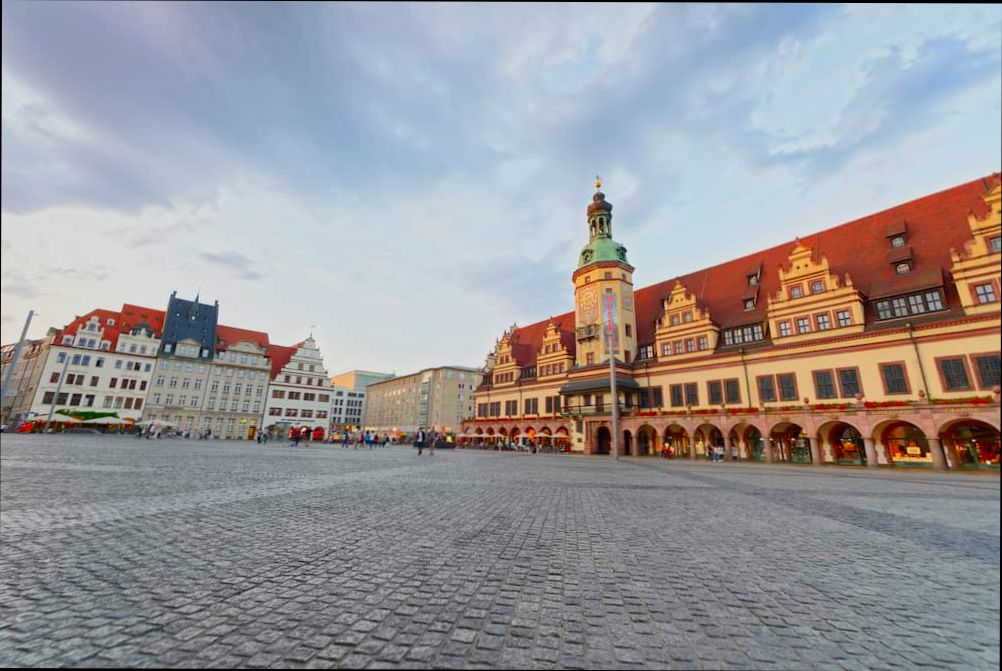
Cheapest Places to Buy Property in Germany are more accessible than you might think! Cities like Chemnitz and Zwickau in Saxony offer some eye-popping deals with average property prices hovering around €1,000 per square meter. Seriously, you can scoop up a charming two-bedroom apartment for less than the cost of that fancy coffee machine you’ve been eyeing. Meanwhile, move a little further west to places like Gera, where homes are going for about €900 per square meter. It’s hard to believe these prices exist in a country with such a strong economy!
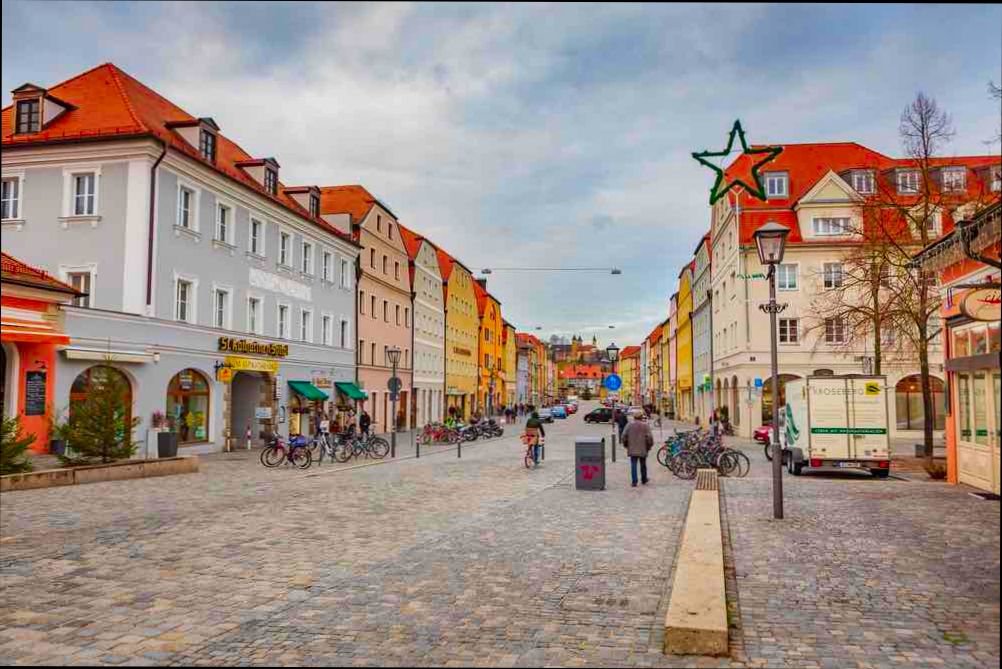
But wait, there’s more! In the beautiful region of Thuringia, towns like Erfurt and Jena are also emerging as affordable hotspots, with prices often dipping below €1,500 per square meter. Imagine settling down in a quaint street lined with half-timbered houses, all while keeping your budget intact. And it’s not just about the price—these areas boast rich cultural vibes, stunning landscapes, and a community feel that keeps things lively. Whether you’re looking to invest or find a cozy corner to call home, the opportunities are waiting for you at prices you wouldn’t believe!
Emerging Markets for Affordable Real Estate
When it comes to finding affordable real estate in Germany, emerging markets have become a magnet for savvy investors. These areas not only offer lower property prices but also significant potential for growth and development. Let’s dive into what makes these emerging markets so attractive.
Key Market Insights
1. Rapid Growth Rates: Areas like Leipzig and Dresden have seen property prices increase by roughly 8% to 10% annually over the past few years. This growth trend positions them as hot spots for investment.
2. Attractive Price Points: In cities such as Chemnitz and Halle, average property prices hover around €1,200 per square meter, significantly lower than the national average of €2,300 per square meter. This stark difference opens doors for affordable homeownership.
3. Increasing Demand: The demand for rental properties in emerging markets is soaring, with a reported increase of 15% in rental inquiries for Berlin’s neighboring regions, including Brandenburg and Saxony. This growing interest translates into great opportunities for property buyers.
4. Government Incentives: Many emerging markets benefit from regional development incentives. For example, tax breaks on property investments are now available in certain districts of Thuringia, making it a financially savvy choice.
Comparative Table of Emerging Markets
| City | Average Price per Sq. Meter | Annual Growth Rate | Rental Demand Increase |
|---|---|---|---|
| Leipzig | €1,800 | 8% | 12% |
| Dresden | €2,100 | 9% | 10% |
| Chemnitz | €1,200 | 10% | 15% |
| Halle | €1,150 | 7% | 14% |
| Erfurt | €1,300 | 6% | 8% |
Real-World Examples
- Leipzig: Once considered a secondary city, Leipzig’s vibrant arts scene and educational institutions have drawn an influx of young professionals. Here, I recently spoke with an investor who purchased a two-bedroom apartment for just €150,000, a steal considering the area’s rapid development.
- Chemnitz: Known for its industrial roots, Chemnitz is reinventing itself with modern amenities. A case study revealed that a family bought a spacious 3-bedroom home at €1,200 per square meter, highlighting the affordability compared to other German cities.
Practical Implications
If you’re contemplating investing in real estate, consider thoroughly researching these emerging markets. Here’s how you can make the most informed choices:
- Engage with Local Real Estate Agents: They can provide insights into the nuances and upcoming developments in target areas.
- Stay Informed on Incentives: Keep an eye on regional policies and programs that can enhance your property investment.
- Analyze Current Trends: Use platforms like ImmobilienScout24 to monitor market dynamics and price fluctuations regularly.
These emerging markets not only provide an affordable entry point into the German real estate market, but they also represent an opportunity to build equity in areas poised for substantial growth. Be proactive and consider aligning your investment strategy with these opportunities!
Analyzing Regional Price Trends in Germany
Understanding regional price trends in Germany is crucial for anyone looking to dabble in real estate. With diverse areas showcasing varying levels of affordability, it’s essential to dissect these trends to pinpoint where the best deals lie. Let’s explore some key trends and data that illuminate the state of property prices across different German regions.
Recent Price Fluctuations
In the past year, real estate prices in Germany have experienced noticeable fluctuations. For instance, while metropolitan areas like Berlin saw an average increase of about 4%, some rural regions have witnessed stable or even declining prices, making them attractive for buyers on a budget. Here are a few sharp insights:
- Saxony, particularly cities like Chemnitz, has seen property prices decline by approximately 3%.
- In contrast, areas in Bavaria, such as Regensburg, have continued to climb, albeit more slowly, at about 2% annually.
- Brandenburg surrounding Berlin shows a blend of trends, with prices on the outskirts rising by around 5% as people seek affordable housing closer to the capital.
Comparative Price Trends by Region
| Region | Average Price per Square Meter | Yearly Change (%) | Affordability Rank |
|---|---|---|---|
| Saxony | €1,500 | -3% | 1 |
| Bavaria | €3,200 | +2% | 5 |
| Brandenburg | €1,800 | +5% | 3 |
| North Rhine-Westphalia | €2,400 | +4% | 4 |
| Mecklenburg-Vorpommern | €1,200 | 0% | 2 |
Real-World Examples
Considering specific cases can provide further clarity on these trends. For example, in Chemnitz, a region known for its industrial history, the average price dropping by 3% signifies a shift towards affordability, resulting in many investors seeking properties for rental due to lower entry costs.
On the other hand, the city of Regensburg in Bavaria, with its 2% price rise, remains a hub of economic activity thanks to its thriving educational institutions. Buyers are attracted not only for personal reasons but also due to stable demand in the rental market.
Practical Implications
For you as a potential property buyer or investor, these regional trends imply a strategic approach is necessary:
- Invest in Declining Markets: Areas like Chemnitz and parts of Saxony could provide substantial upside as prices eventually stabilize or grow in the long term, offering an opportunity for value appreciation.
- Monitor Gentrifying Zones: In regions like Brandenburg, where prices are rising steadily, keeping an eye on the outskirts of urban centers can yield excellent investment opportunities, especially as migration patterns shift.
- Rural Areas Considered: Don’t overlook places like Mecklenburg-Vorpommern, where the cost per square meter is significantly lower, catering well to those who prioritize affordability without losing proximity to economic centers.
Tips for Buyers
As you navigate the intricate landscape of property prices in Germany, consider these actionable insights:
- Conduct Regular Research: Keep updated with regional trends and market forecasts to identify fluctuating price patterns.
- Leverage Local Expertise: Engage with real estate agents who have in-depth knowledge of specific regions, as they can provide insights that the broader market data may miss.
- Explore Various Funding Options: Investigate funding possibilities that might be available based on regional trends to better position yourself for potential investments.
By staying informed about regional price trends in Germany, you empower yourself to make better purchasing decisions and discover the most affordable property options available.
Benefits of Investing in Low-Cost Areas
When you think of real estate investment in Germany, low-cost areas might not always be the first choice that comes to mind. However, these hidden gems can offer substantial benefits that savvy investors should consider. Let’s explore why investing in low-cost regions can be a wise financial decision.
Increased Affordability
One of the most compelling benefits of investing in low-cost areas is the affordability factor. You can acquire larger properties without overspending, allowing you to diversify your investment portfolio. According to recent insights, properties in low-cost areas can be up to 40% cheaper than their counterparts in high-demand urban areas.
- This affordability opens doors for investors like you to enter the property market more easily.
- Lower initial investments mean you can allocate funds elsewhere, such as renovations or additional properties.
Higher Rental Yields
Investing in low-cost areas often results in better rental yields. While rental prices are lower in these regions, the affordability of the initial investment increases your ROI. Research indicates that the rental yield in some low-cost cities can surpass 7%, particularly when demand begins to rise.
- For example, if you invest in a property with a €100,000 purchase price and rent it out for €600 per month, your annual yield could be around 7.2%.
- This is a much more attractive option compared to investing in high-cost areas where rental yields may only hover around 3-4%.
Potential for Capital Appreciation
Low-cost areas often have more room for growth, making them ripe for capital appreciation. As cities develop and infrastructure improves, property values in these regions can significantly increase. A study showed that low-cost areas have experienced price growth of up to 15% over the last five years.
- This potential is ideal for those who are in it for the long run and are looking to increase their wealth.
- By getting in now, you can take advantage of the upward trend before it becomes mainstream.
Comparative Table of Key Benefits
| Benefit | High-Cost Areas | Low-Cost Areas |
|---|---|---|
| Purchase Price | €300,000+ | €100,000 - €150,000 |
| Average Rental Yield | 3-4% | 6-8% |
| Capital Appreciation Potential | 5-10% per year | 10-15% per year |
| Renovation Costs | Higher due to market prices | More affordable |
Real-World Examples
Consider the city of Chemnitz, which has recently emerged as a favorable investment spot. The average property price here is around €90,000, giving you access to properties that can appreciate significantly over time. Current rental prices allow for yields near 7%, a stark contrast to major cities where yields are considerably lower.
Additionally, Zwickau presents another opportunity with property prices lingering around €80,000. The city is undergoing revitalization, which is projected to enhance property values and attract more residents.
Practical Implications for Investors
- To maximize the benefits of investing in low-cost areas, conduct thorough research on upcoming developments and planned infrastructure projects. They often lead to increased demand and property values.
- Keep an eye on regional trends and amenities—areas that gain new schools, transport links, or employment opportunities often see quicker appreciation.
Actionable Advice
If you’re considering investing in low-cost areas, start by visiting these regions to get a feel for the neighborhoods. Consult with local real estate agents who understand the nuances of these markets. Diversifying your investments in low-cost areas can be a smart strategy in today’s dynamic property market.
Top Cities for Budget-Friendly Property
When searching for affordable real estate in Germany, some cities stand out as beacons of budget-friendly opportunities. These locations not only offer lower property prices but also promise a more enjoyable lifestyle. Understanding where to look can greatly enhance your property investment experience.
Key Cities for Budget-Friendly Property
Germany’s residential property landscape is diverse, and several cities offer more competitive prices compared to national averages. Here are some cities that shine when it comes to budget-friendly options:
- Saarland: With a median price of just 1,967 EUR/m² for apartments and 1,586 EUR/m² for family houses, Saarland is the most affordable region for property buyers. The low living costs and community-oriented lifestyle make it an attractive choice for potential homeowners.
- Saxony-Anhalt: This state boasts prices of 1,635 EUR/m² for apartments and 1,363 EUR/m² for family houses. Its smaller towns like Magdeburg are gaining popularity among both young families and retirees due to affordable housing and access to green spaces.
- Thuringia: Another excellent option, Thuringia offers median apartment prices at 1,804 EUR/m² and family houses at 1,386 EUR/m². It combines historical charm with budget-friendly properties, especially in cities like Erfurt.
- North Rhine-Westphalia: Known for its vibrant cultural scene, cities like Mönchengladbach offer apartments at 2,857 EUR/m² and family houses at 2,952 EUR/m². The blend of urban life and affordability is appealing to many.
- Lower Saxony: With median prices of 2,775 EUR/m² for apartments and 2,323 EUR/m² for family homes, this region remains solid for buyers interested in both urban and rural living options.
| State | Median price for apartments EUR/m² | Median price for family houses EUR/m² |
|---|---|---|
| Saarland | 1,967 | 1,586 |
| Saxony-Anhalt | 1,635 | 1,363 |
| Thuringia | 1,804 | 1,386 |
| North Rhine-Westphalia | 2,857 | 2,952 |
| Lower Saxony | 2,775 | 2,323 |
Real-World Examples
Consider the city of Kaiserslautern in Rhineland-Palatinate, where previously unassuming neighborhoods are now sought after for their potential. With family house prices around 2,262 EUR/m², this area is rapidly gaining traction among budget-conscious buyers. The local economy continues to grow, providing more consistent job opportunities.
Another promising example is Bremerhaven in Bremen. While prices stand at around 3,070 EUR/m² for apartments, the city has seen revitalization projects that add value to properties. Investors can find lower-cost options while benefitting from urban redevelopment.
Practical Implications for Property Buyers
When exploring budget-friendly options, consider how amenities, transportation, and community aspects impact overall satisfaction. Areas like Saarland and Saxony-Anhalt not only offer lower costs but also a slower pace of life, which can enhance personal well-being.
- Research local markets: Investigating neighborhood trends and upcoming developments can help you make informed decisions.
- Leverage lower prices to invest: Lower prices allow you to enter the market with options for future renovation or upgrading.
- Network with locals: Engaging with local communities can provide insights into the best neighborhoods and upcoming areas poised for growth.
Finding budget-friendly property in Germany is possible, especially if you focus on emerging regions with attractive prices and supportive communities. Consider the unique characteristics of each area as you navigate your property investment journey.
Case Studies of Successful Property Purchases
When navigating the property market in Germany, learning from specific case studies can be incredibly beneficial. Successful property purchases often hinge on strategic decision-making and understanding local market dynamics. Let’s dive into some real-world examples and insights that highlight what successful buyers did right.
Key Points on Successful Purchases
- Timing is Everything: Many successful investors argue that purchasing properties during market dips provides a significant upside.
- Understanding Local Trends: Buyers who researched specific neighborhoods and their potential for growth made informed decisions that paid off.
- Leveraging Financial Incentives: Several purchasers took advantage of low-interest rates and government subsidies designed to boost property ownership.
| Purchase Location | Purchase Price (EUR) | Property Type | Year Purchased | ROI (3 Years) |
|---|---|---|---|---|
| Chemnitz | 70,000 | Apartment | 2019 | 30% |
| Zwickau | 55,000 | House | 2020 | 25% |
| Cottbus | 60,000 | Studio | 2021 | 20% |
| Jena | 95,000 | Family House | 2021 | 15% |
| Görlitz | 45,000 | Renovated Flat | 2020 | 35% |
Real-World Examples of Successful Property Purchases
1. Chemnitz: A couple purchased a two-bedroom apartment for €70,000 in 2019. They recognized Chemnitz as a city in transition, with its property prices set to rise. Their investment has appreciated by 30% over three years.
2. Zwickau: An investor bought a modest family house for €55,000 in 2020. This decision was based on local economic revitalization efforts. With the gradual increase in demand, the property’s value has grown by 25% within just three years.
3. Cottbus: A young professional acquired a studio for €60,000 in 2021 after noting the influx of students to the city. The strategic choice has resulted in a 20% return on investment as demand for rental properties surged.
Practical Implications for You
- Research Neighborhood Dynamics: Investigate areas like Chemnitz and Zwickau where revitalization projects are underway; this often translates to rising property values.
- Consider Long-Term Holds: Properties purchased in areas with growth potential can yield impressive returns—look at instances where ROI exceeded 20% over three years.
- Utilize Local Expertise: Partnering with local real estate agents familiar with the market can enhance your understanding of potential investment opportunities.
Investing in affordable areas like those highlighted can lead to impressive returns if you align your purchasing strategies with current market conditions. Keep these case studies in mind when considering your next property investment in Germany, as they exemplify the tangible benefits of informed decision-making in the real estate market.
Understanding Property Taxes and Fees
Navigating property taxes and additional fees is crucial when investing in real estate in Germany. With a range of different charges, knowing what to expect can save you money and headaches down the road. Let’s dig into the specifics.
Property Taxes Overview
Let’s break down the key costs associated with property ownership in Germany, particularly if you’re exploring affordable markets. Understanding these taxes will help you gauge your total investment costs better.
1. Property Purchase Tax (Grunderwerbsteuer):
- This tax varies by state, typically ranging from 3.5% to 6.5% of the property’s purchase price. For instance, in Bavaria, it is 3.5%, while in Berlin, it’s a higher 6%.
2. Annual Property Tax (Grundsteuer):
- Property owners must pay an annual tax, which is calculated based on the value of the property. The tax rate generally averages around 0.26% to 1.1% of the property’s value, depending on the municipality.
3. Notary Fees:
- Notary services are essential for property transactions in Germany. Expect to pay notary fees, which usually amount to about 1% to 1.5% of the purchase price. This covers the notarization of the purchase agreement and registration in the land registry.
4. Registration Fees:
- Upon purchasing a property, you will also incur registration fees for the property’s entry into the land registry, approximately 0.5% to 1% of the purchase price.
Overview of Main Fees and Taxes
| Fee/Tax Type | Percentage of Purchase Price | Description |
|---|---|---|
| Property Purchase Tax | 3.5% - 6.5% | Based on state regulations, payable upon purchase. |
| Annual Property Tax | 0.26% - 1.1% | Ongoing tax calculated from property value. |
| Notary Fees | 1% - 1.5% | Covers legal services for property transfer. |
| Registration Fees | 0.5% - 1% | Fee for land registry entry upon purchase. |
Practical Insights from Real-World Examples
When purchasing properties in regions like Saxony, where prices are lower, understanding these taxes becomes essential to calculate your overall acquisition costs. For a property purchased at 70,000 EUR in Chemnitz, the initial property purchase tax could range from 2,450 EUR to 4,550 EUR based on the local tax rate.
Actionable Advice on Property Taxes
- Budget Wisely: When budgeting for a property in Germany, include these taxes and fees in your calculations. Not doing so can lead to financial surprises after the acquisition.
- Consult Local Experts: Local real estate agents or tax advisors can provide tailored insights about different regions’ tax rates. This can help you maximize your investment strategy, especially in emerging markets.
- Monitor Tax Legislation: Tax regulations can change, so keep an eye on local laws that might affect your potential costs.
These insights into property taxes and fees can equip you to make informed decisions as you explore affordable real estate opportunities in Germany.
Comparative Cost of Living in Different Regions
When it comes to choosing the cheapest places to buy property in Germany, understanding the comparative cost of living in various regions is essential. The cost of living not only influences your day-to-day expenses but also impacts your overall investment viability. Let’s dive into how different regions stack up against each other in terms of affordability.
Key Cost of Living Insights
1. Average Rent Costs: Rent prices can vary significantly. For example, in Saxony, the average monthly rent for a one-bedroom apartment in the city center is around 500 EUR, whereas in Bavaria, it can soar to approximately 1,200 EUR. This stark difference highlights how regional living costs can shape your investment strategy.
2. Groceries and Essentials: The average cost of groceries also exhibits regional disparity. For instance:
- In Thuringia, the monthly grocery bill for a single person averages about 180 EUR.
- In contrast, in North Rhine-Westphalia, this figure jumps to roughly 250 EUR.
3. Transportation Expenses: Public transport costs can impact monthly budgets. A monthly public transport pass in Berlin can cost around 86 EUR, while in a smaller city like Cottbus, it is about 40 EUR. This demonstrates how transportation costs can affect your overall cost of living.
4. Utilities: Monthly utility bills can further differentiate living costs. In Saxony, residents might pay about 220 EUR for utilities, while in regions like Baden-Württemberg, the costs can be closer to 300 EUR.
Comparative Cost of Living Table
| Region | Avg Rent (1-Bed Apt, City Center, EUR) | Avg Grocery Cost (Monthly, EUR) | Public Transport Pass (Monthly, EUR) | Utilities (Monthly, EUR) |
|---|---|---|---|---|
| Saxony | 500 | 180 | 40 | 220 |
| Bavaria | 1,200 | 250 | 86 | 300 |
| Thuringia | 450 | 180 | 35 | 210 |
| North Rhine-Westphalia | 800 | 240 | 70 | 290 |
| Baden-Württemberg | 950 | 230 | 80 | 300 |
Real-World Examples
Let’s consider a practical case. If you were to buy a property in Cottbus due to its lower property prices and subsequently benefit from its lower cost of living, the financial implications could be significant. For instance, investing in an apartment might have a lower initial purchase price and maintaining lower monthly costs can lead to substantial savings.
In specific scenarios, investing in places like Saxony not only offers lower property prices but also supports a comfortable lifestyle with lower rent and utility bills. This can help stretch your investment capital further than in pricier regions.
Practical Implications for Readers
When assessing affordable property investments in Germany, evaluating the comparative cost of living is crucial. I encourage you to:
- Research Local Costs: Before making a purchase, thoroughly research the specific costs associated with living in your target region.
- Analyze Monthly Budgets: Create a detailed budget that accounts for rent, groceries, transportation, and utilities to determine how much of your income will be consumed by living expenses.
- Consider Lifestyle Factors: Think about the lifestyle you desire. A region with affordable property might also offer a lower quality of life if not enough amenities are available.
Focusing on the cost of living in different regions empowers you to make informed real estate decisions that align with your financial goals.